


Where to Stay
Discover Chile through its Hotels
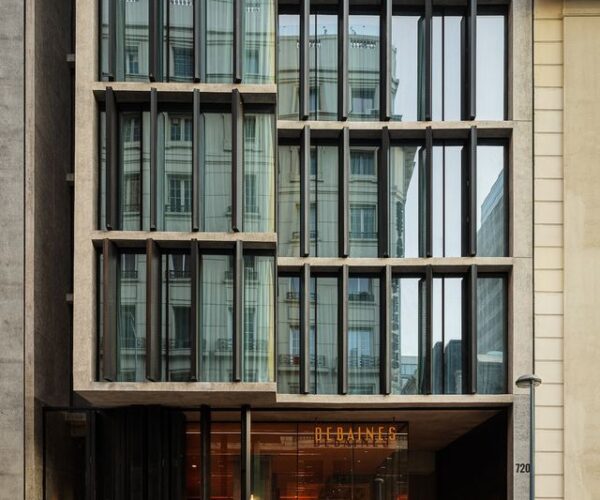
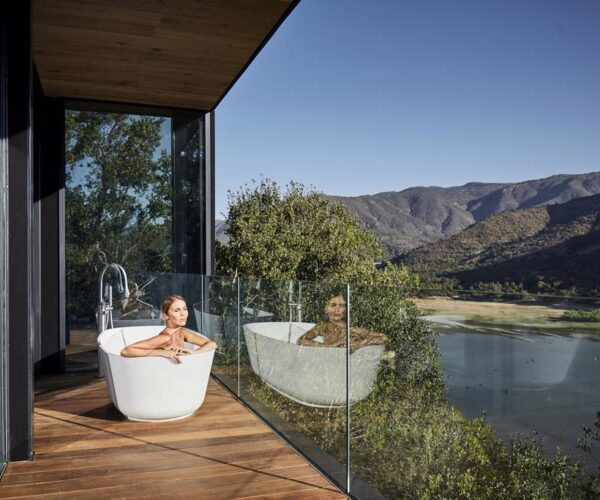
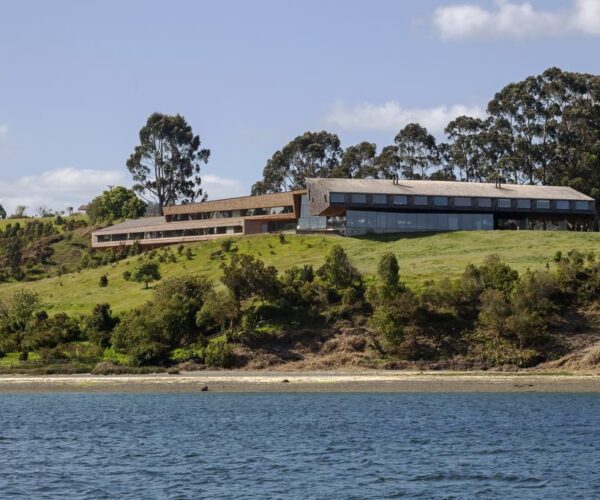
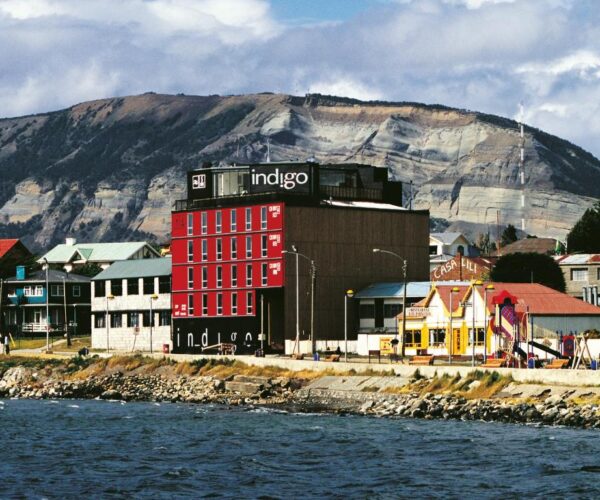
The DNA of Chile
Where Pacific Landscapes Meet Latin American Modernism
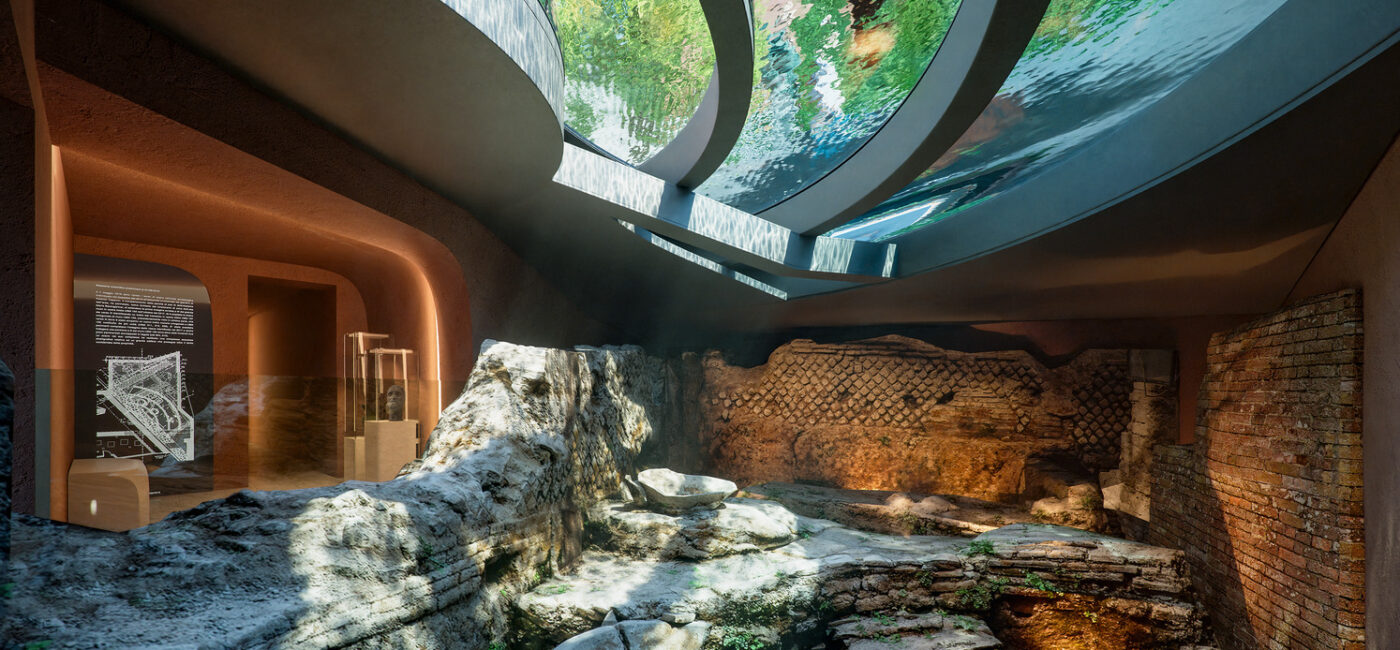
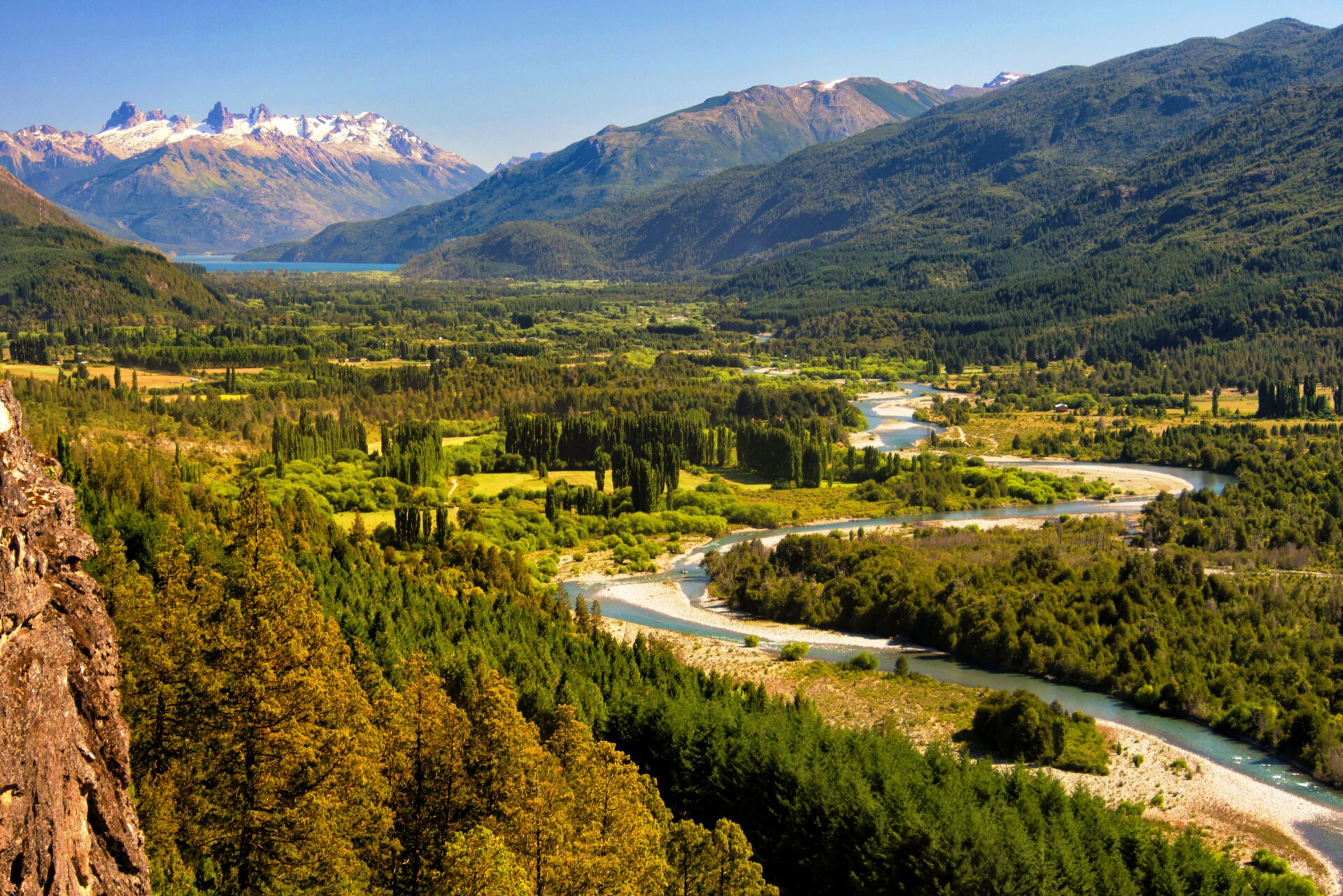
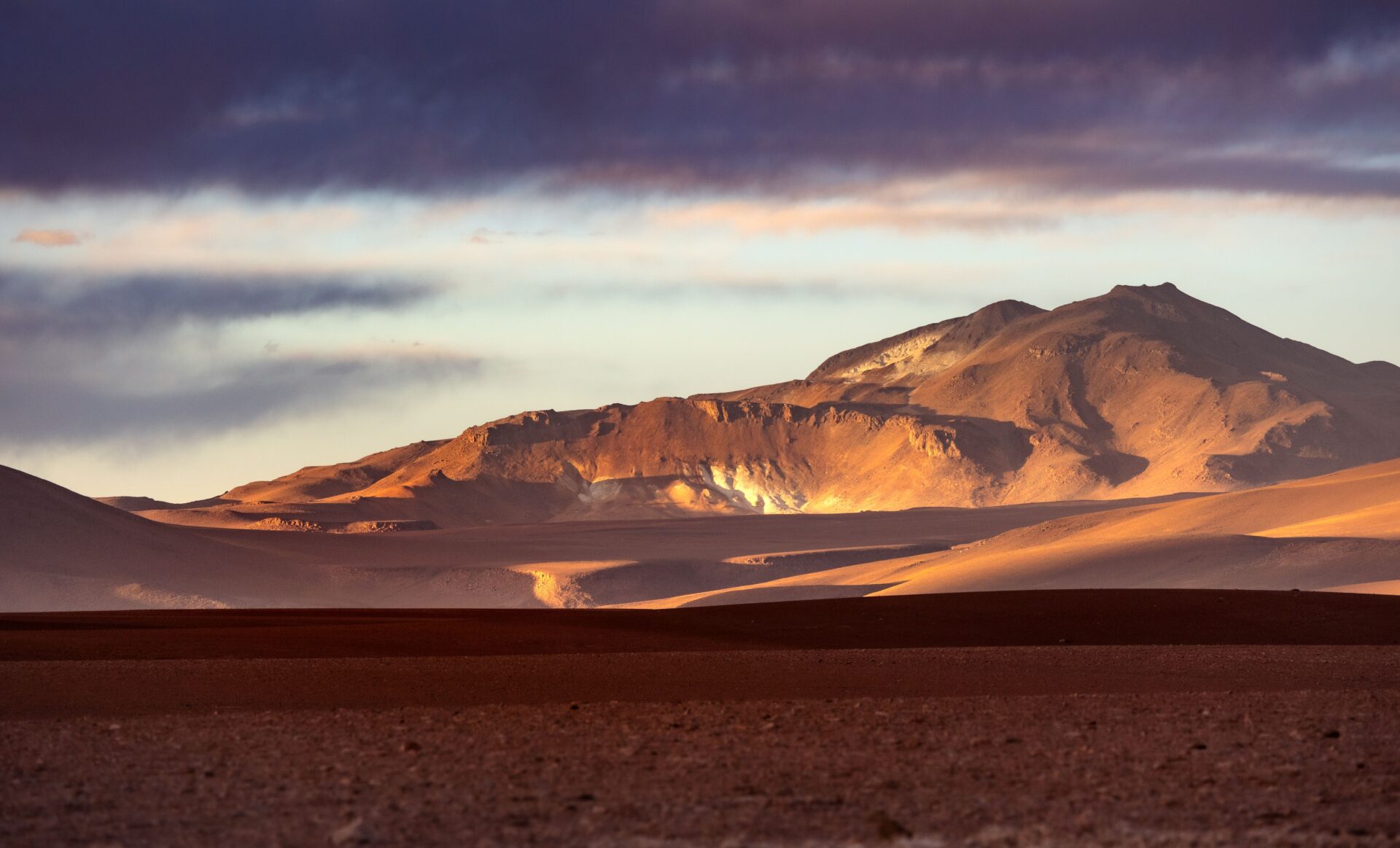
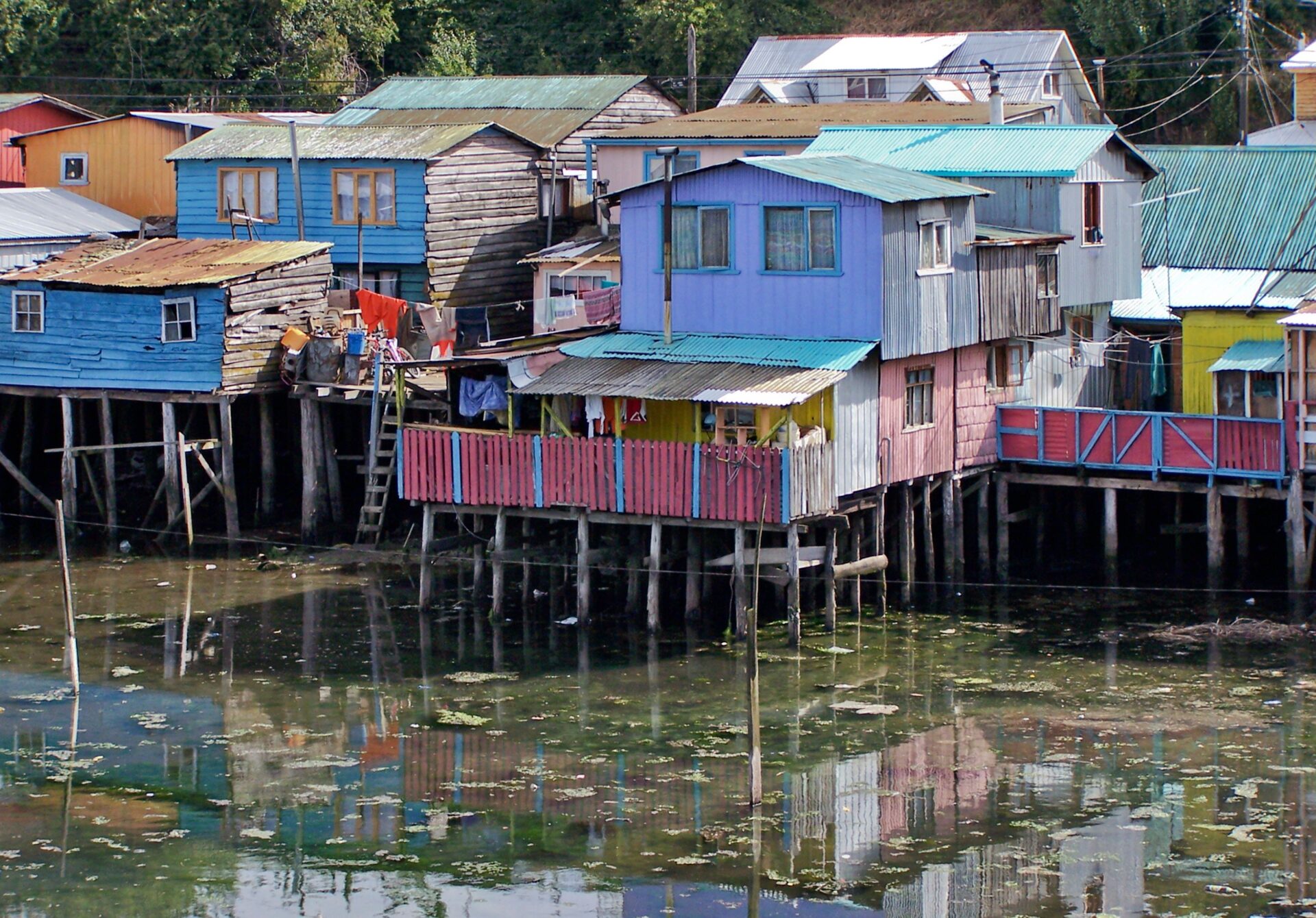
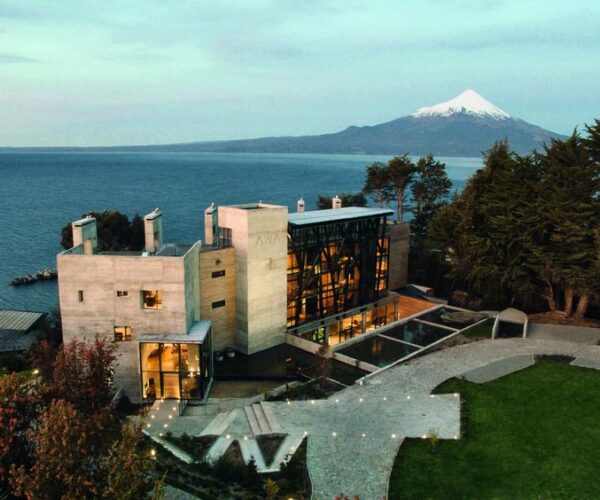
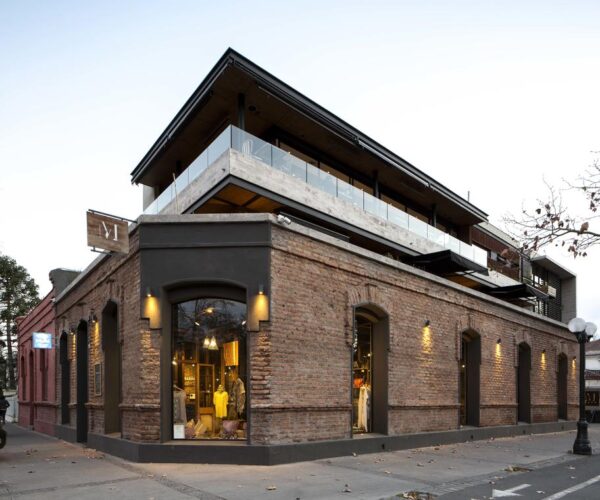
Chile is a country of extraordinary geographical extremes. The Atacama Desert in the north, the Andes running almost its entire length, the vineyards of the central valleys and the forests, fjords and glaciers of Patagonia create radically different conditions for architecture. Santiago combines historic neighbourhoods with Modernism and increasingly ambitious contemporary design, while architects such as Alejandro Aravena, Smiljan Radić and Cazú Zegers have helped give Chile an international architectural reputation. Across the country, concrete, timber, stone and weathered metal are used to create buildings that respond powerfully to landscapes that rarely need architectural embellishment.
Food and drink are equally shaped by geography. Chile’s immense Pacific coastline provides exceptional fish and shellfish, while the central valleys produce fruit, vegetables and some of South America’s most important wines. Cabernet Sauvignon, Carménère and Chardonnay remain familiar names, but smaller producers working with old-vine País, Cinsault and low-intervention methods are revealing a more adventurous side of Chilean wine. Santiago’s restaurant scene increasingly explores native ingredients and regional traditions, while markets, seafood restaurants and simple countryside kitchens remain essential parts of understanding how Chile eats.
Chile’s most interesting hotels often exist precisely because of the landscape around them. Architect-designed desert lodges, vineyard retreats, contemporary urban hotels and remote properties in Patagonia use architecture to frame rather than overwhelm their surroundings. At DNA Hotels, we curate the places where design, food, wine and Chile’s extraordinary geography come together—hotels that make travelling through one of the world’s longest and most diverse countries as much about where you stay as where you are going.