


Where to Stay
Mile High

The DNA of Denver
Where Rocky Mountain Modernism Meets Western Independence
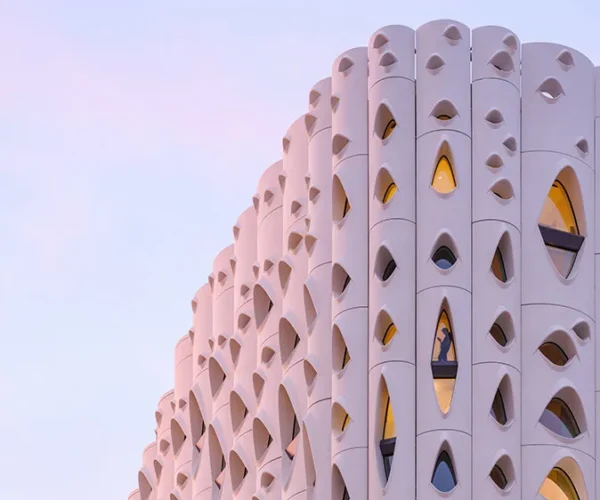
Denver sits where the Great Plains rise towards the Rocky Mountains, and that relationship with the landscape shapes much of the city’s identity. Victorian streets and historic brick warehouses coexist with Mid-Century Modernism, converted industrial buildings and increasingly ambitious contemporary architecture. Former warehouse districts such as LoDo and RiNo have evolved into creative neighbourhoods filled with galleries, studios and independent businesses, while the mountains remain constantly present on the horizon. Denver feels unmistakably urban, but the outdoors is never far from the conversation.
Food and drink have developed well beyond the city’s traditional Western image. Independent restaurants increasingly work with Colorado farms, ranches and seasonal produce, while Mexican and Southwestern influences remain an important part of the local food culture. Denver is particularly serious about beer, with one of America’s strongest craft-brewing scenes, but natural wine bars, specialty coffee, distilleries and increasingly sophisticated cocktail spots provide plenty of alternatives. The city’s relaxed attitude keeps even its more ambitious restaurants refreshingly informal.
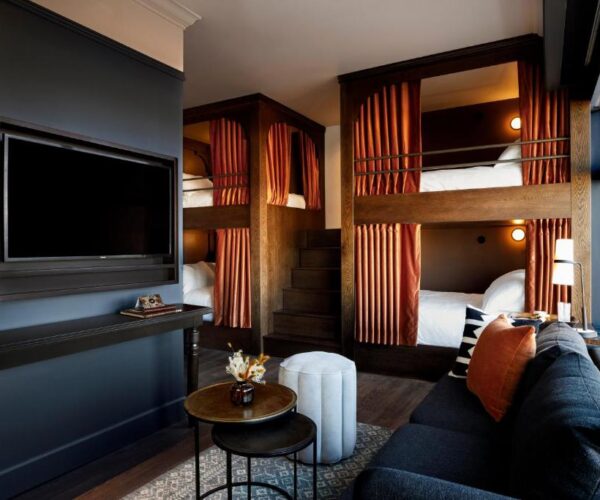
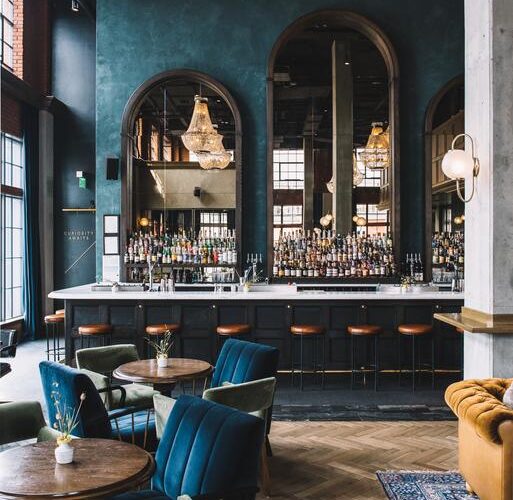
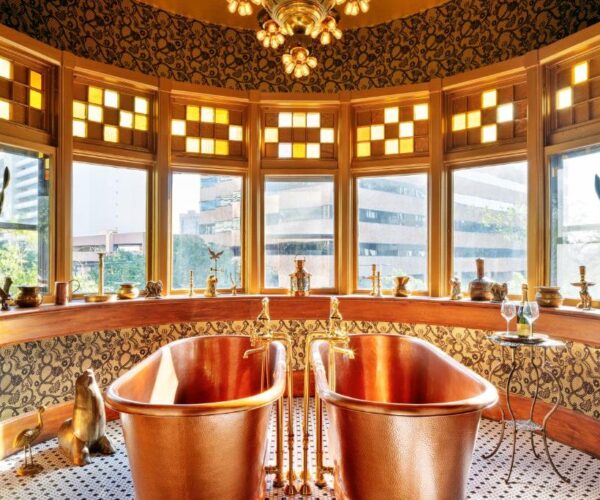
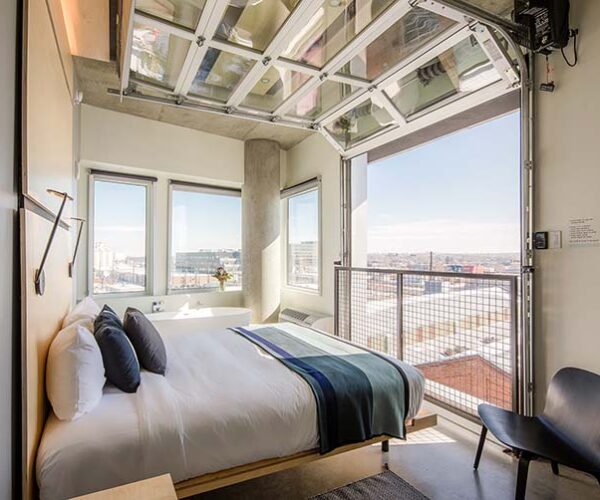
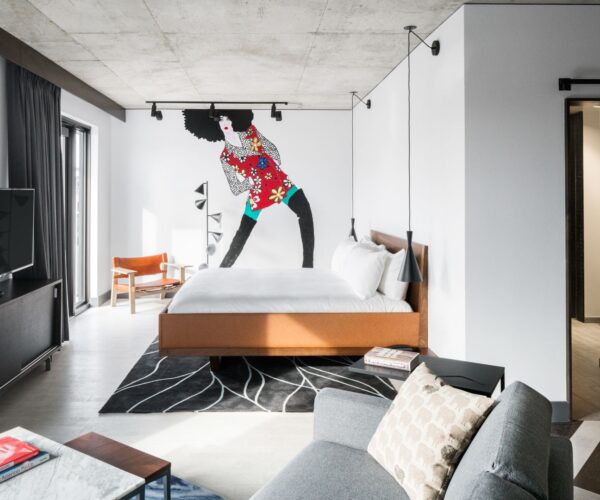
Denver’s most interesting hotels reflect this combination of history, creativity and Western character. Historic railway buildings, former warehouses and Mid-Century structures sit alongside contemporary boutique hotels where local art, strong restaurants and social spaces connect guests to the neighbourhood around them. At DNA Hotels, we curate the places where architecture, food, culture and proximity to the Rockies come together—hotels that reveal a Denver with considerably more design personality than the familiar gateway-to-the-mountains label suggests.