


Where to Stay
Discover Glasgow through its Hotels
The DNA of Glasgow
Where Victorian Grandeur Meets Creative Reinvention
Glasgow is Scotland at its most architecturally confident. Wealth from shipbuilding, engineering and trade produced monumental Victorian streets and elaborate sandstone buildings, while Charles Rennie Mackintosh gave the city an architectural language entirely its own. That legacy sits alongside Art Deco, post-war Brutalism, former industrial structures and ambitious contemporary projects along the River Clyde. Neighbourhoods such as Finnieston, Merchant City and the West End reveal very different sides of Glasgow, but throughout the city there’s a willingness to reuse old buildings rather than polish away their industrial character.
Food and drink have evolved alongside the city. Traditional pubs and old-school Scottish institutions coexist with ambitious neighbourhood restaurants, independent bakeries, specialty coffee and an increasingly interesting natural wine scene. Scotland’s seafood, game and exceptional produce give contemporary chefs plenty to work with, while Glasgow’s South Asian communities have profoundly shaped the way the city eats. Whisky is never difficult to find, but craft breweries, cocktail bars and the city’s legendary pubs make drinking here considerably more varied—and usually less formal—than the stereotypes suggest.
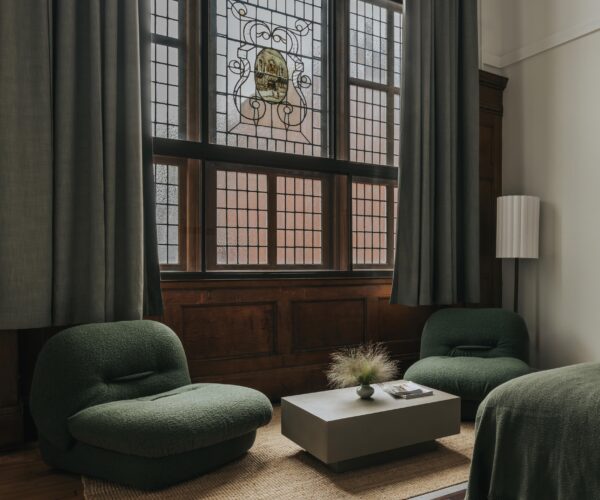
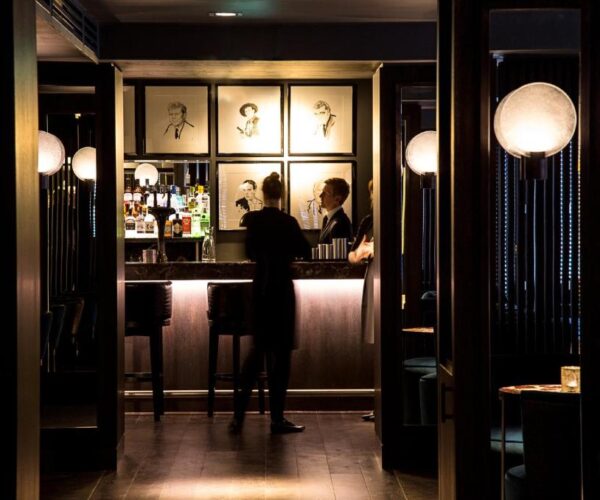
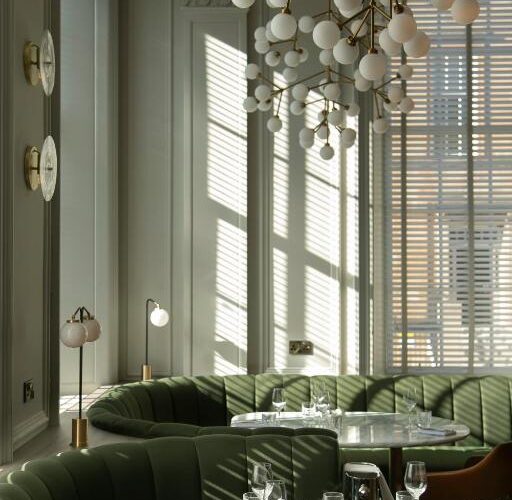
Glasgow’s most interesting hotels make good use of its extraordinary architectural inheritance. Victorian townhouses, former banks, warehouses and landmark buildings provide dramatic settings for contemporary interiors, local art and more playful interpretations of Scottish design. At DNA Hotels, we curate the places where architecture, food, music and Glasgow’s fiercely independent creative culture come together—hotels that capture a city with grandeur in its buildings, grit around the edges and very little interest in behaving too politely.