Where Imperial Grandeur Meets Central European Modernism
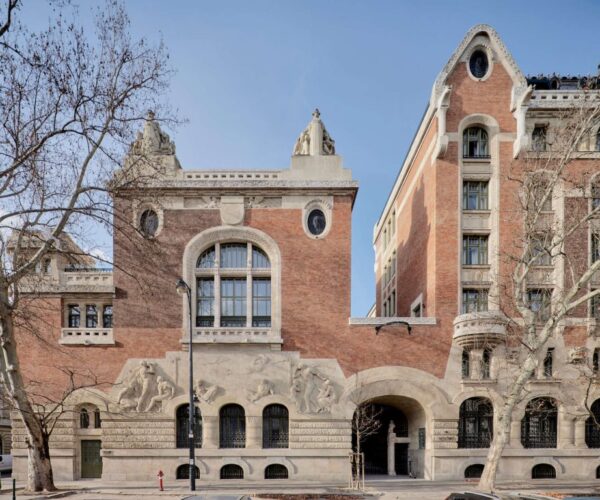
Hungary’s architectural identity reaches far beyond the grand boulevards of Budapest. The capital provides the spectacle—Neo-Renaissance palaces, Art Nouveau façades, monumental bathhouses and the Danube dividing Buda from Pest—but the country also contains medieval towns, Baroque estates, vineyard villages and remarkable examples of Hungarian Modernism. Architects such as Ödön Lechner developed a distinctly national interpretation of Art Nouveau, while Bauhaus and interwar Modernism left another important layer, particularly around Budapest and Lake Balaton. Beyond the capital, the landscape opens into the Great Hungarian Plain, forested hills, thermal lakes and wine regions, with Balaton providing an unexpectedly convincing Central European version of summer-by-the-water.
Hungarian food is considerably more nuanced than the international shorthand of goulash and paprika suggests. Soups, freshwater fish, duck, pork, seasonal vegetables and elaborate pastries sit alongside a younger restaurant culture rediscovering regional ingredients and traditional techniques. Budapest now combines historic cafés and market halls with contemporary restaurants, natural wine bars, bakeries and an increasingly sophisticated cocktail scene. Wine is fundamental: Tokaj may be the internationally famous name, but regions including Eger, Villány, Somló and Balaton produce everything from volcanic whites to serious reds. And then there is pálinka, which has a habit of appearing when you thought dinner was already over.
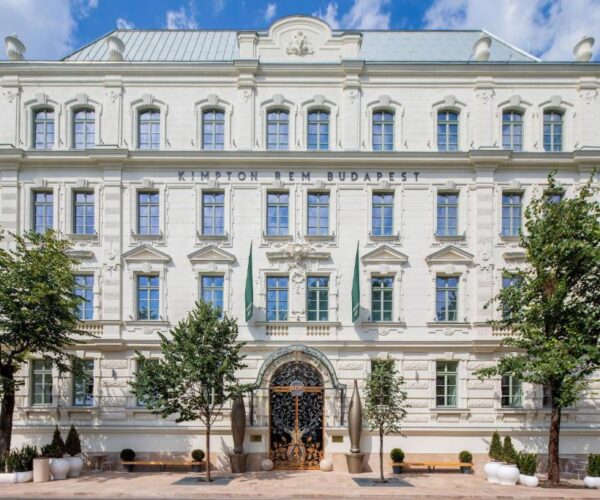
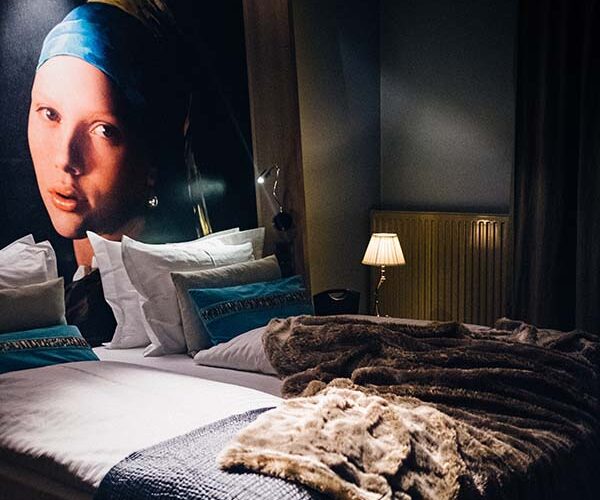
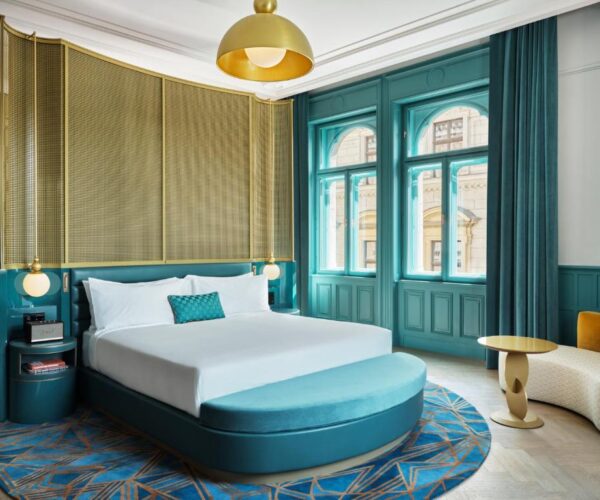
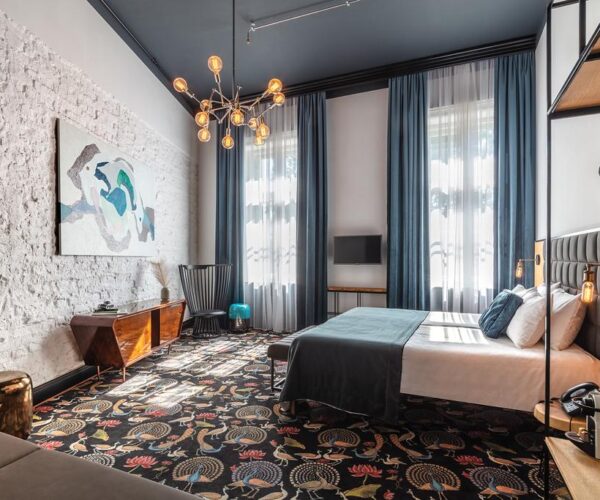
Hungary’s most interesting hotels occupy an equally broad spectrum. Budapest offers restored palaces, Art Nouveau landmarks and contemporary design hotels, while the countryside brings vineyard stays, historic estates, spa hotels and increasingly ambitious retreats around Lake Balaton. At DNA Hotels, we curate the places where architecture, food, wine and Hungarian culture come together—hotels that reveal a country whose design heritage and creative energy deserve considerably more attention than its famously beautiful capital alone.