


Where to Stay
Discover India through its Hotels

The DNA of India
Where Ancient Craft Meets Radical Modernism
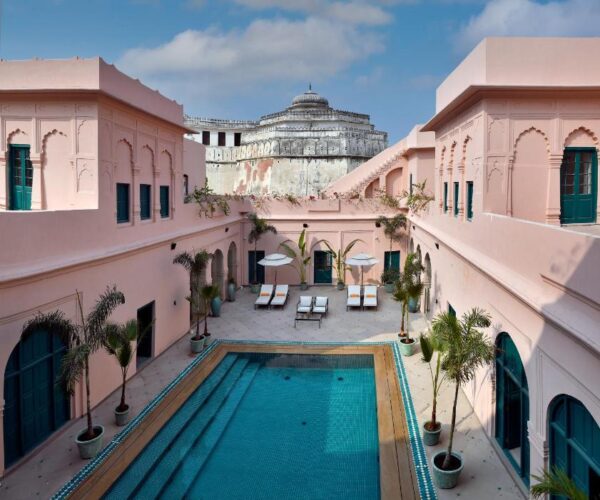
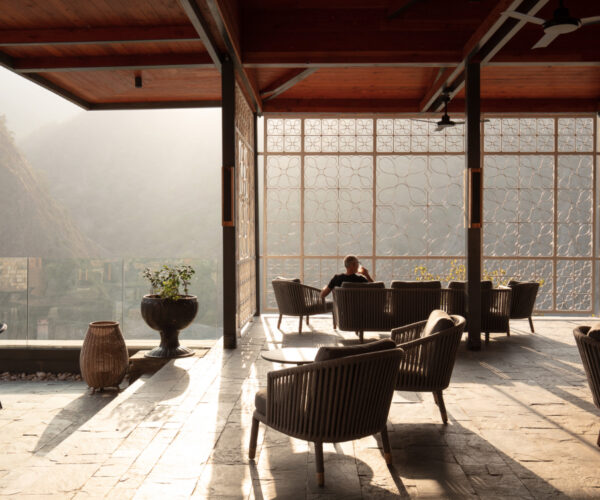
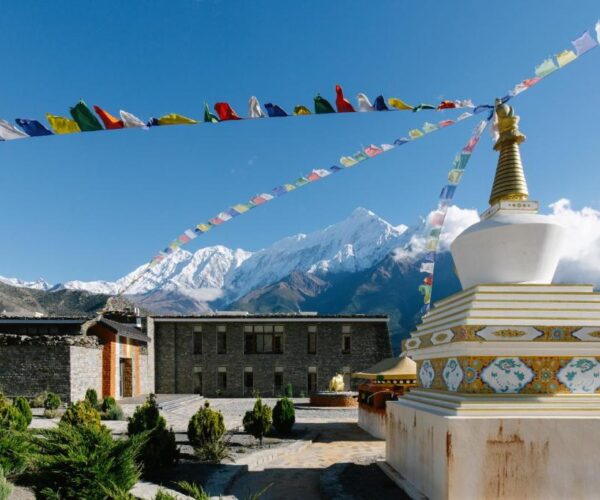
India’s architectural story is almost impossibly rich. Mughal palaces, Rajput forts, Hindu and Jain temples, stepwells and intricately carved havelis coexist with the monumental architecture of the British Raj and some of the world’s most fascinating Modernism. Le Corbusier’s Chandigarh and Louis Kahn’s work in Ahmedabad introduced radical new ideas, while Indian architects such as Charles Correa, Balkrishna Doshi and Geoffrey Bawa’s regional contemporaries developed architecture responding to climate, craft and everyday life. Today, a new generation continues that experimentation, combining concrete, local stone, courtyards, screens and extraordinary Indian craftsmanship in distinctly contemporary ways.
Food and drink change so dramatically across the country that talking about a single Indian cuisine hardly makes sense. Kerala’s coconut-rich cooking, Goan seafood, Gujarati vegetarian traditions, Bengali fish, Rajasthani desert cuisine and the kebabs and biryanis of the north represent only fragments of the story. Street food, family kitchens and historic restaurants coexist with an increasingly ambitious generation of chefs exploring regional ingredients and forgotten recipes. Tea plantations, coffee from southern India, craft spirits and a rapidly developing wine scene add yet more layers to a country where eating is one of the most rewarding ways to understand where you are.
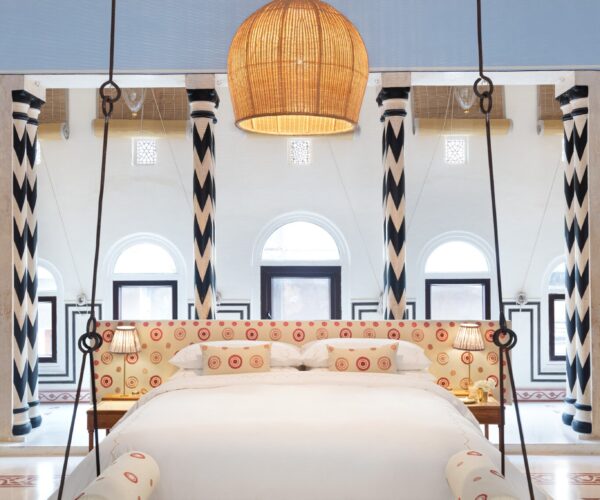
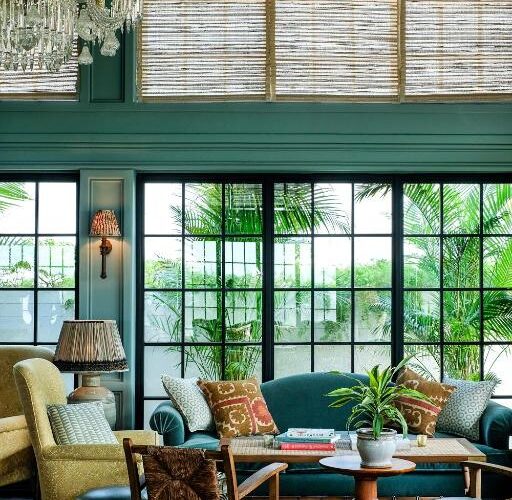
India’s most interesting hotels can be experiences in their own right. Maharajas’ palaces, colonial-era landmarks, restored havelis, wilderness lodges and remarkable contemporary retreats offer everything from unapologetic grandeur to deeply restrained minimalism. The best draw on local architecture, textiles, furniture, art and craft rather than applying a generic idea of luxury across the country. At DNA Hotels, we curate the places where architecture, food, craft and India’s extraordinary cultural diversity come together—hotels that make the journey richer precisely because they could only exist where they do.