


Where to Stay
Discover Italy through its Hotels

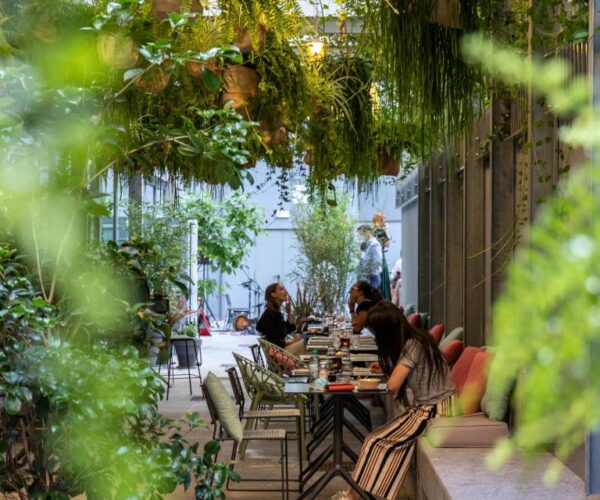
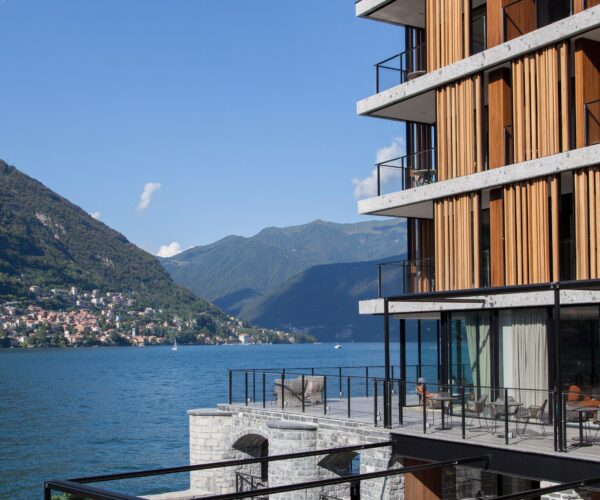
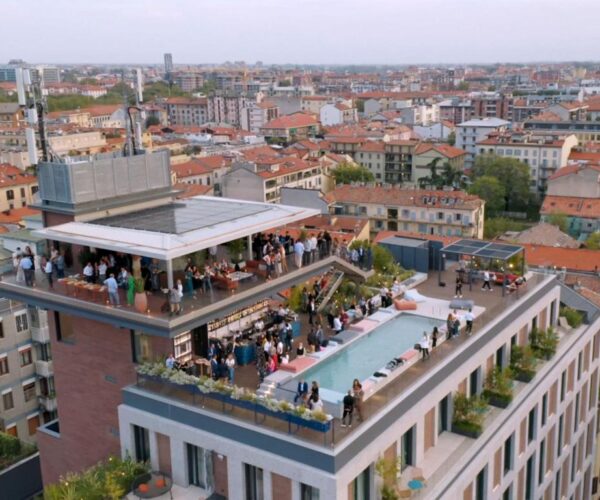
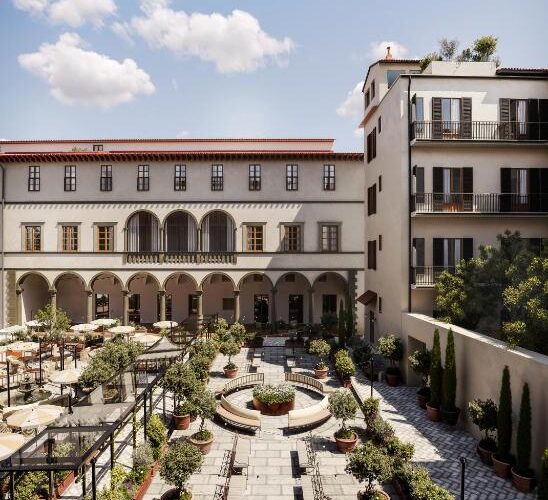


The DNA of Italy
Where Centuries of Beauty Keep Inspiring New Ideas
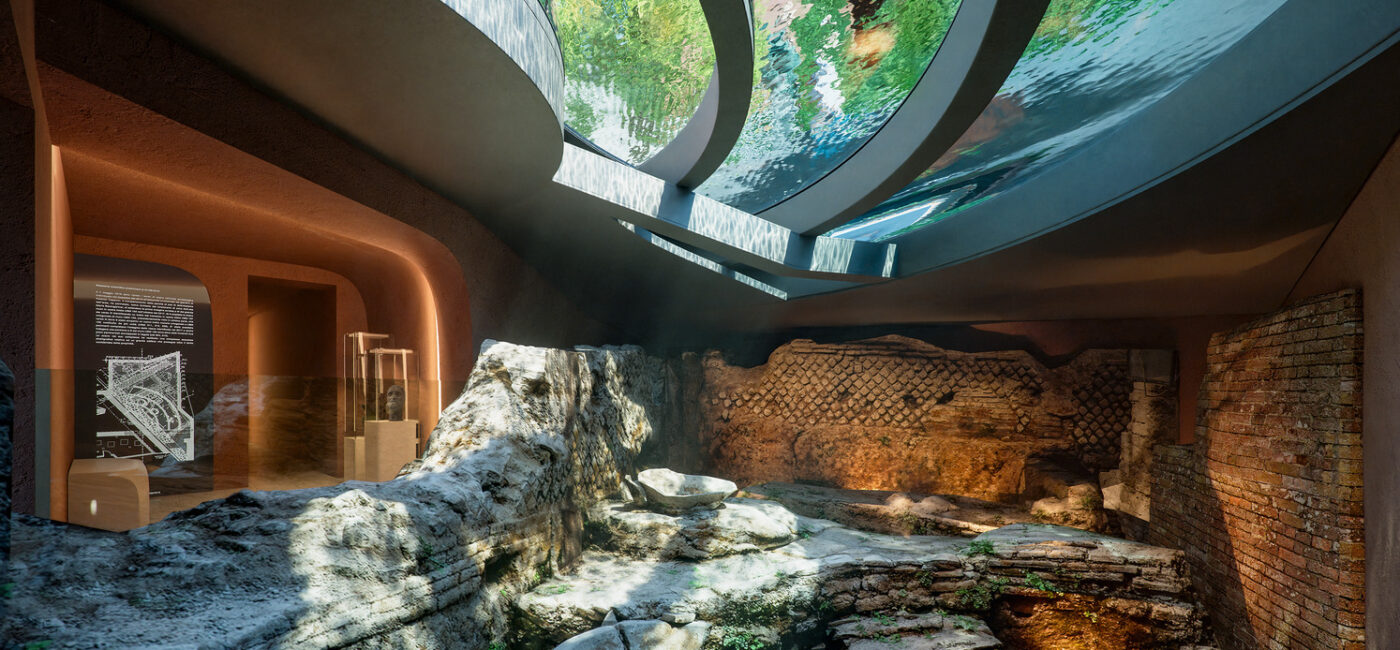
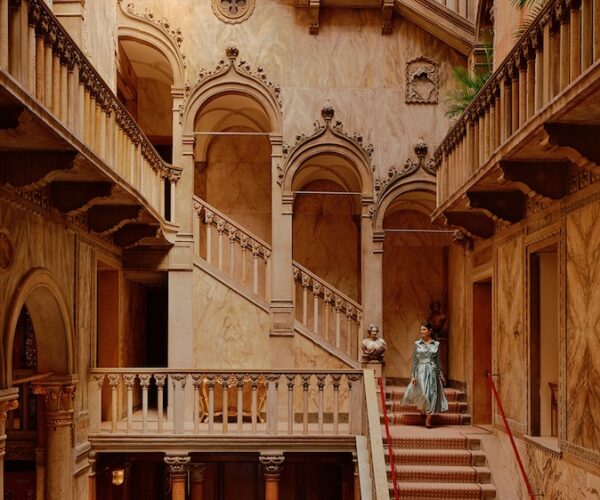
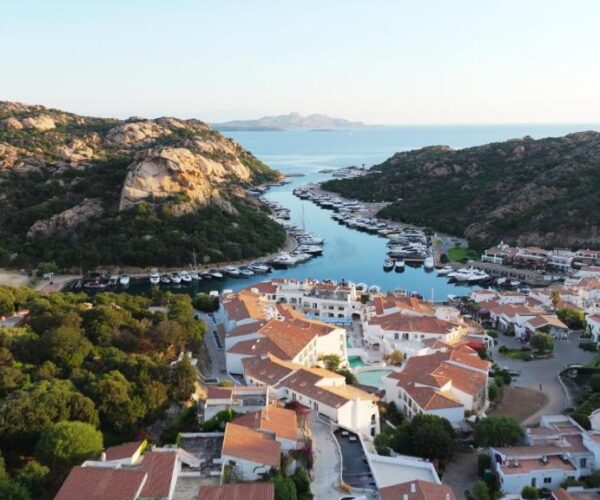
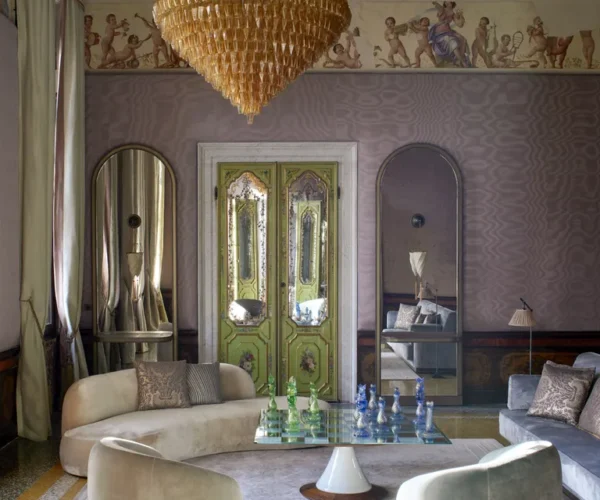
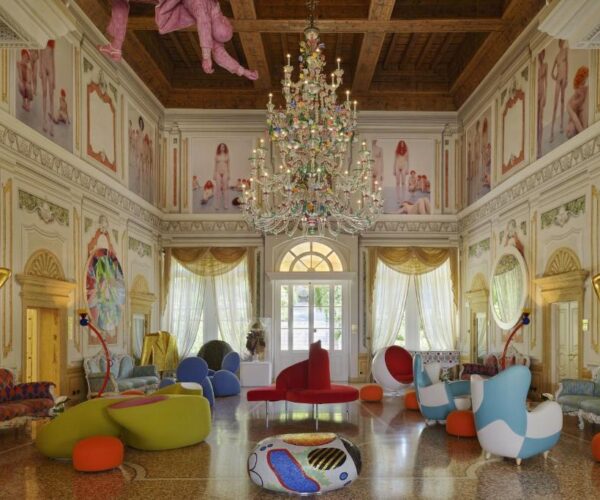
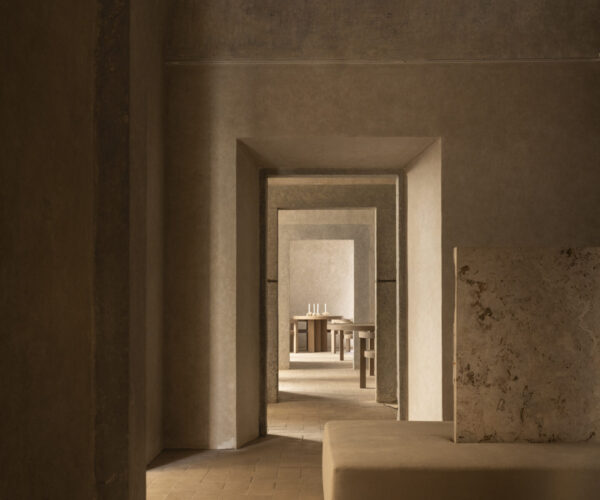
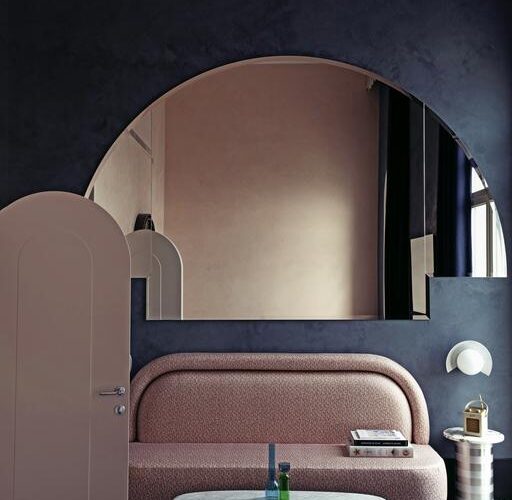
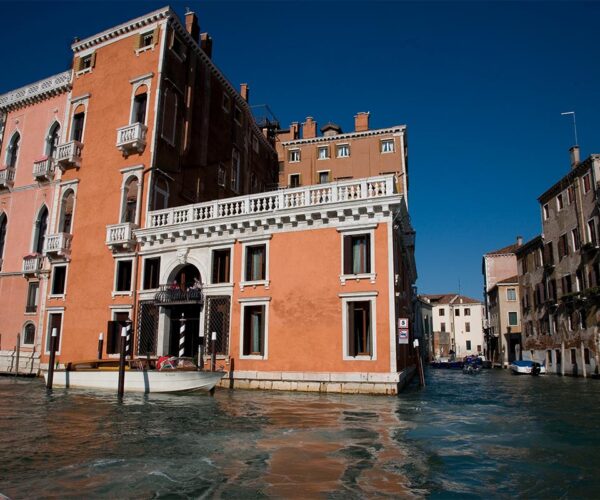
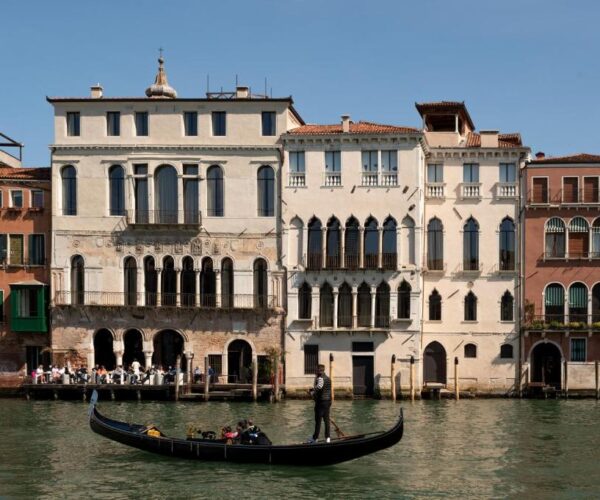
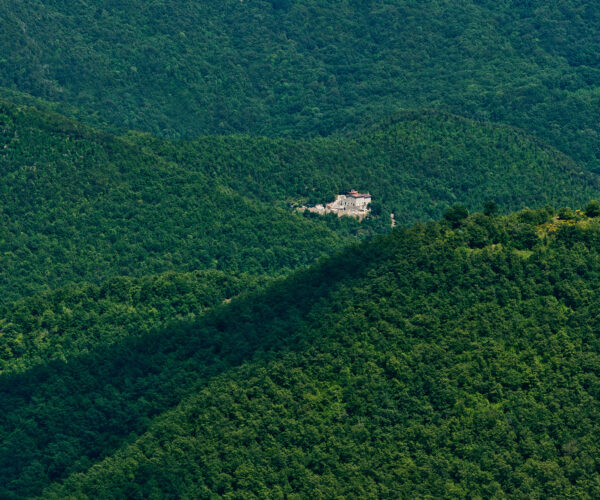
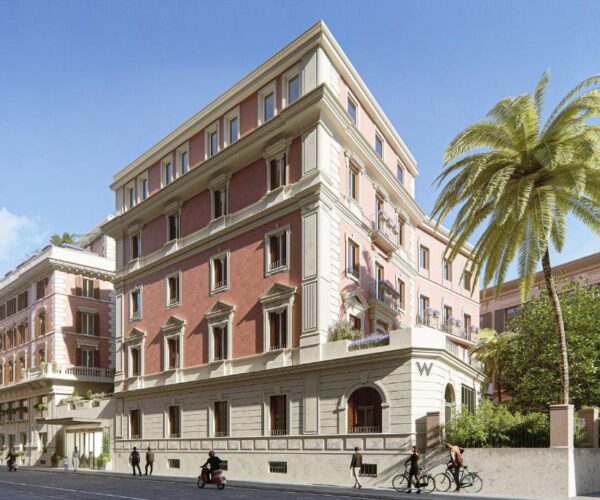
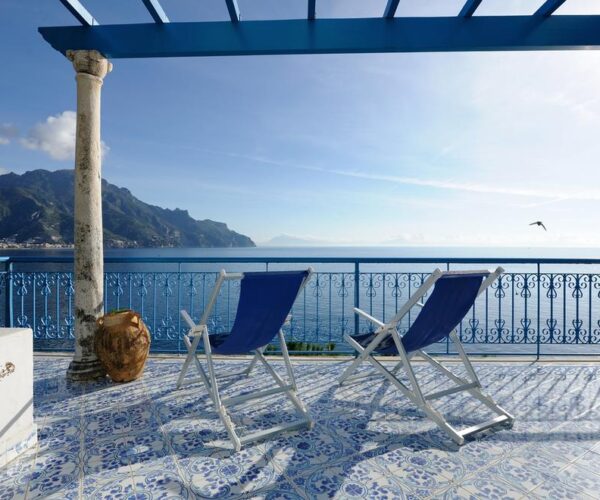
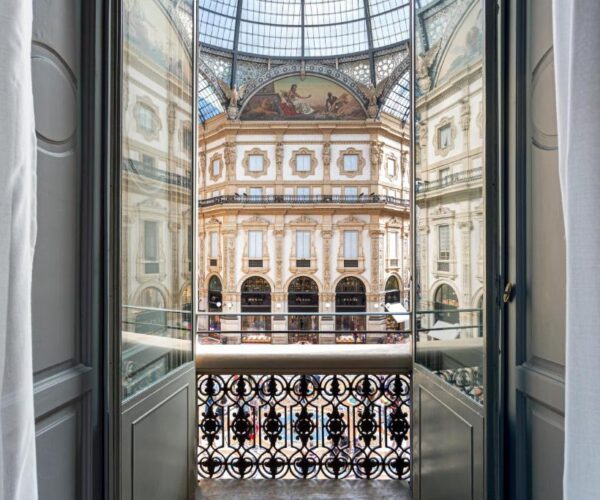
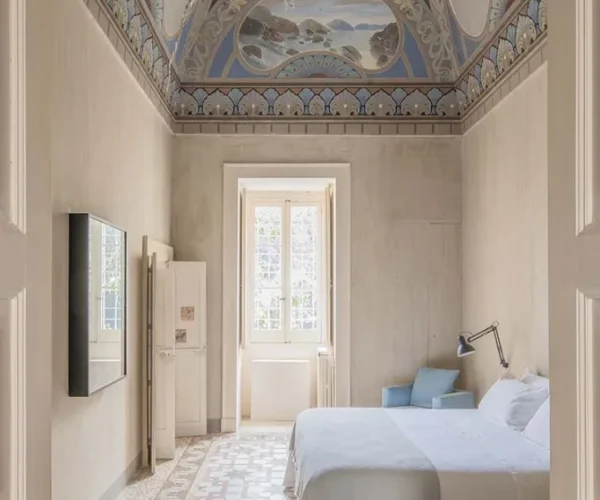
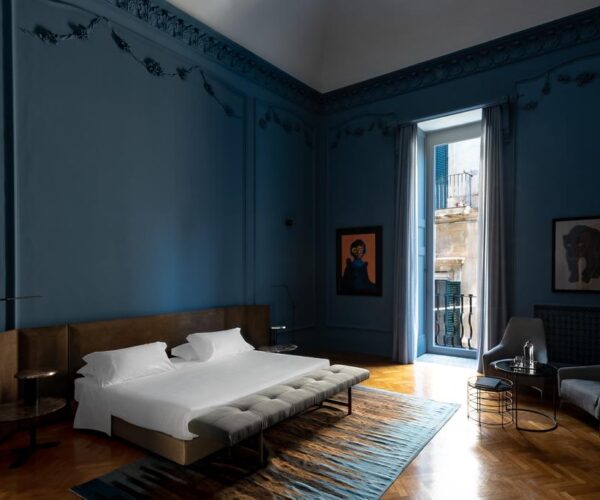
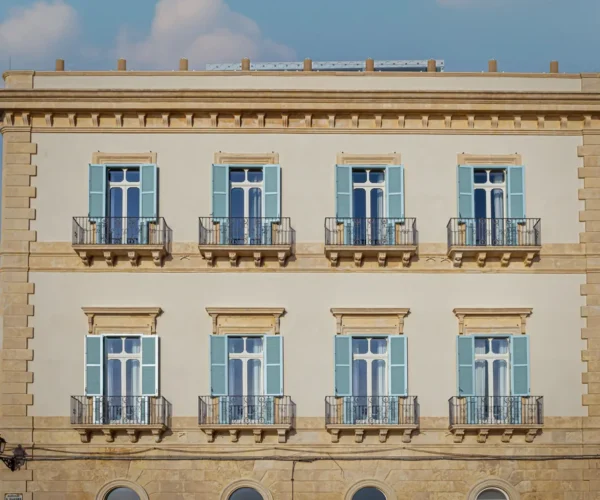
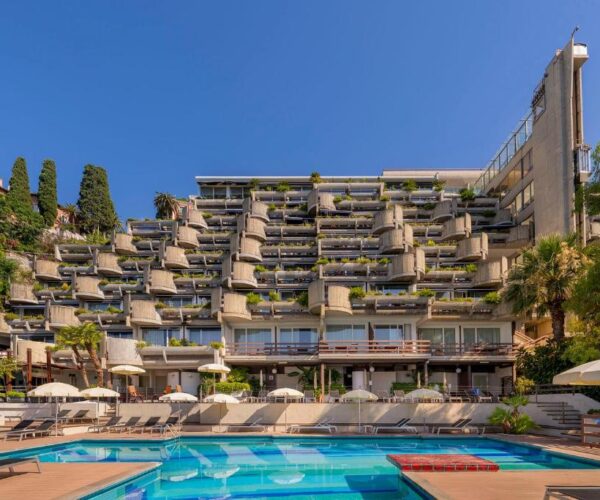
Few countries have shaped the language of architecture and design as profoundly as Italy. Roman ruins, Renaissance palazzi, Baroque villas and grand lakeside estates coexist with Rationalist architecture, Mid-Century Modernism and some of the world’s most influential contemporary design. Yet Italy is never one thing. Milan’s polished creativity, Rome’s magnificent layers of history, the faded grandeur of Sicily and the rural landscapes of Tuscany, Puglia and Umbria each offer a completely different sense of place.
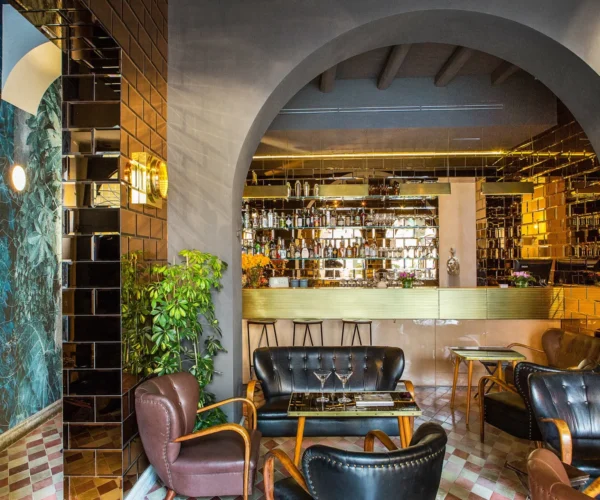
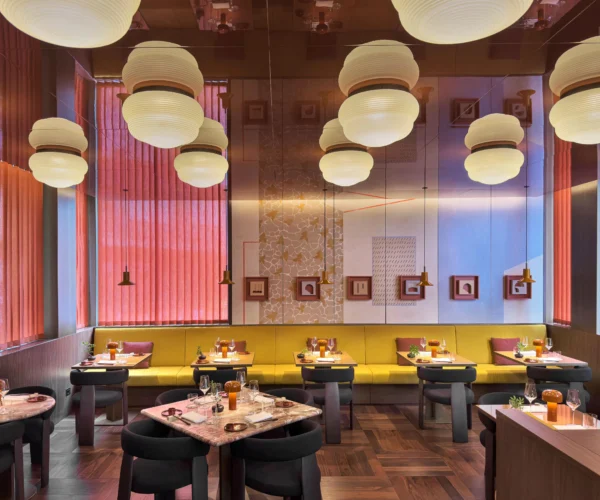
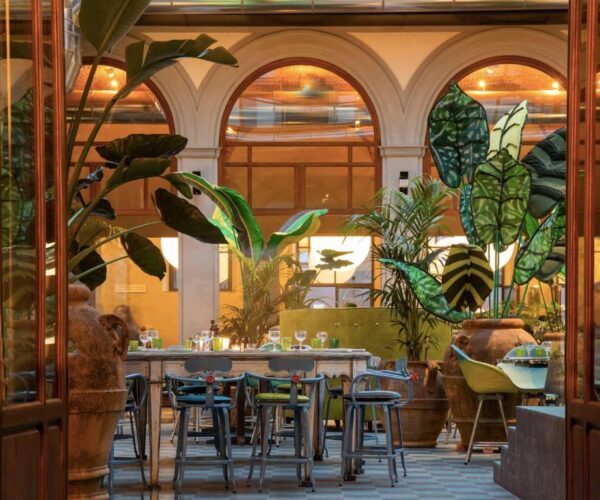
Food and drink are inseparable from that regional identity. Italian cuisine changes dramatically as you travel, from seafood and citrus in Sicily to handmade pasta in Emilia-Romagna, Tuscan simplicity and the distinctive cooking of Rome and Naples. Markets, family-run trattorias and historic cafés remain essential, while ambitious chefs, natural wine bars and contemporary restaurants continually reinterpret tradition. In Italy, knowing where and what to eat is as important as knowing what to see.
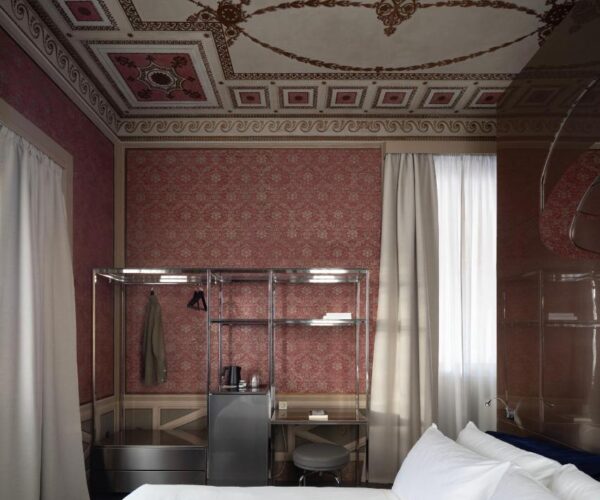
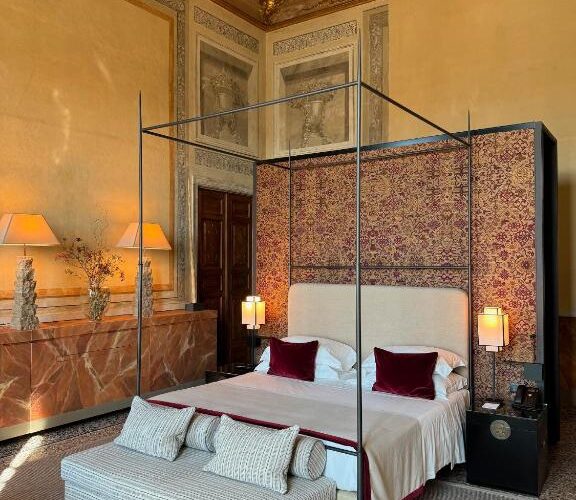
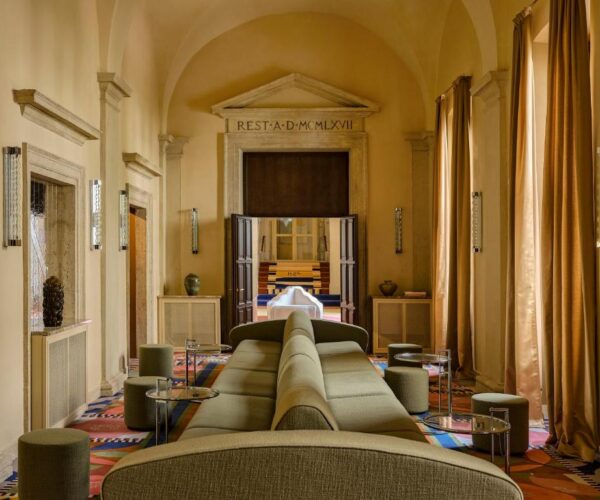
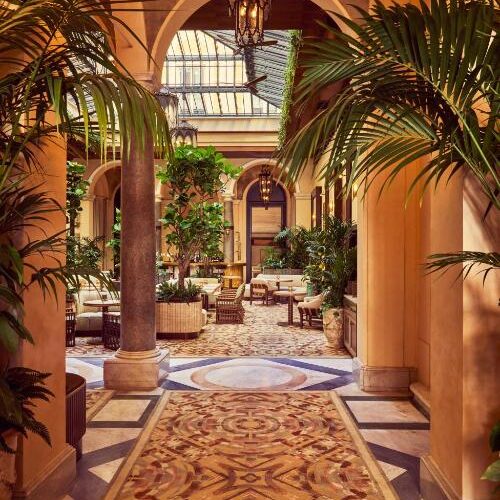
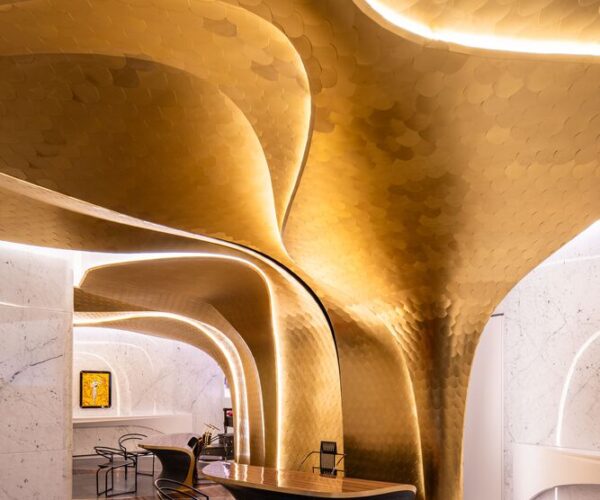
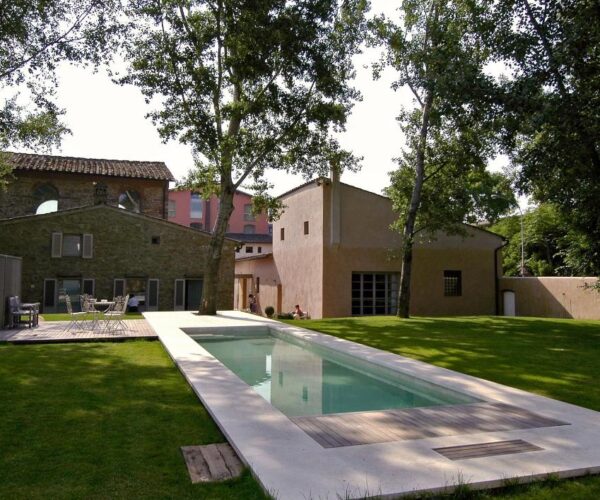
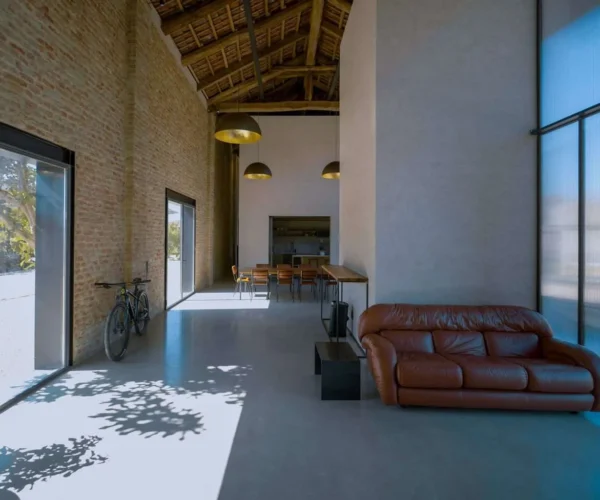
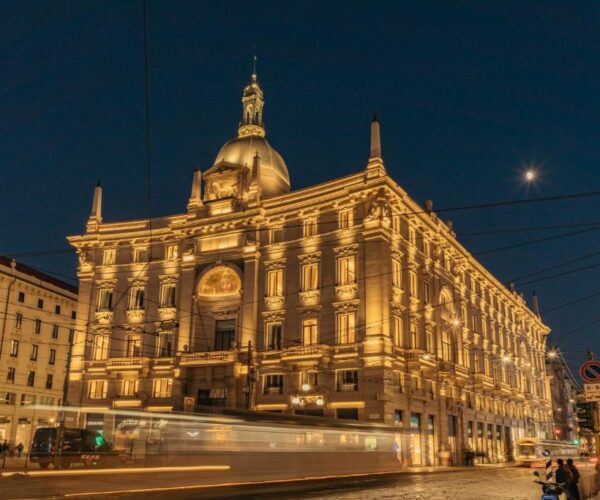
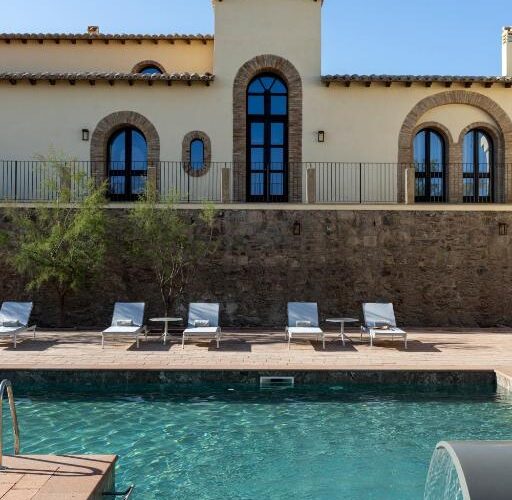
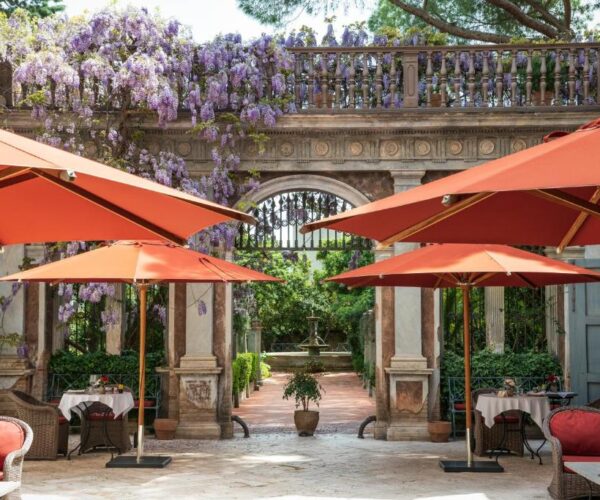
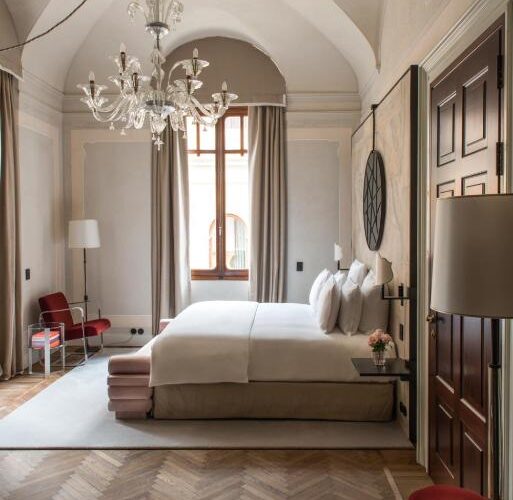
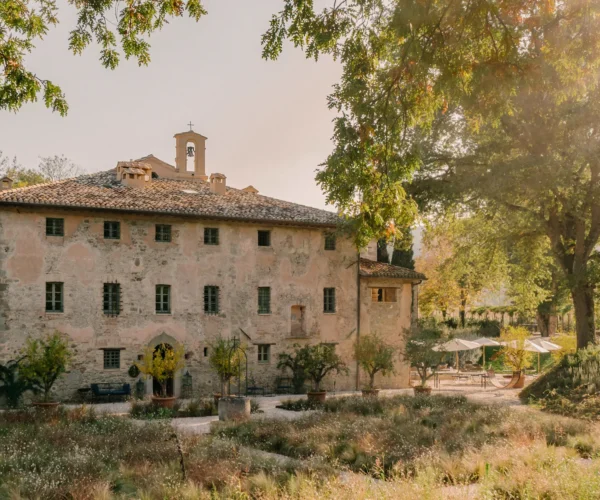
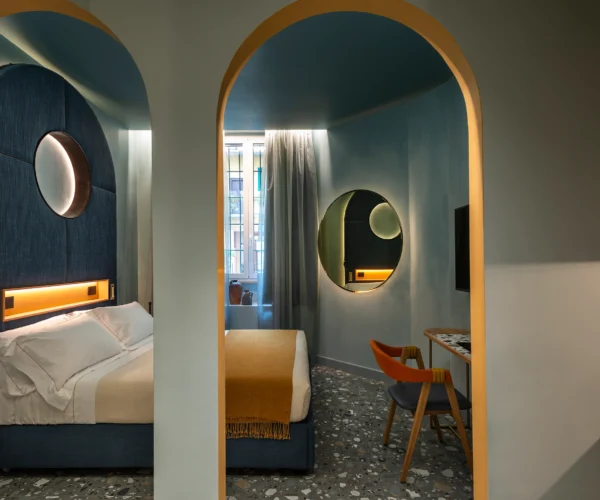
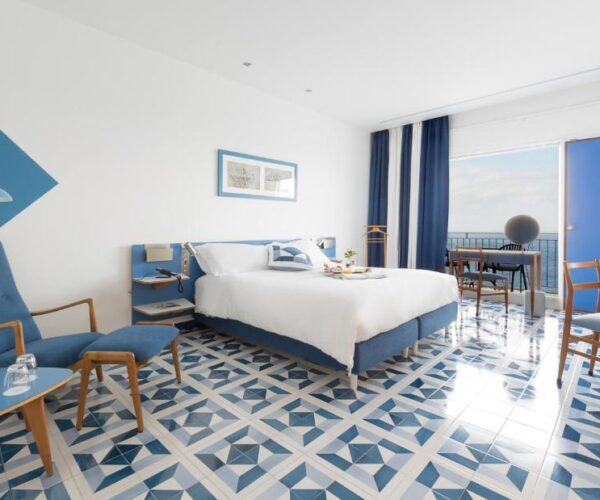
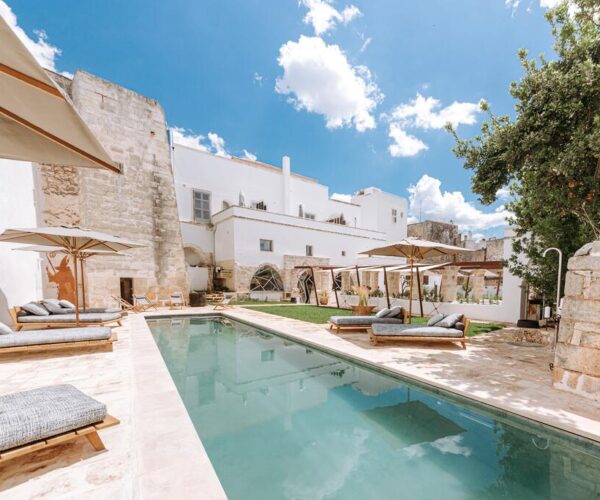
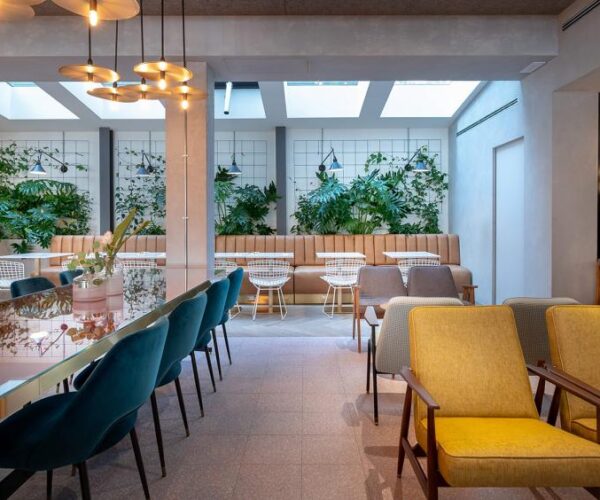
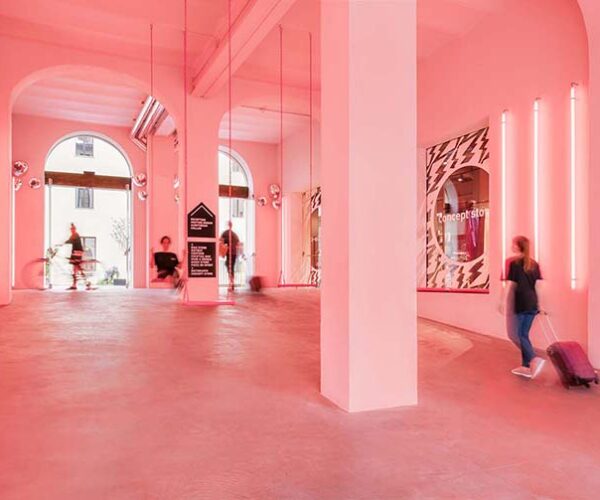
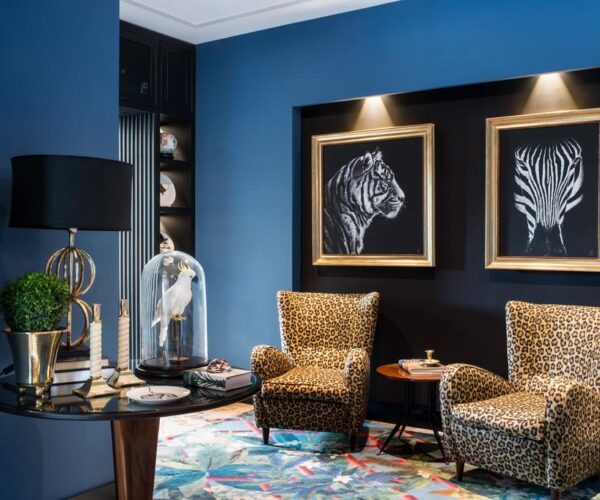
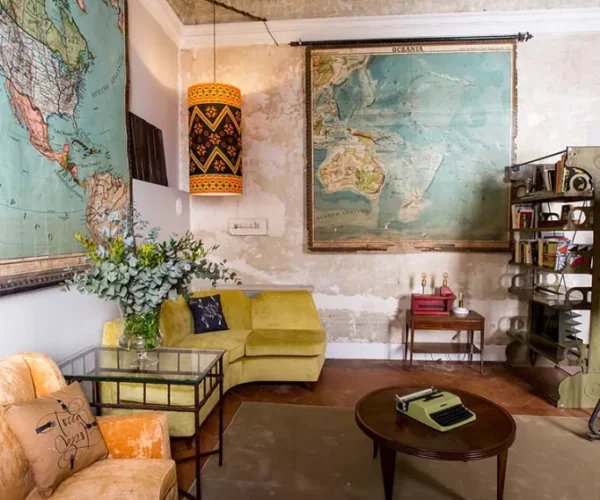
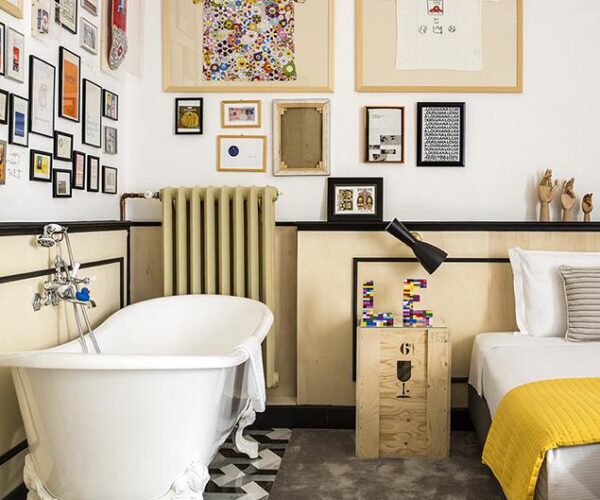
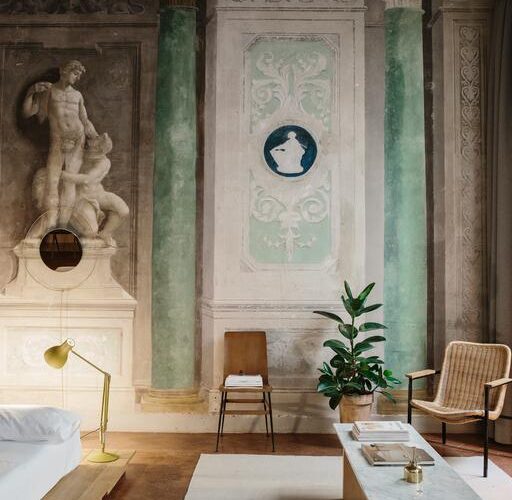
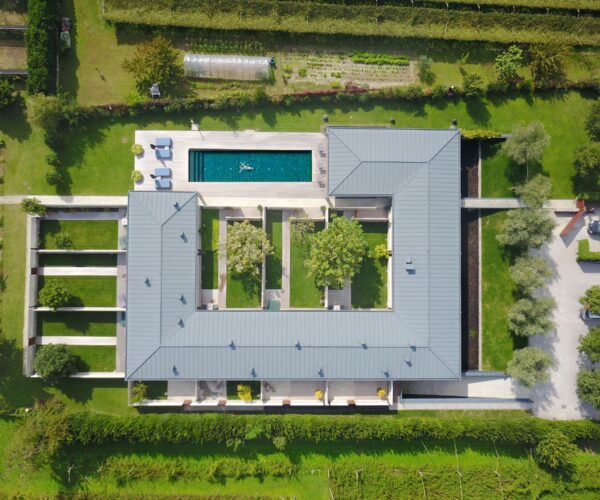
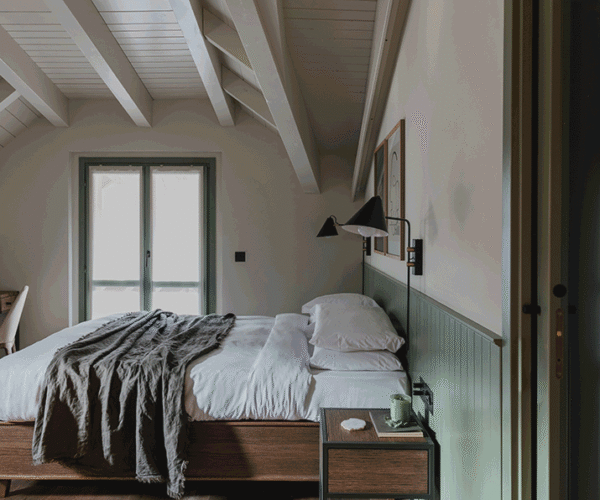
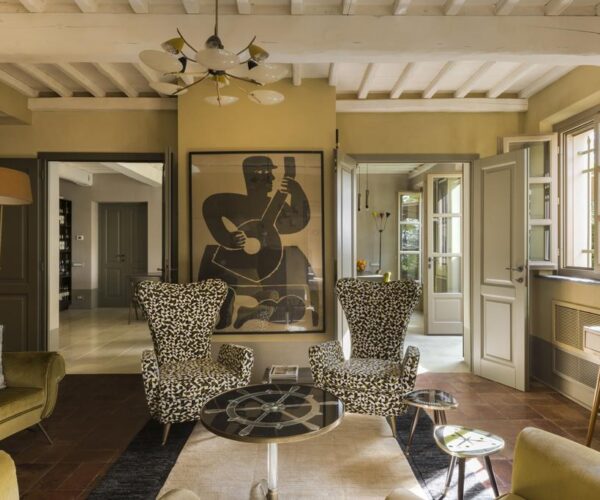
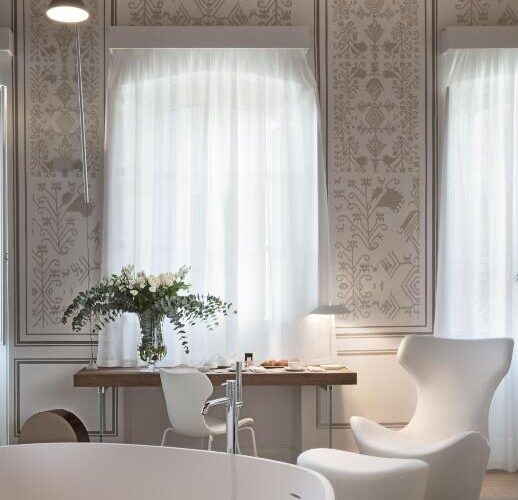
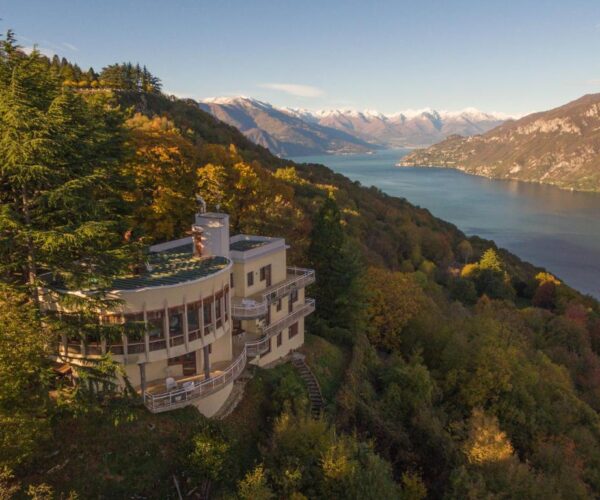
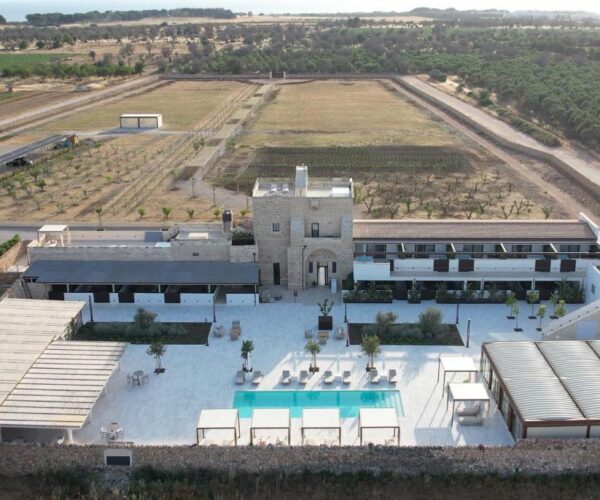
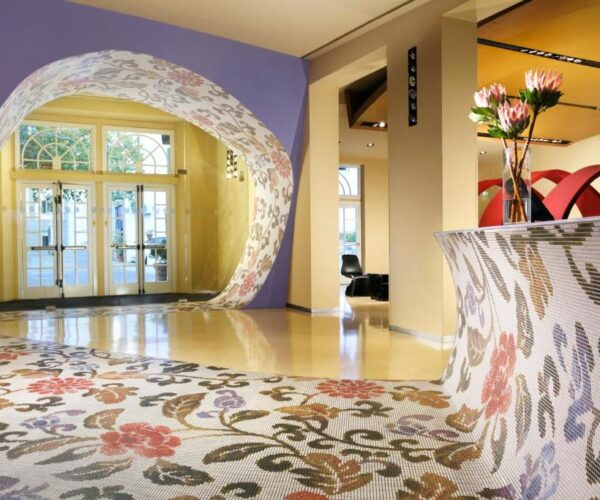
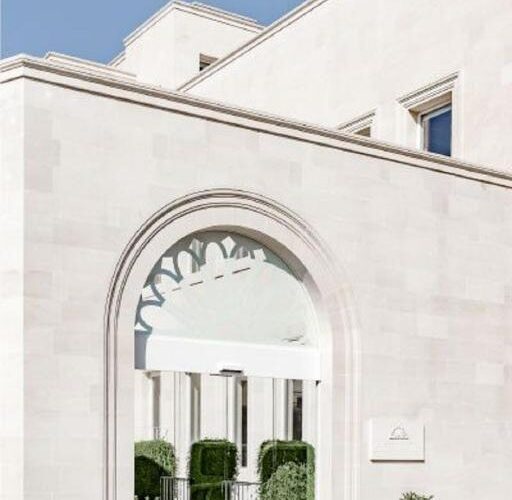
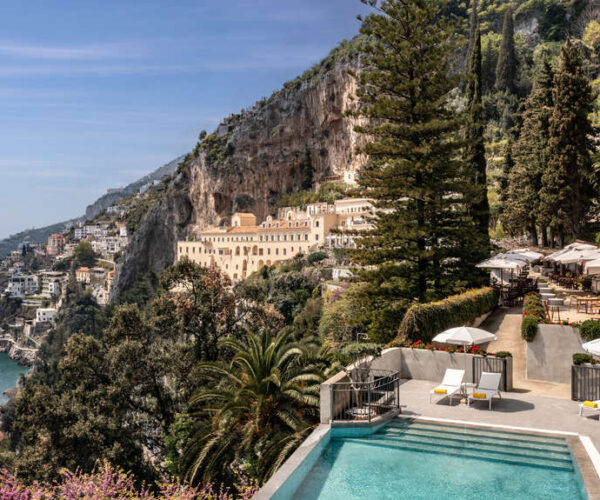
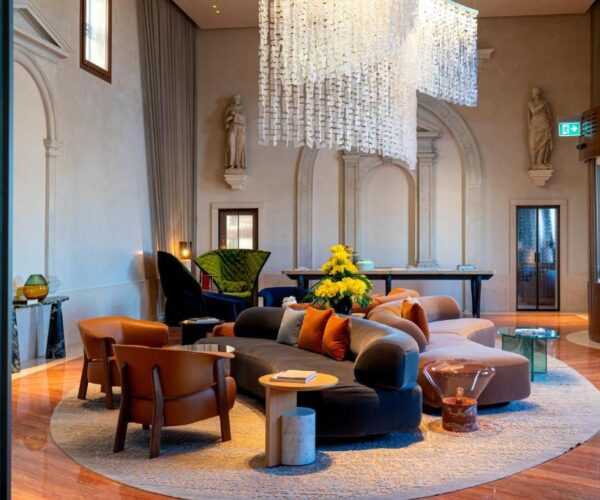
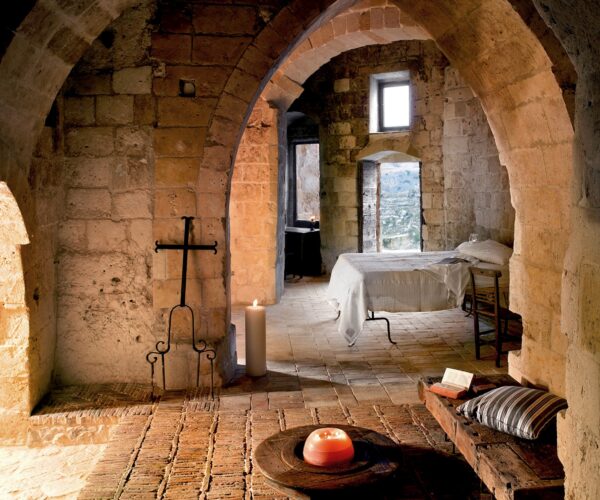
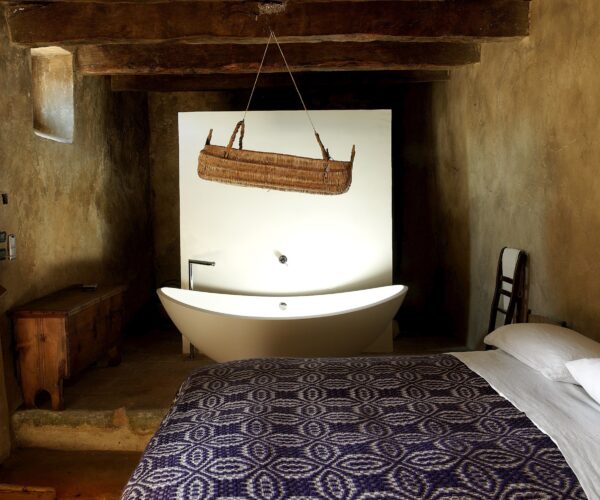
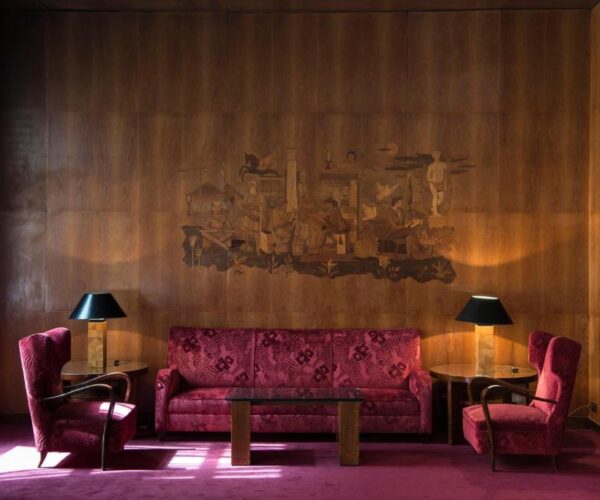
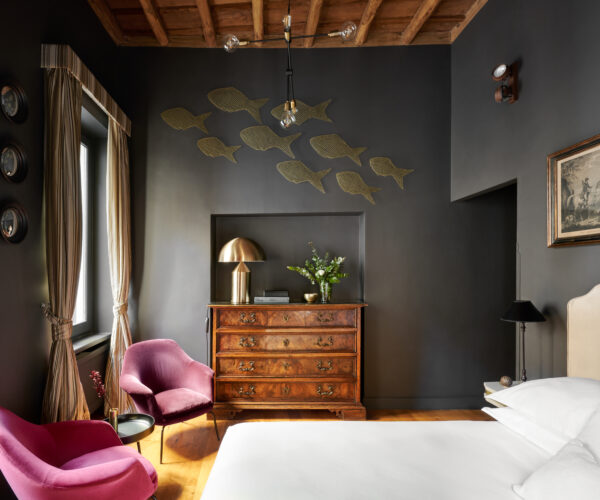
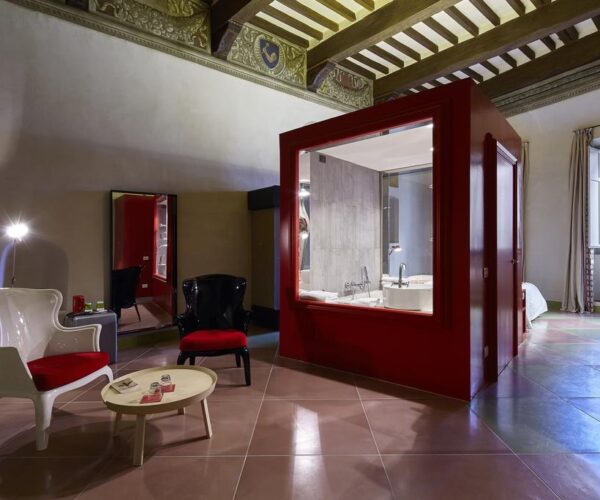
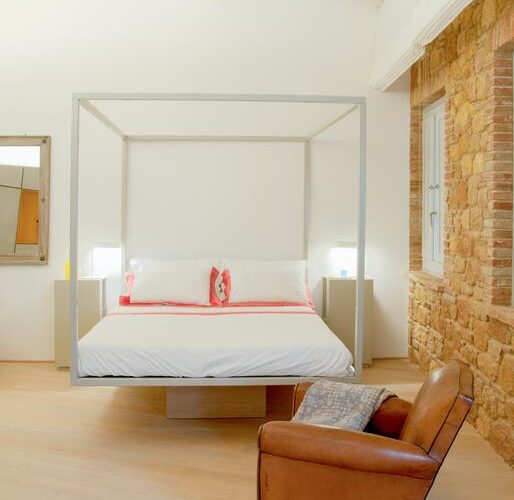
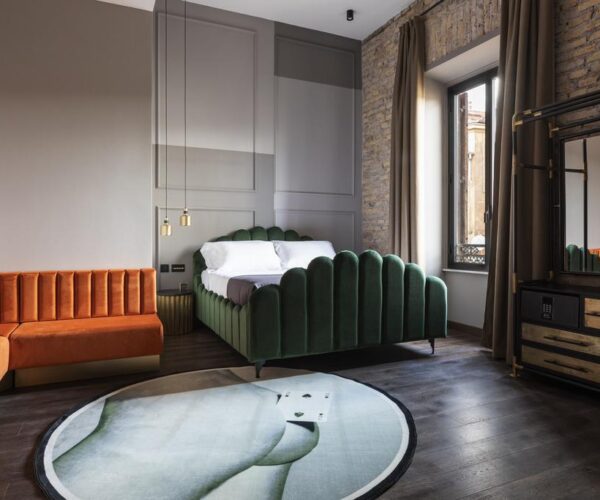
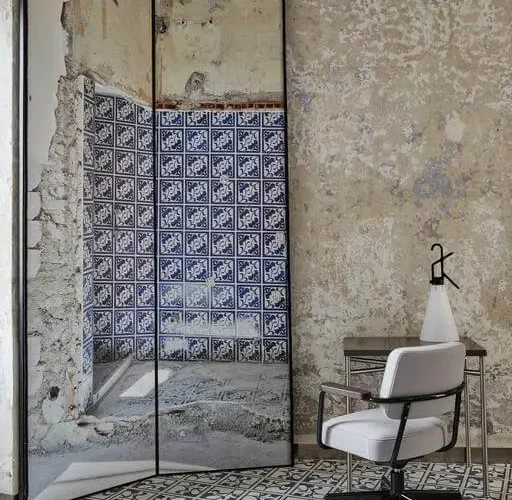
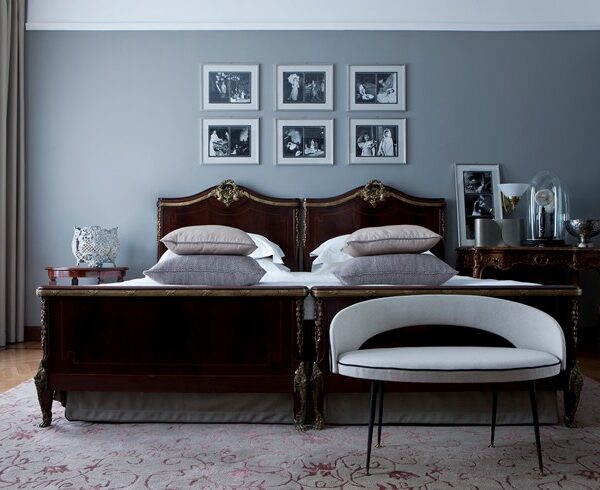
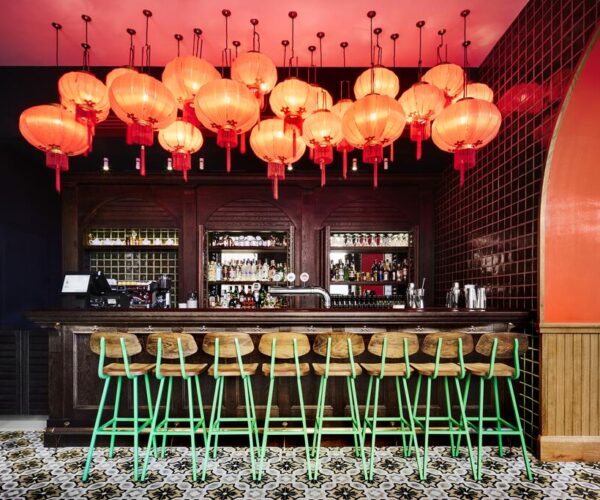
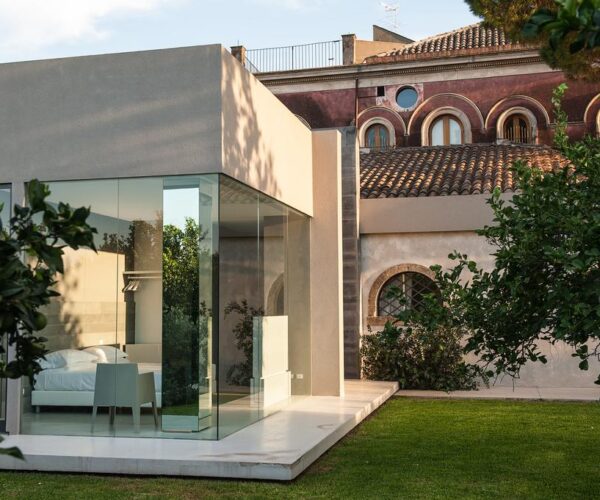
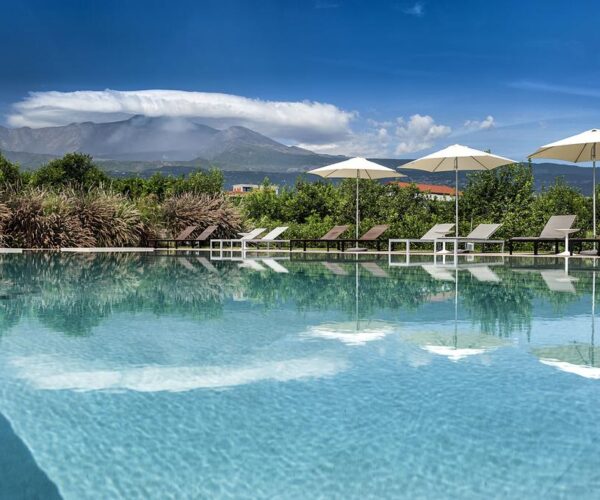
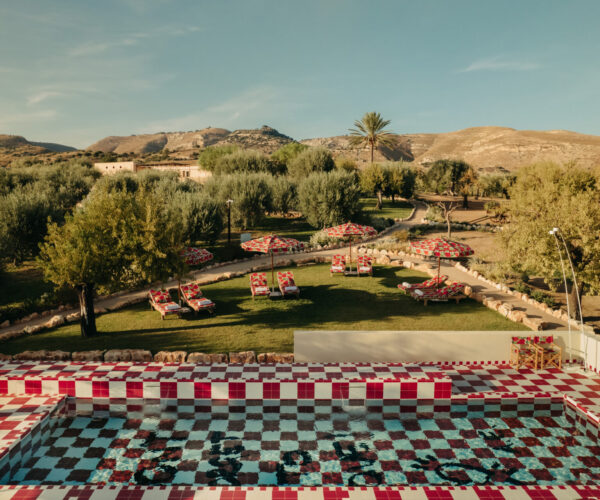
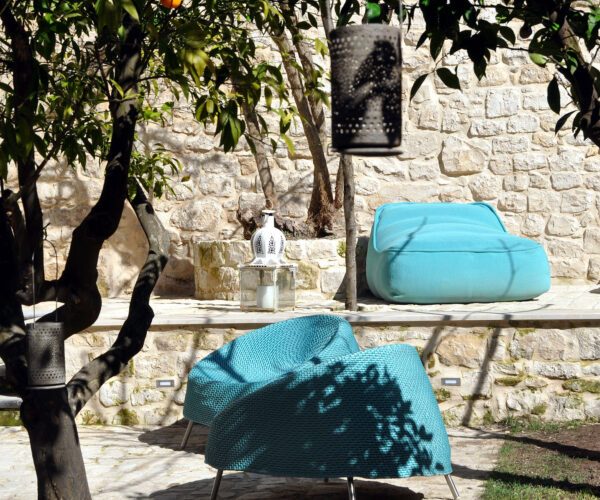
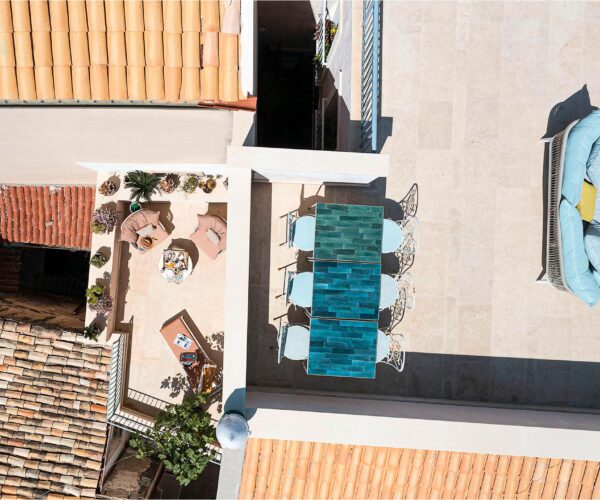
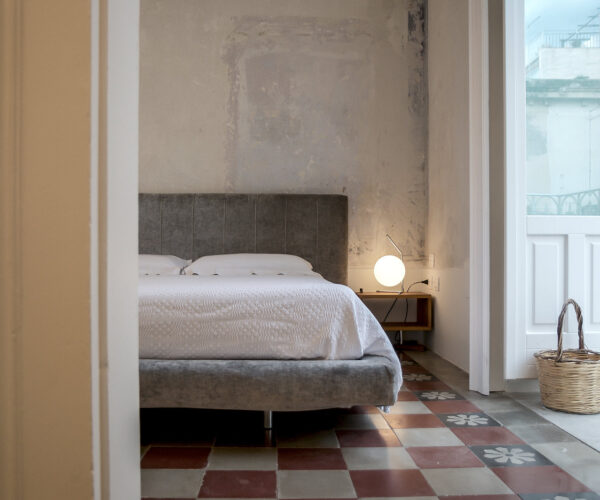
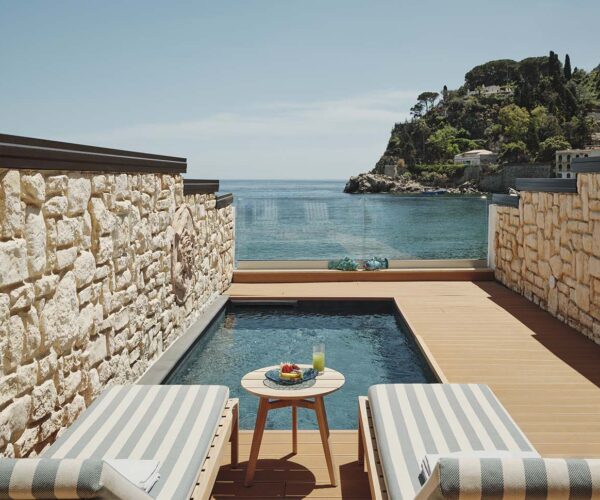
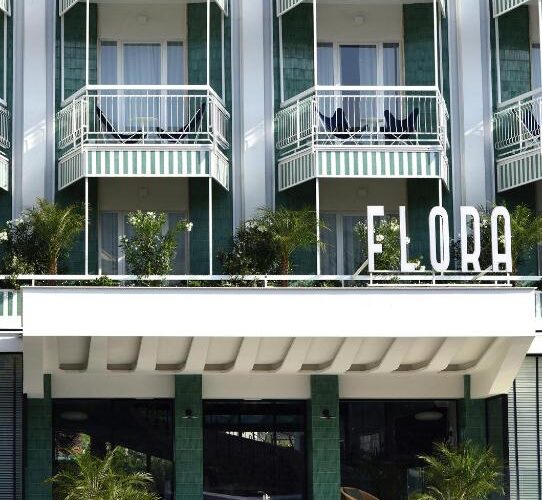
Italy’s hotels provide an equally rich journey through its architecture and culture. Ancient monasteries, Renaissance palaces, Modernist landmarks, rural masserie and centuries-old village houses have been transformed into remarkable places to stay, often by designers who understand that the building’s imperfections are part of its beauty. At DNA Hotels, we curate the places where architecture, interiors, food and history become inseparable—hotels that don’t simply provide a base for discovering Italy, but become part of the Italian experience itself.