


Where to Stay
Discover Oregon through its Hotels



The DNA of Oregon
Where Pacific Northwest Wilderness Meets Independent Design
Oregon has built much of its identity around doing things differently. Pacific coastline, volcanic mountains, high desert and immense forests surround cities and small towns with a strong culture of independence, making landscape impossible to separate from the way the state designs and lives. Portland brings adaptive reuse, timber architecture, Mid-Century Modernism and a deeply ingrained maker culture, while places such as Bend, the Columbia River Gorge and the Willamette Valley have inspired contemporary cabins, lodges and retreats built around natural materials and the outdoors. Oregon rarely does polished for polished’s sake—and that is precisely part of its appeal.
Food and drink are equally tied to place. The Willamette Valley has become one of America’s great wine regions, particularly for Pinot Noir, while Oregon’s farms, forests and Pacific waters provide exceptional vegetables, berries, mushrooms, hazelnuts, seafood and wild ingredients. Portland’s food carts helped redefine informal urban dining, and the state remains filled with independent restaurants, bakeries, coffee roasters, breweries and small producers who take provenance seriously without necessarily making a performance of it. Wine country adds another layer of vineyard restaurants, farm dinners and tasting rooms where architecture can be almost as interesting as what is poured.
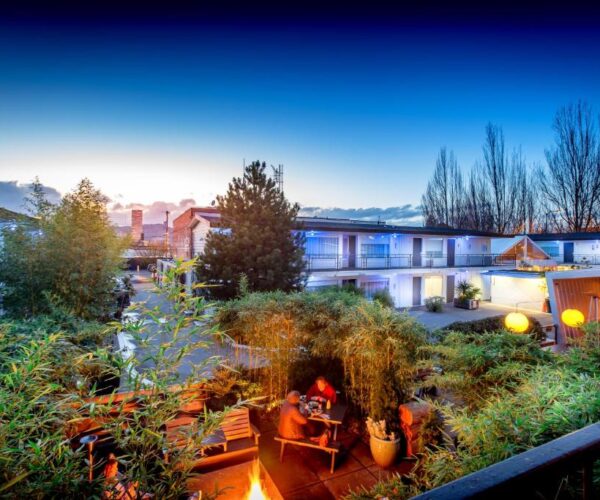
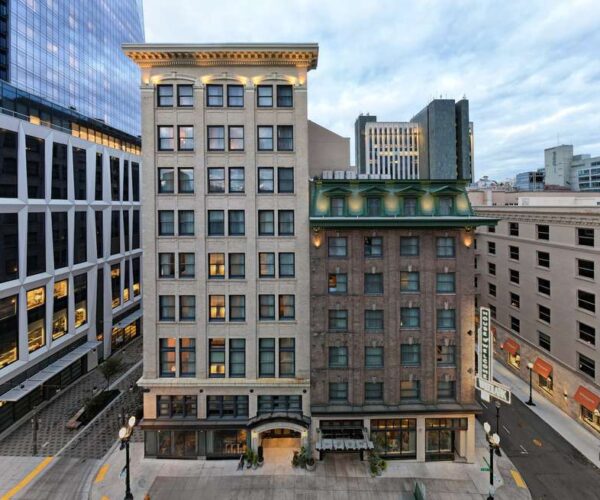
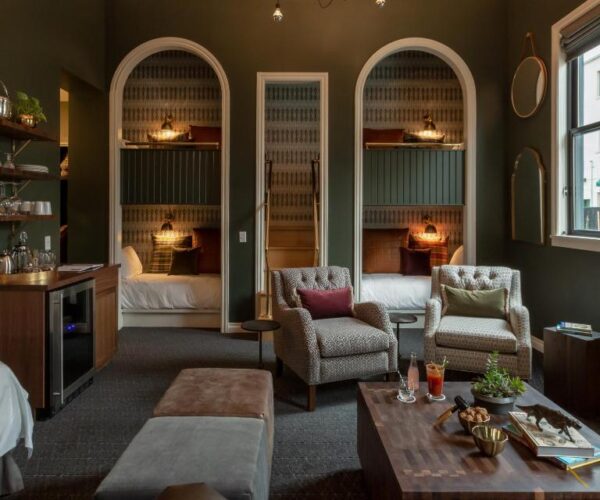
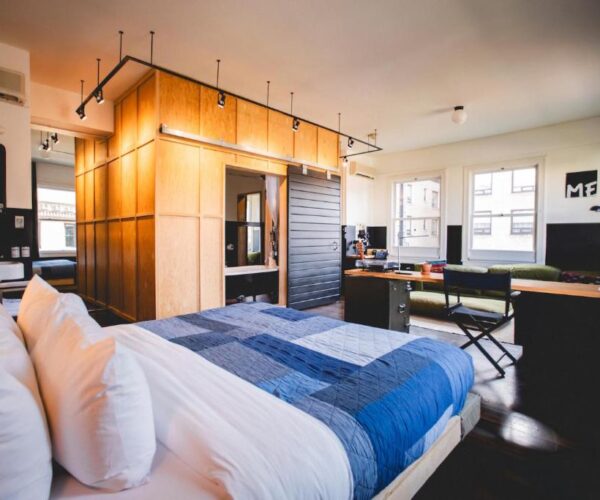
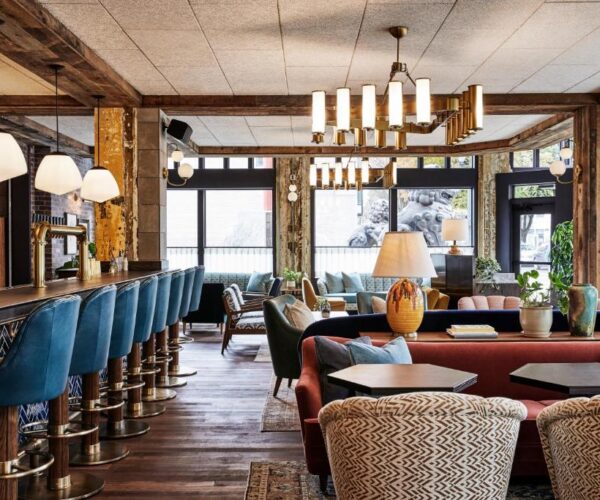
Oregon’s most interesting hotels share that independent spirit. Reinvented motels, historic buildings, vineyard retreats, forest lodges and architect-designed coastal hideaways often combine strong interiors with a deliberately relaxed approach to hospitality. At DNA Hotels, we curate the places where architecture, food, wine and the extraordinary Pacific Northwest landscape come together—hotels that capture Oregon at its best: creative, outdoorsy and just a little resistant to doing things the conventional way.