


Where to Stay
Design Hotels & an Art Deco Gem

The DNA of Oslo
Where Nordic Modernism Meets a New Waterfront City
Oslo has transformed dramatically without losing its relationship with nature. Historic neighbourhoods, Functionalist architecture and post-war Modernism now coexist with some of Scandinavia’s most ambitious contemporary buildings. The former harbour has become a cultural landscape of its own, with the Oslo Opera House, MUNCH and the National Museum reshaping the waterfront, while neighbourhoods such as Grünerløkka offer a more intimate mix of independent galleries, shops and cafés. Forests, islands and the Oslofjord remain remarkably close, giving even the most urban parts of the Norwegian capital a connection to the landscape.
Food and drink have evolved just as quickly. New Nordic cooking remains influential, but Oslo’s restaurant scene has become broader and less formal, combining exceptional Norwegian seafood, wild ingredients and seasonal produce with increasingly international influences. Bakeries, specialty coffee and natural wine are taken seriously, while ambitious restaurants coexist with neighbourhood kitchens, food halls and a growing cocktail culture. The fjord adds another dimension in summer, when waterfront restaurants, floating saunas and bars turn the shoreline into part of the city’s social life.
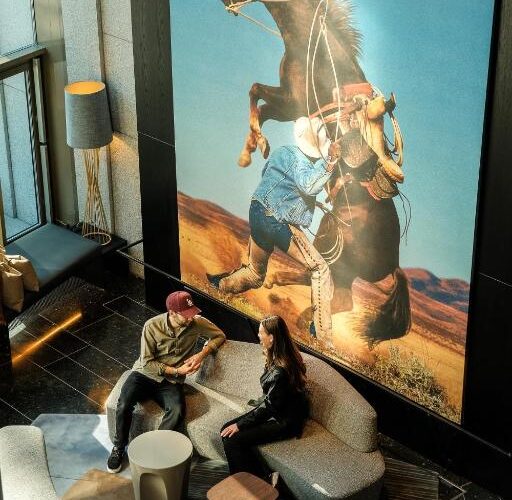
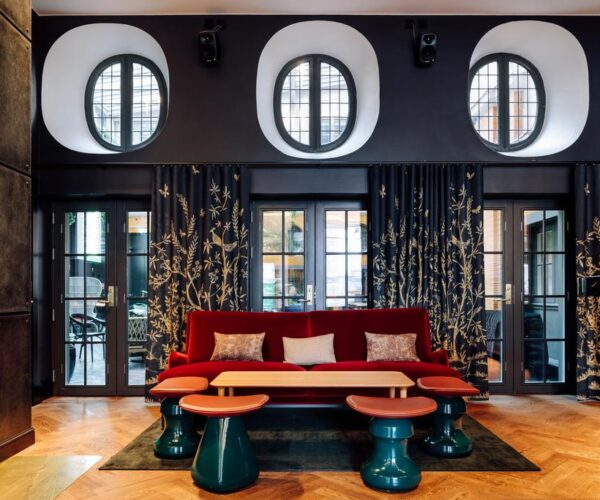
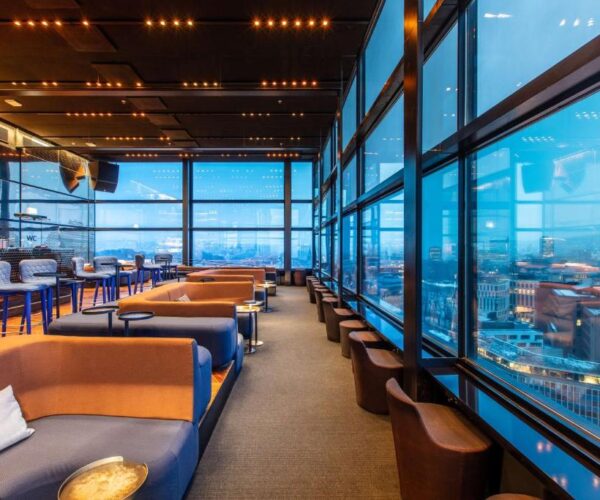
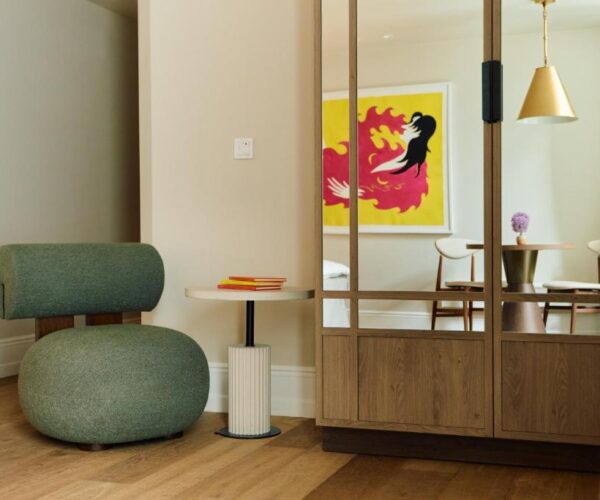
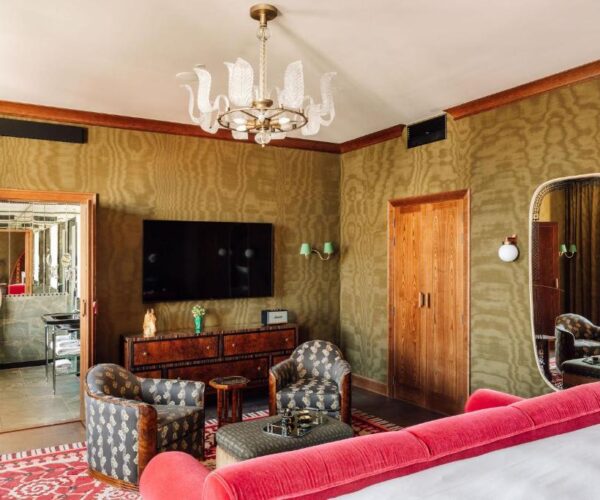
Oslo’s most interesting hotels reflect this changing identity. Historic buildings, Modernist landmarks and ambitious new projects are being transformed through contemporary Norwegian and international design, often combining art, restaurants and lively communal spaces rather than conventional hotel formality. At DNA Hotels, we curate the places where architecture, food, culture and Oslo’s extraordinary proximity to nature come together—hotels that capture a capital increasingly confident enough to make Scandinavian design feel playful rather than predictable.