The DNA of Tbilisi
Where Caucasian Heritage Meets a New Creative Energy
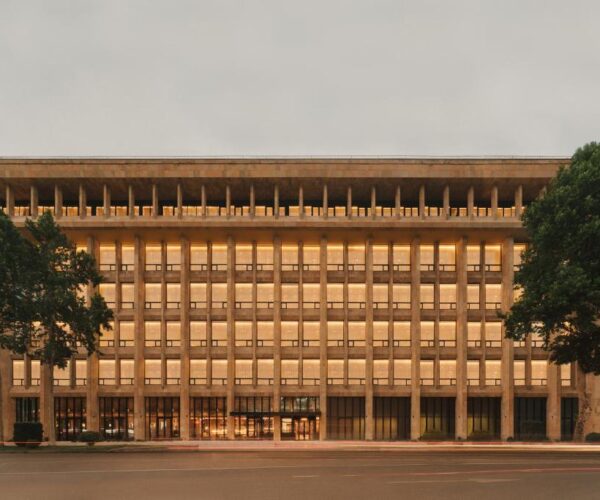
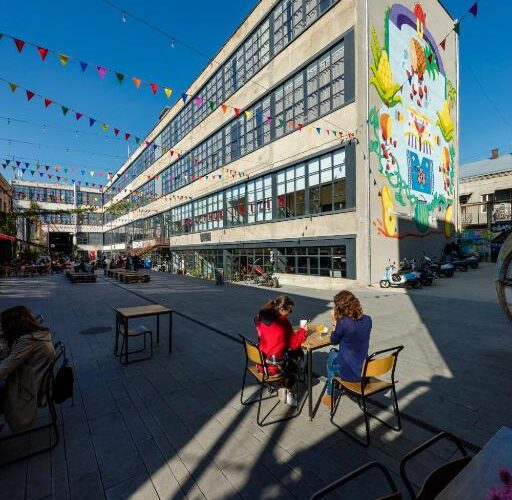
Tbilisi has the layered, slightly unruly beauty of a city shaped by centuries of different cultures. Georgian churches, Persian-influenced houses, wooden balconies and sulphur baths coexist with Art Nouveau apartment buildings, Soviet Modernism and monumental Brutalism. Much of the city’s contemporary appeal comes from what has happened inside that architecture: former publishing houses, factories, cinemas and Soviet buildings have been reclaimed by artists, designers, restaurateurs and hoteliers rather than polished beyond recognition. The result is a city where faded grandeur and creative reinvention often occupy the same building.
Food and drink are fundamental to Georgian culture. Khinkali, khachapuri, grilled meats, vegetables, walnuts and herbs provide only the beginning, with regional cooking traditions from across Georgia represented throughout the capital. Then there is wine. Georgia has one of the world’s oldest continuous winemaking cultures, with traditional qvevri fermentation and indigenous grapes such as Saperavi and Rkatsiteli now attracting international attention. Traditional restaurants and chaotic food markets coexist with natural wine bars, contemporary Georgian kitchens, excellent bakeries and a bar scene that reflects Tbilisi’s increasingly international creative community.
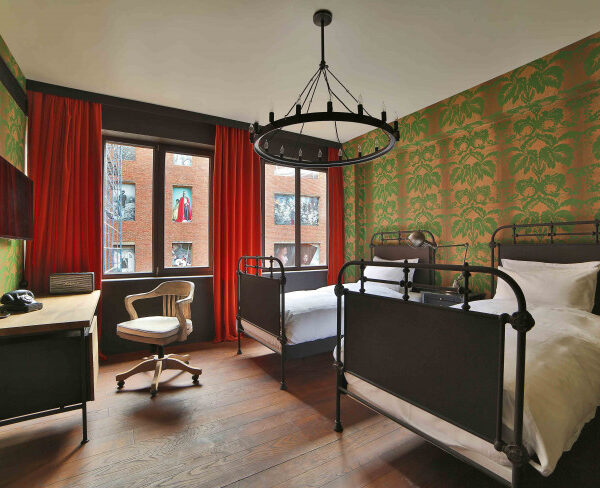
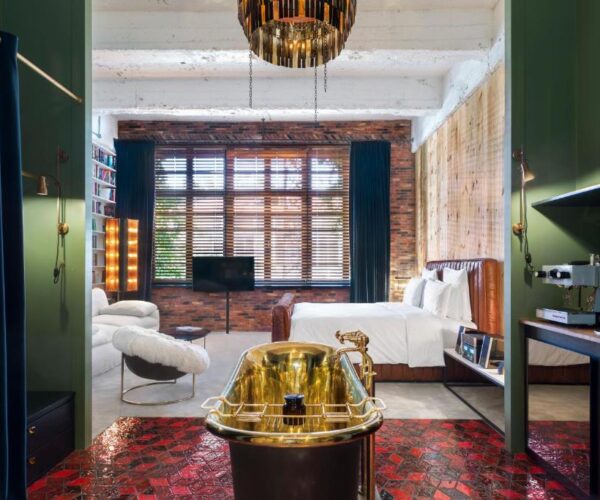
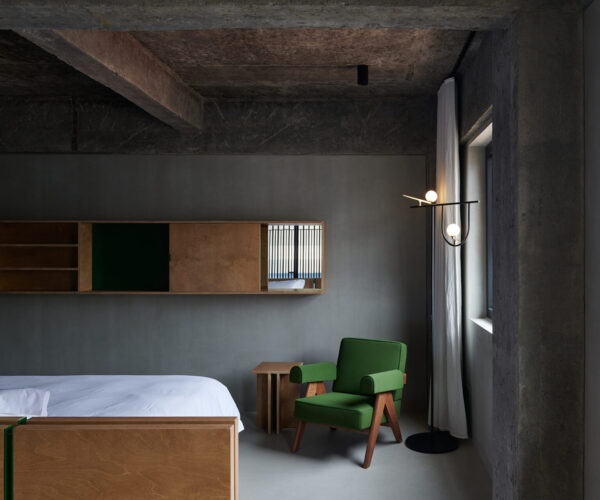
Tbilisi’s most interesting hotels have become part of the city’s cultural transformation. Soviet-era buildings, historic mansions and former industrial spaces have been reinvented with Georgian art, vintage furniture and contemporary design, often incorporating restaurants, bars and communal spaces used as much by locals as hotel guests. At DNA Hotels, we curate the places where architecture, food, wine and Tbilisi’s independent creative culture come together—hotels that capture a city where imperfections are part of the attraction and the new is considerably more interesting when traces of the old remain visible.
Where to Stay