


Where to Stay
Discover Toronto through its Hotels

The DNA of Toronto
Where Victorian Brick Meets a New Canadian Modernism
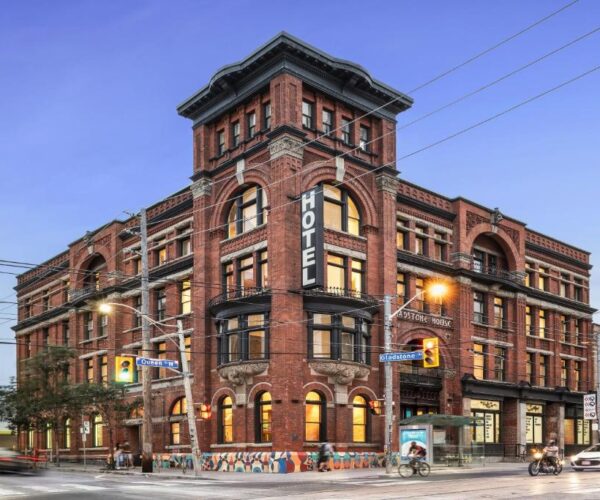
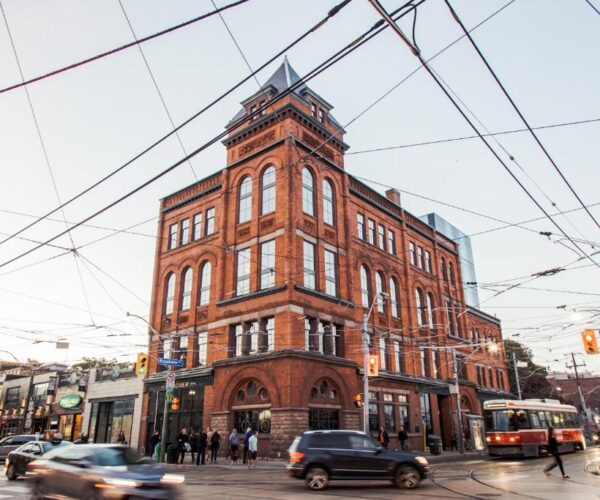
Toronto is a city built through layers of migration, industry and constant reinvention. Victorian neighbourhoods and early skyscrapers coexist with post-war Modernism, converted warehouses and an increasingly ambitious contemporary skyline. Mies van der Rohe left his mark on the financial district, while former industrial areas such as the Distillery District and neighbourhoods along the city’s west side have become centres for design, art and independent culture. Toronto’s architecture rarely conforms to one identity—which suits a city that continually changes as new communities make it their own.
Food and drink may be the best expression of that diversity. Chinese, Caribbean, Italian, Portuguese, Indian, Korean and Middle Eastern communities have all shaped the way Toronto eats, making neighbourhood exploration essential. Markets, bakeries and tiny family-run restaurants coexist with ambitious chef-led kitchens, natural wine bars, craft breweries and a sophisticated cocktail scene. Ontario’s farms and the nearby Niagara wine region add a strong local dimension to a food culture that is otherwise proudly international.
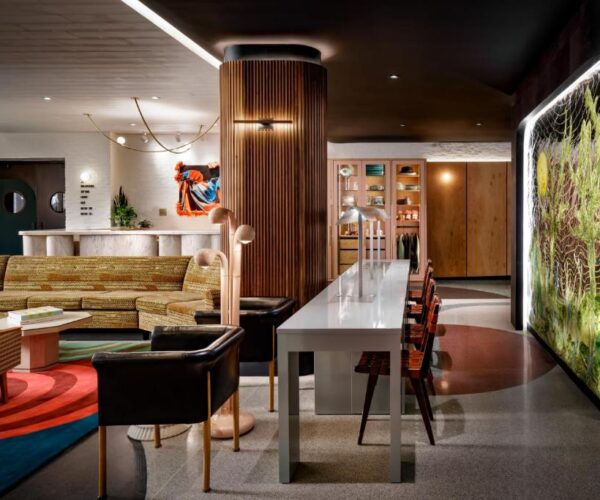
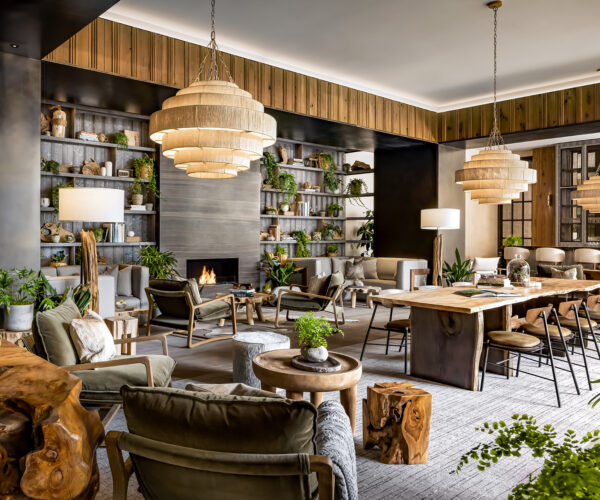
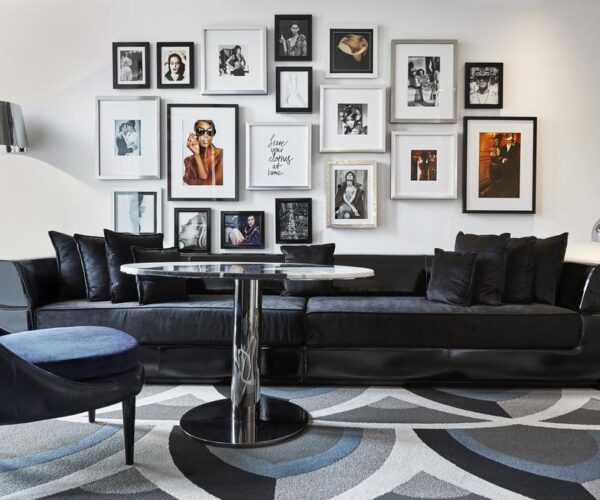
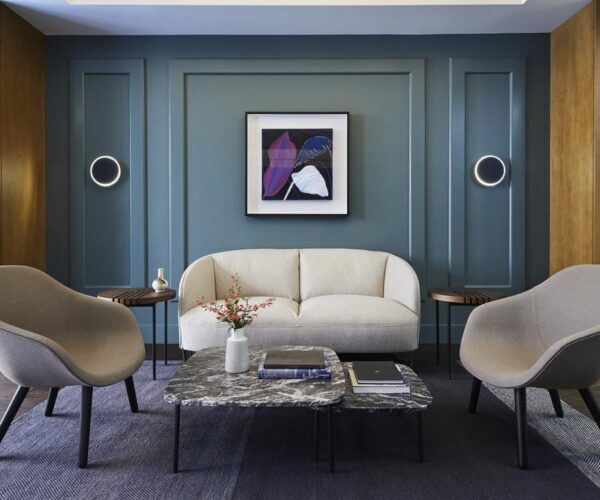
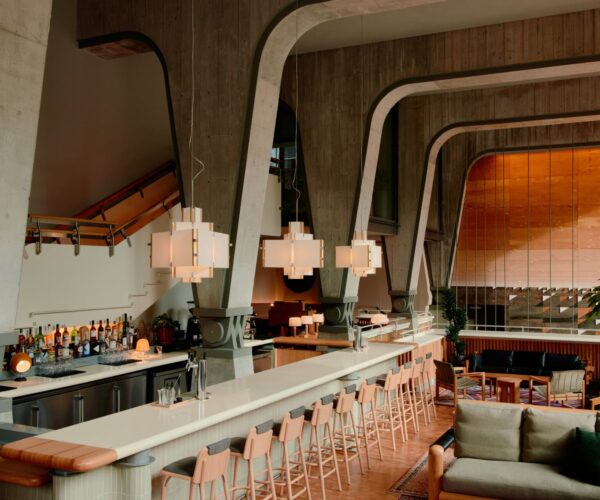
Toronto’s most interesting hotels reflect the city’s transformation. Historic landmarks, former factories and warehouses, Victorian buildings and contemporary design hotels offer increasingly individual alternatives to conventional downtown hospitality. At DNA Hotels, we curate the places where architecture, interiors, food and Toronto’s multicultural creative energy come together—hotels that feel connected to their neighbourhoods and reveal a city far more distinctive than its famously understated reputation suggests.