


A Contemporary Landmark Connecting Architecture, Hospitality, and Urban Life
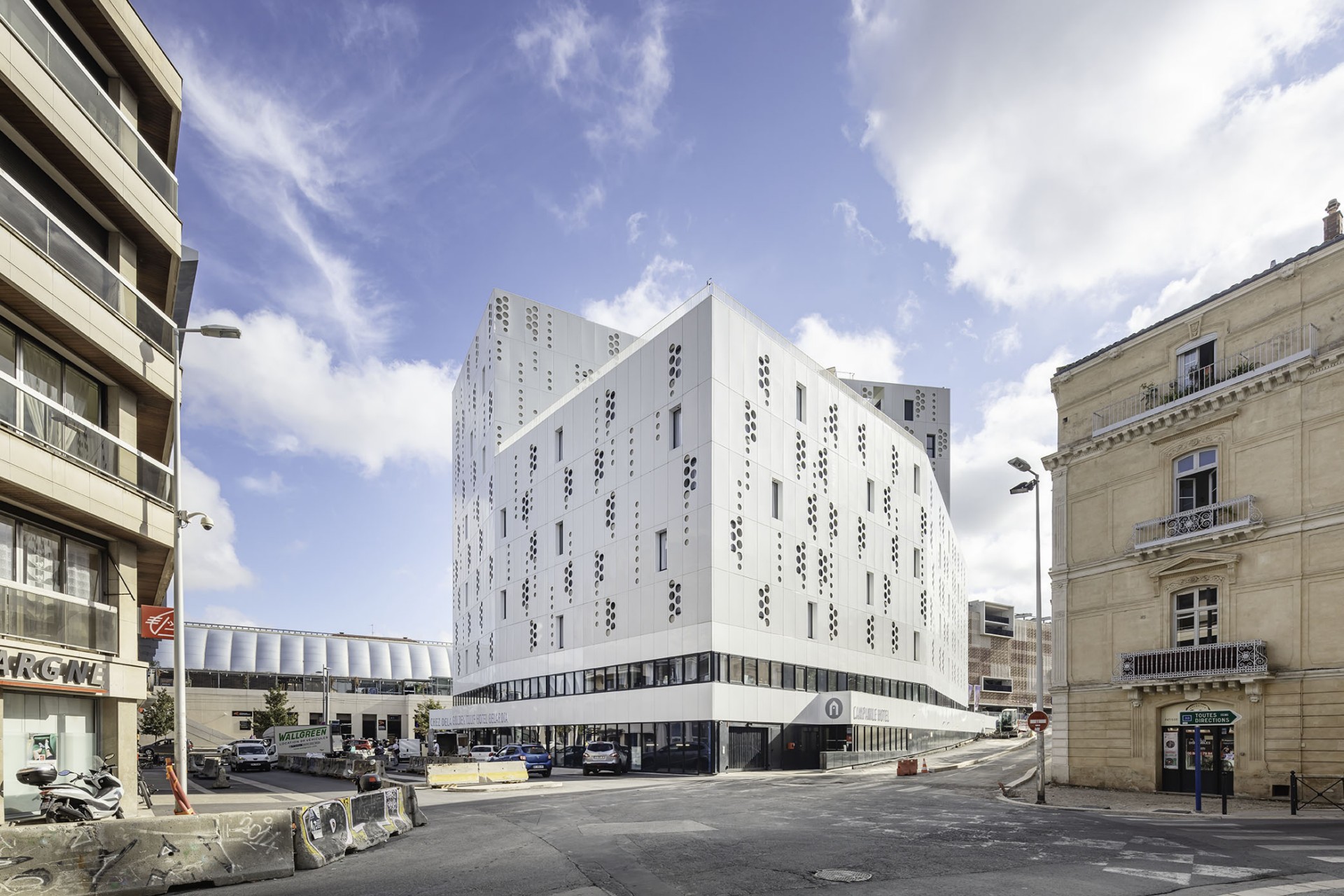
Louvre Hotels has opened its dual branded Golden Tulip and Campanile hotel in the centre of Montpellier opposite the main Saint-Roch train station. The hotel is set in the spectacular Le Belaroïa multi-use complex, designed by French architect Manuelle Gautrand.

Why DNA Hotels loves it
Designed by acclaimed French architect Manuelle Gautrand, the building has become one of Montpellier's most recognisable contemporary landmarks.
A mixed-use concept combining hotels, apartments, wellness, dining, and public spaces creates a genuine extension of the city rather than a standalone hotel.
Its striking faceted façade reflects Montpellier's youthful, Mediterranean character while placing guests directly opposite Saint-Roch station.
The Stay
Le Belaroïa, Montpellier, France
An Architectural Gateway
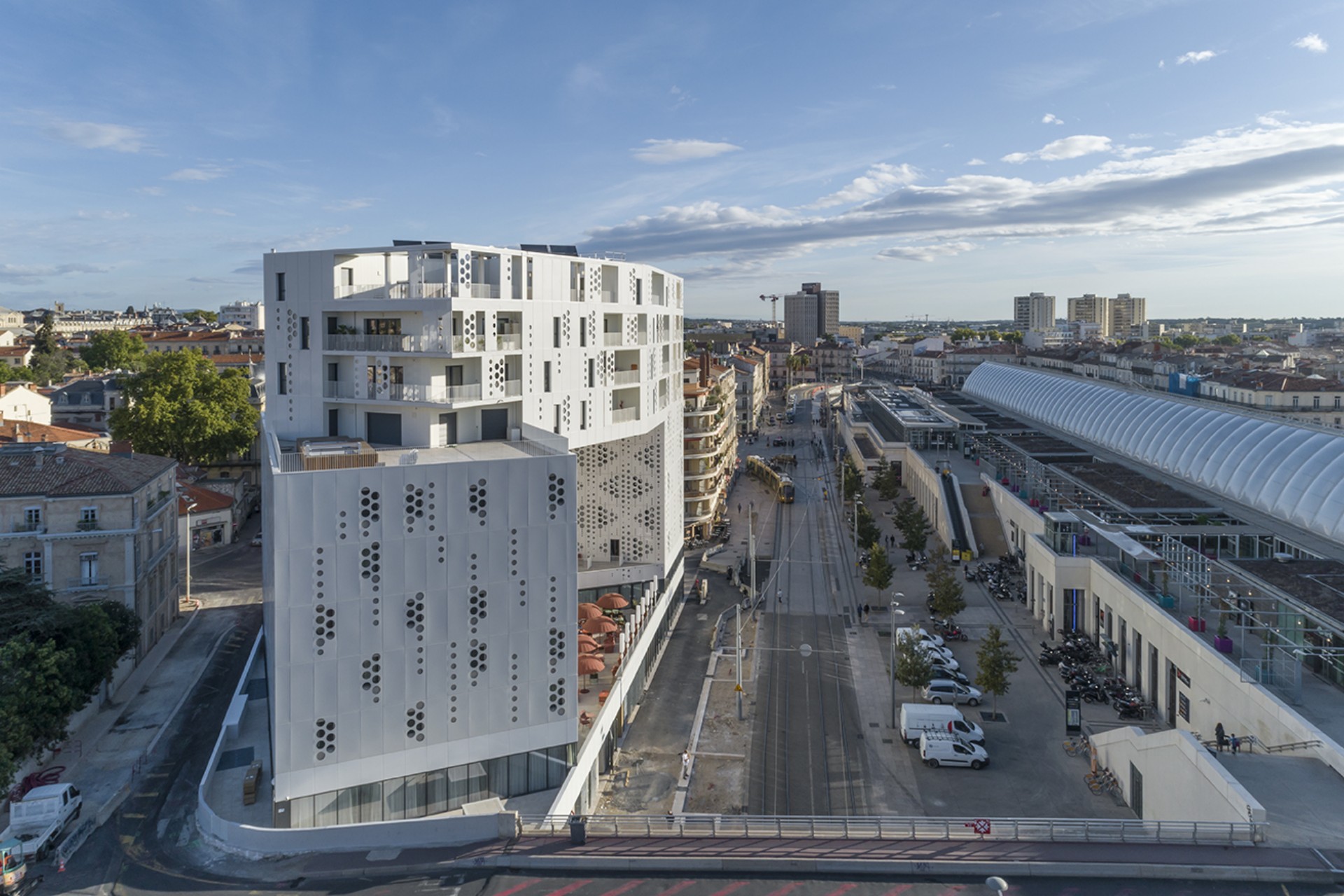
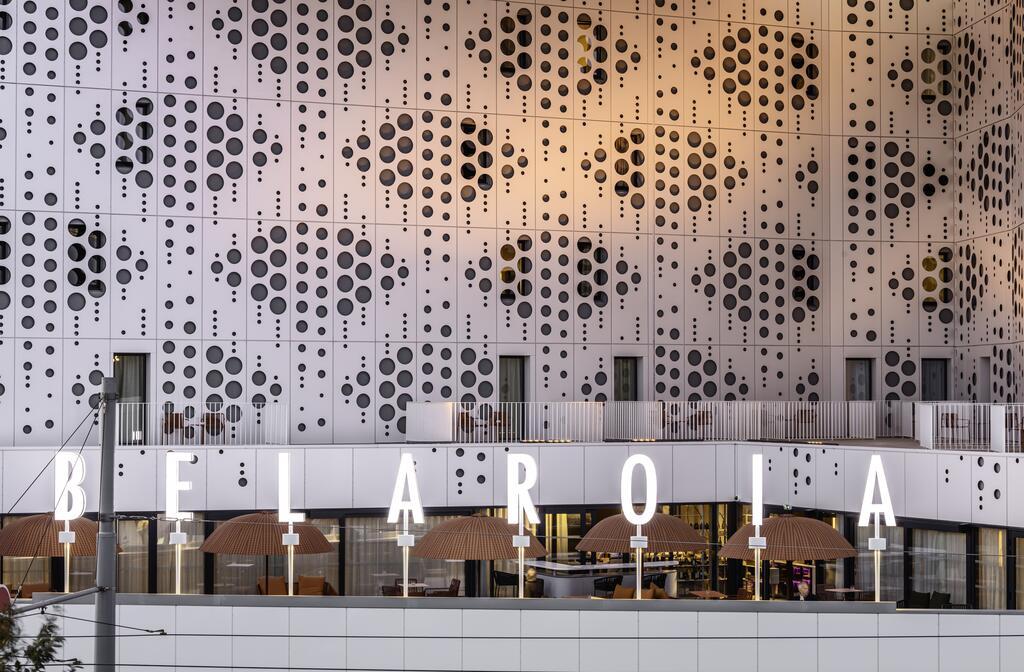
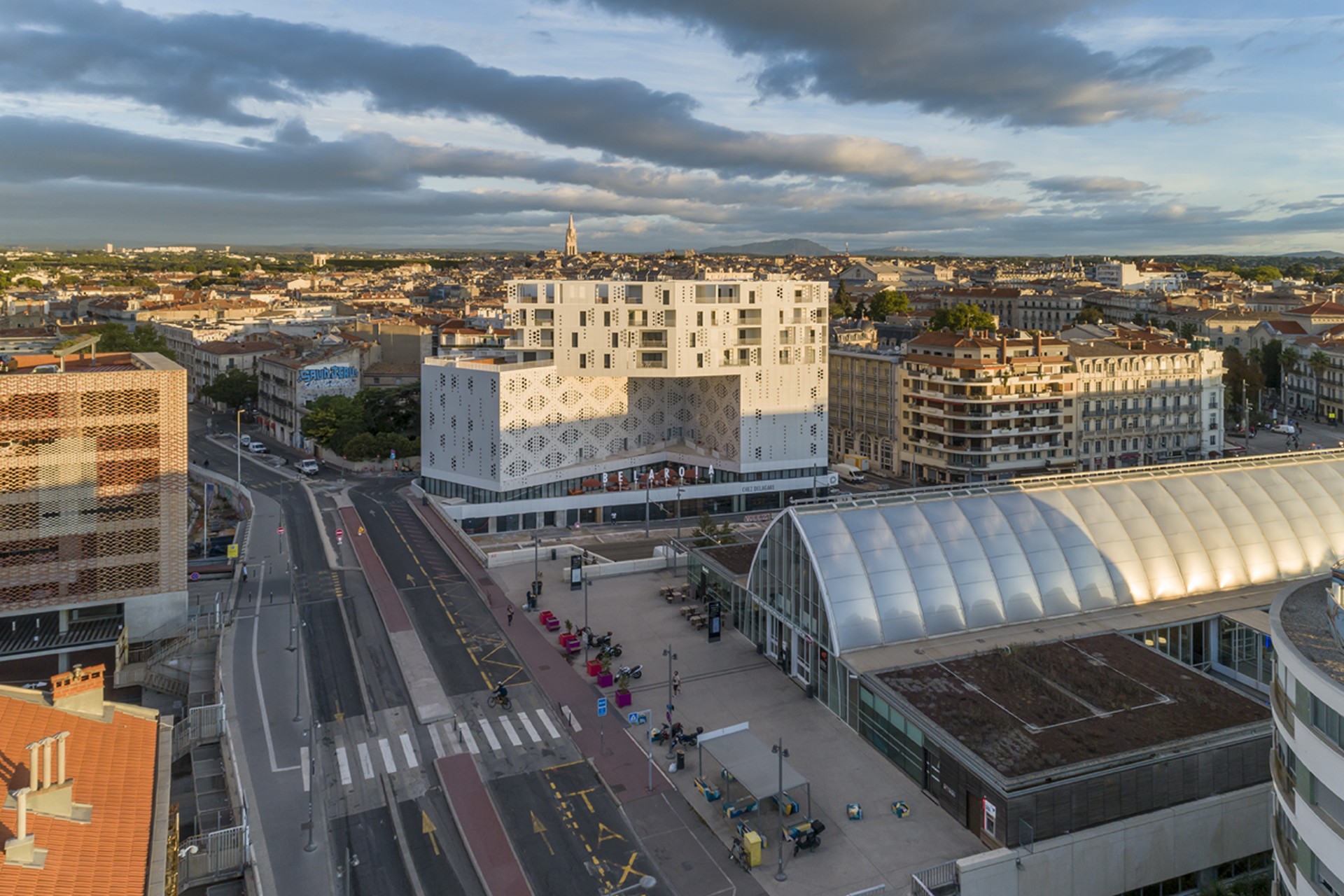
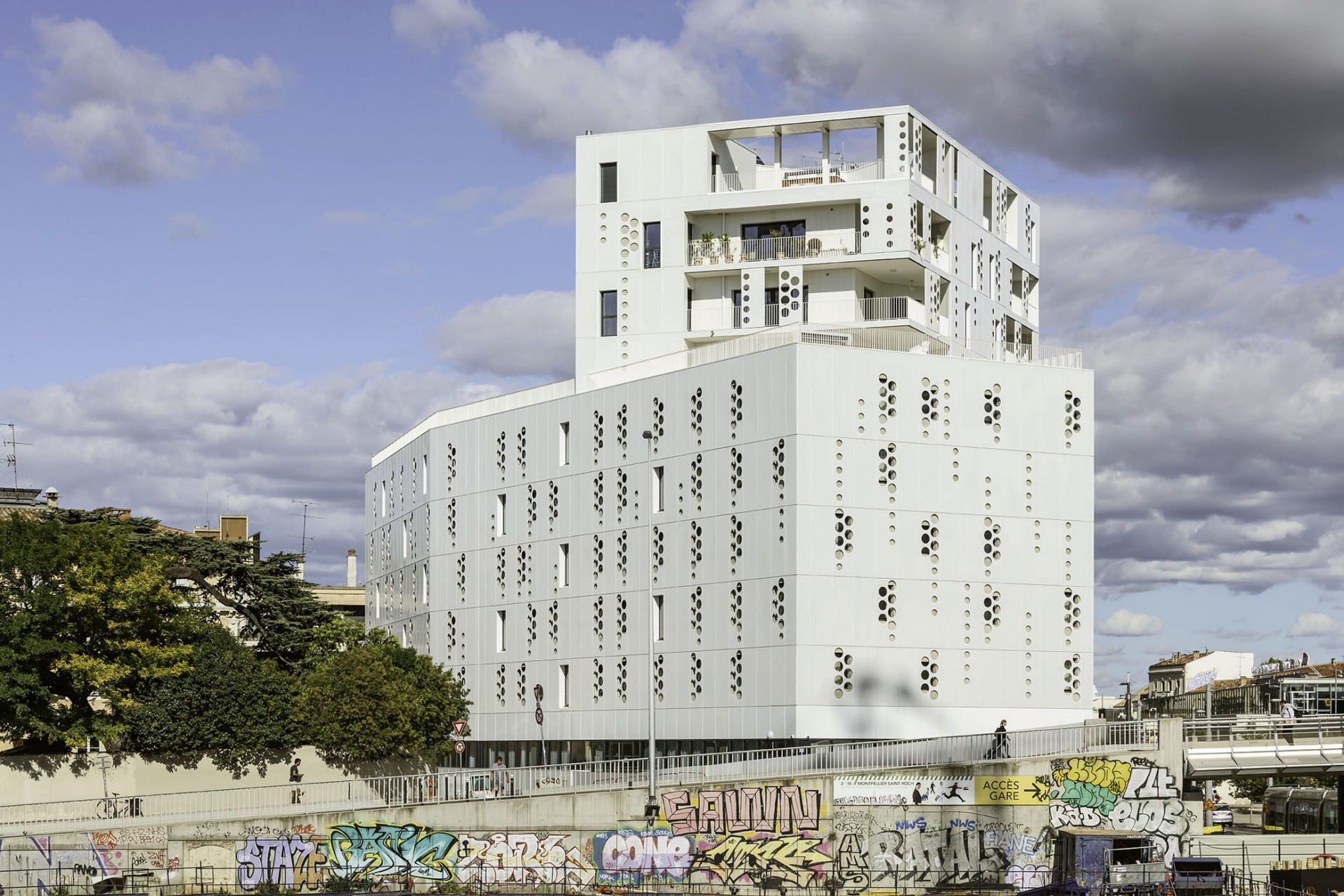
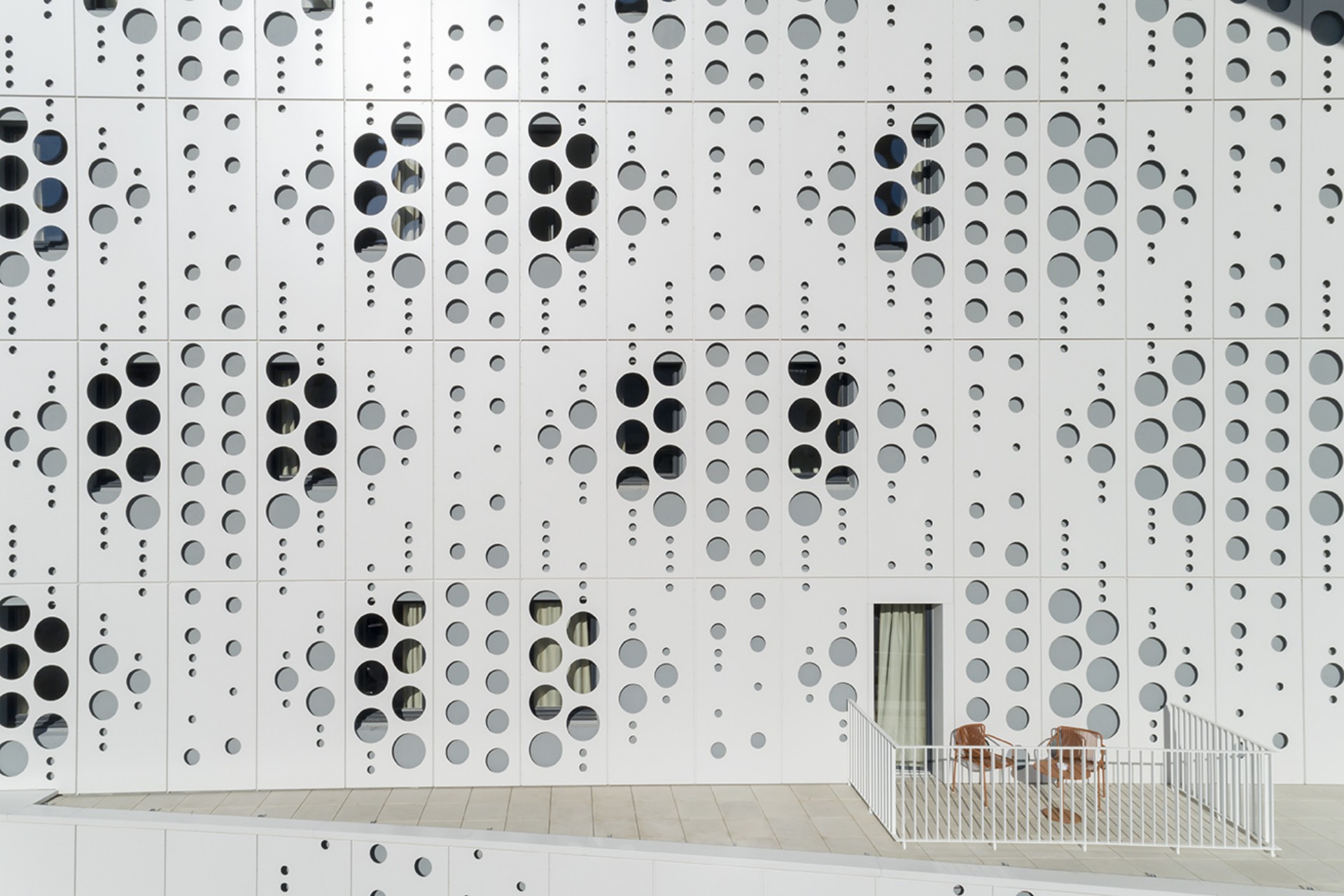
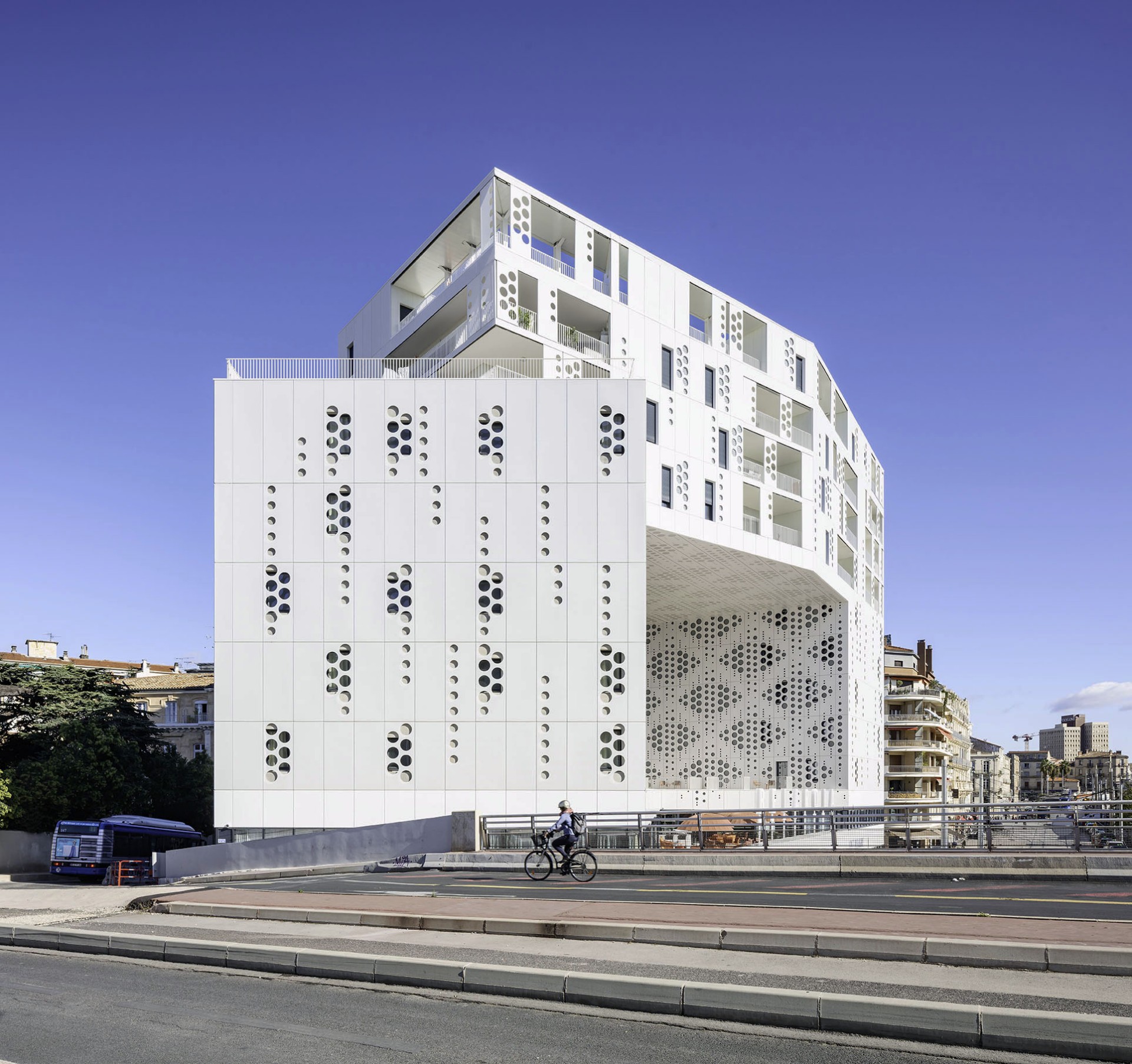
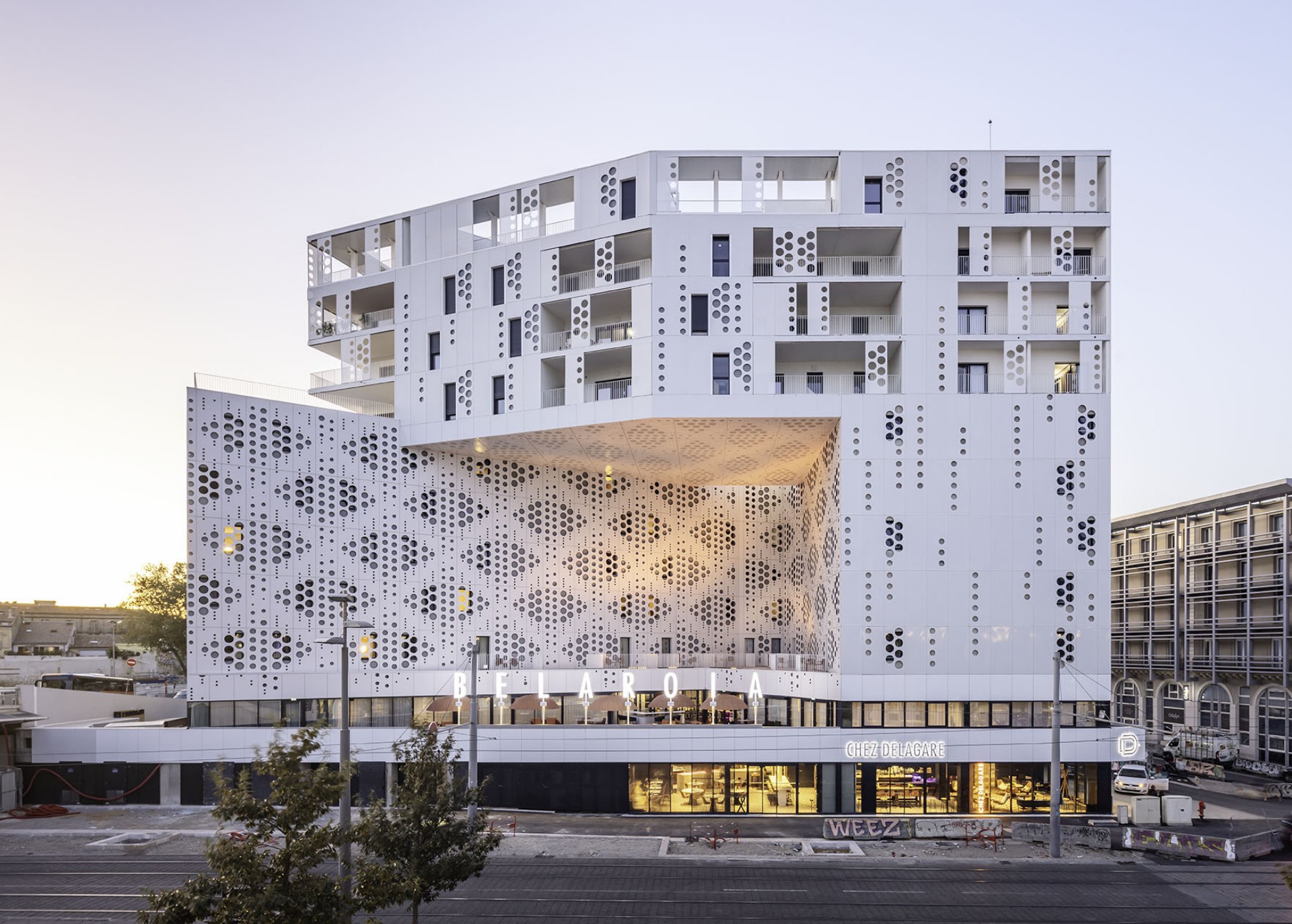
Le Belaroïa announces itself long before you reach the entrance. Facing Montpellier Saint-Roch station, the building rises as a sculptural composition of stacked volumes and shimmering façades. Designed by Manuelle Gautrand, its name derives from the ancient Occitan word for “jewels”—an apt description for a building that catches the changing southern light throughout the day. It is impossible to overlook. Nor was it intended to be.
More Than a Hotel
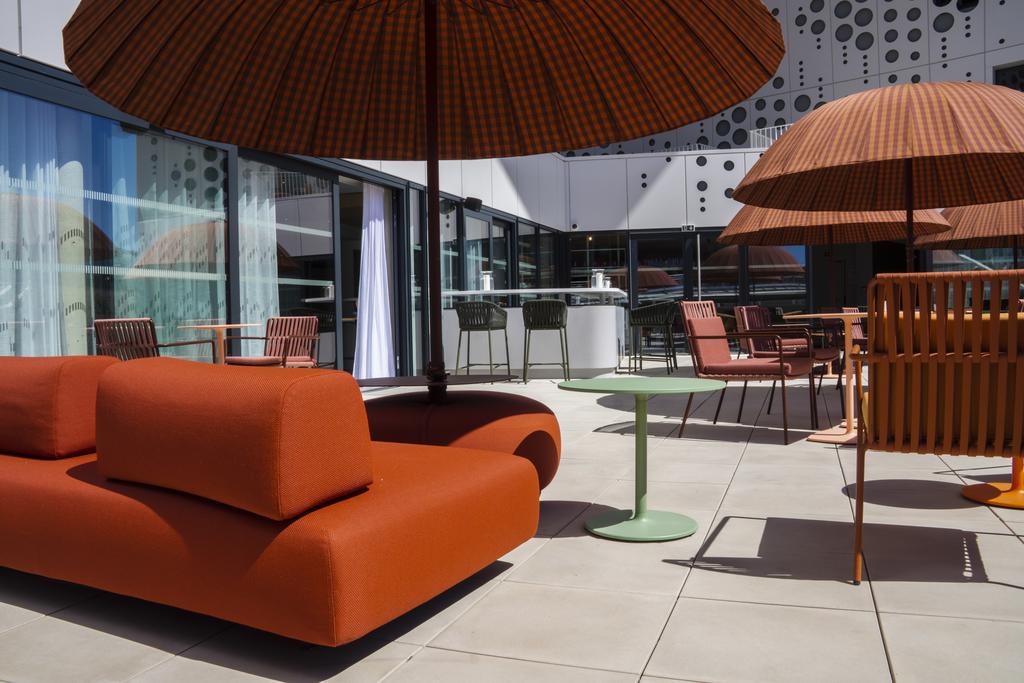
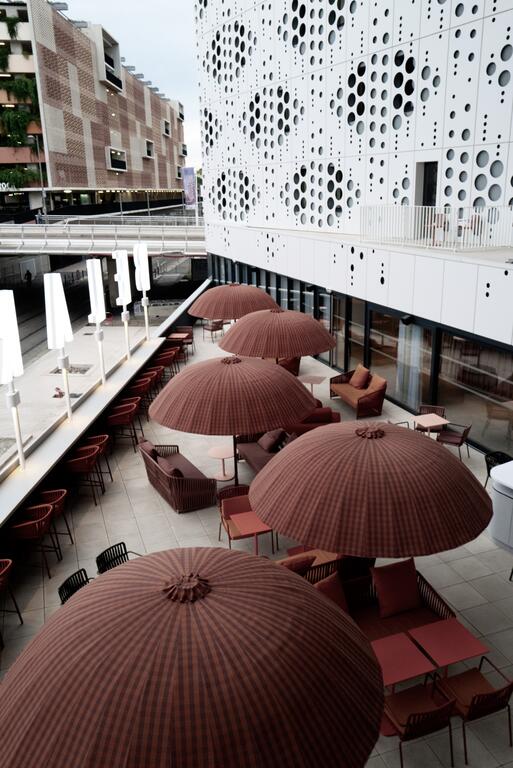
Rather than creating a conventional hospitality project, Gautrand conceived Le Belaroïa as a small urban neighbourhood contained within a single building. A four-star hotel, a three-star Campanile, serviced apartments, wellness facilities, restaurant, public parking, and shared public spaces are woven together into one coherent architectural composition. The different functions interact naturally, bringing visitors and local residents together throughout the day. The building remains active. Even beyond hotel hours.
Architecture with Urban Energy
The faceted exterior gives Le Belaroïa its unmistakable identity. Angular forms, generous glazing, and carefully layered volumes create a building that appears different from every viewpoint. Its contemporary geometry contrasts with the surrounding city while complementing Montpellier’s ongoing architectural evolution. The result feels confident. Without becoming monumental. The architecture contributes to the streetscape rather than dominating it.
Designed Around Movement
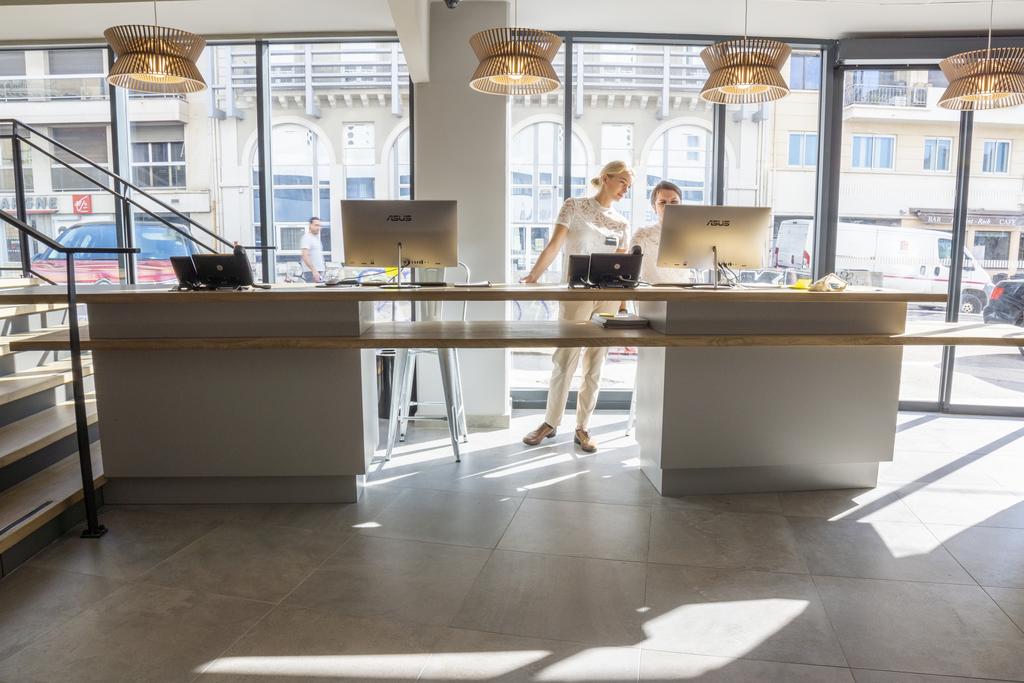
Location is central to the experience. Guests step directly from the station into the hotel, while the historic centre, tram network, restaurants, and cultural venues are all within easy walking distance. Inside, circulation flows naturally between accommodation, dining, wellness, and communal spaces, reinforcing the feeling of an integrated urban destination. Everything feels connected. Nothing feels isolated.
Mediterranean Hospitality for a New Generation
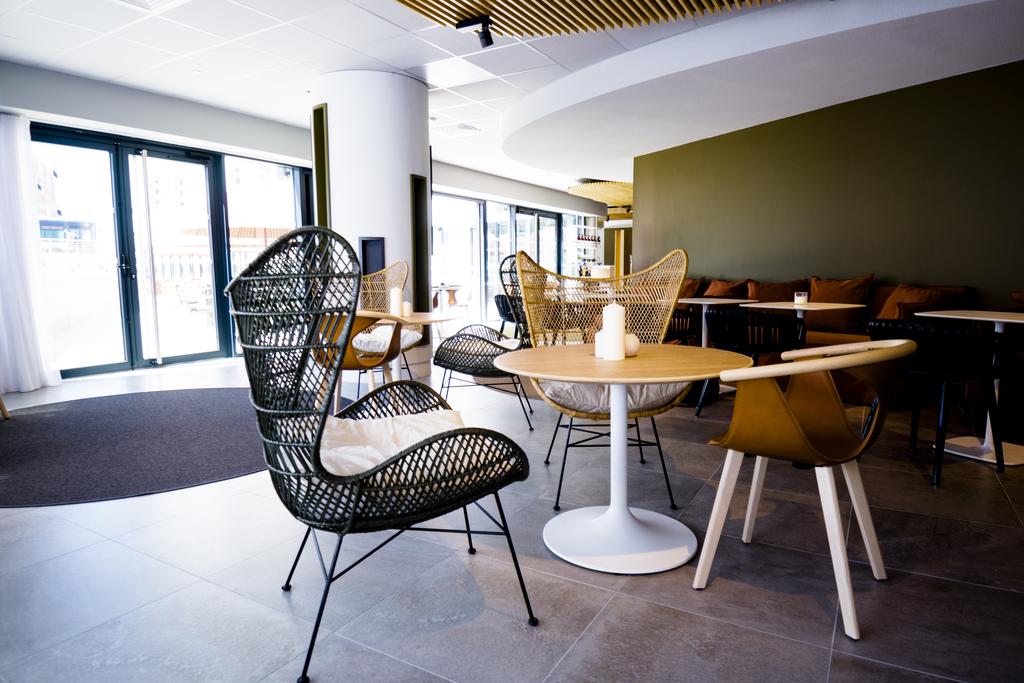
Le Belaroïa reflects the pace and openness of contemporary city life. Business travellers, weekend visitors, local diners, and long-stay guests share the same building without ever competing for space. Flexible accommodation and thoughtful public areas make the hotel feel less like a temporary stop and more like part of Montpellier itself. Hospitality becomes part of the city. Rather than an escape from it.
Why It Works
Le Belaroïa succeeds because it places architecture at the centre of the guest experience. Manuelle Gautrand has created far more than a hotel: she has designed a mixed-use urban landmark where hospitality, public life, and contemporary architecture merge into a seamless whole. It is bold, practical, and unmistakably rooted in the future of Montpellier.
Information
At a glance
Architecture
Opened / Renovated
2019 (formerly Golden Tulip)
Size matters
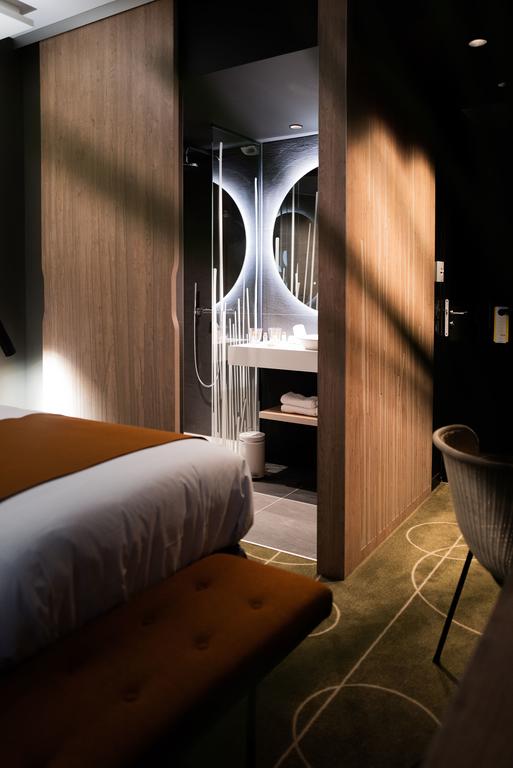
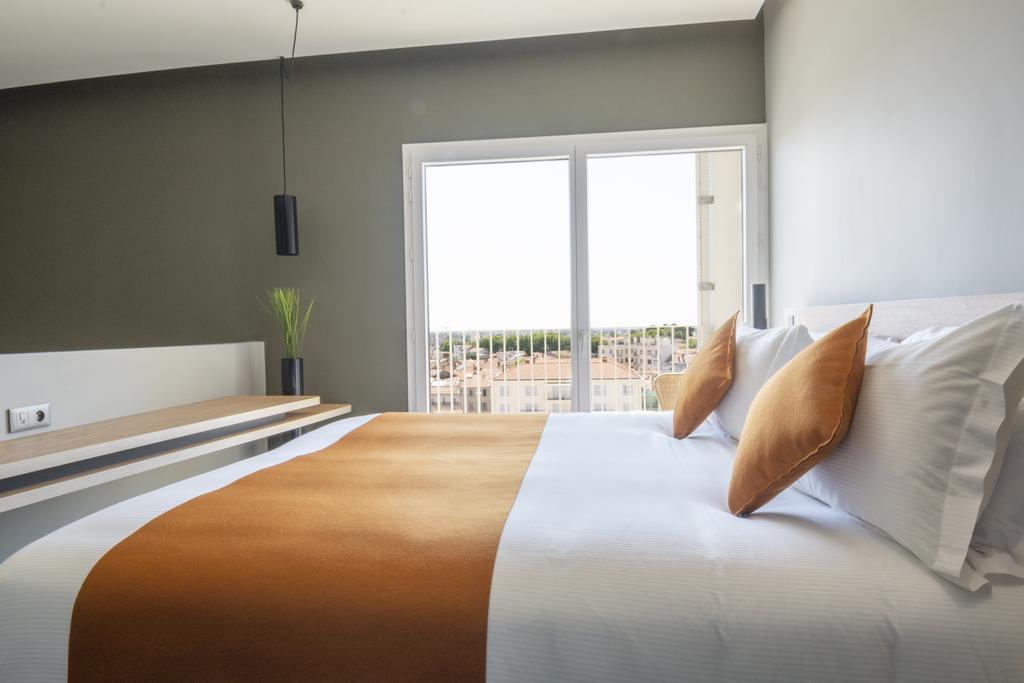
102 rooms (22-31m2) (237-334 sq ft)
Interior design
Philippe Avanzi, Atelier Archange
Featured in
Don't take our word for it
Handpicked worldwide
A carefully curated collection of exceptional boutique and design hotels across the globe.
Design with soul
Architecture, atmosphere and craftsmanship come together in stays with a clear identity.
Hidden, not hyped
Independent boutique hotels you rarely find on mainstream booking platforms.
Travel guidance
Personal recommendations and thoughtful support from people who actually know the places.