The Return of the Badehotel

A 1935 Functionalist seaside hotel by Ole Falkentorp restored for a new generation, pairing Danish Riviera modernism with Afroditi’s warm, contemporary interiors.

Book now

Why DNA Hotels loves it

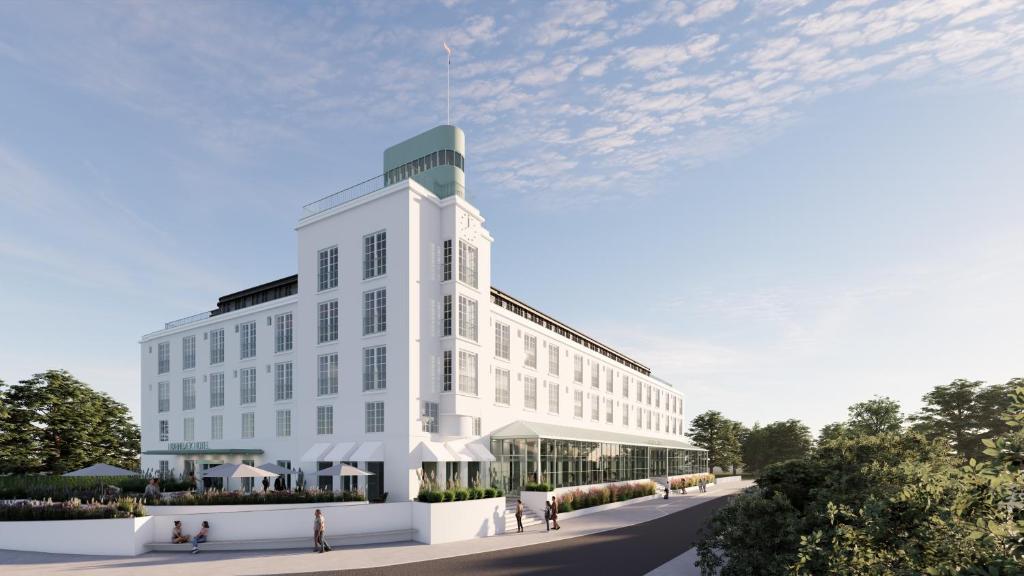
Ole Falkentorp’s 1935 badehotel has been rescued from decades of decline, with NVMBR Architects and AART restoring its streamlined Functionalist architecture rather than replacing an important piece of Danish seaside history.

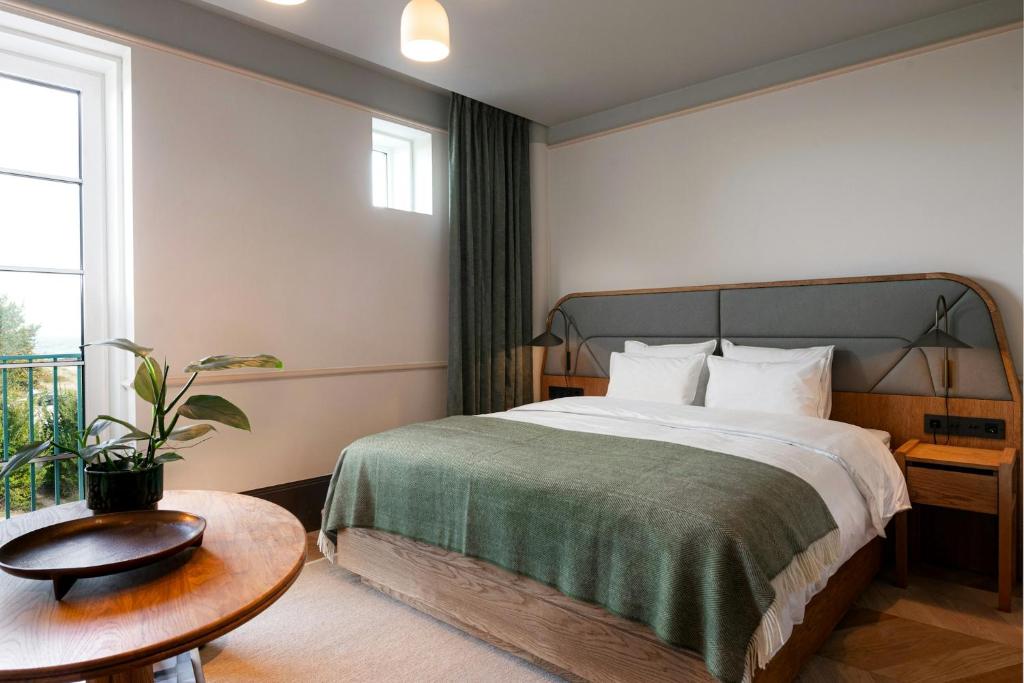
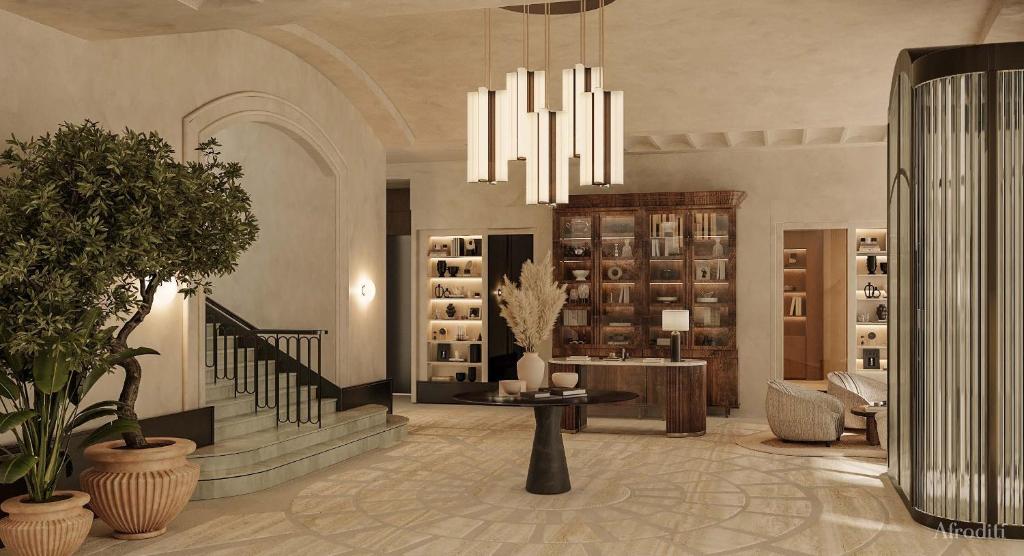
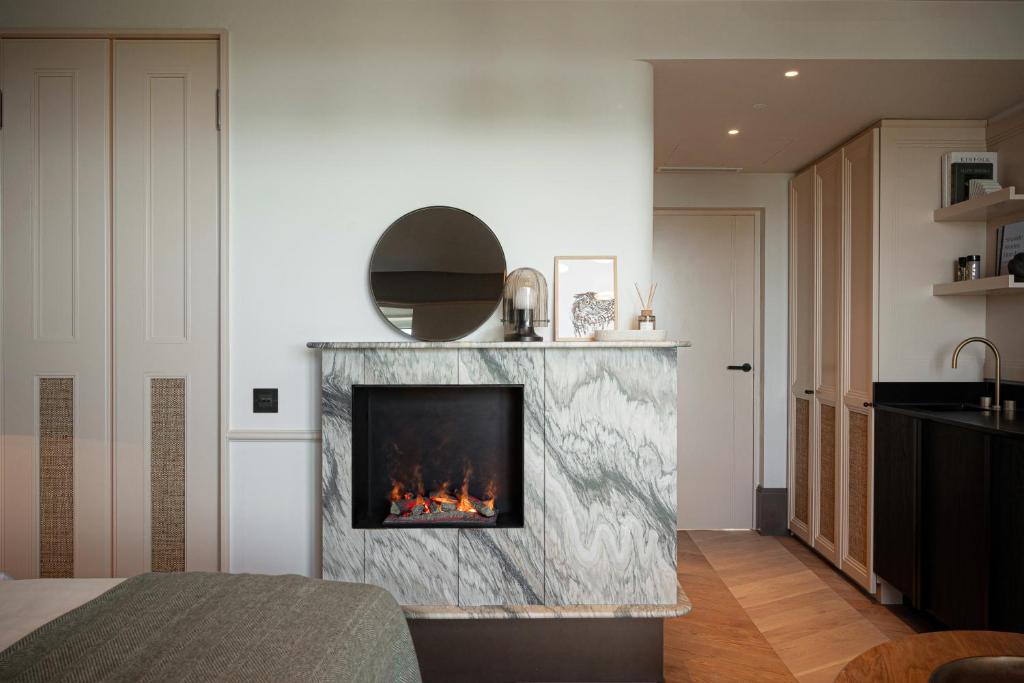
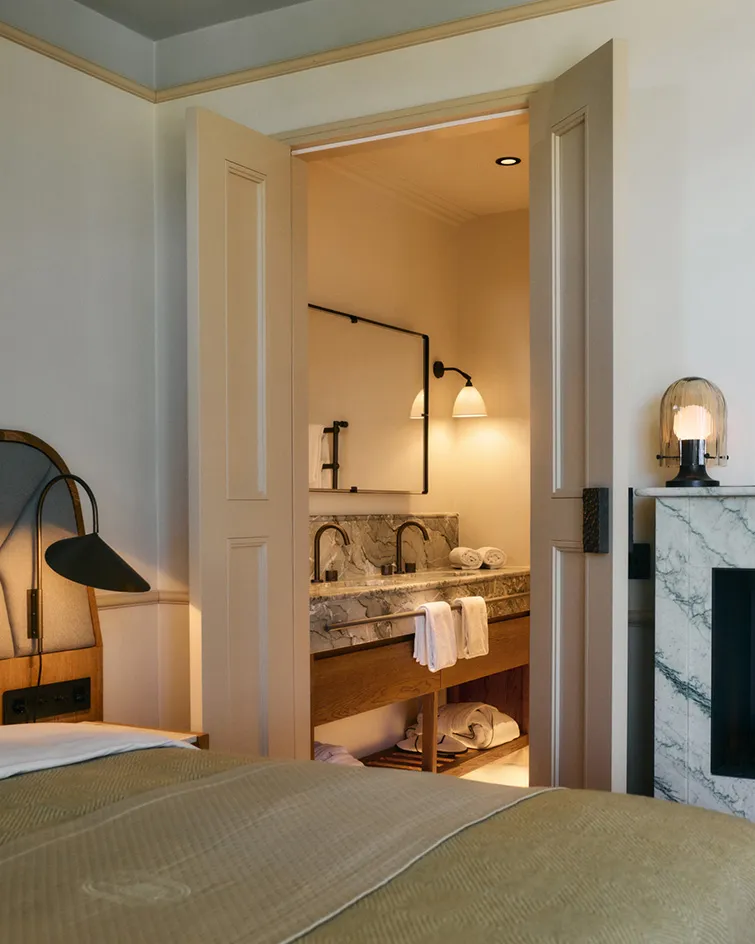
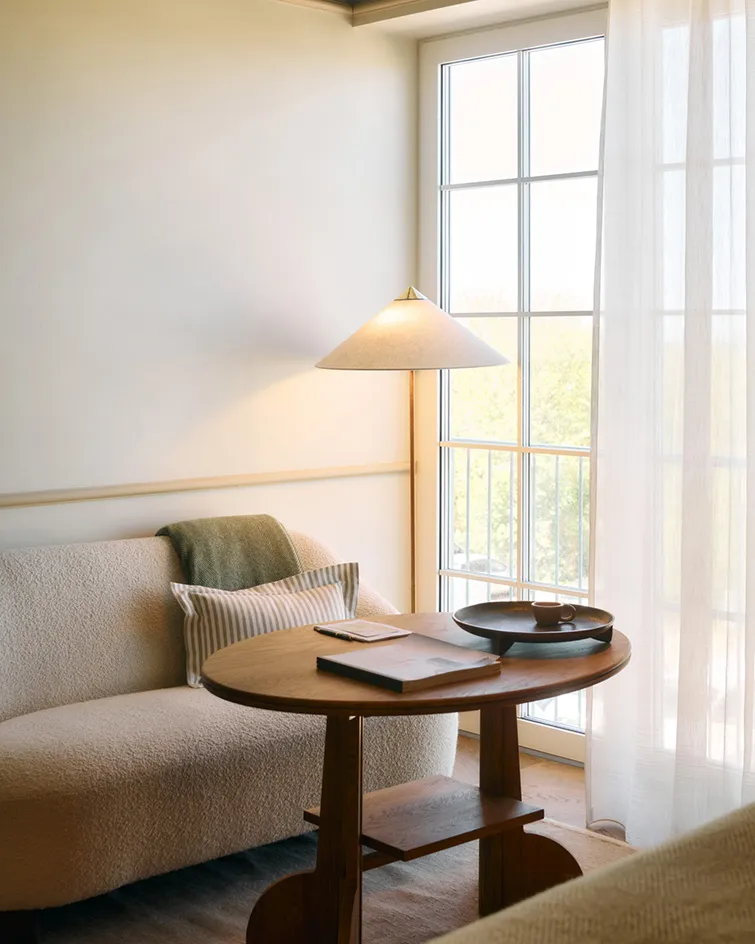
Afroditi Krassa deliberately avoids the clichés of coastal design, combining Scandinavian restraint with warmer, more international influences and bespoke furniture developed with GUBI.

The revival reconnects Hornbæk with its early identity as an artistic seaside resort, bringing rooms, restaurant, bar and spa back to a building originally conceived around the restorative qualities of sea, sand and light.

The Stay

A restored 1935 Functionalist seaside hotel where Danish Riviera Modernism meets warm contemporary design and Nordic coastal living.

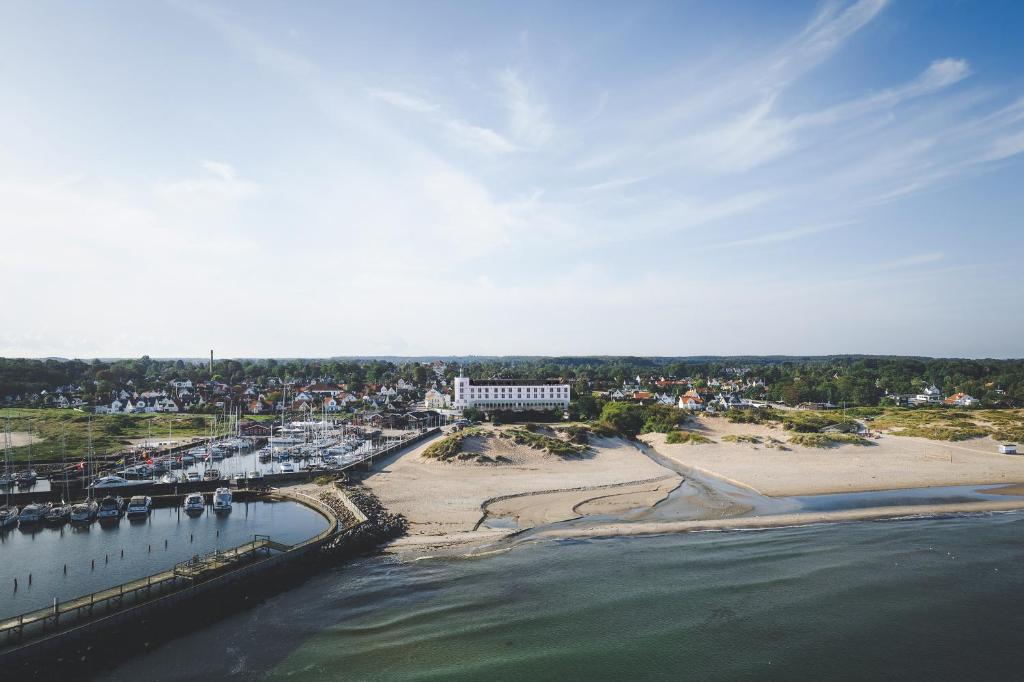
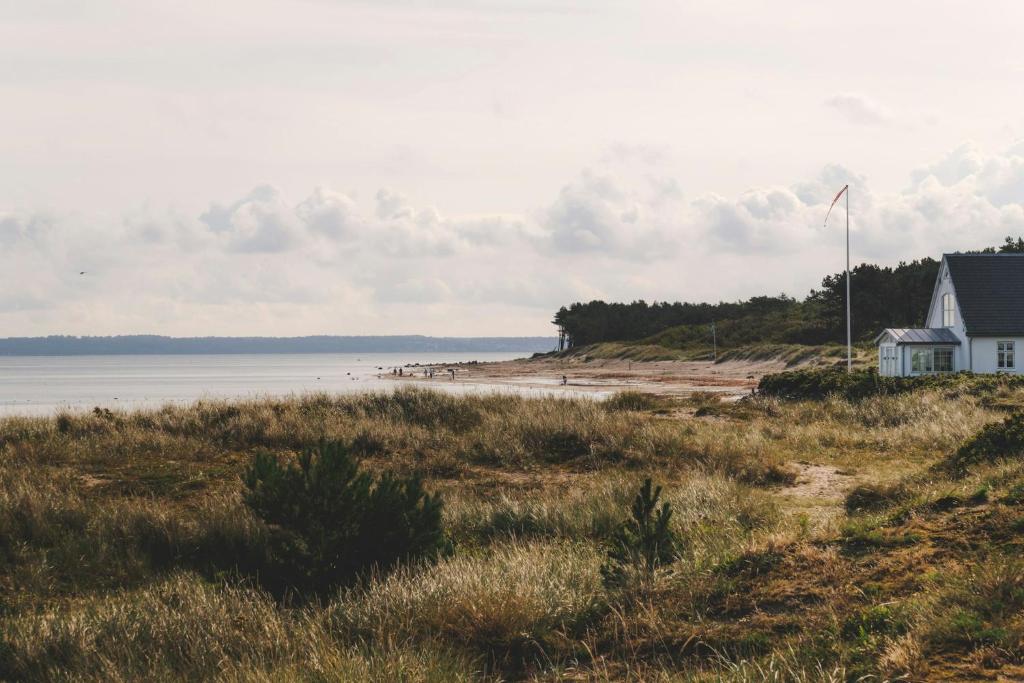
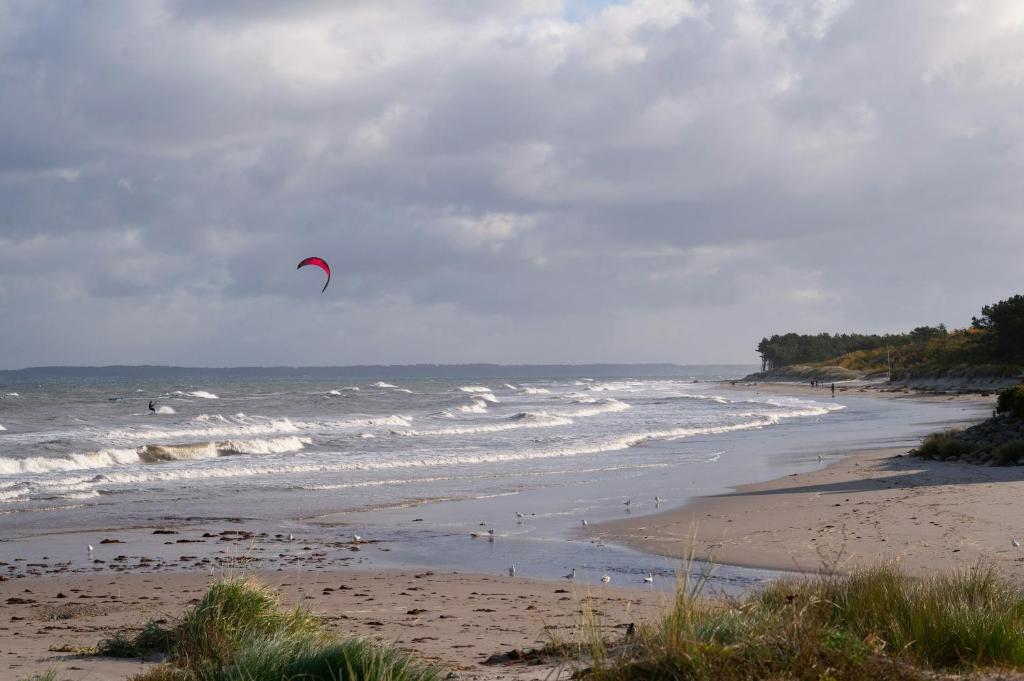
Long before the Danish Riviera became shorthand for summer houses and weekends away from Copenhagen, Hornbæk developed as a seaside resort. Artists arrived for its distinctive northern light, while the beach and sea became part of a growing culture of health, leisure and escape. Architect Ole Falkentorp’s hotel appeared here in 1935. Its white volumes, horizontal lines and soft curves combined early Modernism with Scandinavian Functionalism, creating a striking badehotel directly beside the Kattegat. After the Second World War, however, the building gradually declined. Developer COPI acquired it in 2022 with the intention of returning Falkentorp’s architecture to its original purpose.

Functionalism by the Sea

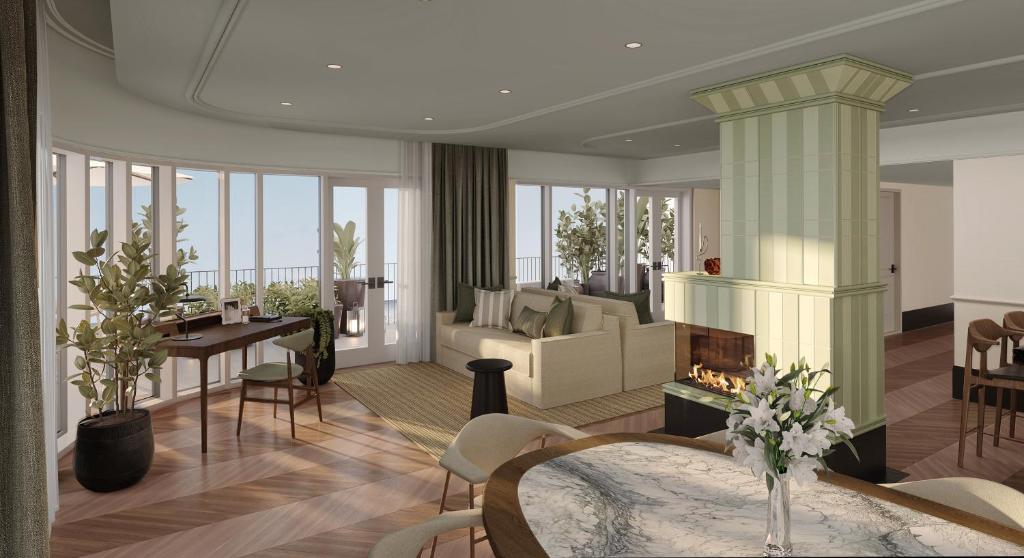
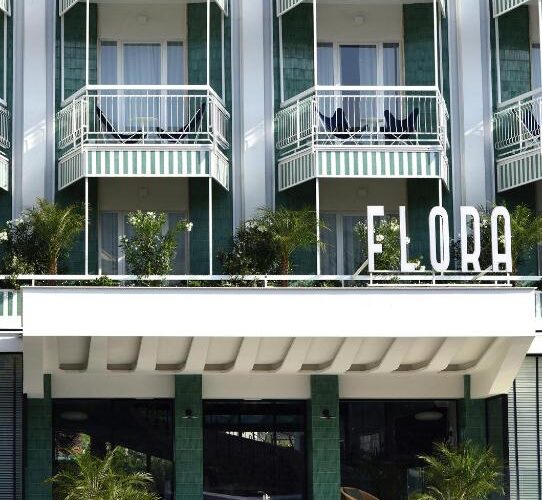
NVMBR Architects, led by Jon Clausen, and AART were responsible for the architectural restoration and contemporary interventions. The character of Falkentorp’s composition remains central: streamlined white façades, generous glazing and rounded geometries responding to the unusually luminous coastal setting. Most distinctive is the oval tower, now incorporated into one of the hotel’s signature suites. Its curved floor-to-ceiling windows open the architecture towards the landscape and have become so closely associated with the building that the form inspired CORI’s logo. Landscape architects EFFEKT worked around the restored structure, reconnecting its relatively substantial volume with Hornbæk’s dunes, vegetation and predominantly low-rise surroundings.

No Baby-Blue Stripes

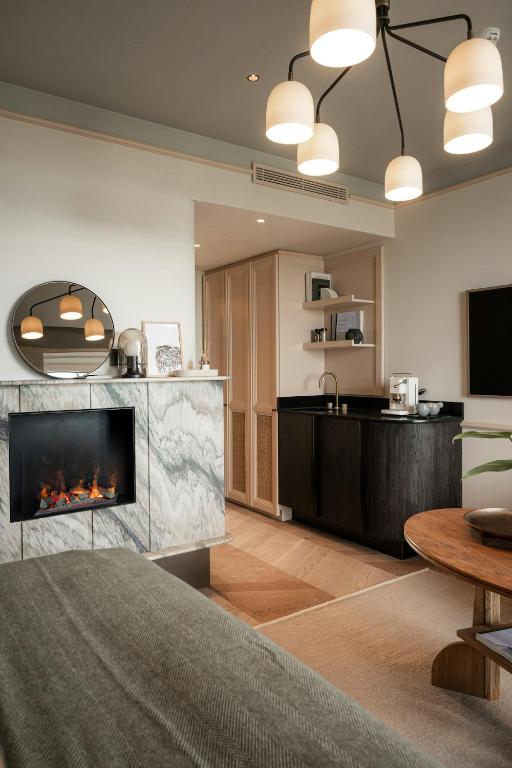
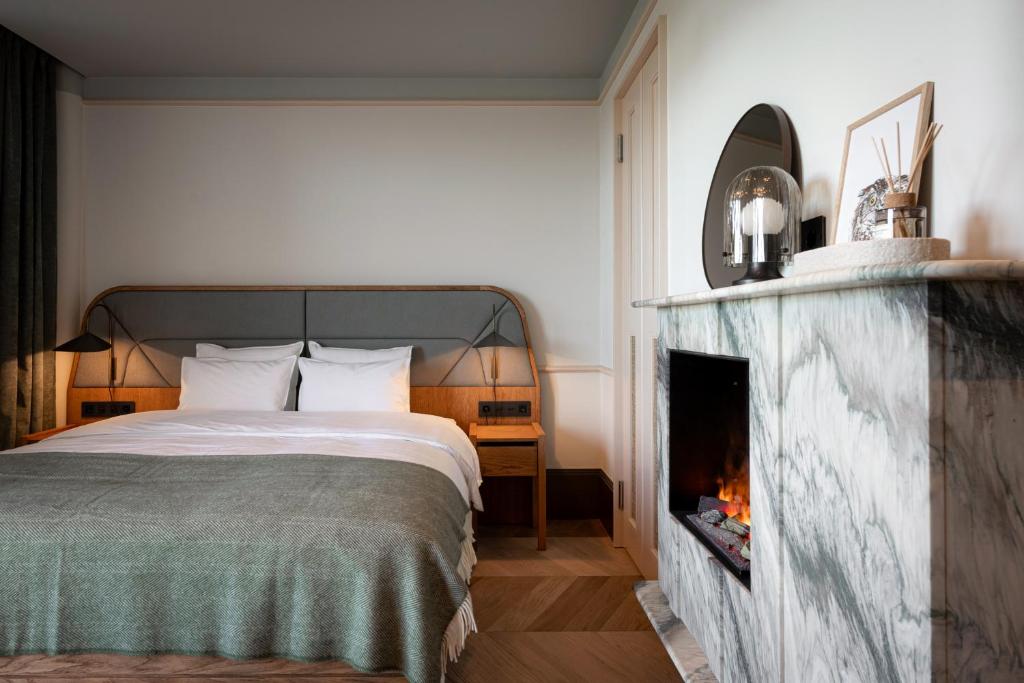
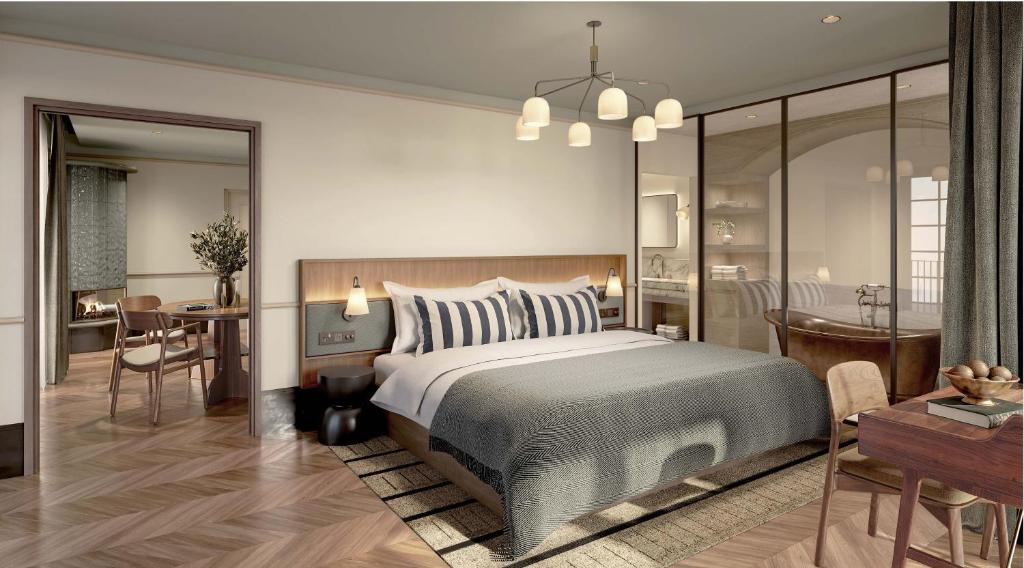
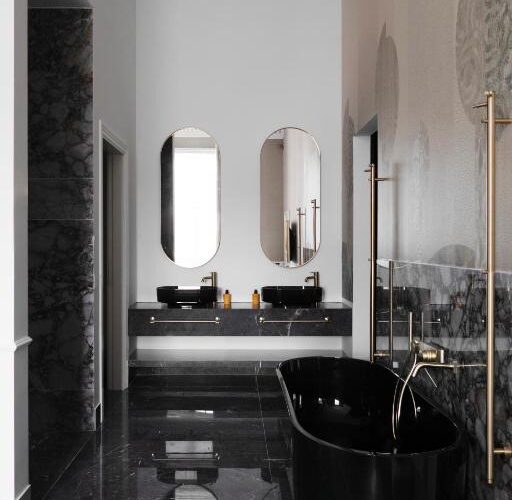
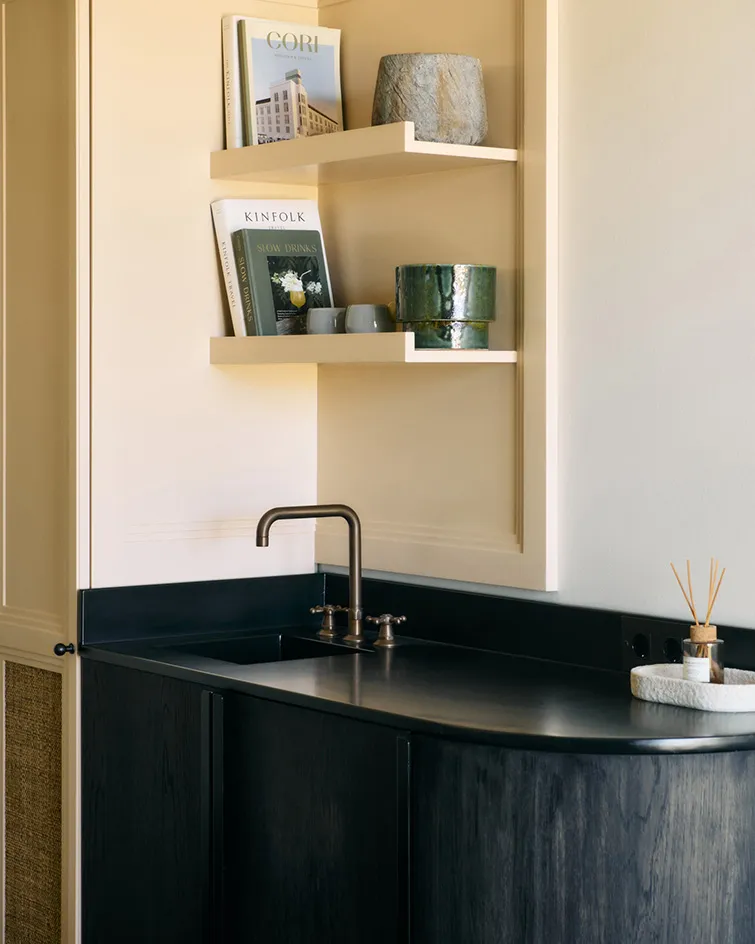
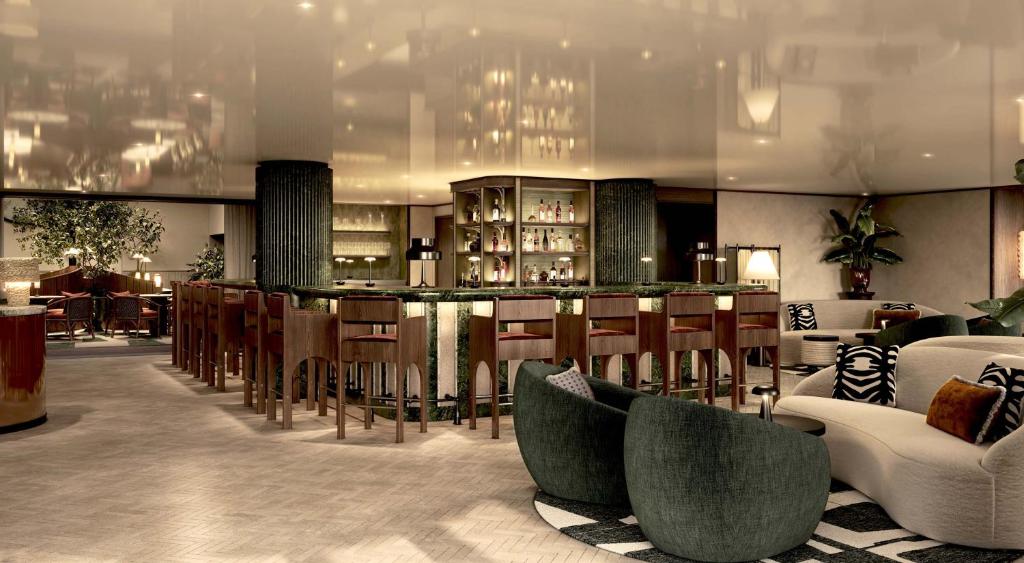
For the interiors, creative lead Afroditi Krassa began with archive photographs of the original hotel and its surprisingly glamorous social life. What she deliberately avoided was a nostalgic reconstruction of the Danish seaside hotel. There are no predictable nautical stripes or decorative attempts to recreate 1935. Instead, the interiors combine Scandinavian clarity with warmer tones, tactile materials and a more cosmopolitan resort sensibility. GUBI collaborated with Afroditi on much of the furniture, including bespoke pieces developed specifically for CORI, while carpentry produced on the owners’ nearby farm introduces another layer of local craft. The result is earthy, luminous and quietly glamorous rather than conventionally coastal.

Ninety-Seven Rooms and a Tower

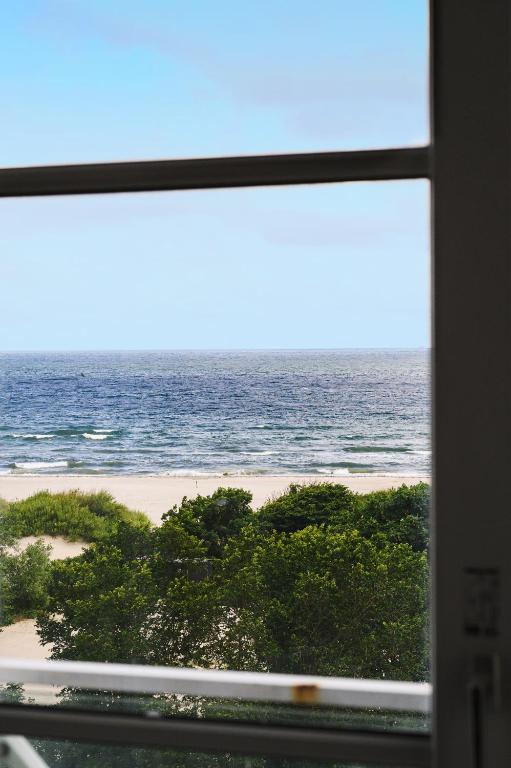
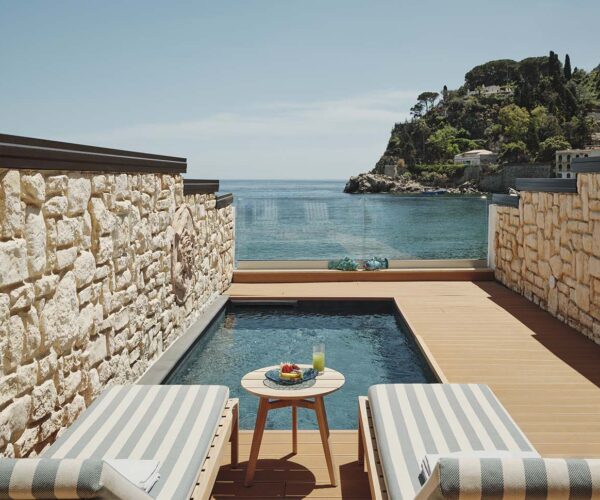
CORI has 97 rooms and suites alongside five townhouse apartments, with interiors conceived as calm extensions of the landscape rather than places competing with it. Muted natural colours, clean lines and tactile materials draw from sand, sky and sea, while views range across gardens, harbour and water. The most architectural accommodation occupies Falkentorp’s distinctive tower, where curved glazing wraps the room in coastal light. There is an appealing confidence in the restraint. In some rooms, artwork takes the place normally reserved for a television — a small gesture that reinforces the idea that the beach, spa and landscape are supposed to provide the entertainment.

From Sea Bathing to Spa

The original badehotel was partly about the therapeutic value of being beside the sea, and CORI’s spa turns that 1930s idea into a contemporary wellness programme. Rounded forms and natural materials continue Falkentorp’s architectural language, while a greenhouse-like indoor pool is designed to blur the boundary between inside and the coastal landscape. Treatments, longevity programmes, Nordic rituals and cold-water experiences extend the connection with Hornbæk’s environment. It makes the spa feel less like an amenity added to a resort than a contemporary interpretation of the reason the building existed in the first place.

Modernism Finds Its Second Summer

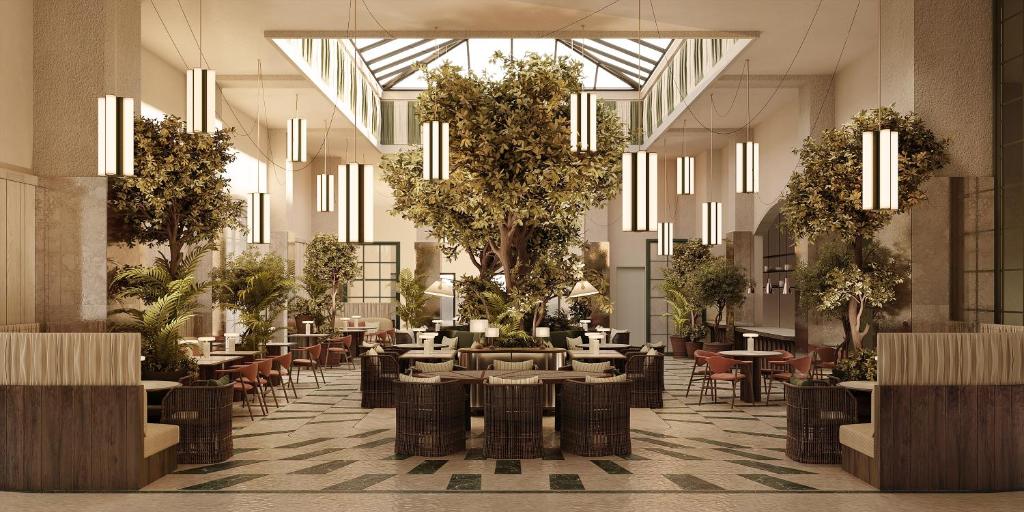
CORI is designed to become part of Hornbæk again rather than operate as a self-contained retreat. Chef Brian Mark Hansen leads a restaurant built around Nordic coastal ingredients with Mediterranean influences, while The Jetty moves from morning coffee to sunset drinks. Both are intended for locals as much as hotel guests. That social ambition recalls the building’s first life, when the Danish seaside hotel was somewhere to gather as well as somewhere to sleep. Almost a century later, Falkentorp’s architecture has the same purpose again. The white curves, tower and generous windows remain, but nostalgia has been resisted. CORI does something more interesting: it restores a piece of Danish Riviera Modernism while allowing 1935 and 2026 to occupy the same building.

Information

At a glance

Luxury Architecture Bar Culture Beach Design Heritage Independent Kids Pets allowed Foodies

Opened / Renovated

1935, renovated 2026

Size matters

82 rooms, 15 suites including 5 townhouses (19-120m2) (205-1,292 sq ft)

Interior design
Afroditi

Featured in

Don't take our word for it

Handpicked worldwide

A carefully curated collection of exceptional boutique and design hotels across the globe.

Design with soul

Architecture, atmosphere and craftsmanship come together in stays with a clear identity.

Hidden, not hyped

Independent boutique hotels you rarely find on mainstream booking platforms.

Travel guidance

Personal recommendations and thoughtful support from people who actually know the places.