


Modernist architecture, Inca history, and immersive exploration deep in Peru’s Sacred Valley
Pedro Ibañez founded travel company and hotel owner and operator Explora in 1993 with the goal of opening up remote areas of great natural beauty in his native Chile. His seventh property has recently opened in the Valle Sagrado of Peru, a narrow valley flanked by mountains about 10 miles north of Cusco. Like its predecessors in Patagonia, the Atacama desert, and Easter Island, it was designed by José Cruz Ovalle, a leading Chilean architect and a master of wood construction.

Why DNA Hotels loves it
José Cruz Ovalle’s architecture responds beautifully to the landscape, using Peruvian timber, adobe, stone, and vast volumes without ever competing with the Andes.
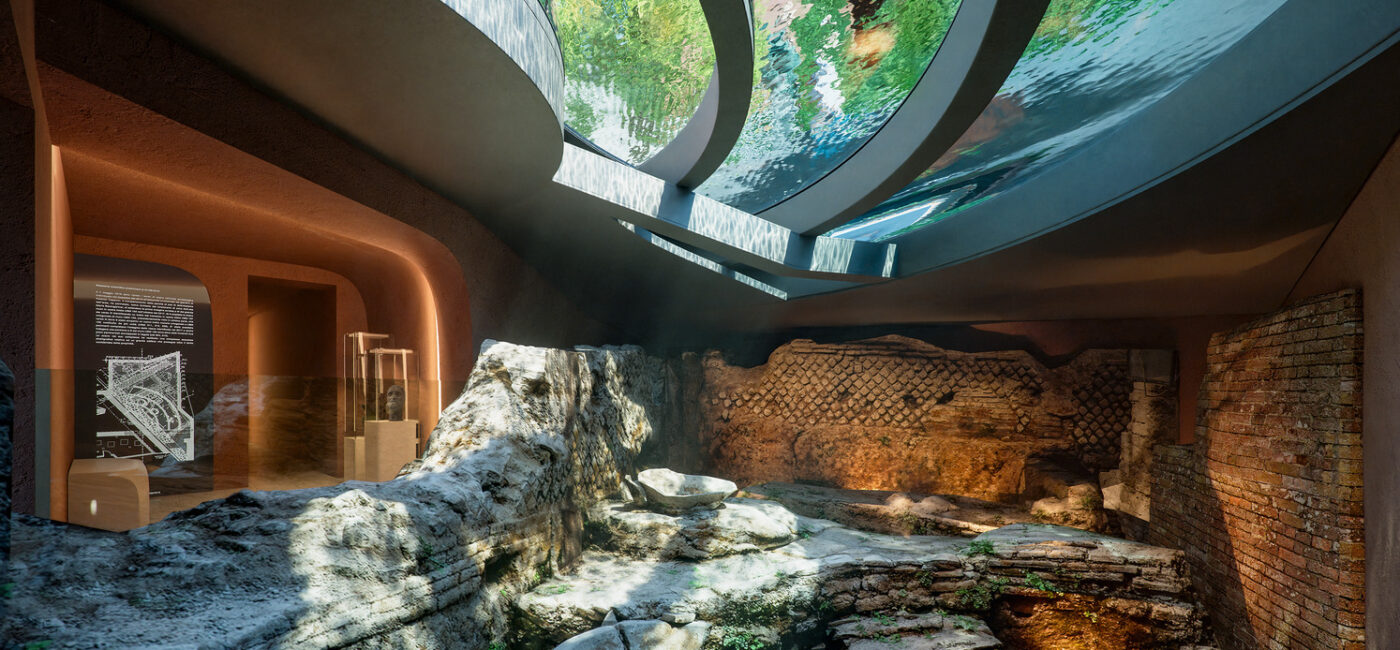
Built among ancient Inca terraces uncovered during construction, the hotel became an extraordinary dialogue between contemporary architecture and archaeology.
Explora’s philosophy puts the destination first: expert-led explorations, local culture, and the surrounding mountains matter every bit as much as the hotel itself.
The Stay
Explora Valle Sagrado | Urubamba, Peru
When the Landscape Changes the Architecture
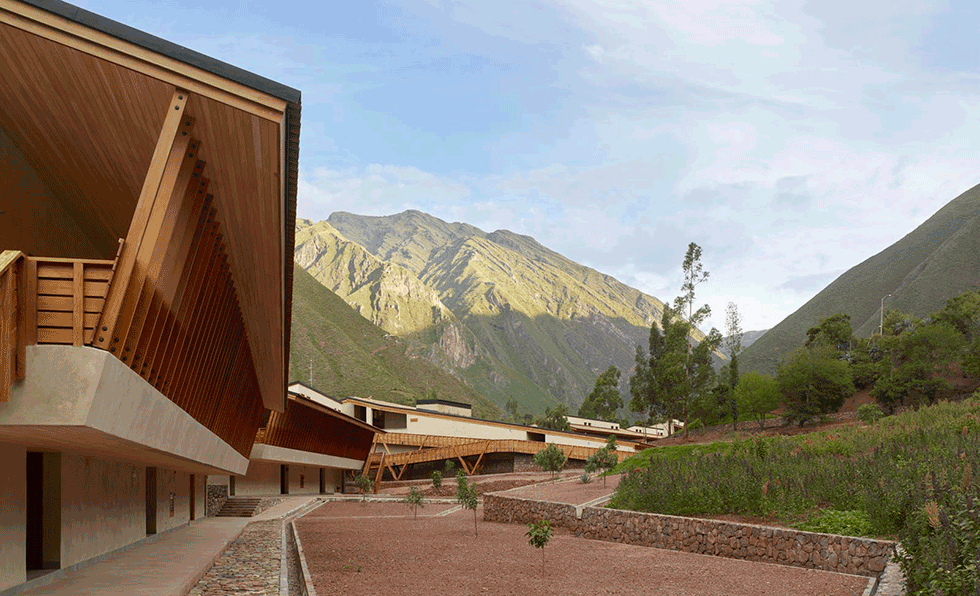
Explora has never chosen easy locations. Since Pedro Ibáñez founded the Chilean company in 1993, its lodges have appeared in some of South America’s most extraordinary landscapes—from Patagonia and the Atacama Desert to Easter Island. For its first property outside Chile, Explora chose Peru’s Sacred Valley. And then the land intervened. During construction, ancient Inca terraces and archaeological remains were discovered beneath the proposed site. Rather than treating them as an inconvenience, architect José Cruz Ovalle adapted the project around them. The architecture became a response not only to the landscape, but to the history buried within it.
José Cruz Ovalle in the Andes
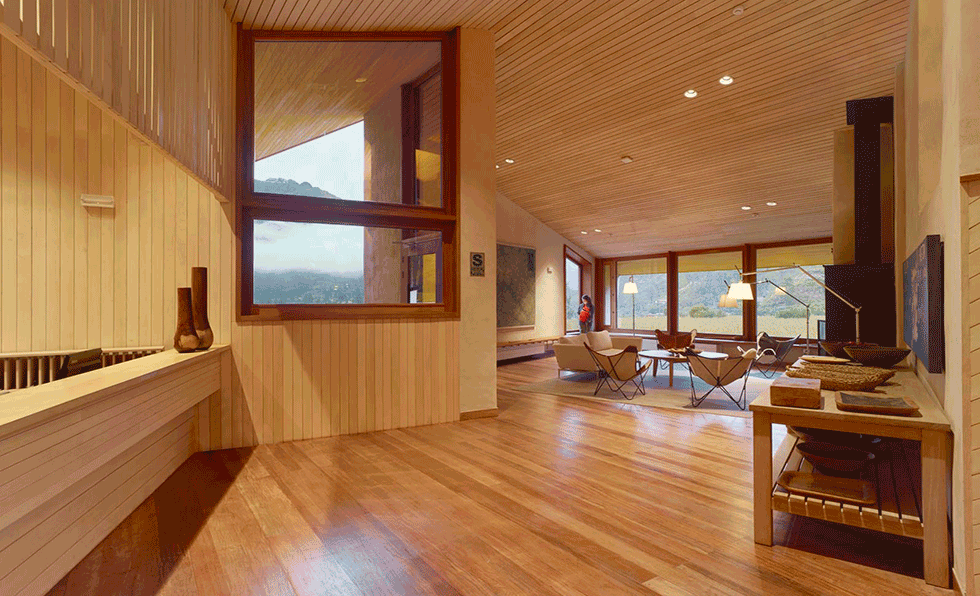
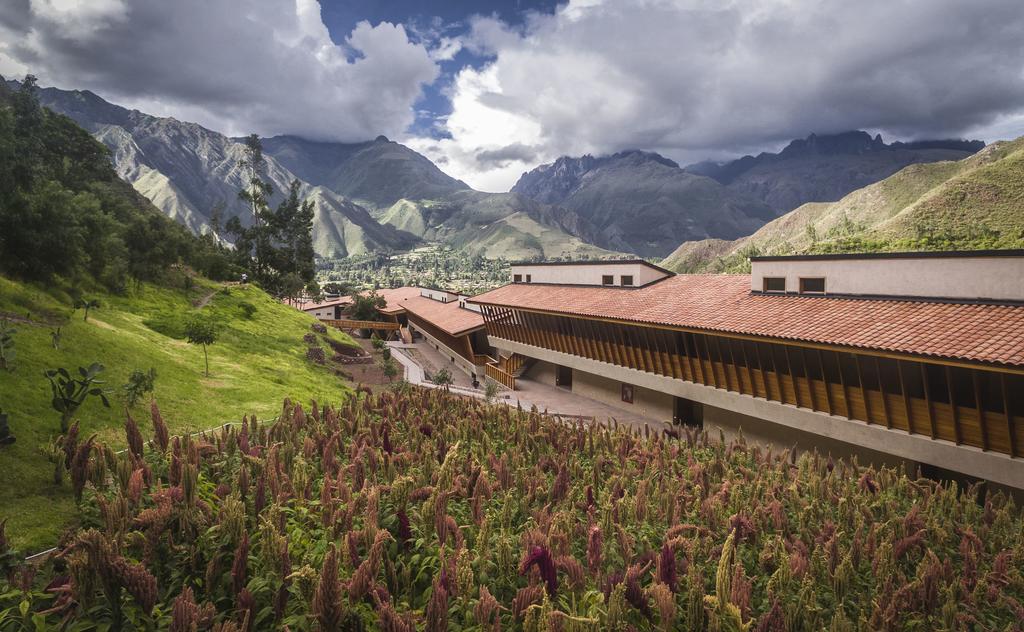
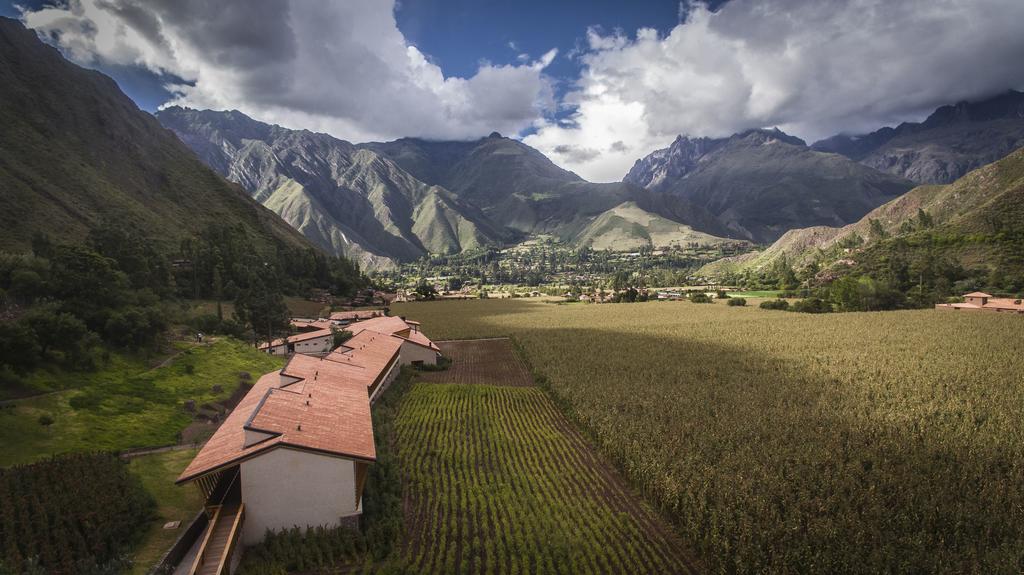
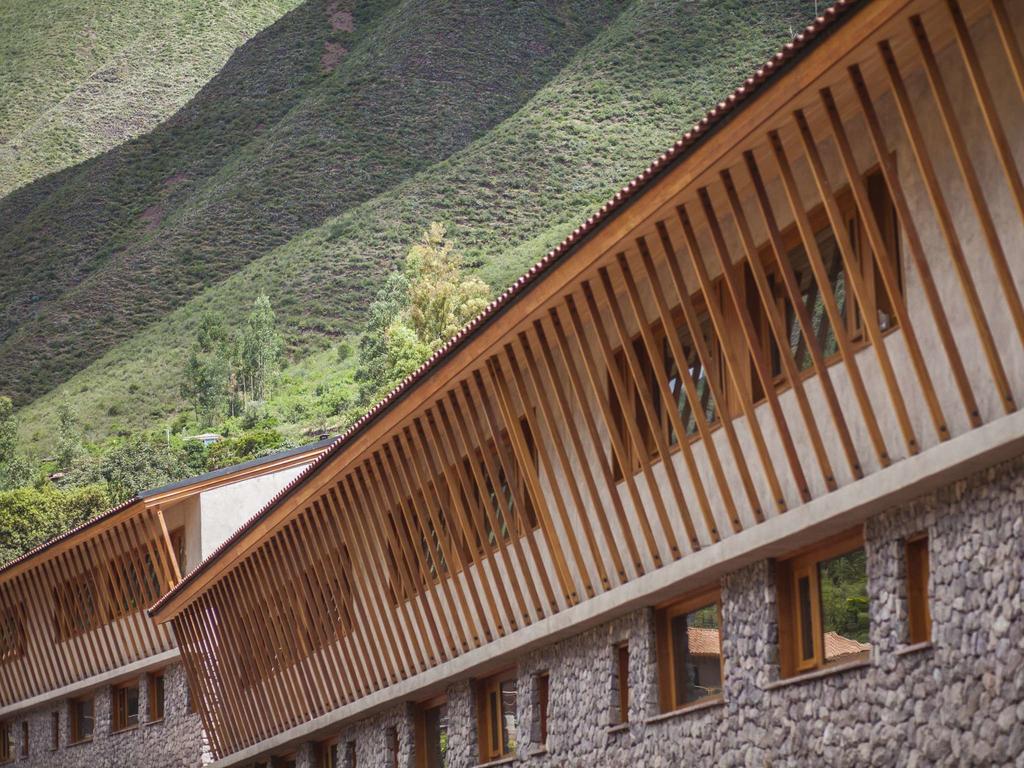
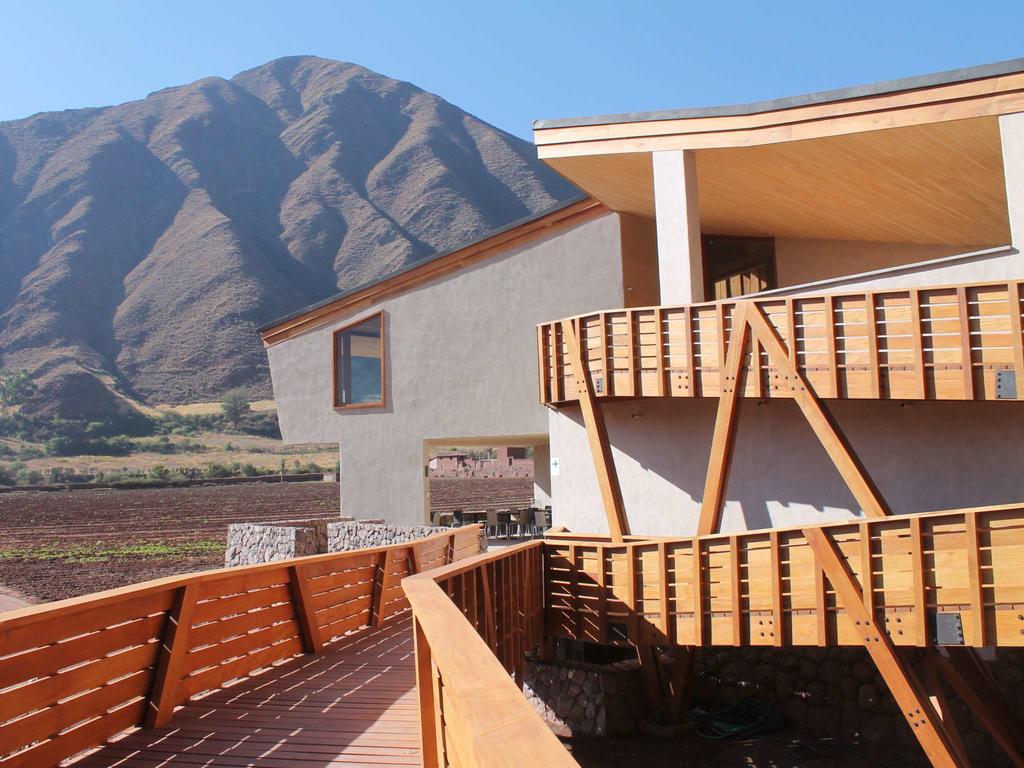
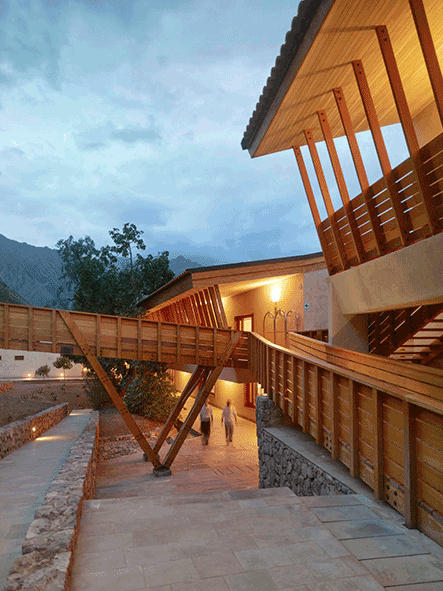
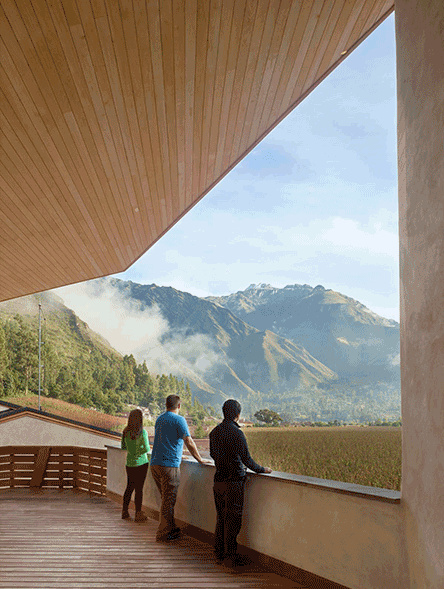
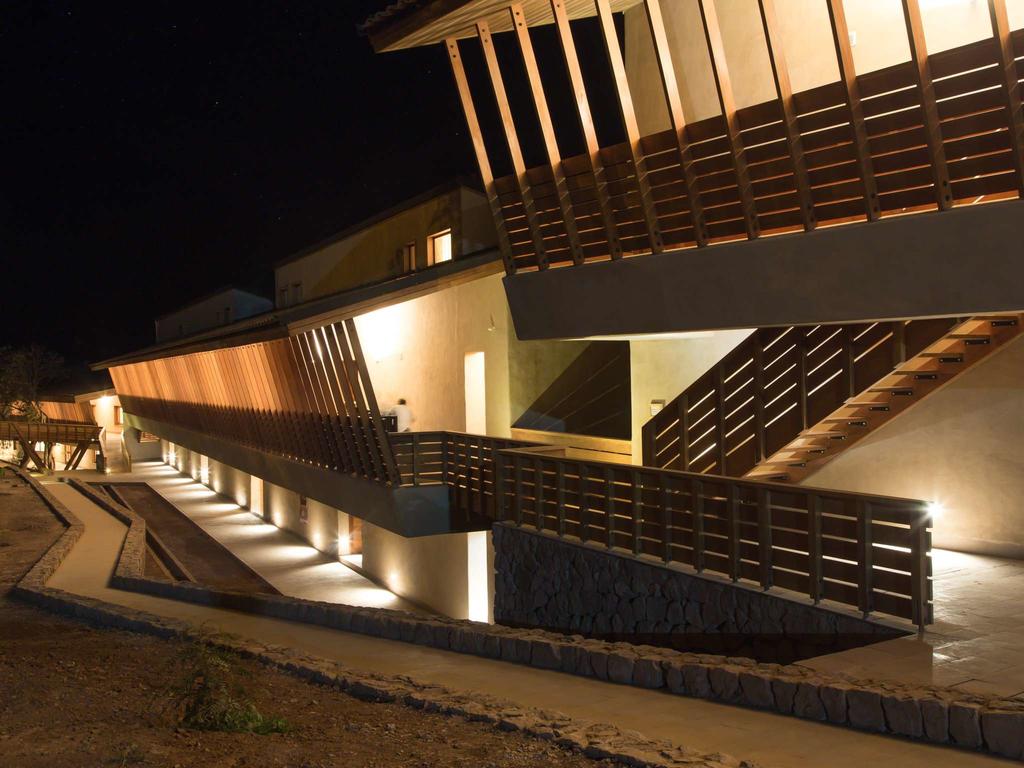
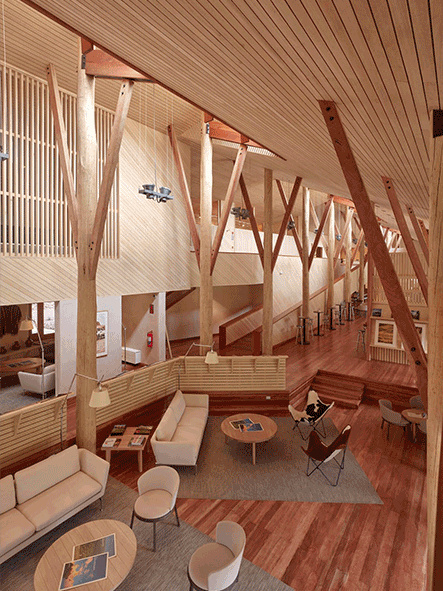
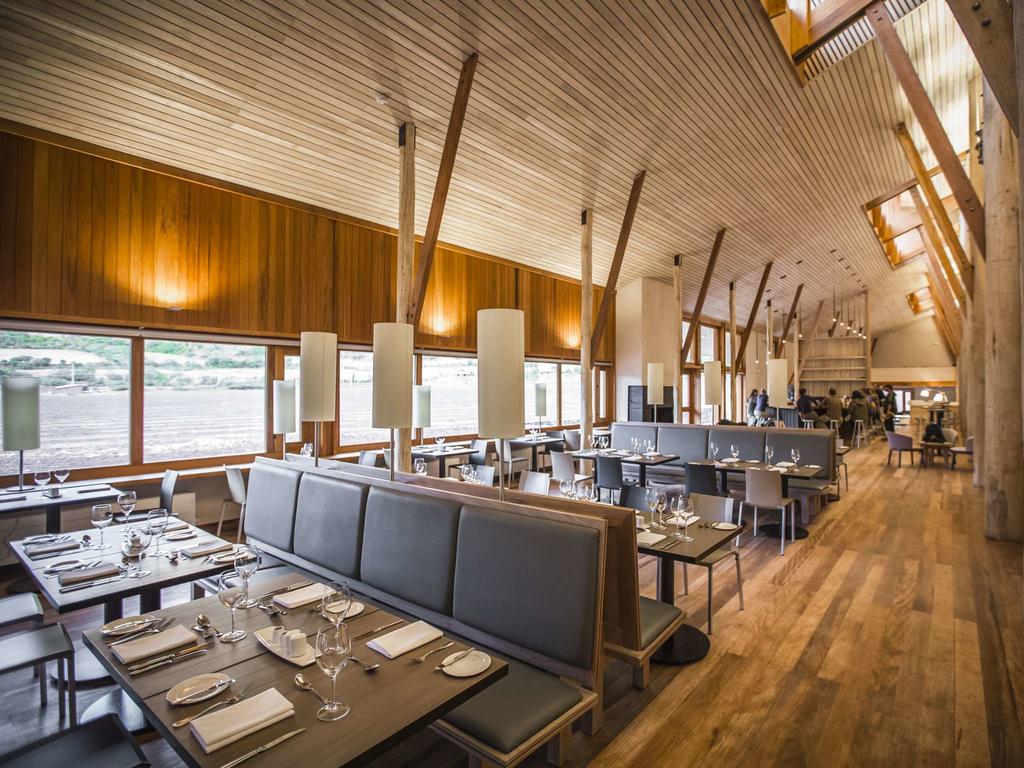
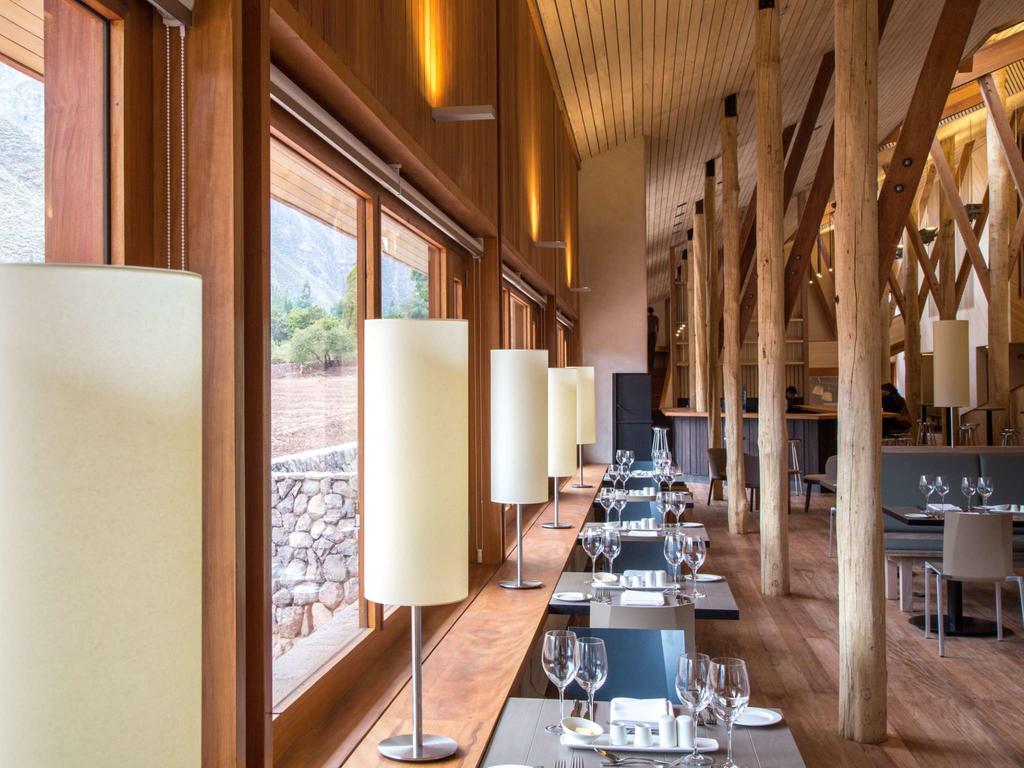
The result is a long, low composition of whitewashed buildings with traditional Peruvian tiled roofs, stretching gently across the hillside beneath the Urubamba mountains. Cruz Ovalle, who also designed Explora’s celebrated Chilean lodges, deliberately avoided monumental architecture. Stone, plaster, glass, adobe, and extraordinary quantities of Peruvian timber establish a language that feels elemental rather than decorative. Elevated walkways and verandas connect the different buildings while preserving the archaeological landscape beneath them. At the centre sits the soaring communal pavilion. Here, reception, restaurant, bar, and lounge unfold beneath cathedral-high ceilings supported by stripped timber columns. Ramps connect the different levels, while enormous windows continually return attention to the valley outside. It is architecture designed to disappear into somewhere far more impressive.
The Luxury of Essentials
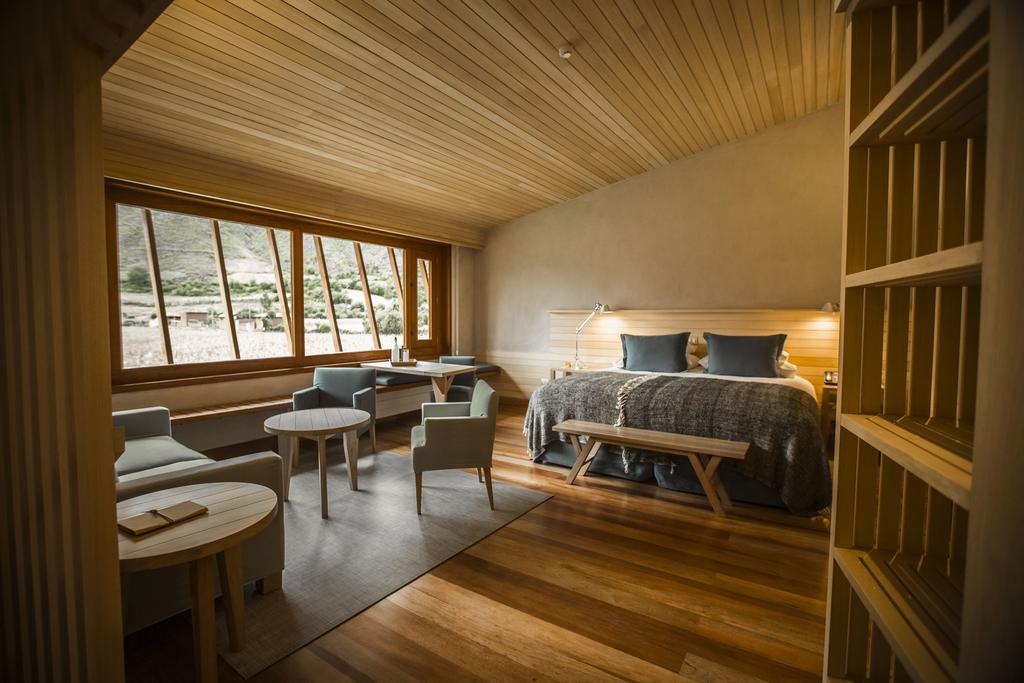
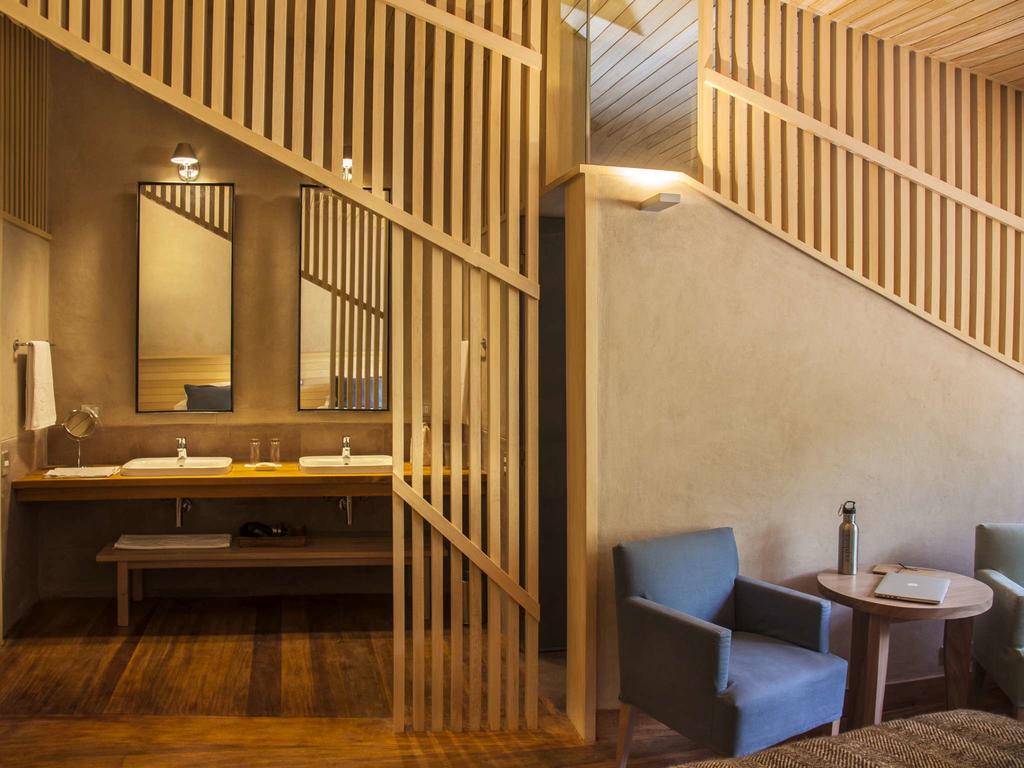
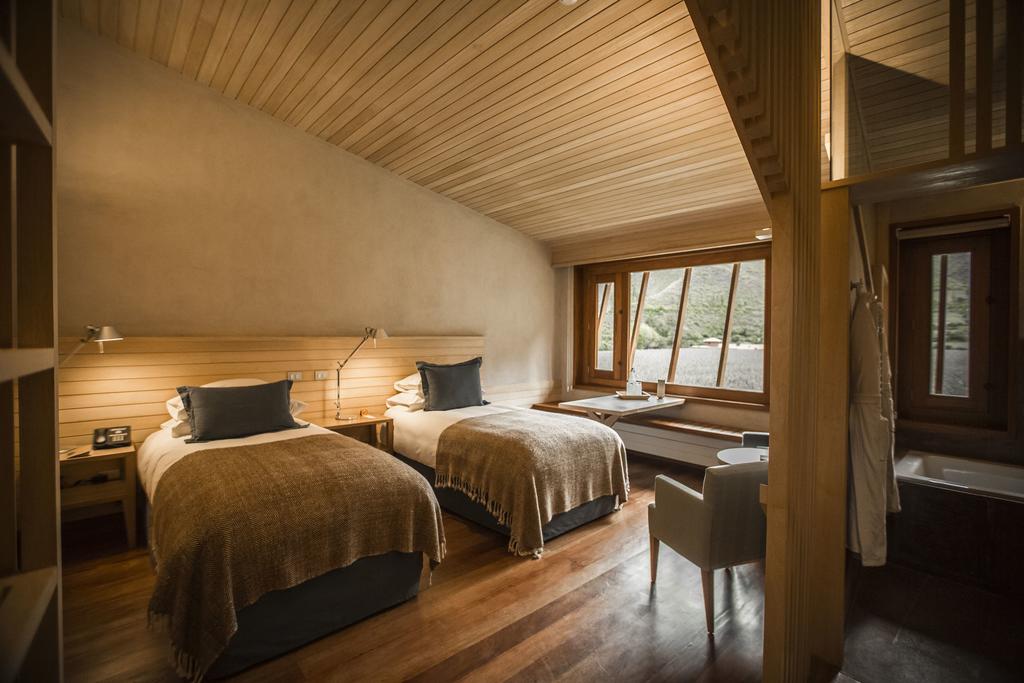
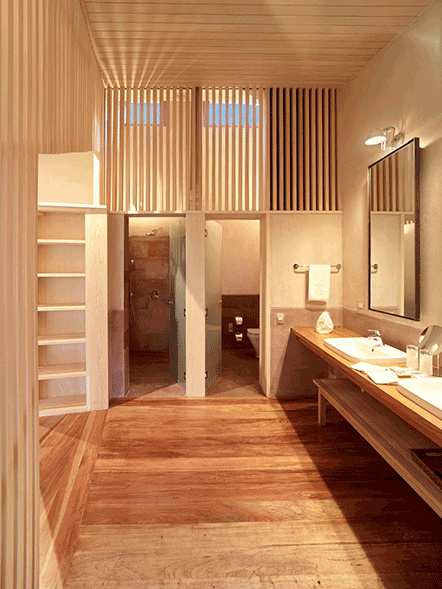
Pedro Ibáñez describes Explora’s approach as the “luxury of essentials.” That philosophy is particularly convincing here. The 50 rooms avoid unnecessary decoration in favour of warm timber, generous beds, natural textiles, and large windows framing fields, mountains, and shifting Andean light. José Cruz Ovalle’s wife, Ana Turell, developed the interiors, combining modern classics with furniture designed specifically for the property and made by local craftspeople. There are no televisions demanding attention. There really shouldn’t be. At almost 3,000 metres above sea level, the landscape provides more than enough drama.
A Colonial Manor Becomes a Spa
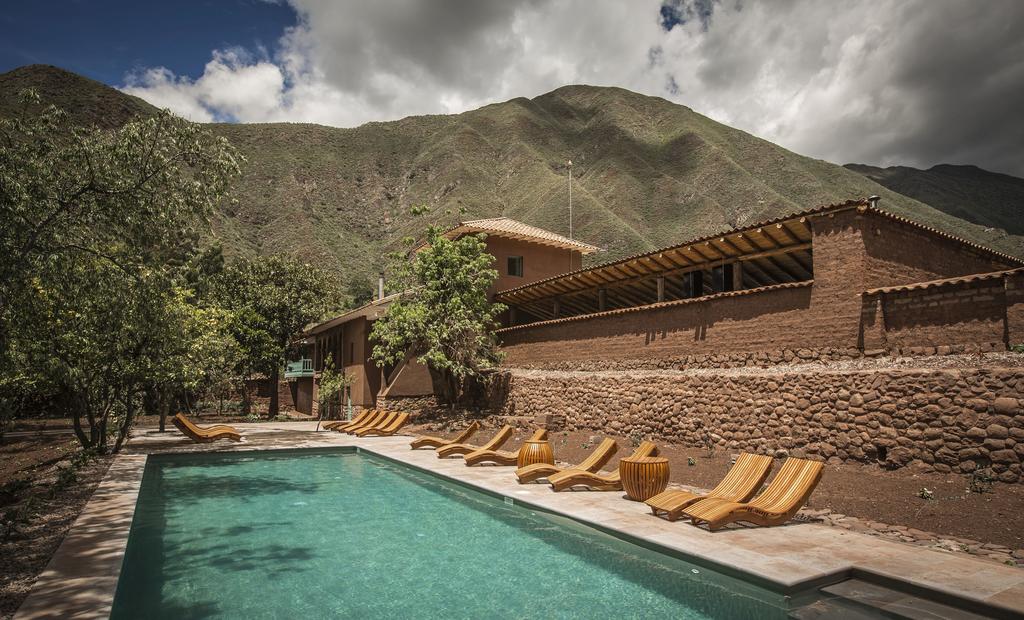
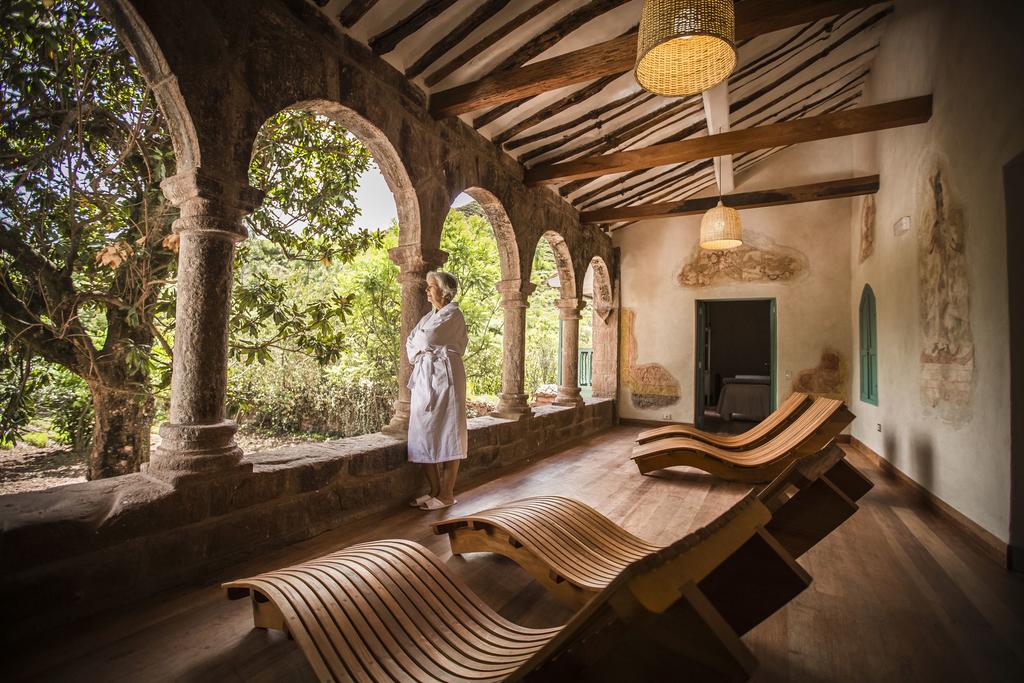
A short walk from the main lodge reveals another layer of history. An existing colonial manor once occupied by Mateo García Pumacahua—the indigenous military leader who became an important figure in Peru’s struggle against Spanish rule—has been carefully restored as the Pumacahua Bath House. Its transformation into the hotel’s spa creates a beautiful counterpoint to Cruz Ovalle’s contemporary architecture. After a day in the mountains, it becomes exactly what Explora intends: somewhere to recover before heading back outside again. Because here, the hotel is never supposed to become the destination.
Explore, Then Explore Further
The Sacred Valley is often treated as the beautiful road to Machu Picchu. Explora asks you to stay awhile. Its guides lead explorations ranging from relatively gentle walks through farmland and Quechua communities to demanding high-altitude treks towards mountain lakes, archaeological sites, salt terraces, and glaciers. The experience is not simply about spectacular scenery. Villages, agricultural traditions, Inca history, contemporary Quechua culture, and encounters with people who live in the valley are integral to understanding the landscape. Machu Picchu remains extraordinary. But Explora makes a convincing argument that the journey surrounding it deserves equal attention.
Back to the Lodge
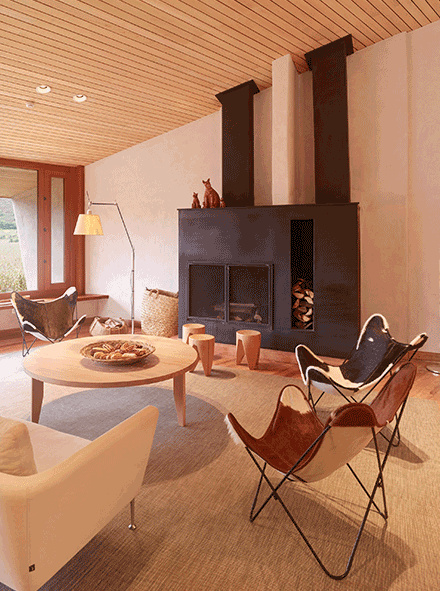
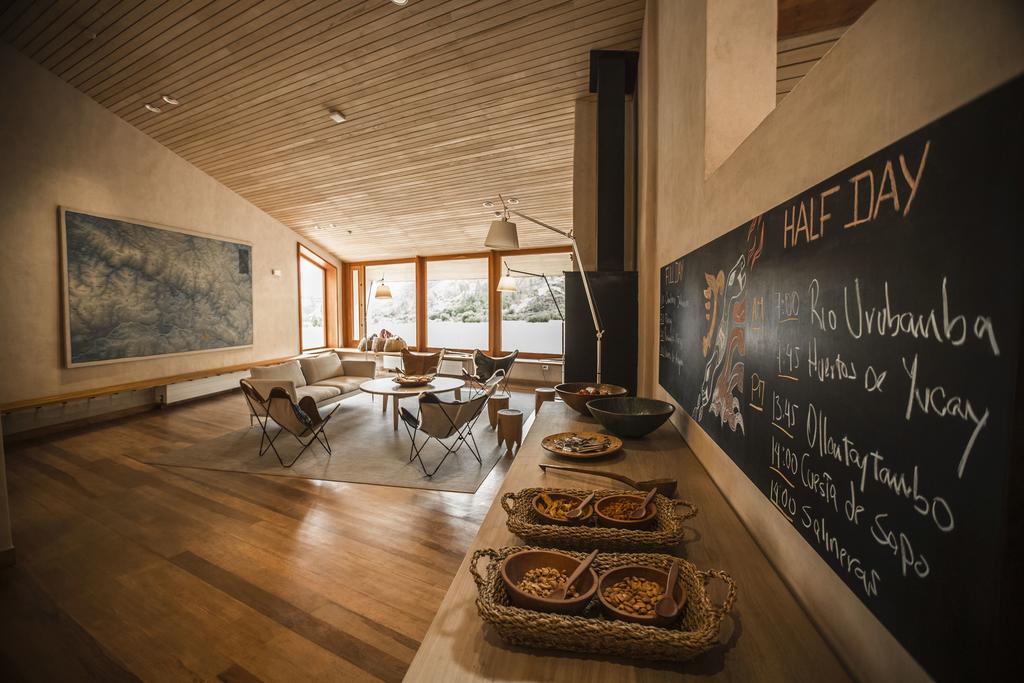
Returning after hours outside is part of the pleasure. Leather butterfly chairs, fireplaces, timber beams, alpaca blankets, and quiet corners transform the enormous communal spaces into something unexpectedly intimate. The restaurant follows the same philosophy as the architecture: sophisticated without losing sight of where you are. Peruvian ingredients and Andean flavours shape dishes served by a team drawn largely from surrounding communities. Then there are those windows. As daylight disappears behind the mountains, the architecture retreats and the valley takes over again. Exactly as intended.
Why It Works
Explora Valle Sagrado understands something many wilderness hotels forget: extraordinary landscapes don’t need architectural competition. José Cruz Ovalle instead created a lodge that listens—to the mountains, the Inca terraces discovered beneath it, local materials, and centuries of human history. Combined with Explora’s exceptional approach to guided exploration, the result goes far beyond a luxurious base for Machu Picchu. This is a hotel that makes the Sacred Valley itself the journey—and gives you the time, space, and perspective to understand why it deserves to be.
Information
At a glance
Architecture
Opened / Renovated
2017
Size matters
50 rooms & suites (40-53m2) (431-570 sq ft)
Featured in
Don't take our word for it



Handpicked worldwide
A carefully curated collection of exceptional boutique and design hotels across the globe.
Design with soul
Architecture, atmosphere and craftsmanship come together in stays with a clear identity.
Hidden, not hyped
Independent boutique hotels you rarely find on mainstream booking platforms.
Travel guidance
Personal recommendations and thoughtful support from people who actually know the places.