


A Beach House Without a Rulebook
Eleven designers turn a tiny Andaman beach retreat into an extraordinary collection of architecture, art and collectible design.

Why DNA Hotels loves it
Founder Mark Weingard gave an international roster of designers remarkable freedom, resulting in rooms and villas by names including Jaime Hayón, the Campana Brothers, A-cero, Autoban, Graham Lamb, Eggarat Wongcharit and Mark Brazier-Jones.
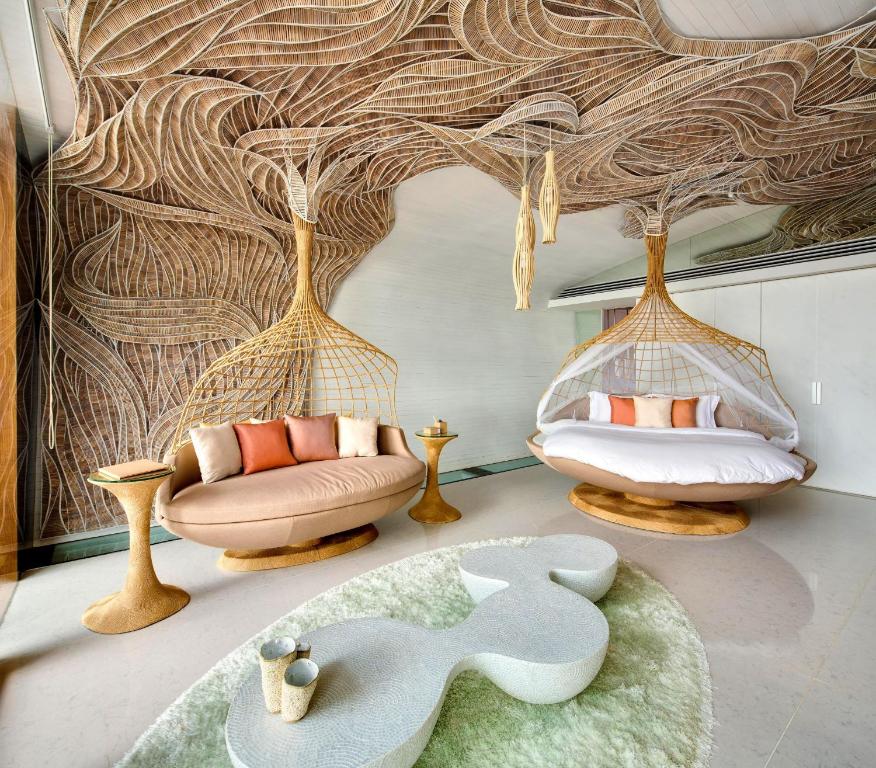
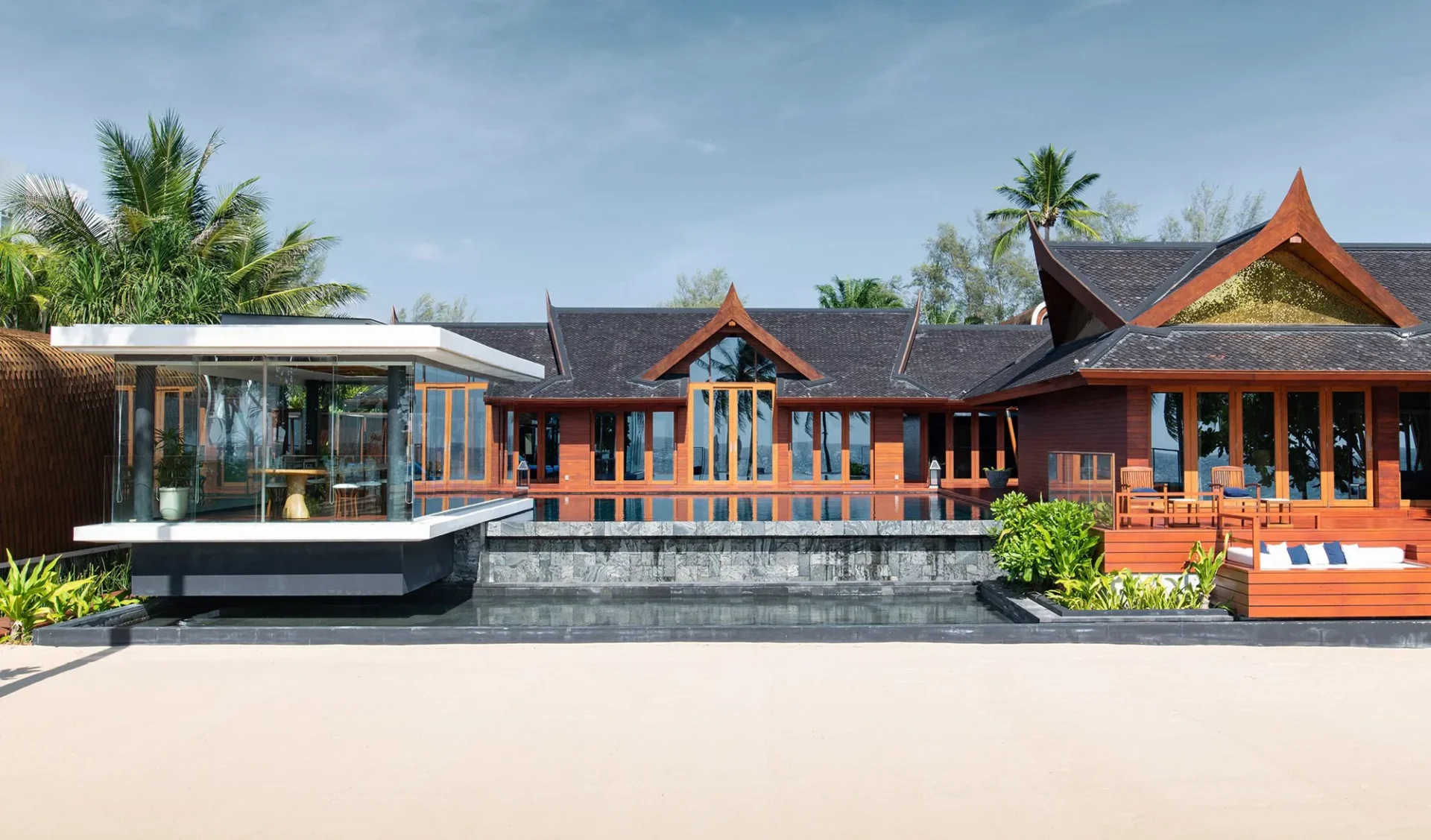
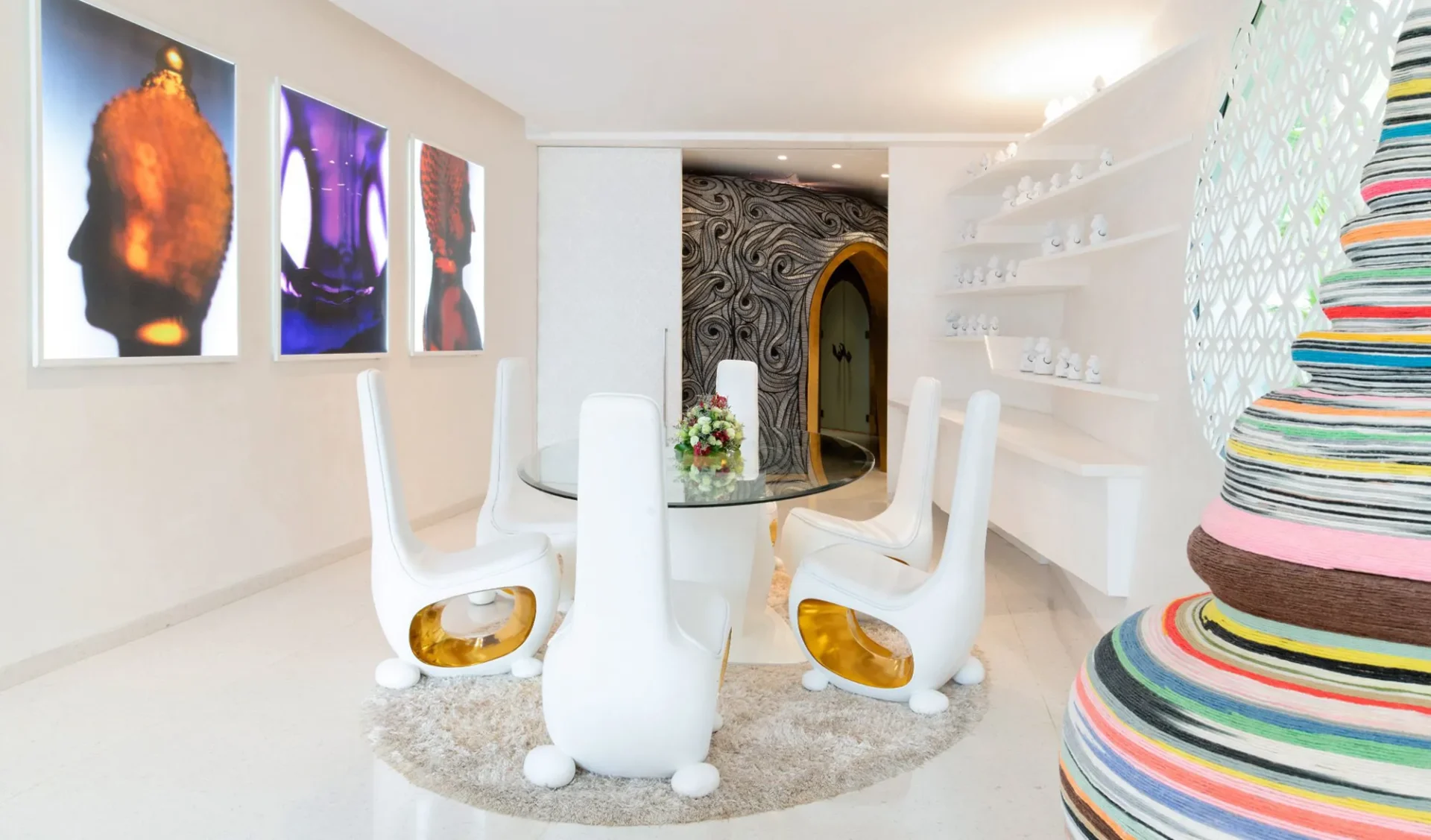
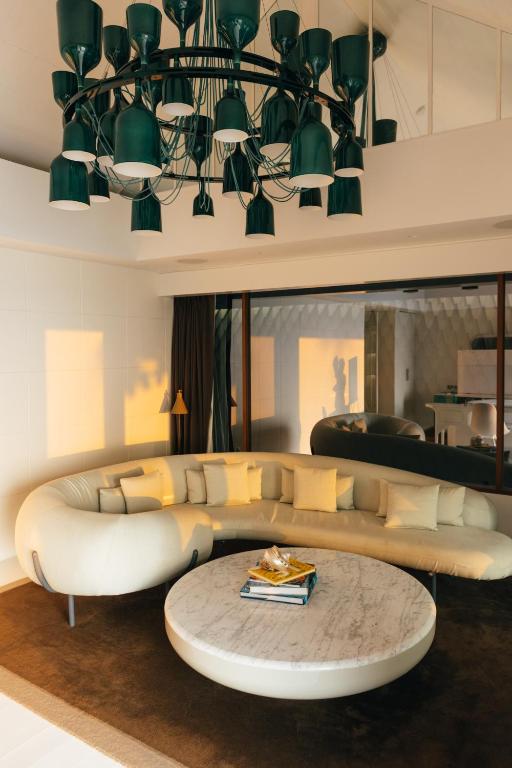
There is no house style: Thai maximalism, sculptural minimalism, surrealism and contemporary craft coexist through bespoke furniture and materials ranging from teak and bamboo to ceramics, rattan and coconut shell.
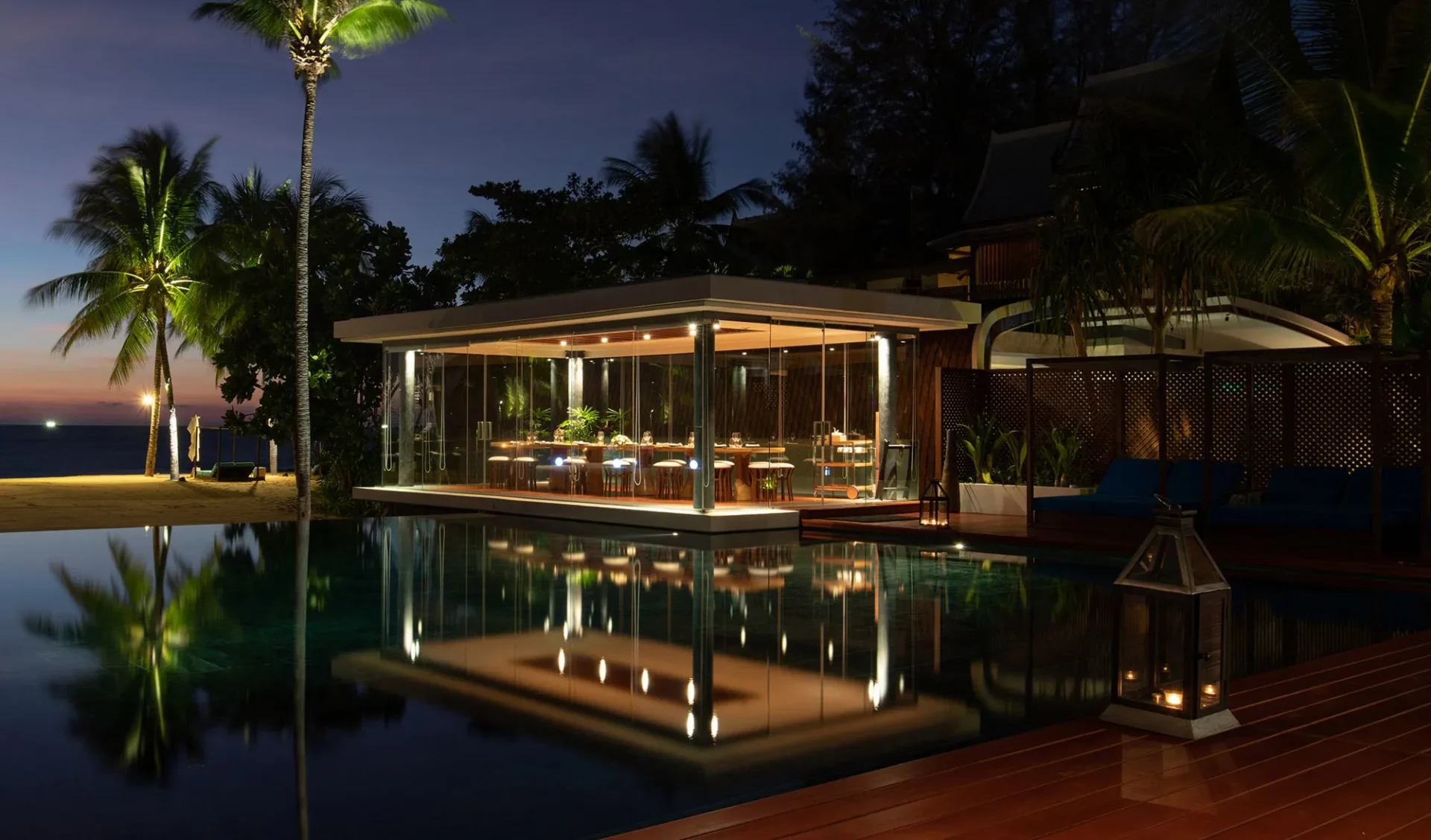
The creative ambition extends to food, with Ian Kittichai's beachfront Anaalā and Simon Rogan's Michelin-starred Aulis Phuket making this 12-room retreat as serious about gastronomy as it is about design.
The Stay
An intimate Thai beach retreat where internationally renowned designers turn 12 rooms into an eclectic collection of inhabitable art and design.
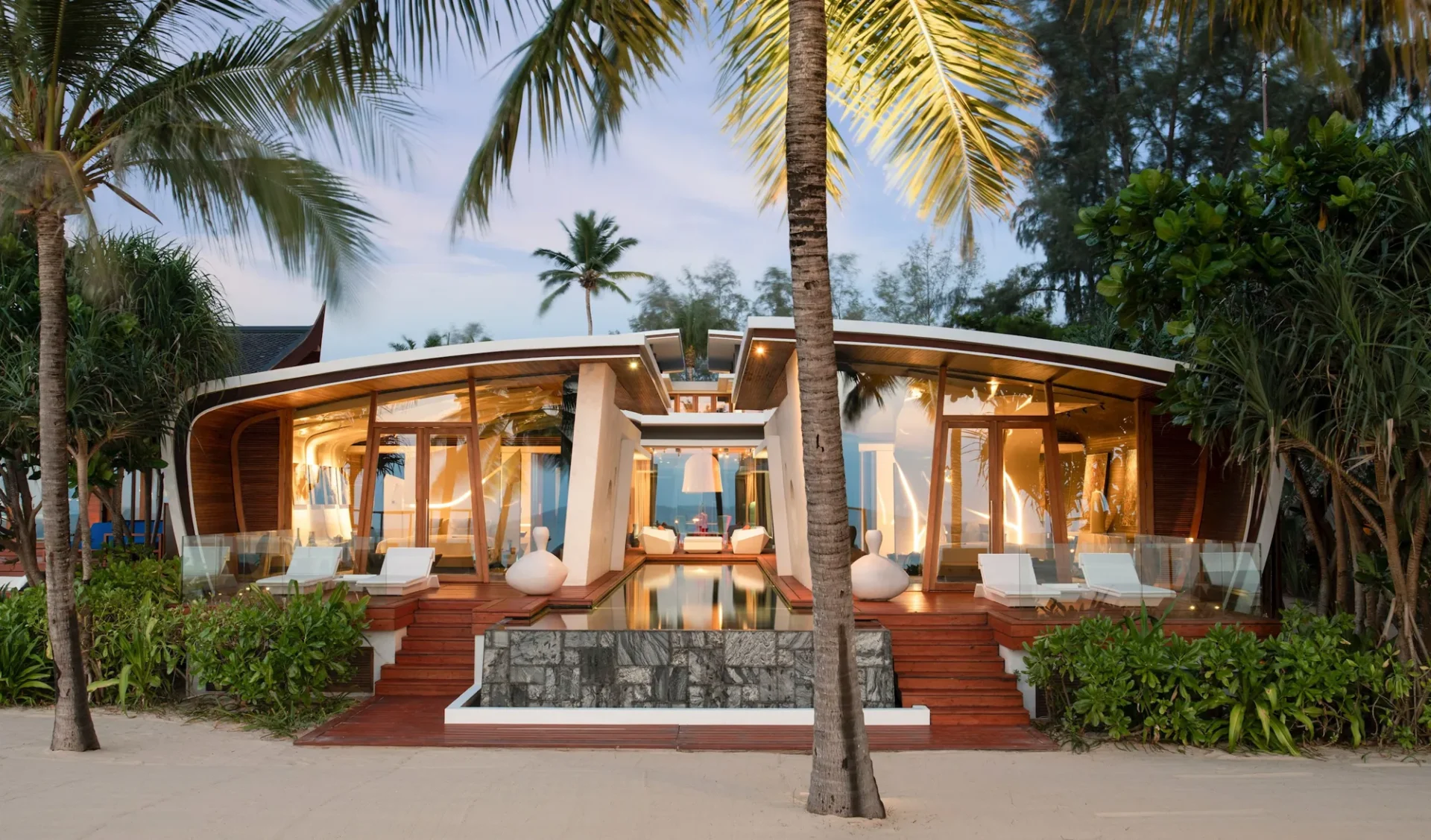
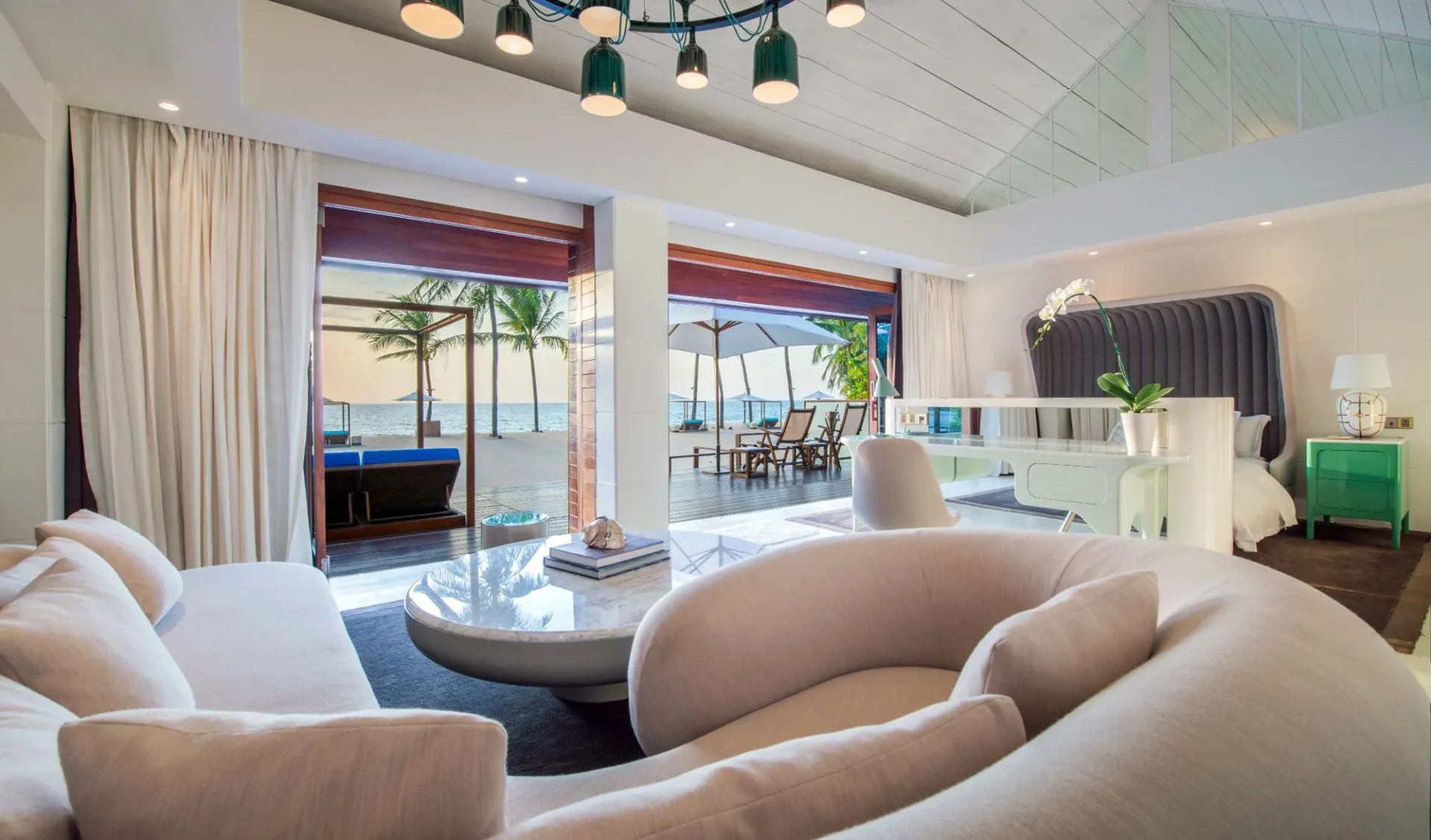
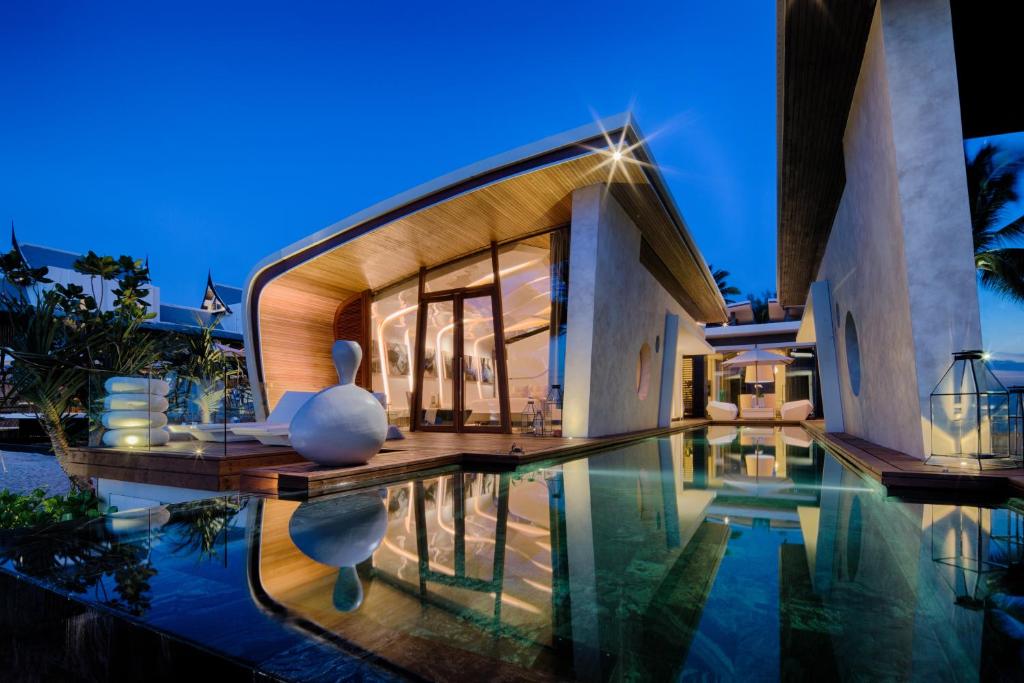
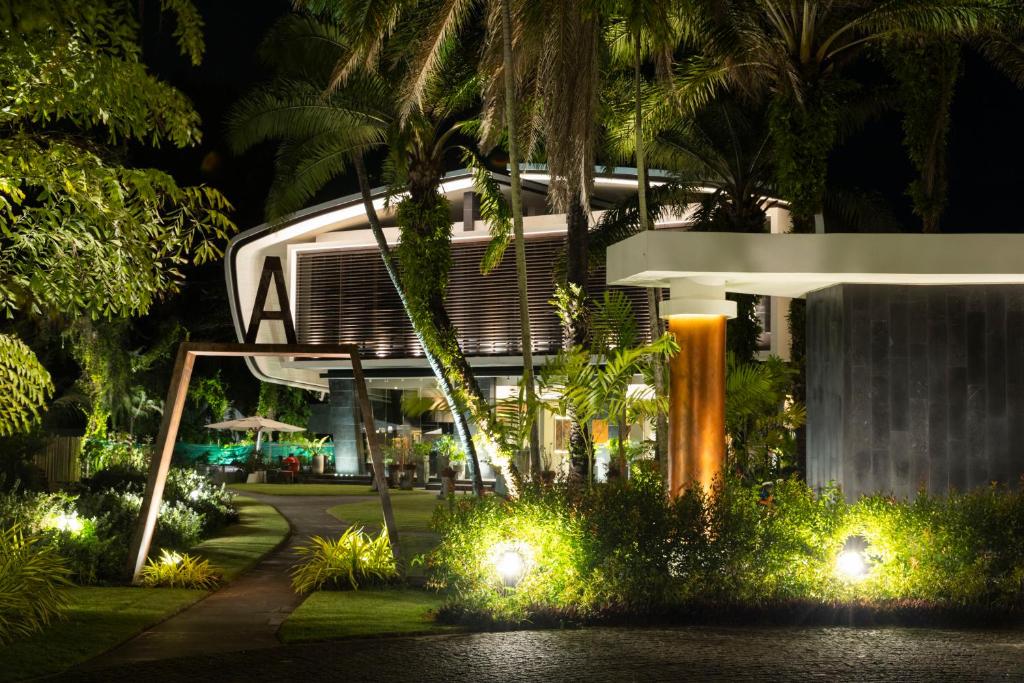
Iniala began with a house on Natai Beach and a brief that was unusually simple: make every room extraordinary. Founder Mark Weingard had owned a home on this quiet stretch of the Andaman coast north of Phuket before it was destroyed by the 2004 tsunami. When he rebuilt, the project evolved into Iniala Beach House, and instead of commissioning a single architect to establish a coherent resort identity, he invited an international group of designers to create individual worlds. The result is deliberately eclectic. Across a tiny collection of villas, suites, residences and penthouse spaces, almost every door can lead to a completely different interpretation of contemporary design.
Eleven Designers, No Beige
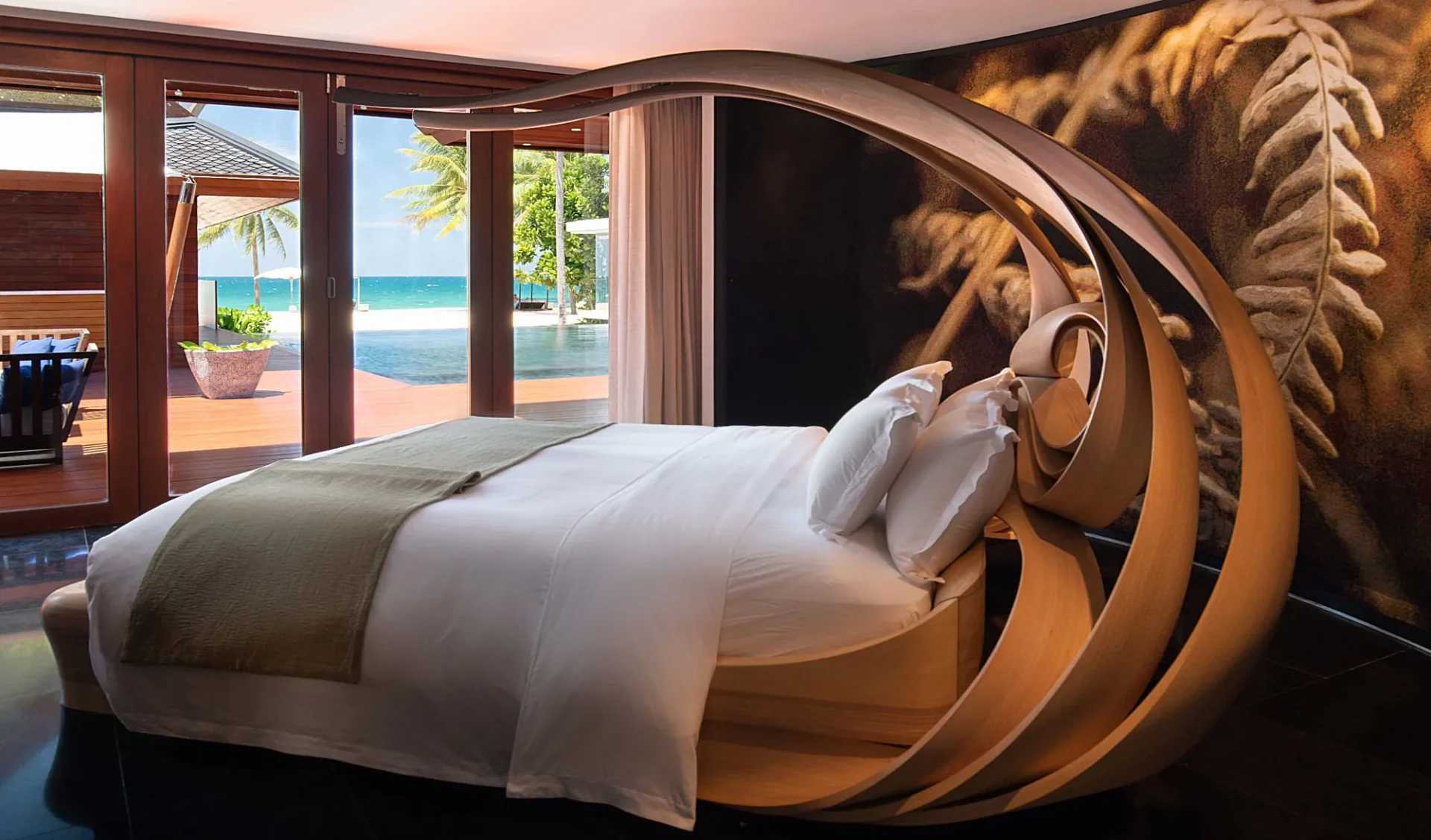
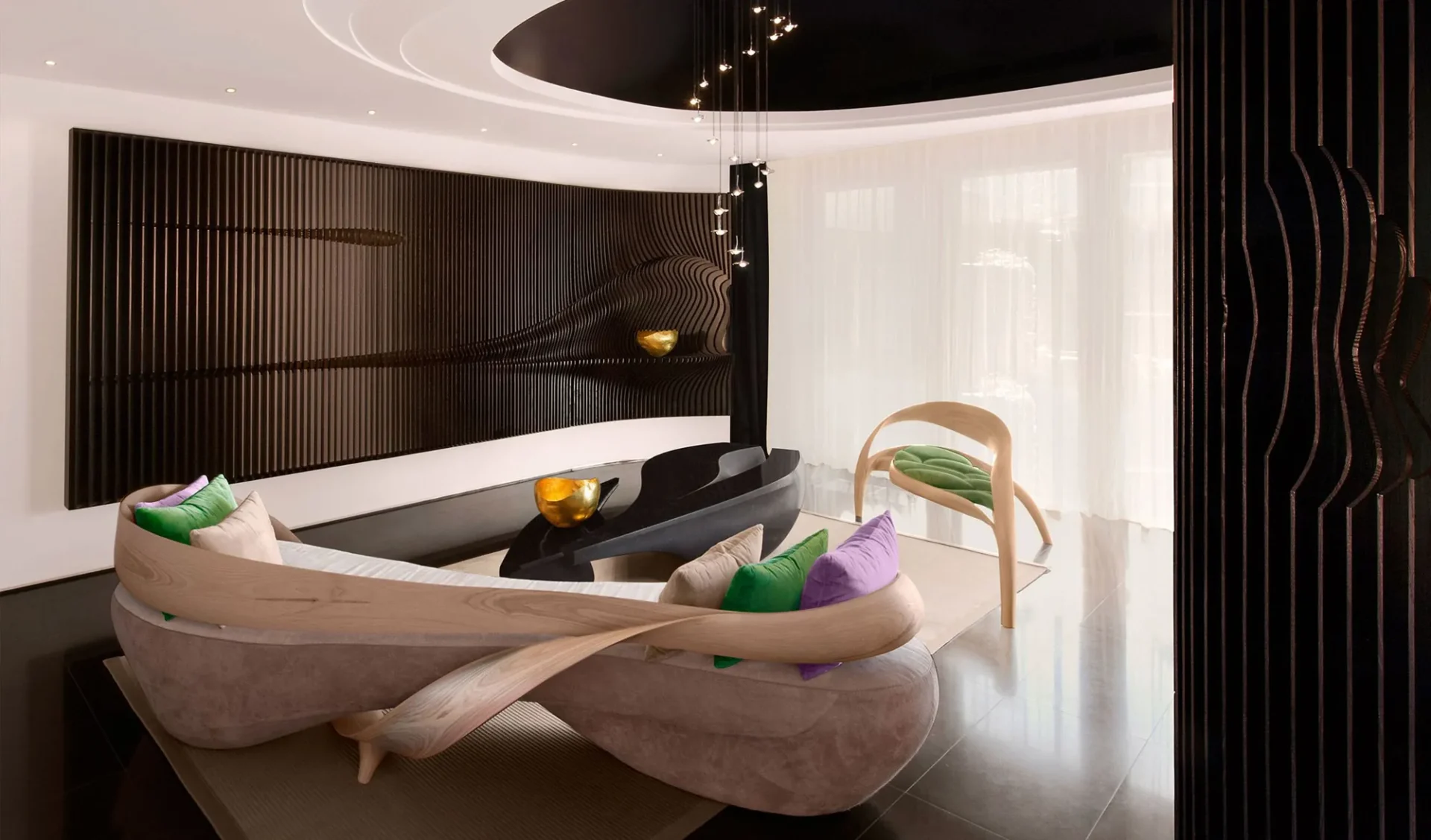
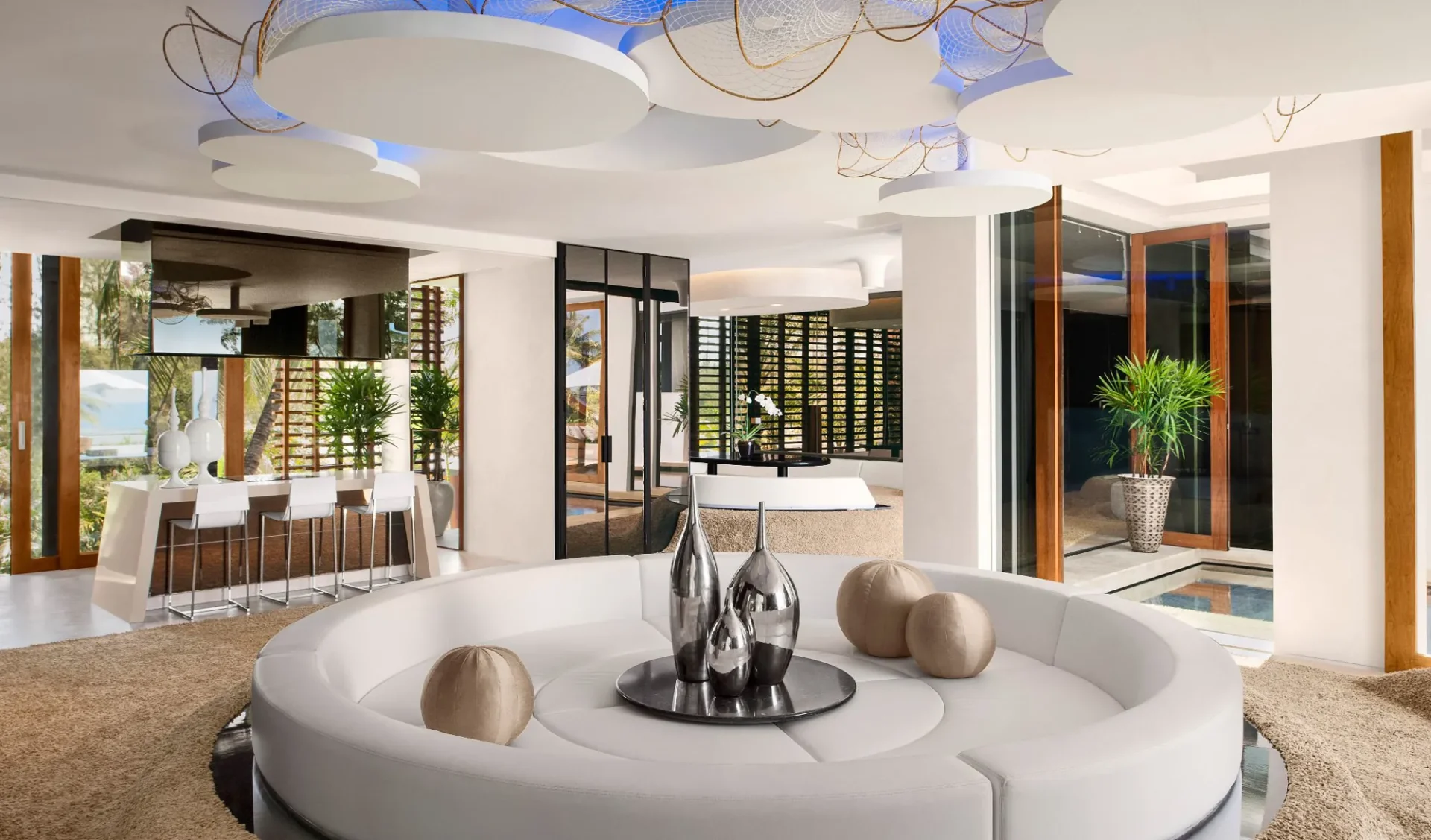
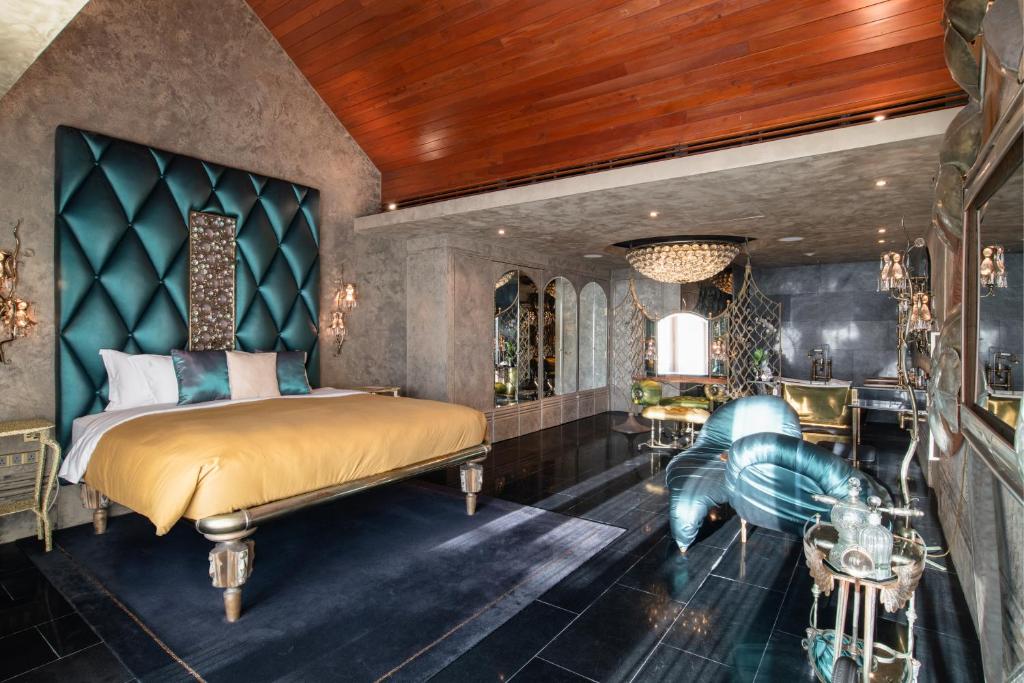
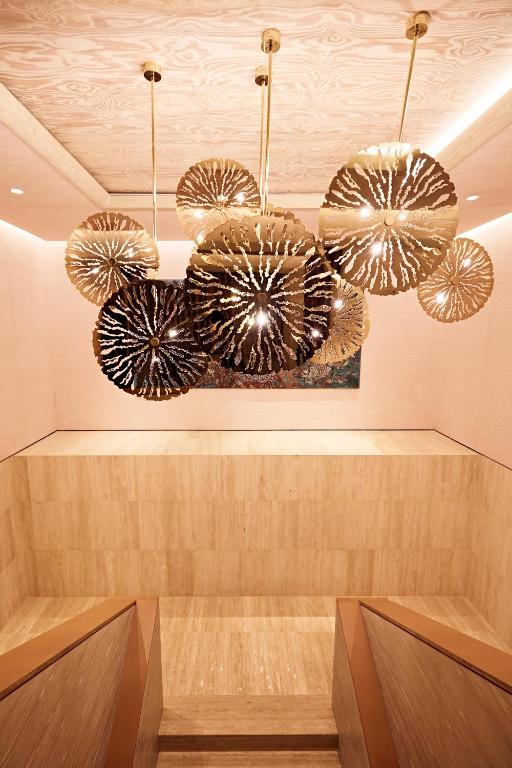
The roster reads more like a design fair than a beach resort. Jaime Hayón brings his characteristic sculptural forms to the Owner’s Suite. Spanish architecture studio A-cero uses sinuous, sea-inspired geometries in the Seashell Suites. Istanbul-based Autoban combines craft and contemporary Turkish design in the Pool Residences. Thai designer Eggarat Wongcharit turns towards Buddhism and local culture for the richly layered Lotus and Siamese Suites, while Mark Brazier-Jones takes the Boudoir into darker territory with jewel colours and an almost baroque sensuality. Then there is Irish furniture maker Joseph Walsh, whose Carpenter’s Suite centres around an extraordinary sculptural ash bed — furniture becoming architecture rather than simply occupying it. Natural materials including teak, bamboo, rattan and coconut shell appear throughout, but any expectation that they might produce a uniform tropical aesthetic quickly disappears.
The Campanas Enter the Jungle
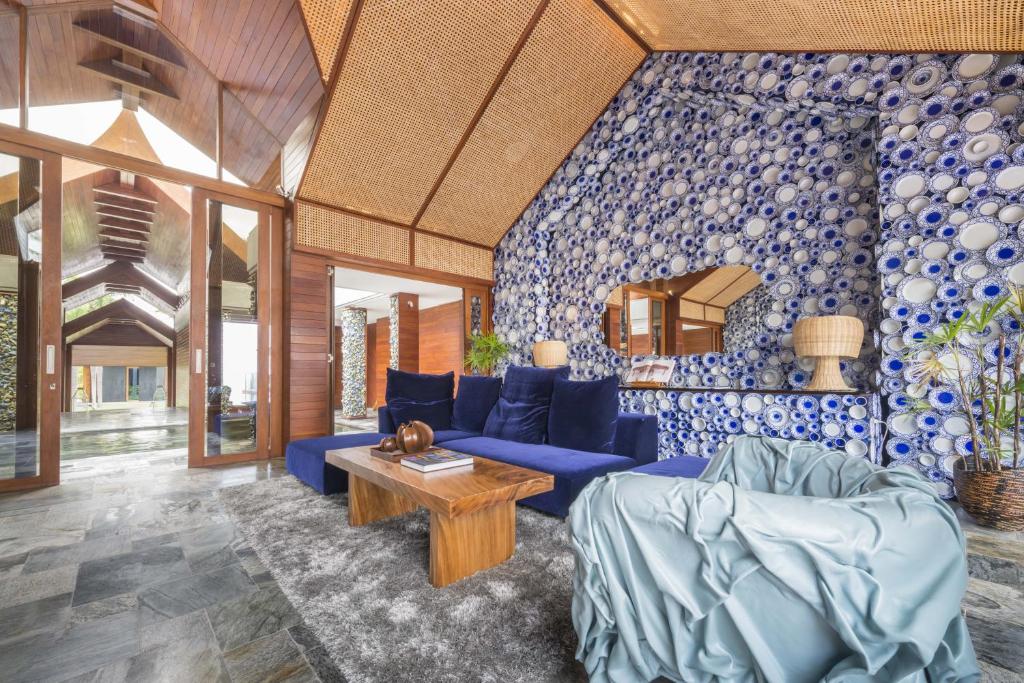
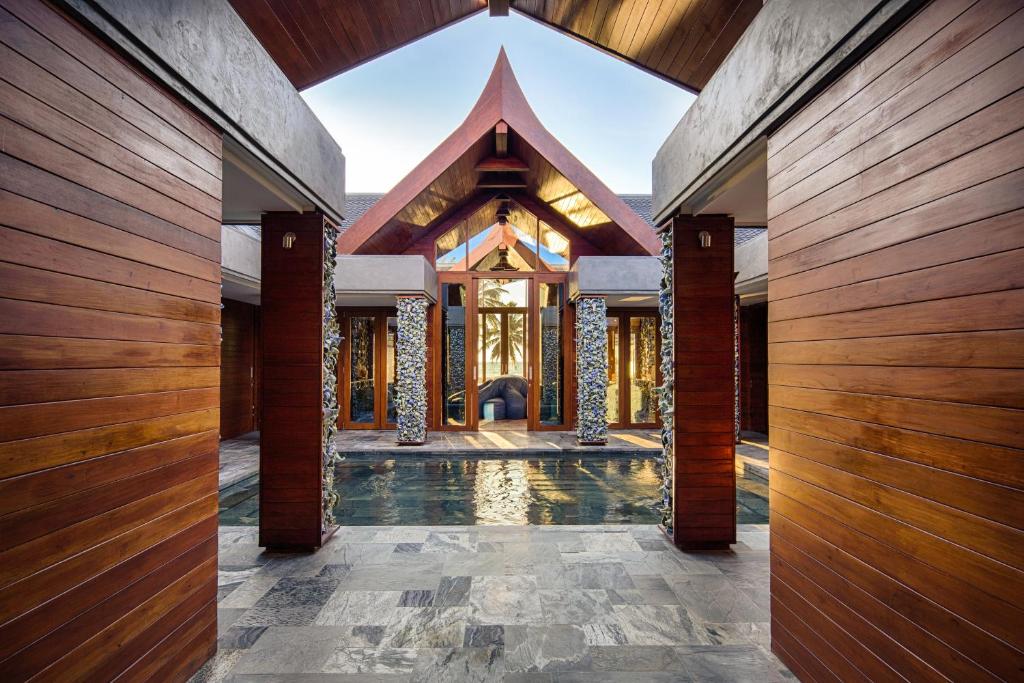
Brazilian brothers Fernando and Humberto Campana created some of Iniala’s most memorable spaces. At the entrance, ceramic columns required hundreds of hours of work, their surfaces layered with glazed fragments concealing elephants, turtles and flowers. In the Campana Lounge, blue-and-white plates completely cover walls, transforming familiar ceramics into something closer to an installation. Their Cinema of Nature is more immersive still. Designed as a 22-seat interpretation of Thailand’s rainforest, it replaces the conventional screening room with an enveloping landscape of colour, texture and oversized upholstered forms. It is representative of Iniala as a whole: interior design pushed far enough that the distinction between room, furniture and artwork becomes increasingly difficult to locate.
Twelve Rooms, Twelve Experiences
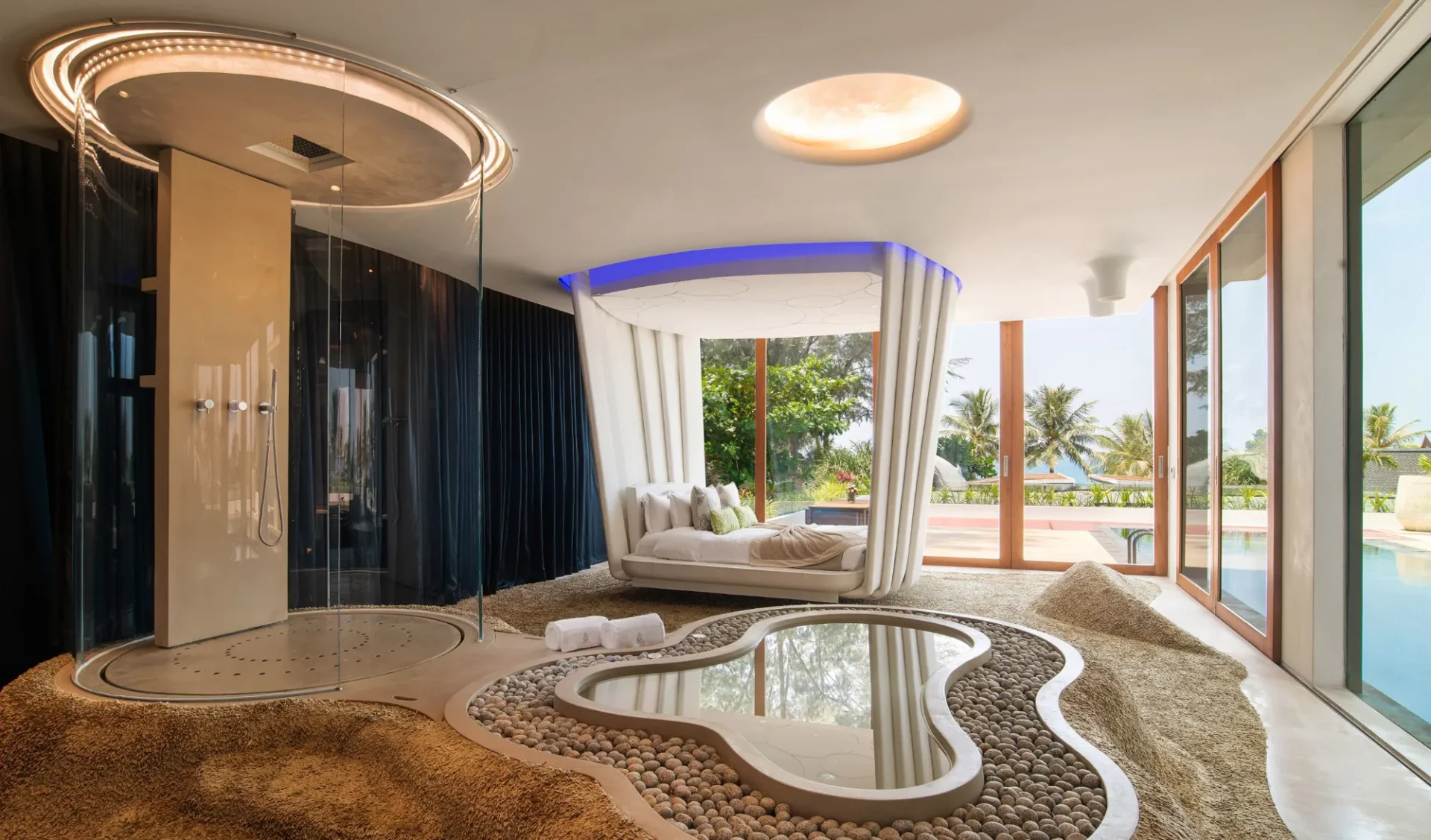
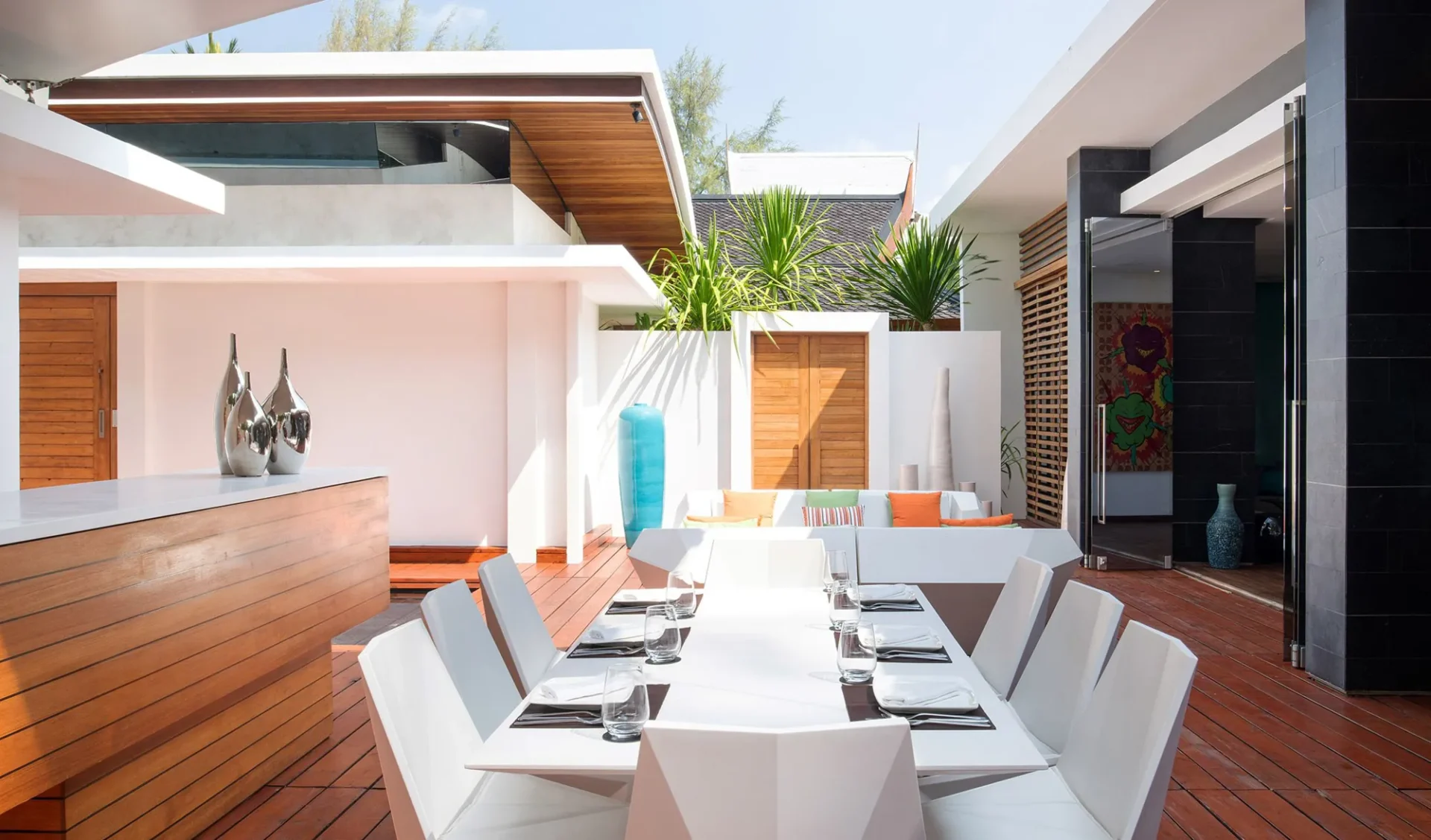
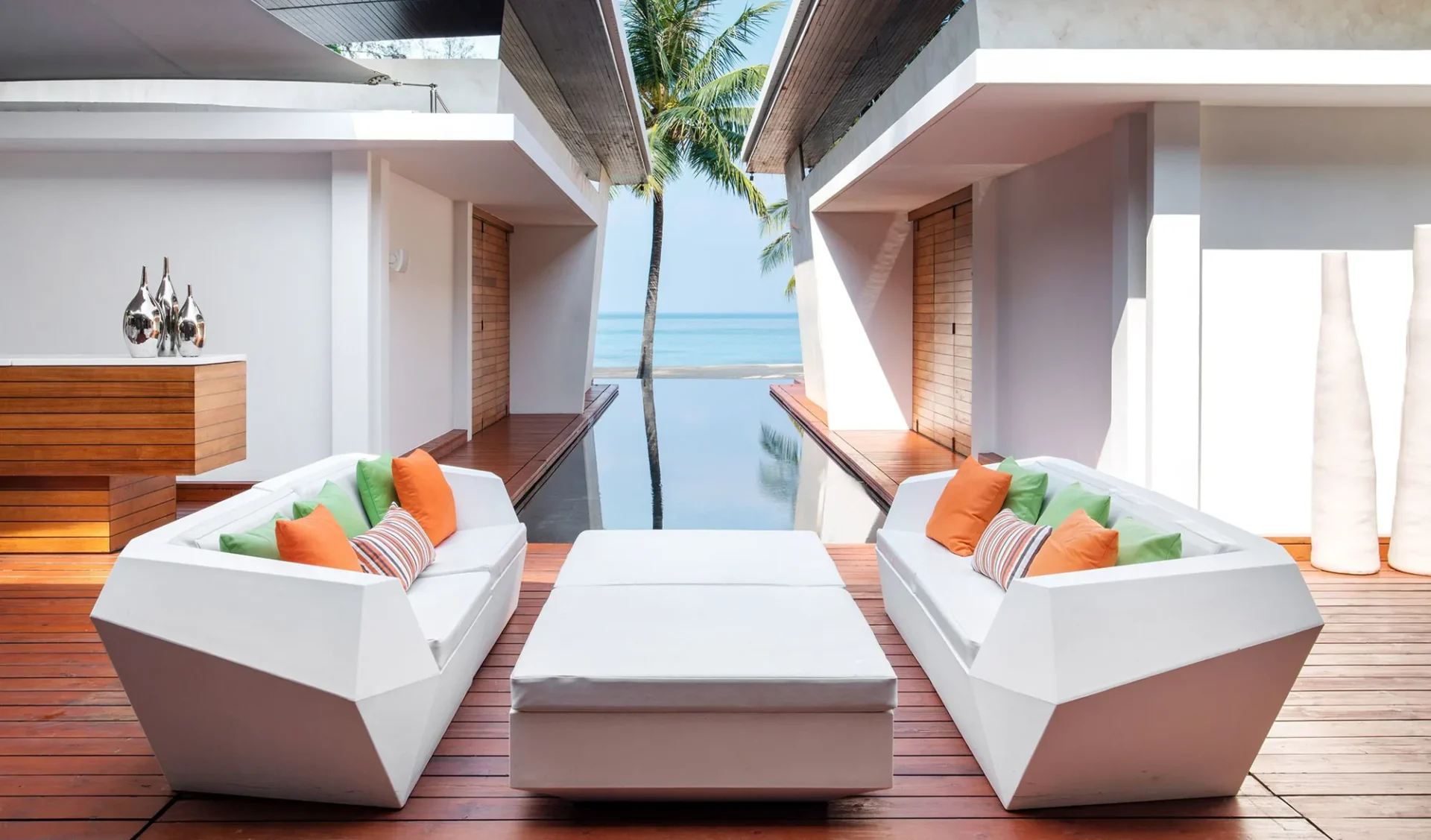
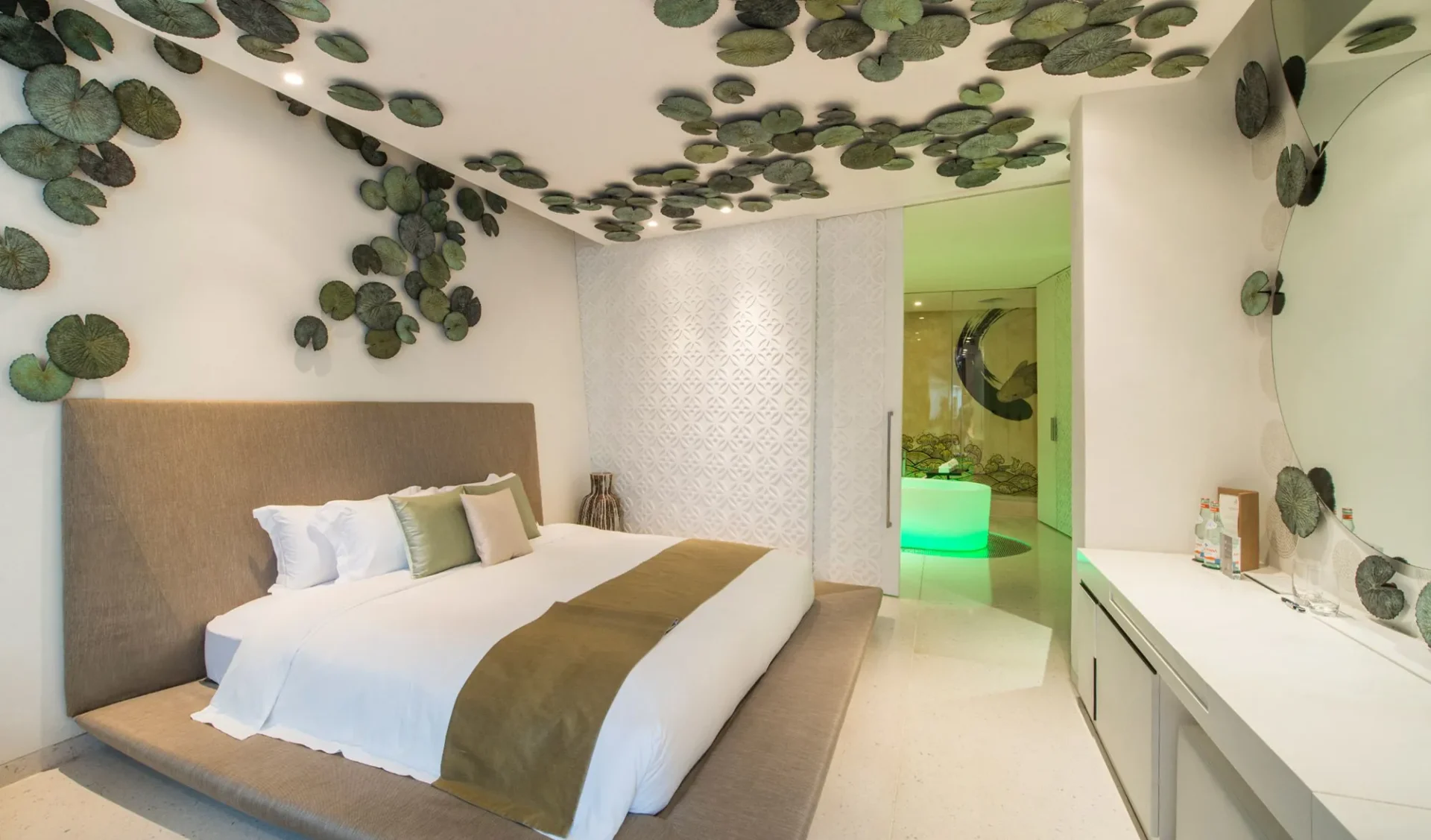
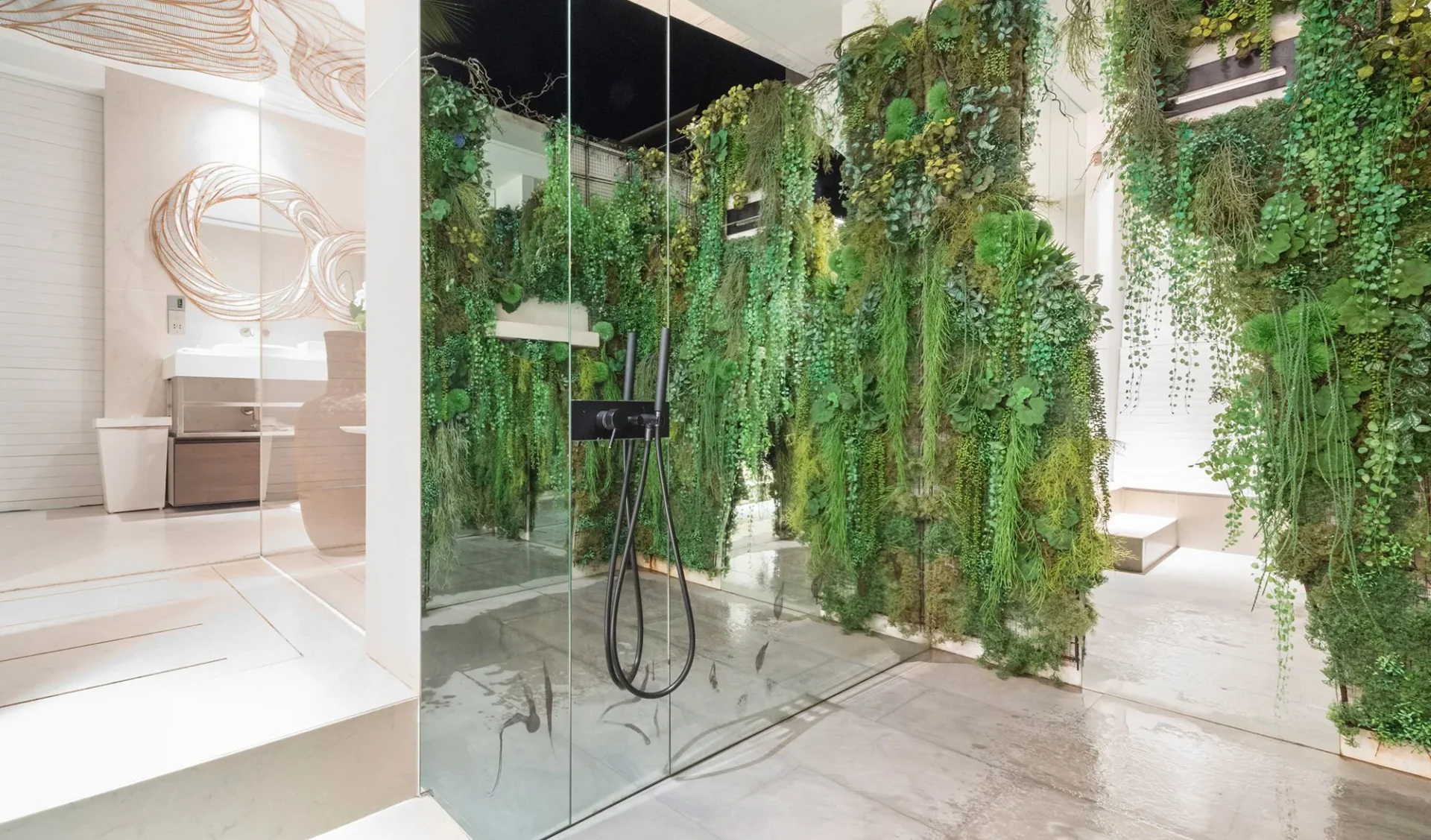
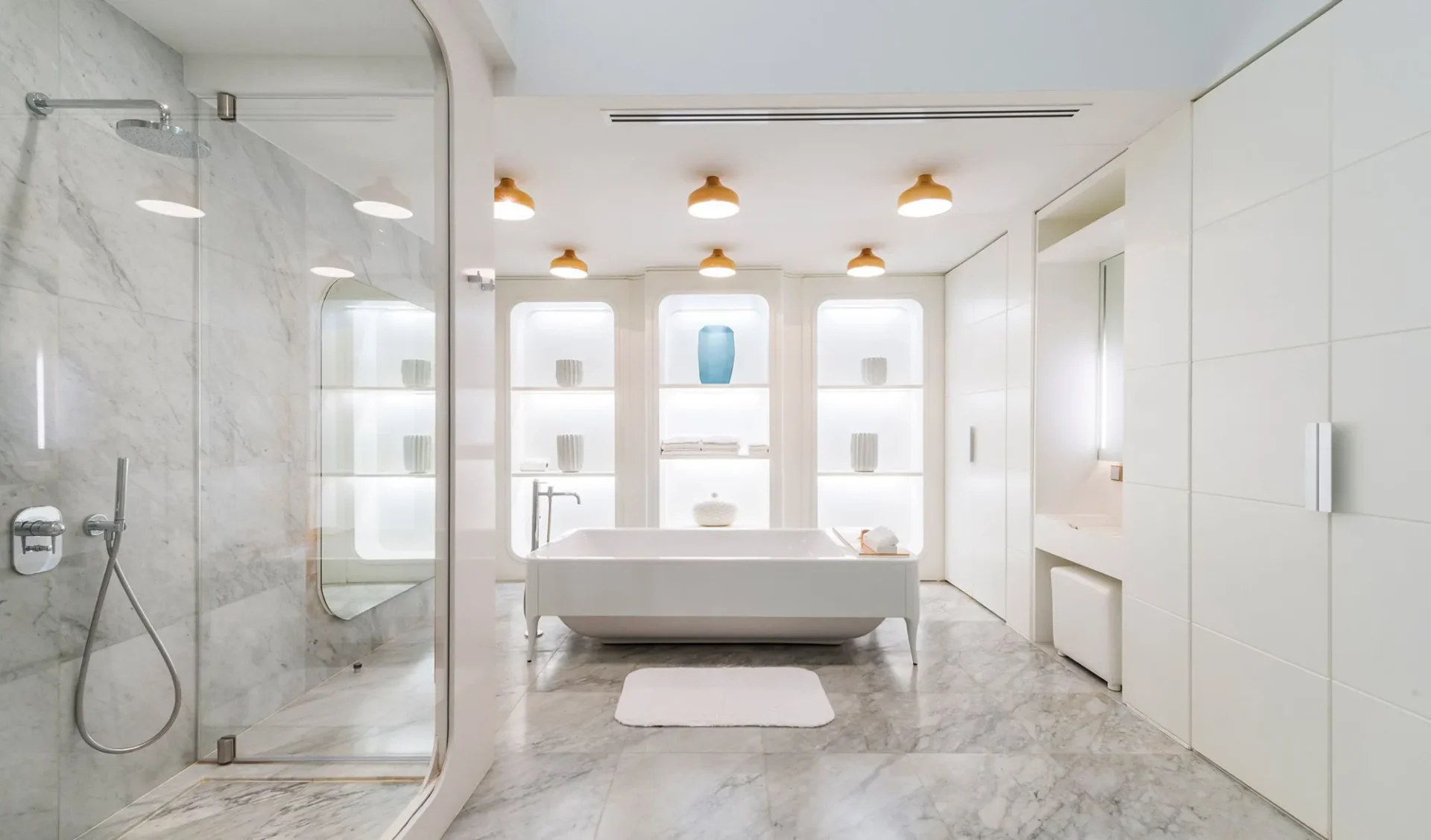
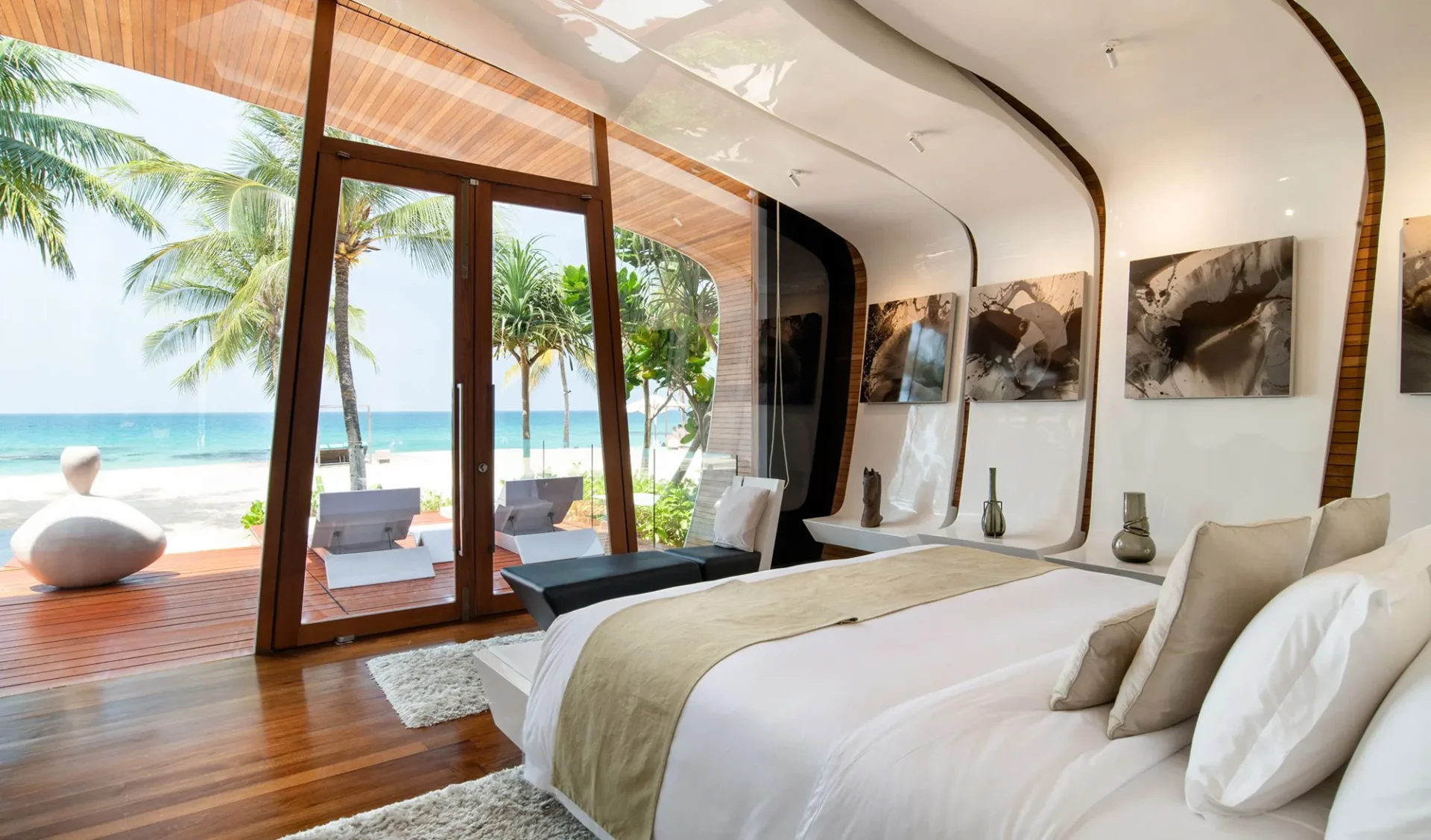
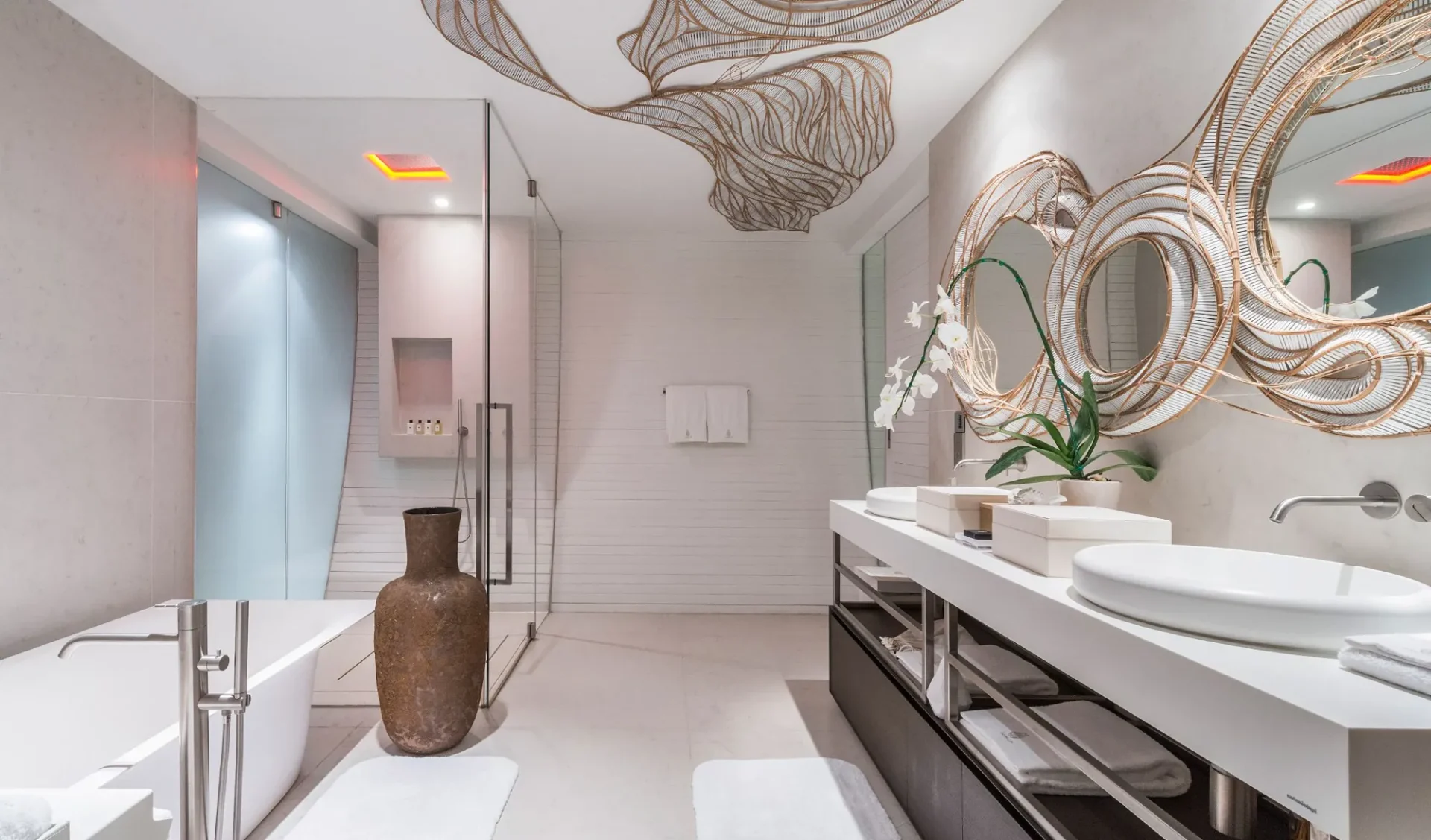
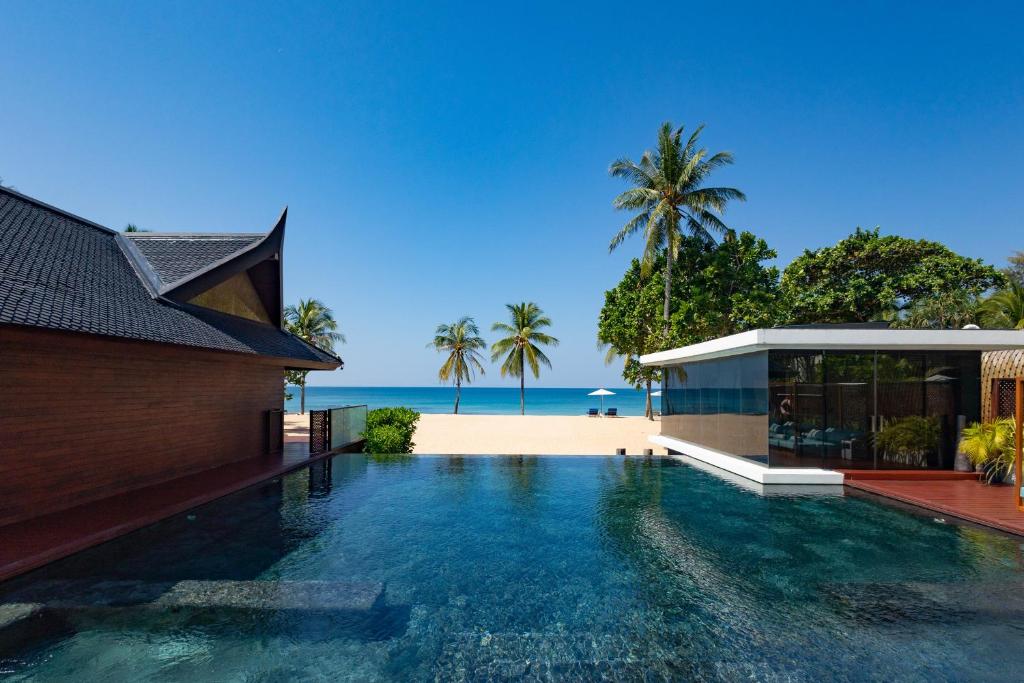
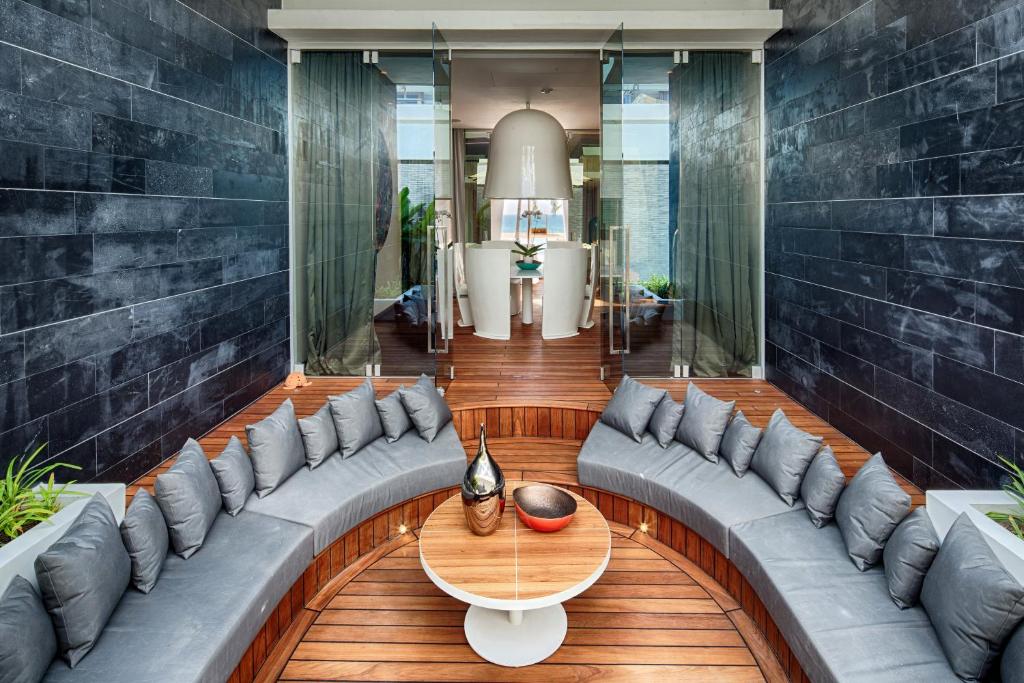
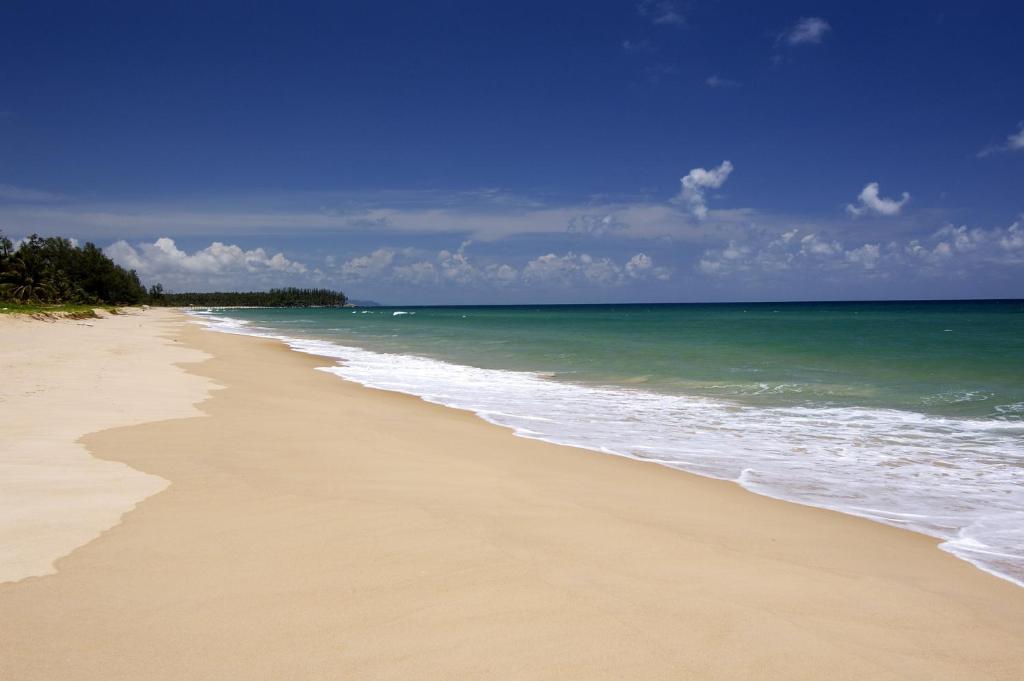
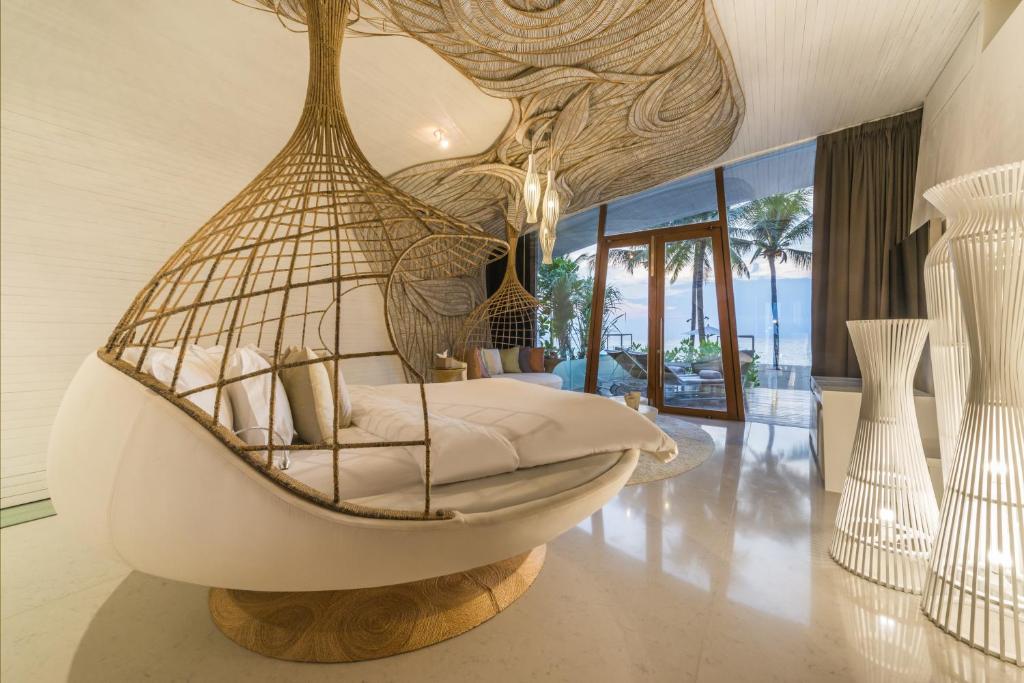
With only 12 rooms, Iniala is remarkably intimate for somewhere containing this many ideas. The accommodation ranges from comparatively restrained beachfront spaces to rooms conceived almost as inhabitable artworks. Circular beds, sculptural ceilings, outdoor jungle showers, custom baths and one-off furniture recur, but never according to a predictable formula. Graham Lamb’s surreal Penthouse goes particularly far, with memory-foam carpeting and a bathtub emerging organically from the floor. Many spaces open directly towards Natai Beach, and the villas are organised around substantial swimming pools and outdoor living areas. Private spas extend the same individual approach, while the wider property adds another pool, gym, Muay Thai facilities and direct access to the long, quiet beach. After the interiors, the simplicity of sand and sea feels almost architectural in itself.
Two Chefs, Serious Ambitions
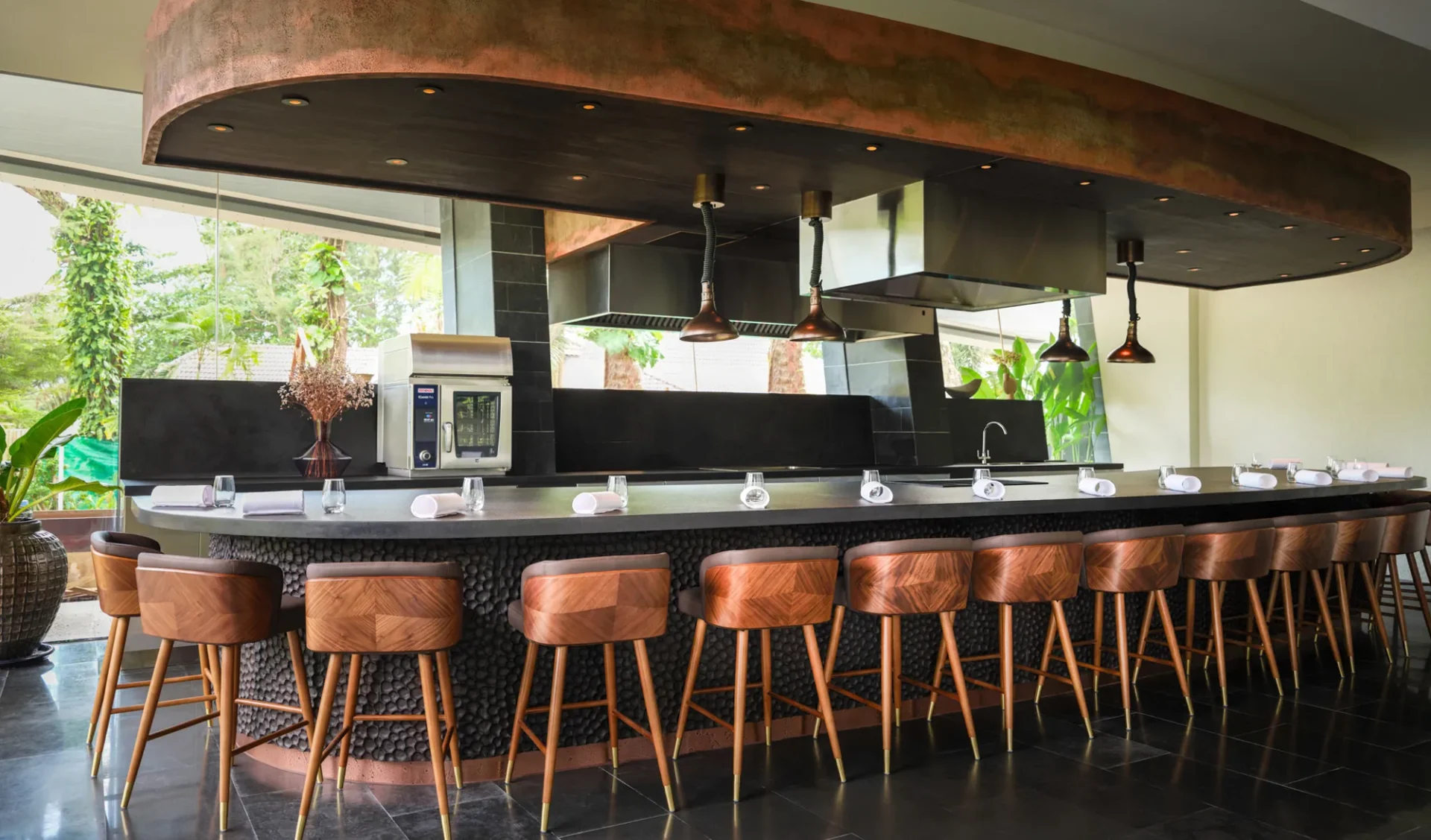
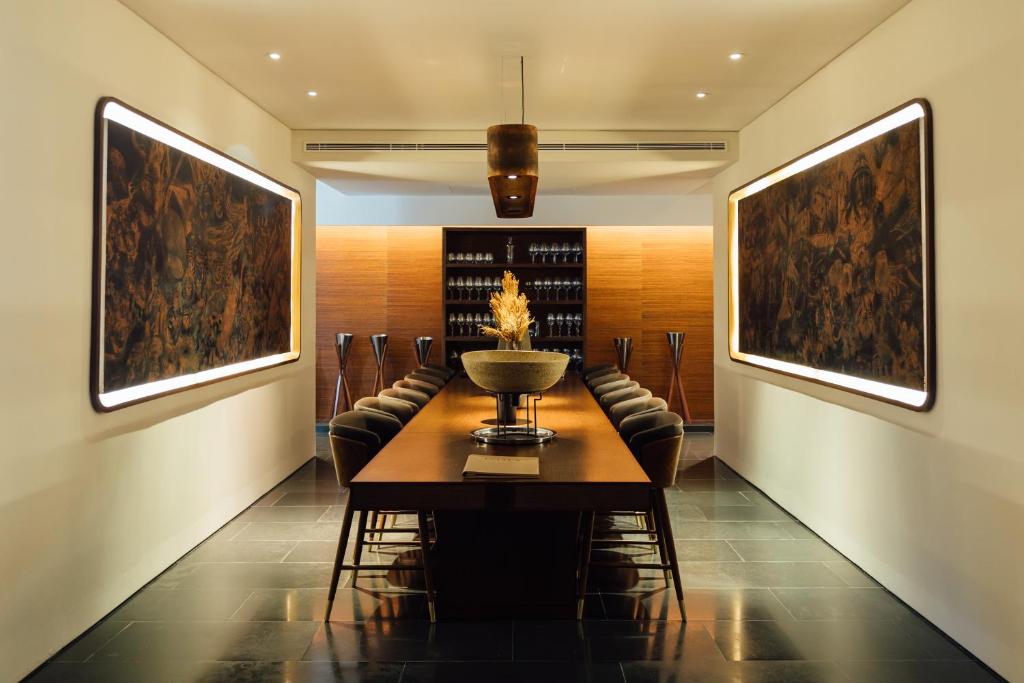
For such a small hotel, Iniala’s culinary programme is disproportionately ambitious. At Anaalā Thailand, chef Ian Kittichai looks across Thailand’s four culinary regions, working with traditional recipes and contemporary techniques. Dinner can unfold directly on the beach, with dishes cooked over fire as the sun disappears into the Andaman Sea. Aulis Phuket moves in a completely different direction. Created by British chef Simon Rogan, the intimate chef’s table evolved from the experimental kitchen associated with his three-Michelin-starred L’Enclume in England. Provenance and local ingredients drive a highly technical tasting menu, prepared directly in front of guests. Aulis became the first restaurant in Phang Nga to receive a Michelin star — a considerable distinction for a restaurant hidden inside such a small beach hotel.
A Collection You Can Sleep In
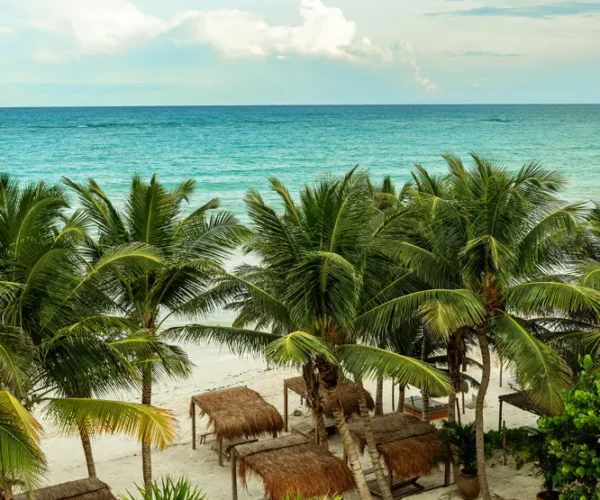
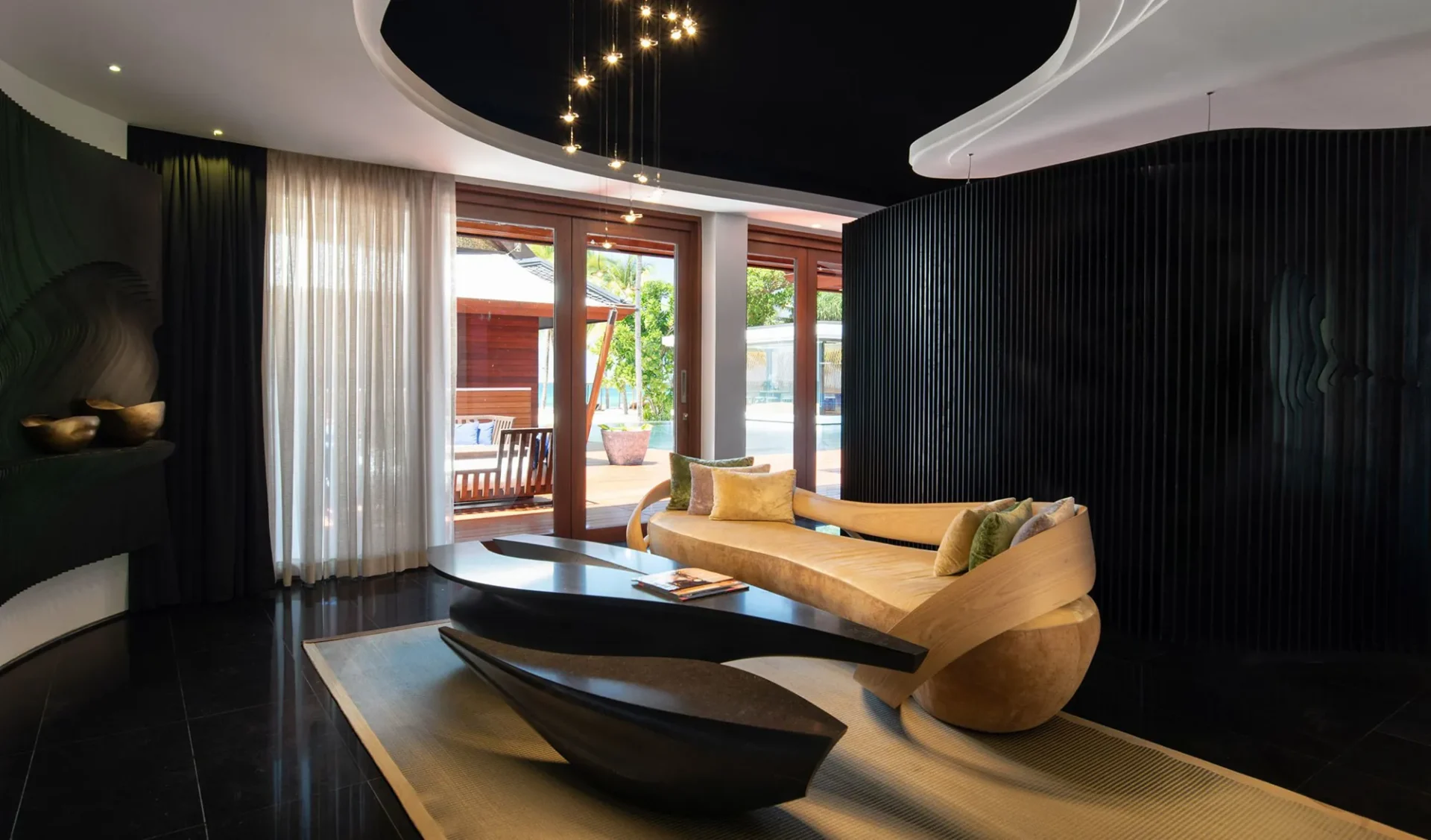
Iniala would probably be easier to understand if one designer had been asked to bring everything together. Fortunately, nobody did. Its strength is precisely the absence of consensus. Hayón doesn’t need to agree with the Campanas. A-cero doesn’t have to speak the same architectural language as Autoban. Thai craft can sit beside European surrealism, contemporary furniture and an art collection of more than 40 works from Southeast Asia. That makes Iniala less a conventionally designed hotel than a collection of inhabitable commissions. And outside all this visual exuberance is Natai Beach: six miles of sand, no motorised water sports and remarkably little development. Design everywhere. Almost nothing on the horizon.
Information
At a glance
Architecture
Graham Lamb
Opened / Renovated
2013
Size matters
12 rooms & villas (255-1,049m2) (6,027-11,291 sq ft)
Interior design
Campana Brothers, Jaime Hayon, Mark Brazier-Jones, Joseph Walsh, A-Cero, POD, Eggarat Wongcharit, Graham Lamb, Chris Jones, Autoban
Featured in
Don't take our word for it




Handpicked worldwide
A carefully curated collection of exceptional boutique and design hotels across the globe.
Design with soul
Architecture, atmosphere and craftsmanship come together in stays with a clear identity.
Hidden, not hyped
Independent boutique hotels you rarely find on mainstream booking platforms.
Travel guidance
Personal recommendations and thoughtful support from people who actually know the places.