A Farmhouse Beneath the Kasteelberg

A 200-year-old Swartland farmstead transformed by Prisca Llagostera into an intimate nine-room hideaway of terracotta, lime plaster, woven fibres and locally made design.

Book now

Why DNA Hotels loves it

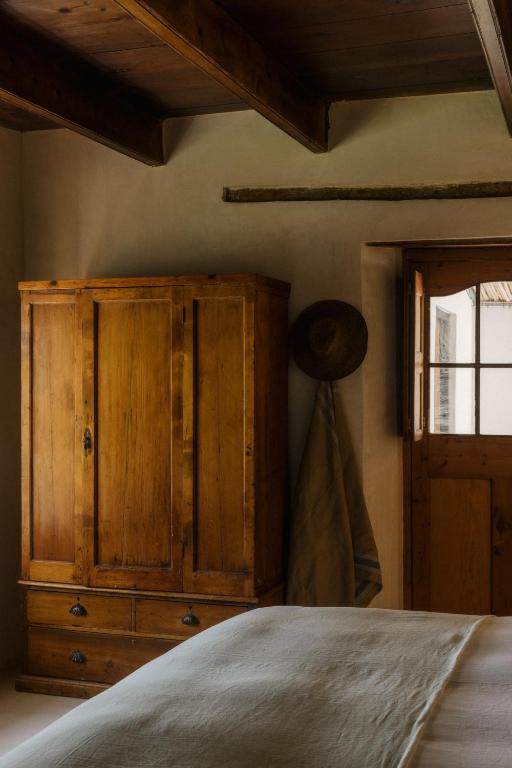
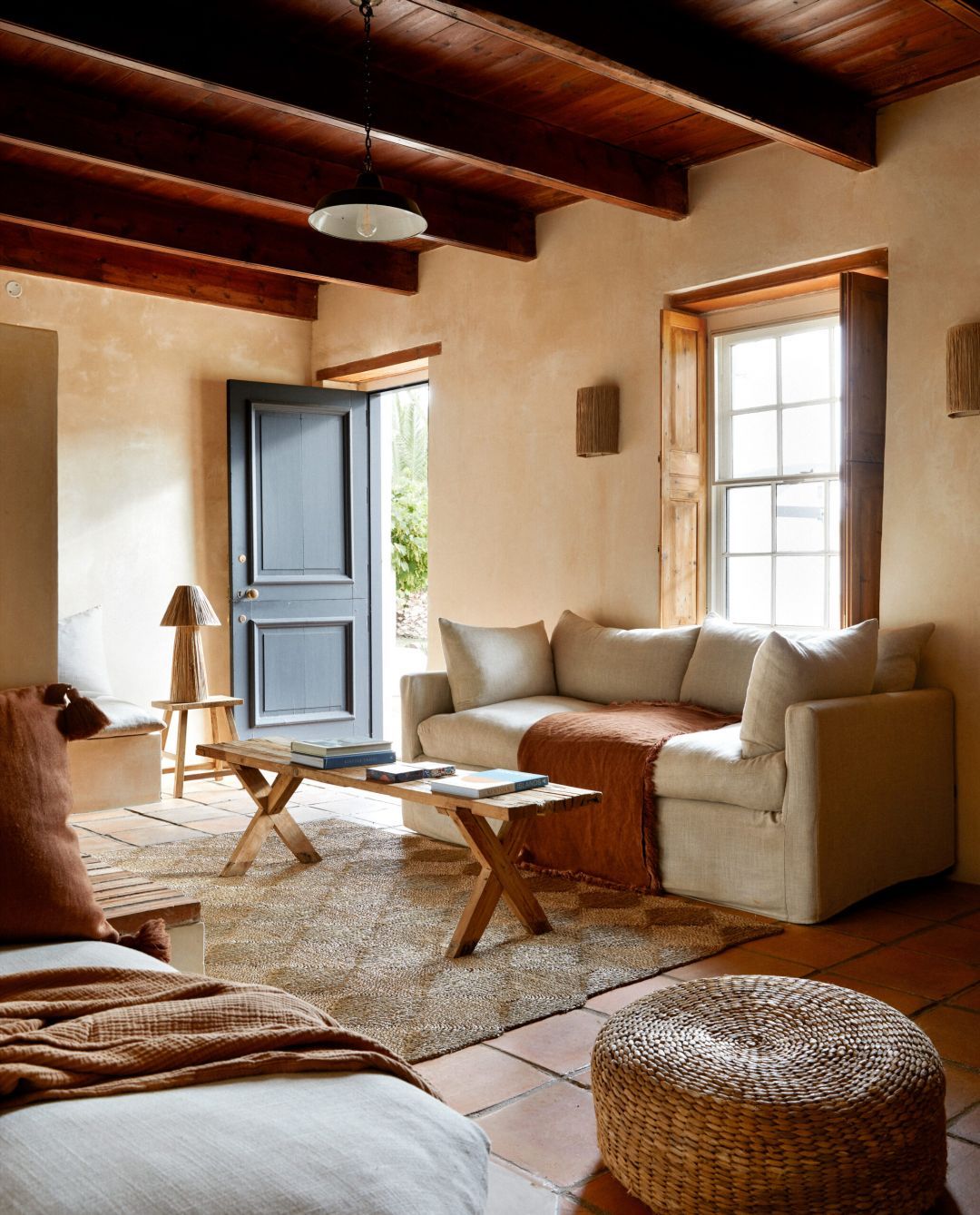
Prisca Llagostera has preserved the farmhouse’s original terracotta floors, timber doors, shutters and beams, allowing two centuries of history to remain visible beneath a relaxed contemporary layer.

Almost everything added to the house was made locally, from beds and ceramics to linen and woven pieces, giving the interiors a genuine connection to Swartland craft rather than an imported version of African design.

Its relationship with the region goes beyond aesthetics: Swartland wines, local produce and personal access to the area’s independent winemakers make the surrounding community fundamental to the experience.

The Stay

Kokos Huis blends a 200-year-old Swartland farmstead with local craftsmanship, relaxed contemporary design and the region’s independent wine culture.

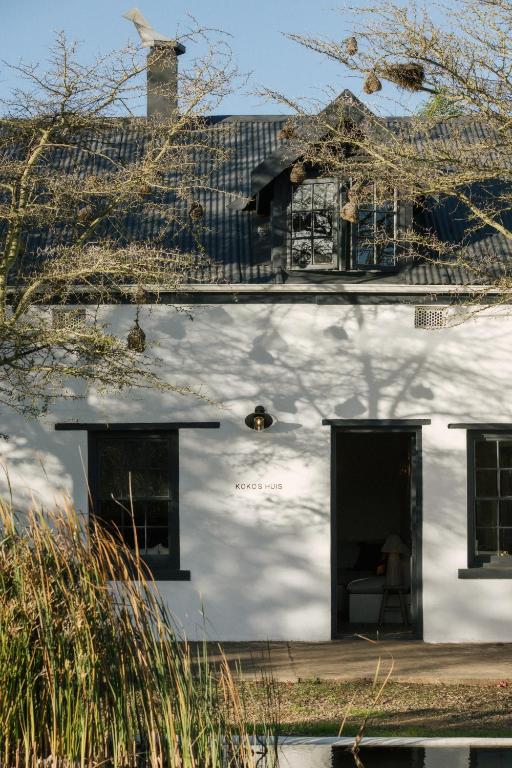
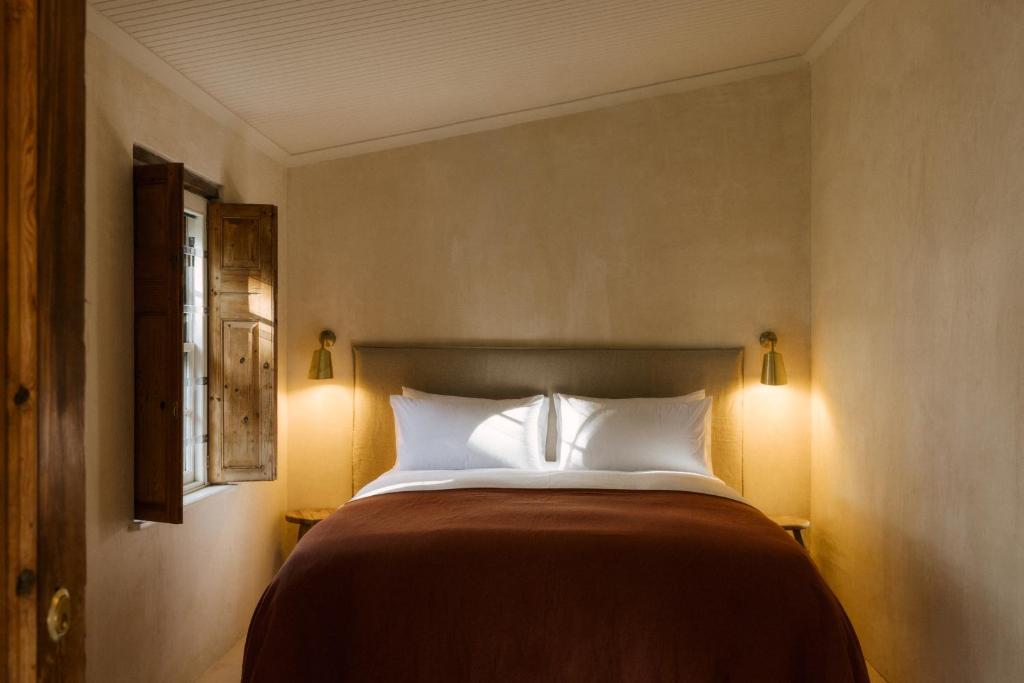
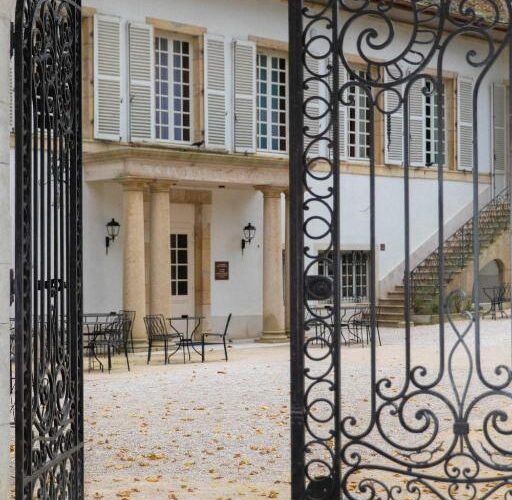
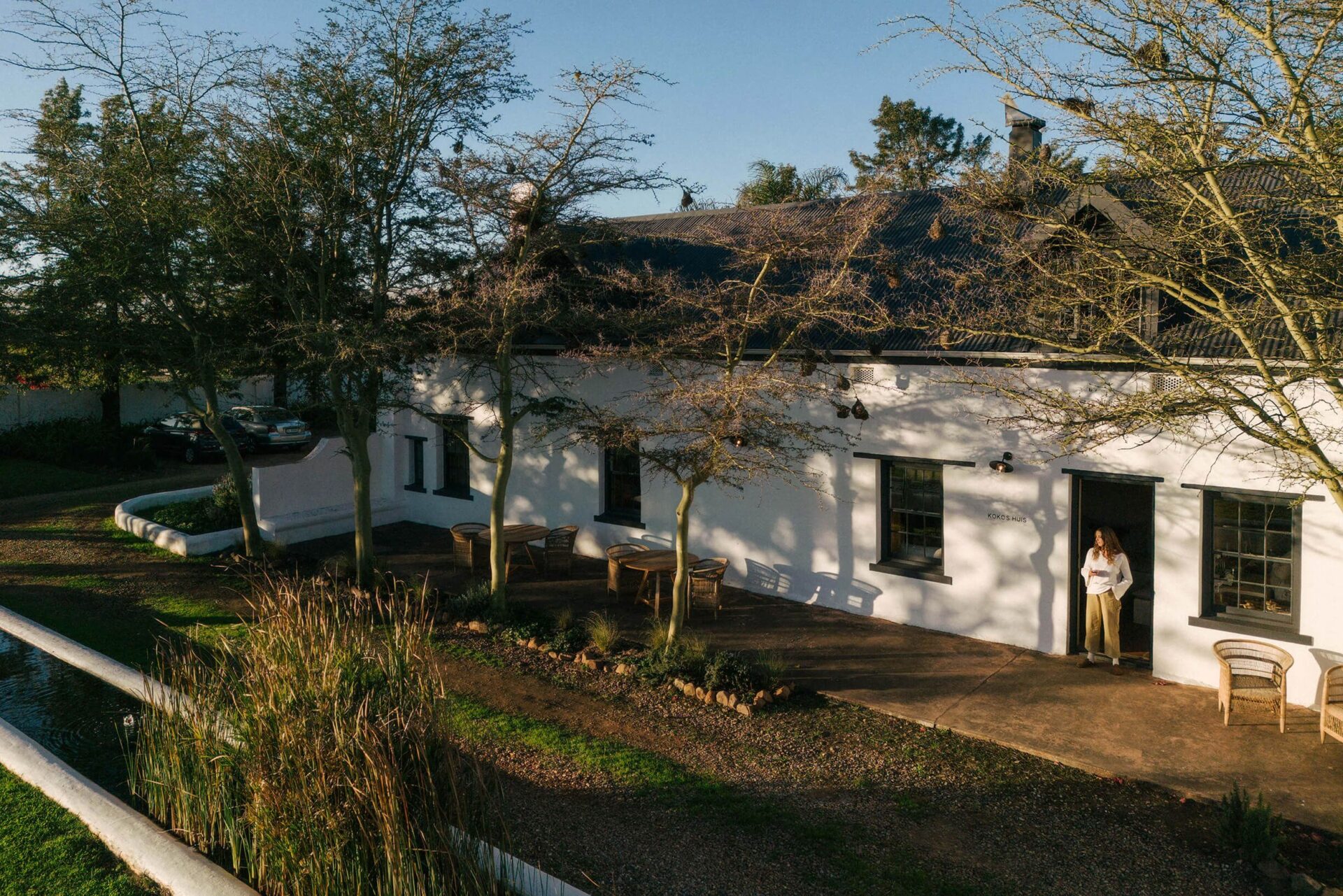
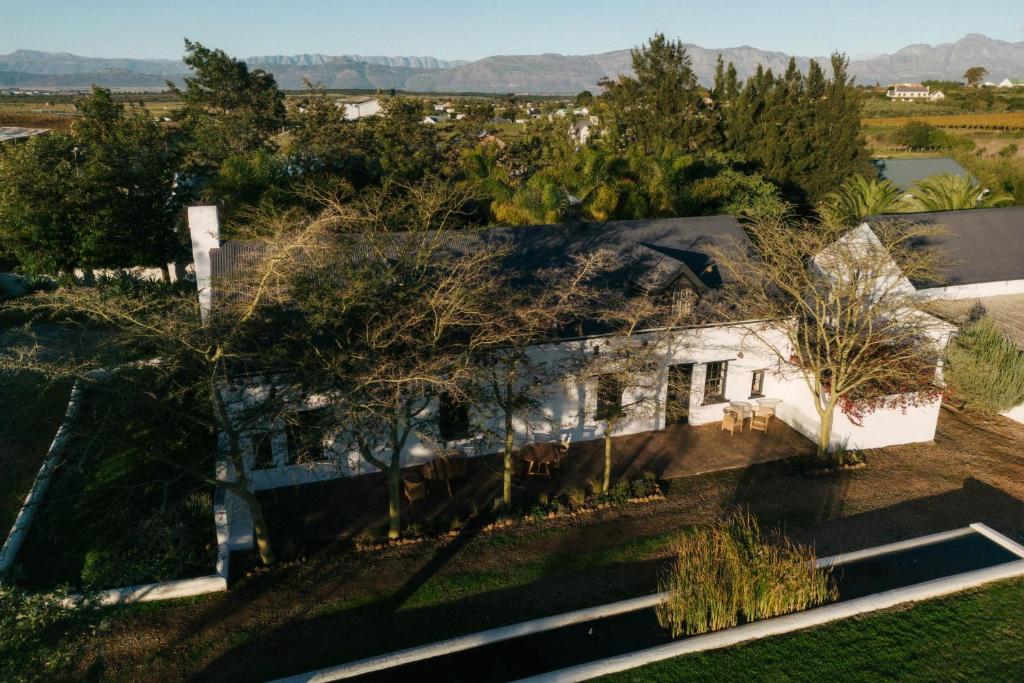
Kokos Huis lies low among palms and gardens on the edge of Riebeek Kasteel, one of the oldest villages in South Africa. The simple limewashed farmstead has stood here for around 200 years, surrounded by the wheat fields, olive groves and vineyards of the Swartland. Llagostera deliberately worked with what she found. Old terracotta floors remain uneven underfoot, original timber doors and shutters retain their ironwork and heavy beams still define the rooms. Her approach follows the philosophy of her first hotel, L’Ovella Negra in Andorra: preserve the structure first, then allow a new identity to grow from it.

Built by Swartland Hands

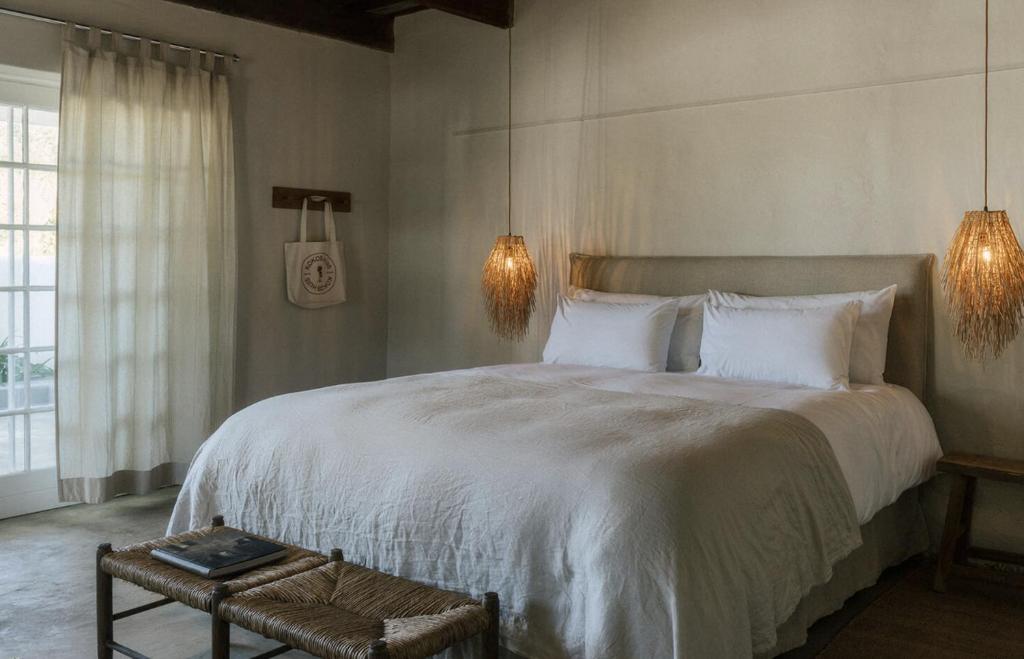
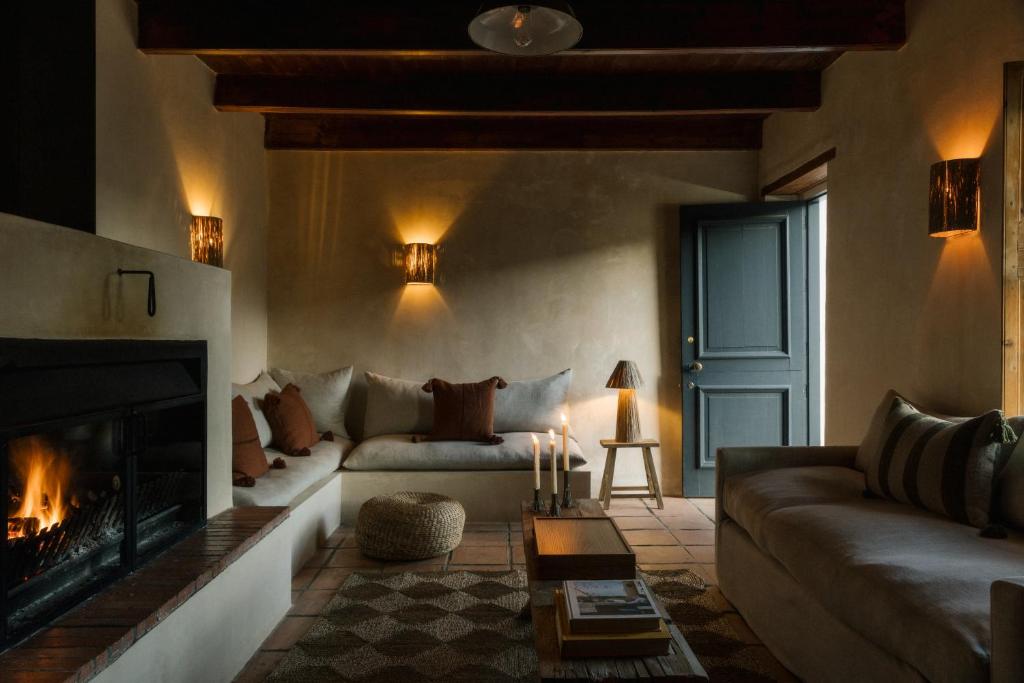
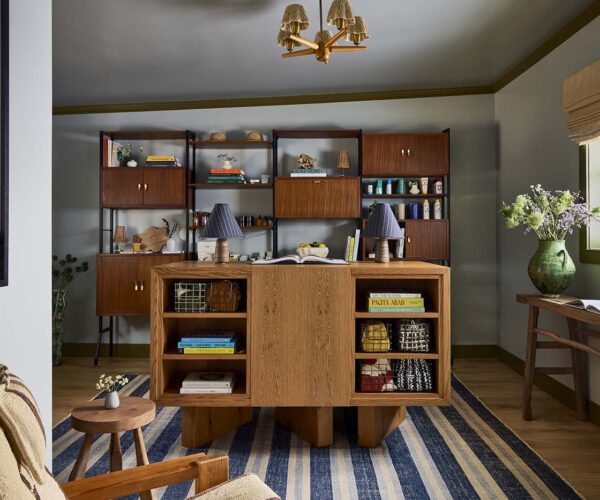
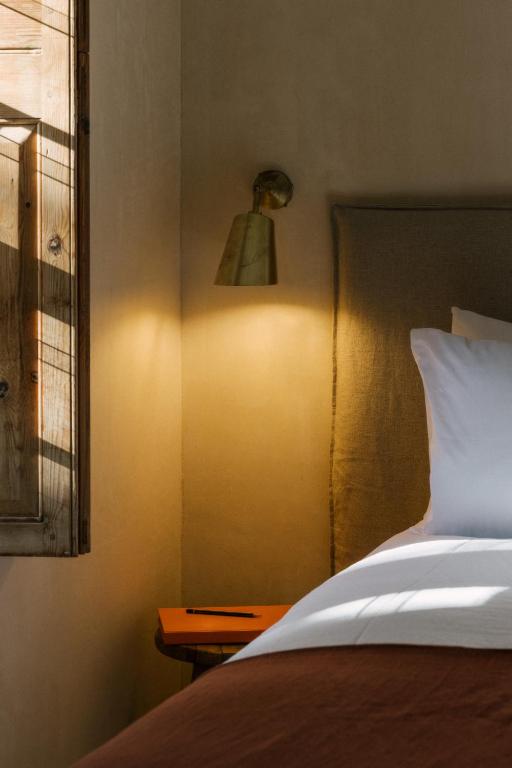
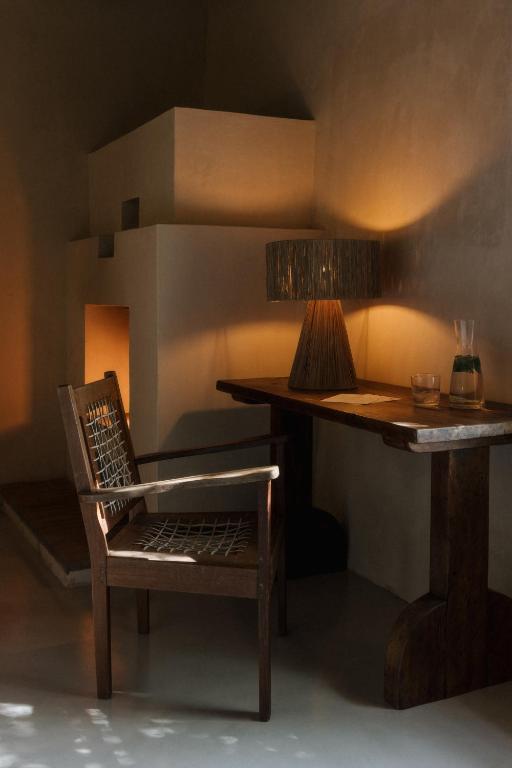
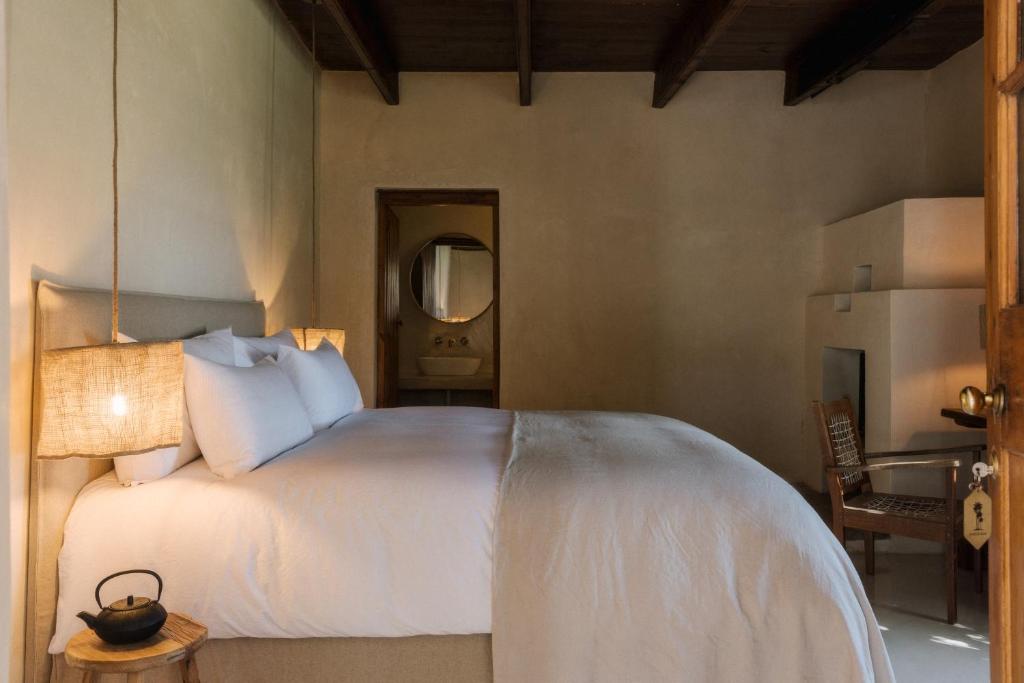
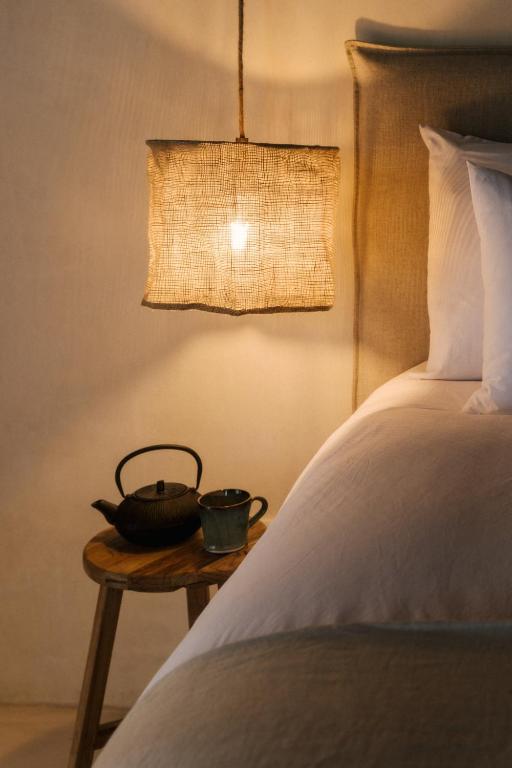
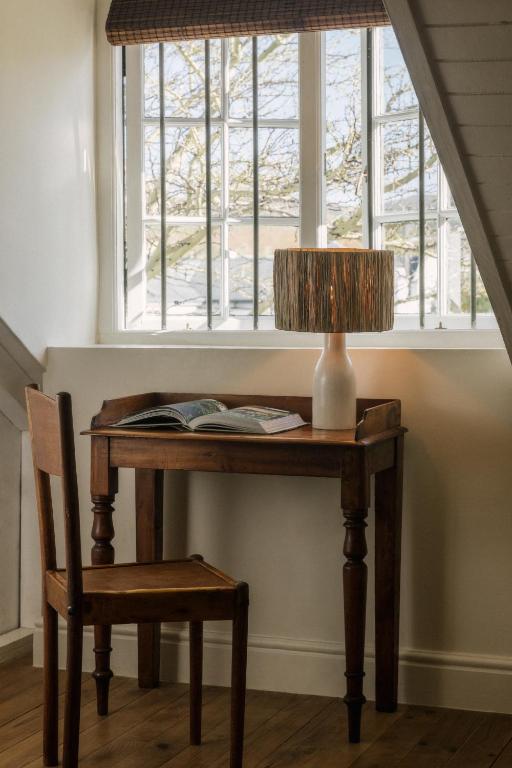
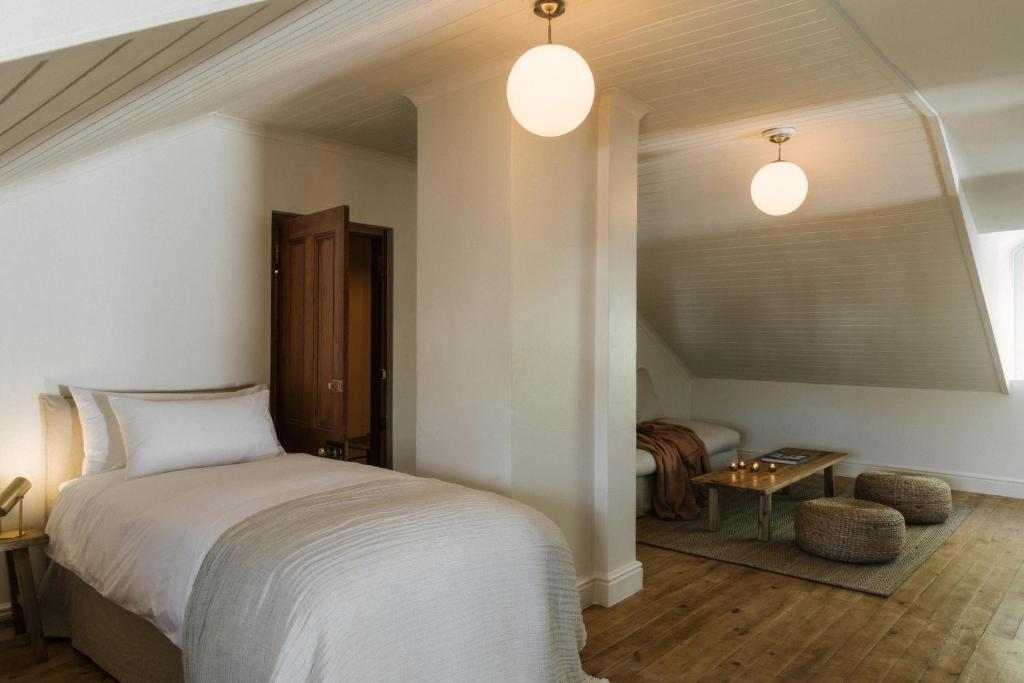
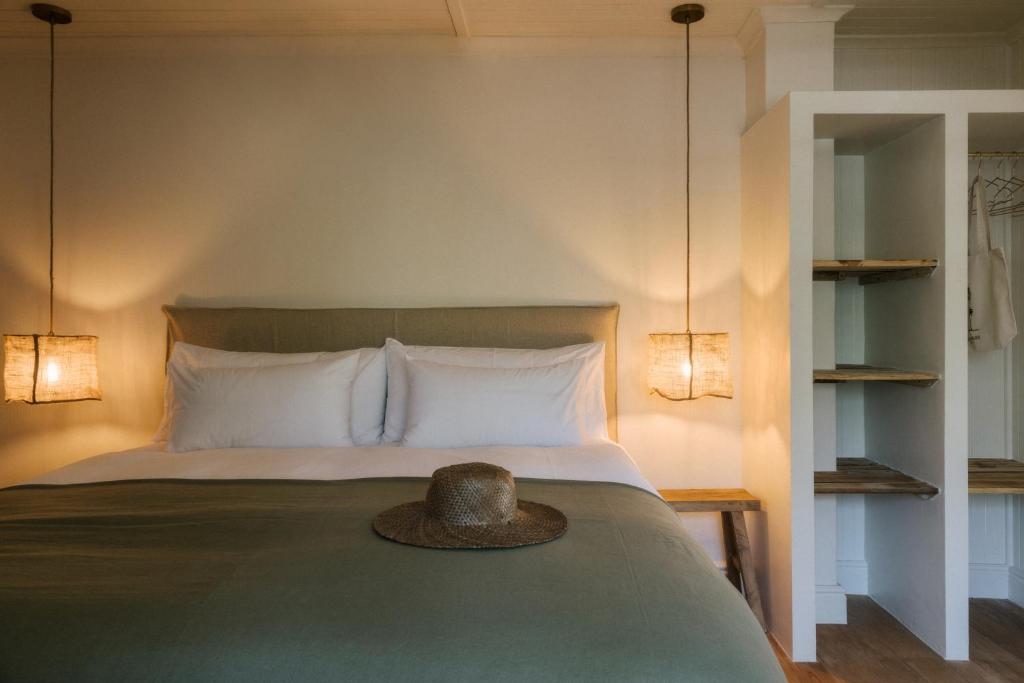
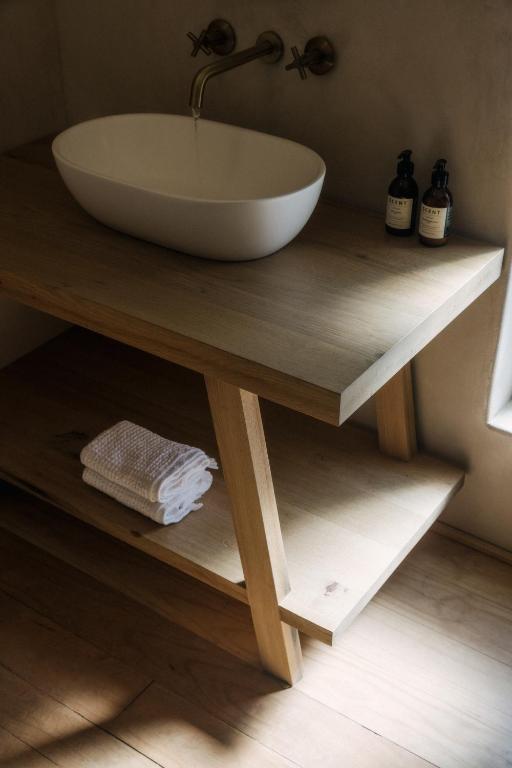
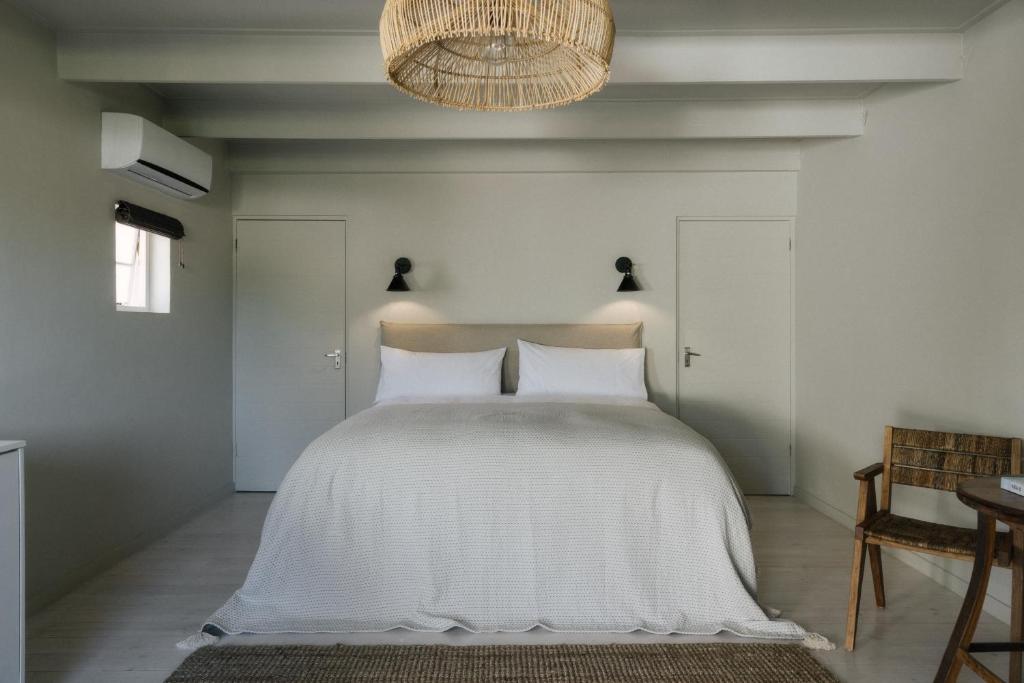
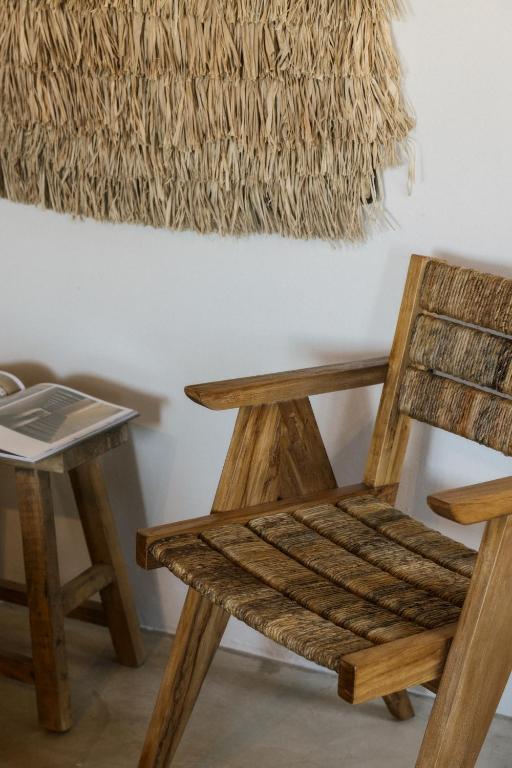
The interiors combine hand-trowelled plaster, terracotta, timber, linen and woven natural fibres with built-in seating that seems to emerge directly from the walls. Raffia and grass become oversized pendants and sconces, while Malawi chairs, jute rugs and locally made ceramics introduce texture without overwhelming the farmhouse architecture. Much of it was produced within the region. Beds were made locally, Mungo supplies South African textiles and Ceramic Matters contributes pieces made nearby in the Paardeberg. Llagostera’s memories of Latin America, the Mediterranean and England subtly inform the colours and textures, but the execution remains firmly rooted in the Swartland.

Nine Rooms, Two Languages

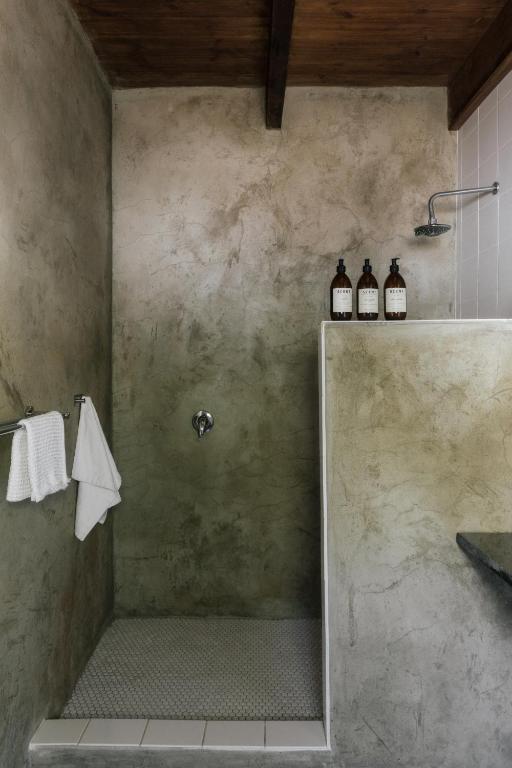
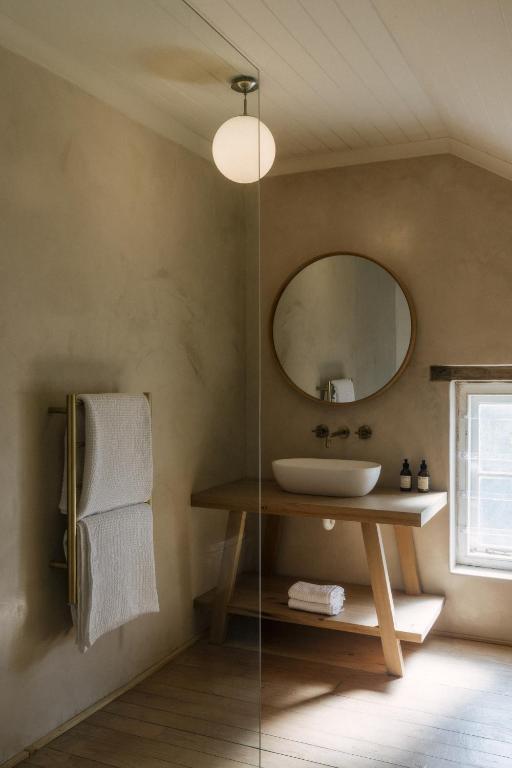
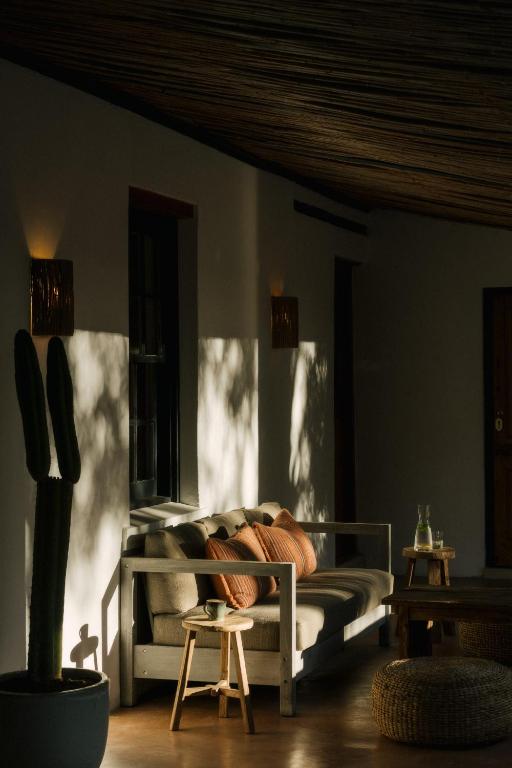
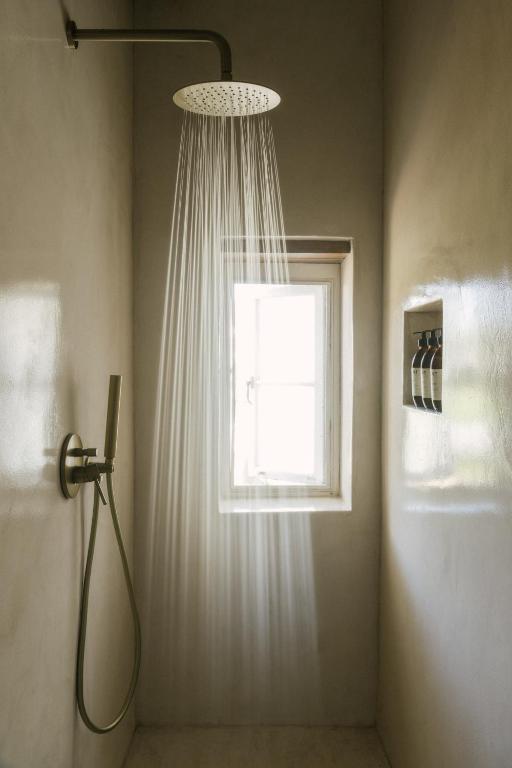
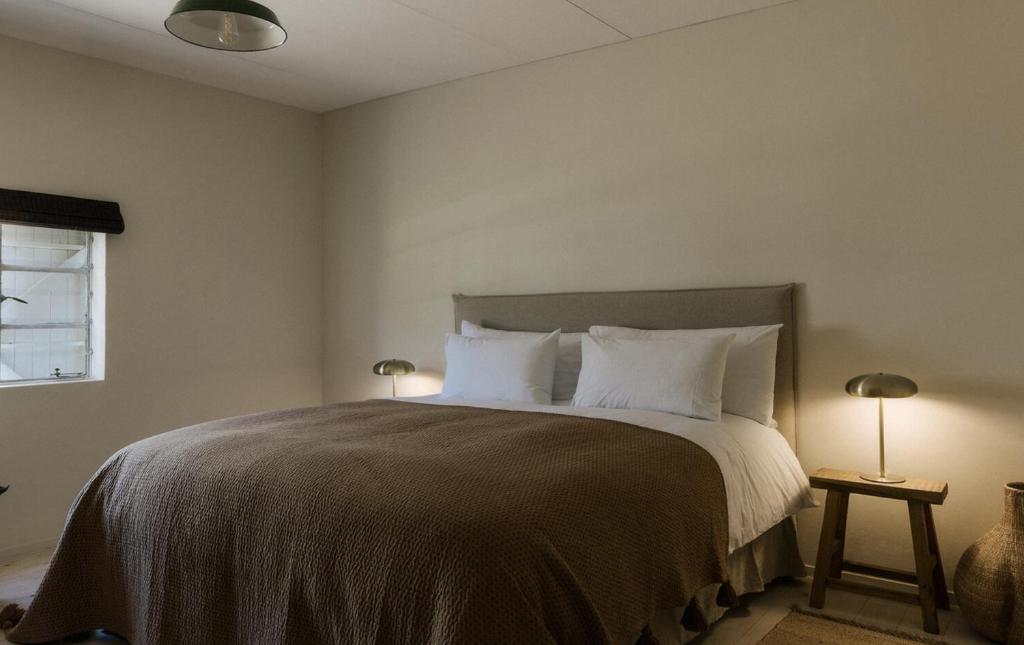
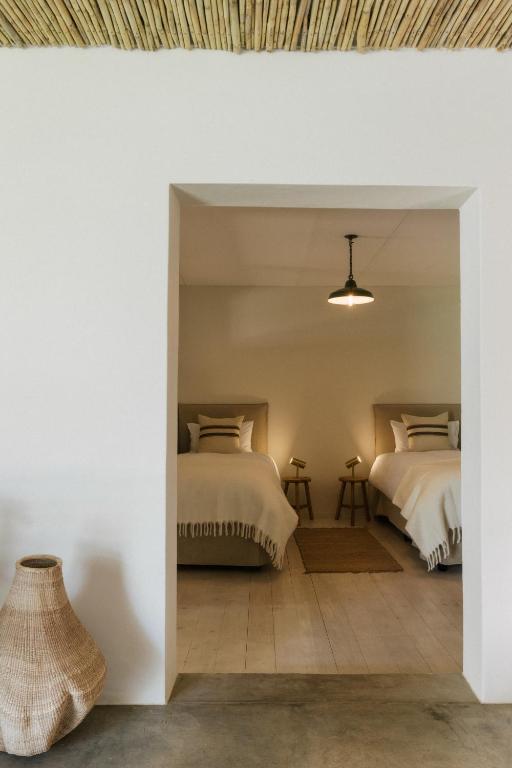
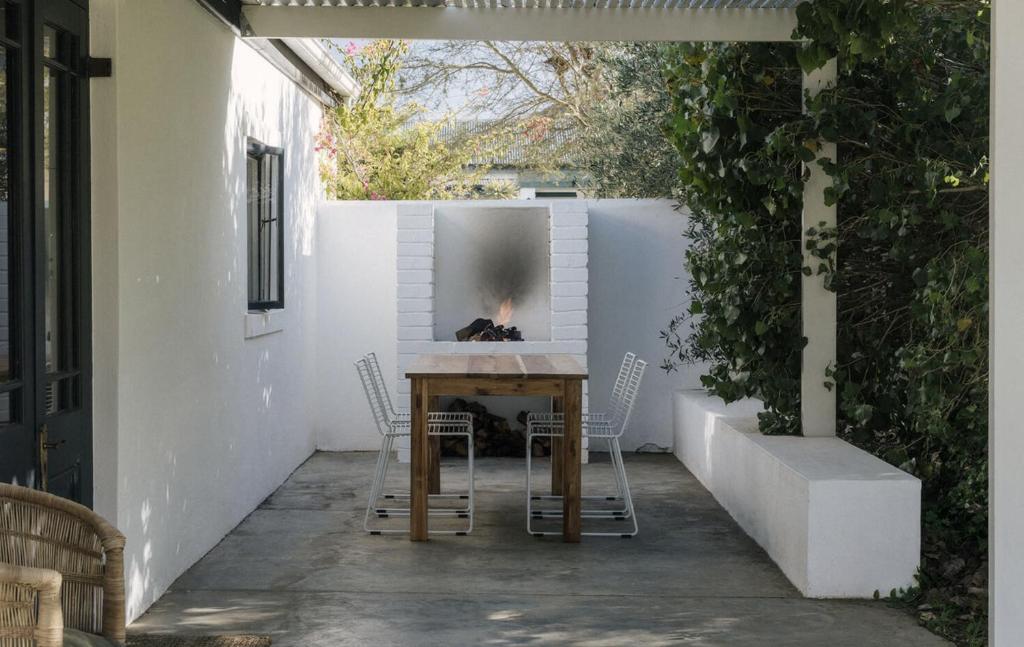
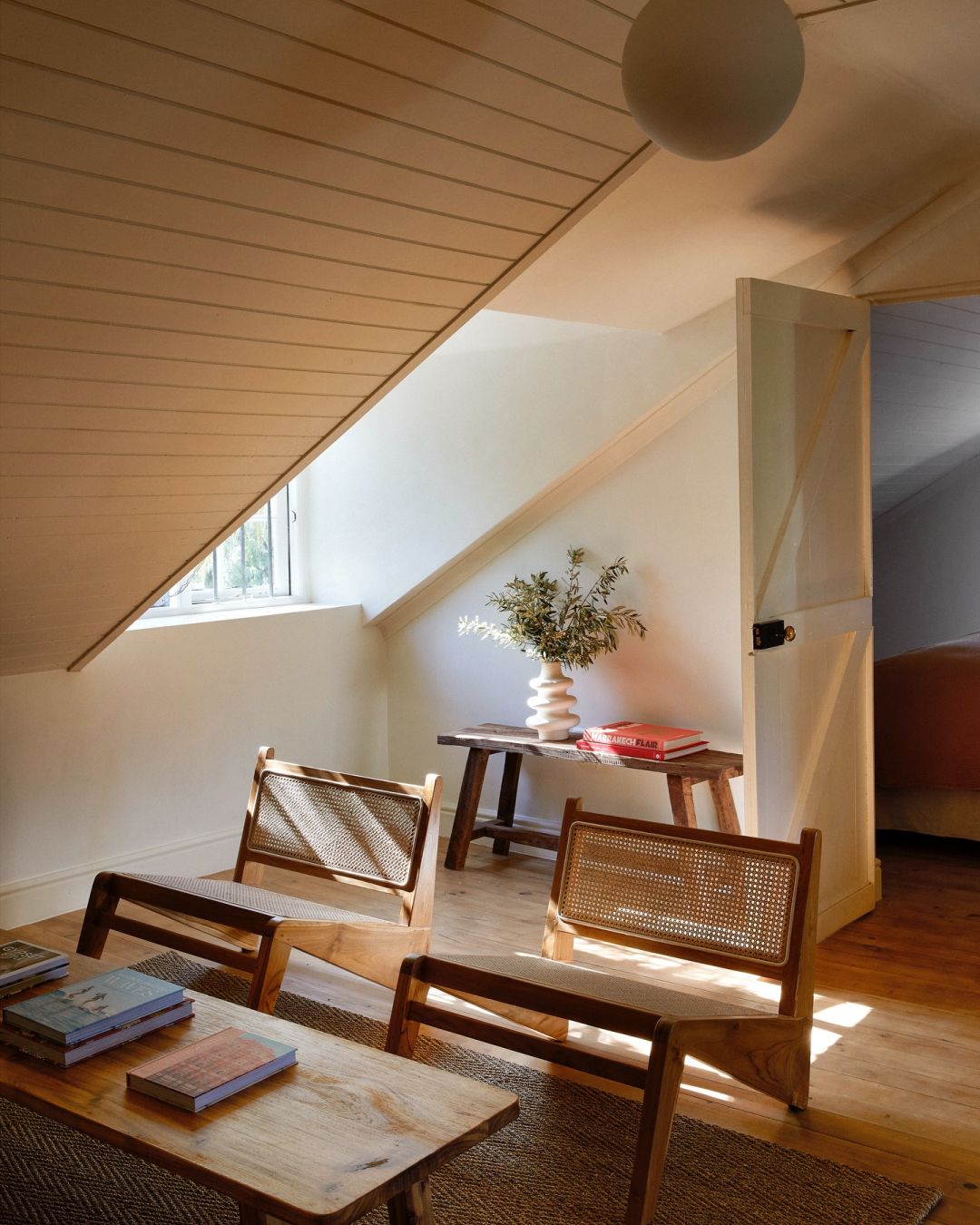
Six bedrooms occupy the original manor house, three opening directly towards the stoep and pool and three tucked beneath the roof. Their differences are retained rather than designed away: fireplaces, attic ceilings, old cupboards, timber floors and views towards the Kasteelberg give each its own character. Three separate studios in the old farmyard take a more contemporary direction. Whitewashed plaster, polished concrete, slender black-steel windows and split-reed ceilings distinguish them from the main house, while private terraces and kitchenettes give them greater independence. Together the nine rooms can function individually or the entire property can become one private house.

Palms Around the Pool

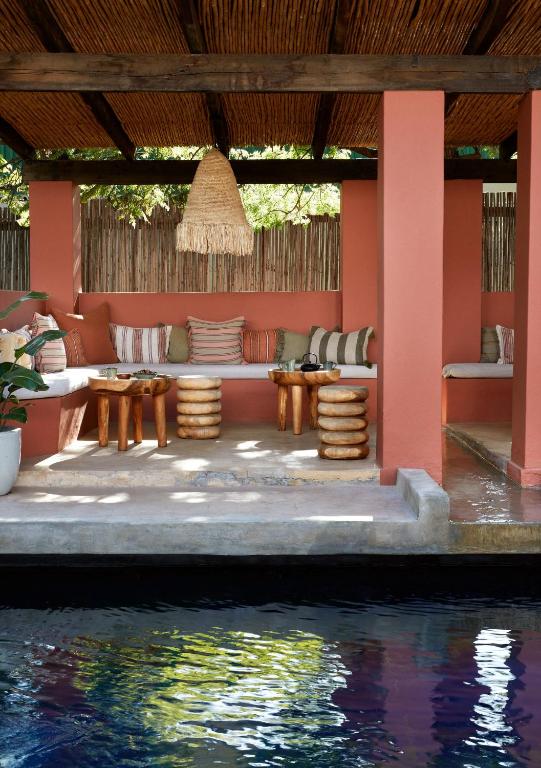
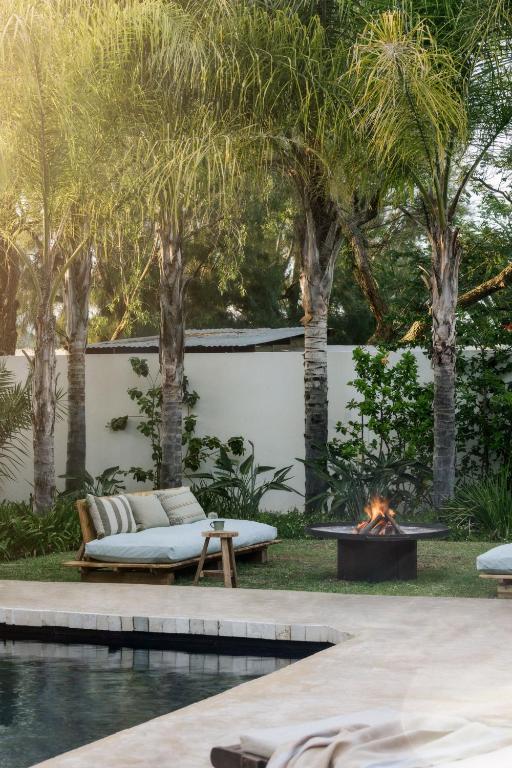
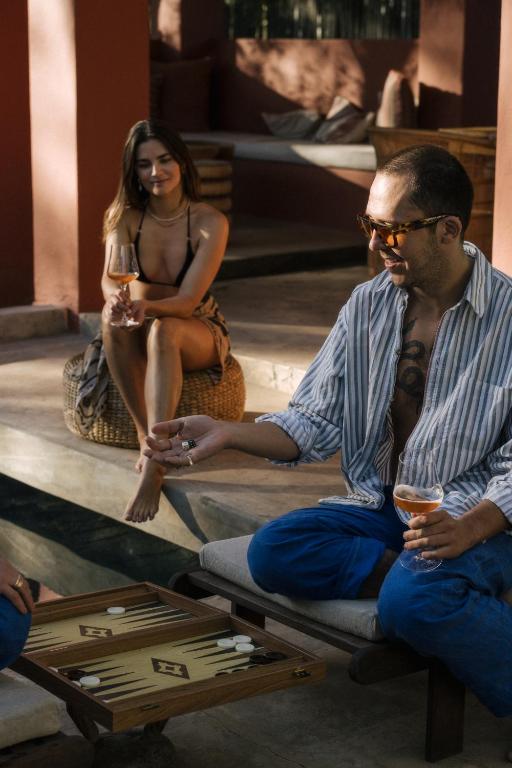
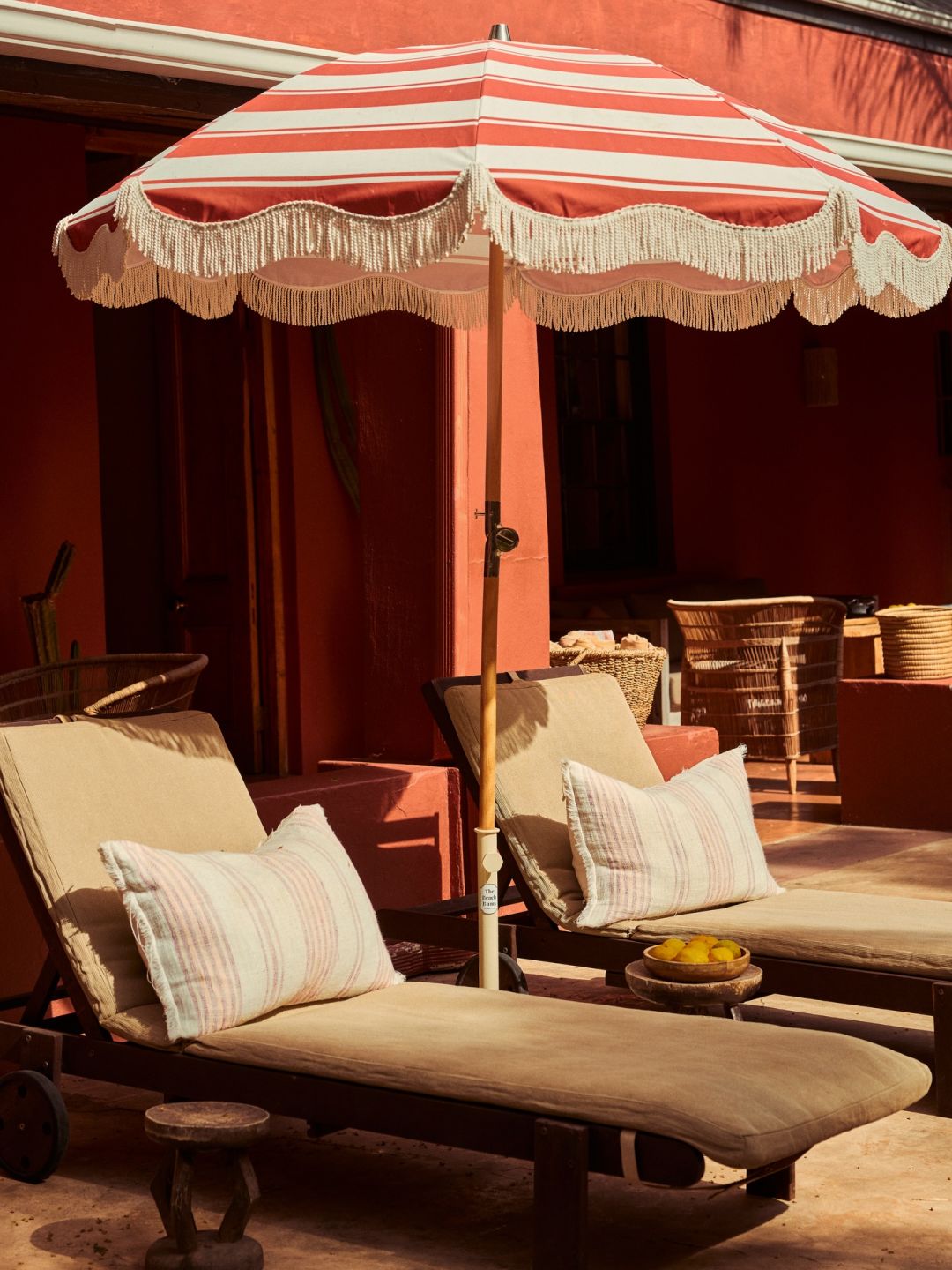
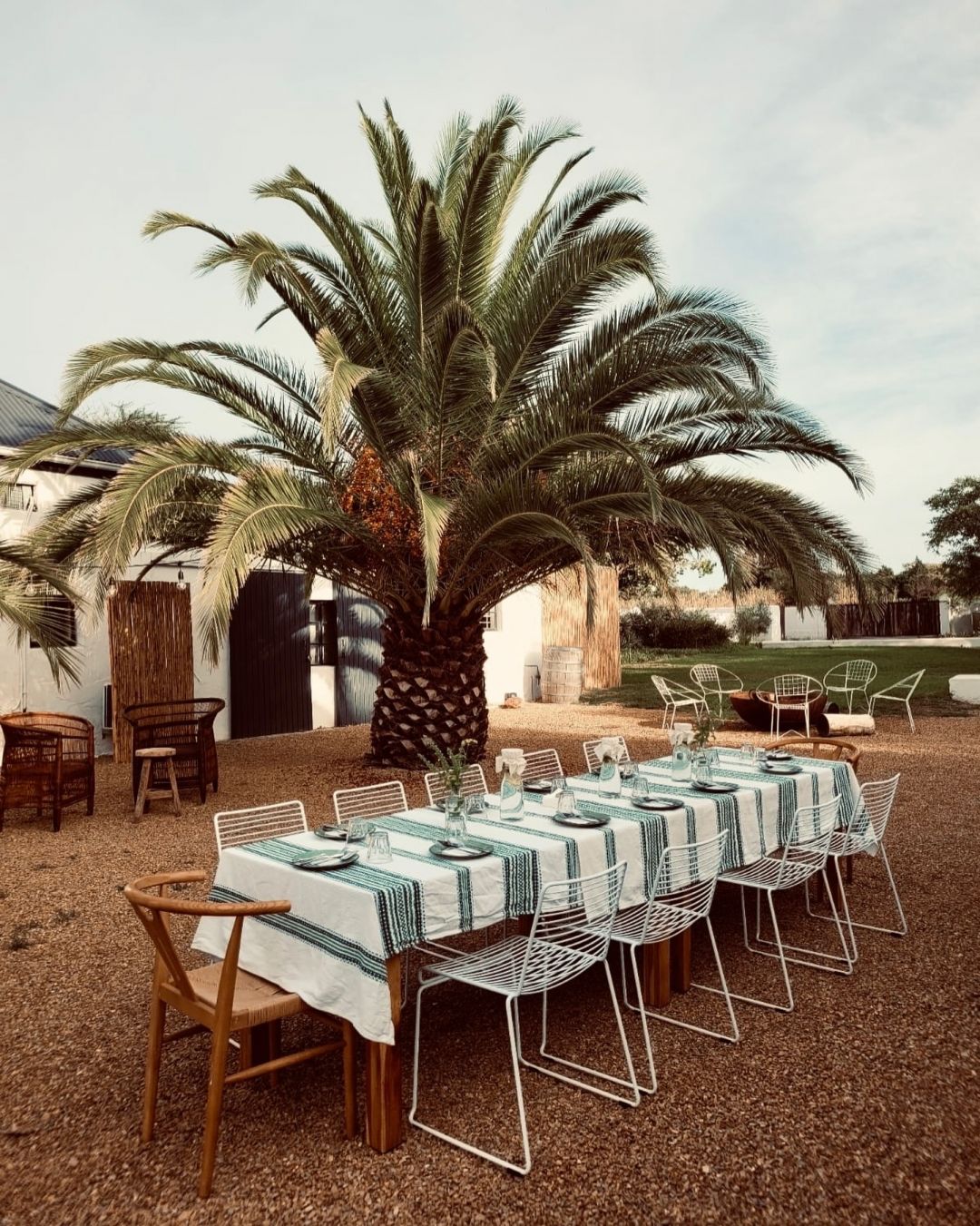
The gardens were one of the reasons Llagostera chose the property. Mature palms rise above a heated pool, lawns and native thorn trees, while a reed-roofed cabana uses terracotta columns, built-in plaster seating, striped cushions and fringed woven lights to create a deeply shaded outdoor room. The architecture is deliberately uncomplicated. Stoeps, courtyards, trees and shade do much of the work, responding naturally to the dry Swartland climate. As evening arrives, attention shifts towards the firepit and a dark cocktail room of bamboo, carved timber and raffia.

The Swartland in the Glass

Kokos Huis becomes particularly interesting through its connection to the Swartland’s independent wine scene. Llagostera is married to Intellego winemaker Jurgen Gouws, giving the hotel an unusually personal route into a community of growers and cellars that often operates without conventional tasting rooms. The house pours Swartland wines exclusively and can arrange visits and encounters with winemakers around the Paardeberg. Even the more eccentric rituals belong to the local culture, including the 5am Wine Club: sunrise in the vineyard, a braai, wine and boerewors before most hotels have started serving coffee.

A House That Belongs to the Valley

Kokos Huis avoids the familiar language of the Cape wine estate. There is no grand manor, formal tasting room or polished interpretation of vineyard luxury. Instead, the old farm building, village and contemporary Swartland wine culture remain closely connected. Its character comes from things that were already here and things made nearby: old terracotta, timber shutters, palms, local ceramics, woven fibres, olives and bottles from neighbouring vineyards. The result feels less like a hotel placed in the Swartland than a house that could only have evolved there.

Information

At a glance

Boutique Design Heritage Hideaway Independent Vibe: Quiet

Opened / Renovated

2026

Size matters

6 rooms, 3 studios (22-35m2) (237-377 sq ft)

Interior design

owner designed
Featured in

Don't take our word for it

Handpicked worldwide

A carefully curated collection of exceptional boutique and design hotels across the globe.

Design with soul

Architecture, atmosphere and craftsmanship come together in stays with a clear identity.

Hidden, not hyped

Independent boutique hotels you rarely find on mainstream booking platforms.

Travel guidance

Personal recommendations and thoughtful support from people who actually know the places.