


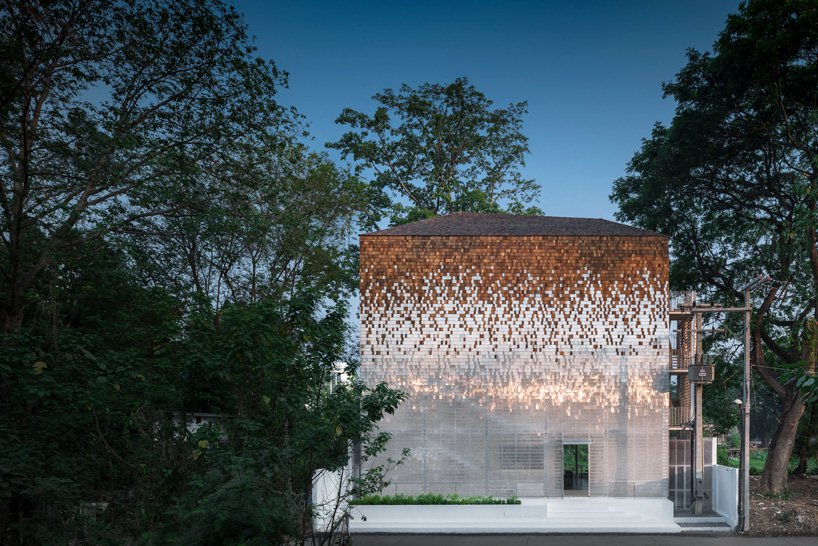
A 14-room riverside hotel where Department of Architecture turns Chiang Mai’s traditional timber shingles into a shimmering piece of contemporary craft.
Book now
Why DNA Hotels loves it
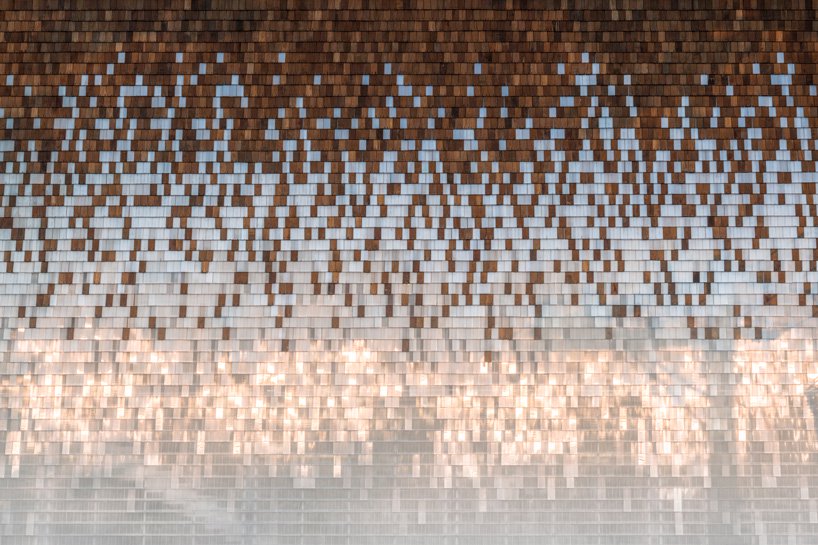
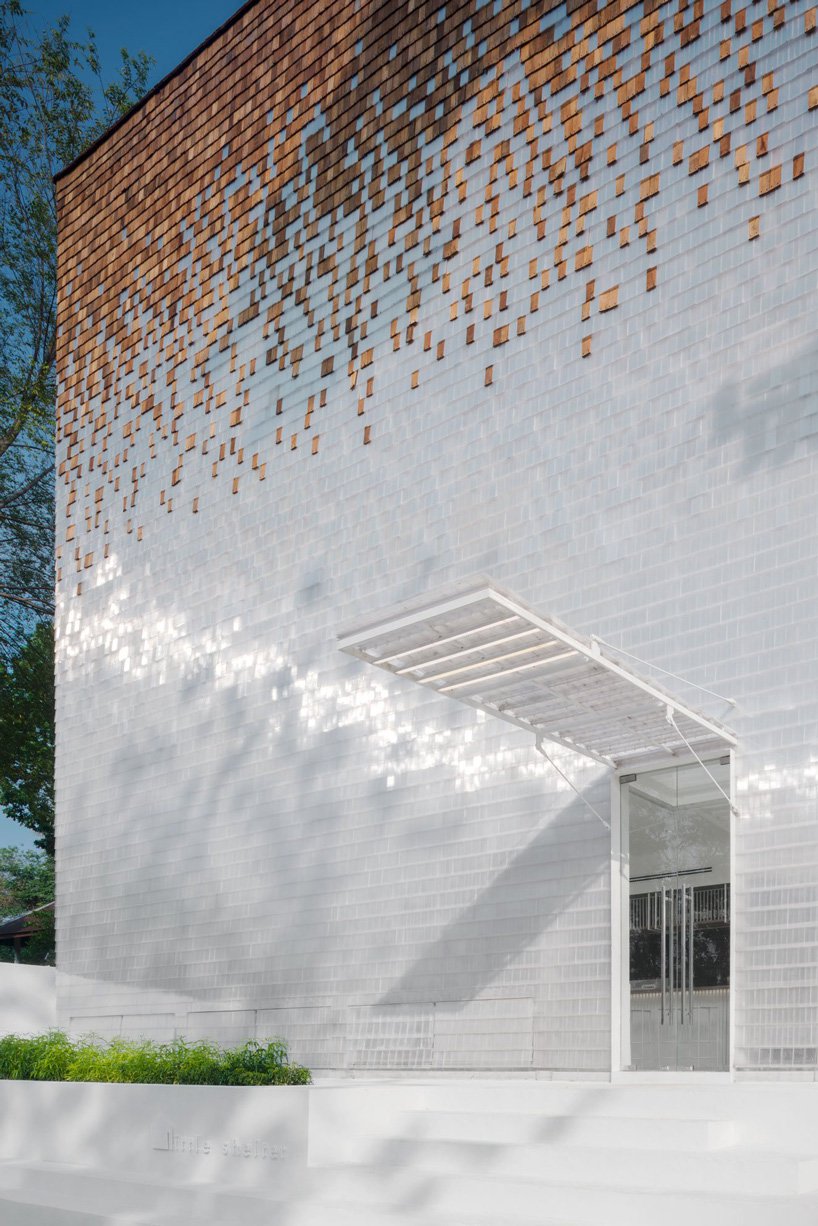
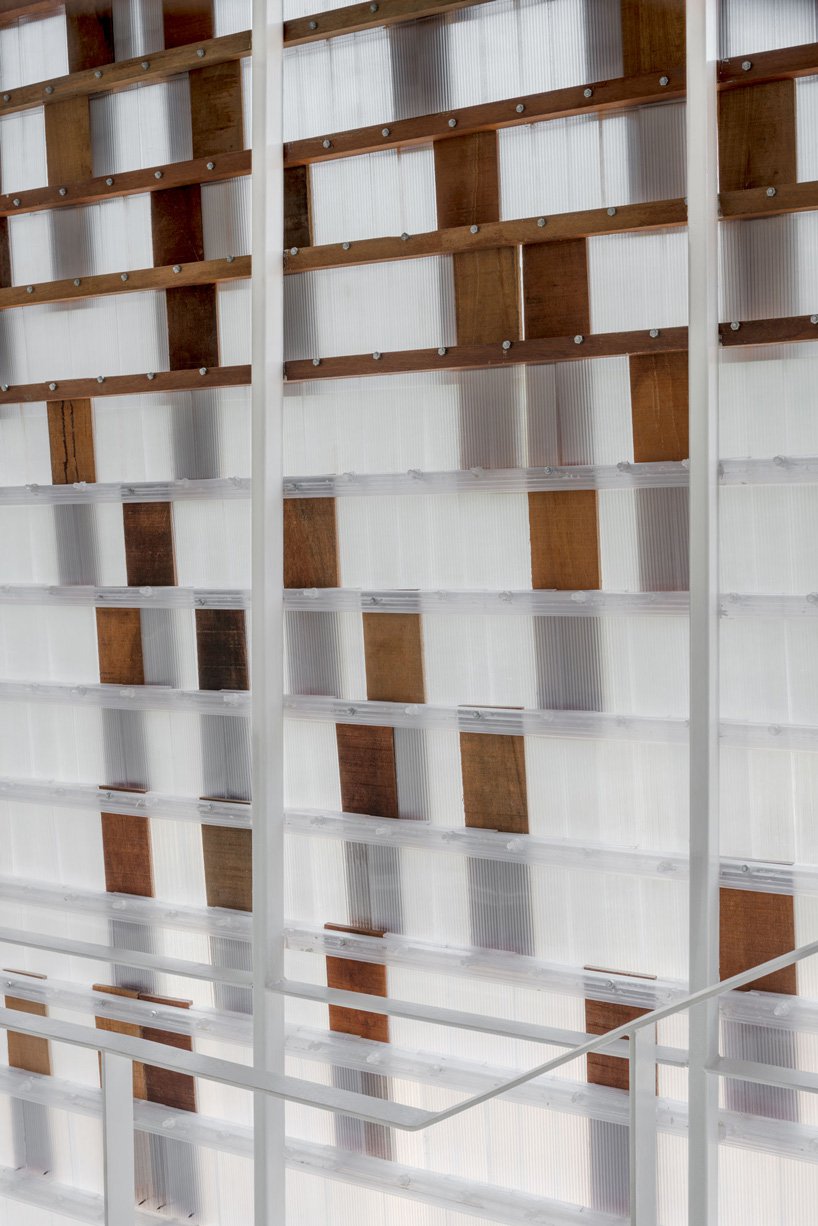
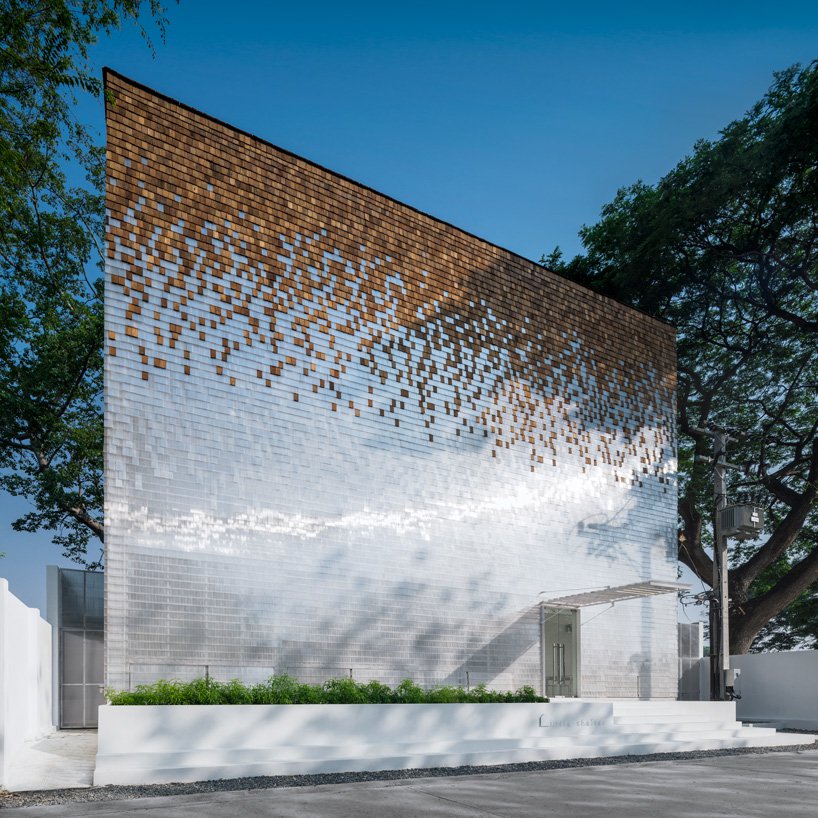
Bangkok-based Department of Architecture Co. reinterpreted Chiang Mai’s traditional timber-and-shingle architecture through a remarkable façade combining wood and translucent polycarbonate shingles.
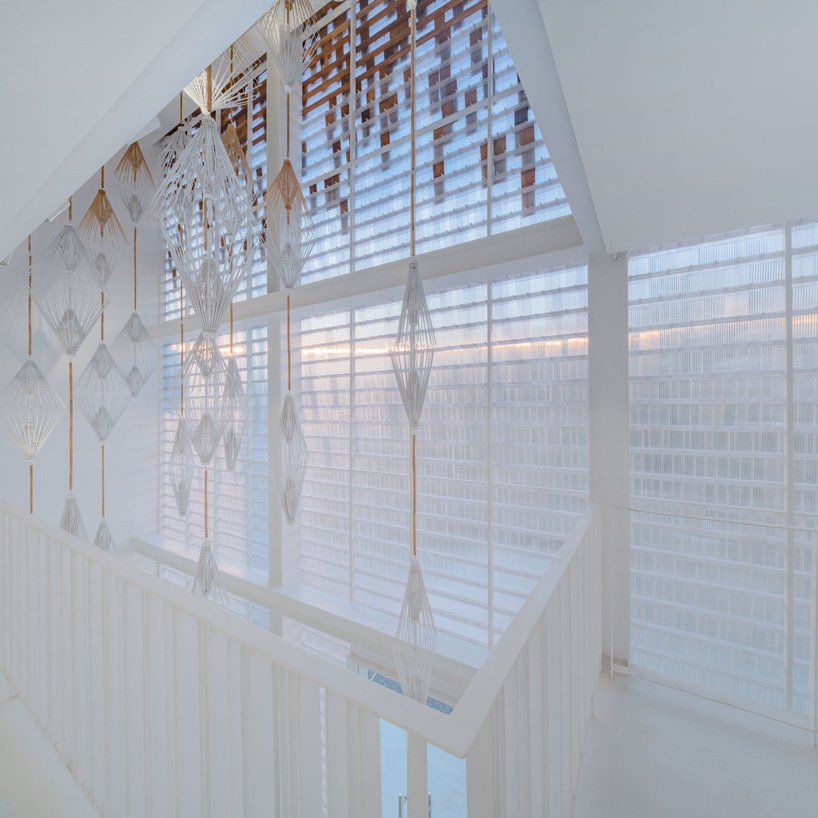
With just 14 rooms, the hotel takes an experimental approach to interiors, using mirrored surfaces, site-specific imagery and a spectacular installation inspired by Chiang Mai’s traditional Bo Sang umbrellas.
By day the façade changes with the sunlight; after dark the entire building becomes a glowing lantern beside the Ping River — a beautiful example of local architectural language transformed rather than simply reproduced.
The Stay
The Little Shelter – Chiang Mai, Thailand
A Little Building with a Big Idea
The Little Shelter begins with something very ordinary: a roof shingle. For centuries, Chiang Mai’s vernacular architecture was defined by timber structures topped with pitched, shingled roofs. When Bangkok studio Department of Architecture Co. designed this small hotel beside the Ping River, it didn’t attempt to recreate a traditional Lanna house. Instead, it took that familiar construction technique apart and asked what it might look like today. The result is one of Chiang Mai’s most intriguing contemporary hotel buildings.
Tradition, Made Translucent
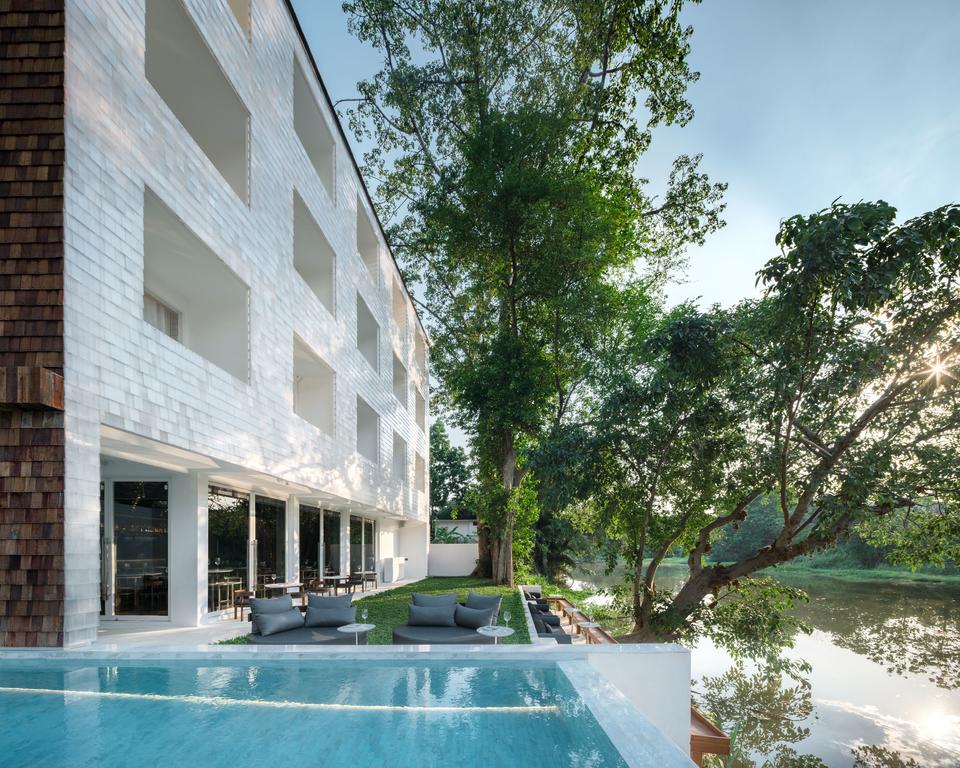
The asymmetrical roofline references the traditional hip roofs of northern Thailand while responding to the silhouettes of the mature trees surrounding the property. Then comes the clever part. Conventional wooden shingles cover sections of the roof and walls, but towards the river they gradually give way to polycarbonate pieces cut to exactly the same dimensions. Solid becomes translucent. To maintain the uninterrupted surface, the architects even developed details using translucent supporting elements and transparent fixings. What appears from a distance to be a simple shimmering skin is therefore an unusually intricate piece of construction. It is architecture treated almost like craftwork.
A Lantern on the Ping
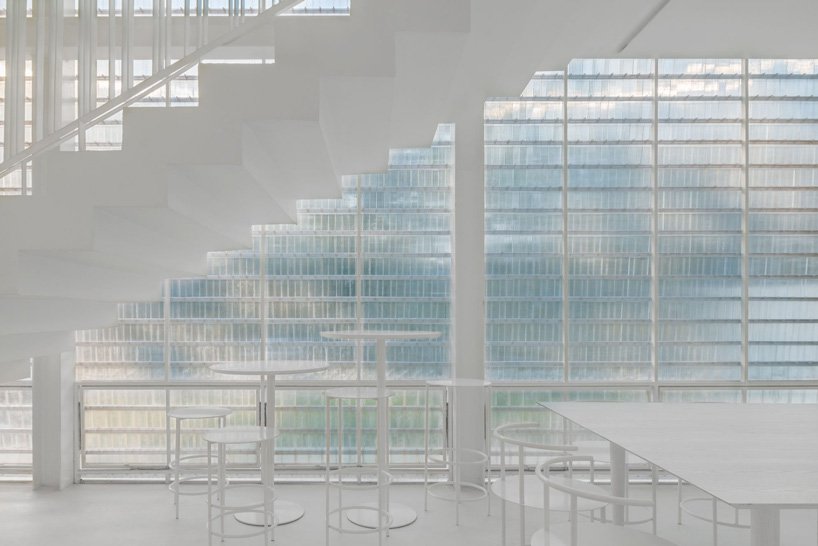
The façade never looks quite the same twice. During the day, sunlight catches the different grains and degrees of transparency in the timber and polycarbonate, causing the exterior to shift between solidity and translucence. Light filters through the skin into the spaces behind it. After sunset, the effect reverses. Interior light passes outward through the translucent shingles and the building begins to glow beside the river like a lantern. It is a wonderfully simple architectural trick — and an excellent example of innovation emerging directly from a local building tradition.
Umbrellas in the Lobby
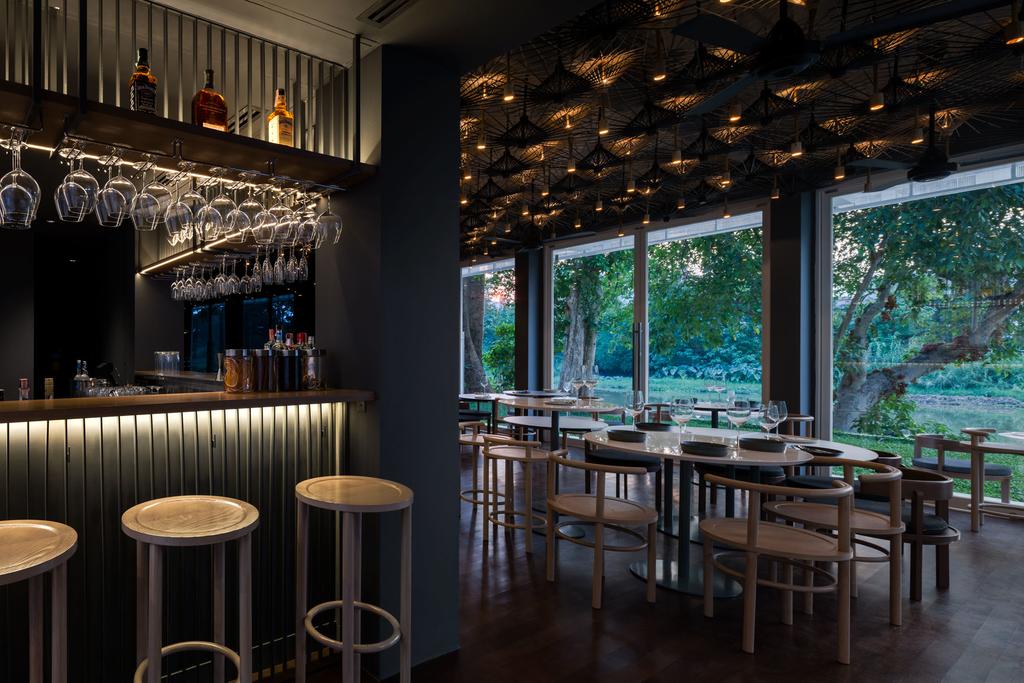
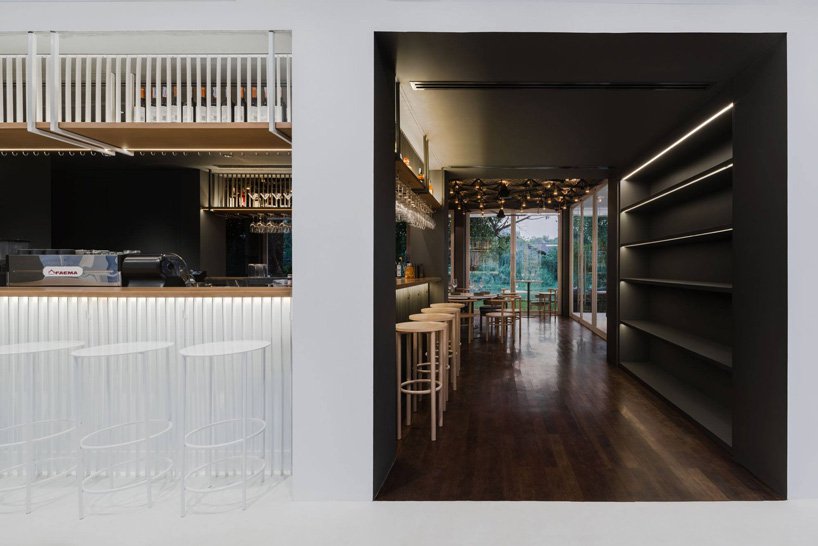
Inside, the architects become considerably more playful. The lobby is deliberately stripped back, with white surfaces and smooth cement floors creating an almost gallery-like backdrop for an enormous suspended installation inspired by Chiang Mai’s famous Bo Sang bamboo umbrellas. Hundreds hang overhead, turning another familiar piece of northern Thai craftsmanship into something architectural in scale. The installation leads guests from the bright lobby and café towards the restaurant and bar, where the atmosphere changes dramatically. Here, darker walls, timber flooring and circular furniture create intimacy while directing attention towards the greenery and Ping River beyond. The river becomes the artwork.
Fourteen Surreal Rooms
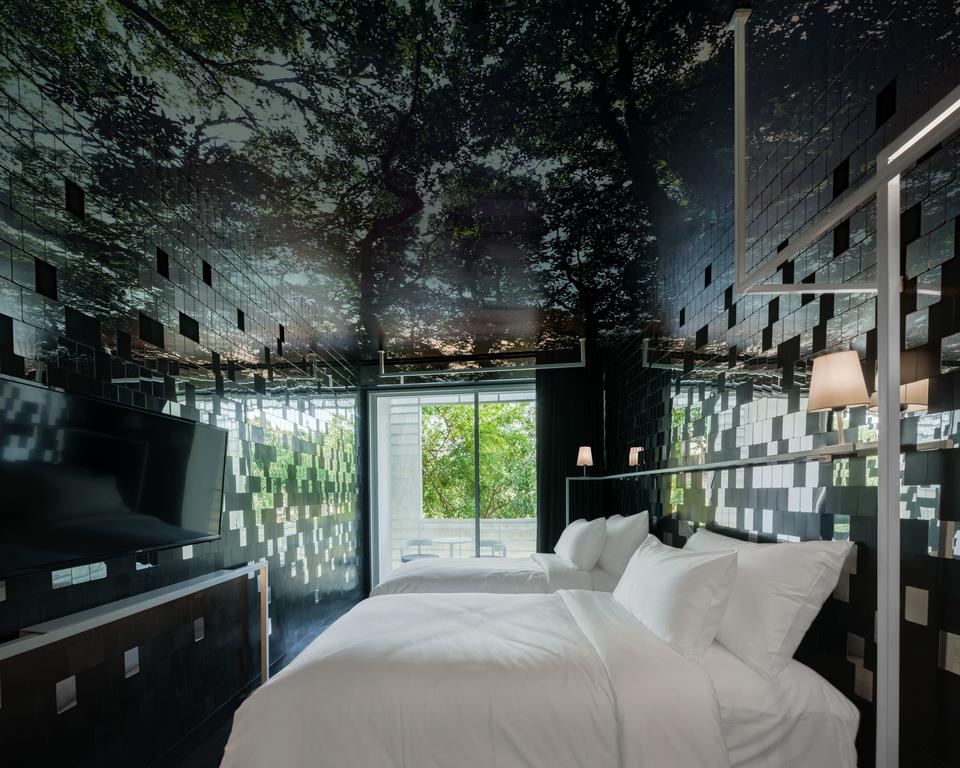
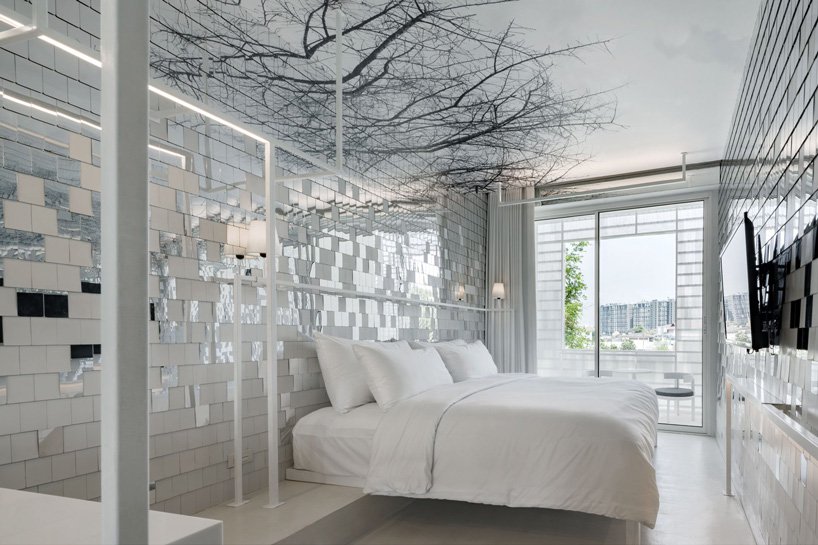
The 14 guestrooms introduce yet another interpretation of Chiang Mai. Instead of relying on generic Thai decorative motifs, each uses imagery associated with the city and surrounding landscape — ancient walls, pine forests or the celebrated floating-lantern festival. Large photographic compositions extend across the ceiling. The two long walls are clad in small mirrored acrylic shingles, endlessly reflecting the imagery above and dissolving the apparent boundaries of the room. Combined with geometric metal frames, the effect can become surprisingly surreal. The exterior may be rooted in traditional architecture, but the guestrooms make it clear that The Little Shelter isn’t interested in nostalgia. It wants guests to see Chiang Mai from another angle.
The River Takes Over
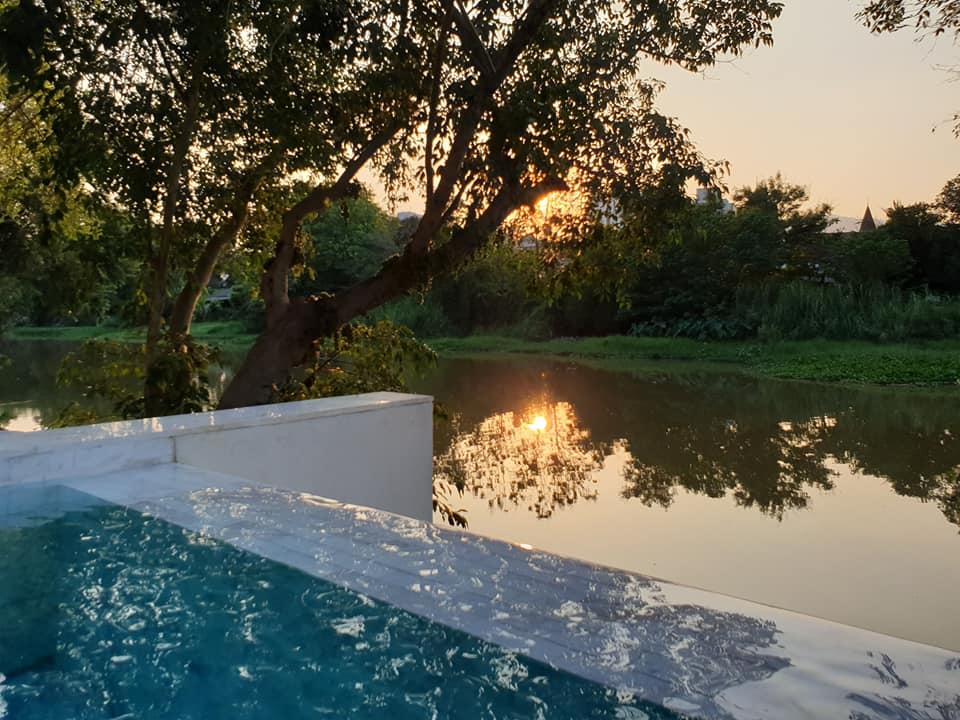
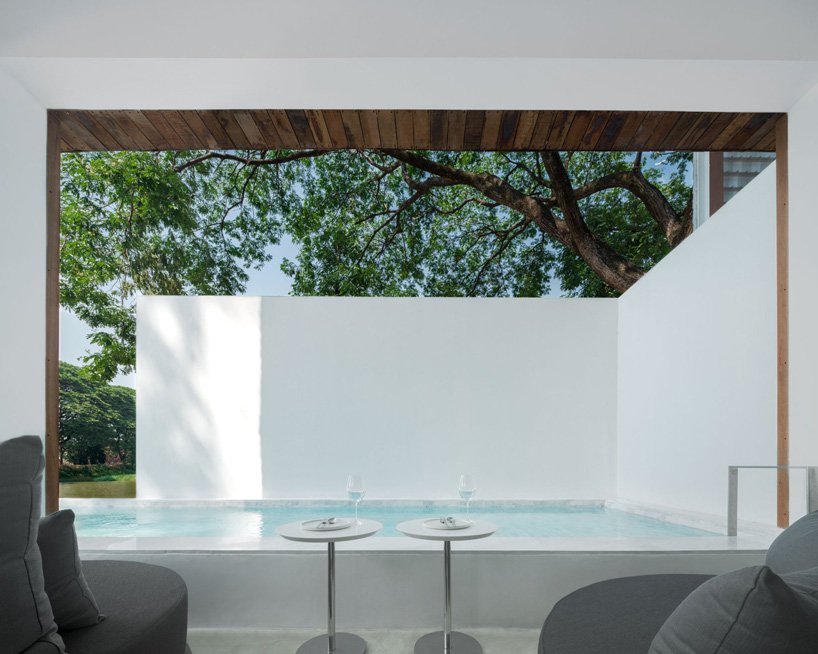
For all the architectural experimentation, one of the hotel’s greatest assets required no design at all. The Ping River flows directly alongside the property, surrounded by mature trees despite the hotel’s proximity to central Chiang Mai. A pool and circular daybeds create a relaxed outdoor counterpoint to the more conceptual interiors, while the roof itself has been partially carved away to form a deck overlooking the river. Come sunset, this is where the architecture finally steps aside. After a day exploring Chiang Mai’s temples, markets and extraordinary food scene, there is little need for anything more complicated than sitting above the river and watching the light disappear.
Why It Works
The Little Shelter demonstrates the difference between copying local architecture and actually engaging with it. Department of Architecture started with something deeply familiar — Chiang Mai’s wooden shingle — and changed the material rather than abandoning the idea. That single move generated the building’s identity, its changing relationship with daylight and its memorable nighttime presence. The Little Shelter doesn’t preserve Lanna architecture in amber. It takes its materials, craft traditions and familiar forms and pushes them somewhere new — resulting in a tiny 14-room hotel that feels unmistakably Chiang Mai and unmistakably contemporary at the same time.
Information
At a glance
Architecture
Opened / Renovated
2019
Size matters
14 rooms (22-42m2) (237-452 sq ft)

Featured in
Don't take our word for it

Handpicked worldwide
A carefully curated collection of exceptional boutique and design hotels across the globe.
Design with soul
Architecture, atmosphere and craftsmanship come together in stays with a clear identity.
Hidden, not hyped
Independent boutique hotels you rarely find on mainstream booking platforms.
Travel guidance
Personal recommendations and thoughtful support from people who actually know the places.