Borneo Goes Urban

A design-led city hotel translating the landscapes, materials and creative culture of Borneo into a distinctly urban home.

Book now

Why DNA Hotels loves it

Malaysian studio Seshan Design transformed a former office building into a contemporary hotel rooted in Sabah, with local timber, stone, art and craftsmanship replacing generic tropical-hotel clichés.

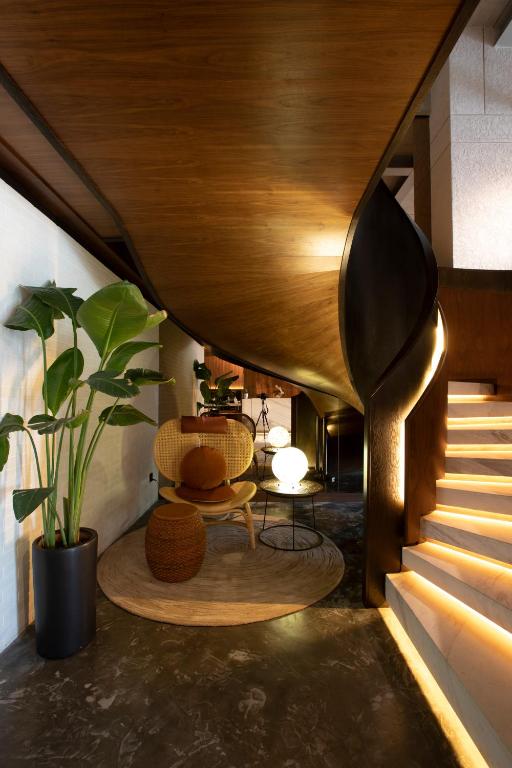
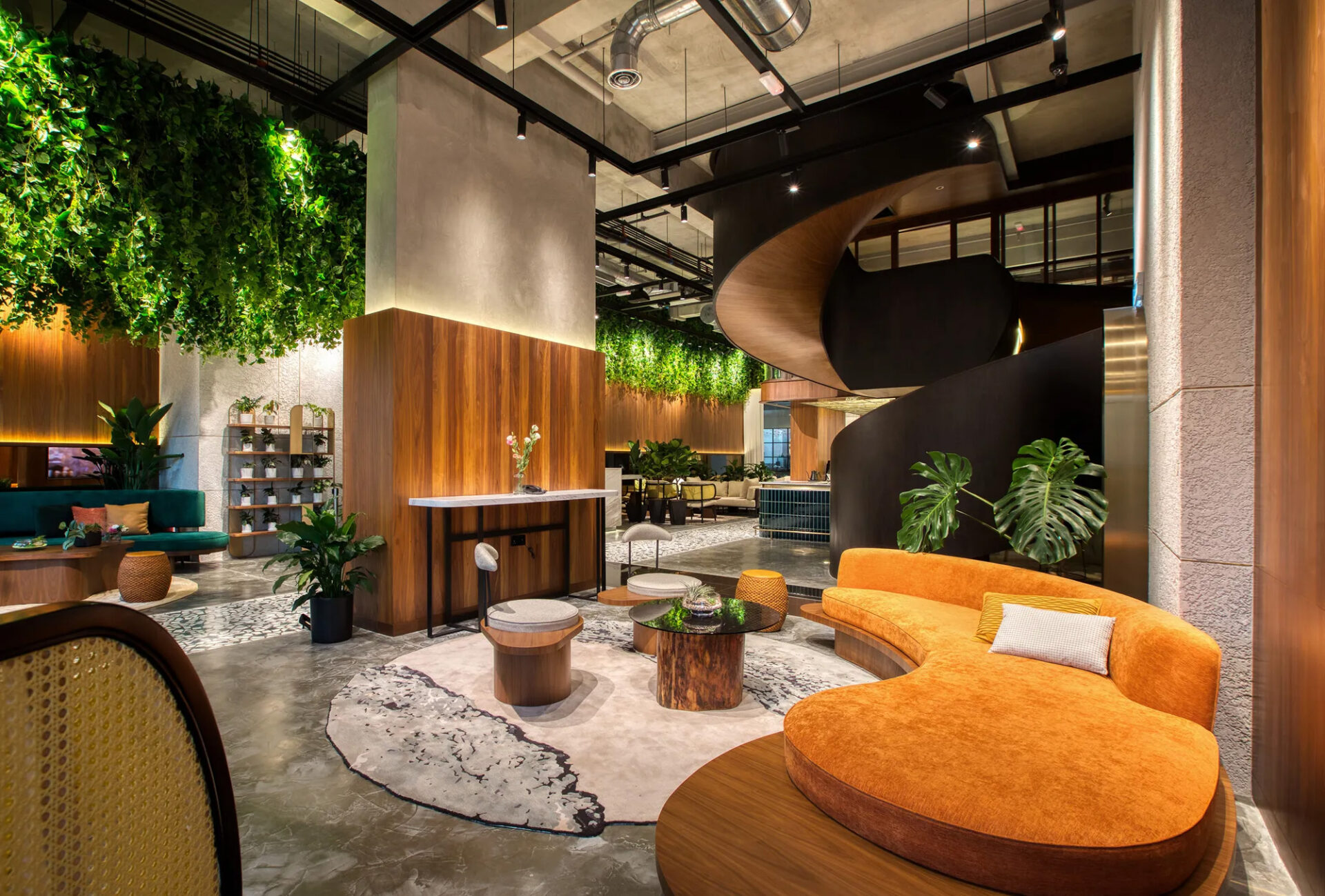
The sculptural spiral staircase made from Sabahan wood is the centrepiece, conceived as a tree rising through the lobby and inlaid with white marble as a meeting of local and outside worlds.

Food, coffee, art and music are deliberately used to connect travellers with Kota Kinabalu’s creative scene, making the ground floor as relevant to locals as it is to hotel guests.

The Stay

A design-led Kota Kinabalu hotel translating Sabah’s materials, craftsmanship, food and creative culture into a distinctly urban take on Borneo.

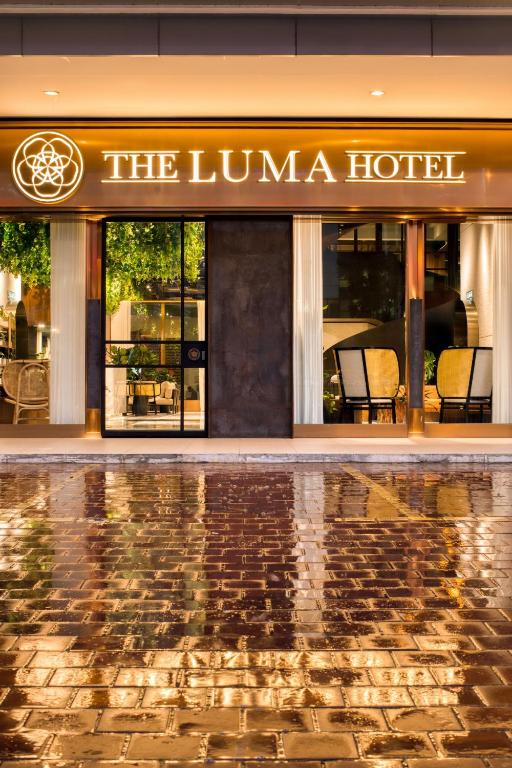
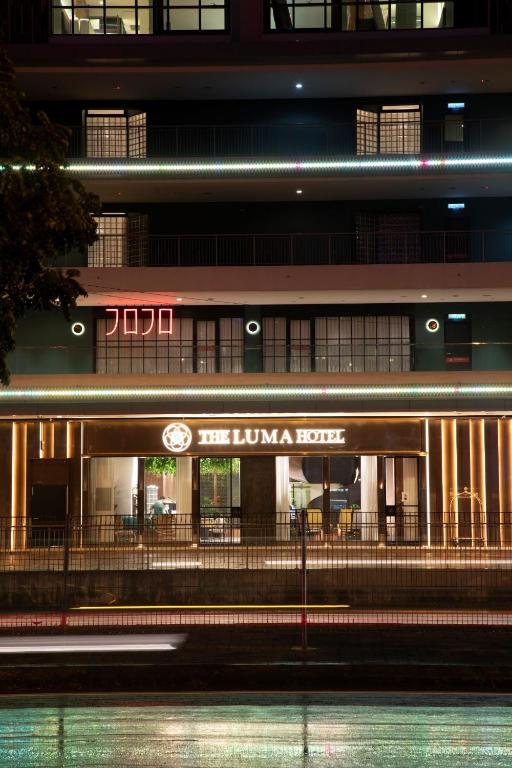
Borneo tends to arrive with a fairly predictable set of travel fantasies attached: rainforest, orangutans, beaches and preferably something involving a boat. The Luma Hotel offers a useful reminder that the world’s third-largest island has cities too. In central Kota Kinabalu, local firm Seshan Design has transformed a former office building into a contemporary hotel that connects Sabah’s landscapes and cultural identity with the increasingly creative character of the city. Its name comes from the Bajau word for “home”, and that idea runs throughout the project. This isn’t Borneo recreated as resort décor. It is Borneo interpreted by people who actually live here.

A Tree Grows in the Lobby

The defining architectural gesture is impossible to miss. A sweeping spiral staircase constructed from local Sabahan timber rises through the lobby like the trunk of a giant tree. White marble inlays within its steps symbolise the meeting of Sabah and the outside world, while locally polished concrete floors reference Mount Kinabalu. Even the building’s western façade gets involved: rose-gold details catch the changing light of Sabah’s famously dramatic sunsets. There is plenty of symbolism, but thankfully the result doesn’t feel like an anthropology lesson. The materials work aesthetically even if you never read the explanation.

A Lobby Made for Kota Kinabalu

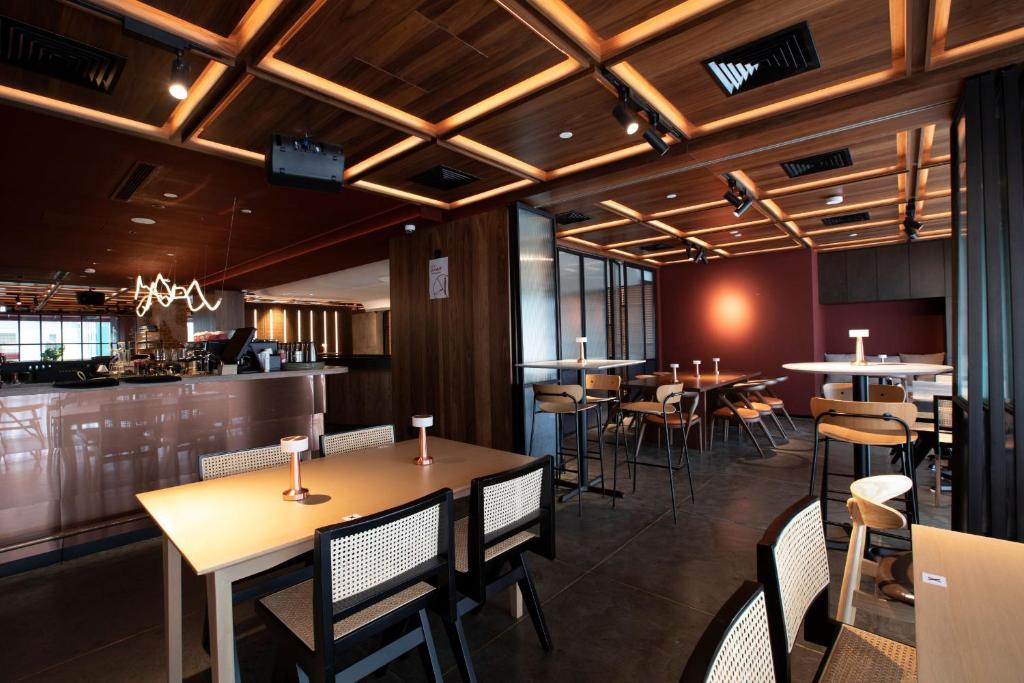
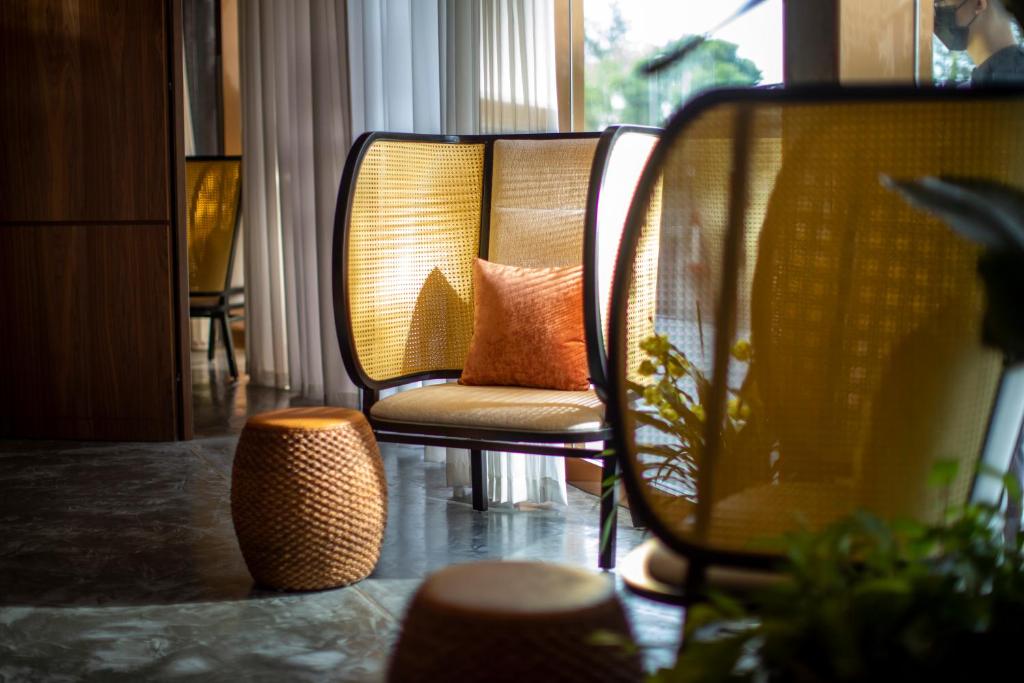
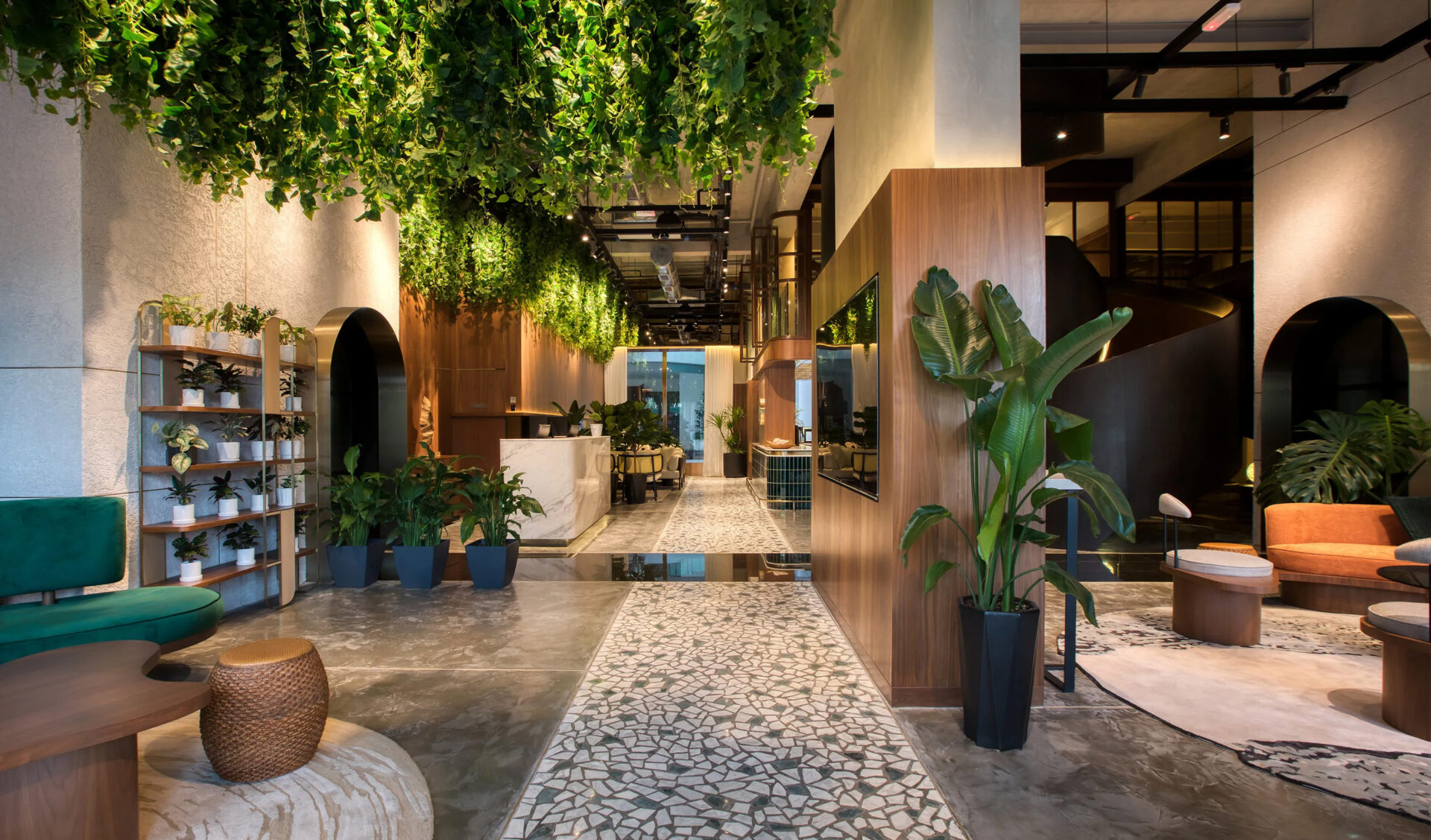
Rather than filling the ground floor with the usual anonymous hotel furniture, Luma treats it as a social space for the city. Large modular sofas in saturated greens and oranges sit among abundant planting, while exhibitions of local art change over time. The soundtrack is curated by Sabahan musicians. The coffee comes from local roaster Crack Inc. These may seem like small decisions, but collectively they give the hotel something much harder to specify on an interior-design mood board: a sense of where you actually are. It also makes the lobby somewhere worth spending time. Always helpful in a hotel.

Calmer Upstairs

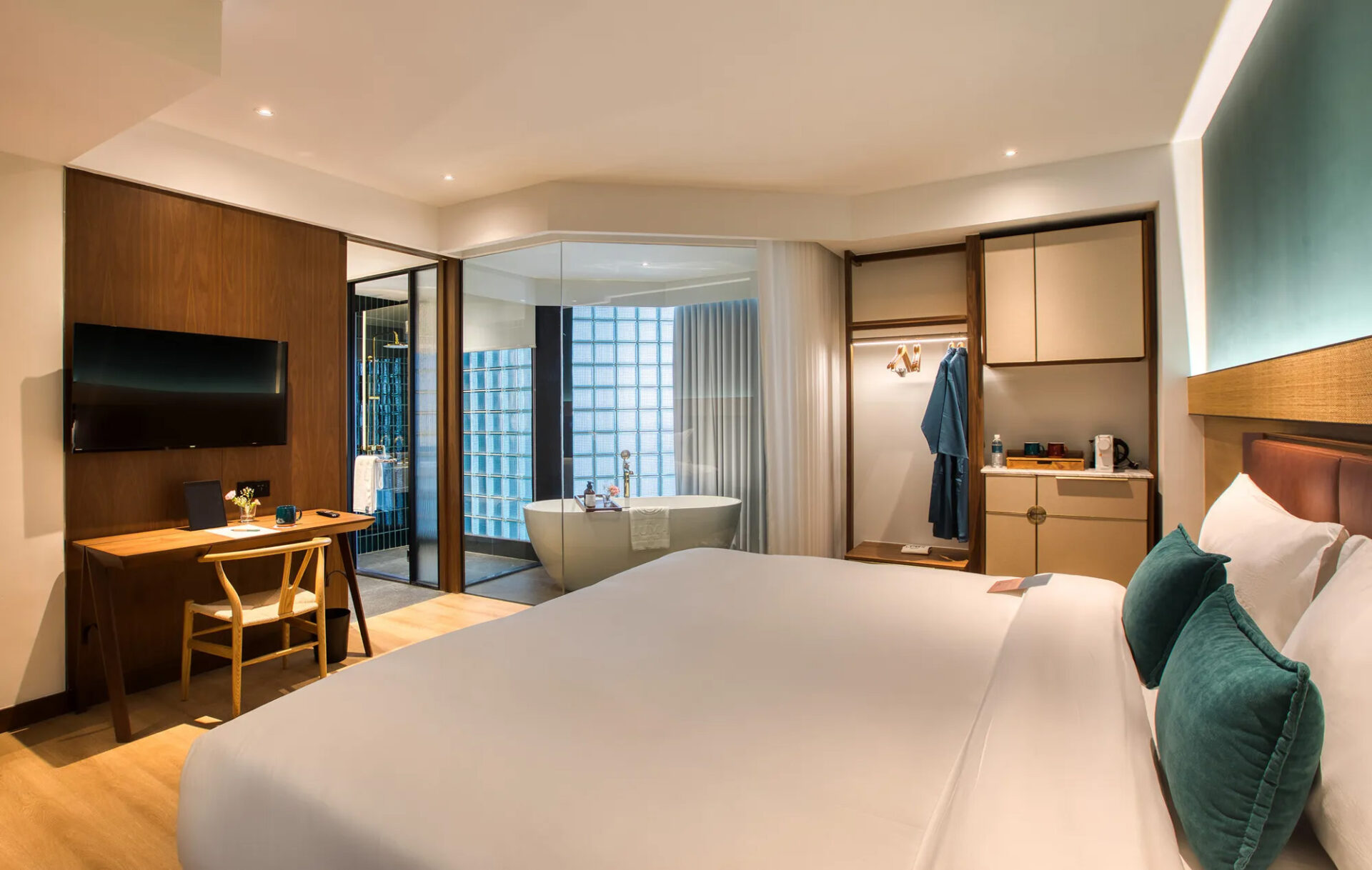
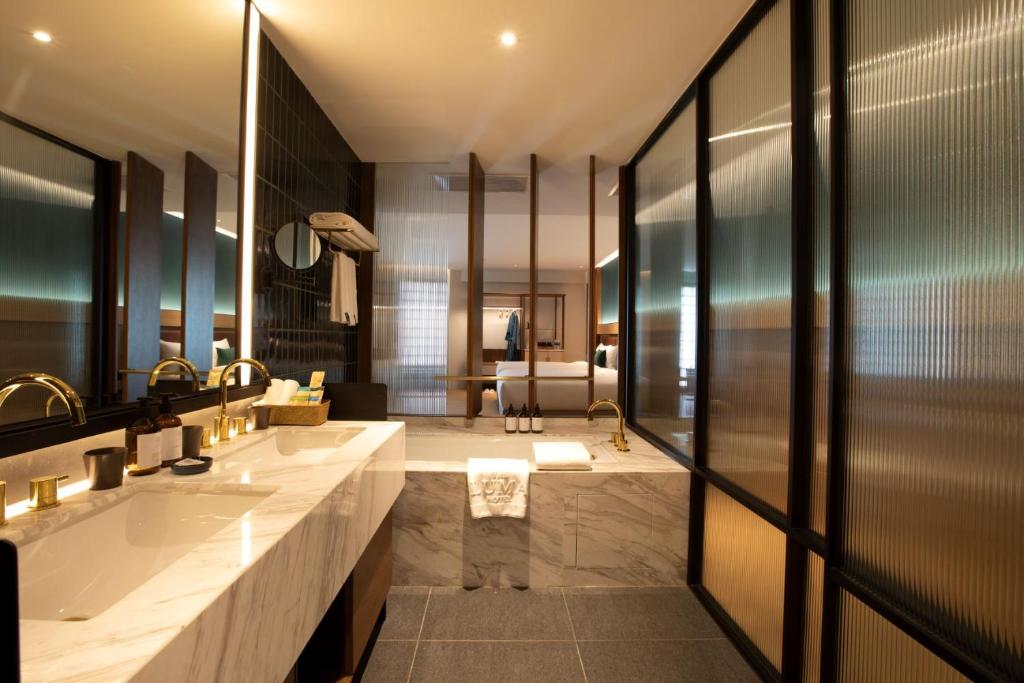
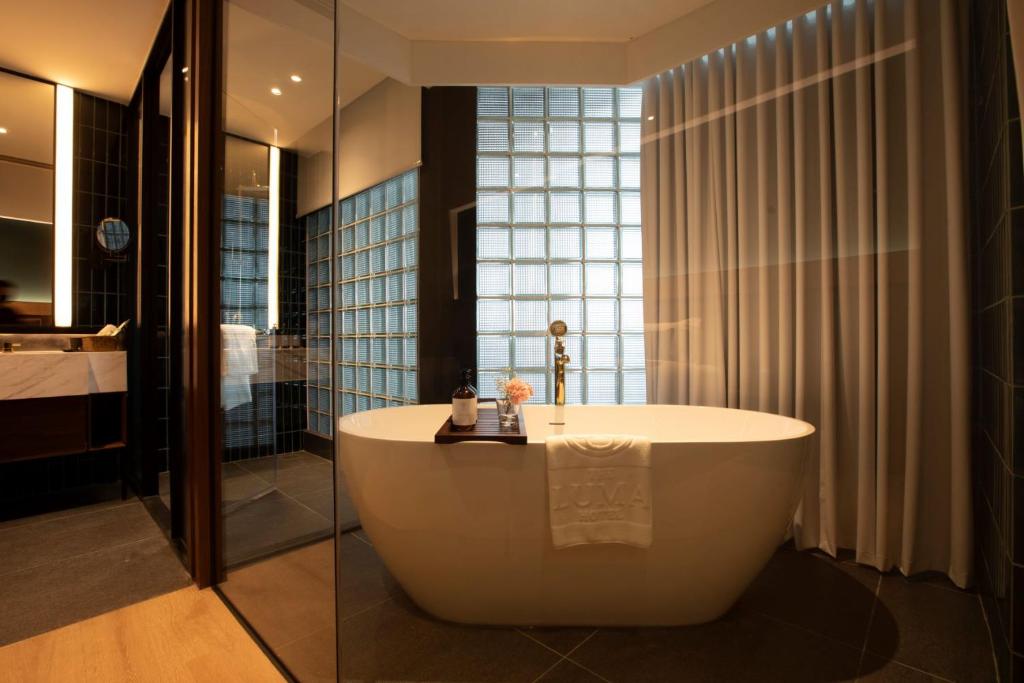
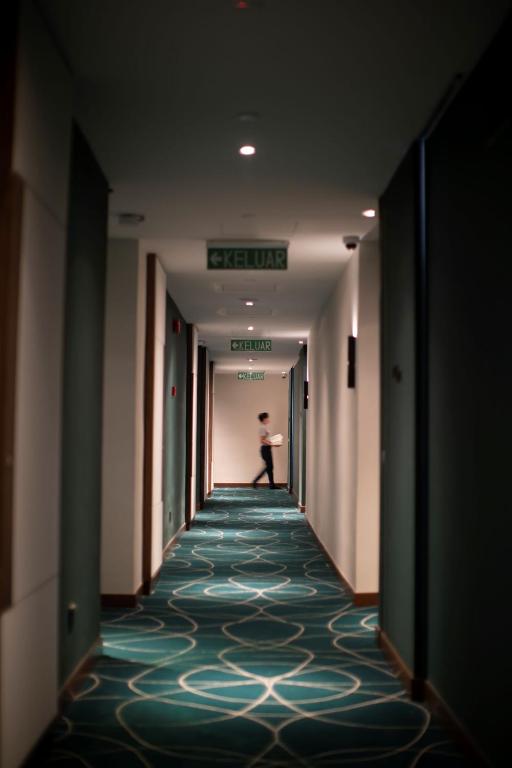
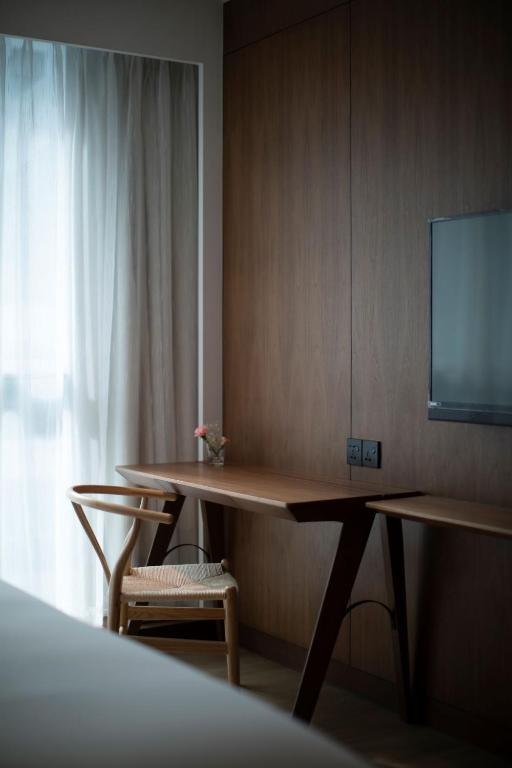
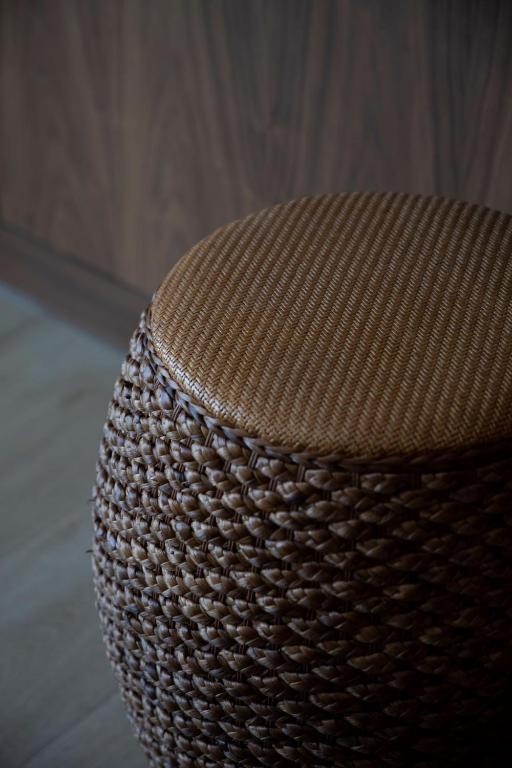
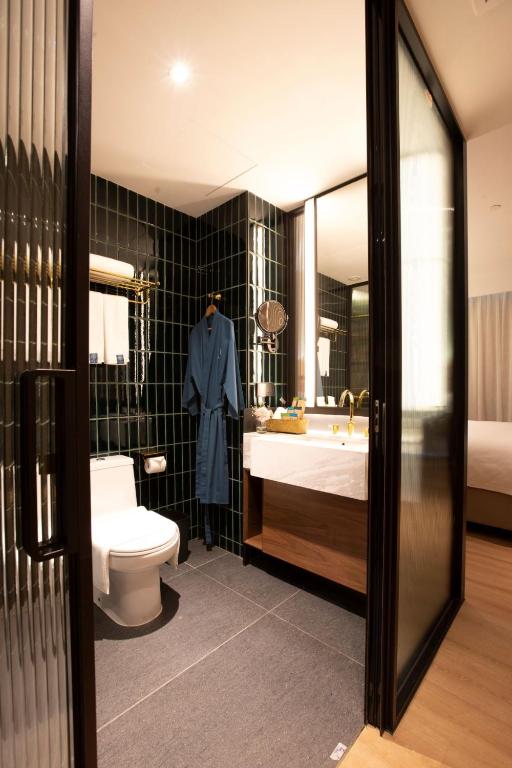
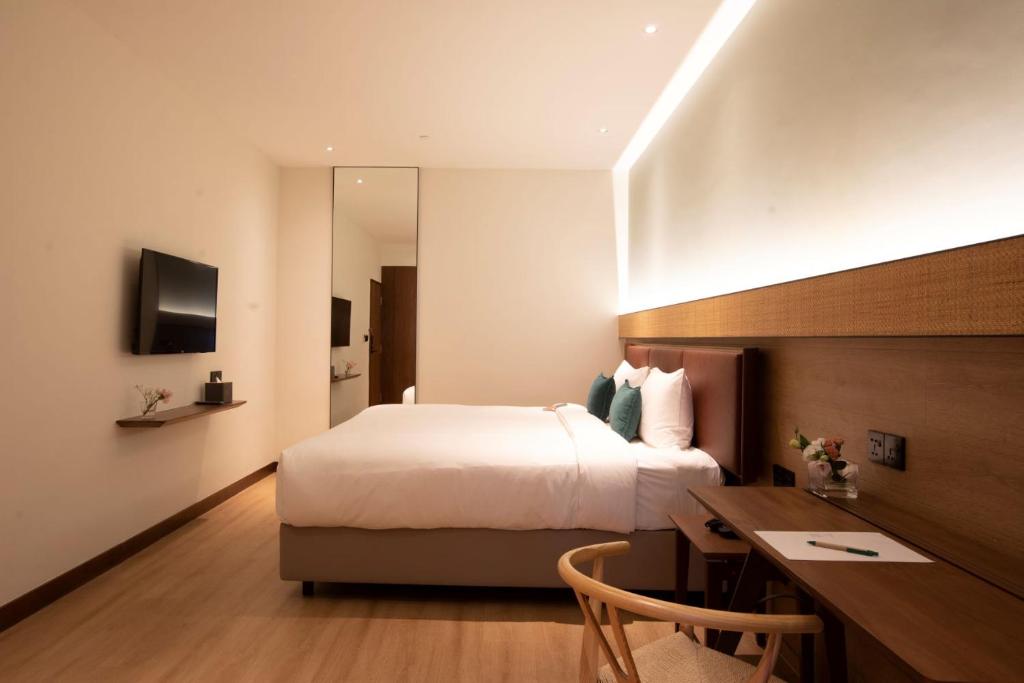
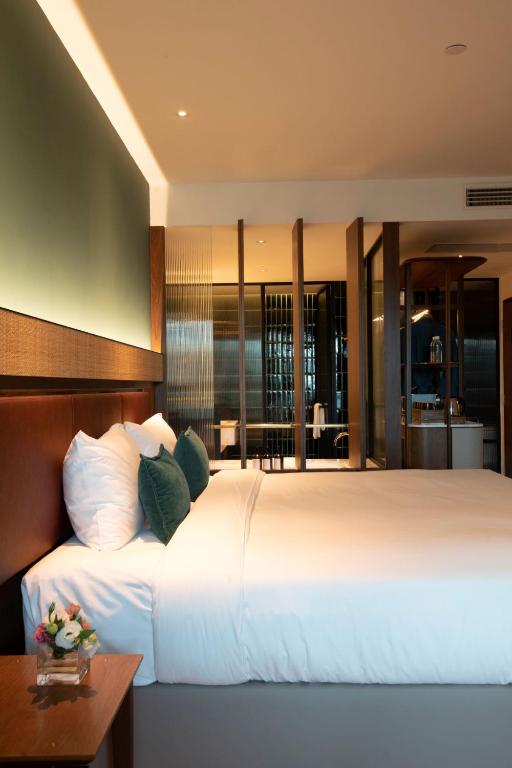
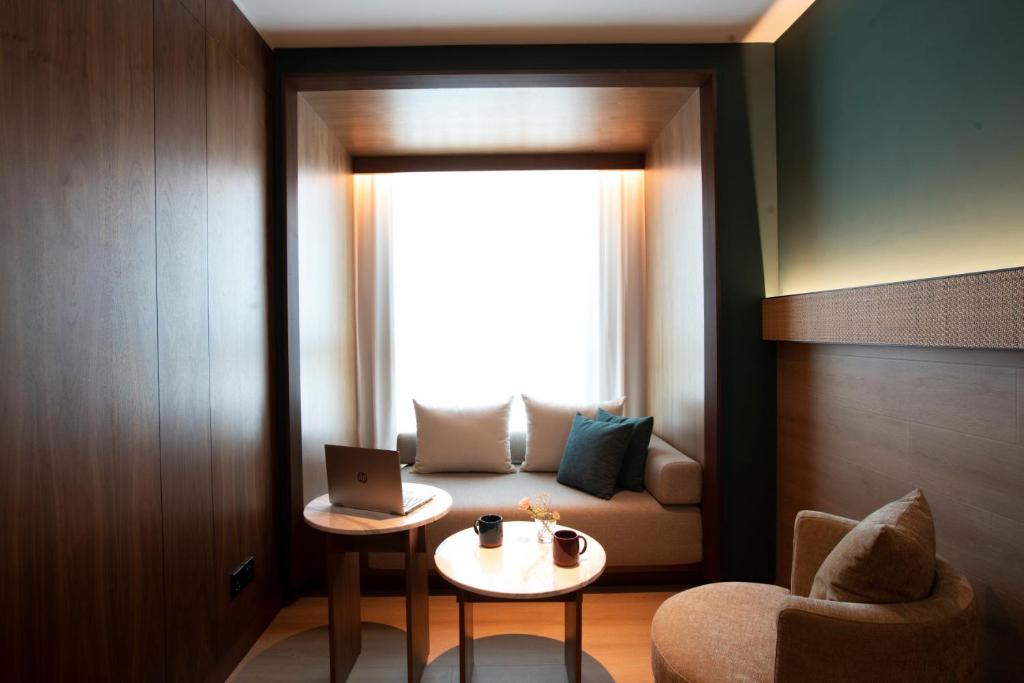
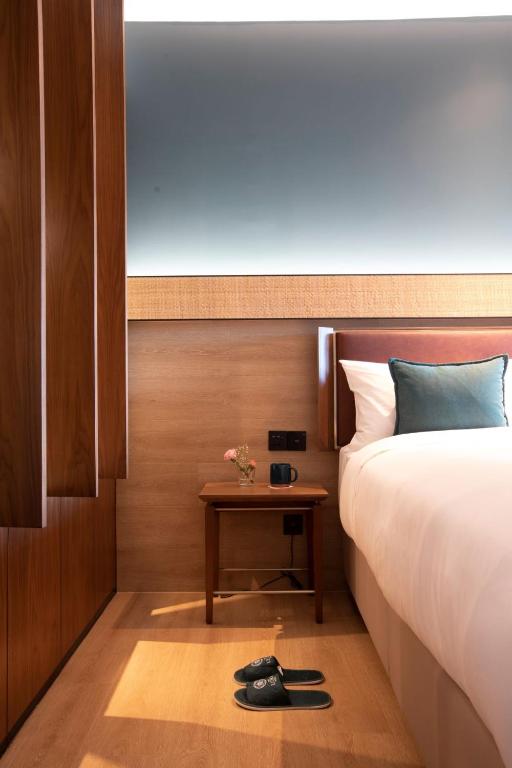
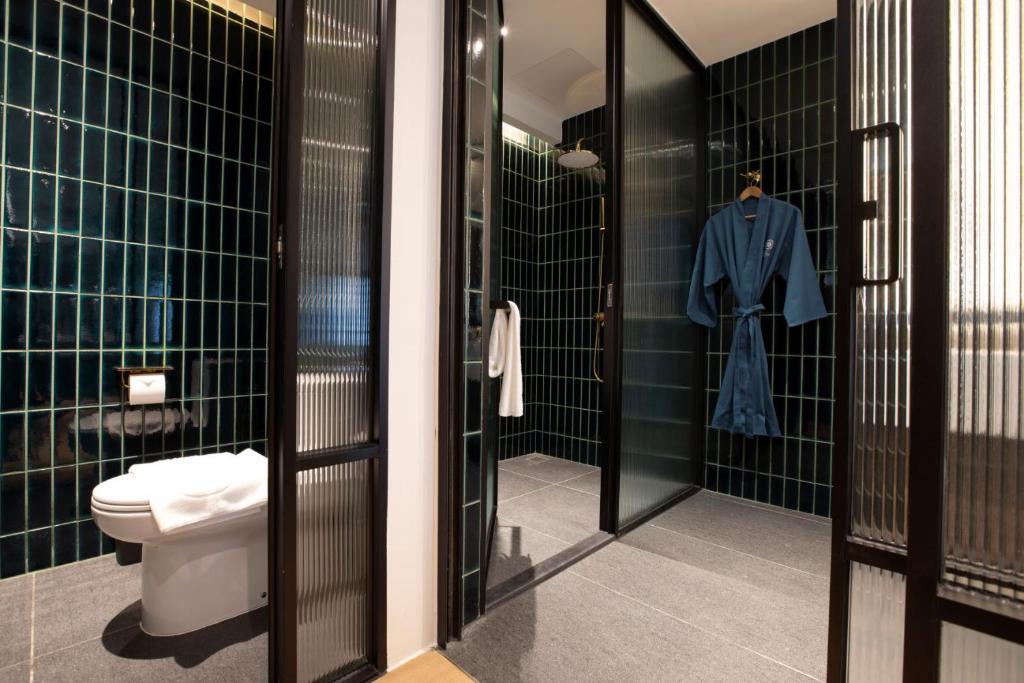
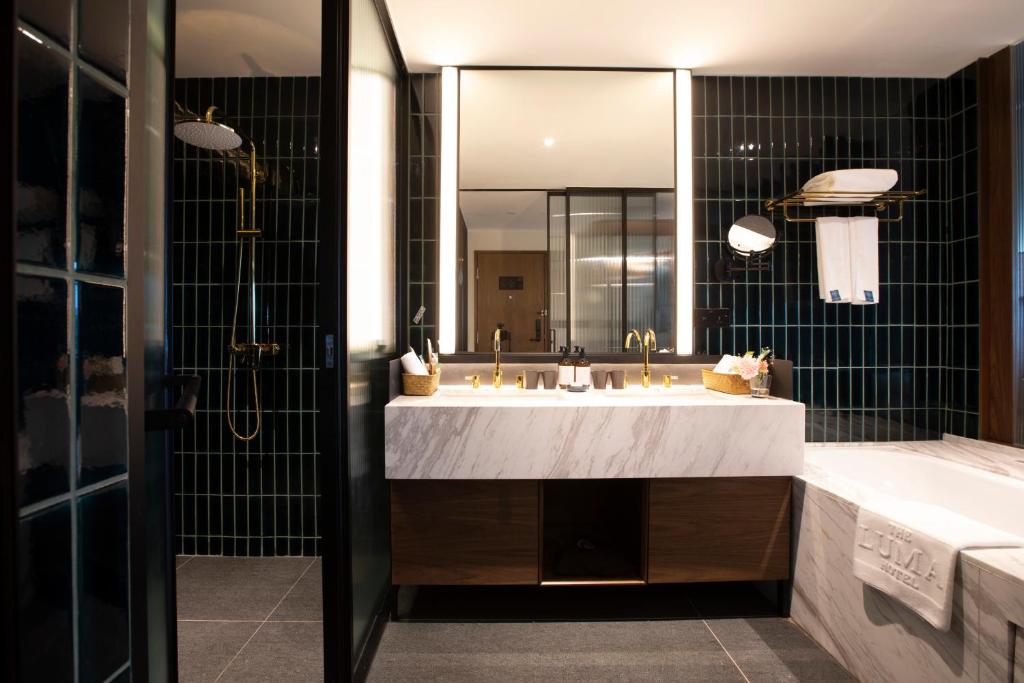
The guestrooms deliberately turn down the volume. Seshan Design switches to a quieter language of Japanese-influenced simplicity, curved timber surfaces, pale oak floors, raffia headboards and earthy colours. Bespoke wardrobes are made from Sarsi wood, while etched-glass doors and pivoting panels separate bedrooms from bathrooms lined in glossy deep-green tiles. Open the panels and bathrooms connect visually with the skyline; higher rooms pick up glimpses of the sea beyond the city. Smaller rooms are genuinely compact, but the restrained material palette prevents them from feeling overfilled. Larger categories add desks and separate sitting areas without abandoning the same calm approach.

Come for Dinner, Stay the Night

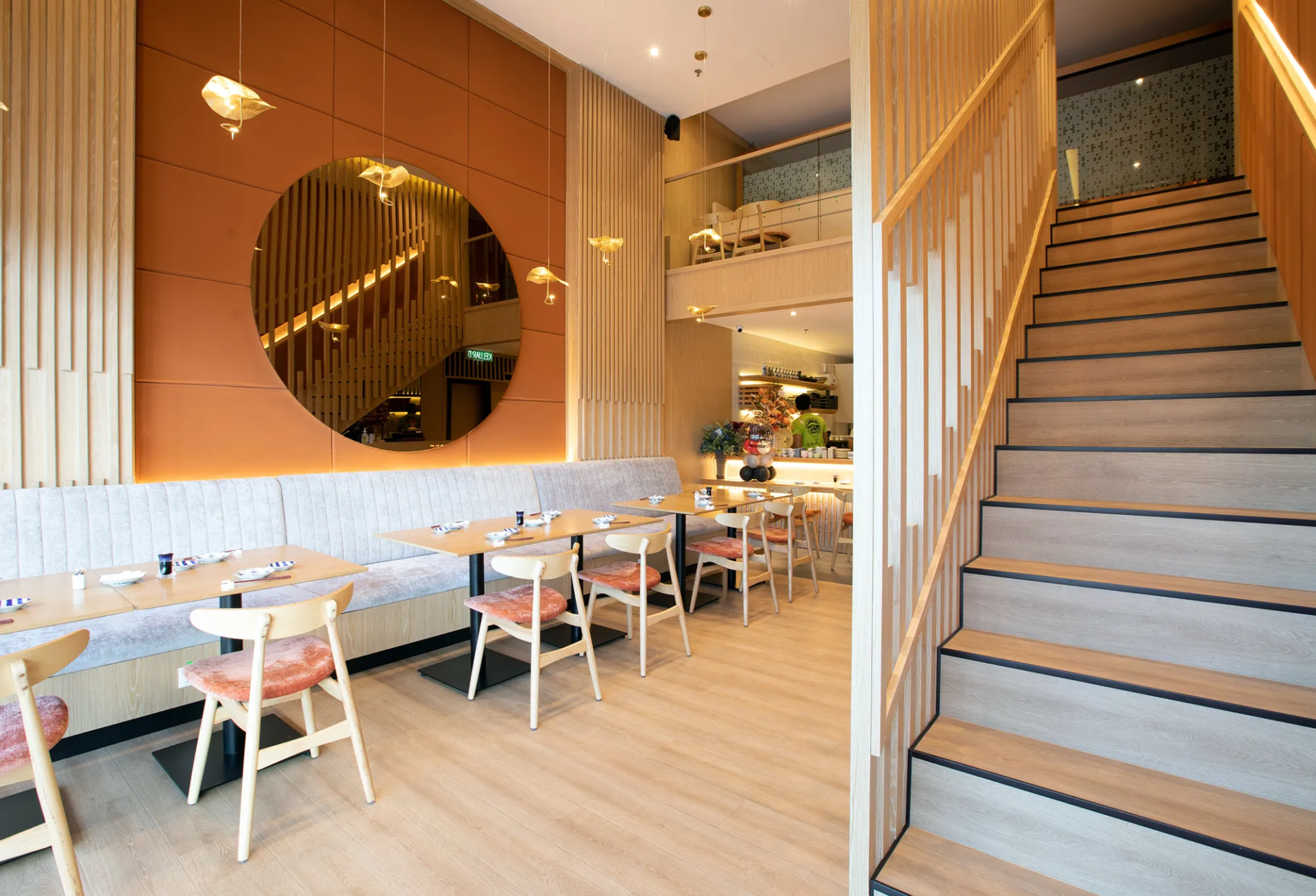
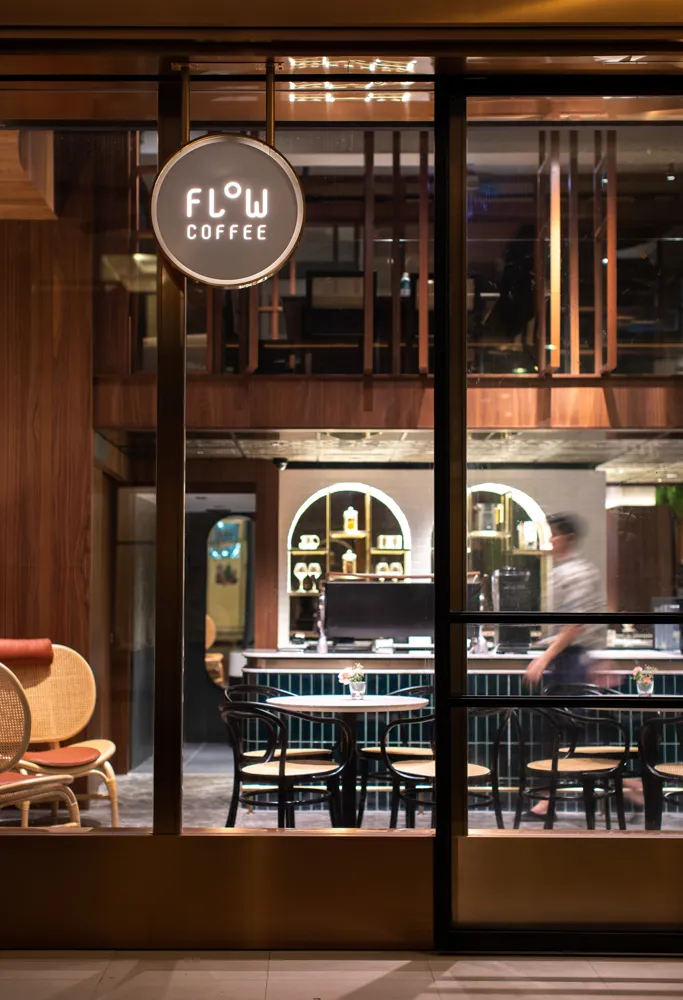
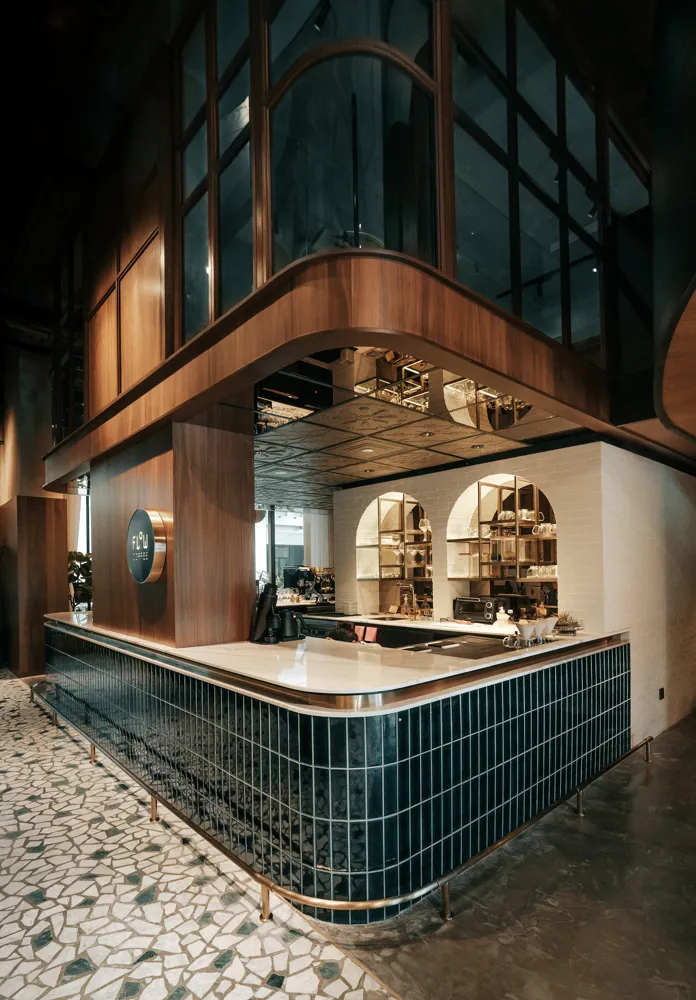
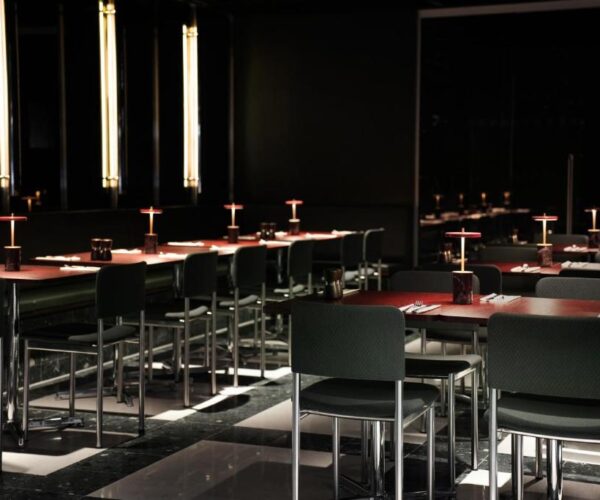
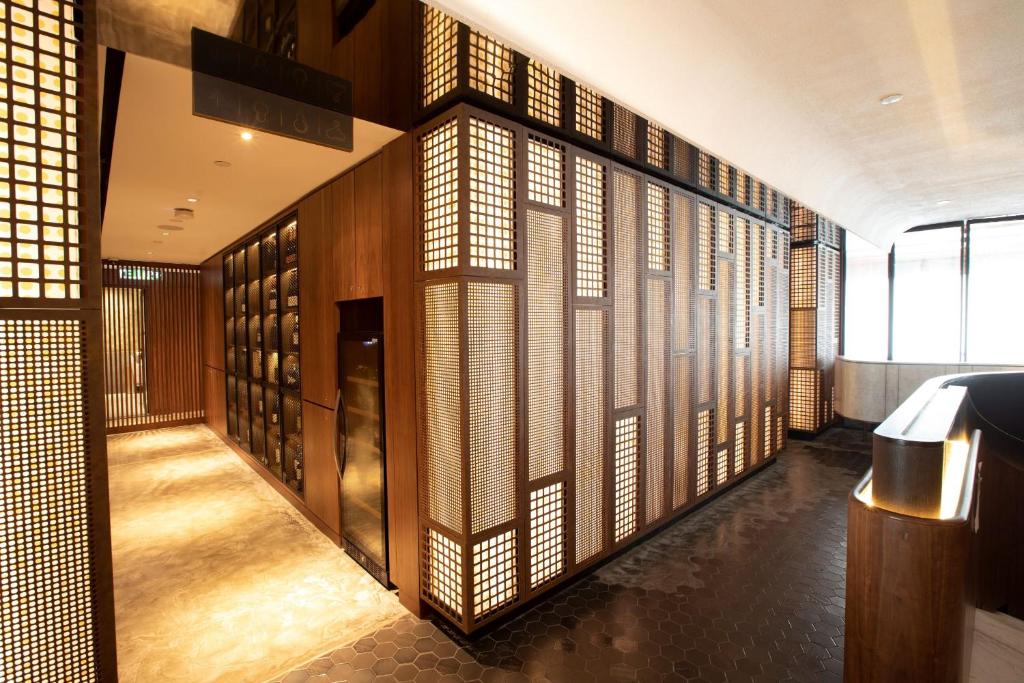
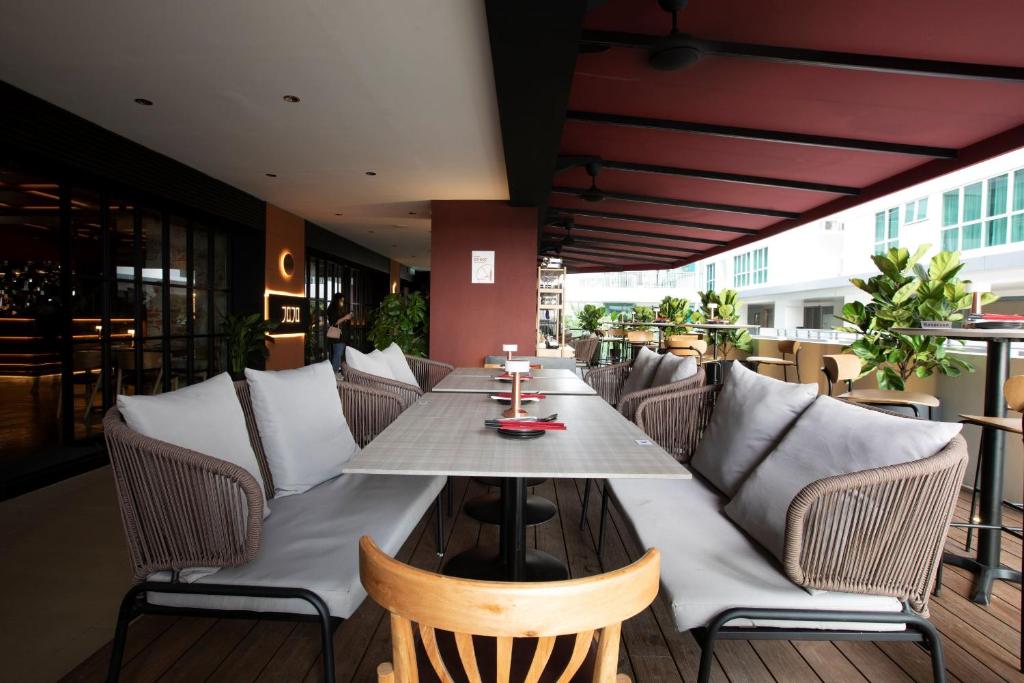
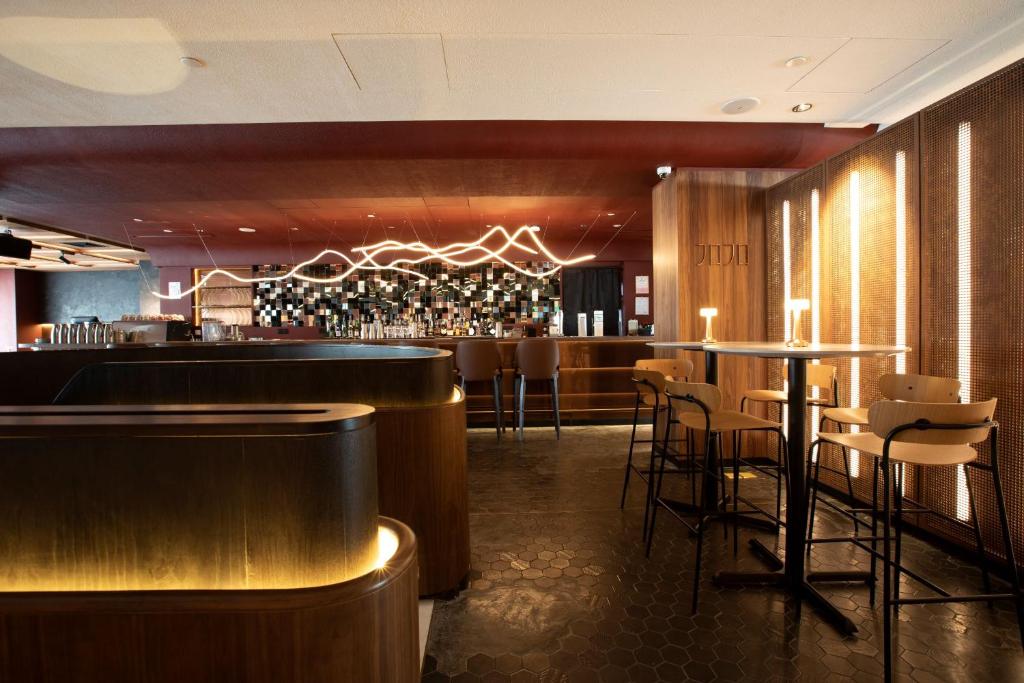
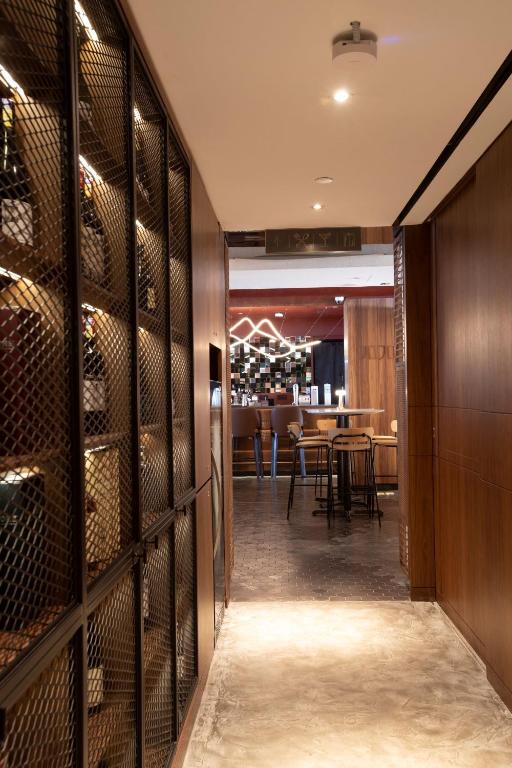
Luma rather nicely describes itself not as a hotel with restaurants, but as a dining destination with guestrooms. It sounds like marketing until you see how much of the building is given over to eating and drinking. JoJo Gastrobar serves modern Asian food alongside cocktails, Hinode focuses on traditional Japanese cooking, Fish Market brings a more casual Chinese hotpot experience, and Flow Coffee showcases beans from Crack Inc. Crucially, these aren’t conceived simply as hotel outlets charging captive-tourist prices. The restaurants are intended to attract Kota Kinabalu residents as well, helping the hotel function as a genuine meeting point between locals and visitors. That makes the food and drink more than an amenity. It is part of the hotel’s identity.

A Different Side of Sabah

Kota Kinabalu is often treated as somewhere travellers pass through on their way to Sabah’s more spectacular natural attractions. Luma makes a convincing argument for spending some time in the city itself. Its location gives easy access to urban Kota Kinabalu, while the wider landscapes that define Sabah remain within reach. The clever part is that the hotel doesn’t attempt to bring the rainforest indoors with fake vines and tribal motifs. Instead, connections to Borneo appear through timber, stone, planting, craftsmanship, food, music and contemporary local culture.

Why It Works

The Luma works because its sense of place comes from specifics rather than stereotypes. Sabahan timber. A Kota Kinabalu coffee roaster. Local artists and musicians. Materials referencing Mount Kinabalu. Restaurants designed to attract the people who live around them. Seshan Design has taken an unremarkable office building and given it an identity that is unmistakably contemporary but still belongs to Sabah. Downstairs, it is colourful, sociable and energetic. Upstairs, everything becomes quieter and more restrained. And perhaps most importantly, Luma shows another Borneo — not the one with the orangutan on the brochure, but a young, urban and creative one. For DNA Hotels, that’s considerably more interesting.

Information

At a glance

Design Independent Vibe: Social

Architecture

Seshan Design

Opened / Renovated

2016

Size matters

115 rooms & suites (23-51m2) (248-549 sq ft)

Interior design

Eagle + Hodges
Featured in

Don't take our word for it

Handpicked worldwide

A carefully curated collection of exceptional boutique and design hotels across the globe.

Design with soul

Architecture, atmosphere and craftsmanship come together in stays with a clear identity.

Hidden, not hyped

Independent boutique hotels you rarely find on mainstream booking platforms.

Travel guidance

Personal recommendations and thoughtful support from people who actually know the places.