


Berlin’s Creative Hotel That Refused to Become a Brand
An independent Berlin institution where industrial architecture, experimental design, food, music and community have evolved together rather than followed a hospitality formula.

Why DNA Hotels loves it
Founded by Nadine and Tom Michelberger in 2009 as a shared house for people and ideas, the hotel has remained resolutely independent while becoming part of Berlin's creative culture.
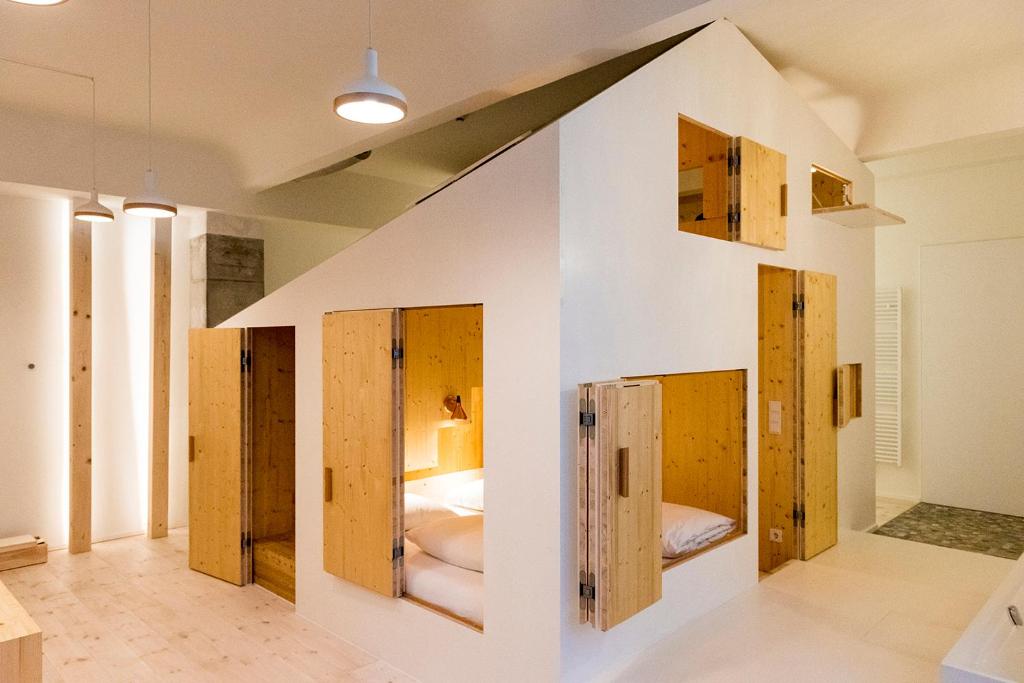
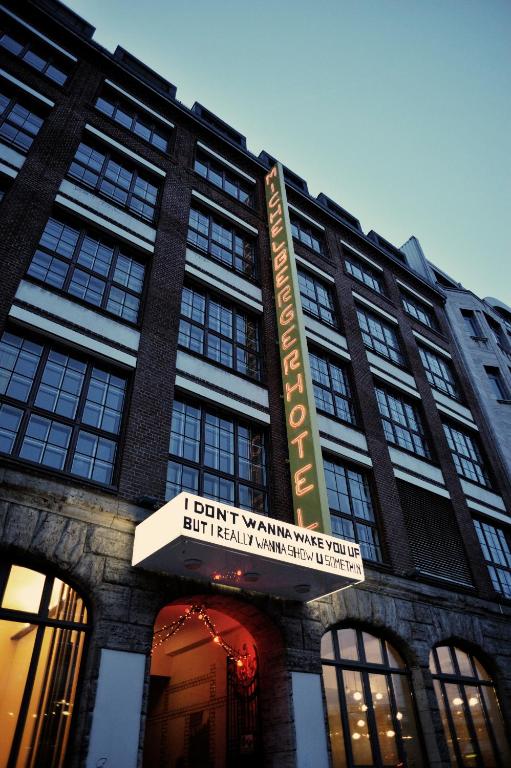
A former early-20th-century industrial building provides the framework for layers of design by Jonathan Tuckey Design and Sigurd Larsen, from exposed concrete and warehouse windows to ingenious timber Hideouts.
The philosophy extends far beyond bedrooms: restaurant, courtyard, music, cultural programming and the Michelberger Farm form an ecosystem built around gathering rather than conventional hotel luxury.
The Stay
A Hotel Born From Berlin
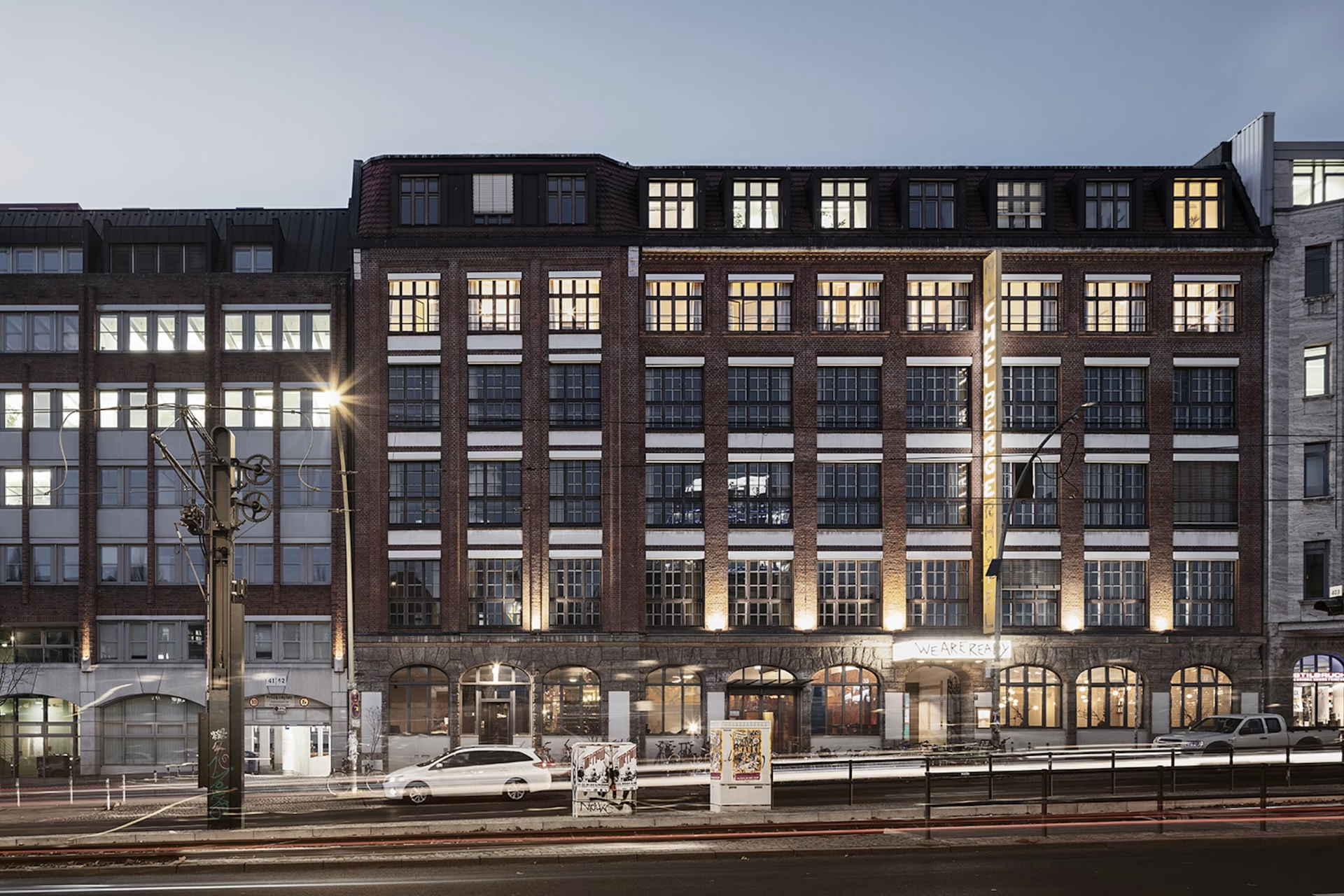
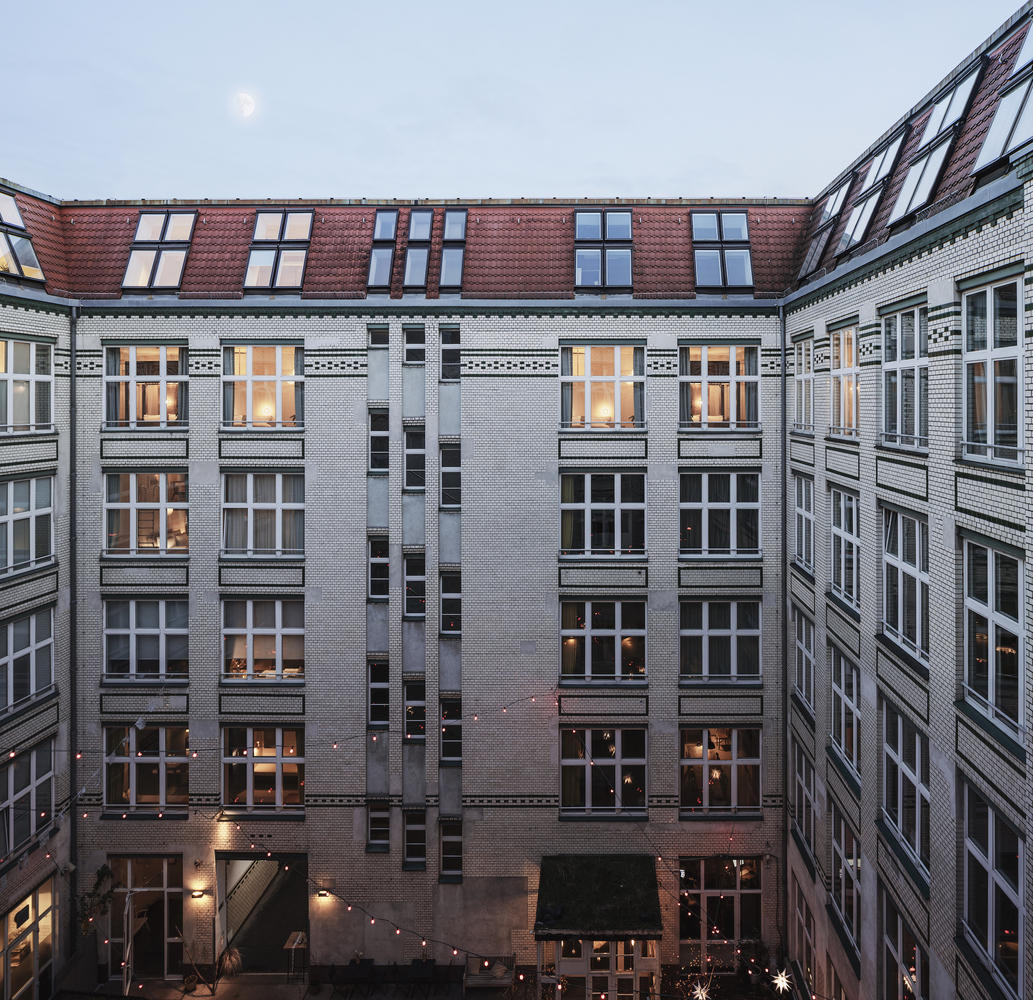
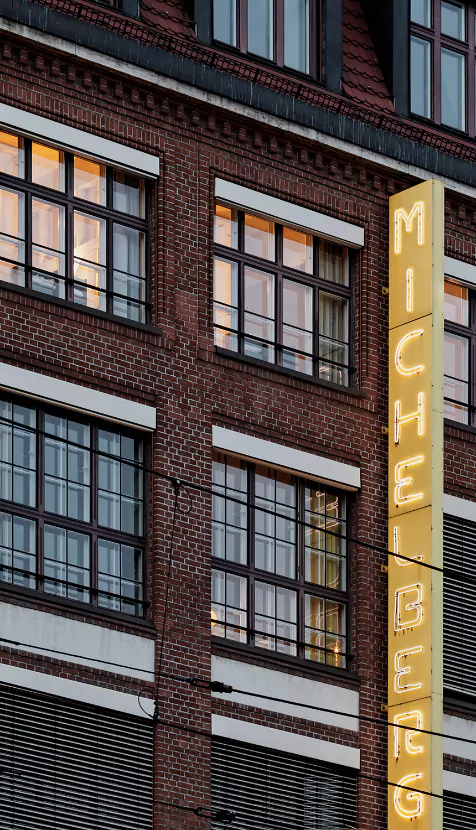
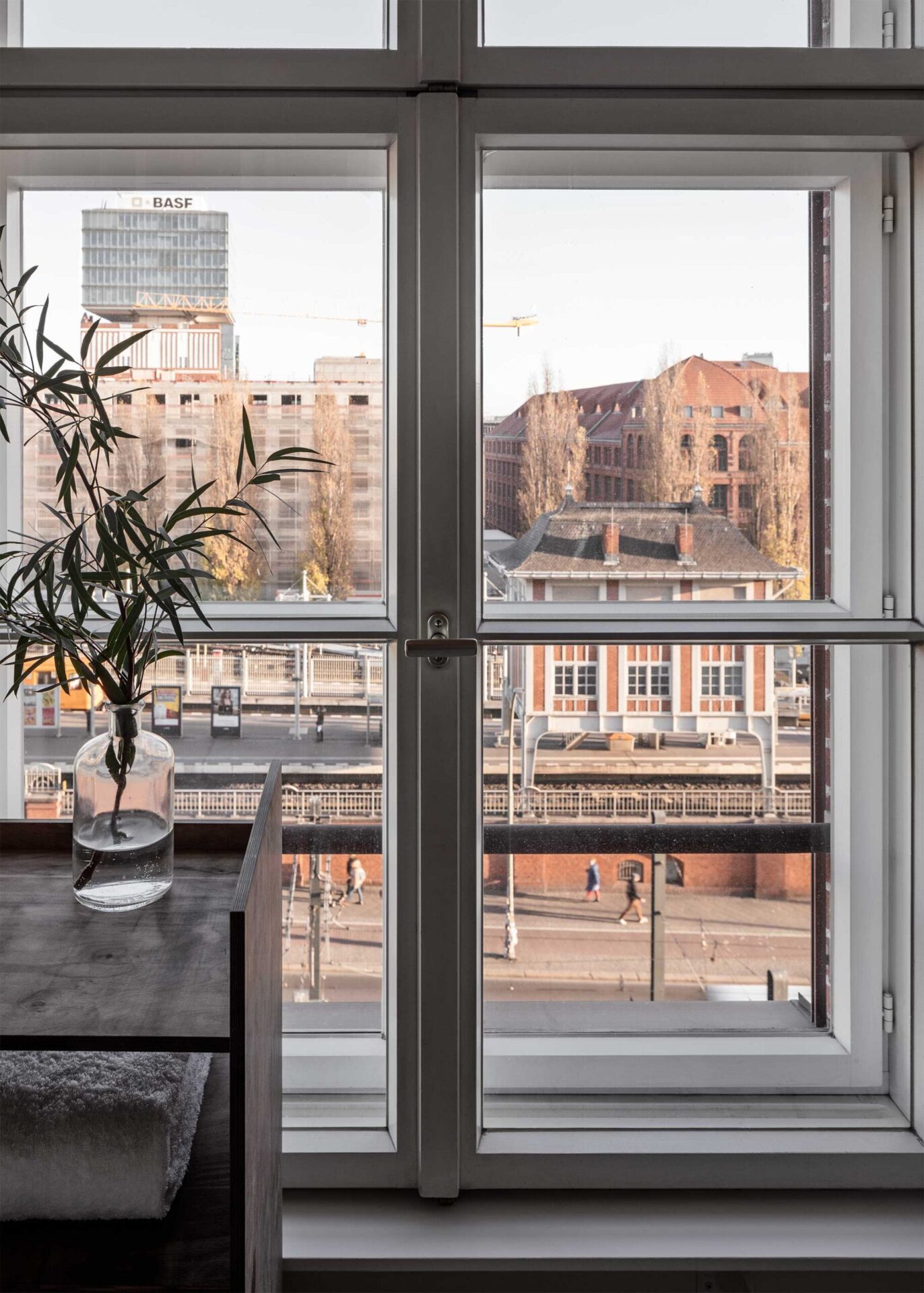
Michelberger makes considerably more sense when you understand Berlin in 2009. Nadine and Tom Michelberger weren’t established hoteliers looking for another market. They had arrived in the city earlier in the decade and imagined a shared house where people could work, meet, create and exchange ideas. Someone suggested that what they were describing sounded remarkably like a hotel. They found their building on Warschauer Straße in Friedrichshain: an early-20th-century industrial structure that had passed through several lives before reunification. Rather than polishing away its imperfections, Michelberger made them part of the hotel. Brick, concrete, large factory windows and unfinished surfaces established an aesthetic that felt inseparable from the Berlin surrounding it.
Design Without a Master Formula
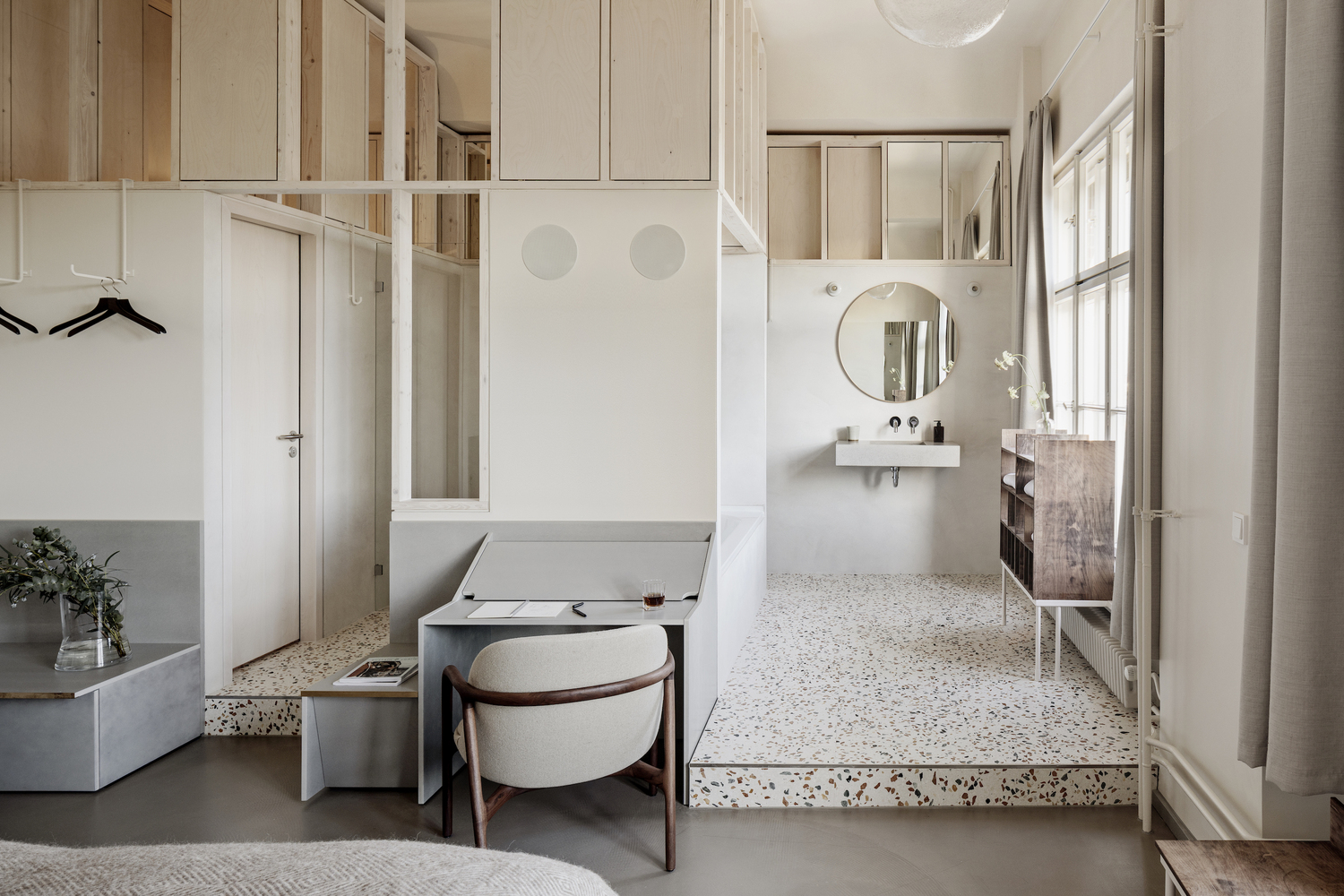
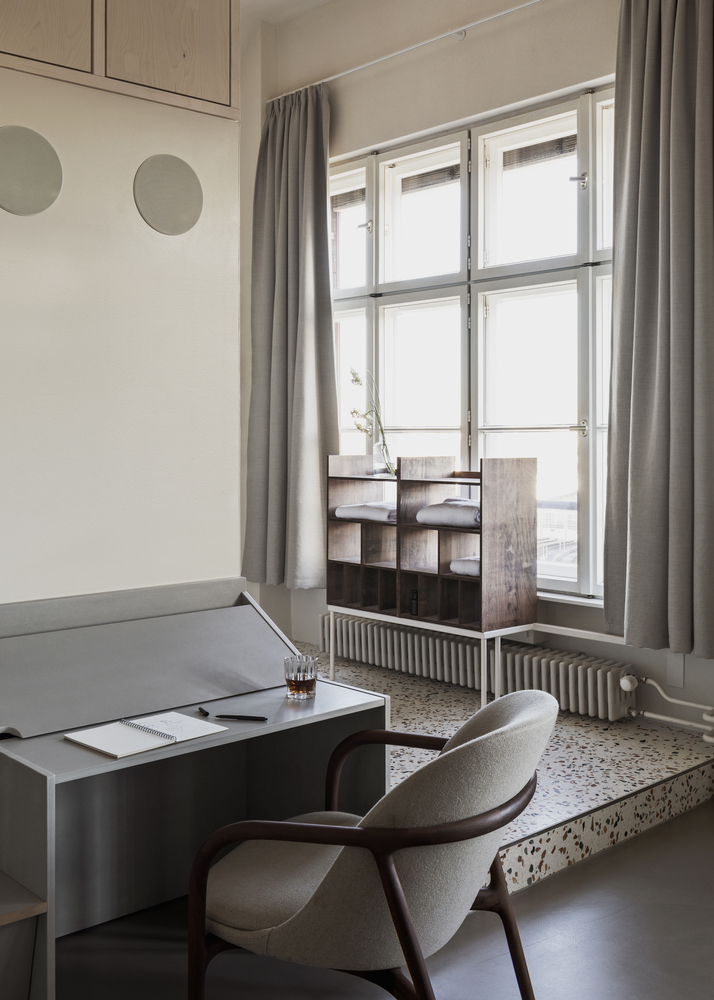
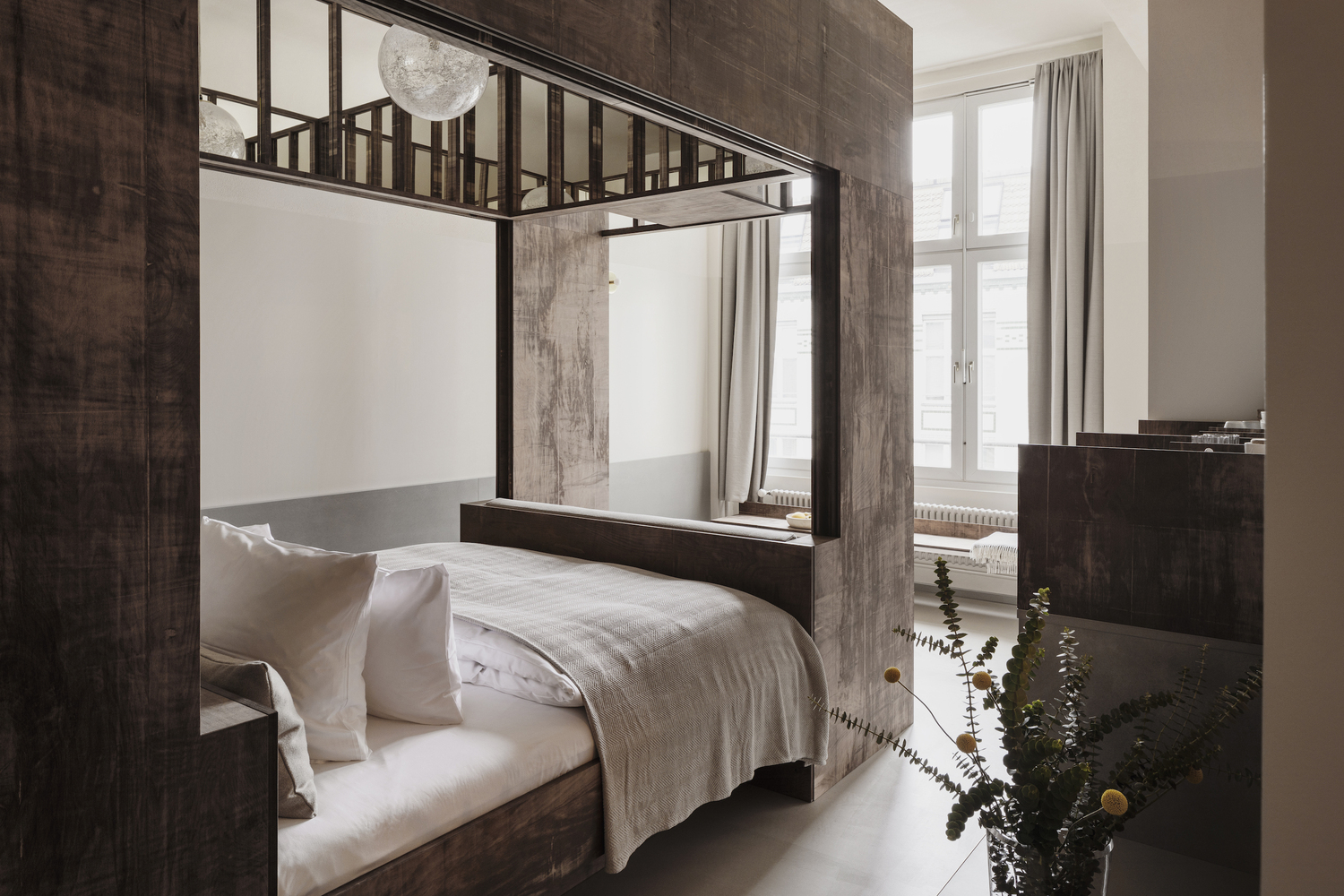
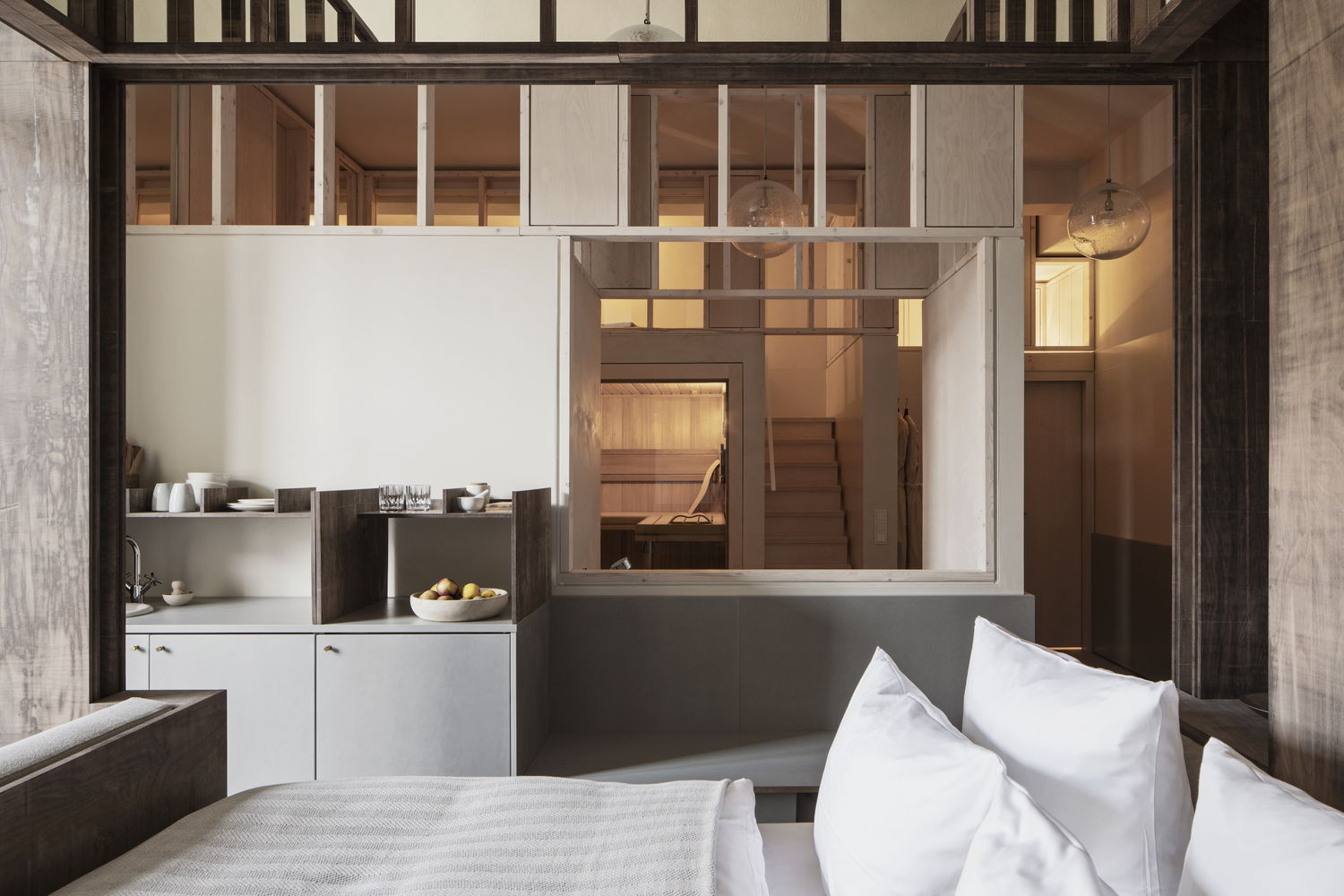
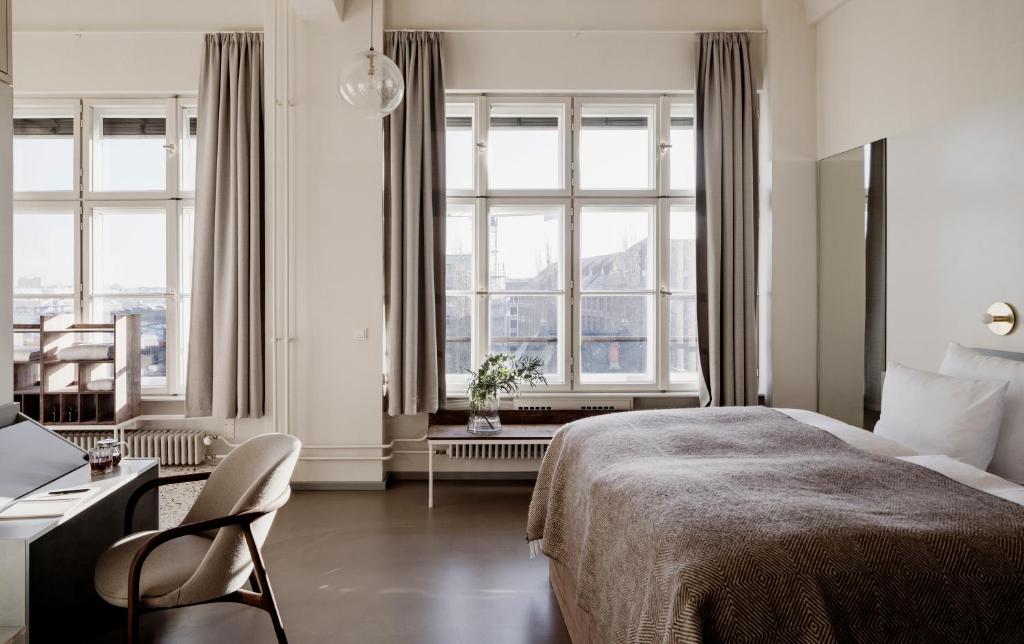
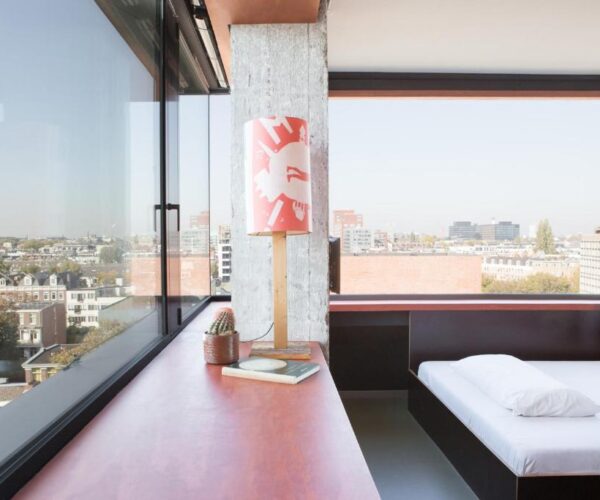
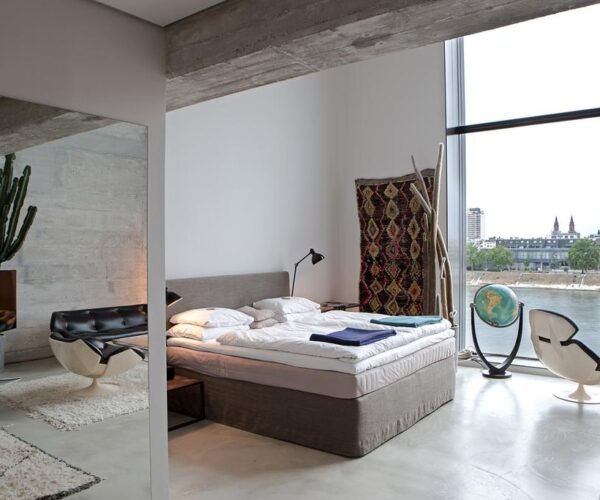
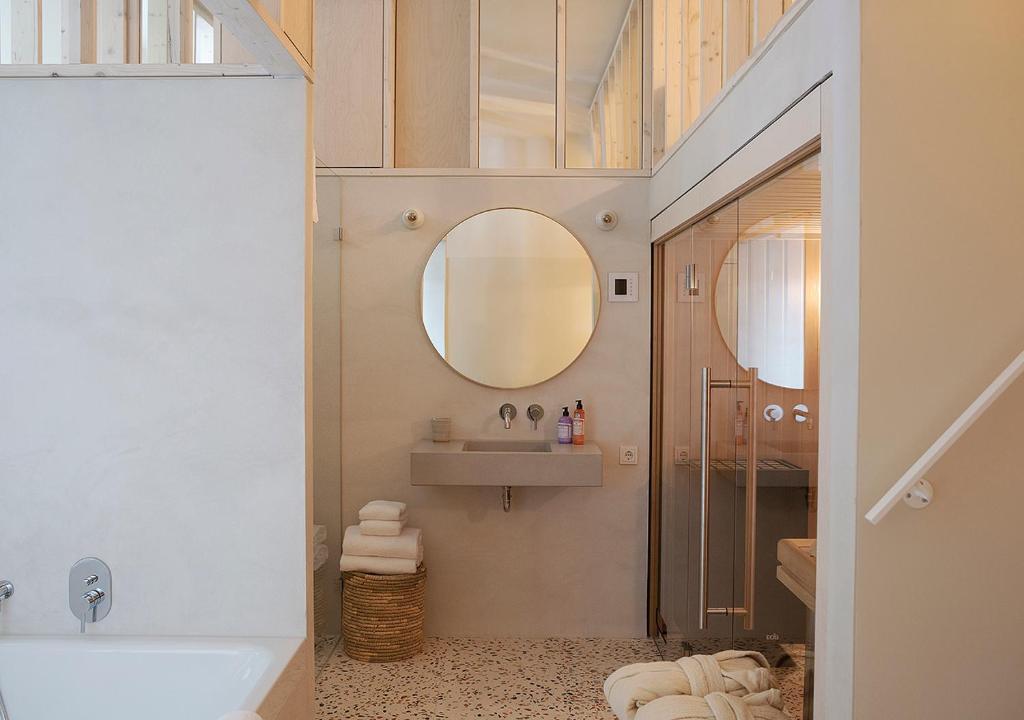
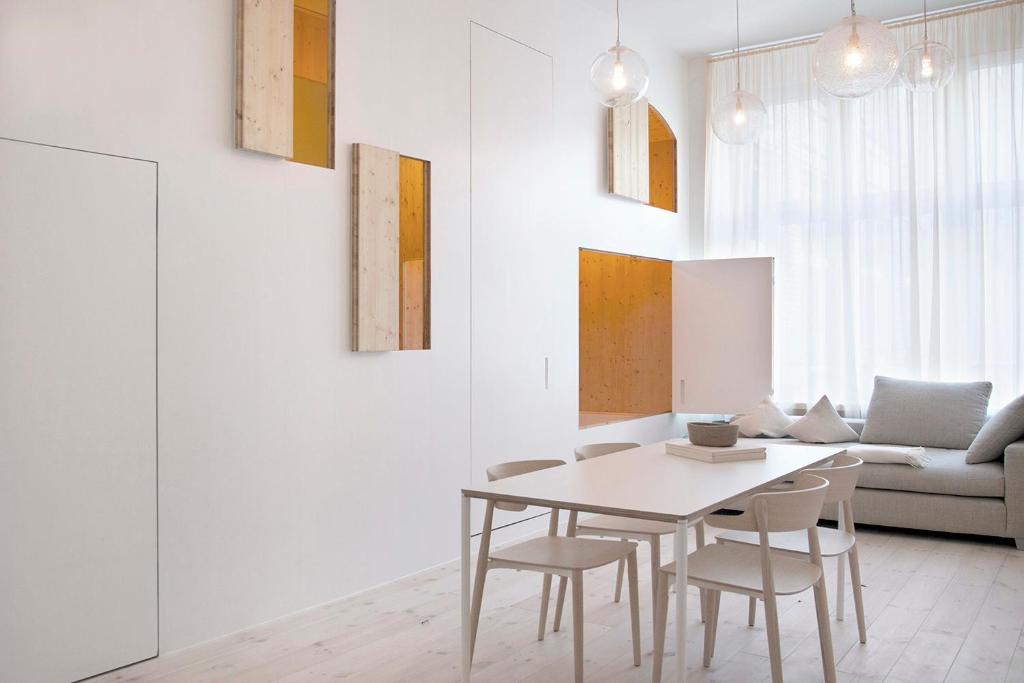
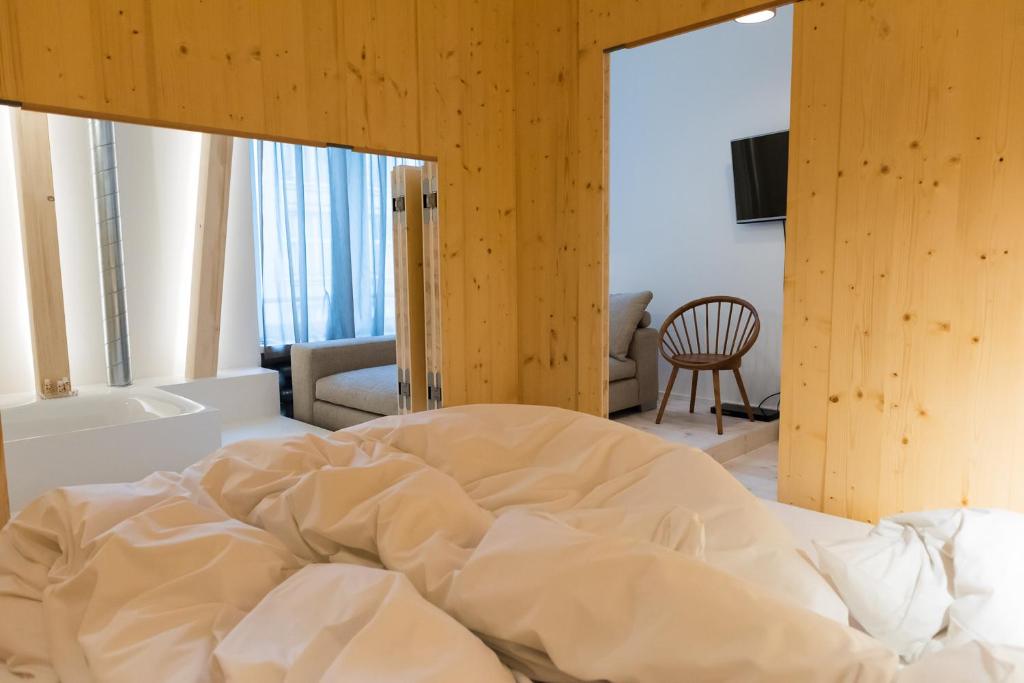
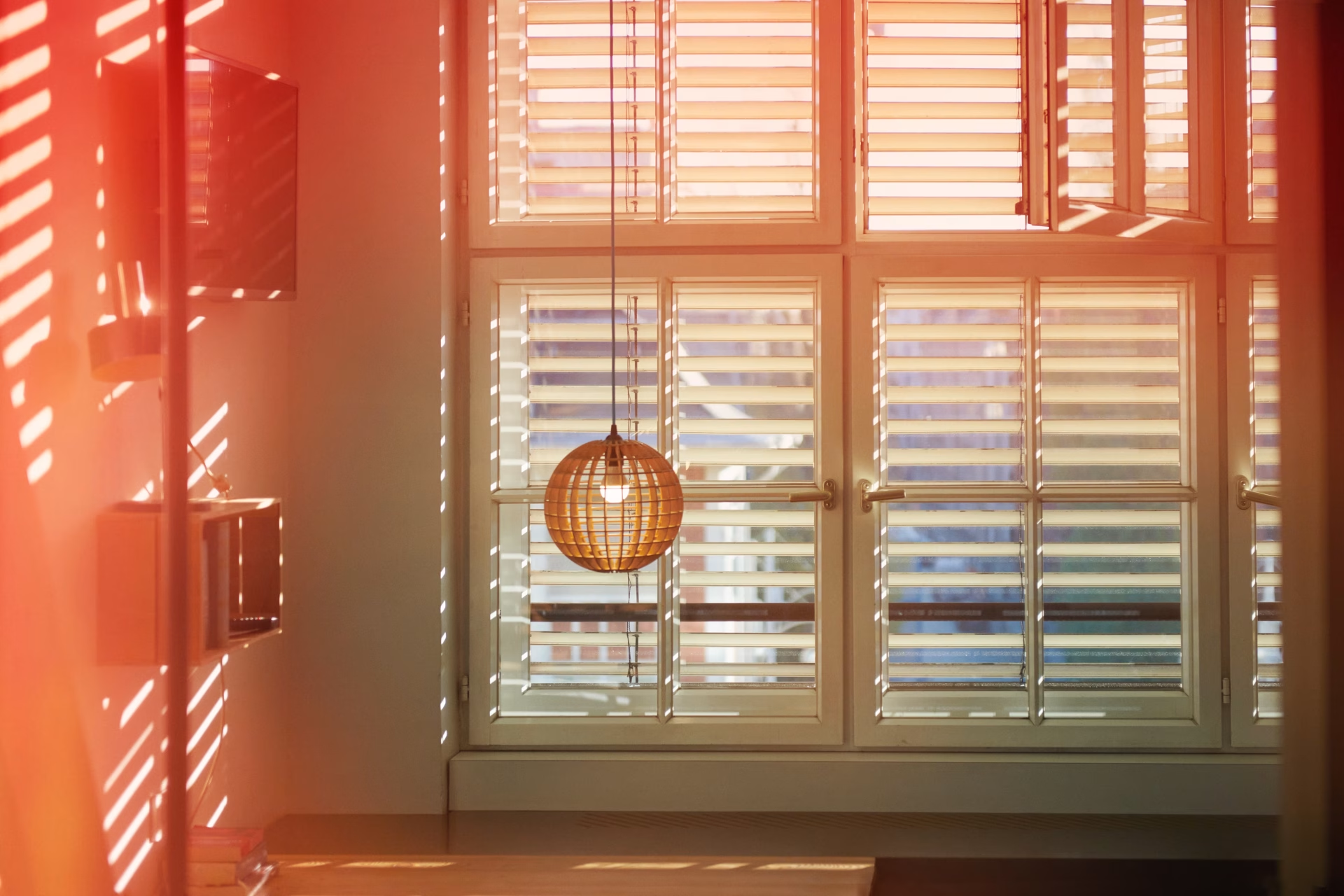
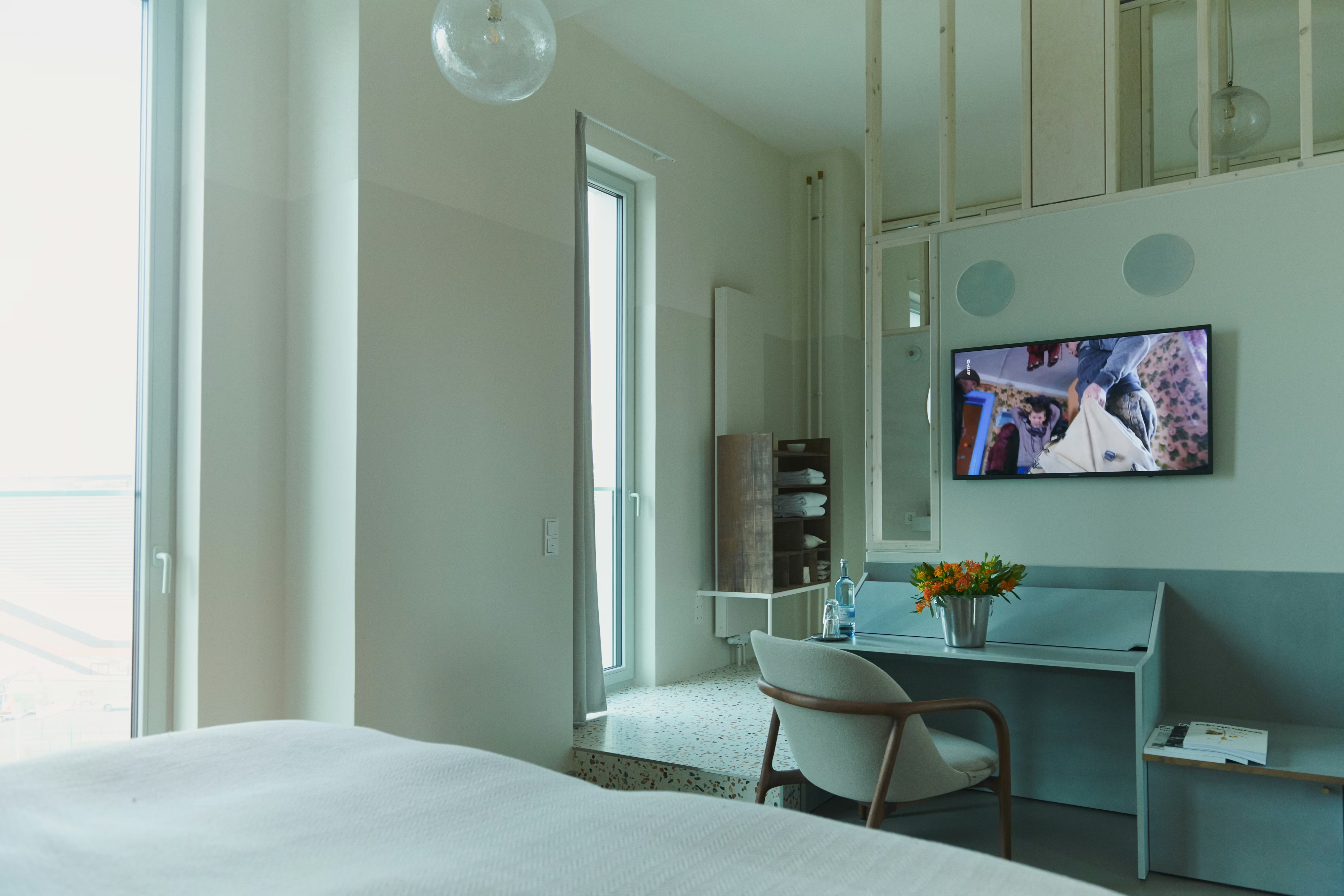
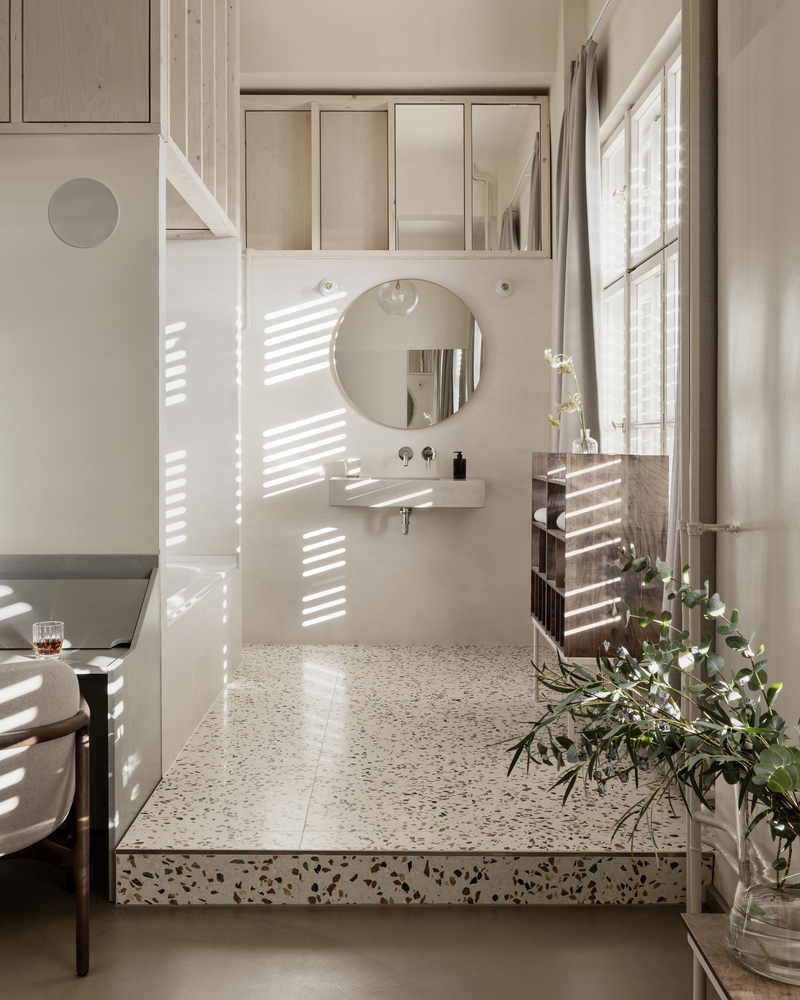
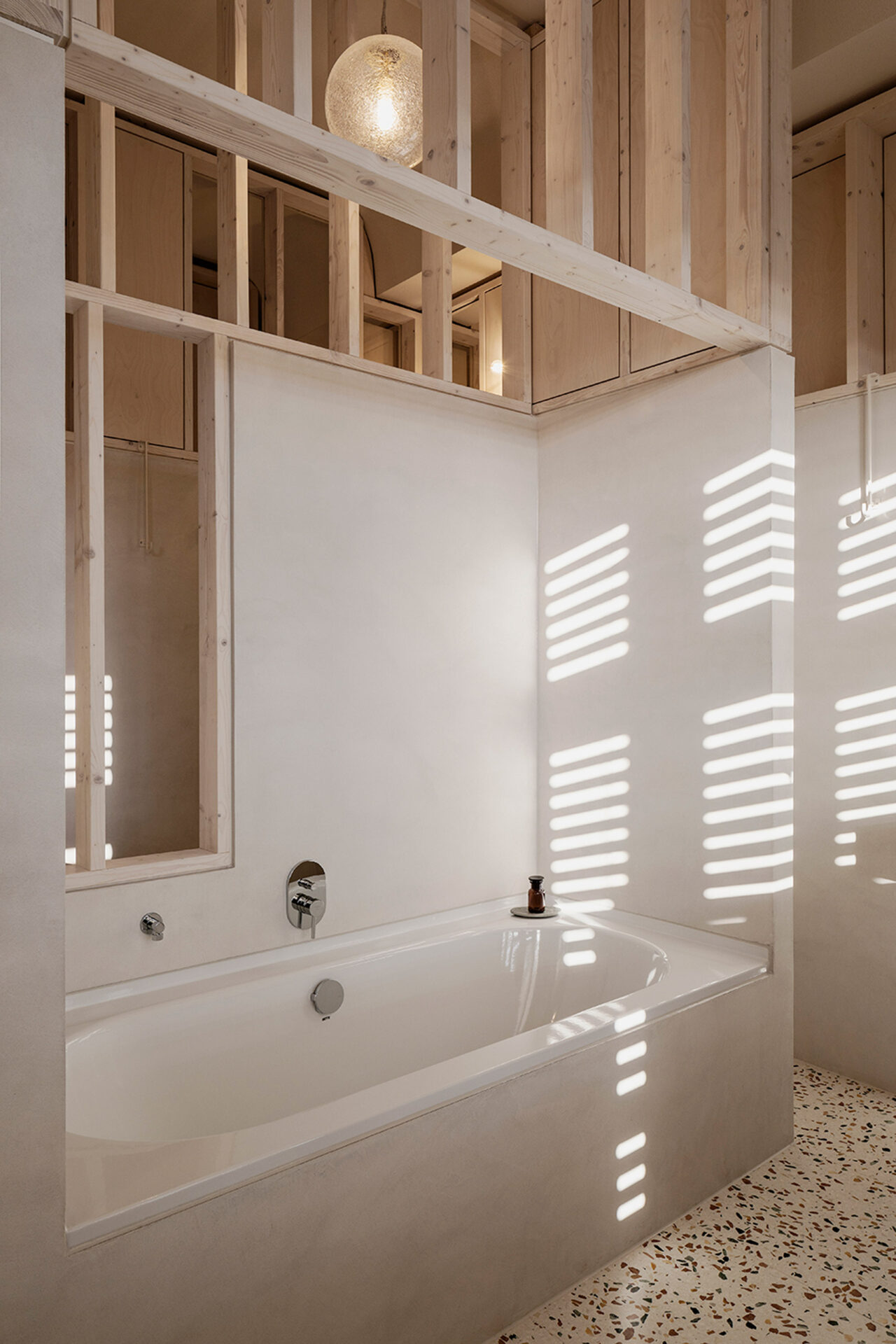
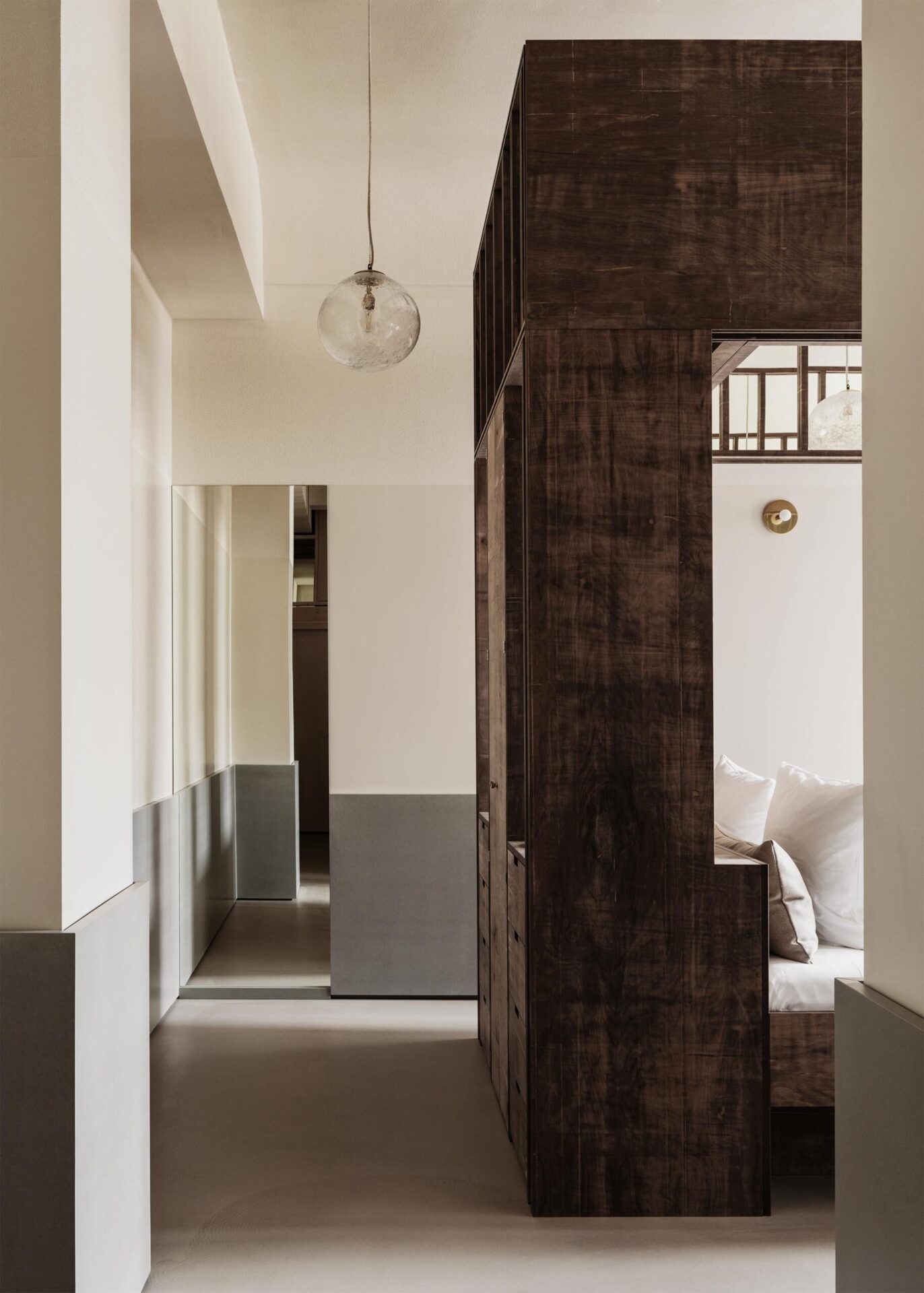
Michelberger has never looked as though an interior designer completed it and walked away. That is precisely its strength. Different generations of rooms have allowed the hotel to evolve architecturally. Jonathan Tuckey Design transformed former office space on the fourth floor into the Luxus rooms, retaining huge warehouse windows and sculptural concrete beams while introducing Panzerholz furniture, terrazzo, hand-blown lighting and large architectural cabinets containing beds and baths. The result is tactile and deliberately restrained rather than conventionally luxurious. Later, architect Sigurd Larsen approached the Hideouts almost as pieces of inhabitable furniture. Interlocking timber structures contain kitchens, sleeping platforms, storage and, in some cases, private saunas. Every centimetre has been considered, yet the rooms still invite guests to use them in their own way.
The Lobby Came First
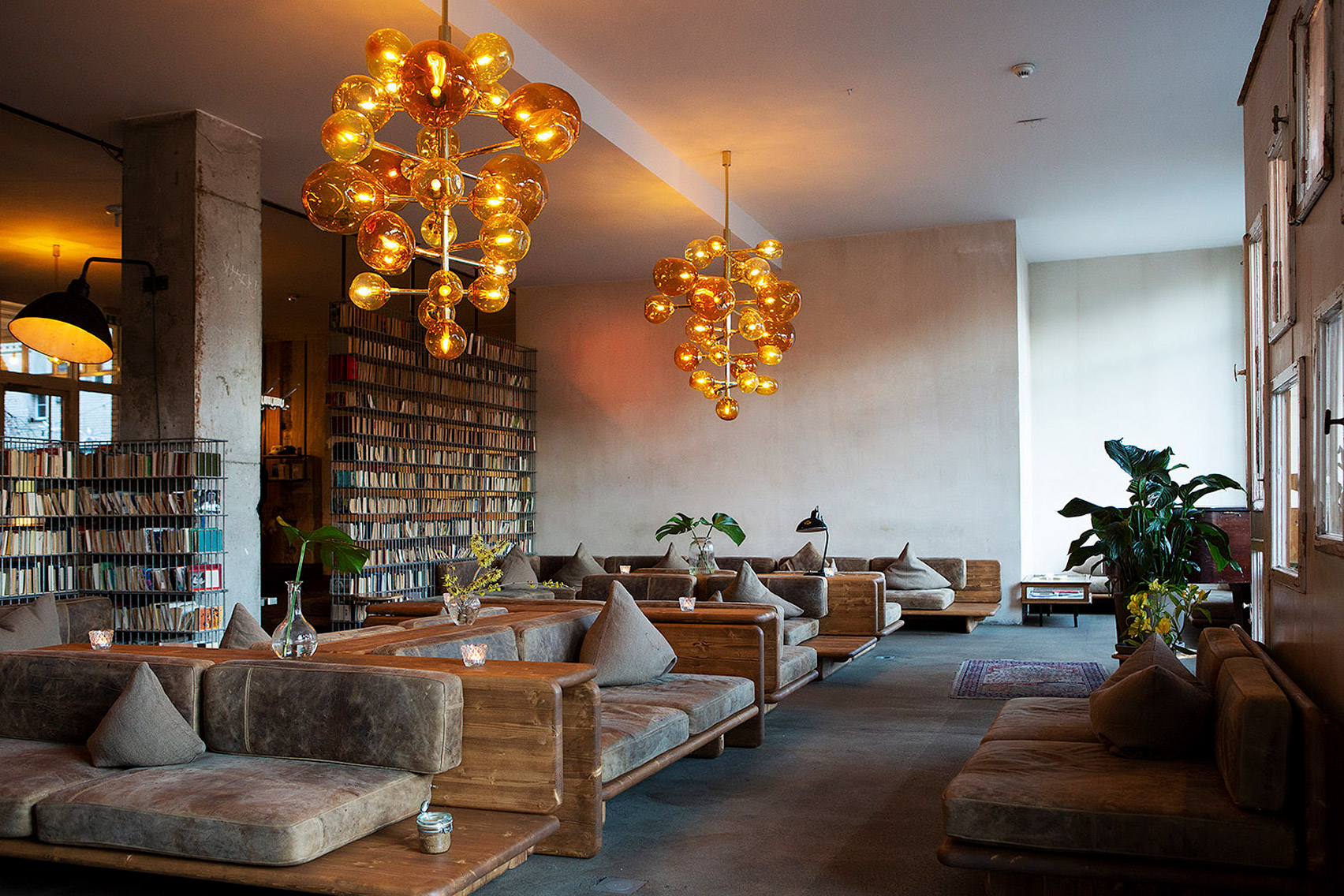
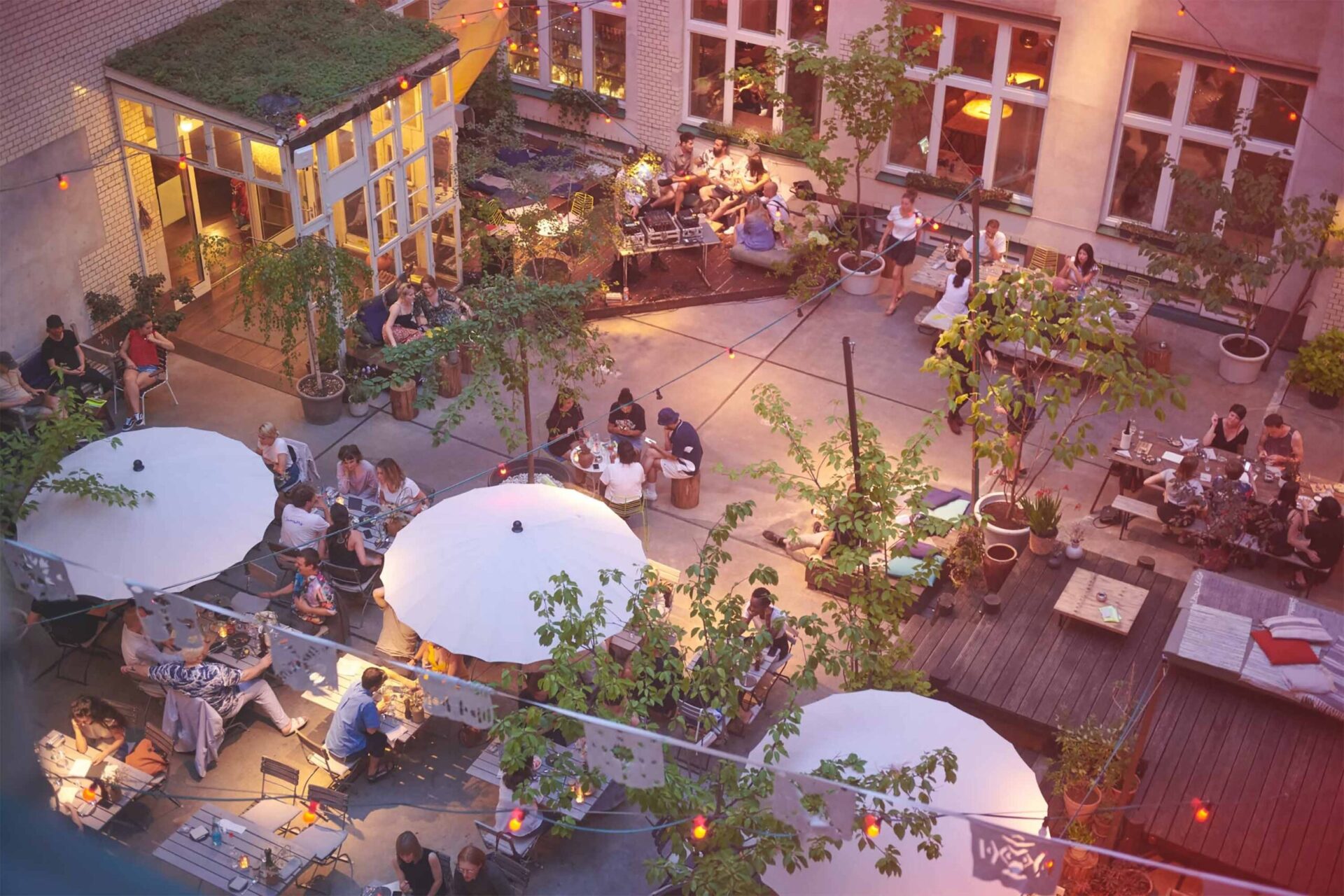
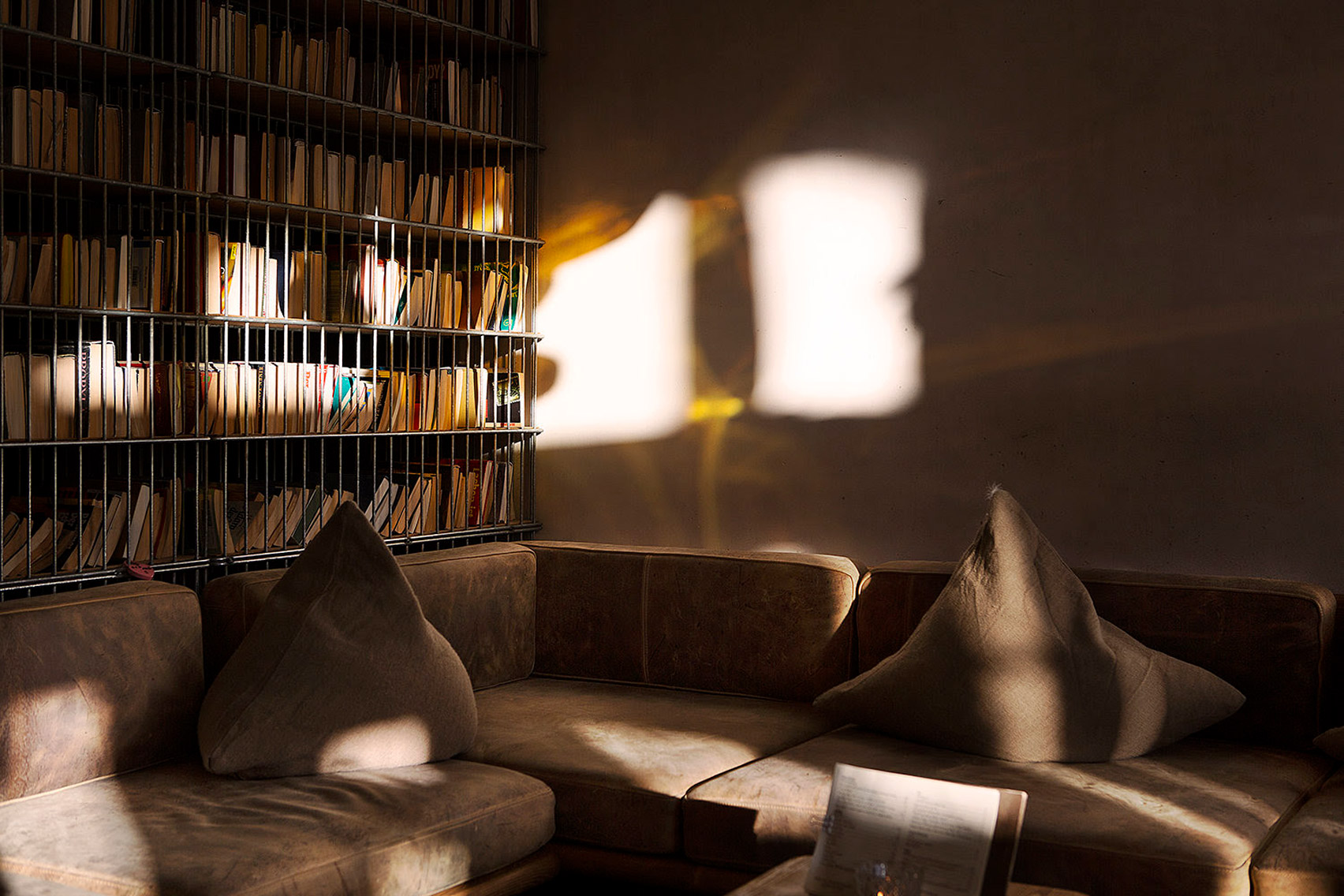
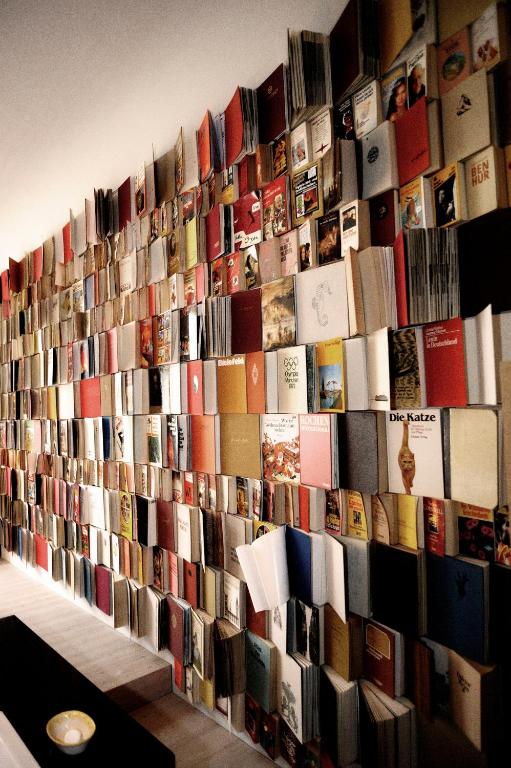
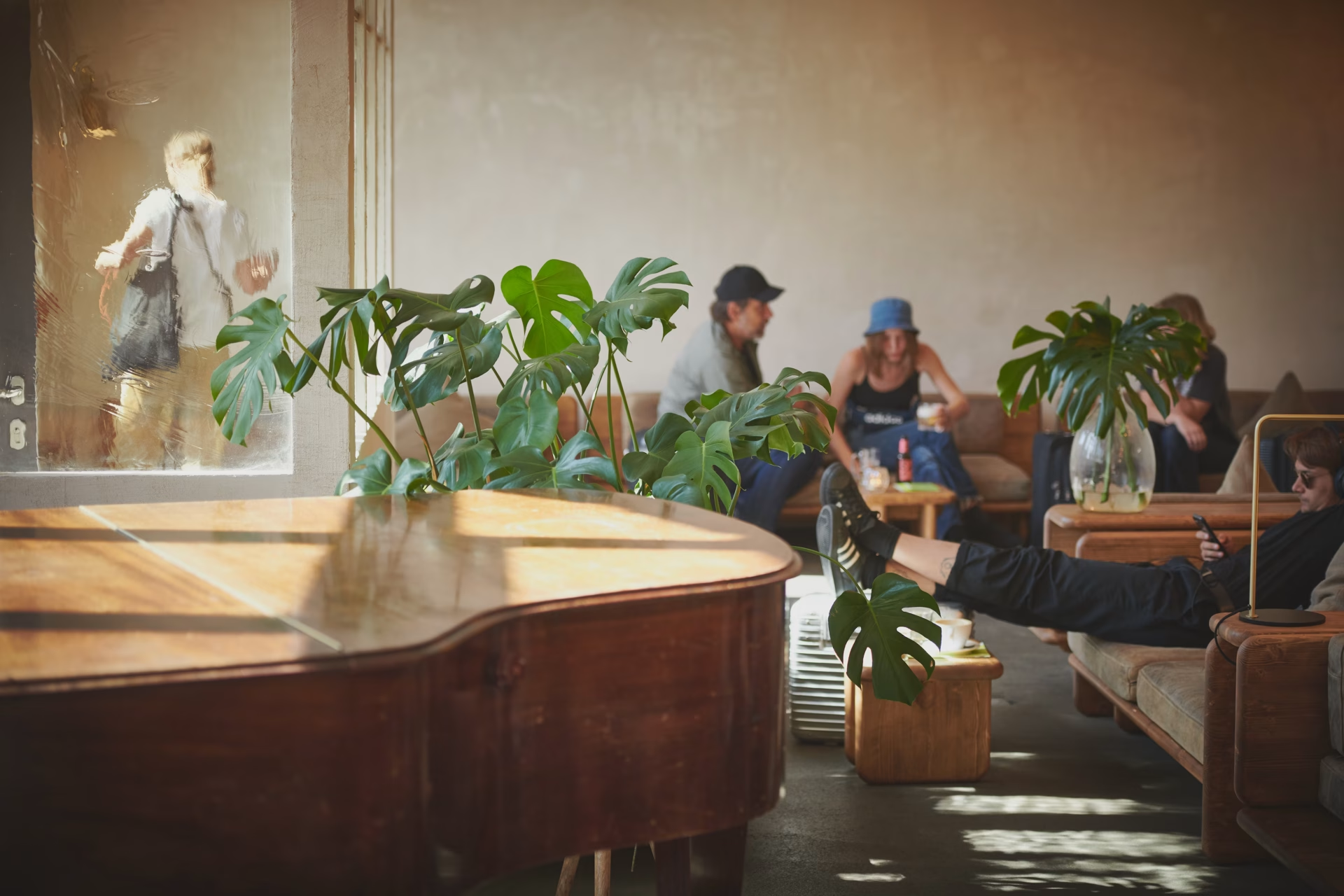
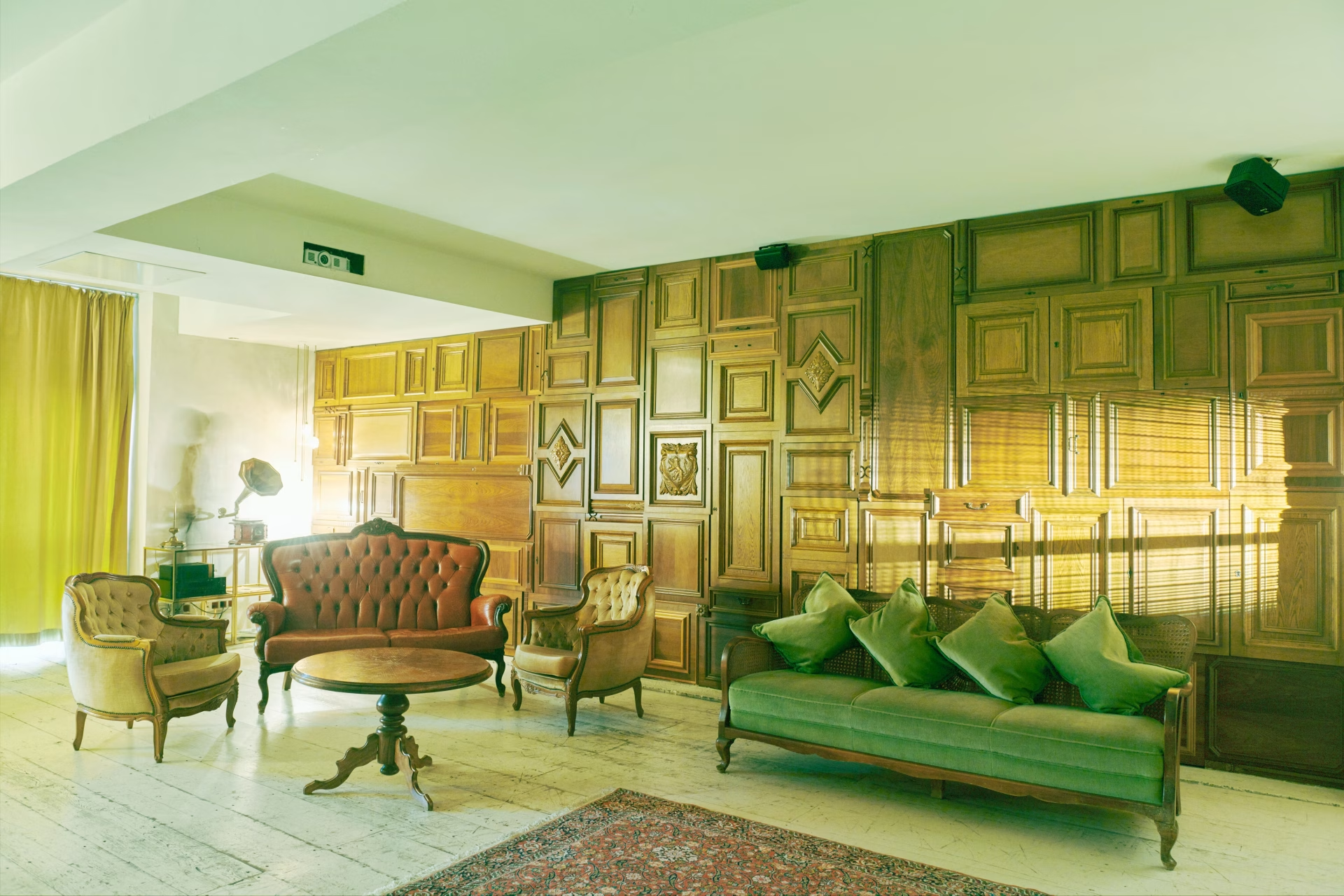
Many hotels now describe their lobby as a neighbourhood living room. Michelberger was doing it before the phrase became part of the lifestyle-hotel vocabulary. Low sofas, books, handmade lighting and mismatched furniture create the physical setting, but architecture alone doesn’t explain why it works. Check-in, coffee, drinks, meetings, concerts and conversations overlap. Locals and hotel guests occupy the same space without one group appearing to have been staged for the benefit of the other. The courtyard extends that social life outdoors, becoming a venue for gatherings and performances during the warmer months. The hotel has become a cultural anchor in Friedrichshain precisely because it never tried to behave exclusively like a hotel.
From Small Rooms to Hideouts
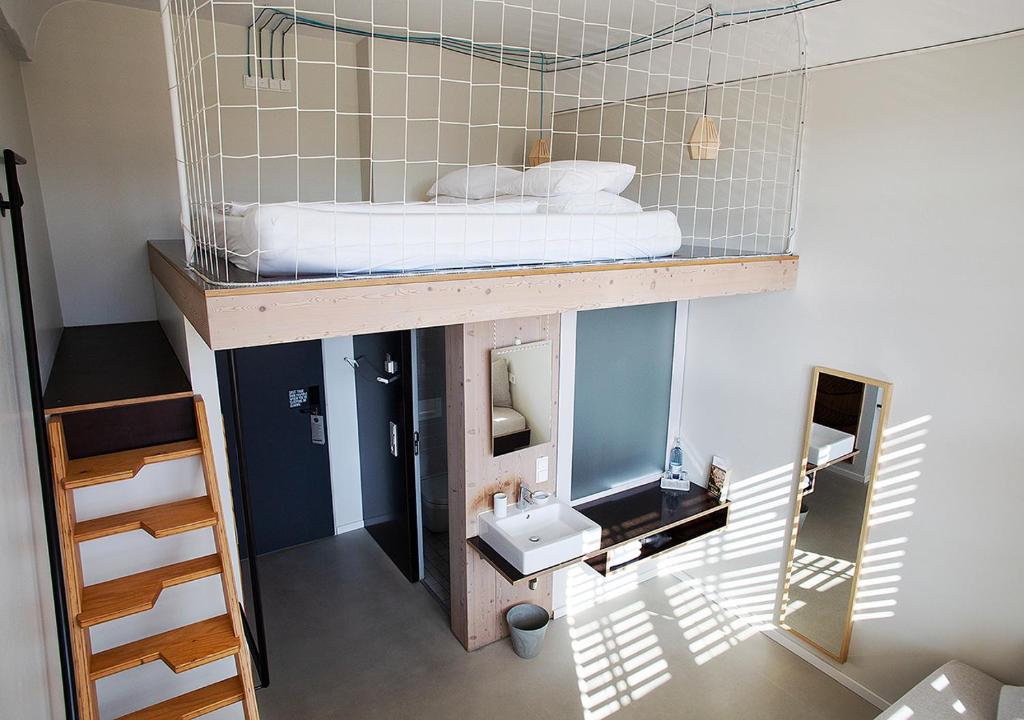
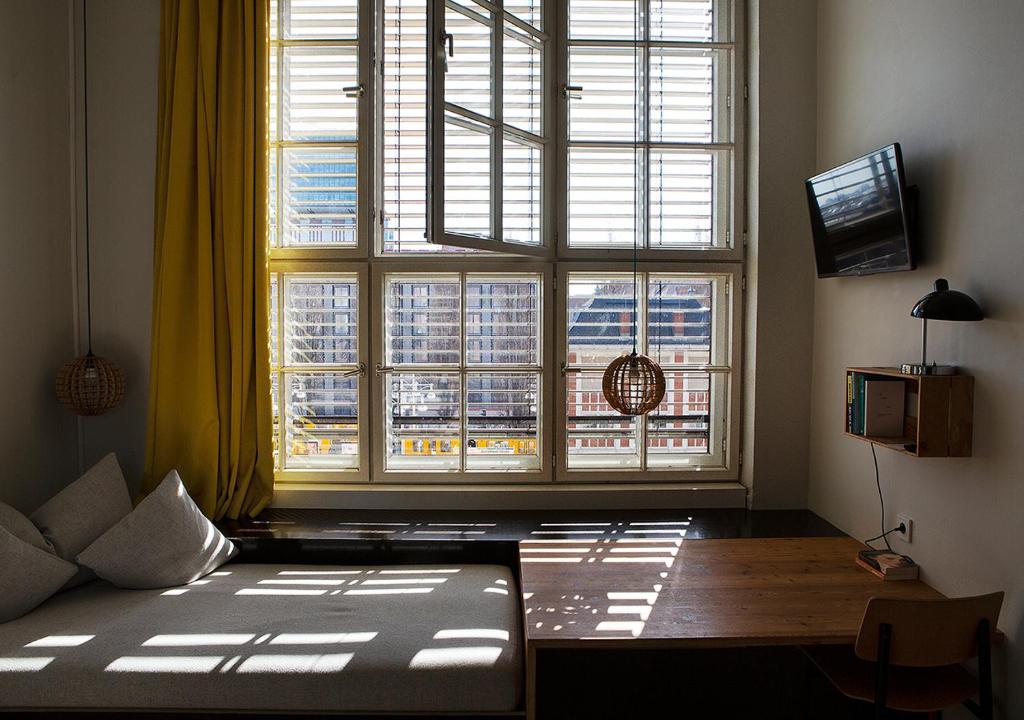
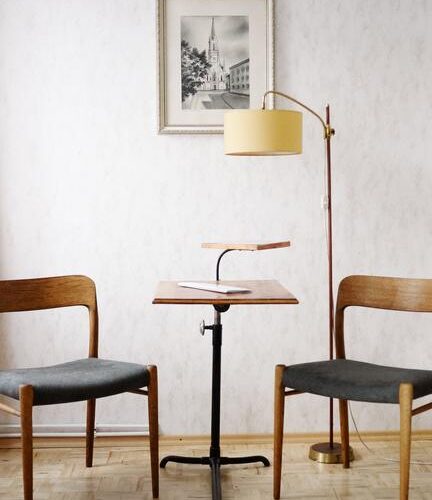
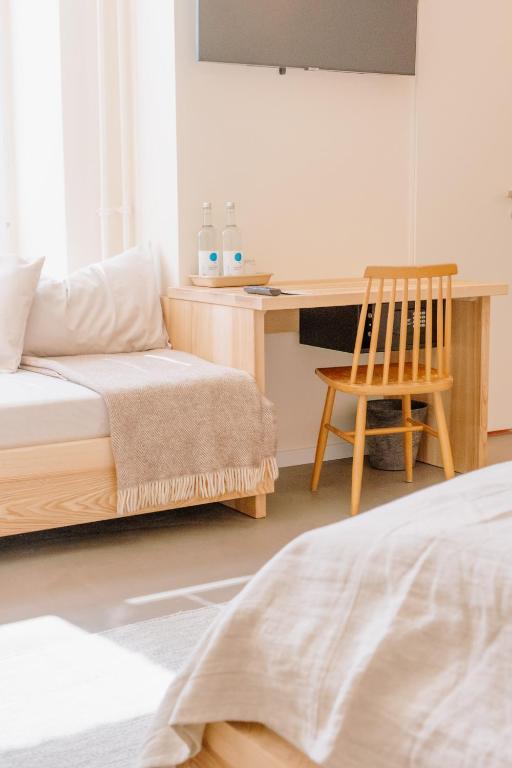
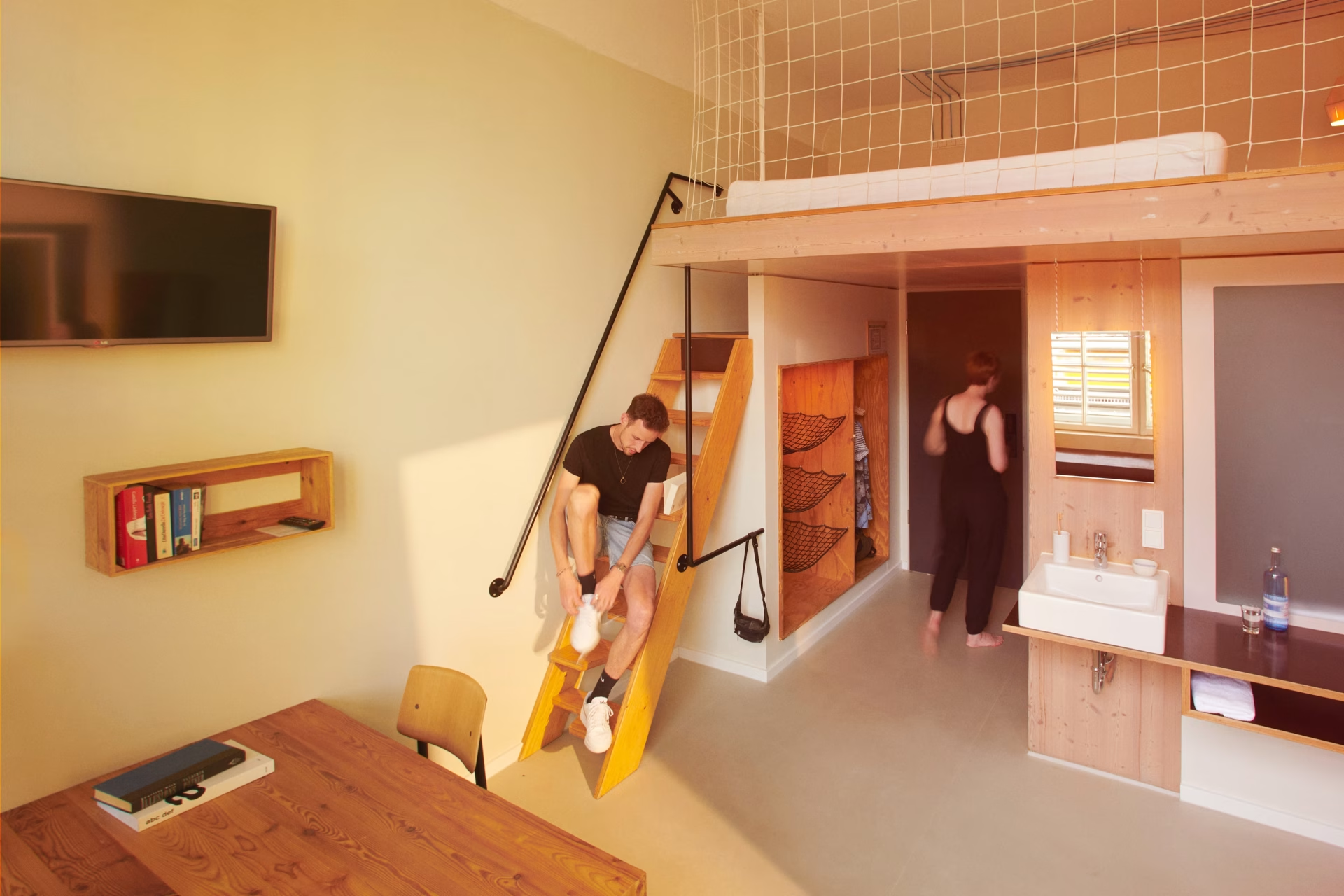
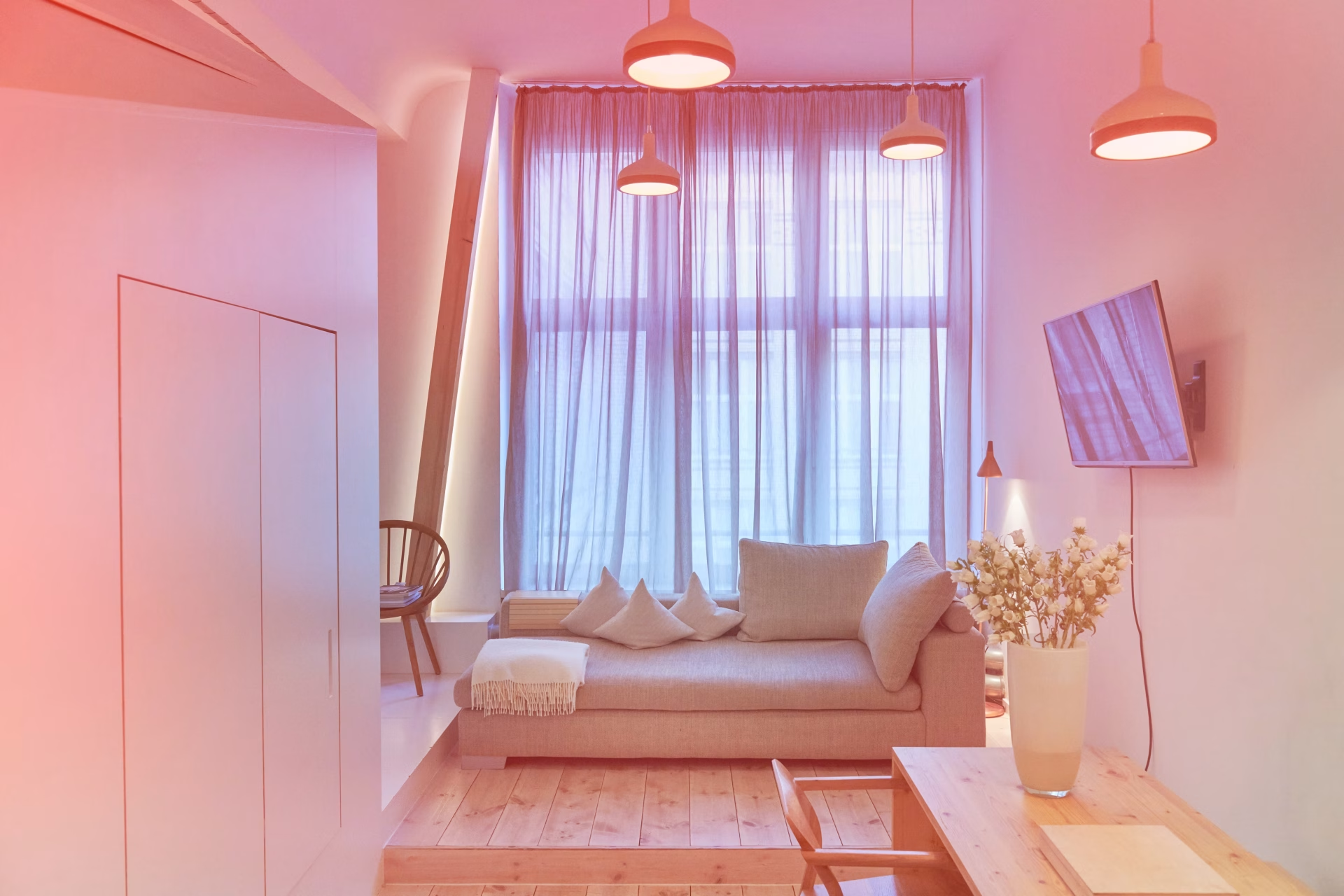
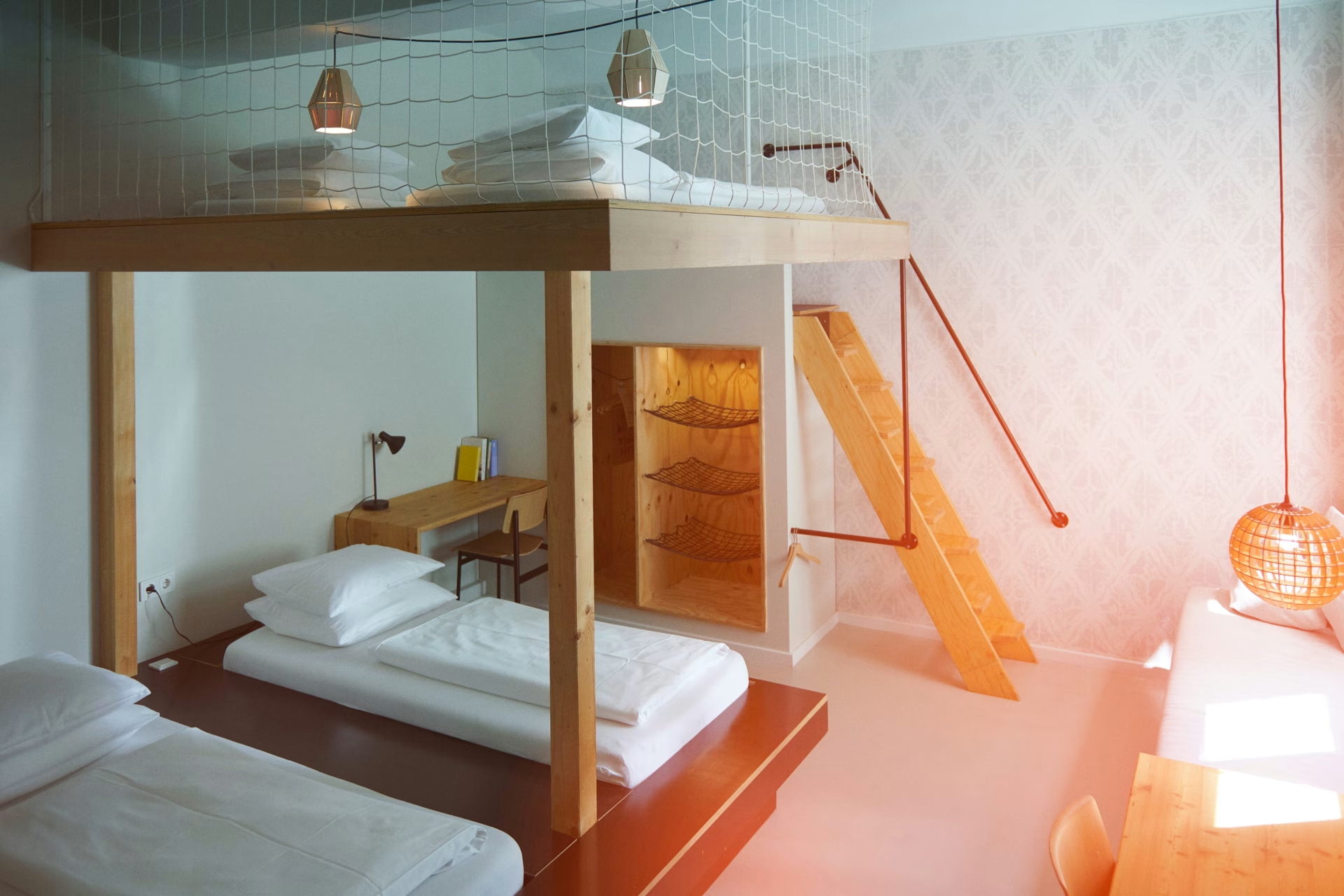
The rooms reflect the same refusal to define a single Michelberger guest. Some are compact and intentionally simple; others use loft beds and built-in furniture to accommodate groups. The more recent rooms move towards a sophisticated architectural minimalism, while the Hideouts work particularly well for families and longer stays. There is no attempt to disguise these differences. Instead, the hotel has become an architectural record of its own development, with each generation responding to a different idea of how people might live temporarily inside the building. It also keeps Michelberger accessible in a way that matters. Its original proposition wasn’t luxury made informal, but good design and interesting hospitality without requiring every guest to buy into the economics of a conventional high-end boutique hotel.
The Farm Comes to Friedrichshain
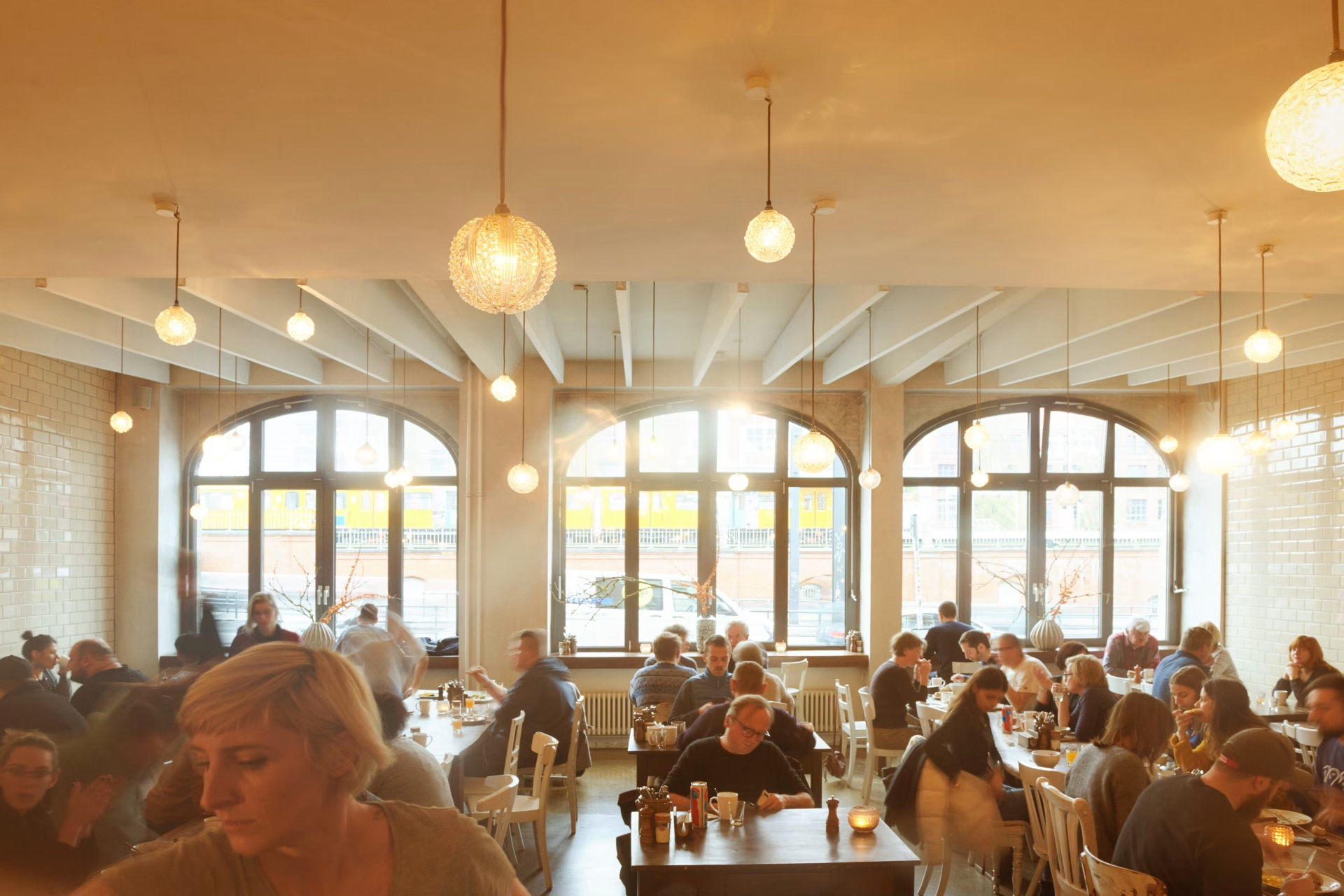
Food gradually became another expression of the same philosophy. The restaurant works with organic, biodynamic and sustainably produced ingredients, including produce grown at Michelberger’s own farm in the Spreewald. The farm represents something larger than supplying a restaurant. Rather than turning Michelberger into a chain, Nadine and Tom expanded sideways into agriculture, drinks, music and other projects. Their idea of growth is less about reproducing the hotel elsewhere than developing the ecosystem around it. Designed by Sigurd Larsen, the farm itself continues the architectural conversation: a 19th-century red-brick agricultural complex has been restored and combined with contemporary interventions opening the buildings towards their surrounding fields.
A Hotel That Refused to Become a Brand
Perhaps the most interesting thing about Michelberger is what happened after it became successful. There is still only one Michelberger Hotel. Instead of exporting the formula to Hamburg, Lisbon or Copenhagen, its founders kept adding layers to the original idea. The hotel led to a restaurant, farm, drinks, music and PEOPLE Festival — different expressions of the same belief in independence, collaboration and bringing people together. That explains why Michelberger has aged unusually well. Its rough edges were never simply an aesthetic, and its communal lobby wasn’t invented as a lifestyle-hotel concept. The architecture provides a framework, but deliberately leaves room for people to change it through use. As Tom and Nadine describe it, the frame should be clear while the canvas remains open. That may be the most Berlin idea of all.
Information
At a glance
Opened / Renovated
2009
Size matters
132 rooms & suites (12-50m2) (129-538 sq ft)
Interior design
Featured in
Don't take our word for it



Handpicked worldwide
A carefully curated collection of exceptional boutique and design hotels across the globe.
Design with soul
Architecture, atmosphere and craftsmanship come together in stays with a clear identity.
Hidden, not hyped
Independent boutique hotels you rarely find on mainstream booking platforms.
Travel guidance
Personal recommendations and thoughtful support from people who actually know the places.