La Dolce Vita, Re-Edited

Ian Schrager takes on Italian Rationalism, transforming a monumental 1940s bank into a surprisingly intimate Roman playground.

Book now

Why DNA Hotels loves it

A remarkable Rationalist building by Cesare Pascoletti and Marcello Piacentini provides the architectural backbone, with its rare Cipollino marble staircase, courtyards, sculptures and original lighting carefully retained.

Ian Schrager’s EDITION language meets Patricia Urquiola’s Italian sensibility through travertine, Canaletto walnut, Carrara marble and custom furniture — warm minimalism inside architecture designed to impress.

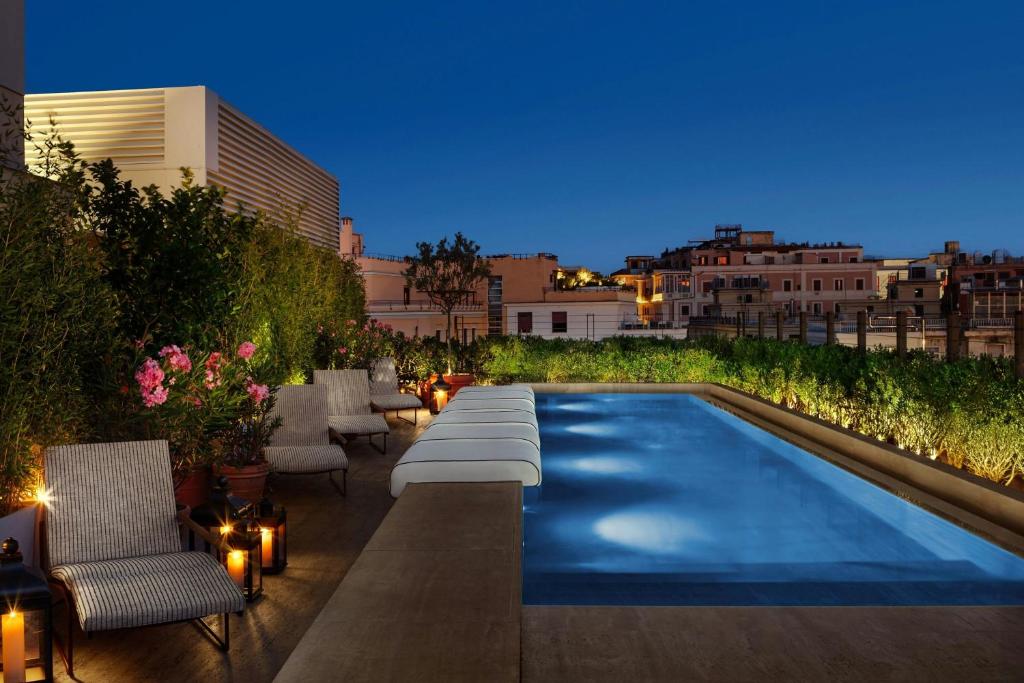
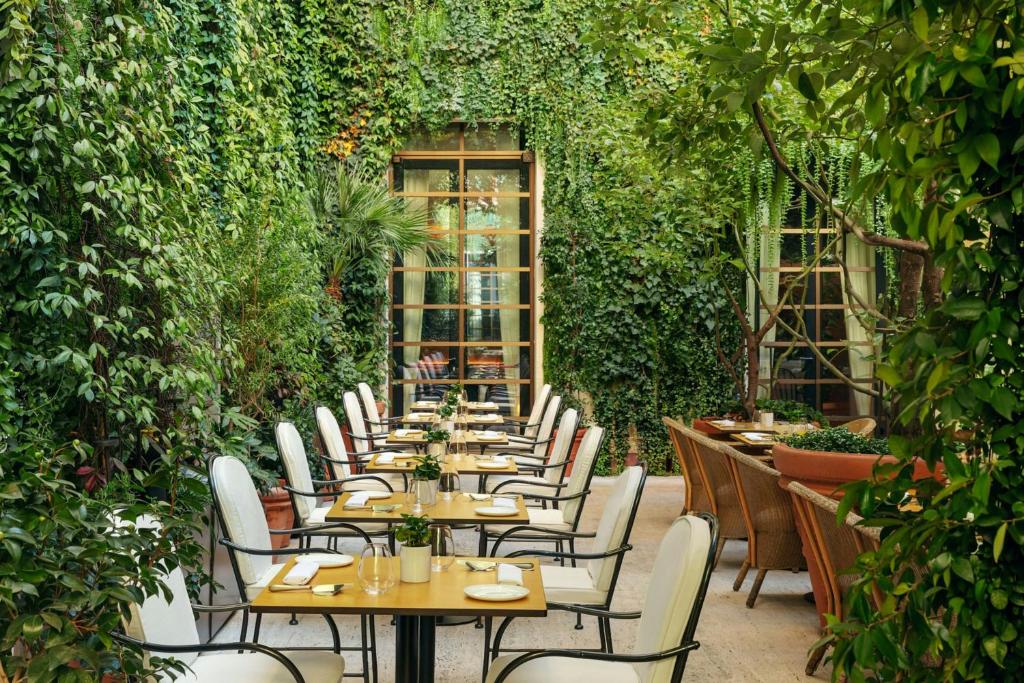
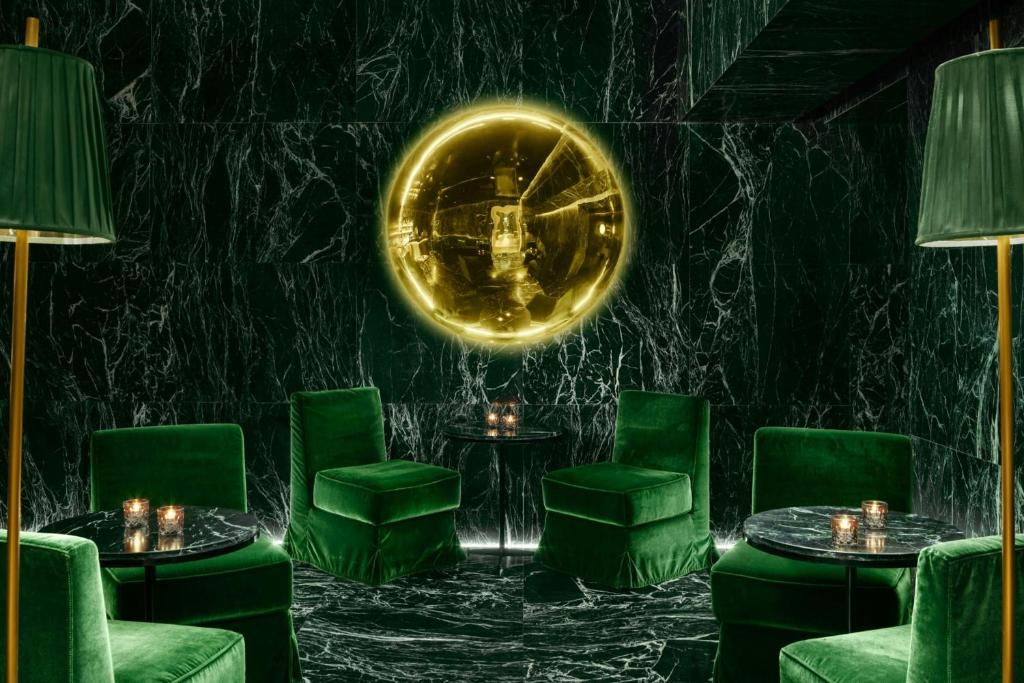
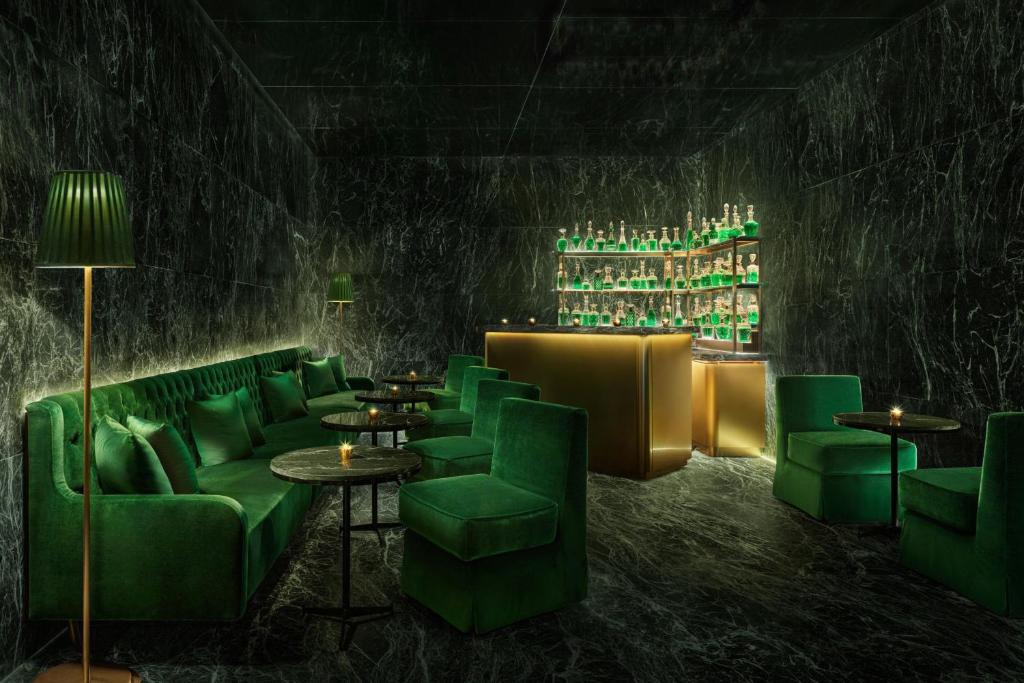
The social spaces are pure Schrager theatre: a jasmine-covered garden with more than 400 plants, soaring lobby, tiny green-marble Jade Bar and rooftop plunge pool overlooking Rome.

The Stay

A former Rationalist bank transformed into a sophisticated Roman hotel where monumental architecture meets warm minimalism and Ian Schrager glamour.

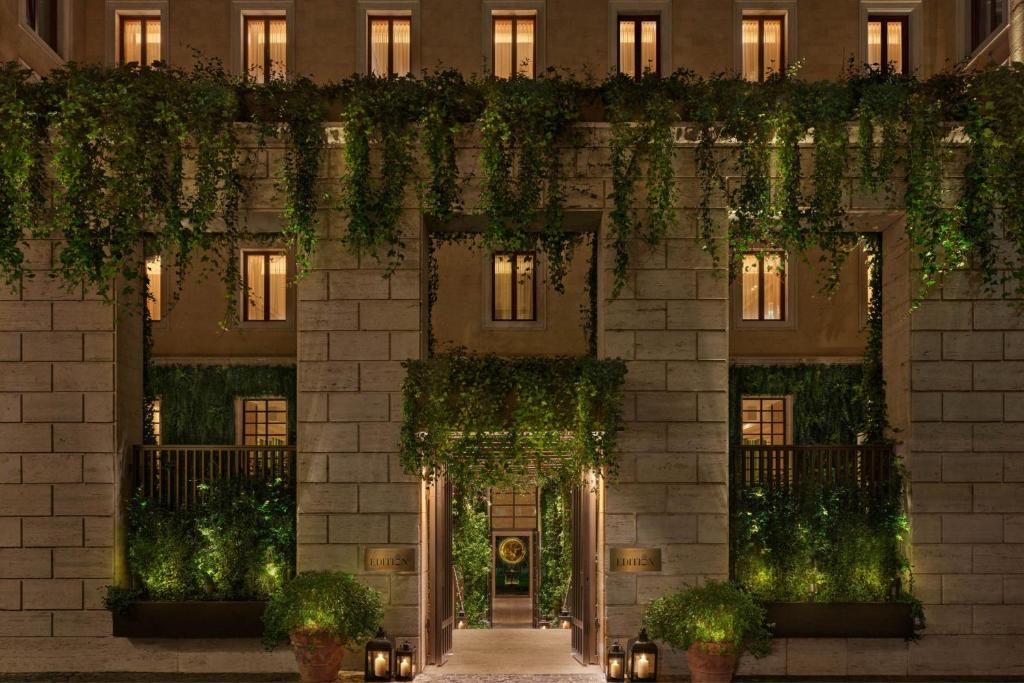
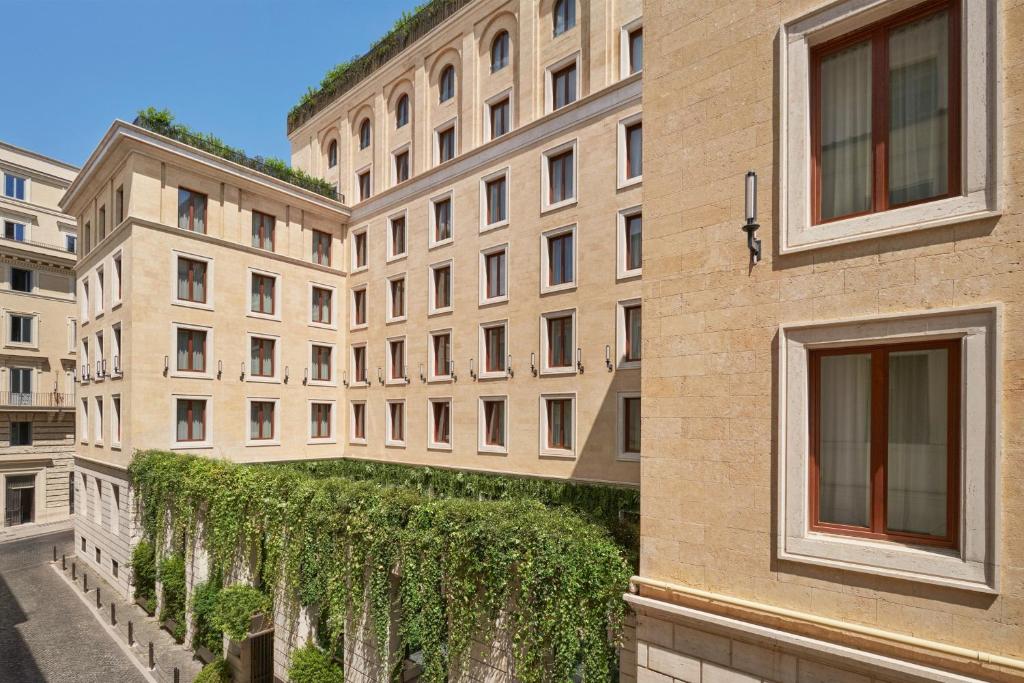
A block from Via Veneto, the street immortalised by Fellini’s La Dolce Vita, The Rome EDITION occupies a building from a very different chapter in Roman history. Designed in the 1940s by Cesare Pascoletti in collaboration with Marcello Piacentini, one of the defining figures of Italian Rationalism, it was originally built for a major Italian bank. The architecture is monumental, geometric and deliberately imposing — not the most obvious raw material for Ian Schrager’s particular brand of sexy hospitality. Which is precisely what makes it interesting. Rather than fight the architecture, the transformation uses its scale and geometry as a framework. Original courtyards, statues and lamps remain, but the masterpiece is the sweeping staircase of rare green-veined Cipollino marble. You simply don’t design a new staircase when you’ve inherited one like this.

Rationalism Meets Schrager

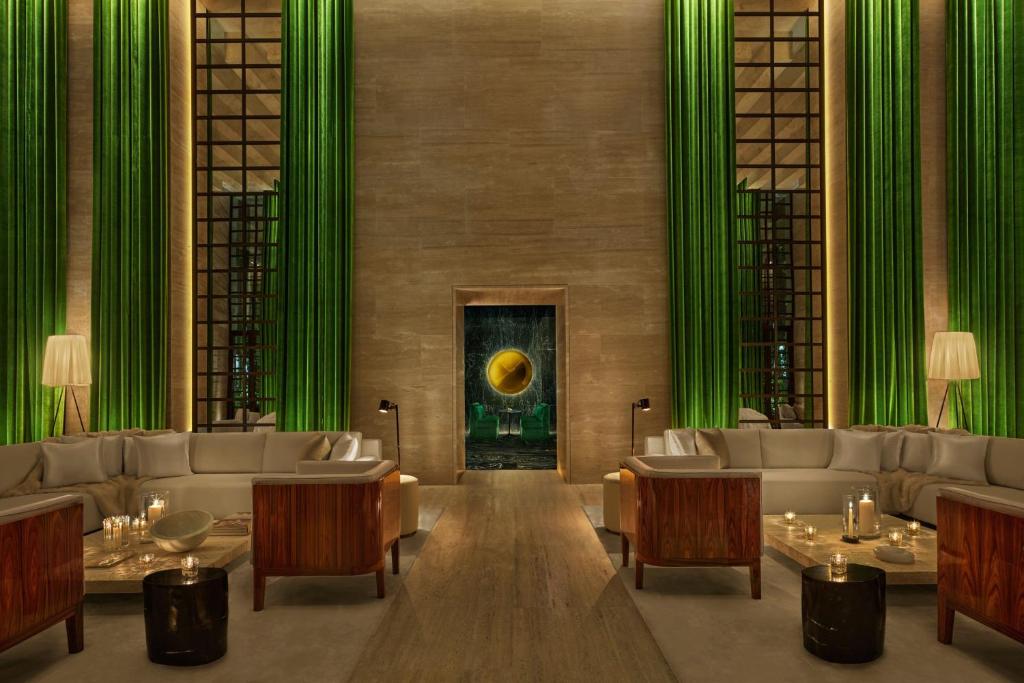
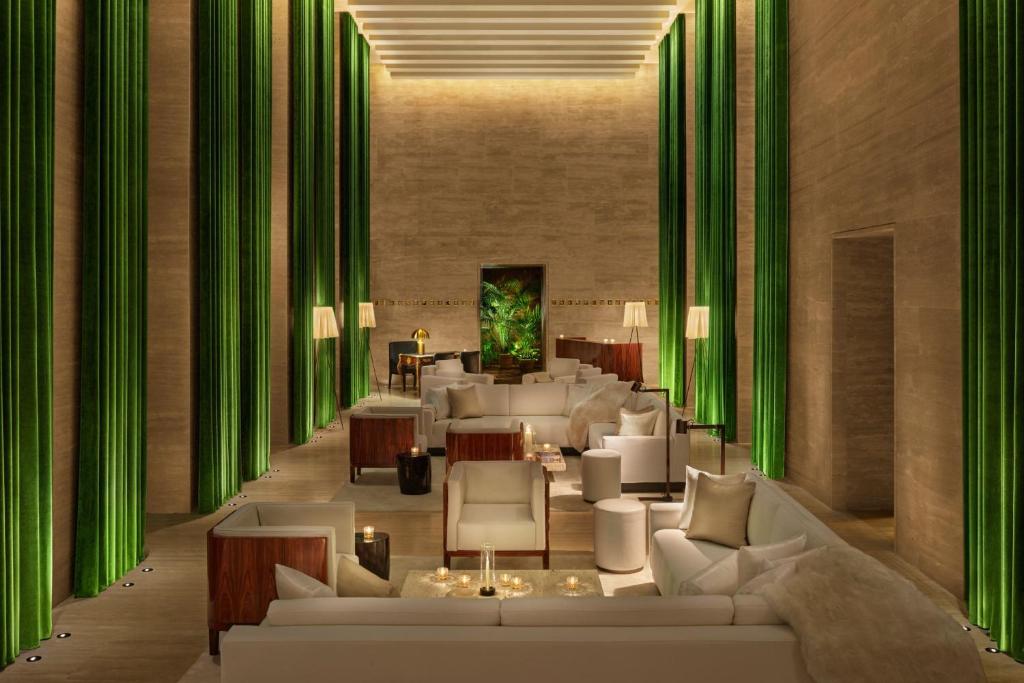
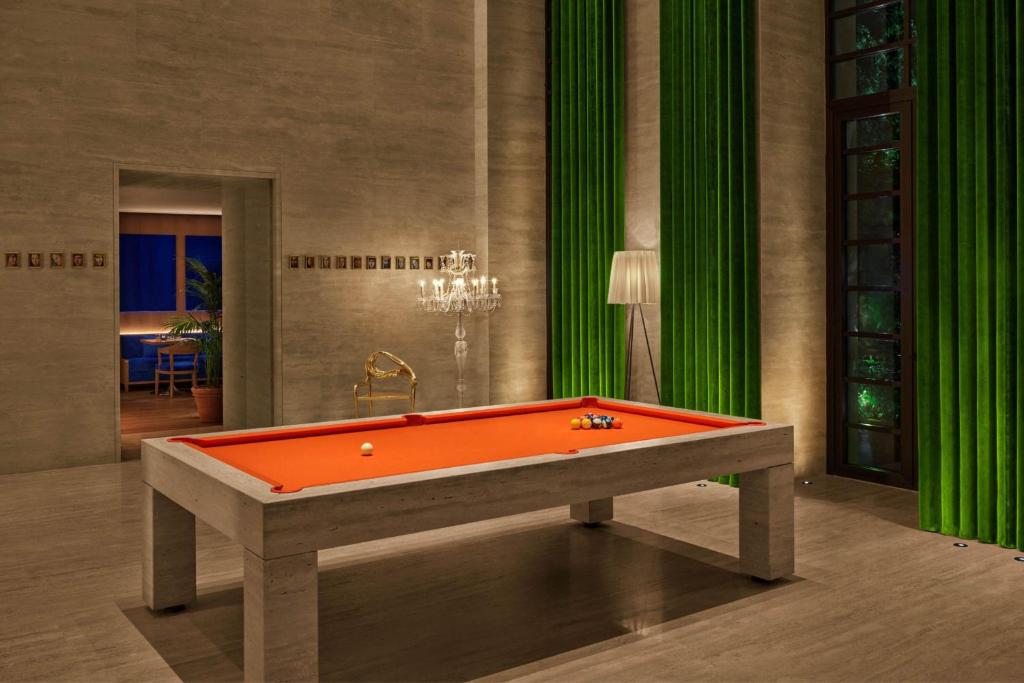
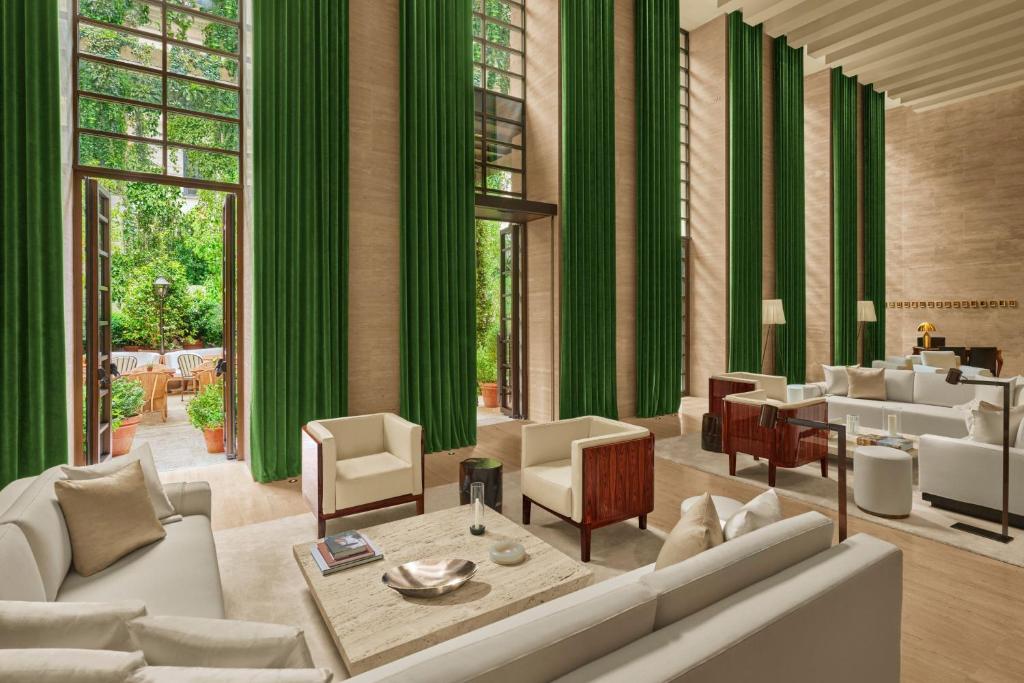
The interiors combine EDITION’s familiar restraint with elements developed by Patricia Urquiola, whose approach draws directly from the genius loci of the Rationalist building. Travertine becomes the connecting material throughout. Canaletto walnut brings warmth. Carrara marble, brushed brass and custom furniture introduce a more polished Italian layer without disguising the building beneath them. Nowhere is the tension more successful than in the lobby. Seven-metre ceilings, towering windows and expanses of travertine could easily overwhelm, but symmetrical arrangements of low white sofas, sculptural tables and warm lighting bring the scale back down to human level. It feels monumental and intimate at the same time — a very Schrager trick.

First, Walk Through the Jungle

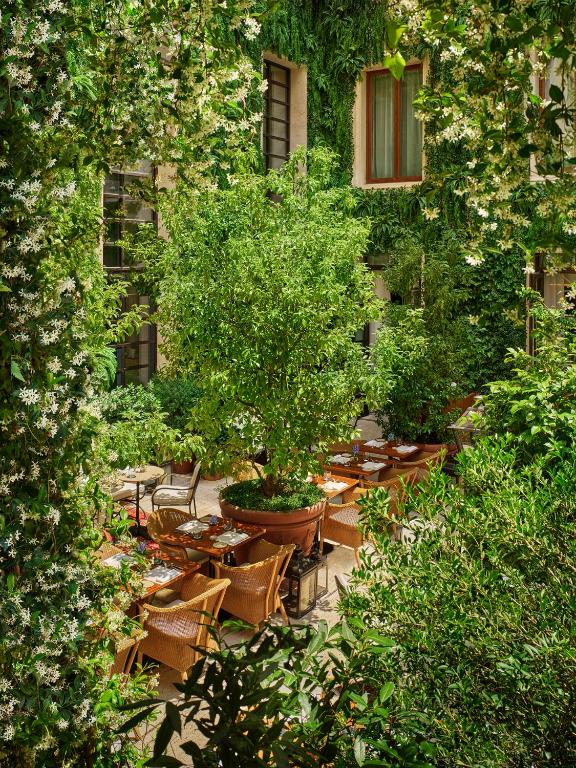
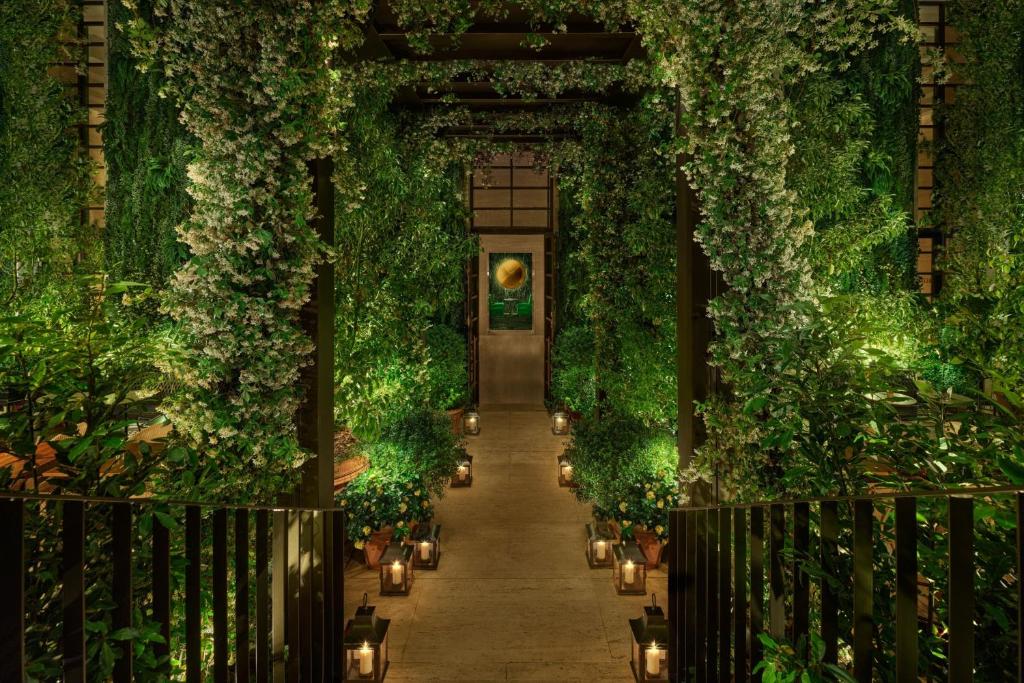
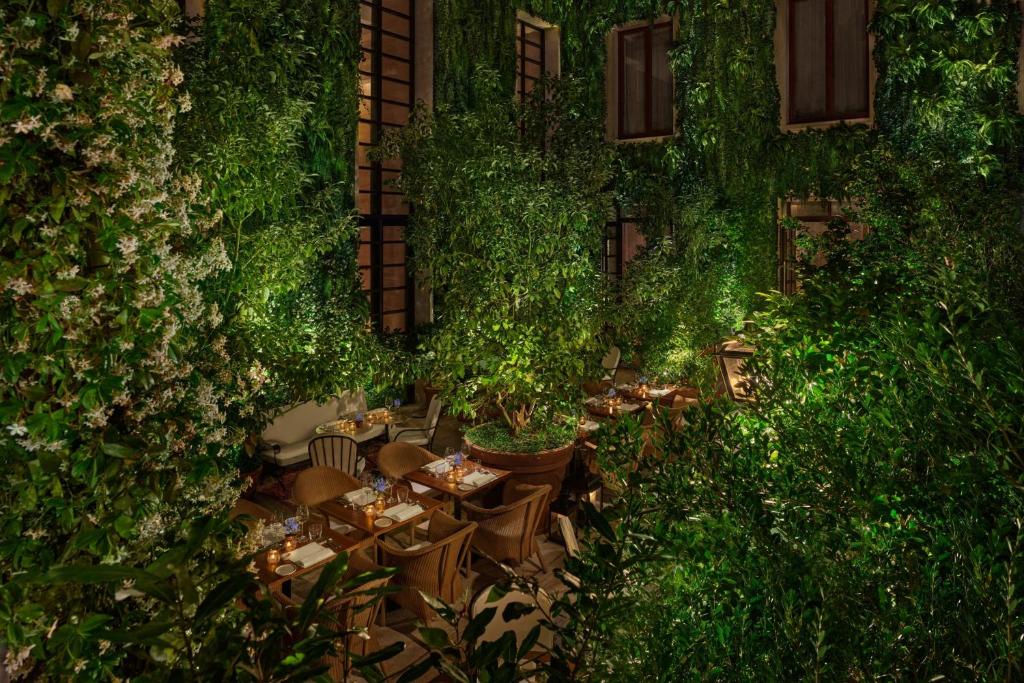
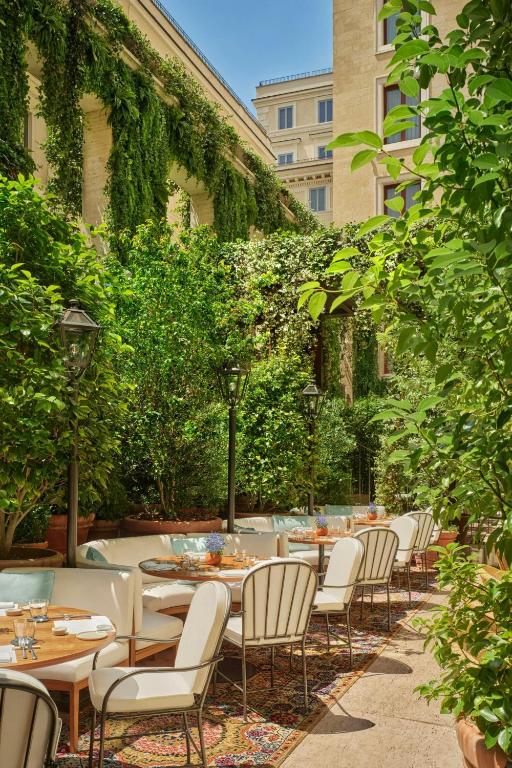
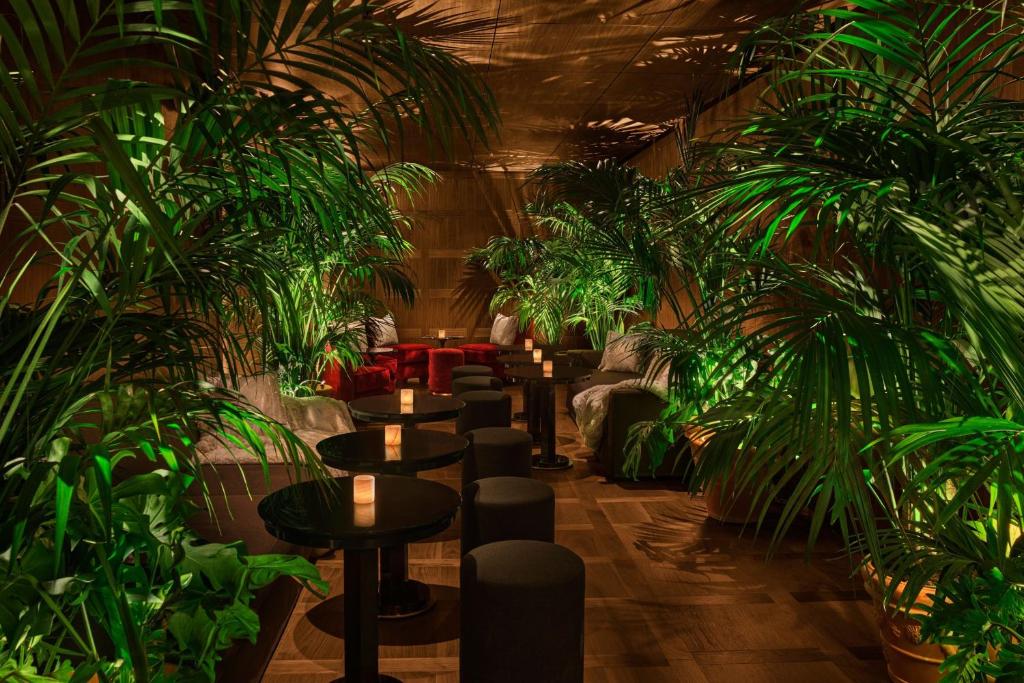
Arrival doesn’t begin in the lobby at all. Guests enter through a sunken courtyard conceived somewhere between a Roman piazza and a secret garden. More than 400 plants fill the space, jasmine cascades across the façade and a huge bronze awning shelters teak banquettes beneath an arrangement of lanterns. The Garden operates throughout the day as terrace, restaurant extension, bar and gathering place. It is also a clever counterpoint to the Rationalist architecture around it: strict stone geometry gradually being consumed by greenery. Rome is not short of beautiful courtyards, admittedly. But few come attached to a former bank with this much jasmine.

93 Rooms, Very Little Noise

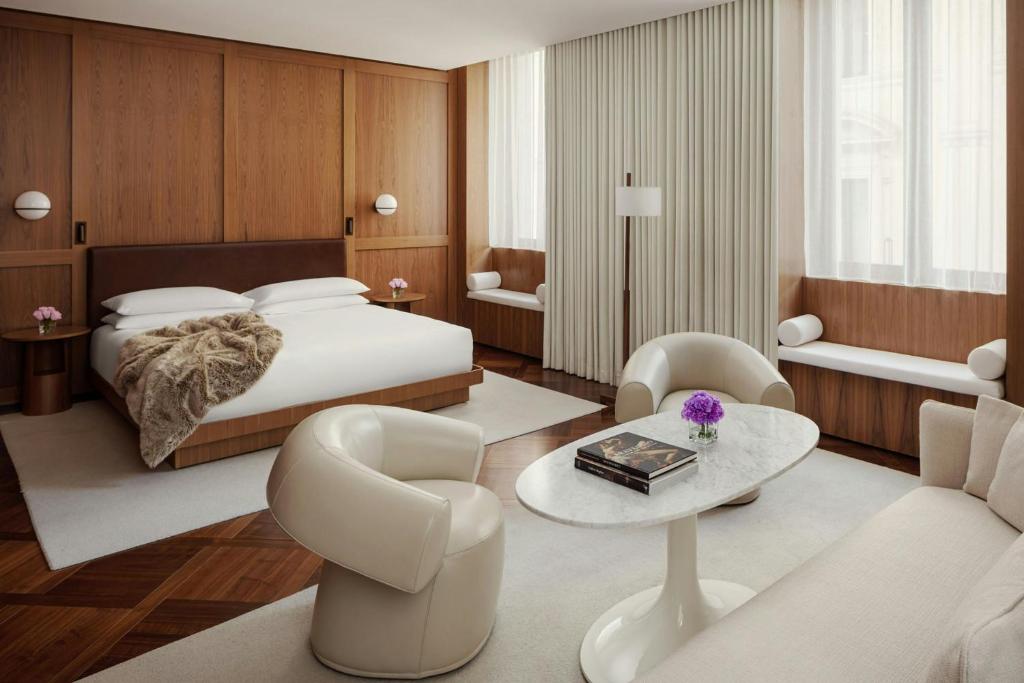
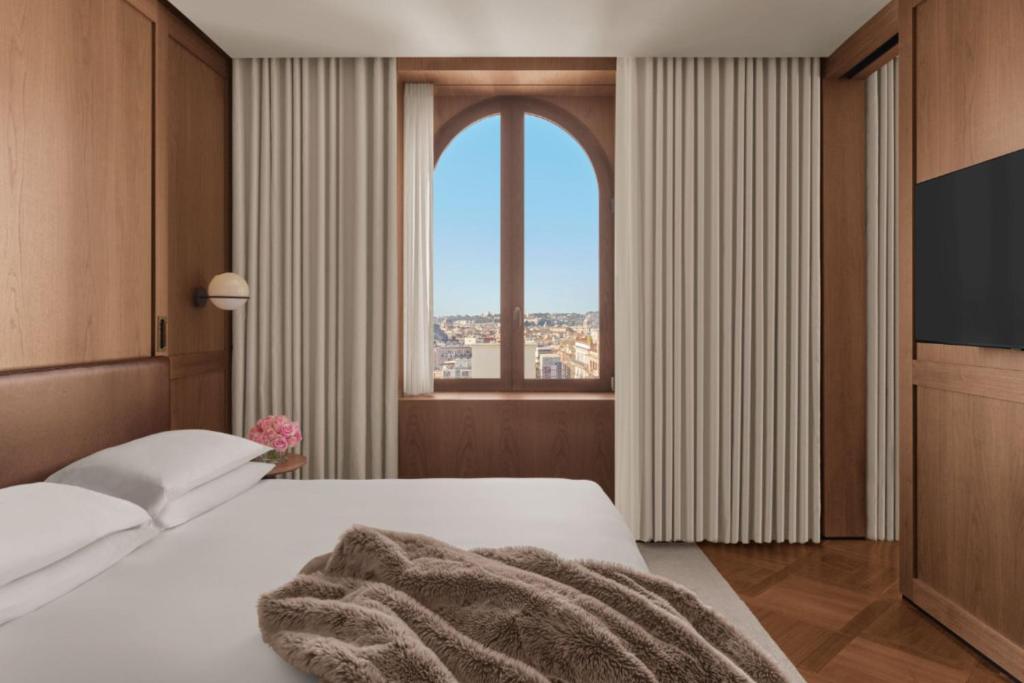
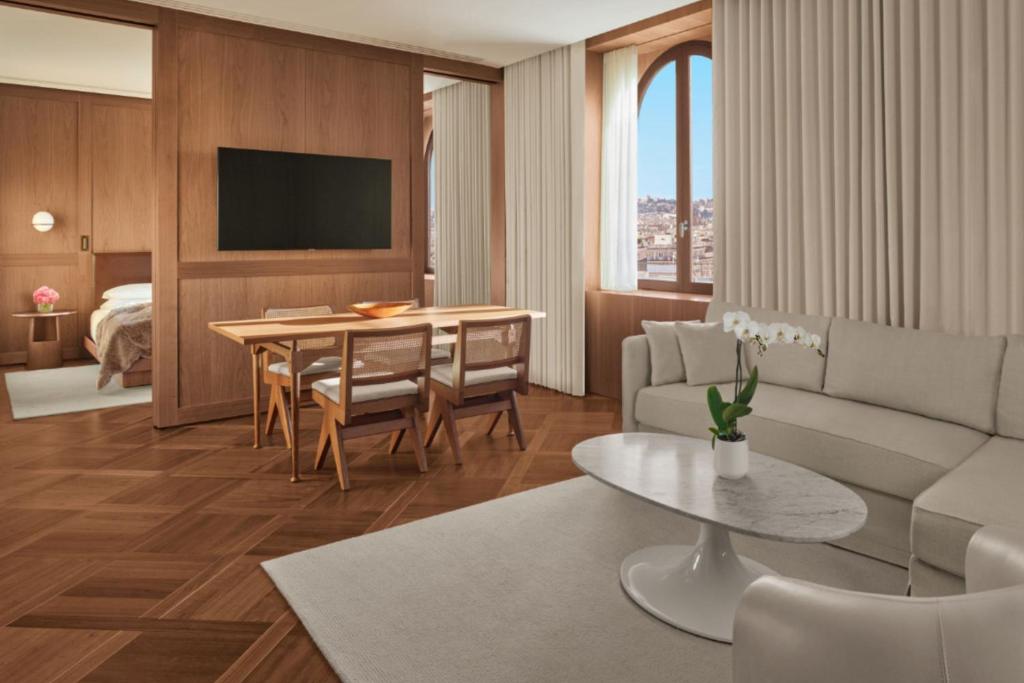
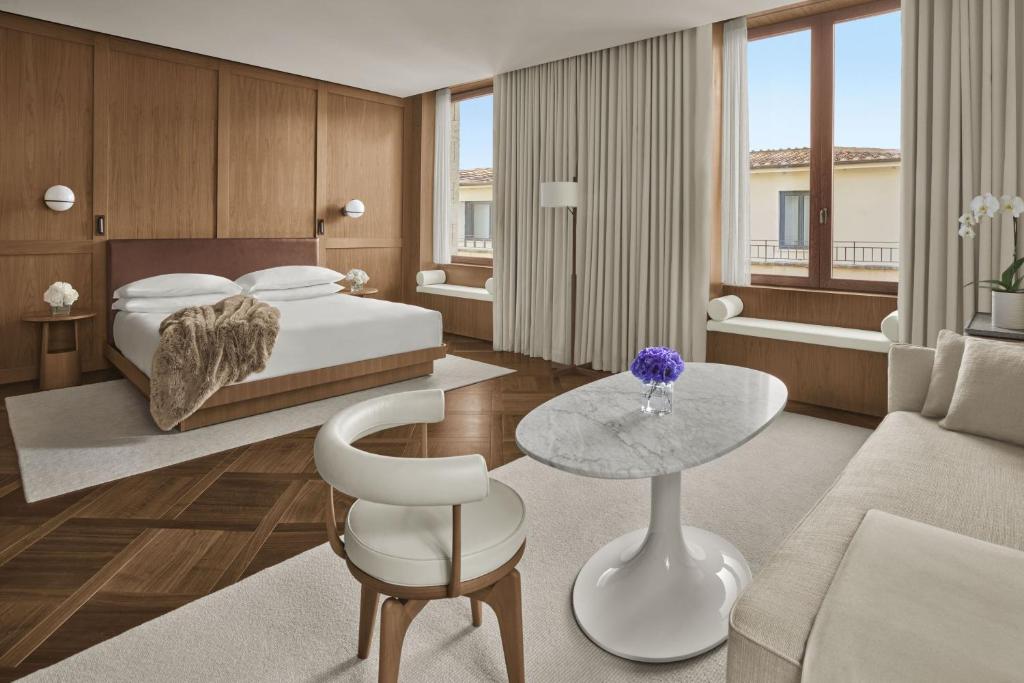
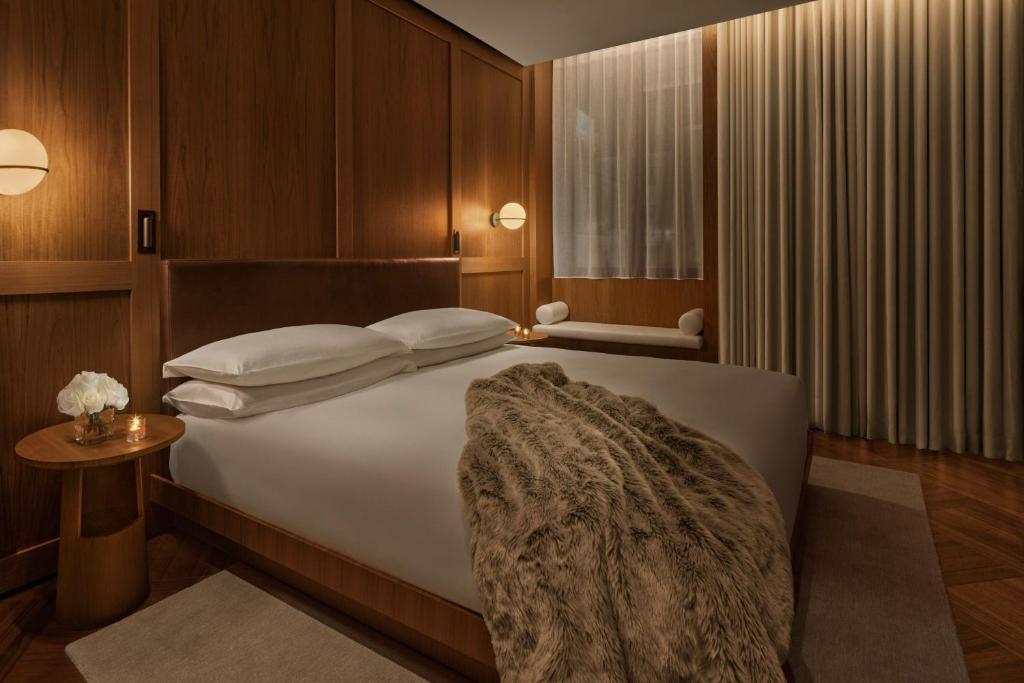
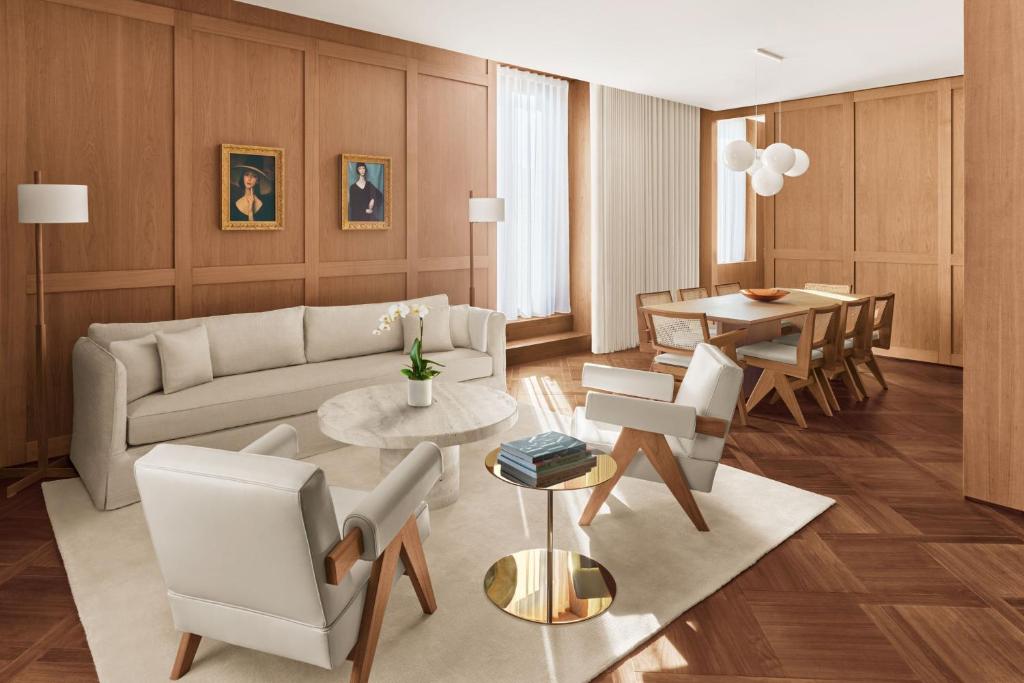
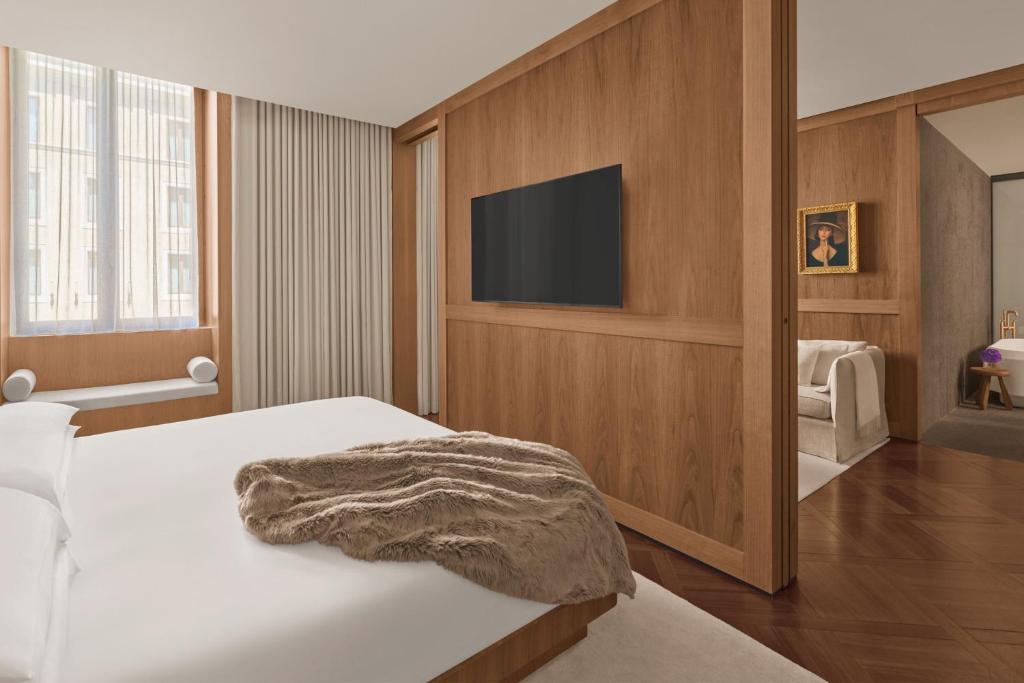
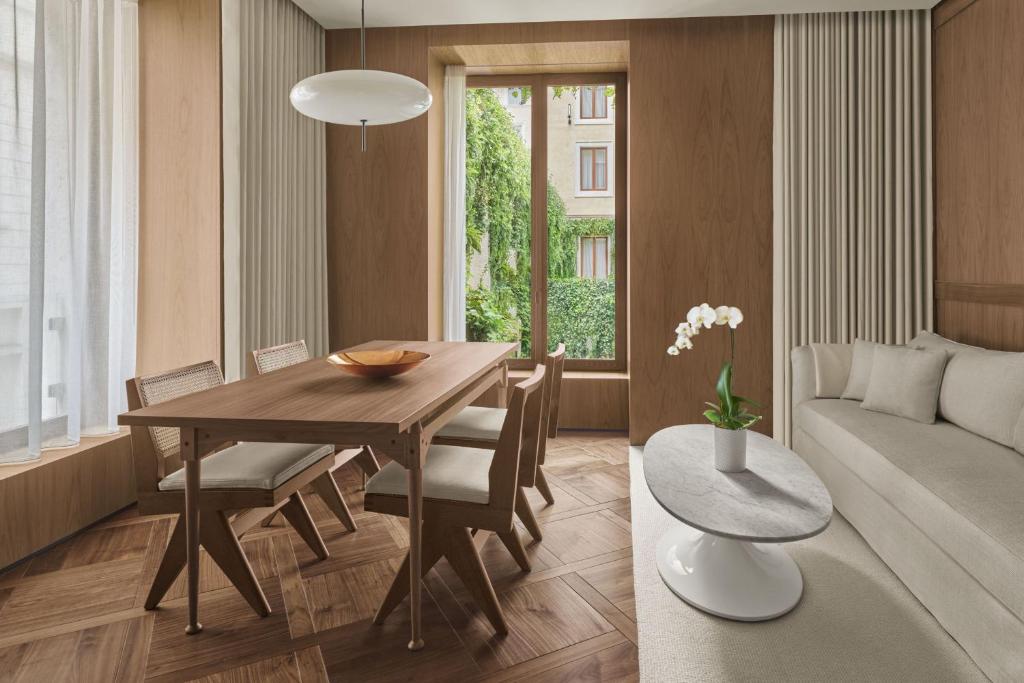
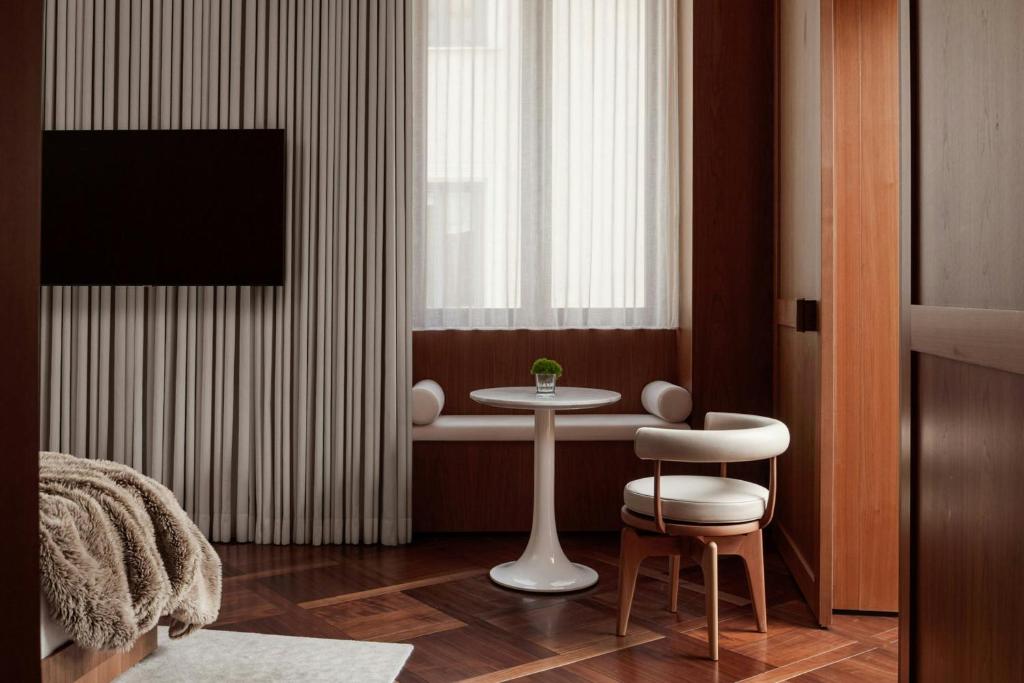
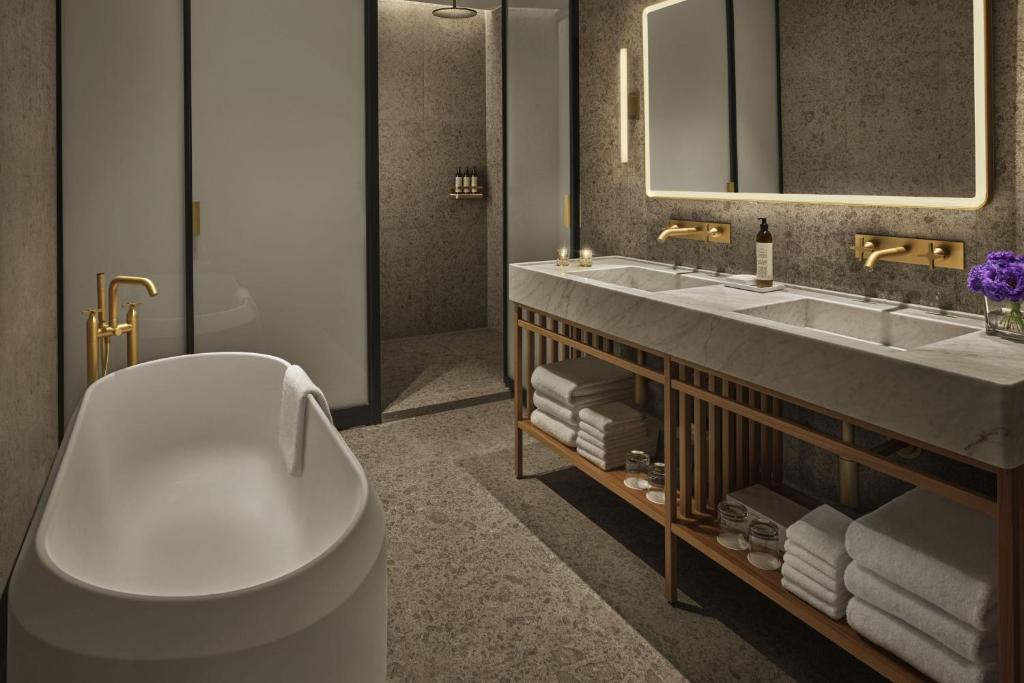
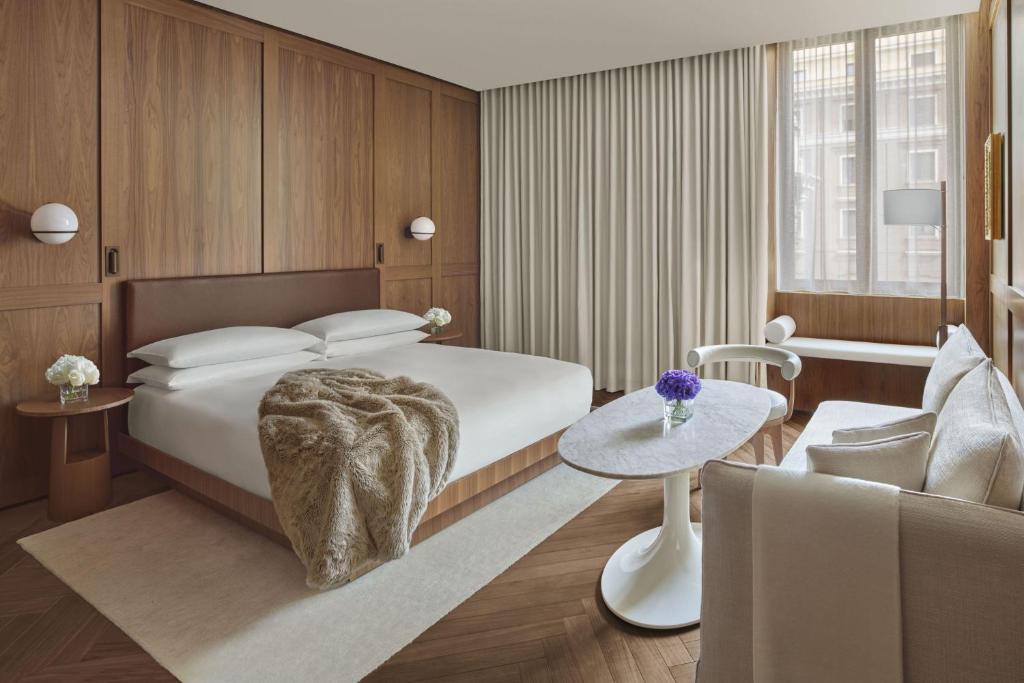
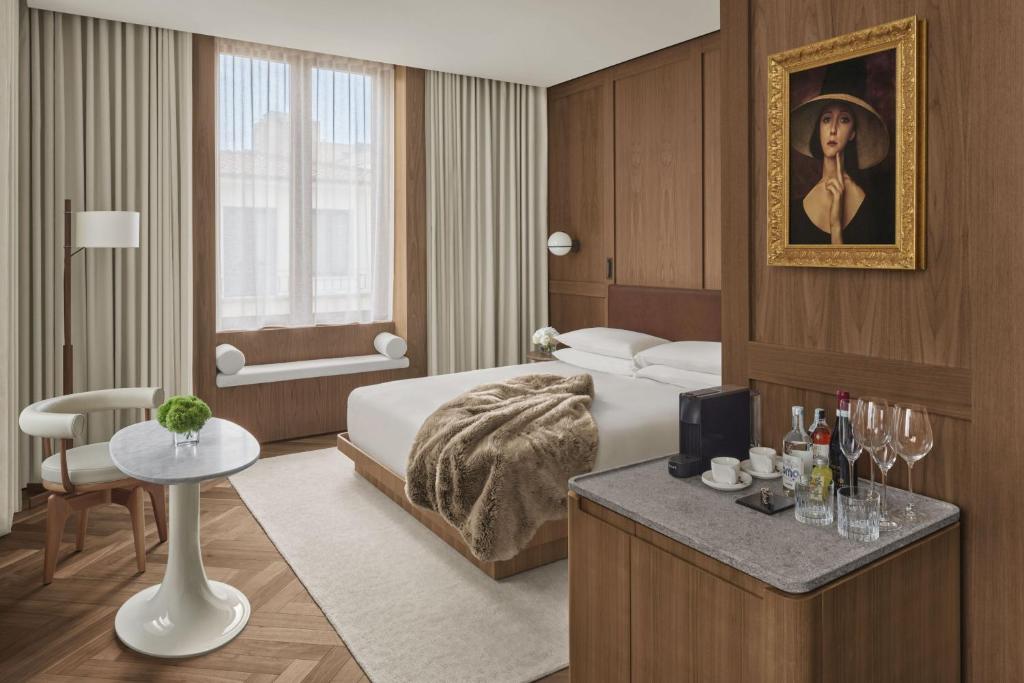
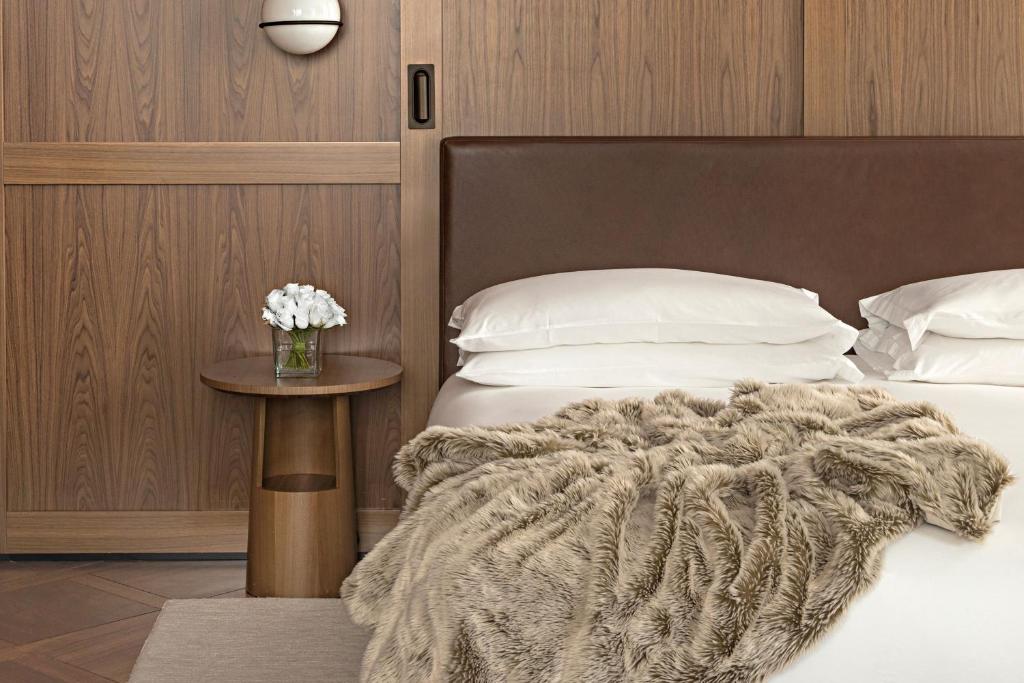
Upstairs, the architecture becomes quieter. The 93 rooms and suites follow EDITION’s recognisable language of warm minimalism: Canaletto walnut beds and wall panelling, herringbone timber floors, muted colours and custom beige-leather furniture. Peperino stone and carefully selected Italian artworks give the rooms a more specifically Roman character. Bathrooms combine Carrara marble basins with walnut, grey stone and brushed brass. Everything is precise without becoming clinical. There is remarkably little visual clutter. After the scale of the lobby, intensity of the bars and general sensory overload that comes free with every visit to Rome, that restraint makes sense. Sometimes luxury is simply closing the door.

Three Bars, Three Personalities

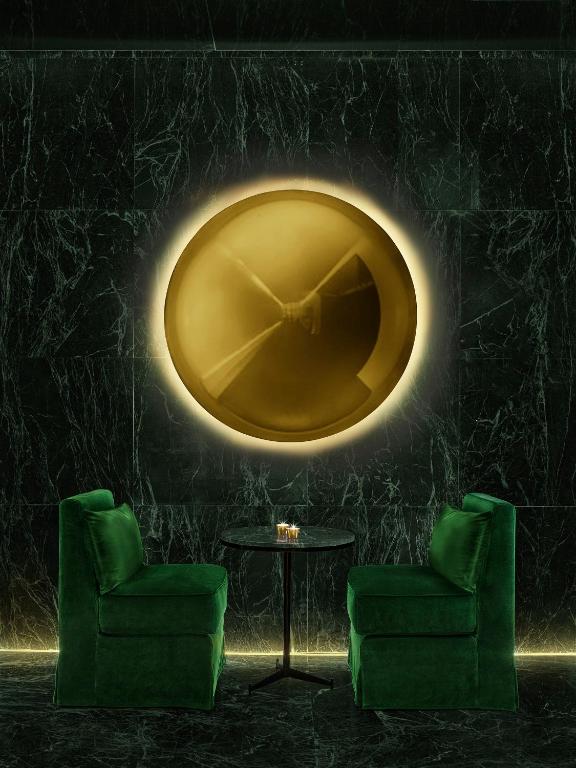
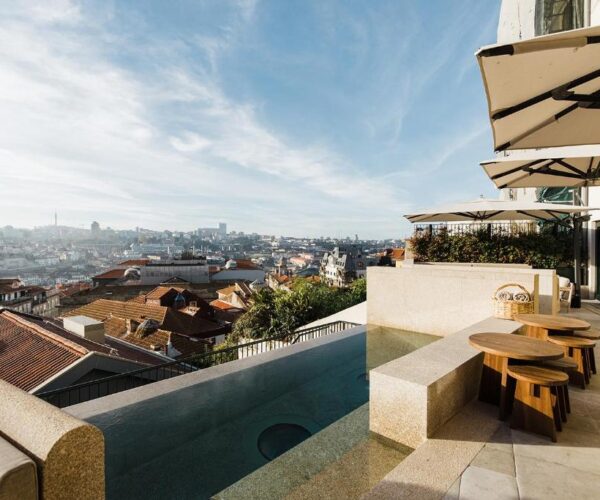
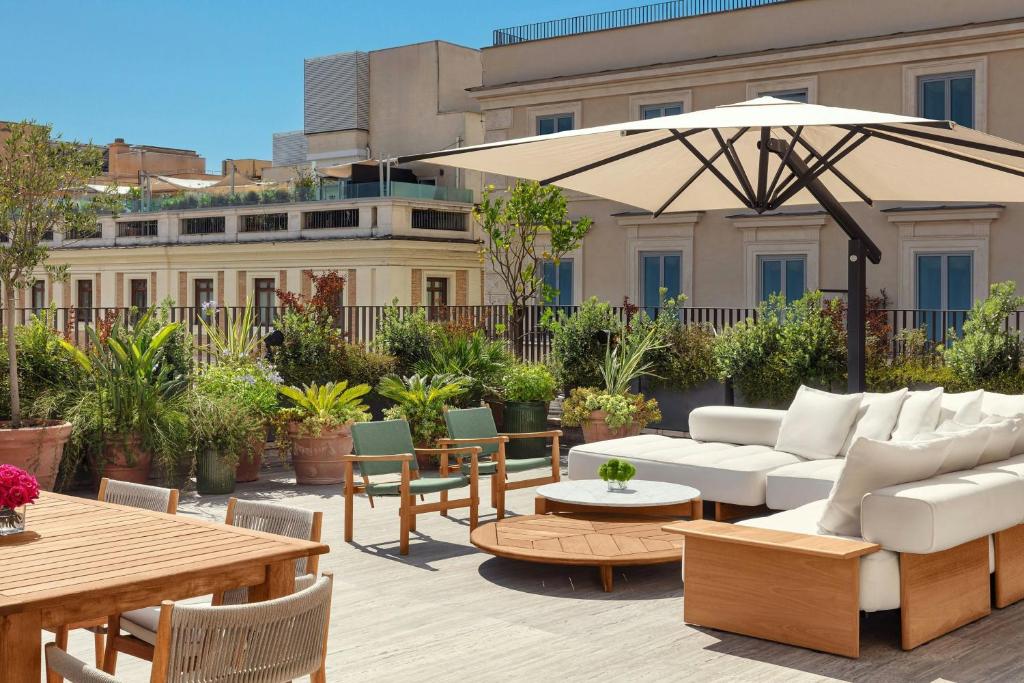
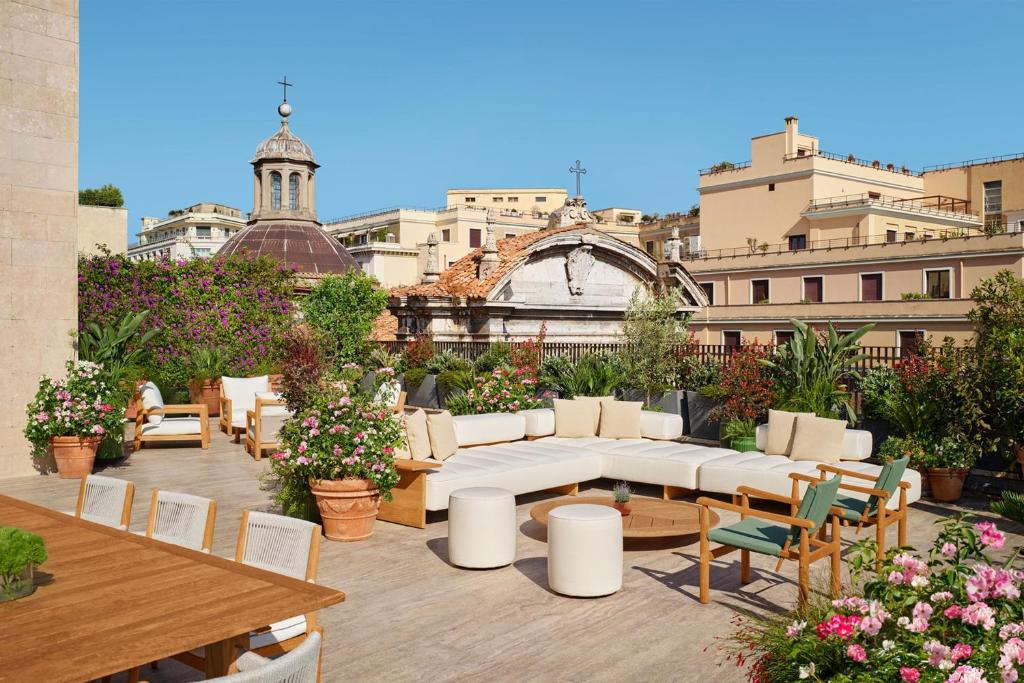
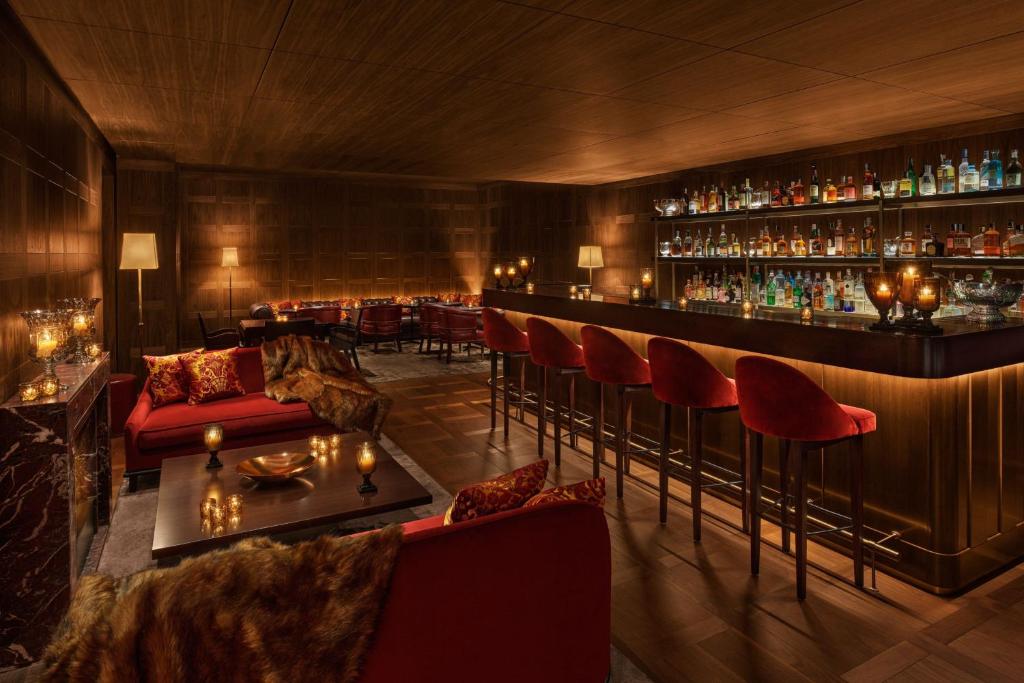
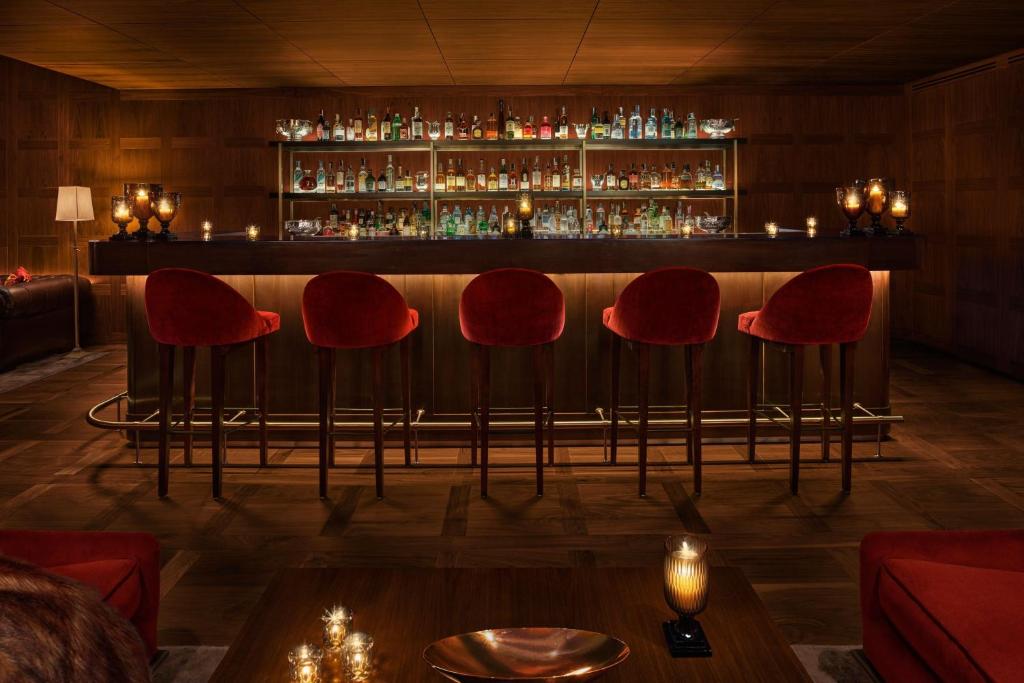
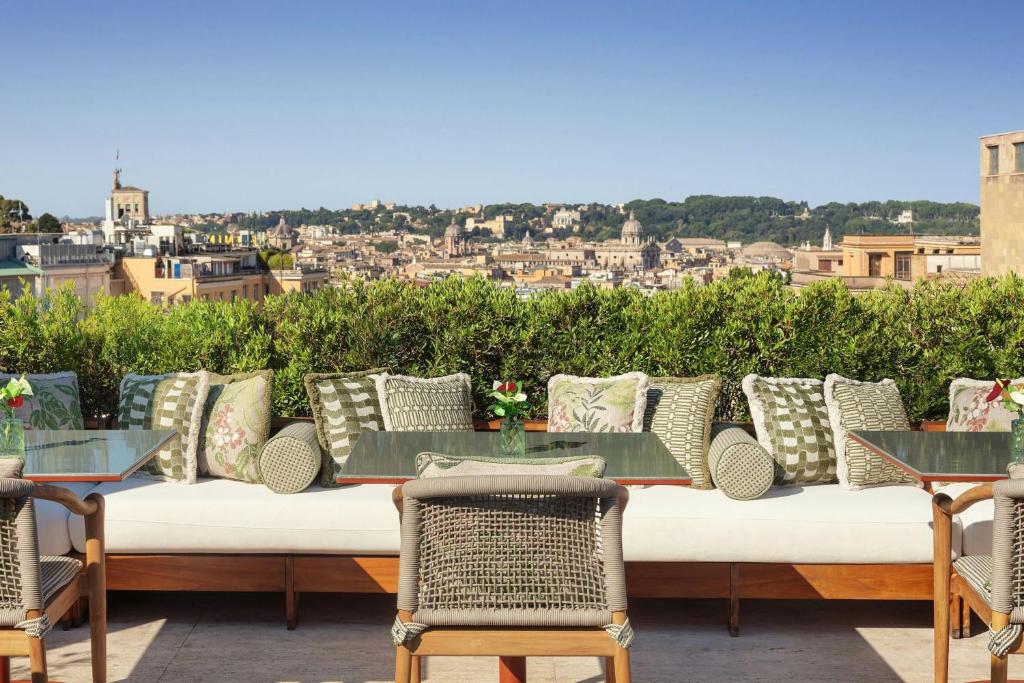
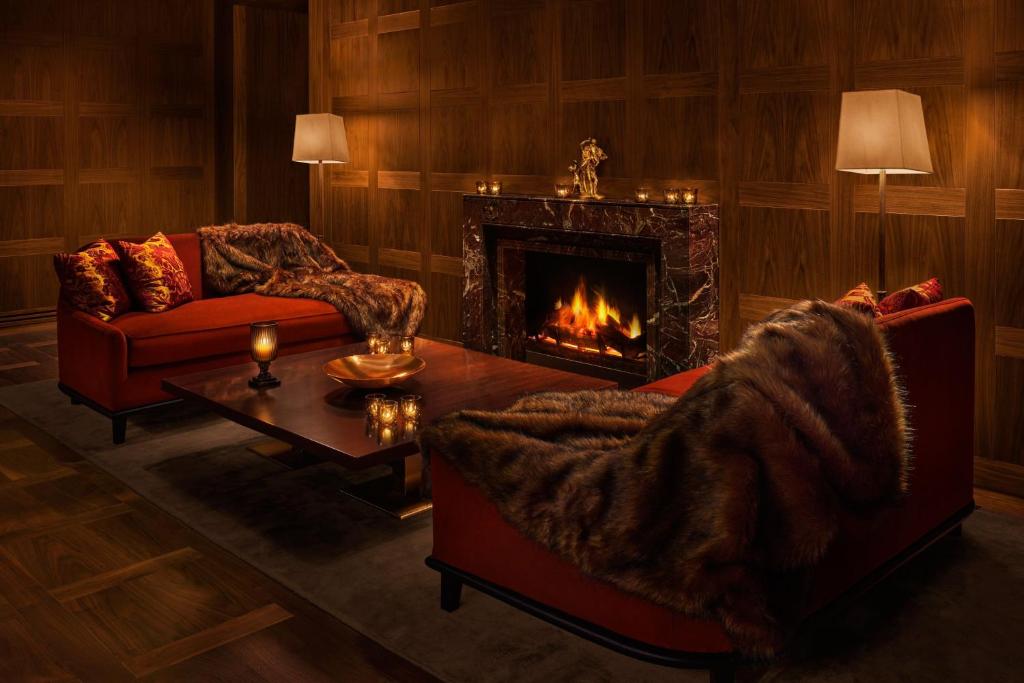
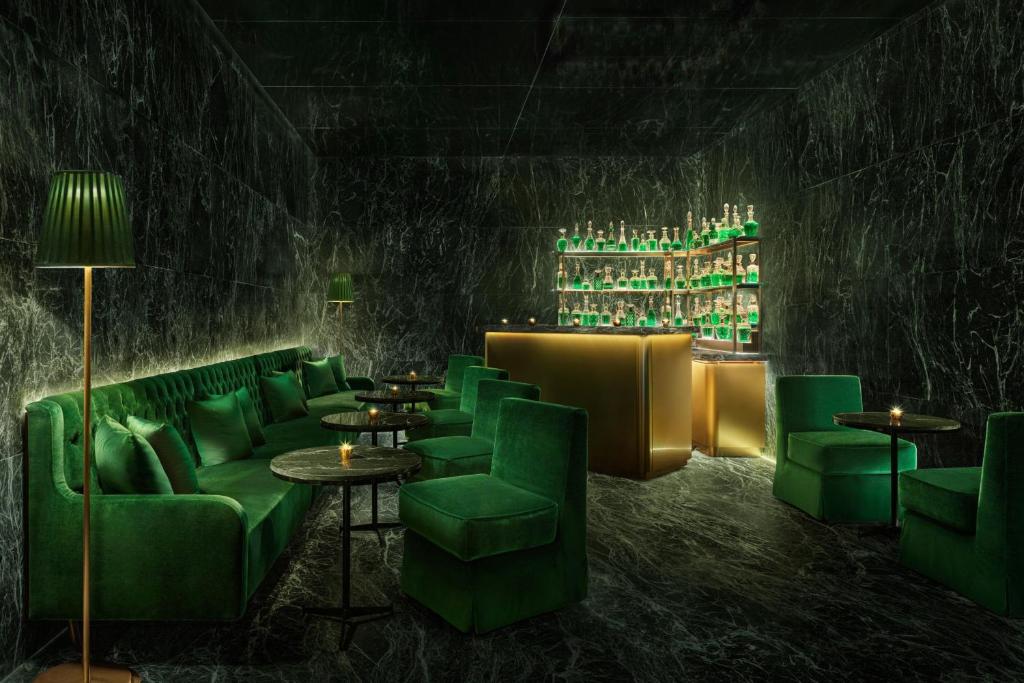
Schrager has always understood that a good hotel bar needs more than good cocktails. It needs a reason to exist. Rome EDITION gets several. The Punch Room is dark and clubby, wrapped in walnut with a Rosso Levanto marble fireplace, rosewood chairs and amaranth velvet sofas. Its contemporary punches reference a drink whose ingredients historically travelled across global trade routes. Then there is Jade Bar, which takes the opposite approach to scale. With space for only around ten guests, the tiny room is wrapped almost entirely in antique green marble, emerald velvet, satin brass and gold. It is less a bar than a jewel box with alcohol. Upstairs, The Roof abandons intimacy altogether. A travertine plunge pool, teak daybeds and bar overlook Rome’s rooftops and landmarks. Three bars. No sad lobby gin and tonic required.

Roman Food, With an Open Kitchen

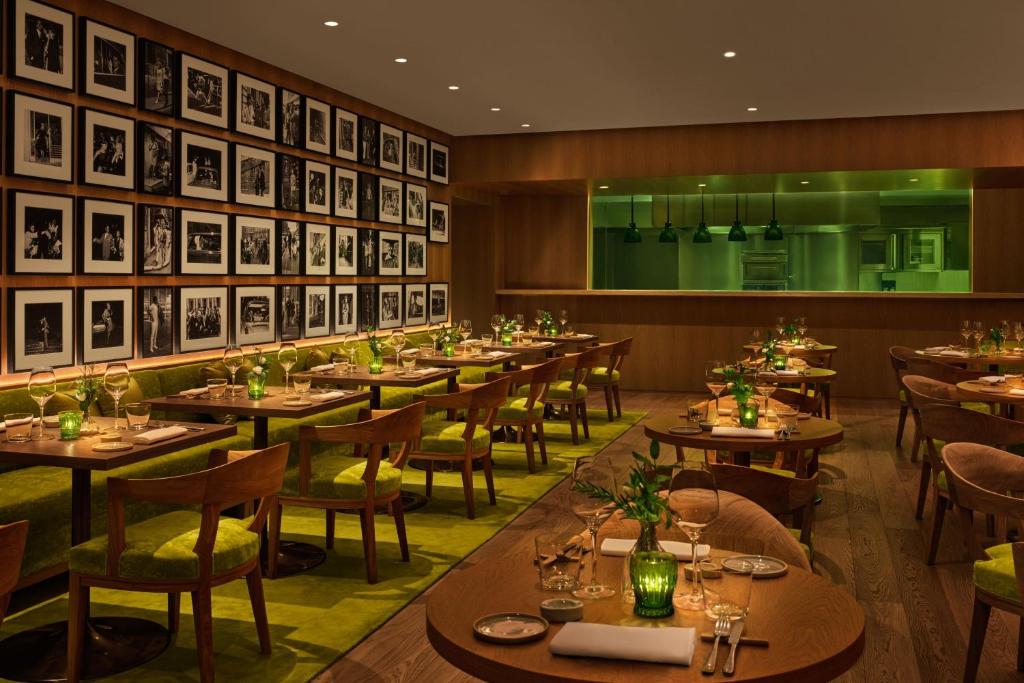
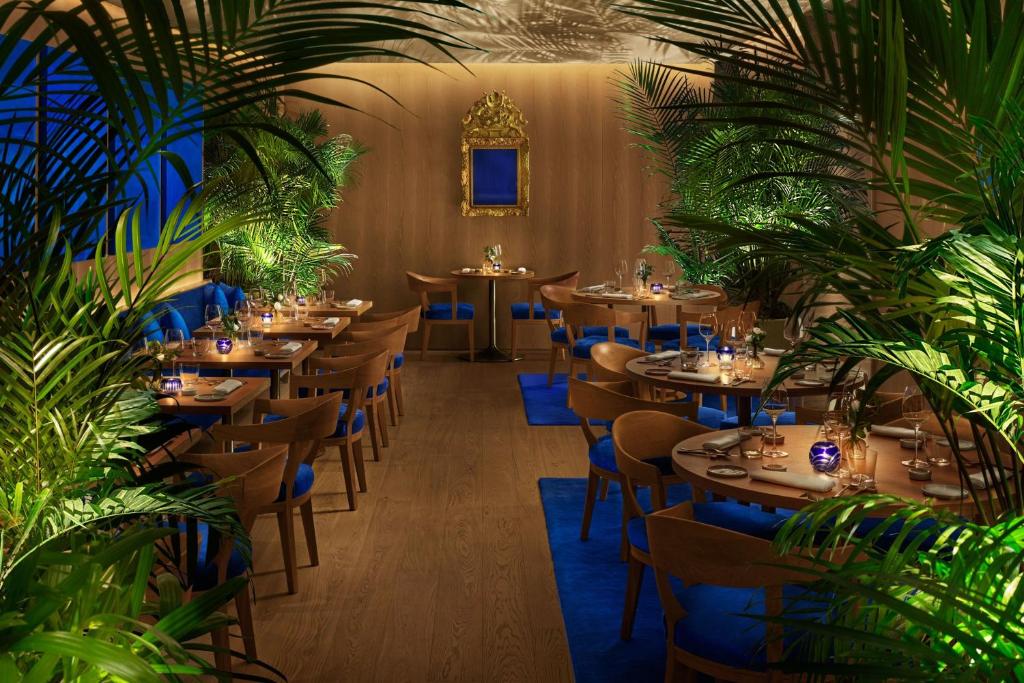
At Anima, food comes from Paola Colucci, the self-taught Roman chef who left a career in finance to open Pianostrada and subsequently became one of the city’s more distinctive culinary voices. Her open kitchen sits behind amber glass, deliberately making cooking part of the room rather than something hidden backstage. The menu takes family recipes and familiar Italian dishes and nudges them in contemporary directions, with seasonality and local ingredients at the centre. That includes Colucci’s interpretations of spaghetti with roasted tomatoes and vitello tonnato, alongside excellent tomatoes, burrata and a predominantly Italian wine list. It fits the hotel unusually well. The cooking is recognisably Roman, but nobody is pretending it is 1957.

Rome Without the Palazzo

What makes The Rome EDITION particularly valuable in a city overflowing with converted aristocratic residences is that it starts with an entirely different piece of architecture. There are no frescoed ceilings to romanticise, no attempt to recreate imperial Rome and no aristocratic drawing rooms dressed with velvet because somebody thinks luxury requires tassels. Instead there is Rationalism. Pascoletti and Piacentini’s geometry remains legible throughout, while Schrager and Urquiola soften it with walnut, travertine, textiles, greenery and carefully controlled theatricality. The secret garden brings nature into the architecture. The bars introduce darkness and colour. The bedrooms strip everything back again. Then the rooftop gives the city back to you. The Rome EDITION doesn’t try to look ancient. In a city with roughly two thousand years of competition, that’s a surprisingly smart move.

Information

At a glance

Bar Culture Eco & Sustainability Pets allowed Wheelchair accessible Design Luxury Rooftop Bar Vibe: Social

Architecture

Patricia Urquiola

Opened / Renovated

2023

Size matters

93 rooms, including 7 suites & 2 penthouses (22-227m2) (237-2,443 sq ft)

Interior design

Patricia Urquiola, Ian Schrager

Bathroom Amenities

Le Labo
Featured in

Don't take our word for it

Handpicked worldwide

A carefully curated collection of exceptional boutique and design hotels across the globe.

Design with soul

Architecture, atmosphere and craftsmanship come together in stays with a clear identity.

Hidden, not hyped

Independent boutique hotels you rarely find on mainstream booking platforms.

Travel guidance

Personal recommendations and thoughtful support from people who actually know the places.