


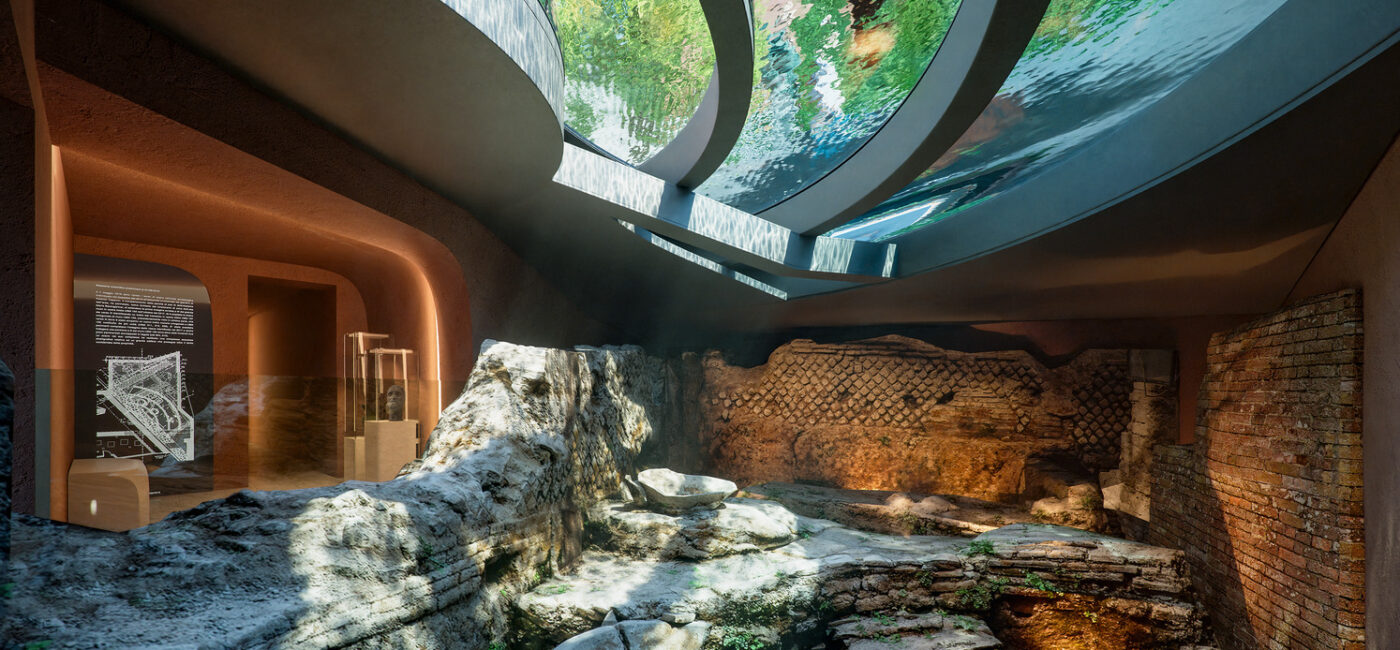
An abandoned medieval village in the mountains of Abruzzo, revived as a hotel without erasing the centuries that came before.
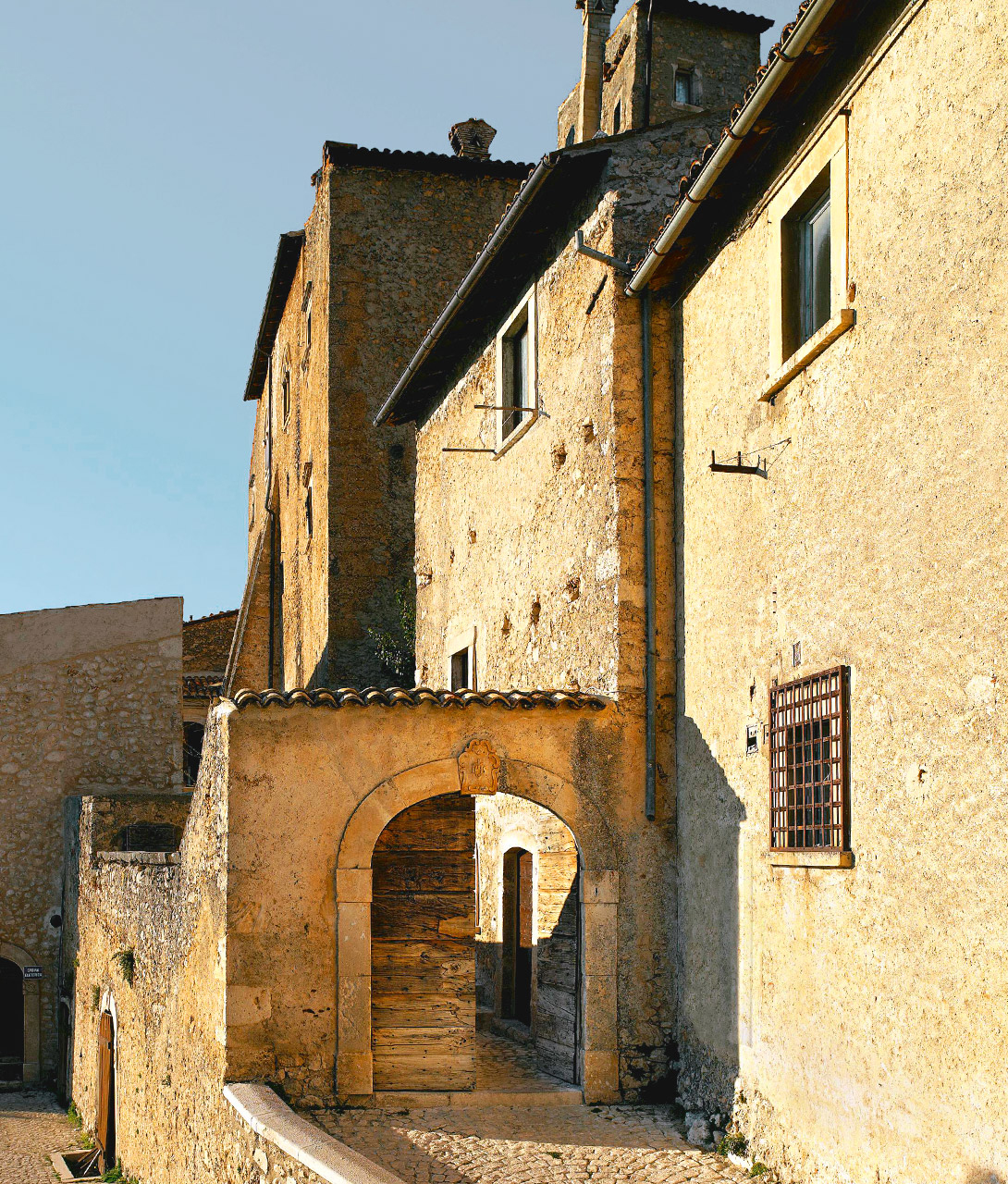
Sextantio Albergo Diffuso has rustic designer rooms dispersed along the narrow cobblestone streets of a medieval village high up in the Abruzzo mountains.

Why DNA Hotels loves it
The albergo diffuso concept turns Santo Stefano di Sessanio itself into the hotel, with rooms scattered through restored medieval houses rather than contained in a single building.
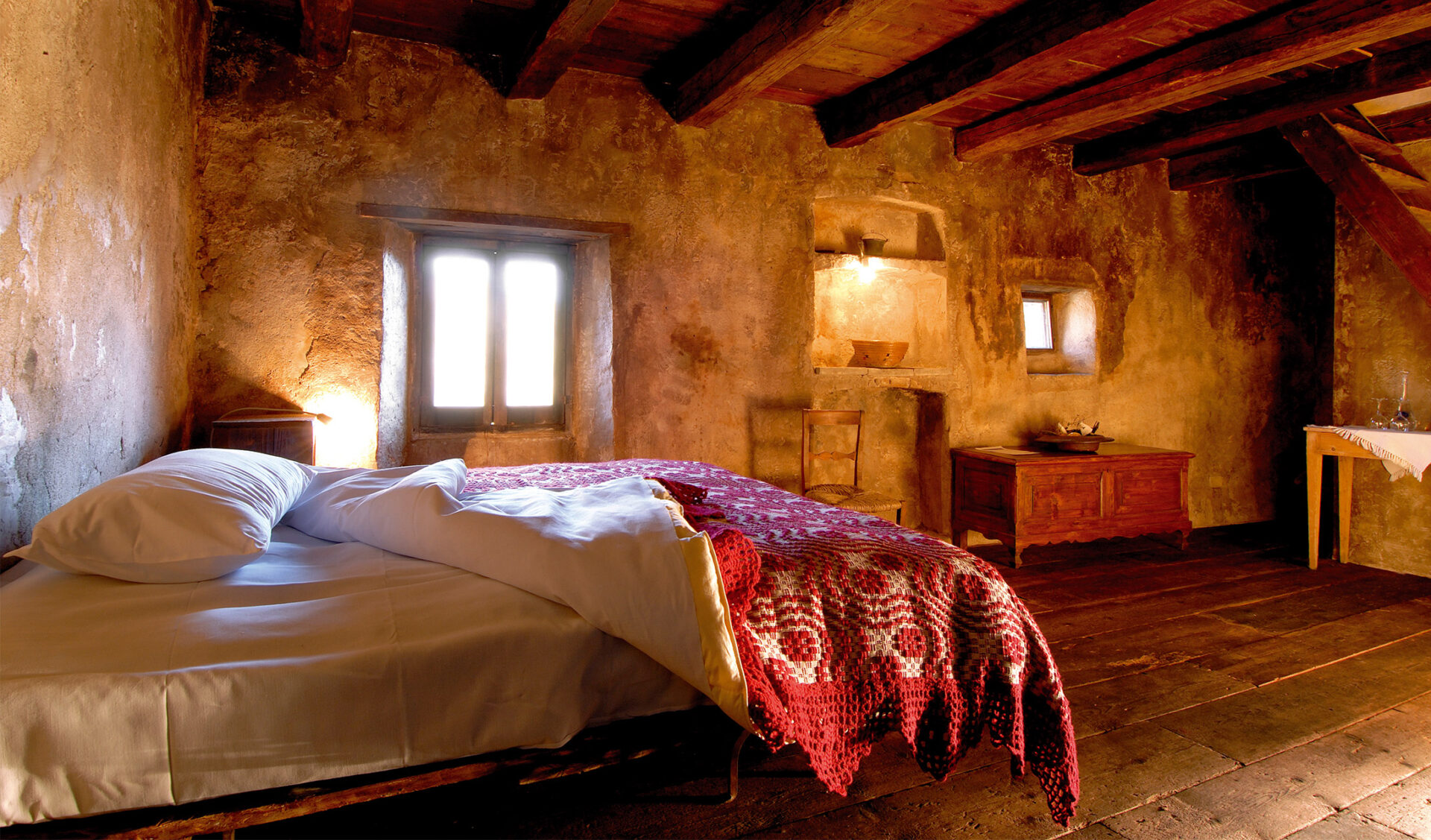
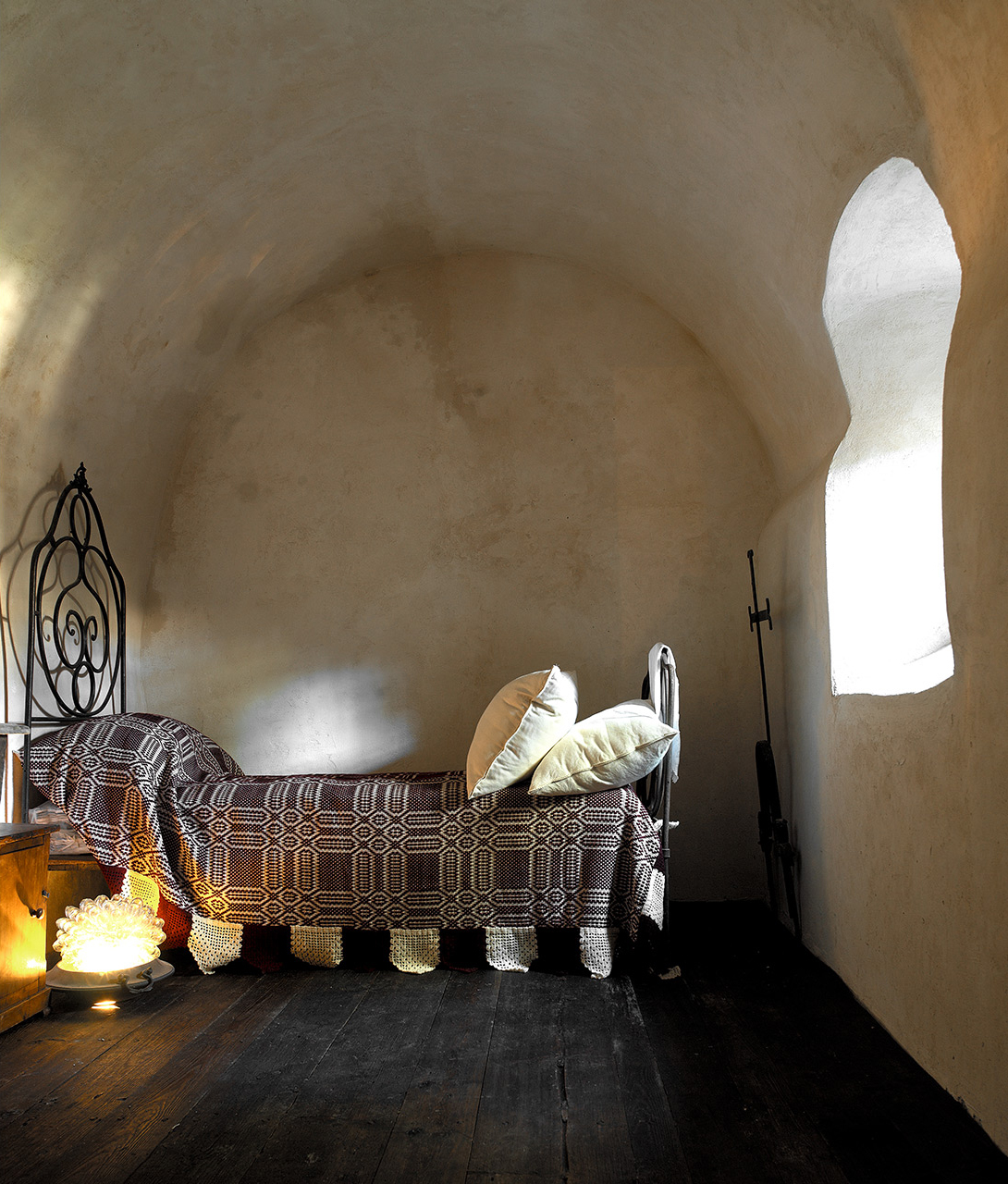
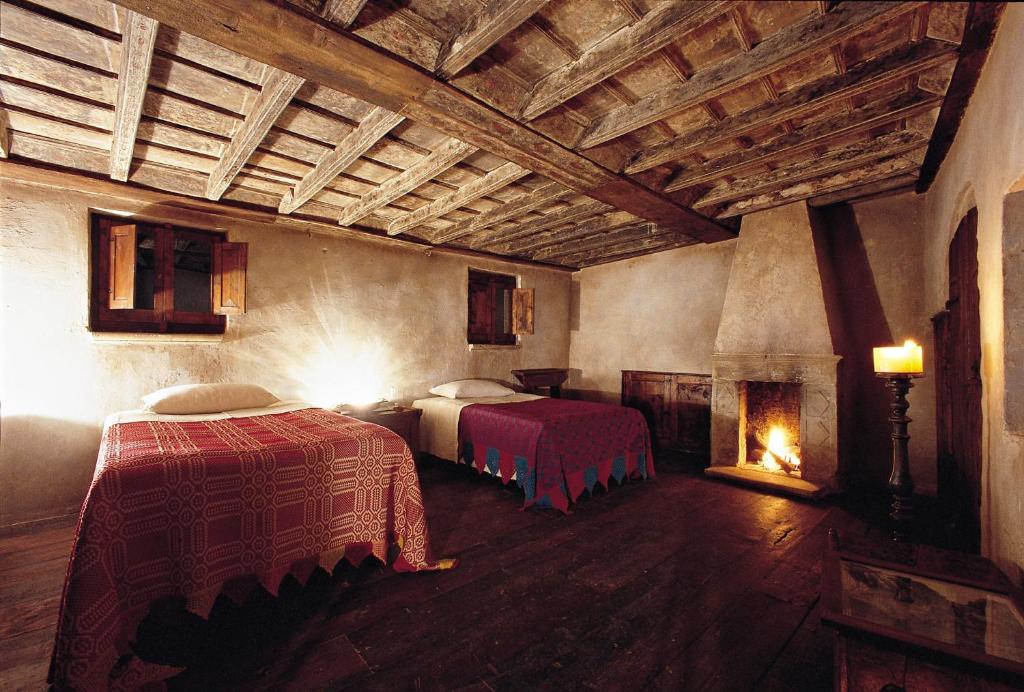
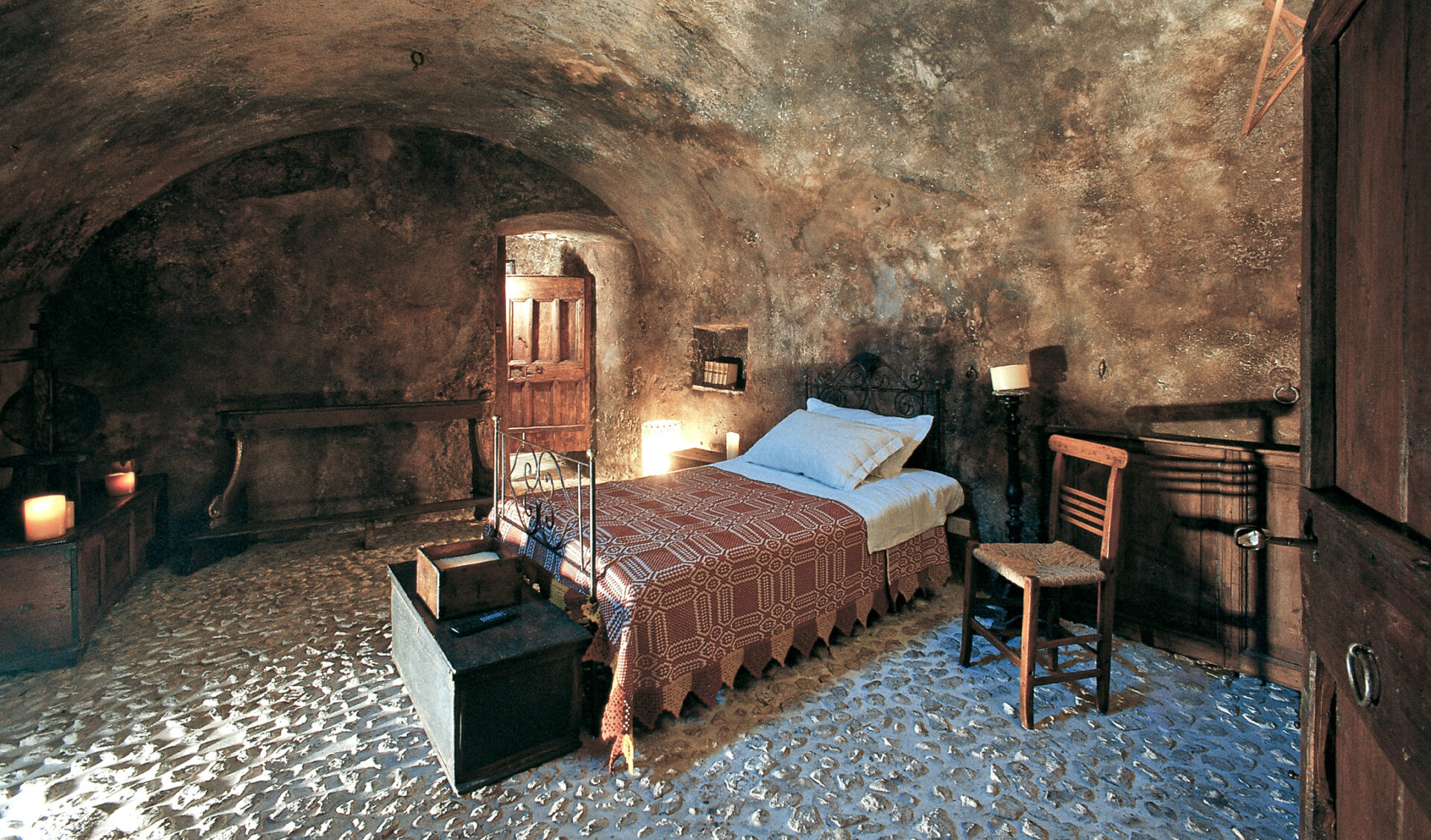
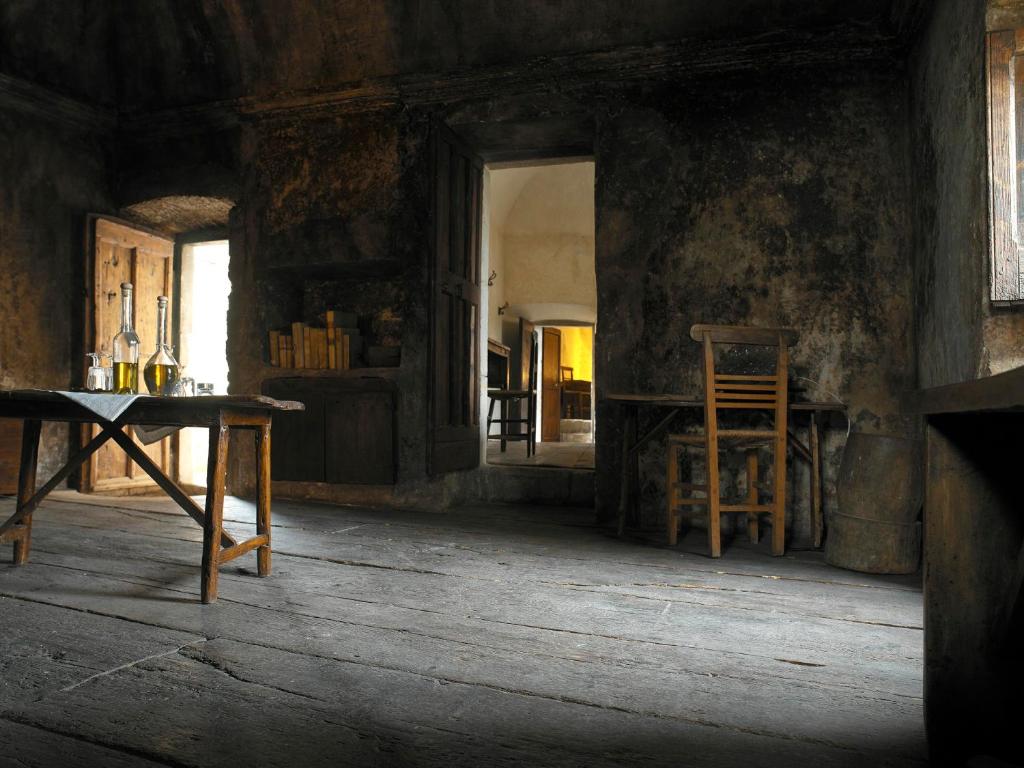
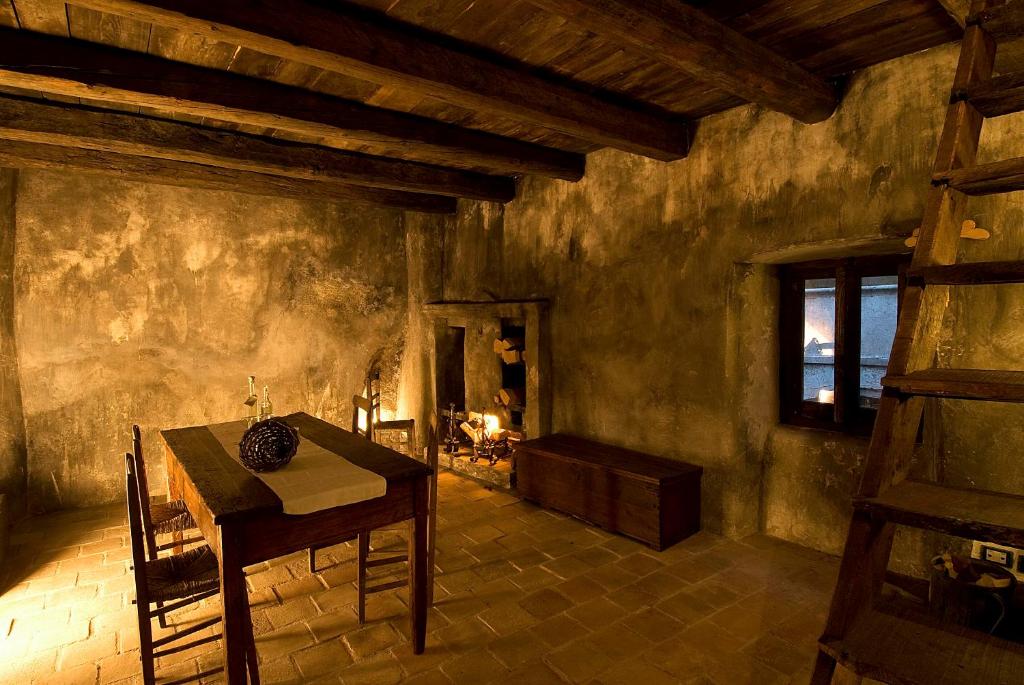
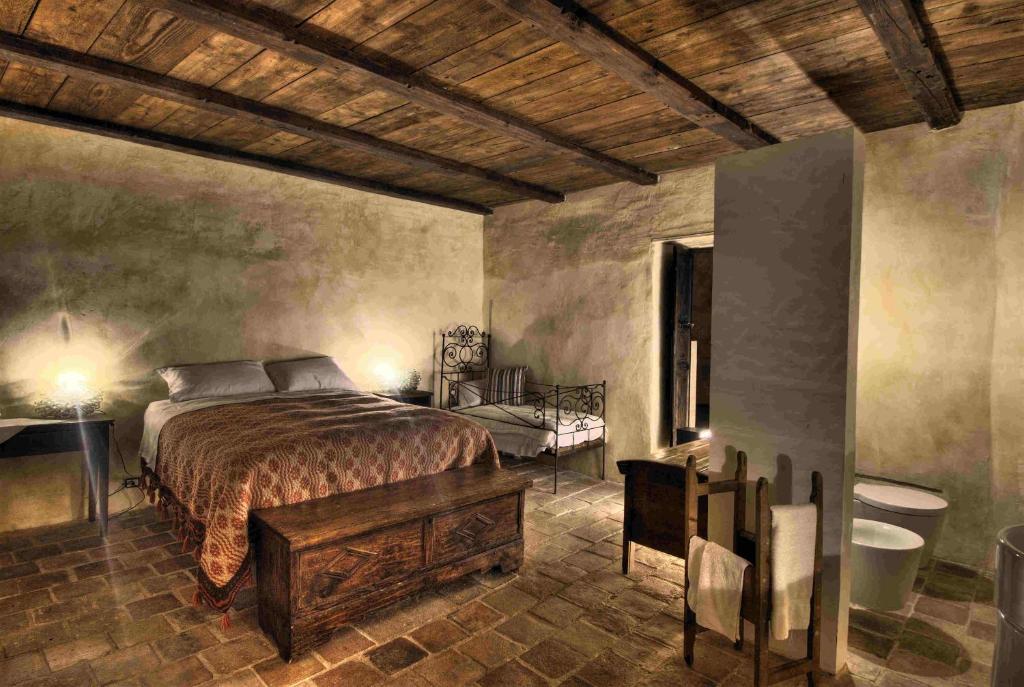
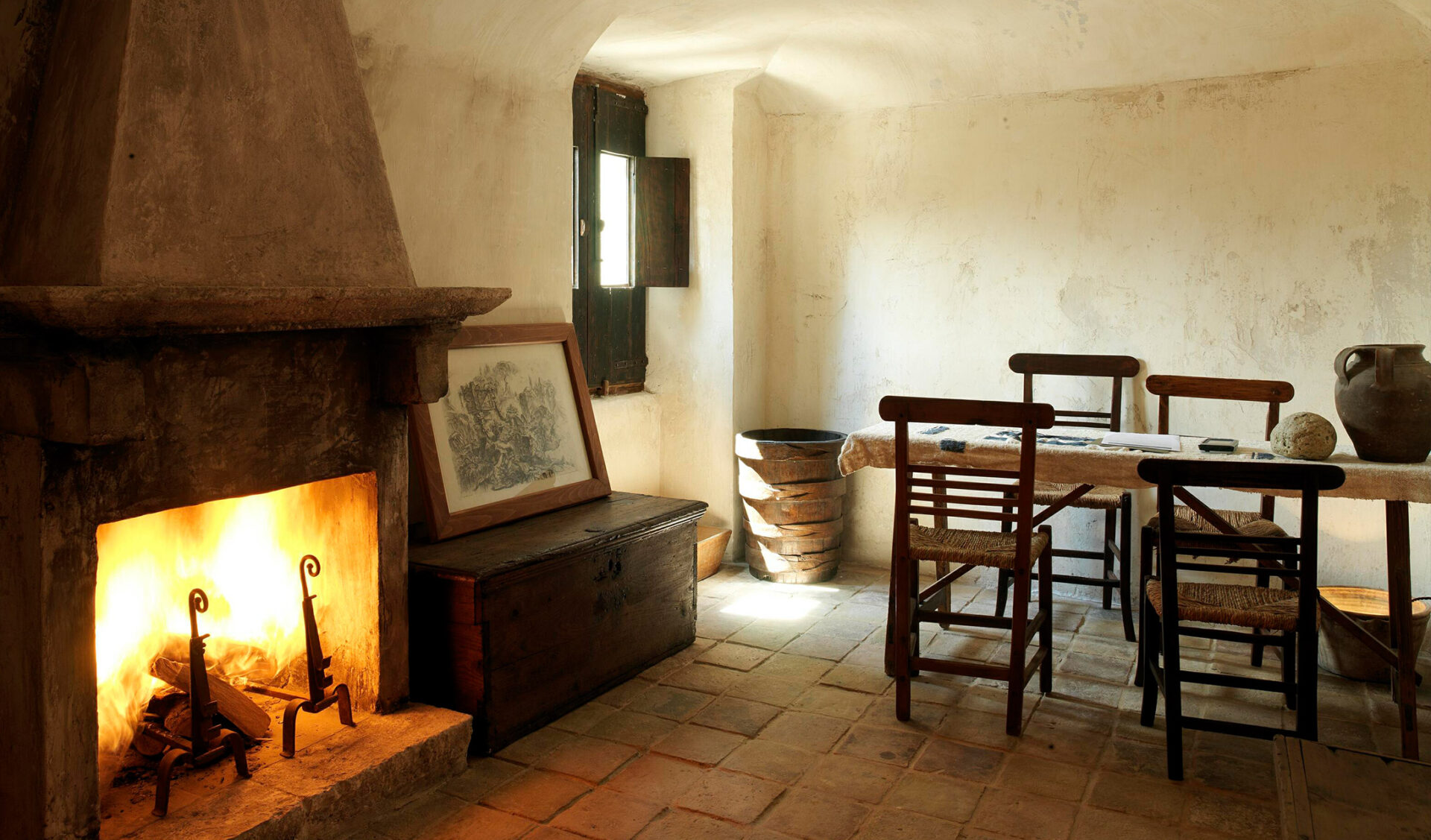
Founder Daniele Kihlgren approached the restoration almost as an anthropological project, preserving smoke-darkened walls, uneven stone floors, tiny windows and traces of rural life while hiding modern technology.
At 1,250 metres inside the Gran Sasso and Monti della Laga National Park, the experience extends from architecture to revived Abruzzese food, weaving and centuries-old mountain traditions.
The Stay
Sextantio Albergo Diffuso – Santo Stefano di Sessanio, Italy
The Village That Time Forgot
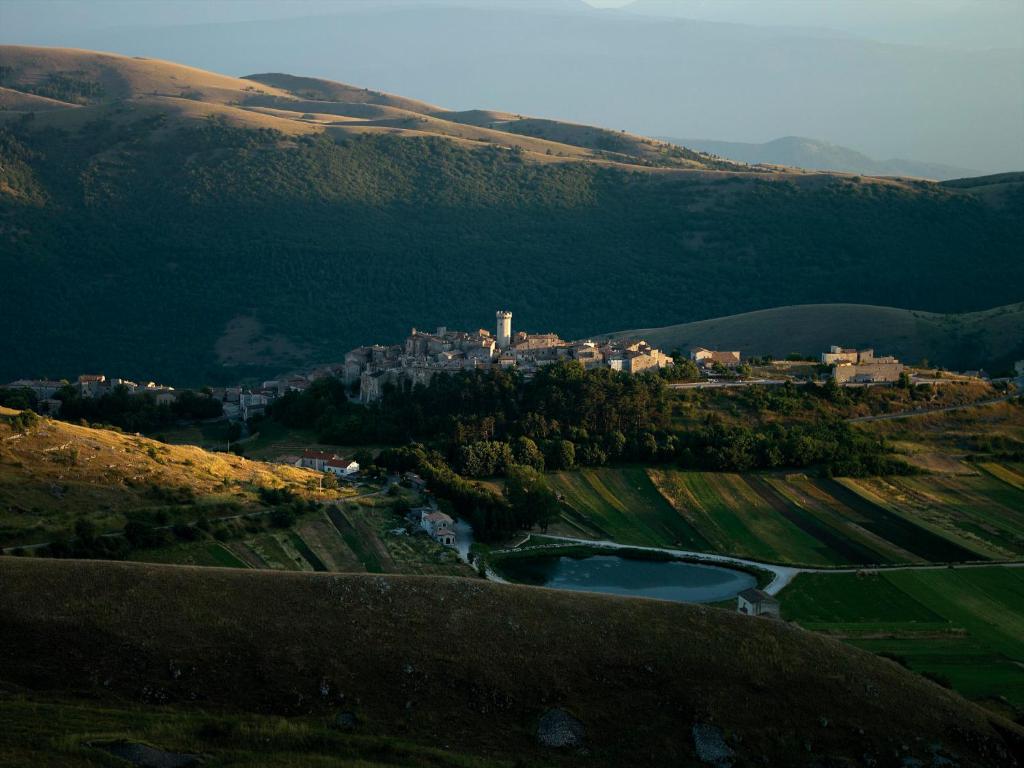
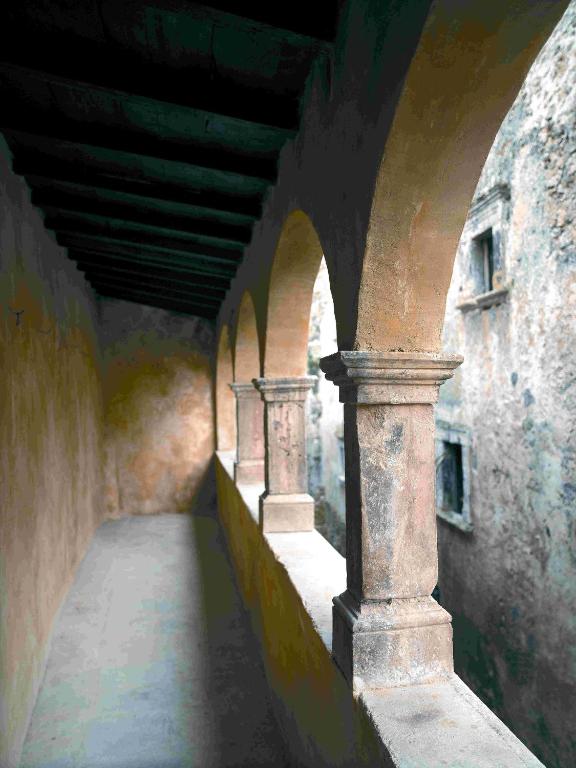
Sometimes abandonment is the best preservation strategy. High in the mountains of Abruzzo, Santo Stefano di Sessanio escaped much of the careless modernisation that altered so many historic Italian villages during the 20th century. Its population simply left in search of work. The houses remained. So did the narrow lanes, stone arches, enclosed squares and centuries of accumulated wear. When entrepreneur Daniele Kihlgren encountered the near-abandoned medieval village, he didn’t see somewhere to build a hotel. He saw something far more interesting: the village could become the hotel.
29 Rooms, One Medieval Village
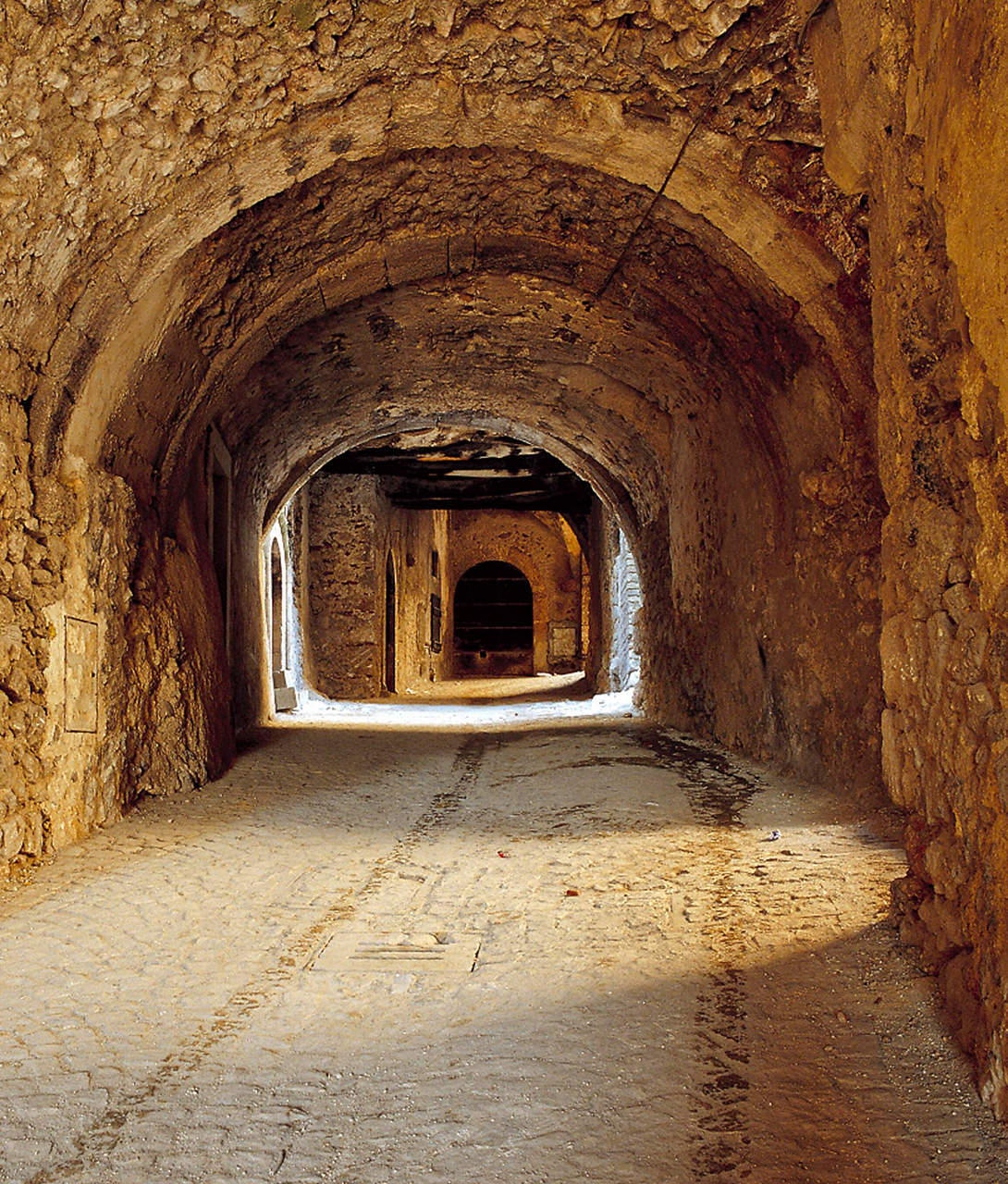
Sextantio Albergo Diffuso takes the Italian concept of a distributed hotel unusually literally. Its 29 rooms aren’t gathered behind a reception desk and a series of identical corridors. They’re dispersed among existing houses throughout Santo Stefano, integrated into a village that remains very much a real place. You leave your room and step directly into a cobbled lane. Breakfast, dinner or a drink might mean walking beneath ancient arches and across a little square to another restored building. There is no theatrical recreation of village life because the village is already there.
Preserving Imperfection
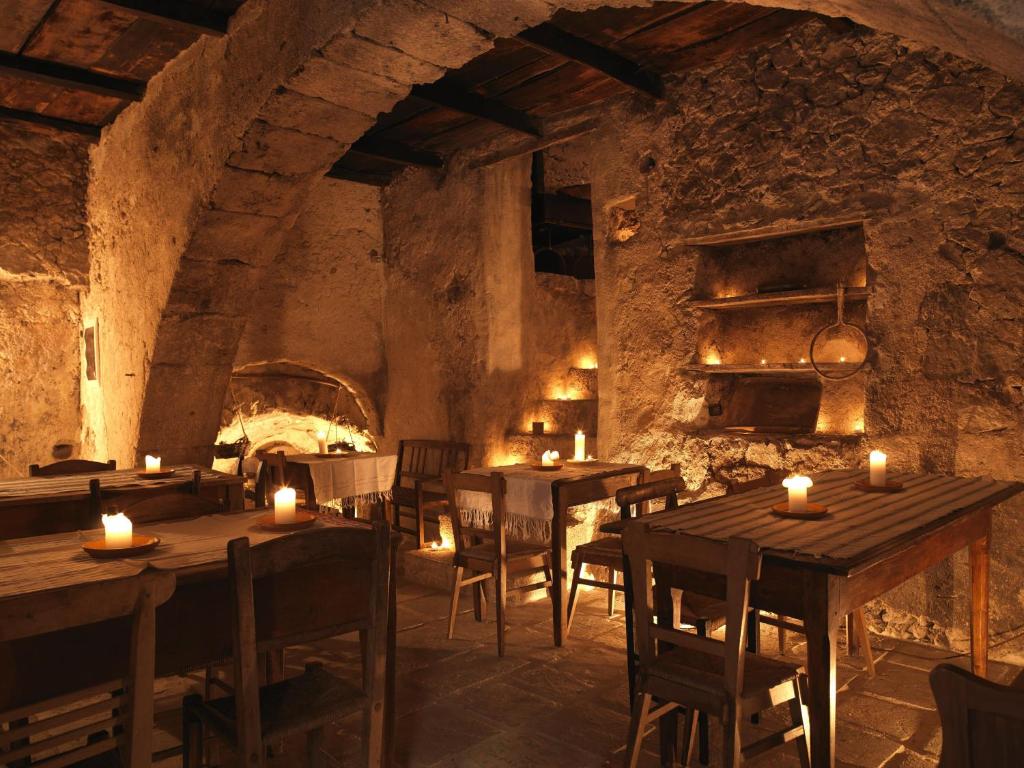
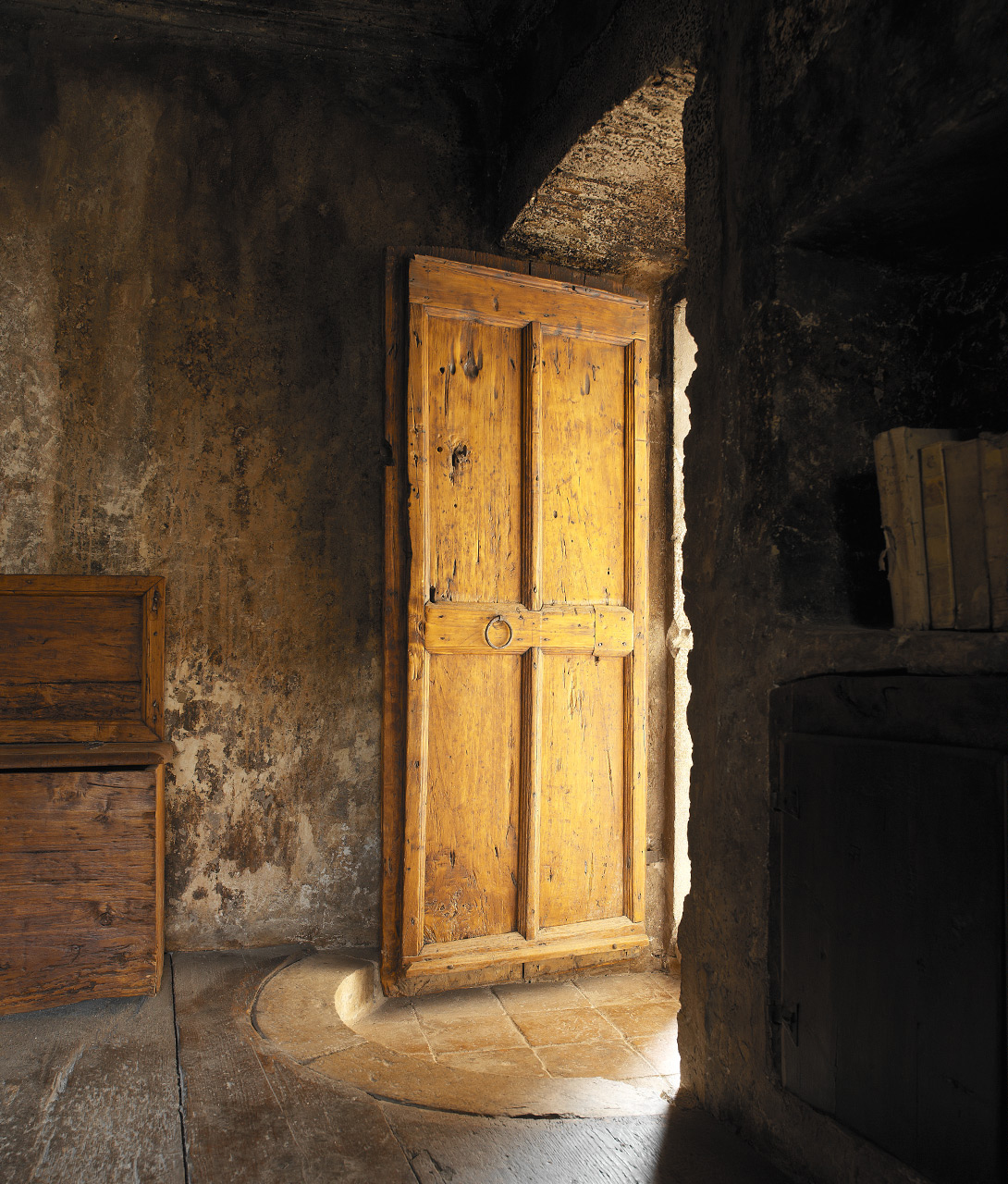
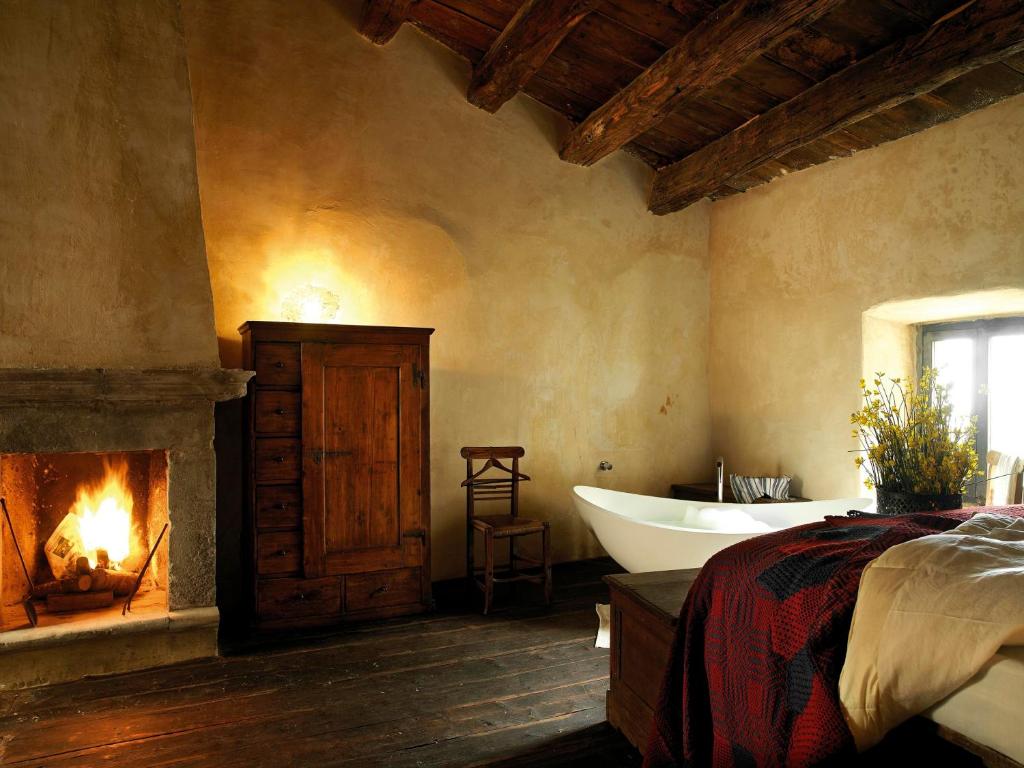
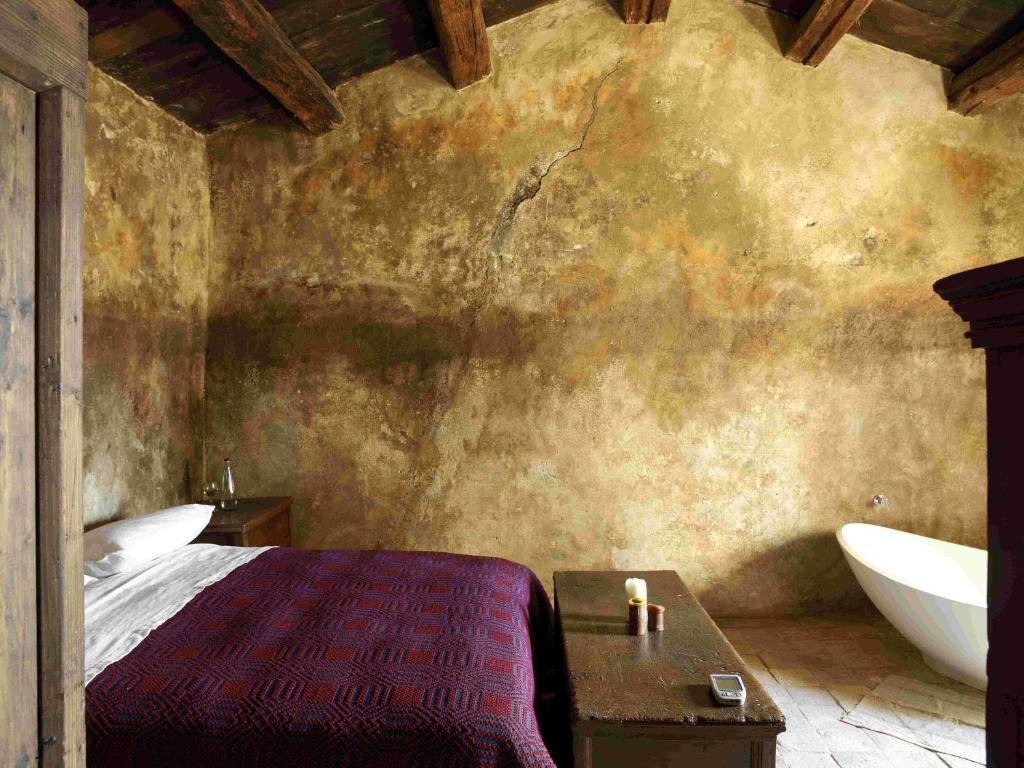
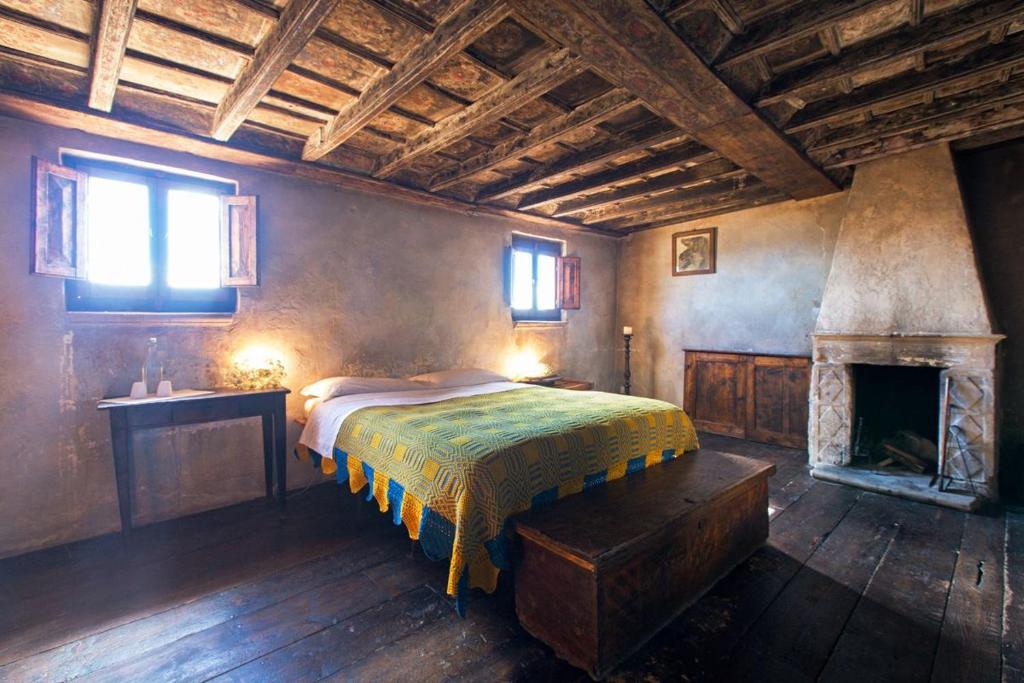
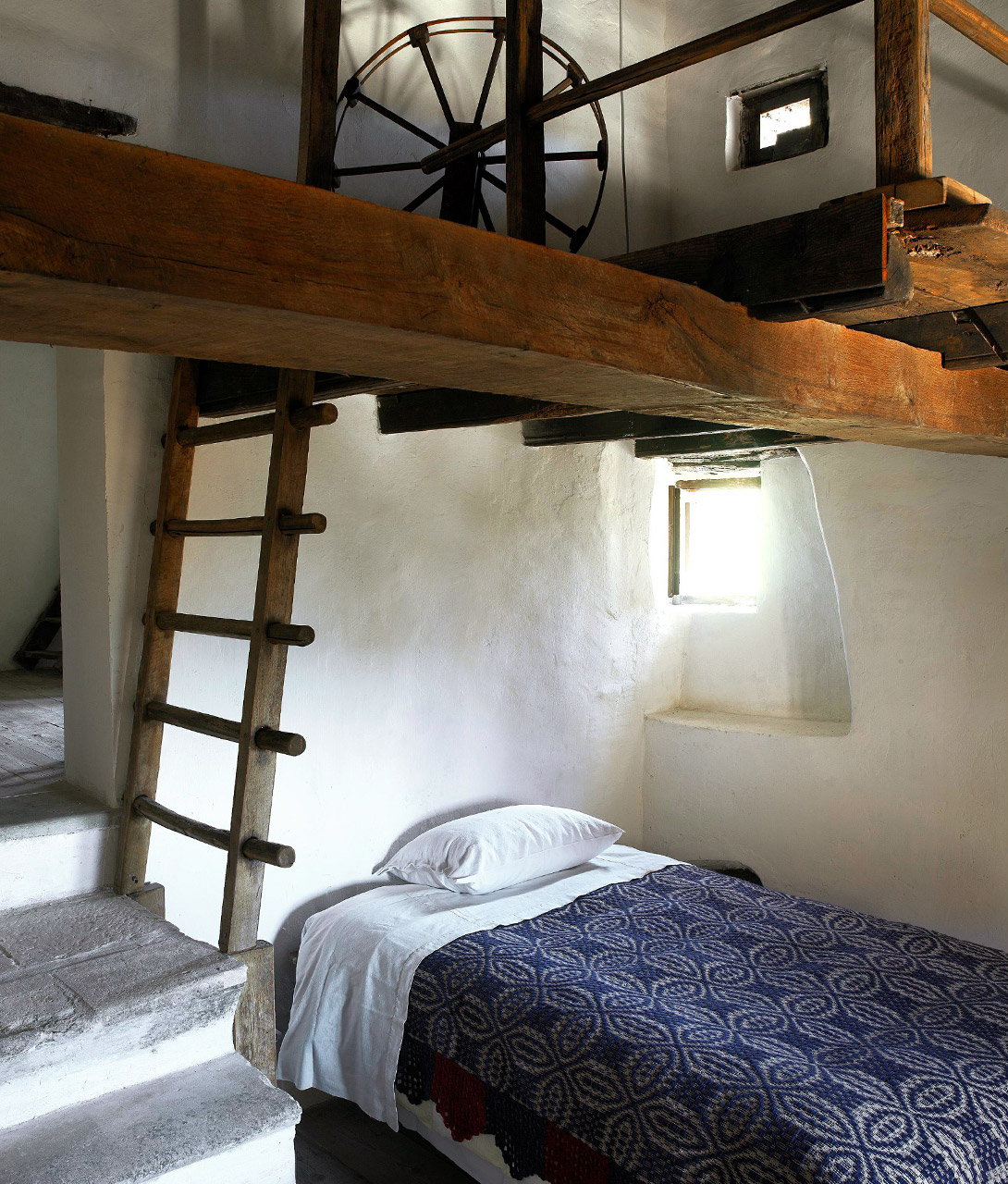
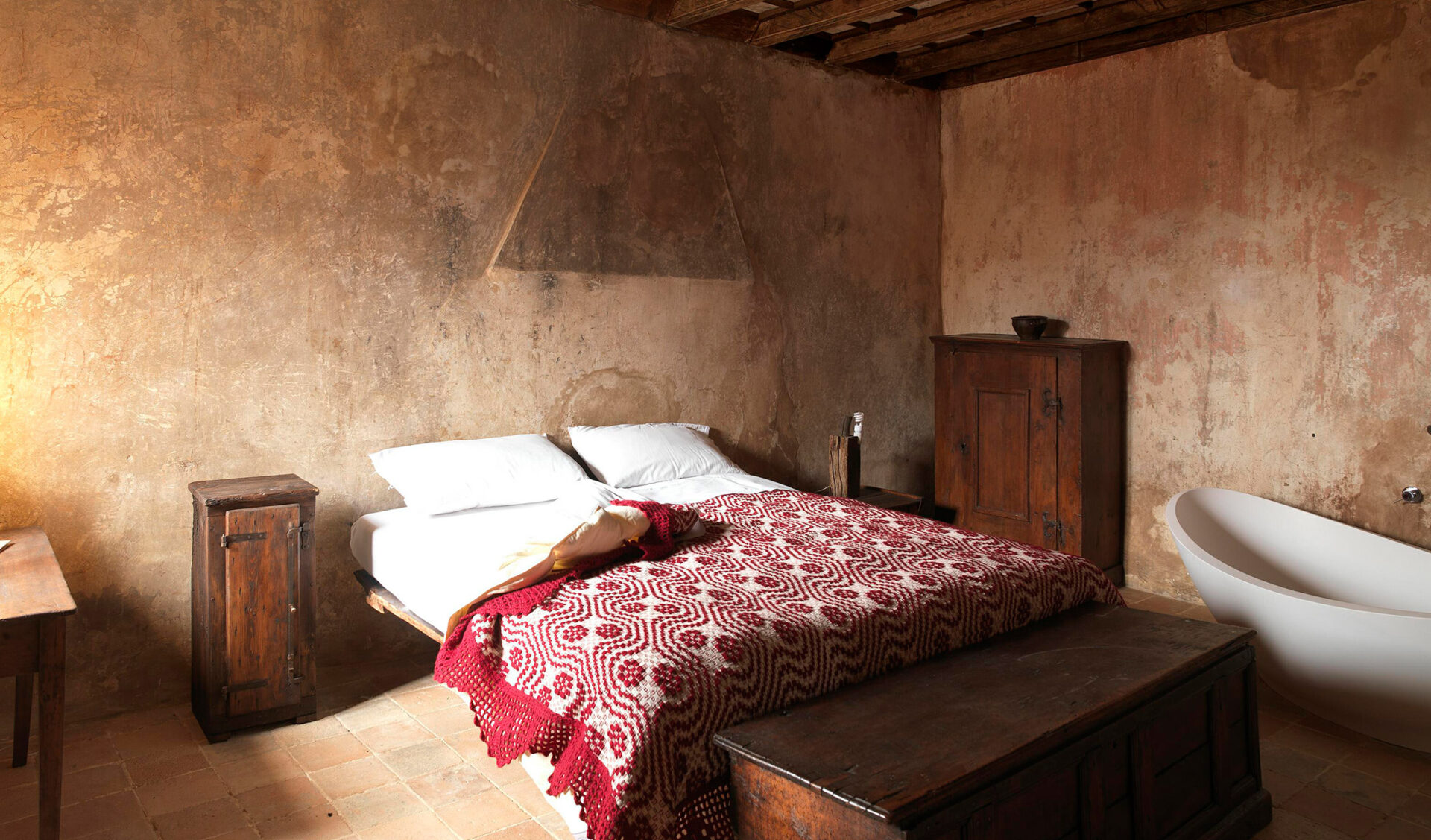
The restoration philosophy is radical precisely because so little appears to have been done. Walls remain rough and sometimes blackened by generations of fireplace smoke. Windows stay small. Ceilings are low where they always were. Old stone floors weren’t replaced with perfectly level replicas. Even installing underfloor heating became an exercise in conservation: individual floor stones were removed and subsequently returned to their original positions. Modern technology disappears wherever possible. Against this elemental backdrop sit old wooden tables, imperfect chairs, traditional jugs and heavy doors opened with equally substantial keys. Local furniture was recovered or reproduced, while textiles are handmade using techniques and materials rooted in Abruzzo’s mountain culture. The scars weren’t renovated away. They were considered part of the architecture.
Philippe Starck Meets the Middle Ages
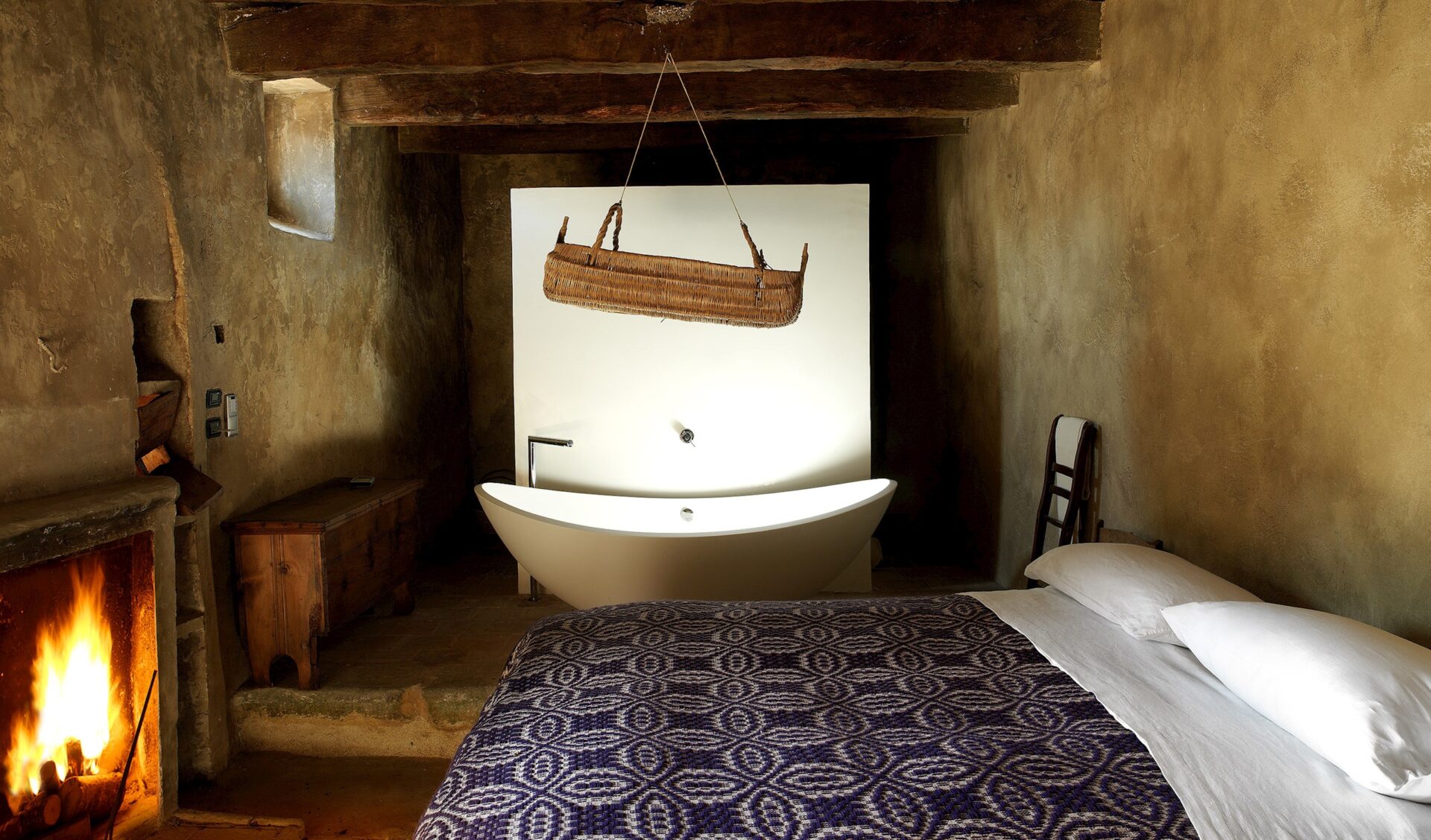
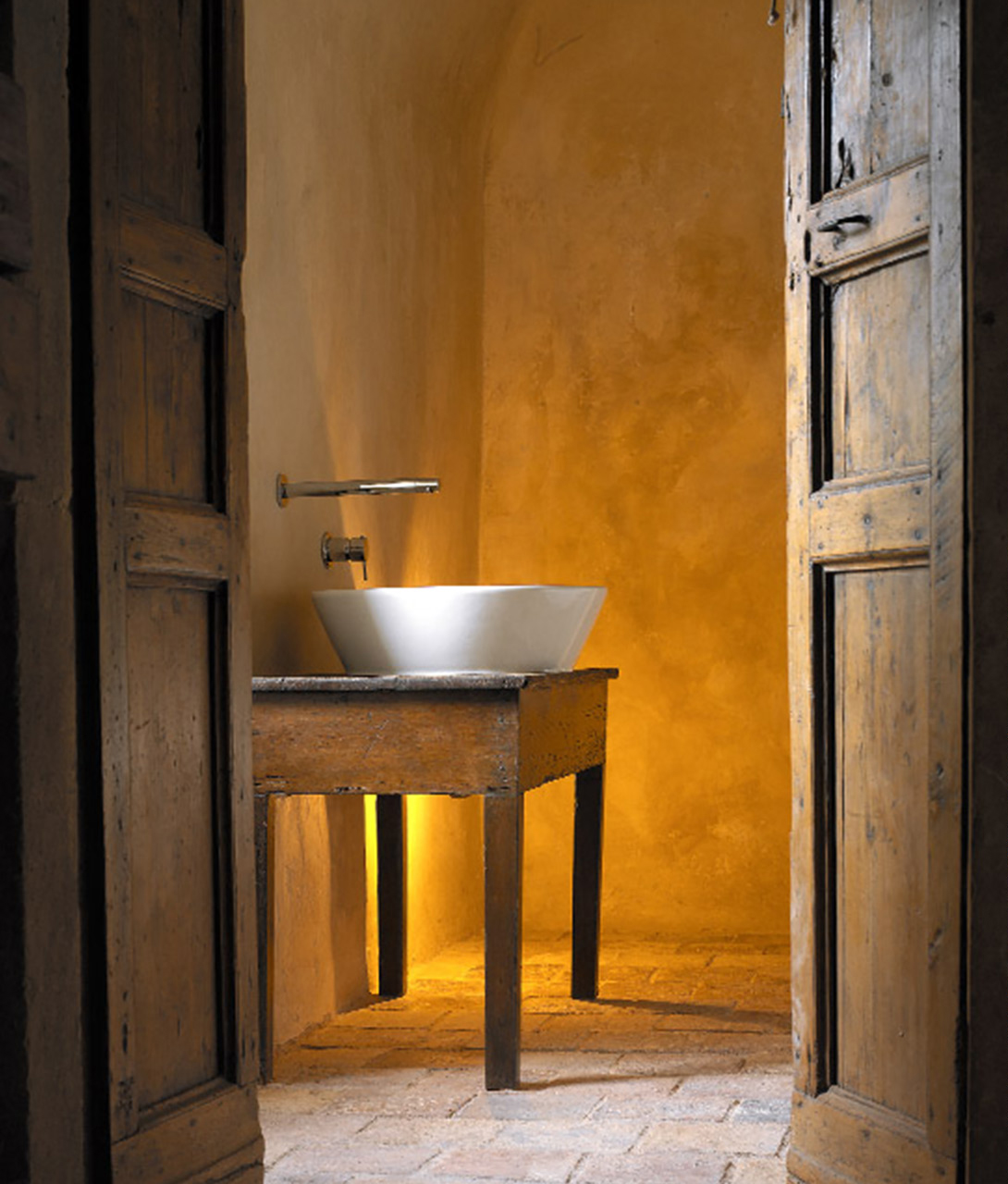
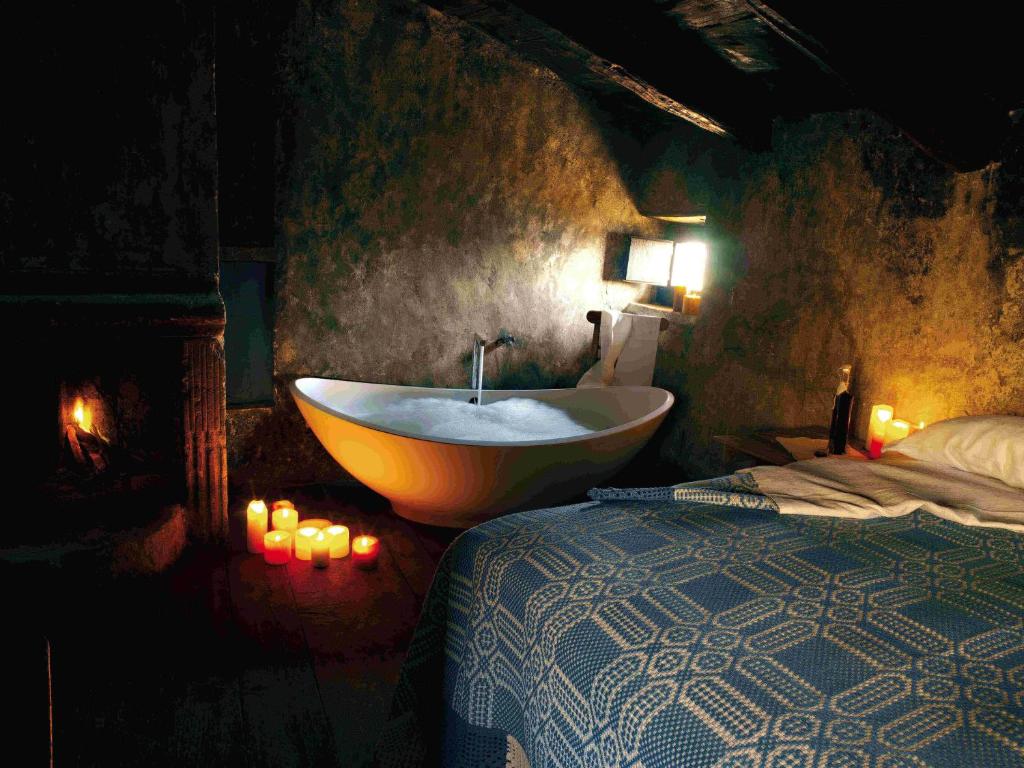
And then you find the bathtub. Bathrooms reveal the project’s cleverest contrast. Contemporary fittings, including designs by Philippe Starck, appear inside spaces that otherwise seem to have slipped through several centuries untouched. Sculptural basins and enormous freestanding baths sit against ancient stone. Radiant heating warms floors that still look resolutely medieval. Wi-Fi exists, but isn’t allowed to dictate how the room looks. It’s a very particular definition of luxury. Not adding more. Making modern comfort almost disappear.
Abruzzo on the Table
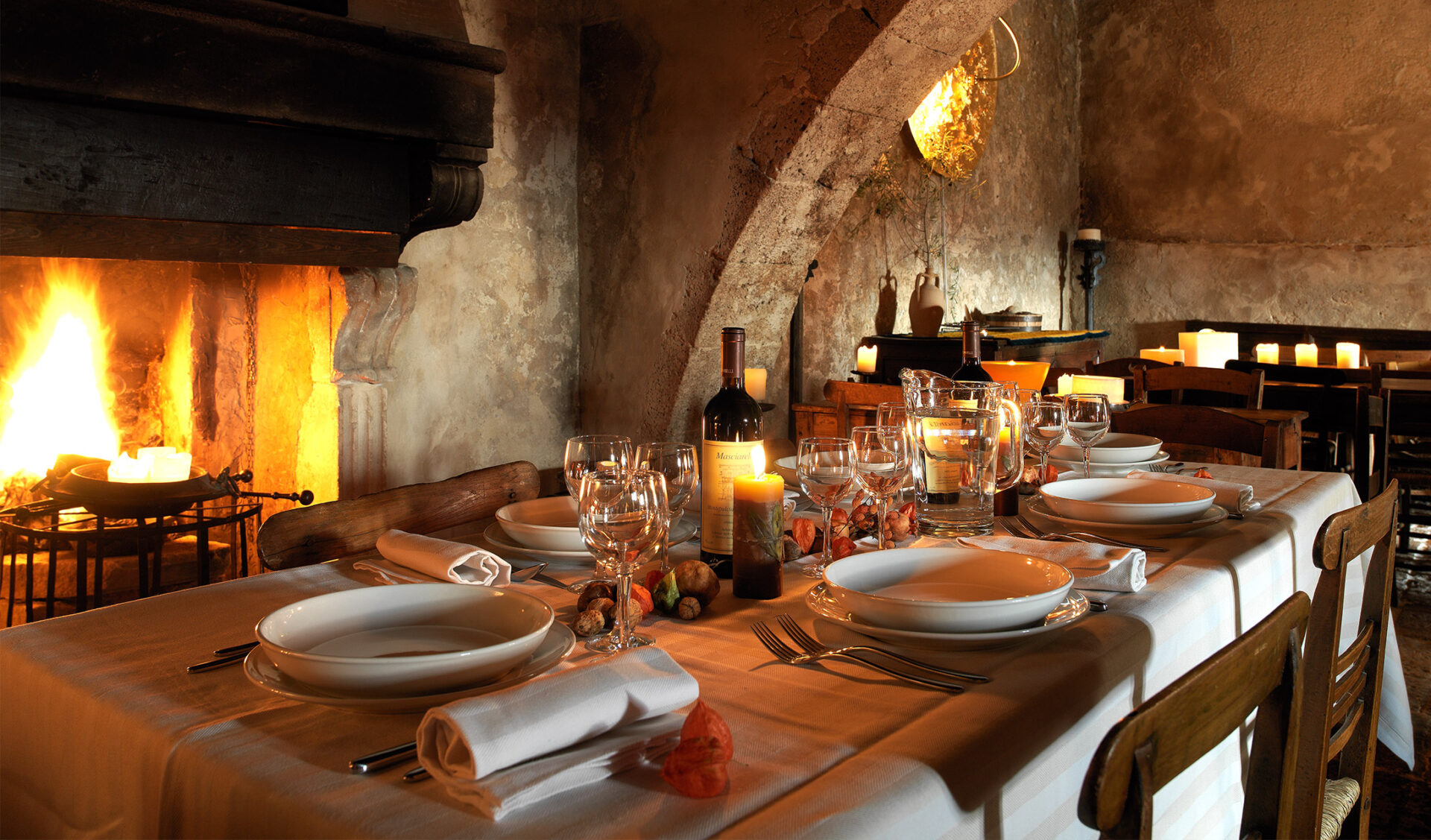
Preservation at Sextantio doesn’t stop with architecture. Kihlgren’s team researched the region’s disappearing culinary traditions with local residents and the Museum of the People of Abruzzo, recovering recipes born from a mountain culture where ingredients were scarce and ingenuity mattered. The resulting food is deliberately rooted in place. At Sextantio Cucina, menus reinterpret historic Abruzzese dishes using local ingredients, while the Cantina and Tisaneria continue the story through regional wines, cakes, teas and infusions made with mountain herbs. The project even acquired nearby land to grow food. Here, dinner isn’t an amenity added to the hotel. It’s another form of conservation.
Keeping a Culture Alive
That philosophy extends to local craft. Traditional weaving techniques were researched and revived, with artisans producing fabrics from historic materials for the guestrooms and workshop. It reveals what makes Sextantio more significant than a beautifully restored medieval property. The ambition wasn’t simply to conserve buildings. It was to preserve some of the knowledge that once made those buildings a living village — food, textiles, objects, agriculture and the rituals of everyday rural life. Tourism became the mechanism for keeping them alive.
High in the Gran Sasso
At 1,250 metres above sea level, Santo Stefano sits within the Gran Sasso and Monti della Laga National Park, surrounded by a landscape that feels appropriately uncompromising. This isn’t manicured Tuscany. The mountains are bigger, the villages quieter and the landscape more elemental. Rome may be roughly two hours away, but culturally it feels much further. That remoteness is essential to the experience. Sextantio isn’t somewhere you retreat from the village into your hotel. The village is what you’ve come to experience.
Why It Works
Many heritage hotels restore the past until it looks new. Sextantio did something much more difficult: it preserved the evidence that people had actually lived here. Cracked surfaces, worn stone, smoke stains and imperfect furniture aren’t aesthetic effects. They are part of the historical record. And by distributing its rooms through Santo Stefano, supporting local crafts and recovering the food traditions of Abruzzo’s mountain communities, the hotel helped give an endangered village an economic reason to survive. Sextantio Albergo Diffuso doesn’t transport you back in time. It makes you realise that the past never entirely disappeared.
Information
At a glance
Architecture
Opened / Renovated
2005
Size matters
28 rooms, including 7 suites (25-50m2) (269-538 sq ft)
Bathroom Amenities
custom
Featured in
Don't take our word for it



Handpicked worldwide
A carefully curated collection of exceptional boutique and design hotels across the globe.
Design with soul
Architecture, atmosphere and craftsmanship come together in stays with a clear identity.
Hidden, not hyped
Independent boutique hotels you rarely find on mainstream booking platforms.
Travel guidance
Personal recommendations and thoughtful support from people who actually know the places.