


An abandoned steelworks transformed by Lissoni & Partners into a monumental garden of glass, steel and industrial memory.
Book now
Why DNA Hotels loves it
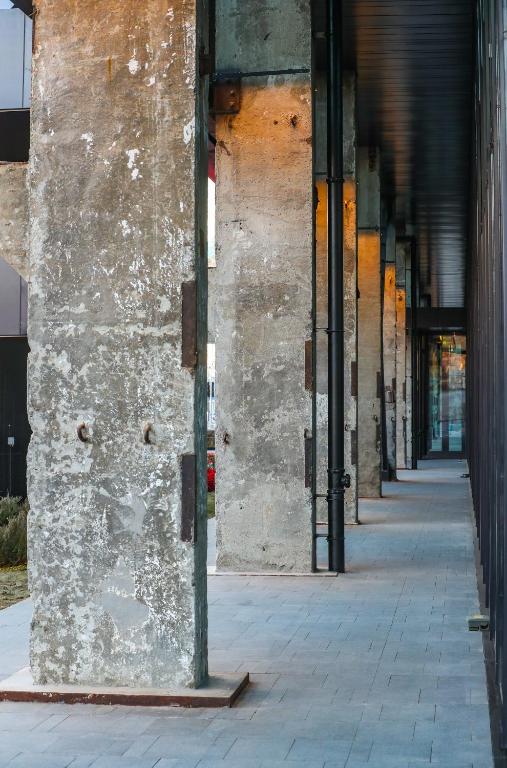
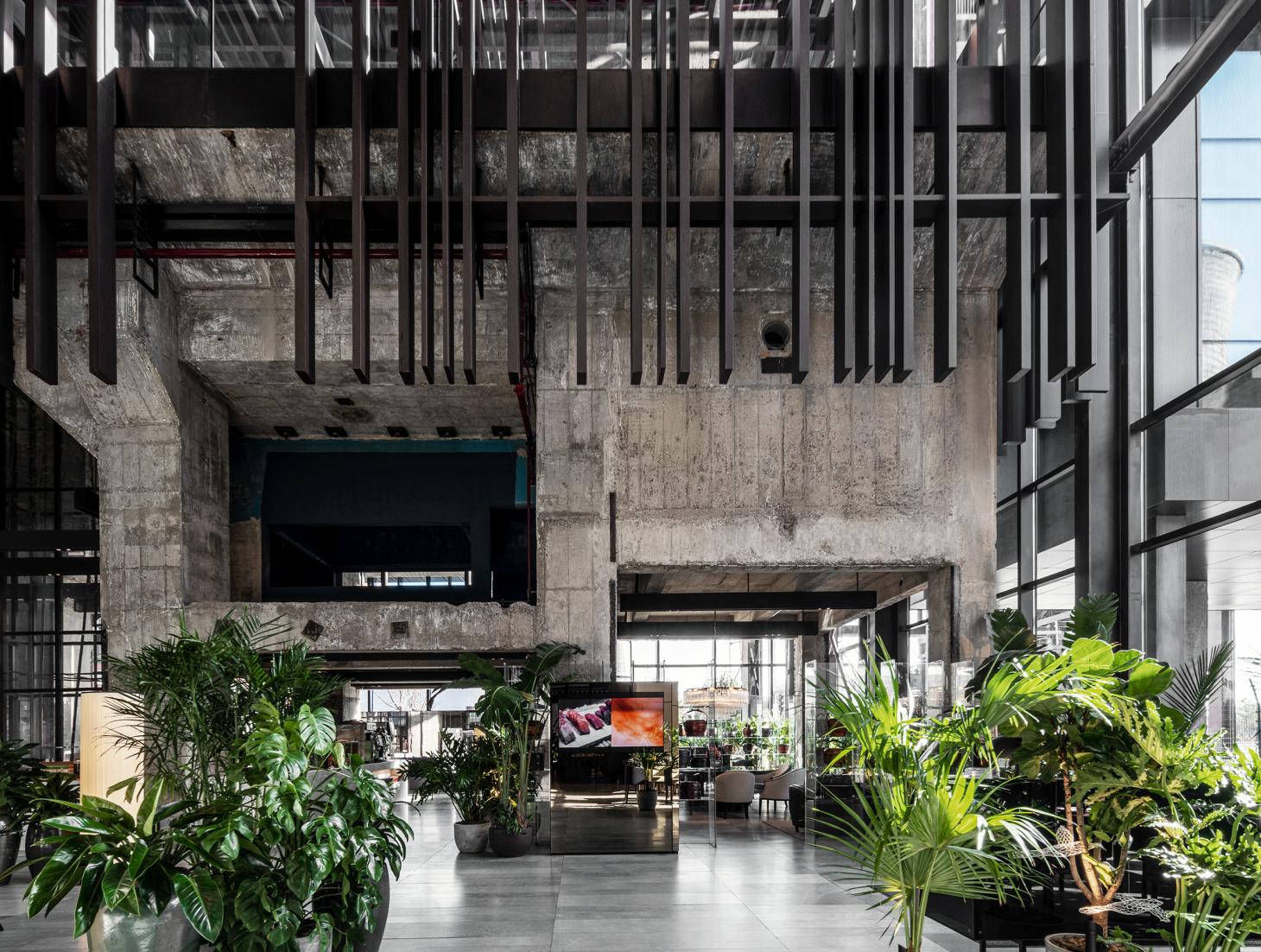
Lissoni & Partners preserves the enormous concrete walls, steel trusses and industrial scale of the former Shougang steelworks rather than disguising them.
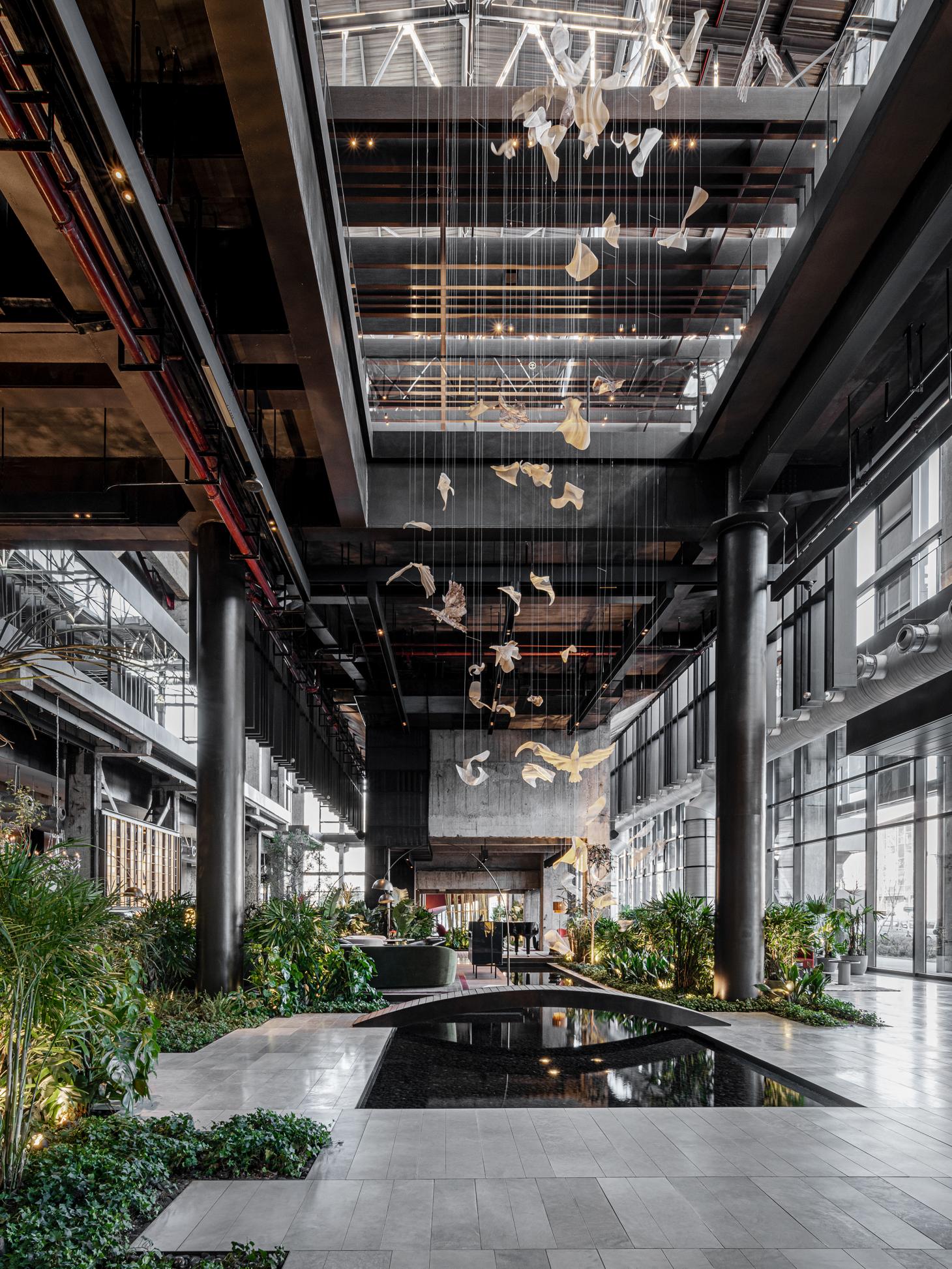
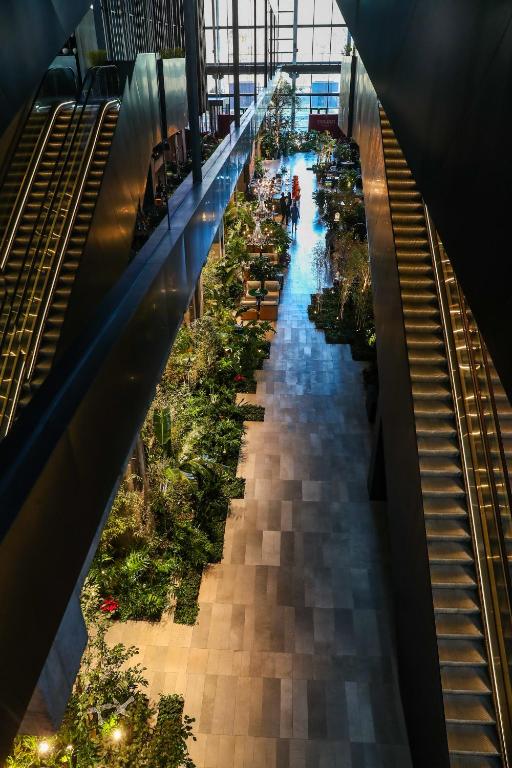
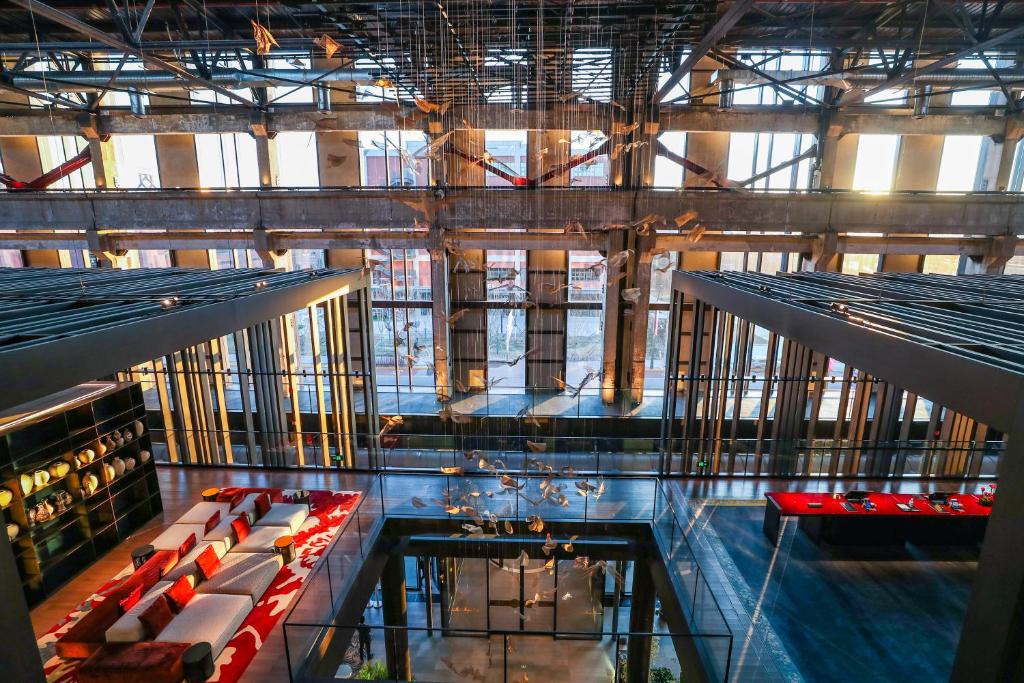
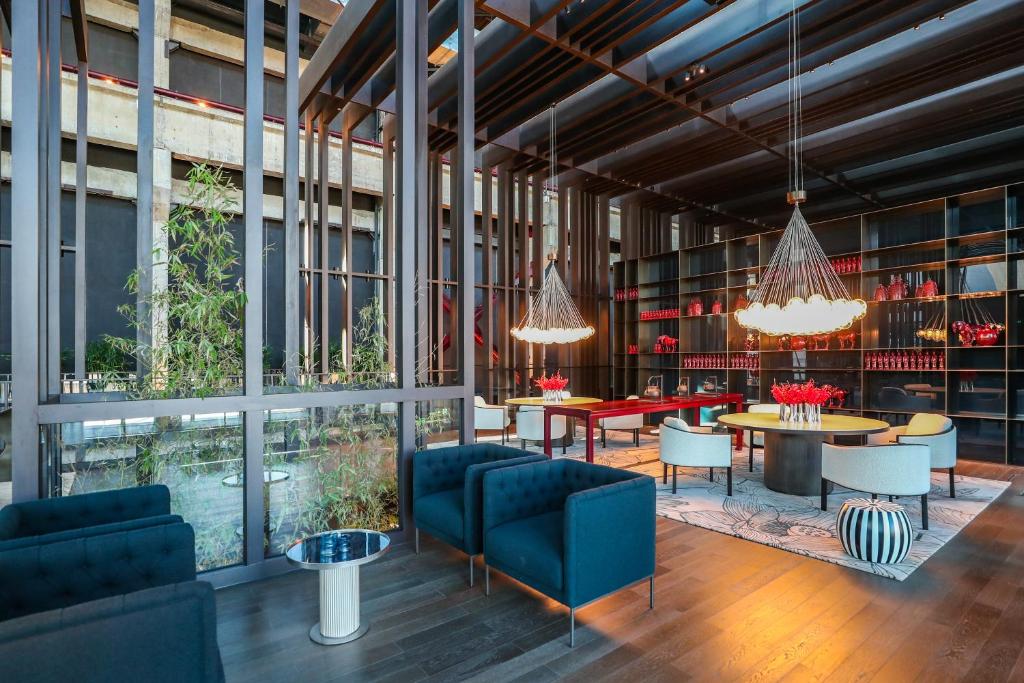
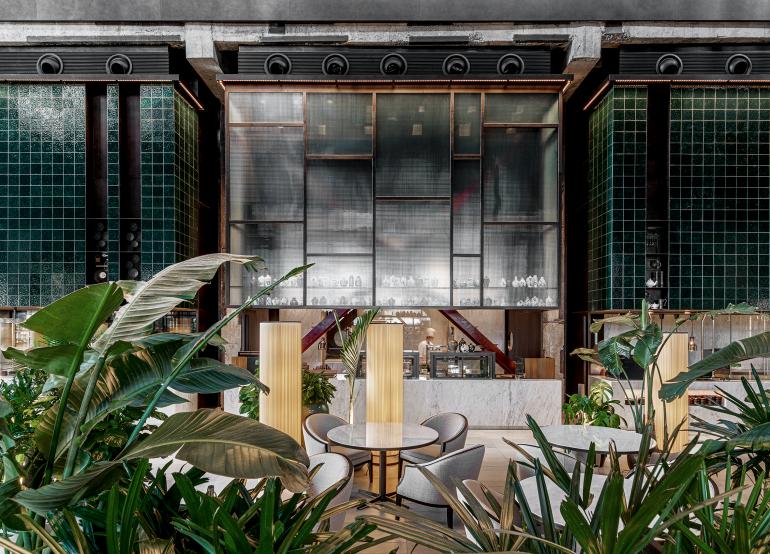
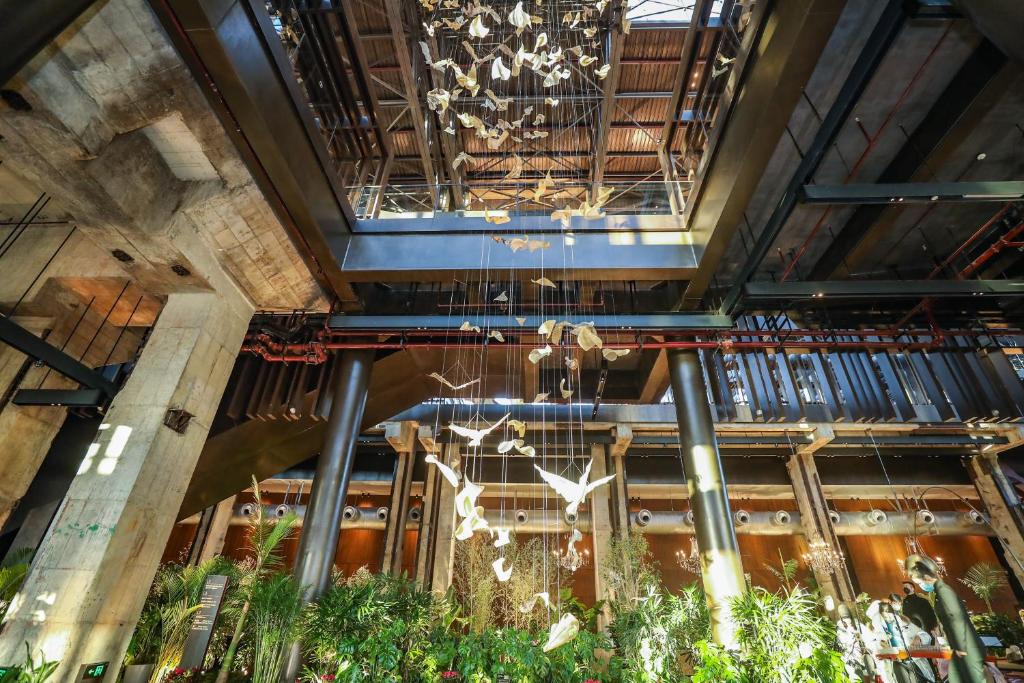
A spectacular 20-metre-high main hall combines raw industrial infrastructure with a transparent glass skin, timber interventions and greenery that appears to reclaim the abandoned factory.
The hotel is part of the wider transformation of Shougang Park, turning one of Beijing's great industrial landscapes into a new district for culture, sport and creativity.
The Stay
Shangri-La Shougang Park – Beijing, China
When Beijing Made Steel
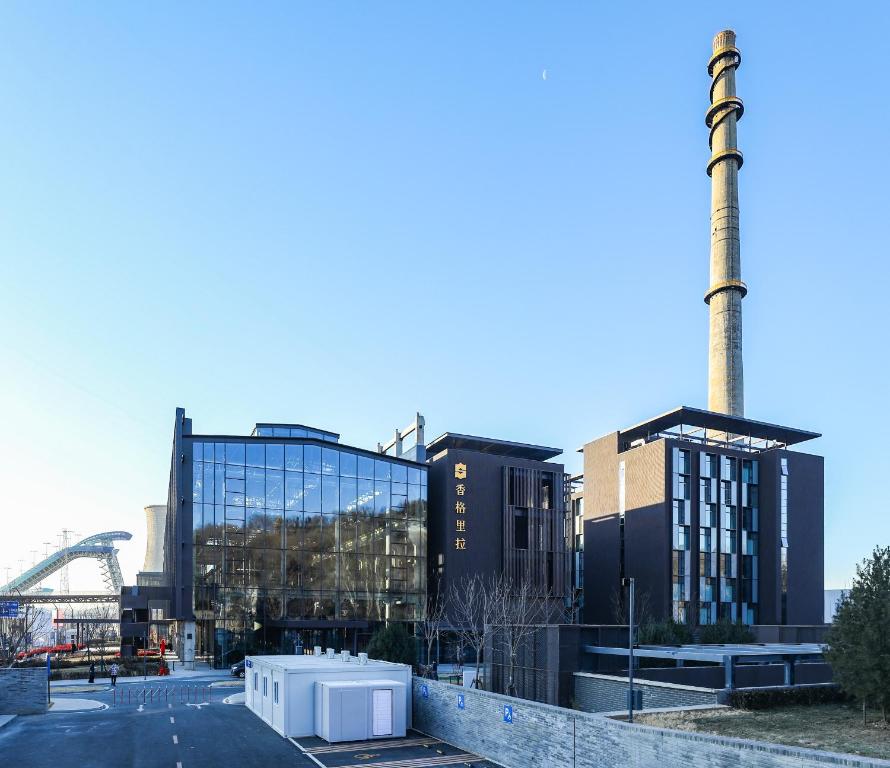
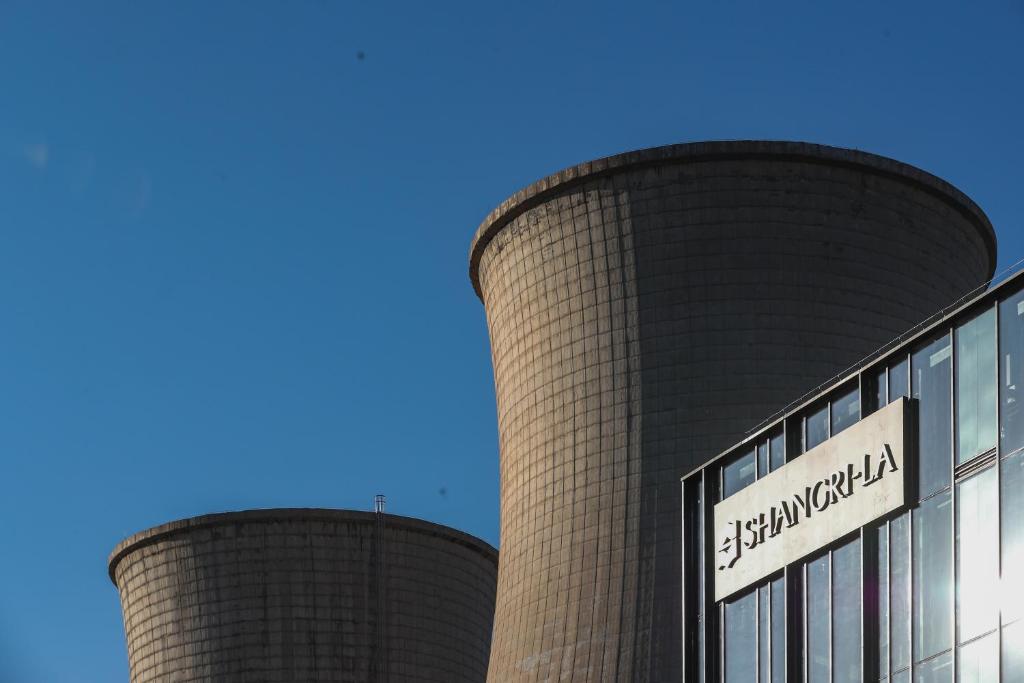
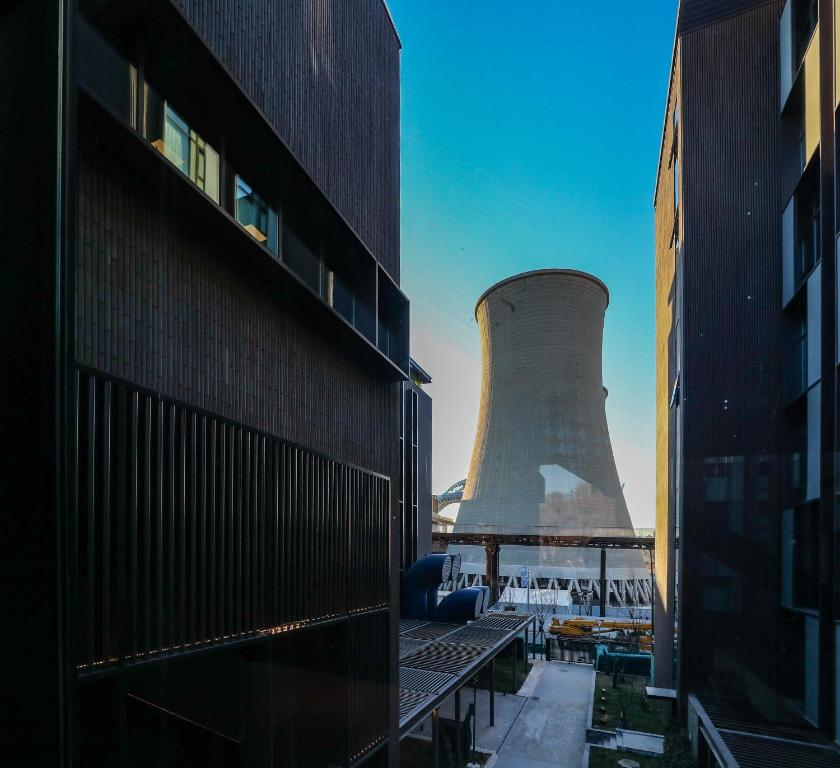
Some hotels occupy historic buildings. Shangri-La Shougang Park occupies a piece of Beijing’s industrial history. Around 20 kilometres west of the Forbidden City, the enormous Shougang industrial complex once belonged to one of China’s major steel producers. Its furnaces, cooling towers, pipes and vast factory buildings helped define this part of Beijing before steel production was relocated and the site began an extraordinary second life. Rather than clearing away that history, Shougang Park has retained much of its industrial infrastructure. And in the middle of it, Lissoni & Partners created a luxury hotel.
Lissoni Leaves the Bones Exposed
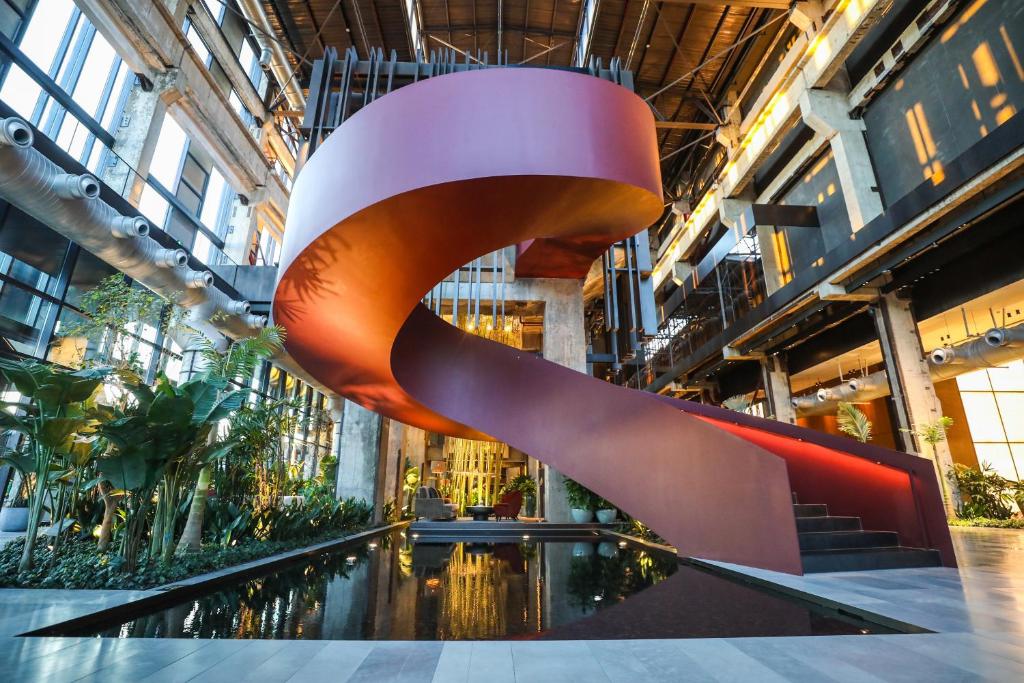
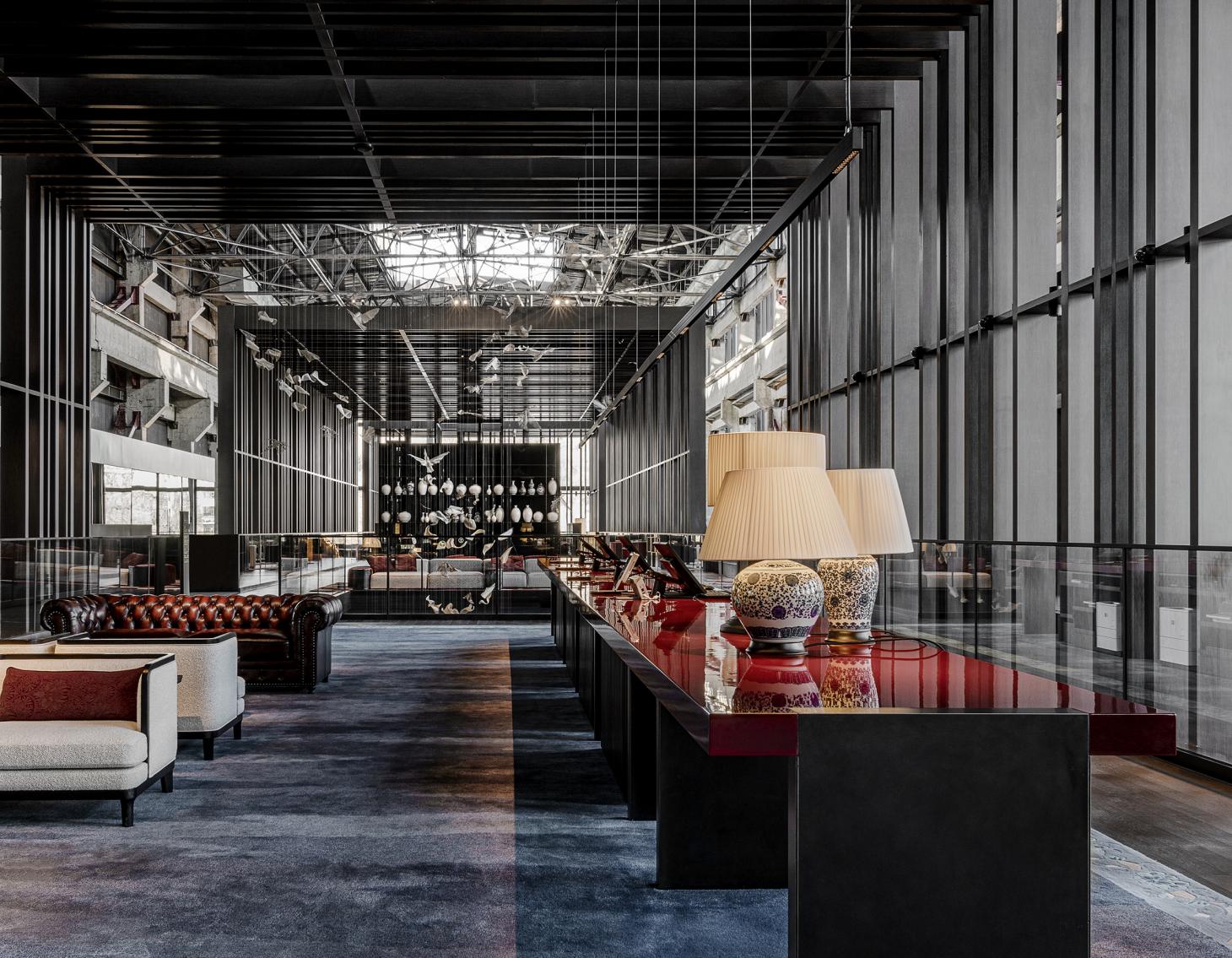
The architecture works because the old factory is never treated as scenery. Original concrete walls, colossal steel roof trusses and ventilation structures remain clearly visible. Around them, Lissoni & Partners inserted a completely new architectural layer. The Main Building is enclosed by an enormous transparent glass façade — described by the architects as a new “skin” around the surviving industrial structure. Inside, the original scale is breathtaking. The hall rises approximately 20 metres, allowing restaurants, bars, lounges and circulation spaces to exist almost as individual buildings beneath the old factory roof. Instead of subdividing this volume into conventional hotel interiors, Lissoni lets you understand just how enormous the original industrial space was.
A Factory Being Reclaimed by Nature
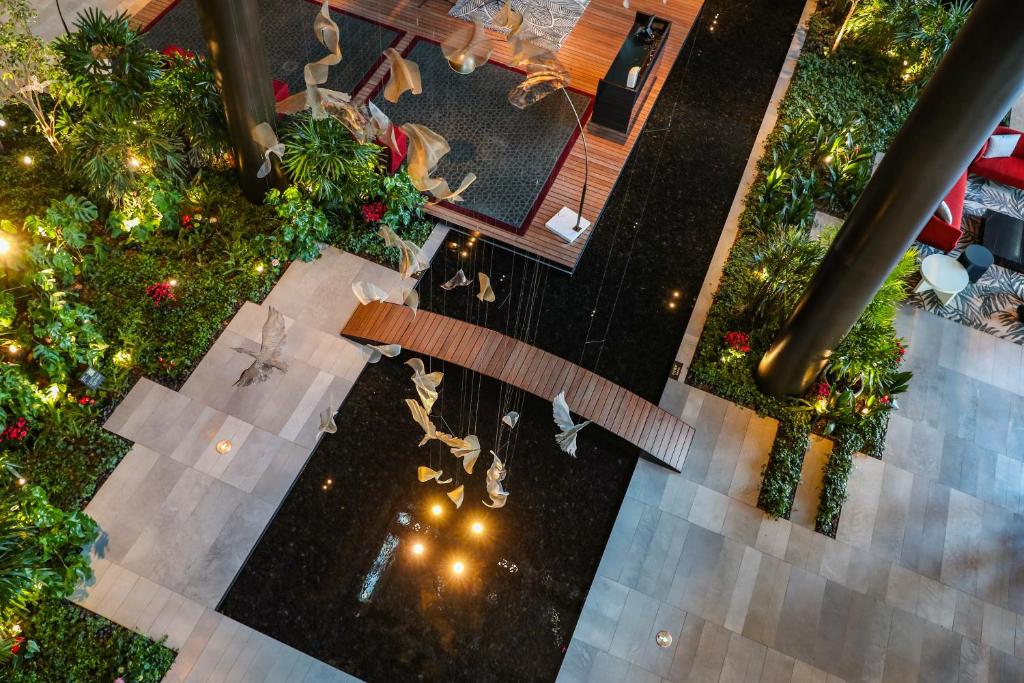
Then comes the unexpected part. Plants. Lots of them. Trees and greenery rise between concrete columns and steel trusses, softening an architecture originally created for machinery rather than people. Lissoni described the idea as nature seemingly attempting to take possession of buildings that had once been abandoned. The contrast is powerful. Hard steel against leaves. Weathered concrete behind pristine glass. Industrial engineering alongside carefully crafted contemporary furniture. Greenery also helps filter light and contributes to the internal climate, so what could have been a decorative gesture becomes part of the architecture itself.
The Wooden Nest
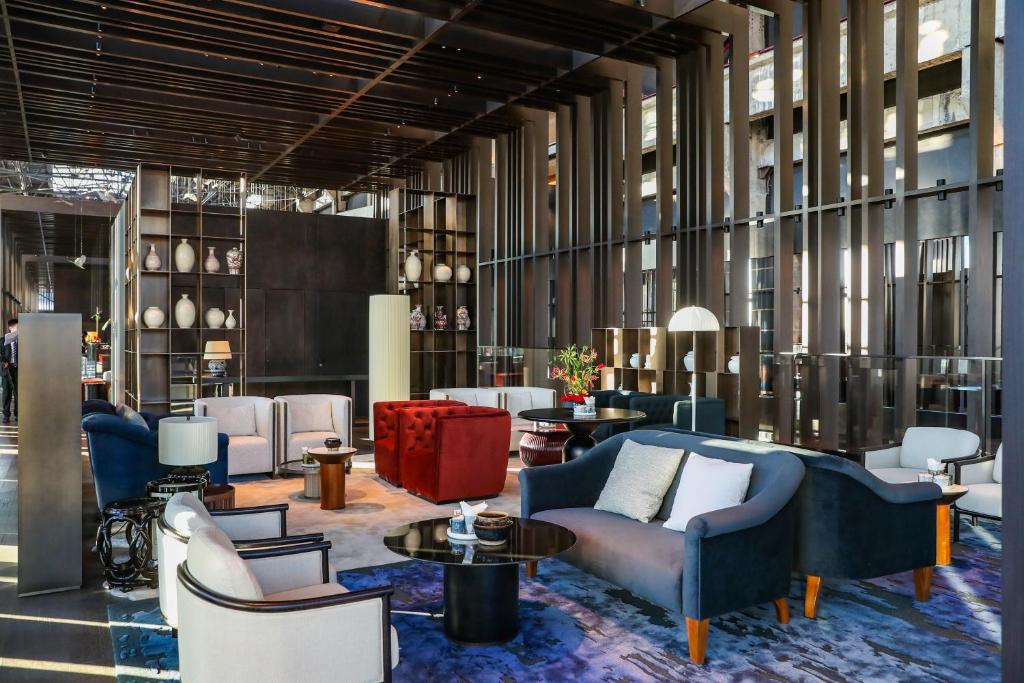
Within all this monumental space, the hotel still needed intimacy. Lissoni’s answer is particularly clever. Reception and an extended lounge occupy the upper level within a bespoke timber structure conceived almost as a nest suspended inside the factory. Suddenly the scale changes. Warm wood surrounds you, while beyond it the enormous steel skeleton remains visible. Rather than trying to make the entire factory cosy, the architects create smaller inhabited worlds within it. The swimming pool and wellness spaces use another strategy: transparent glazed volumes are inserted directly into the industrial structure. Old and new remain deliberately legible.
282 Rooms, A Quieter Architecture
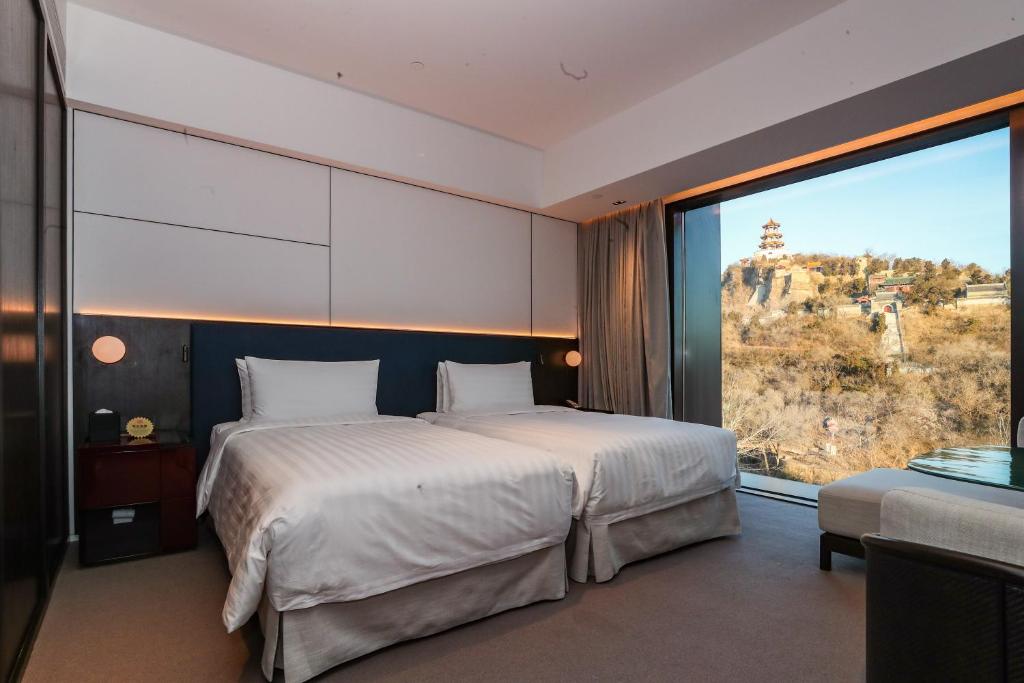
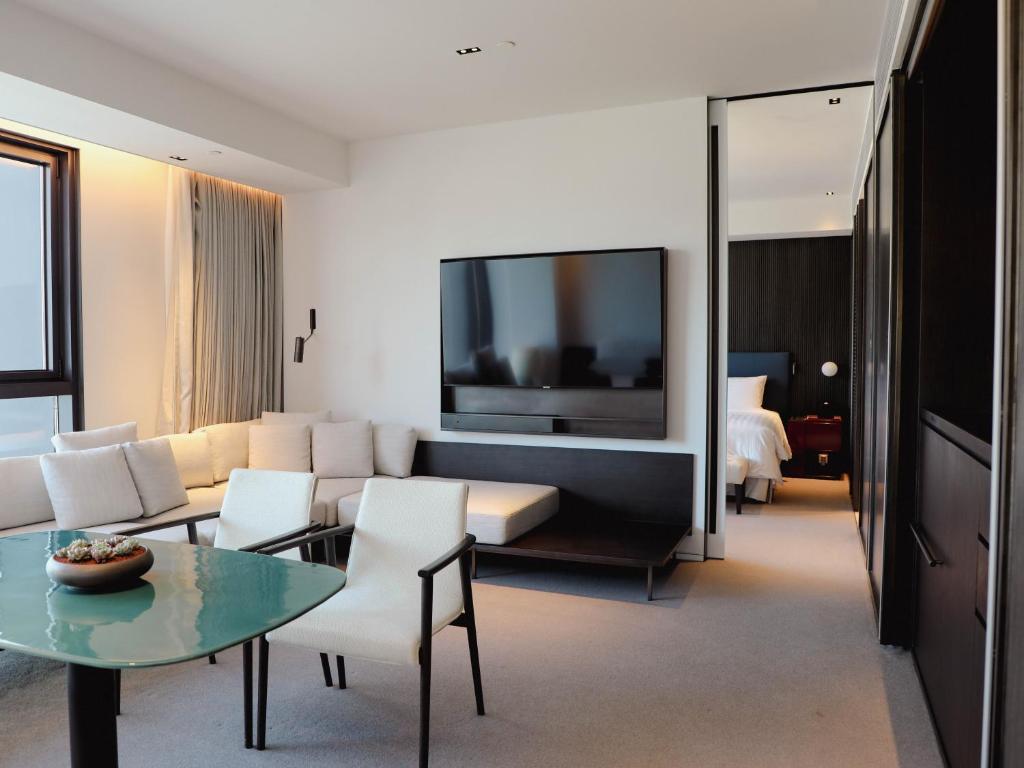
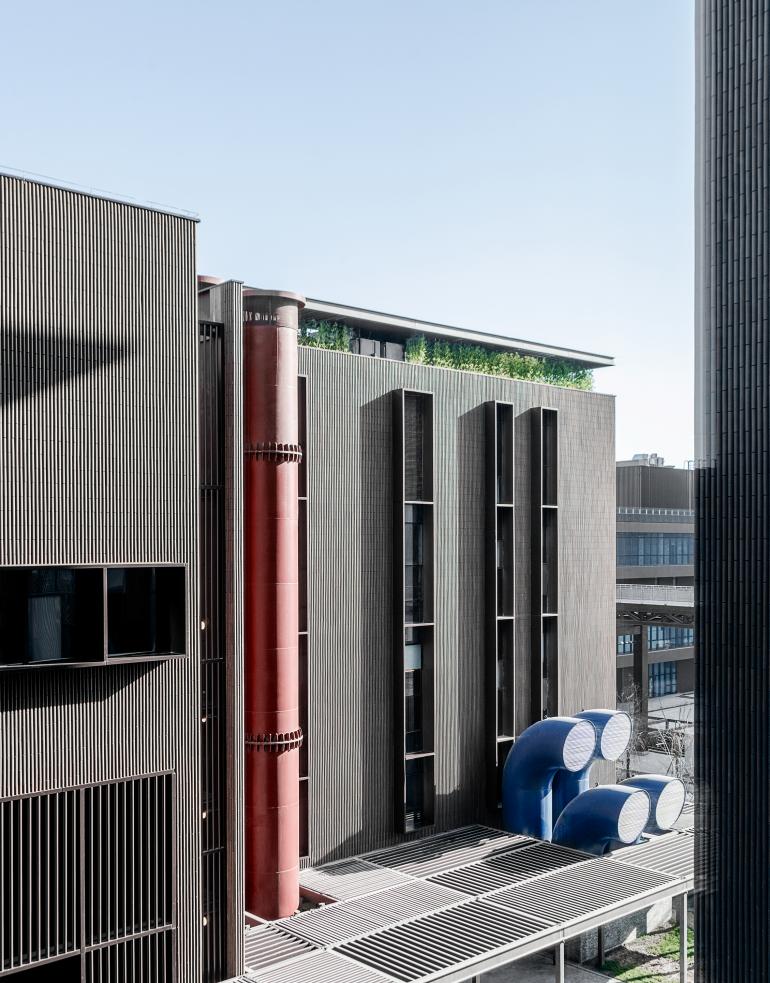
An elevated bridge leads from the monumental Main Building to the separate Guestroom Building containing the hotel’s 282 rooms. Here the architecture becomes deliberately calmer. The scale contracts, windows become more vertical and the industrial references are less literal. Brickwork and thermally efficient materials replace much of the glass, while muted interiors and subtle references to Chinese craftsmanship create a softer counterpoint to the drama next door. Bespoke furniture and contemporary Chinese artworks continue the connection with place, while art consultancy Debut Studio worked with Lissoni & Partners on installations referencing Shougang’s industrial history. It’s a sensible division: you experience the spectacle when moving through the hotel, but don’t have to sleep inside it.
A New Life for Shougang
The hotel makes most sense when viewed as part of something much bigger. The closure and relocation of Shougang’s steelmaking operations left Beijing with an extraordinary industrial landscape. Instead of demolishing it, the area has progressively been transformed into a mixed-use district while blast furnaces, cooling towers and other industrial structures remain part of its identity. The 2022 Beijing Winter Olympics accelerated that transformation, bringing sporting venues and international attention to Shougang Park. Shangri-La opened as the Games began, becoming one of the most visible symbols of the district’s reinvention. From the hotel, those industrial relics aren’t distant history. They’re the landscape.
More Than Industrial Chic
It’s tempting to describe Shangri-La Shougang Park as an industrial hotel, but that undersells the architecture. There are no token factory lamps or decorative pipes pretending to tell a story. The factory itself is the story. Lissoni & Partners works with its extraordinary proportions, inserting hospitality into the existing structure rather than forcing the building to behave like a conventional luxury hotel. The result has echoes of Ricardo Bofill’s La Fábrica: industrial architecture becomes valuable precisely because its previous life remains visible.
Industrial Beijing, Rewritten
Beijing is usually experienced through its imperial monuments, hutongs or increasingly futuristic contemporary architecture. Shougang reveals another layer. This is the Beijing of steel, manufacturing and 20th-century industrial ambition — a history that could easily have disappeared as the city modernised. Shangri-La Shougang Park makes that history spectacularly inhabitable. Lissoni & Partners doesn’t romanticise the former steelworks or erase its brutality; the architecture allows concrete, steel, glass, timber and vegetation to coexist as different chapters of the same building. The 20-metre factory hall alone makes this one of Beijing’s most unusual hotel experiences. Come for the architecture, but look beyond the hotel: the real experience is staying inside an entire industrial landscape being given a second life.
Information
At a glance
Architecture
Opened / Renovated
2022
Size matters
282 rooms & suites (42-84m2) (452-904 sq ft)
Interior design
Featured in
Don't take our word for it


Handpicked worldwide
A carefully curated collection of exceptional boutique and design hotels across the globe.
Design with soul
Architecture, atmosphere and craftsmanship come together in stays with a clear identity.
Hidden, not hyped
Independent boutique hotels you rarely find on mainstream booking platforms.
Travel guidance
Personal recommendations and thoughtful support from people who actually know the places.