Electric Beginnings

Oslo’s former electricity headquarters has been reborn as a full-blown neighbourhood hotel, mixing 1930s glamour, Norwegian folklore, serious food and one of the city’s most ambitious wellness spaces.

Book now

Why DNA Hotels loves it

GRECODECO and LPO Architects transformed the former Oslo Lysverker headquarters into a richly layered hotel that keeps the building’s original neoclassical, functionalist and Art Deco character firmly in view.

The design is steeped in Norwegian references, from Gerhard Munthe-inspired patterns and hand-knotted rugs to bespoke furniture, Murano chandeliers and restored artworks by Per Krohg.

This is far more than a hotel: seven restaurants and bars, a gilded theatre, cinema, rooftop pool and the restored Vestkantbadet public baths make Sommerro one of Oslo’s most complete social and cultural destinations.

The Stay

Sommerro blends 1930s Oslo glamour with Norwegian design, ambitious food, culture and spectacular wellness in a landmark former electricity headquarters.

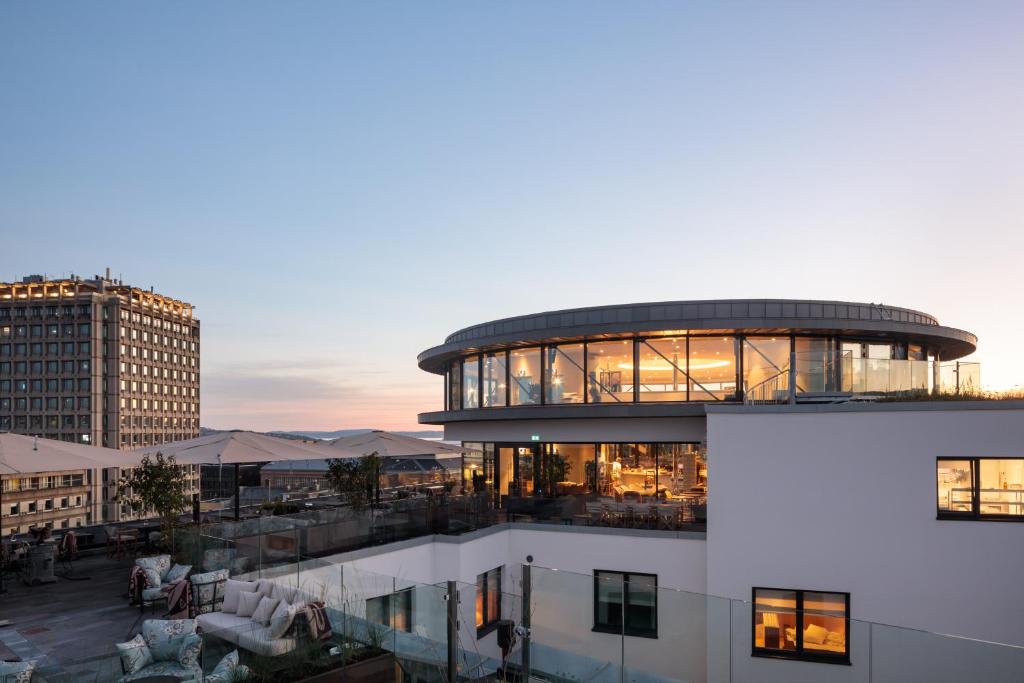
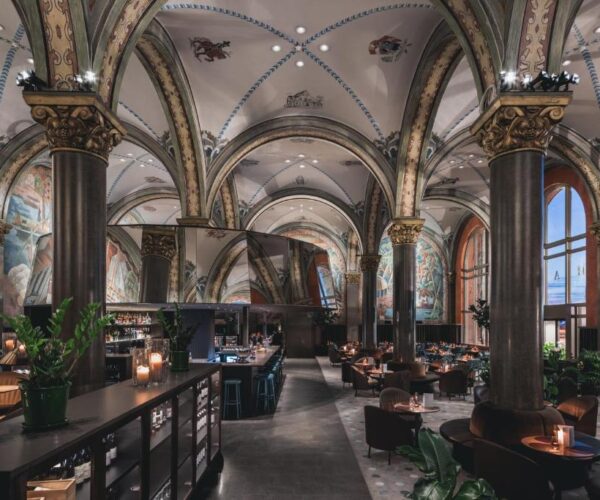
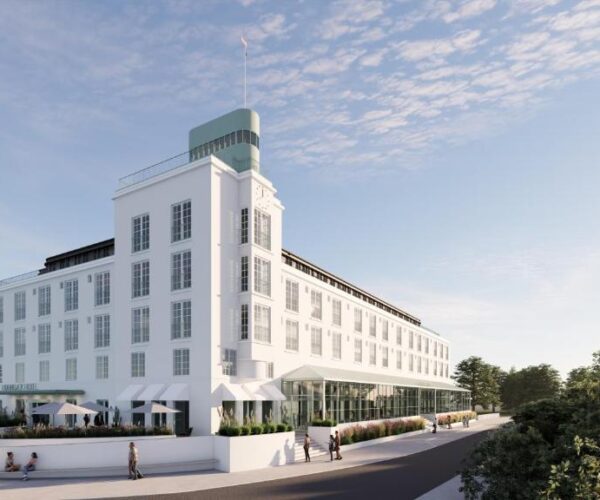
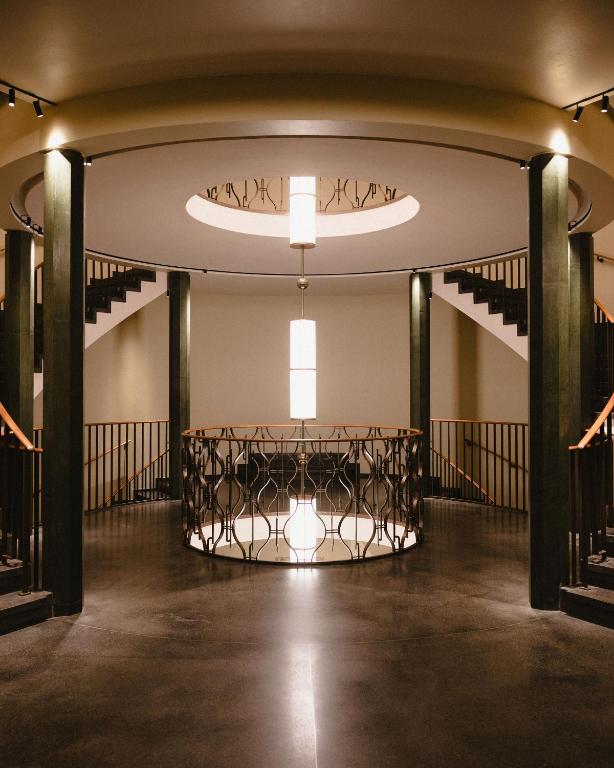
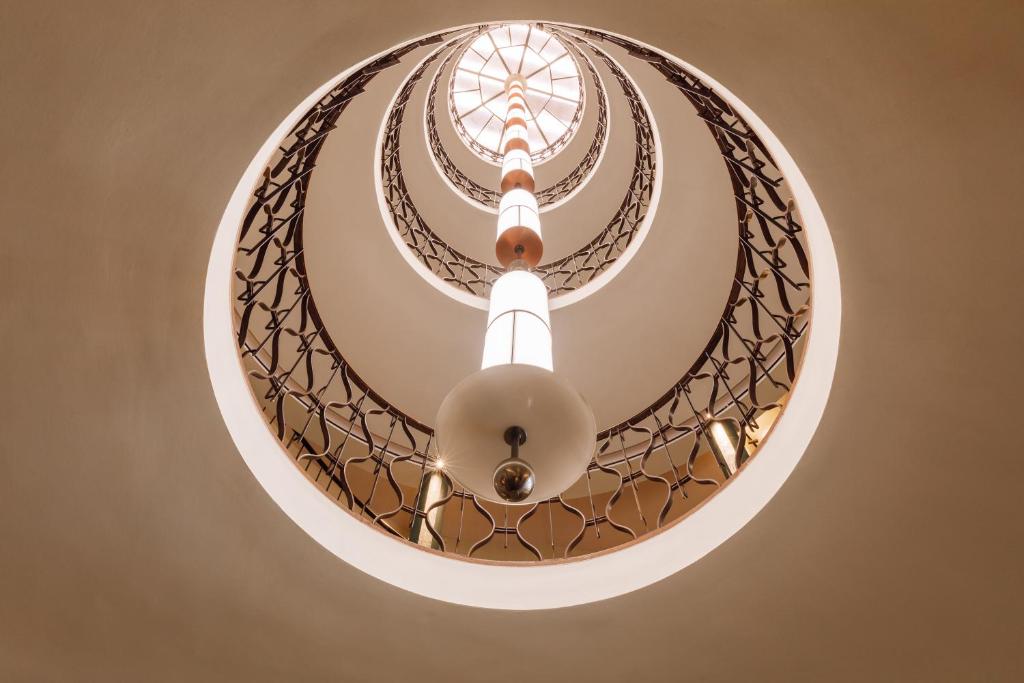
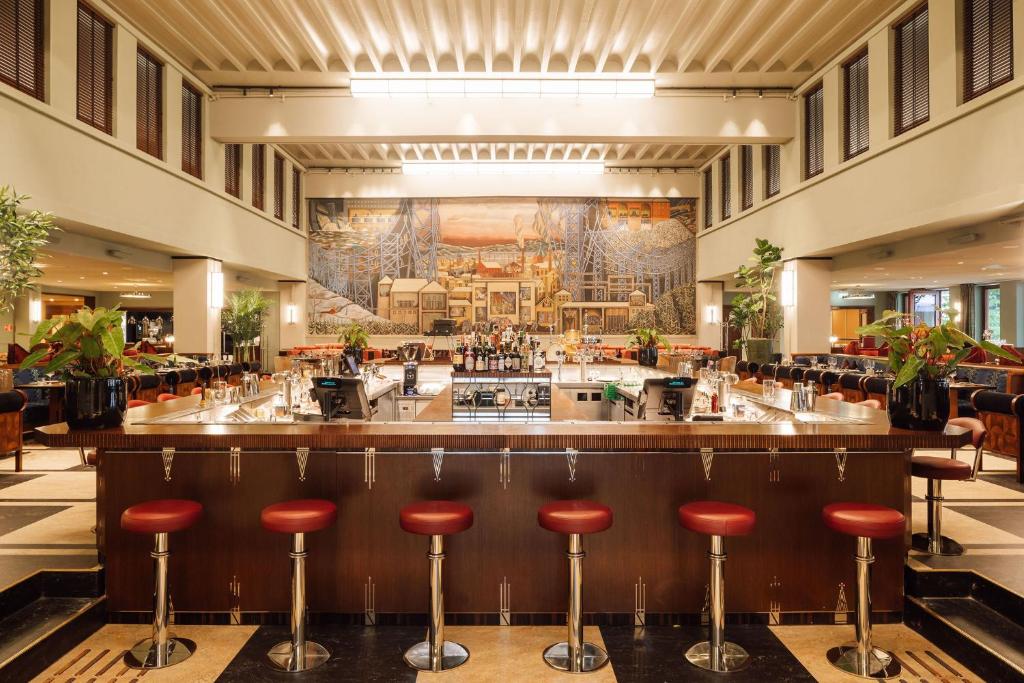
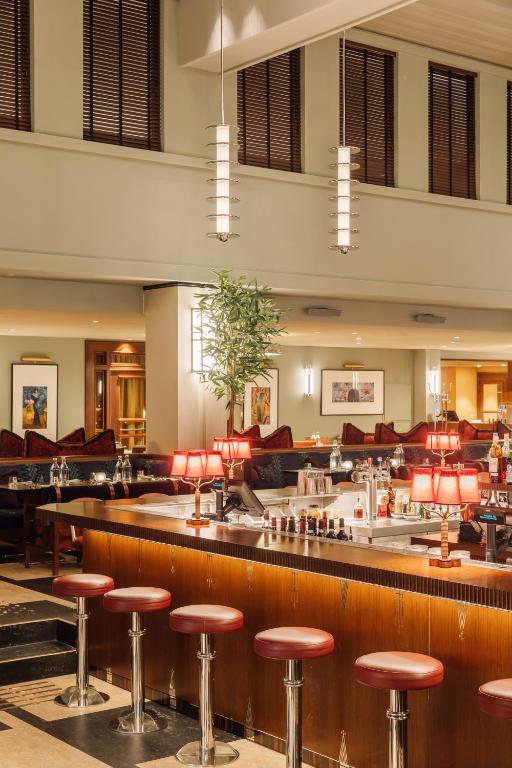
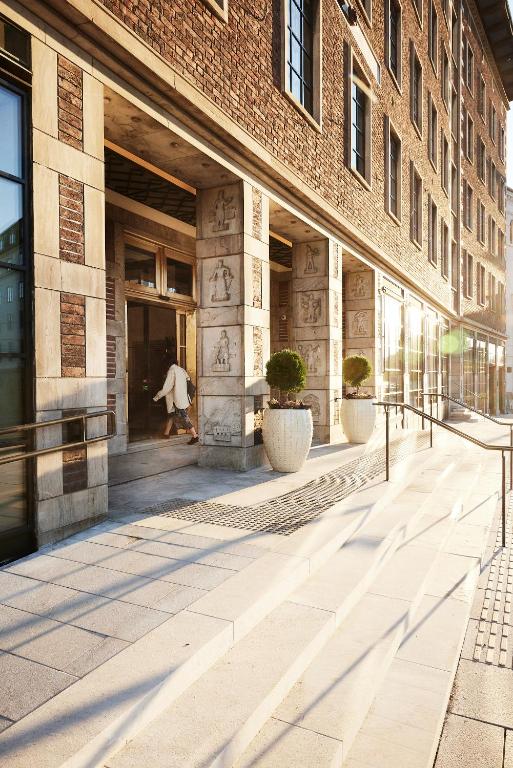
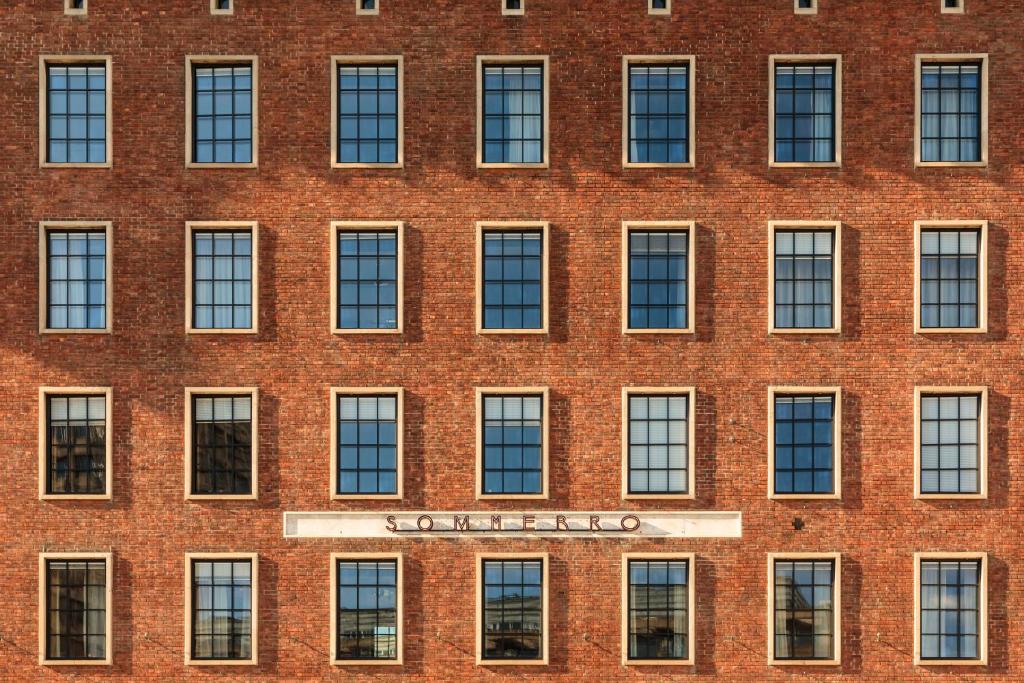
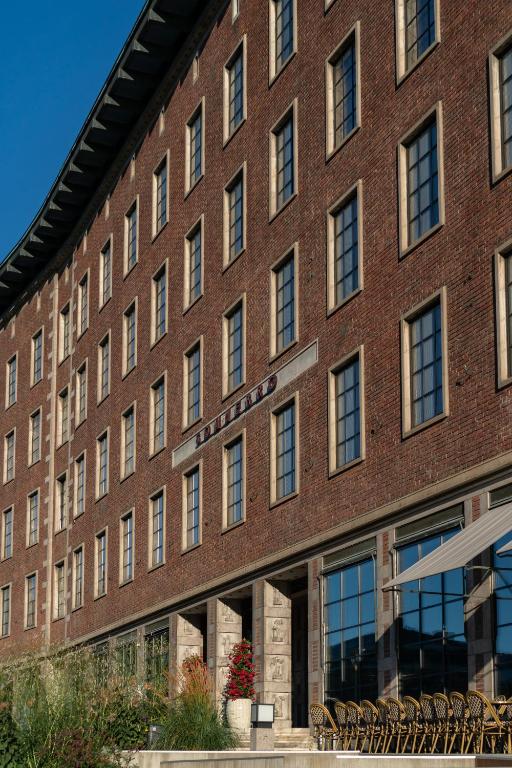
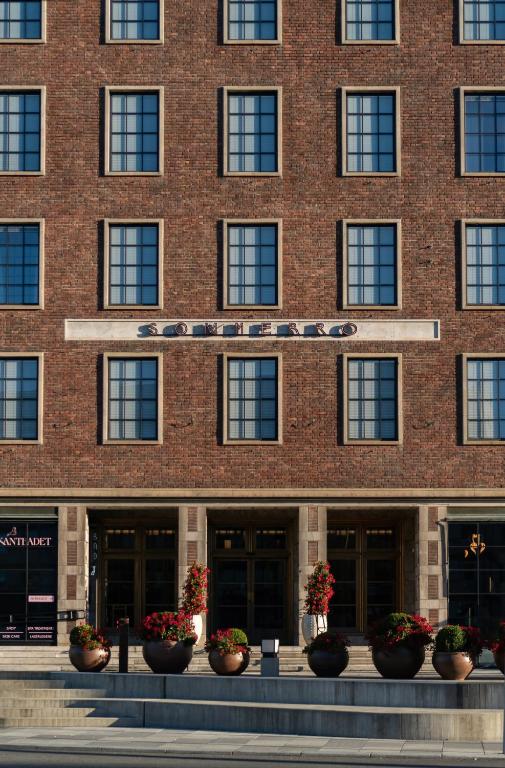
Sommerro occupies one of Oslo’s most characterful 1930s landmarks: the former headquarters of Oslo Lysverker, the city’s original electricity company. Designed by Andreas Bjercke and Georg Eliassen, the building combines a solid neoclassical presence with functionalist restraint and flashes of Art Deco glamour. The original red-brick exterior remains relatively sober, which only makes the interior more surprising. Terrazzo, murals, decorative metalwork and monumental public rooms reveal just how ambitious the original building was. Its conversion into Sommerro in 2022 preserved much of that architectural identity rather than sanding it away.

Norway, Through a 1930s Lens

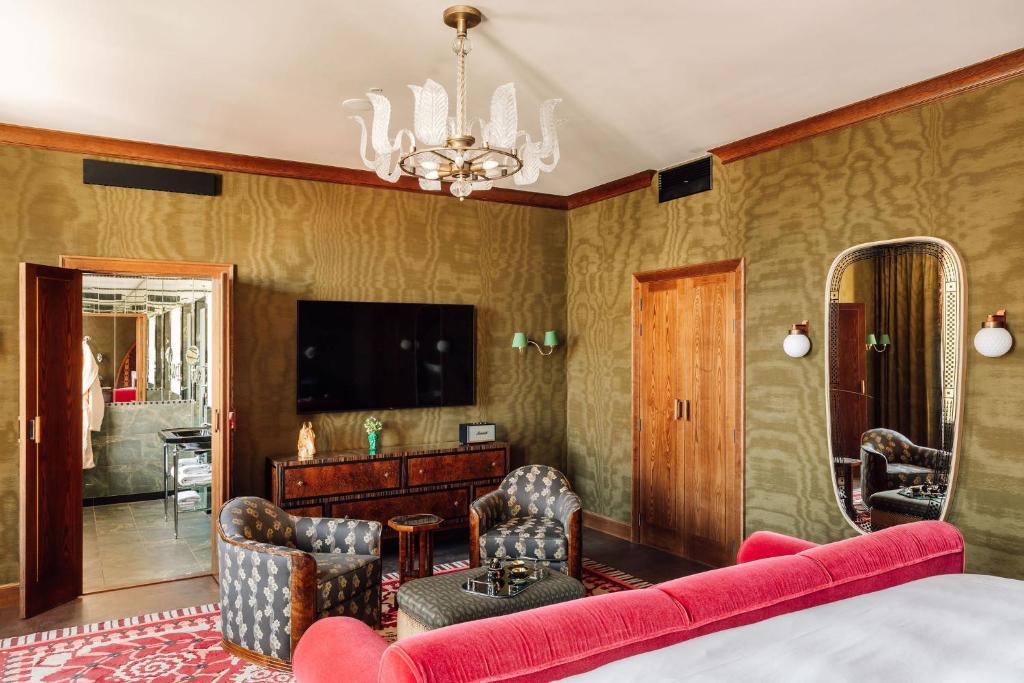
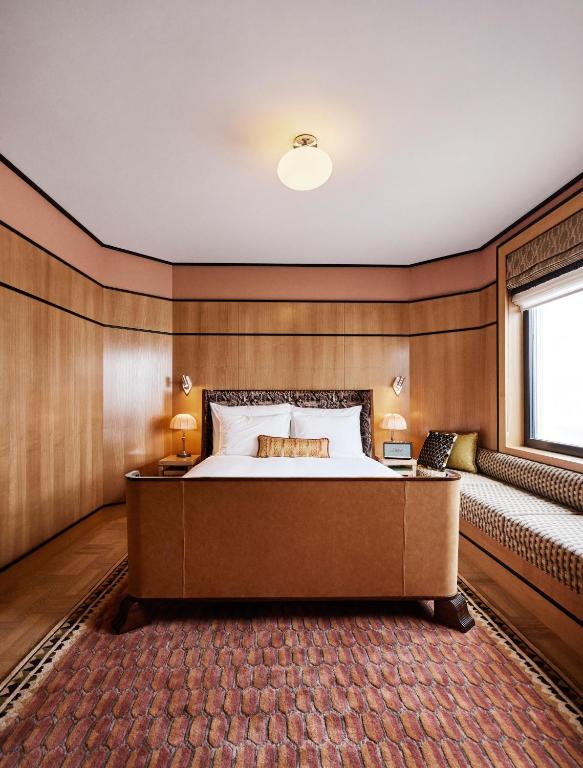
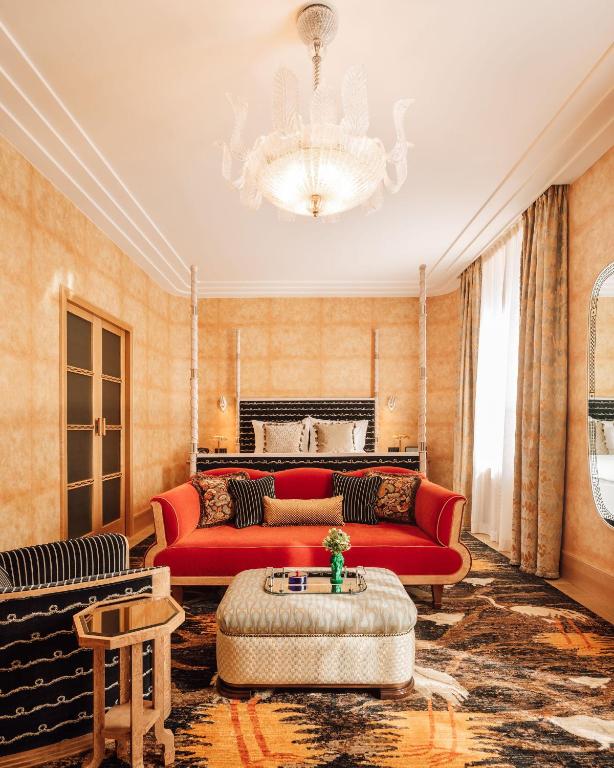
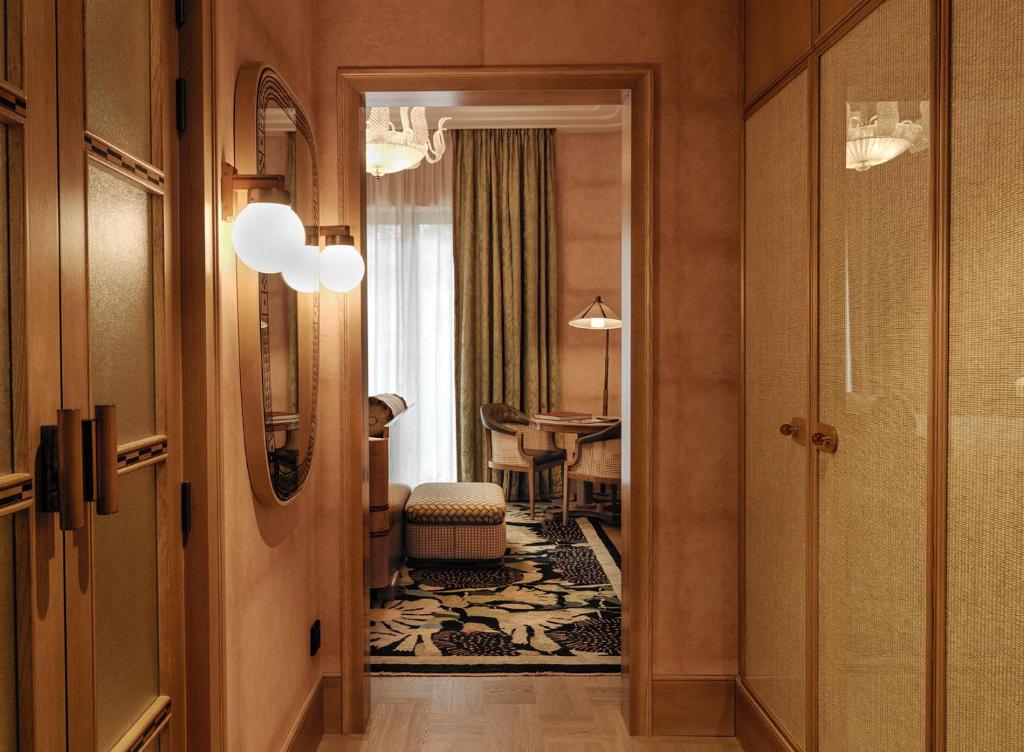
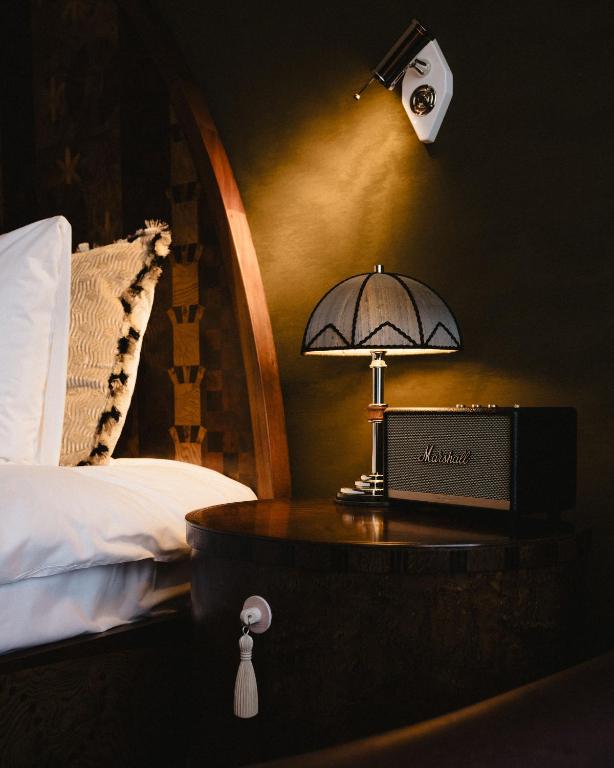
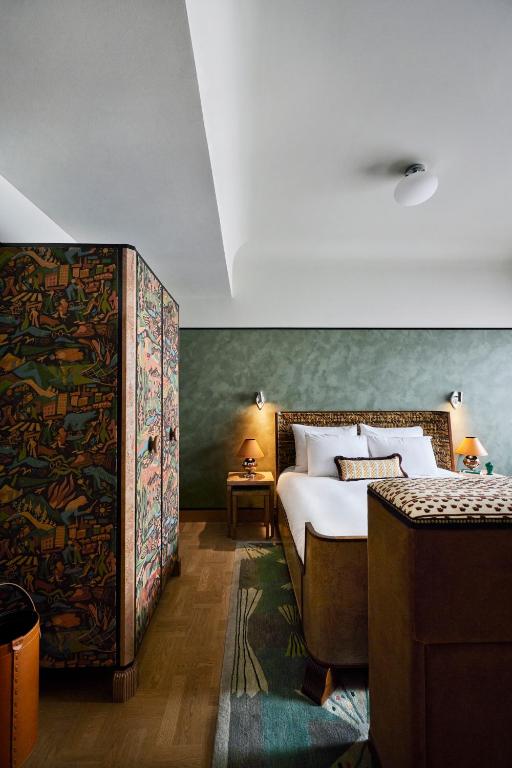
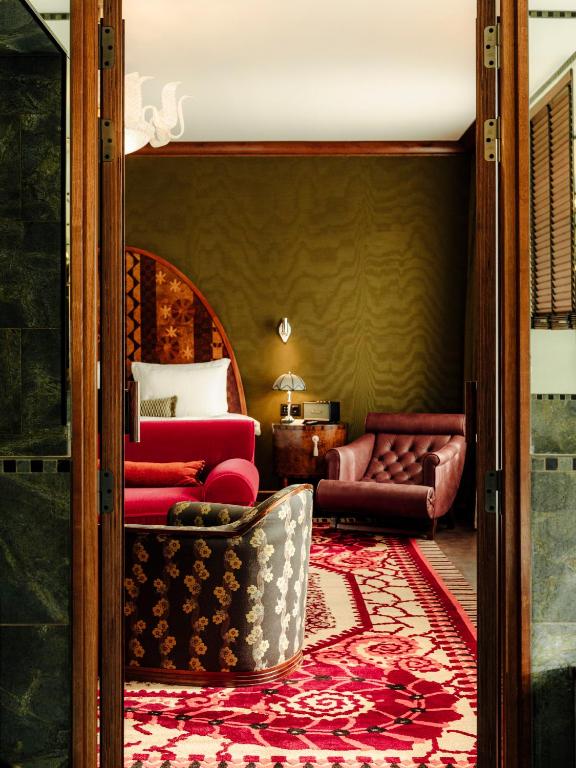
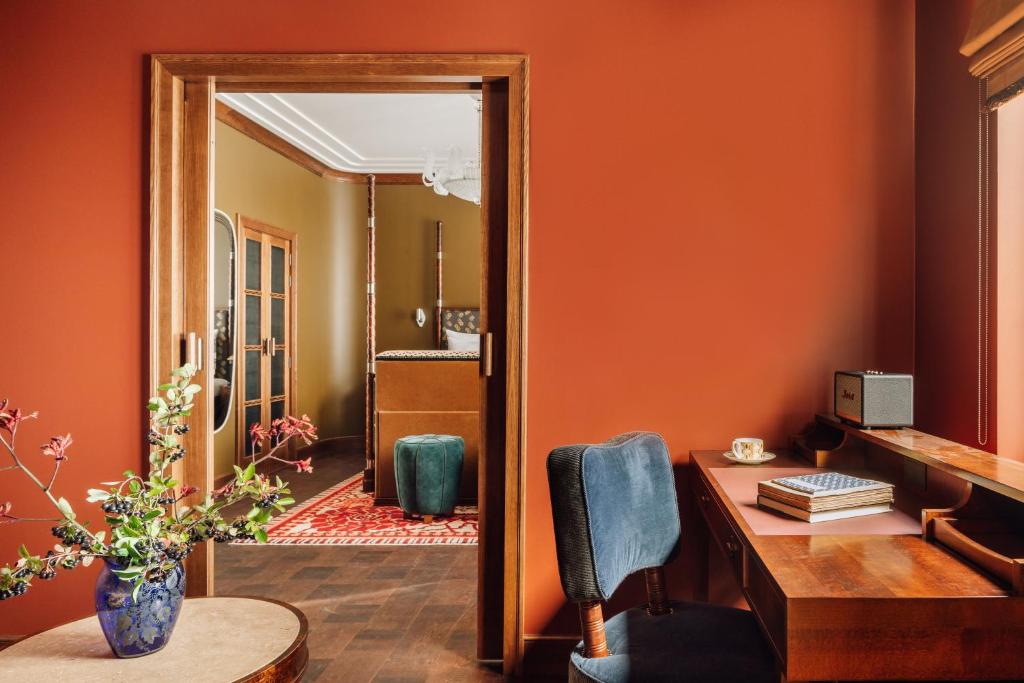
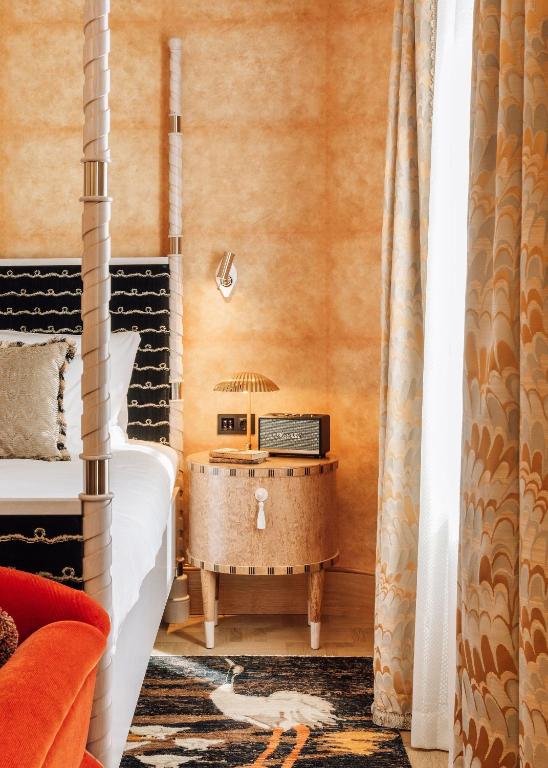
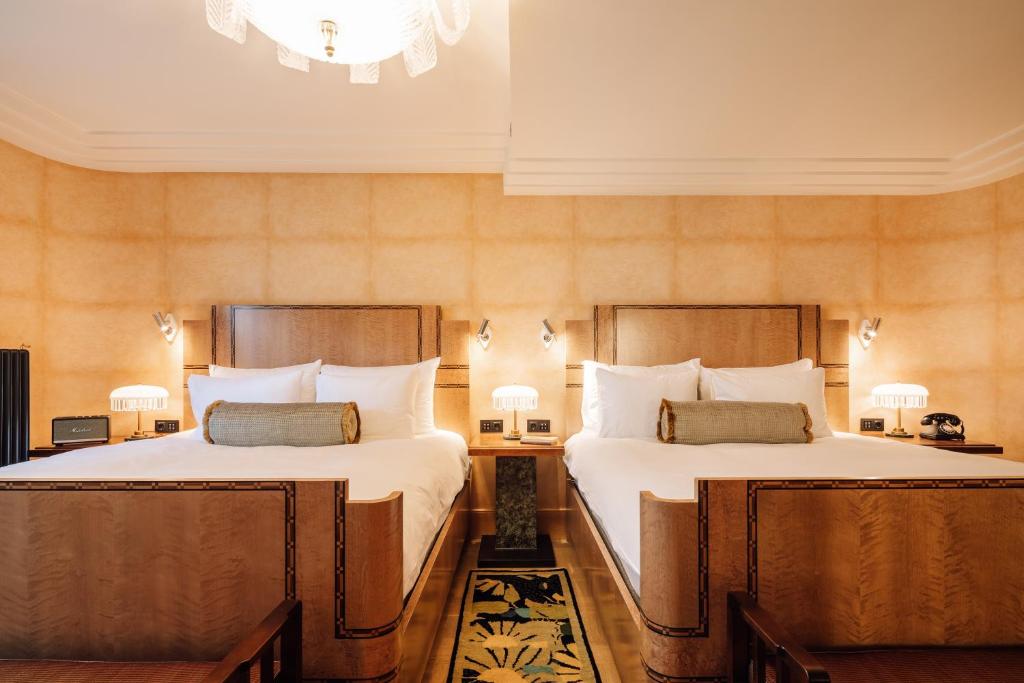
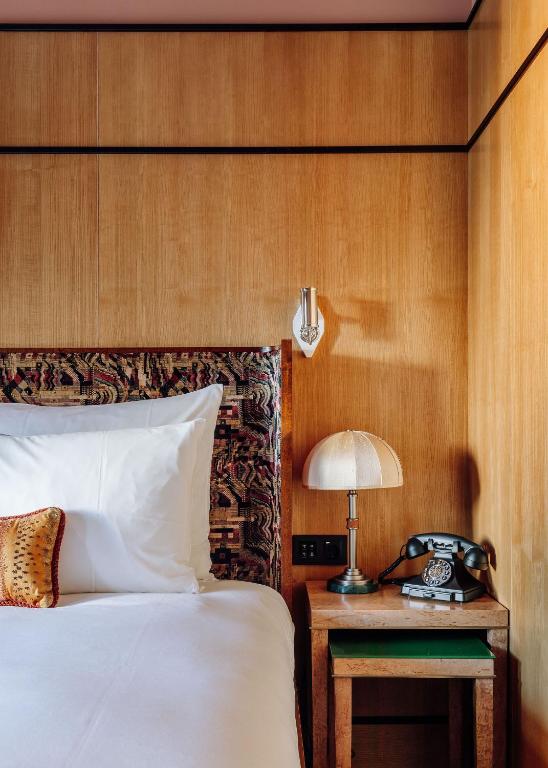
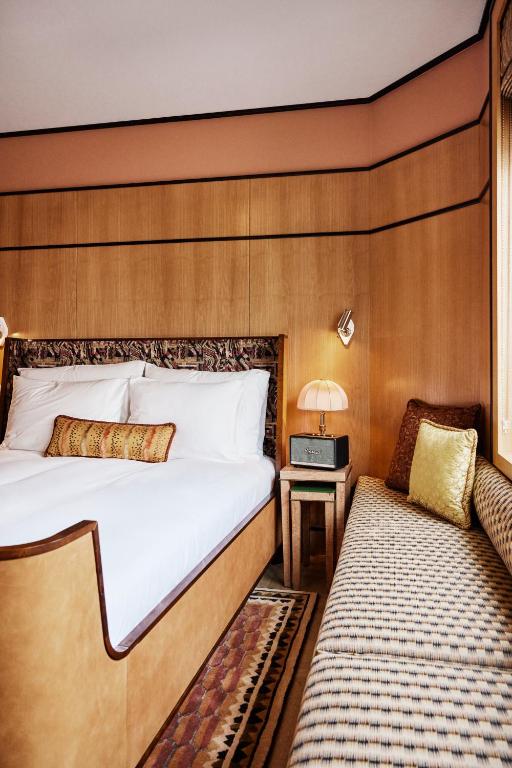
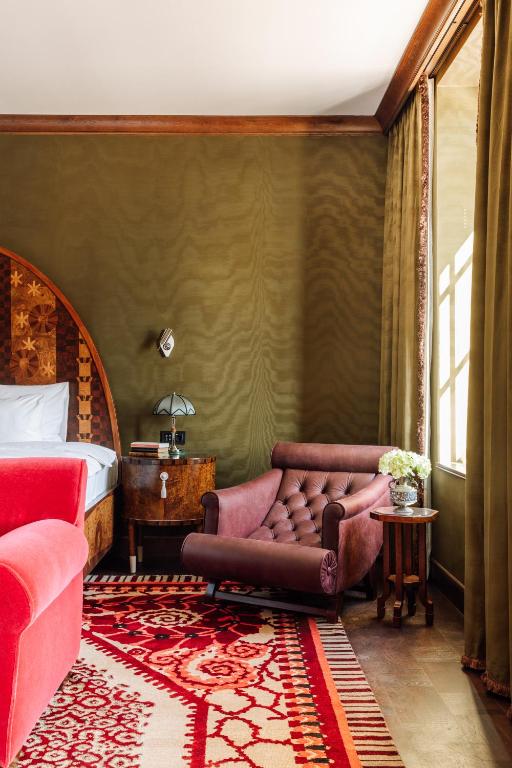
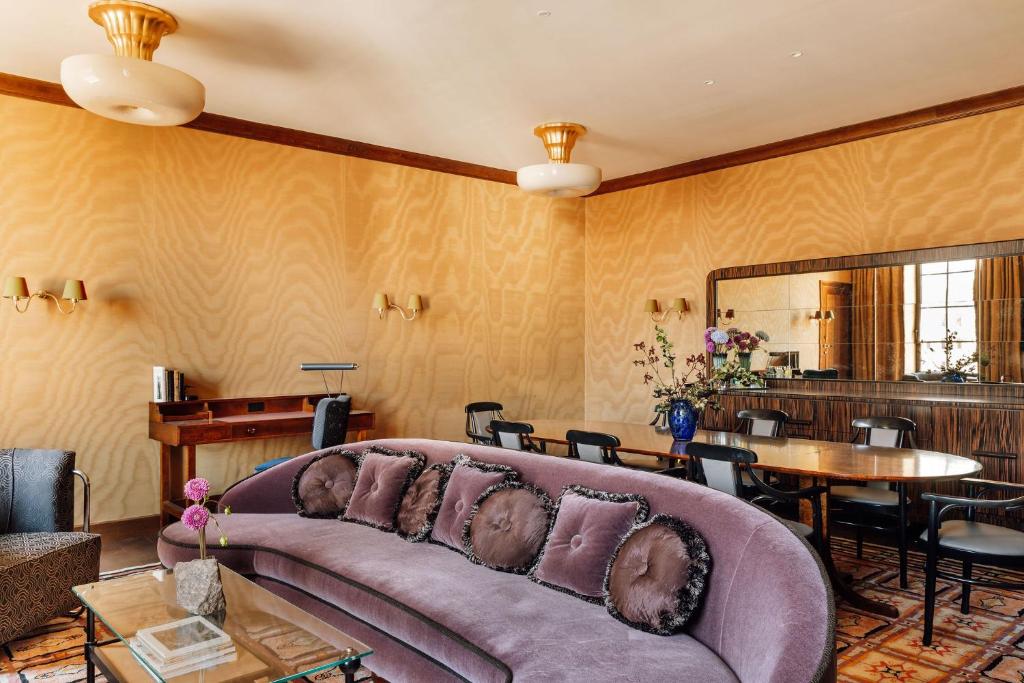
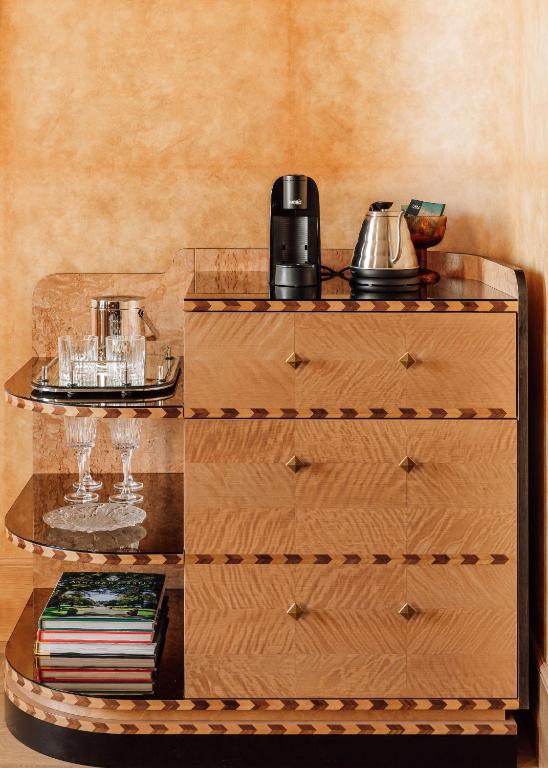
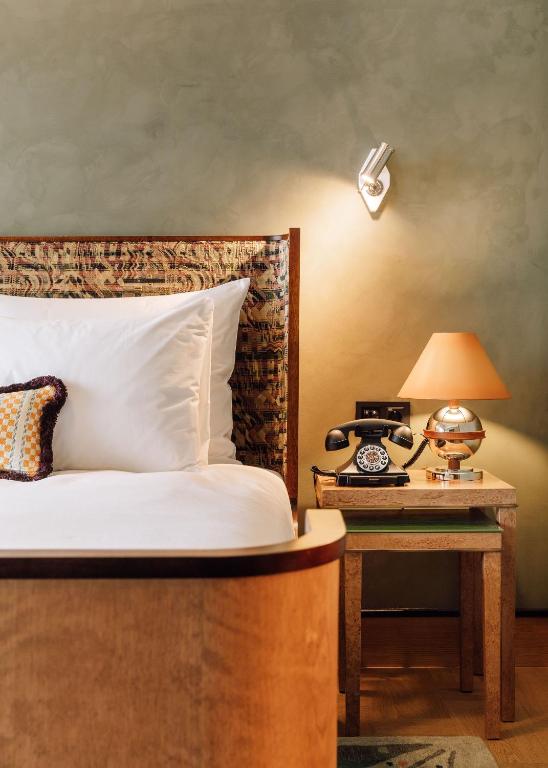
GRECODECO’s interiors go much deeper than simply recreating period glamour. The studio researched Norwegian design, art and folklore extensively, using references to Gerhard Munthe’s richly patterned work, early 20th-century furniture and traditional motifs throughout the hotel. Hand-knotted rugs, custom marquetry, polished timber, elaborate headboards and bespoke lighting build a highly detailed visual language that feels distinctly Norwegian rather than generically Art Deco. The result is opulent, but not imported. Sommerro looks outward to the glamour of the 1930s while remaining rooted in Oslo.

A Hotel That Behaves Like a Neighbourhood

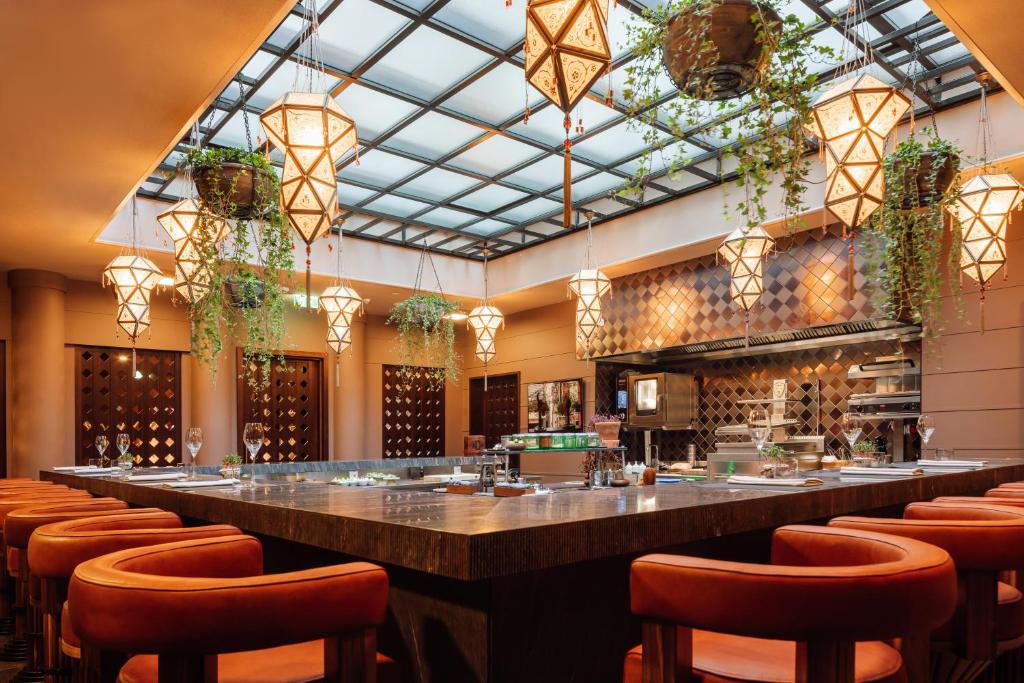
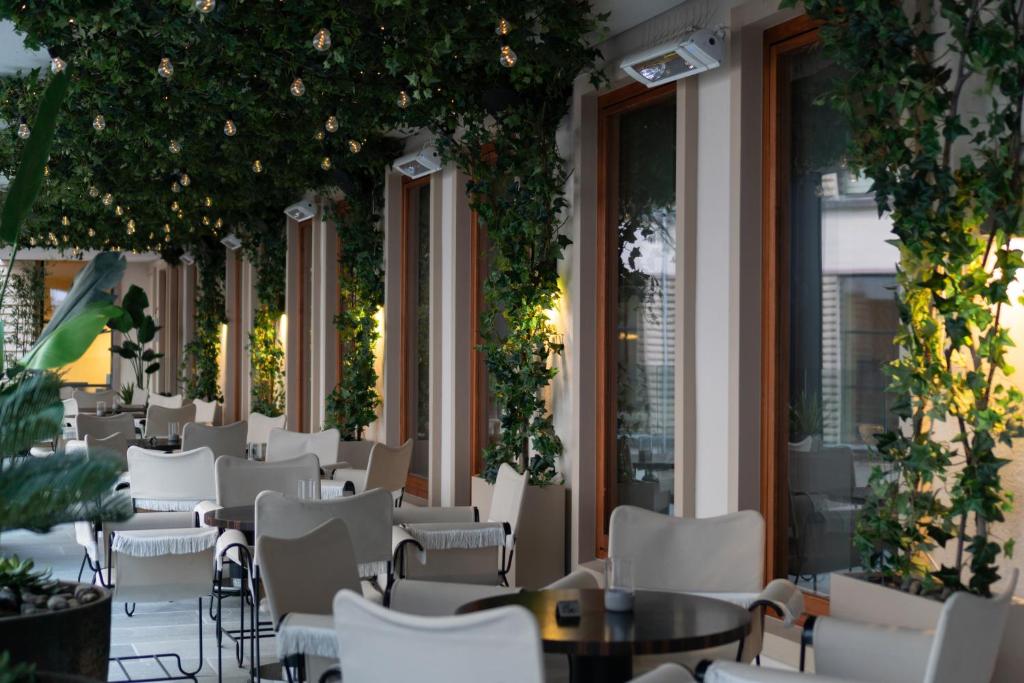
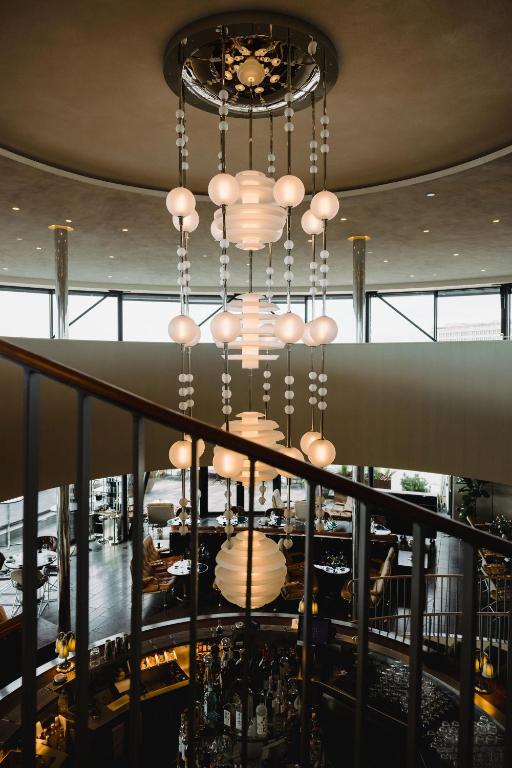
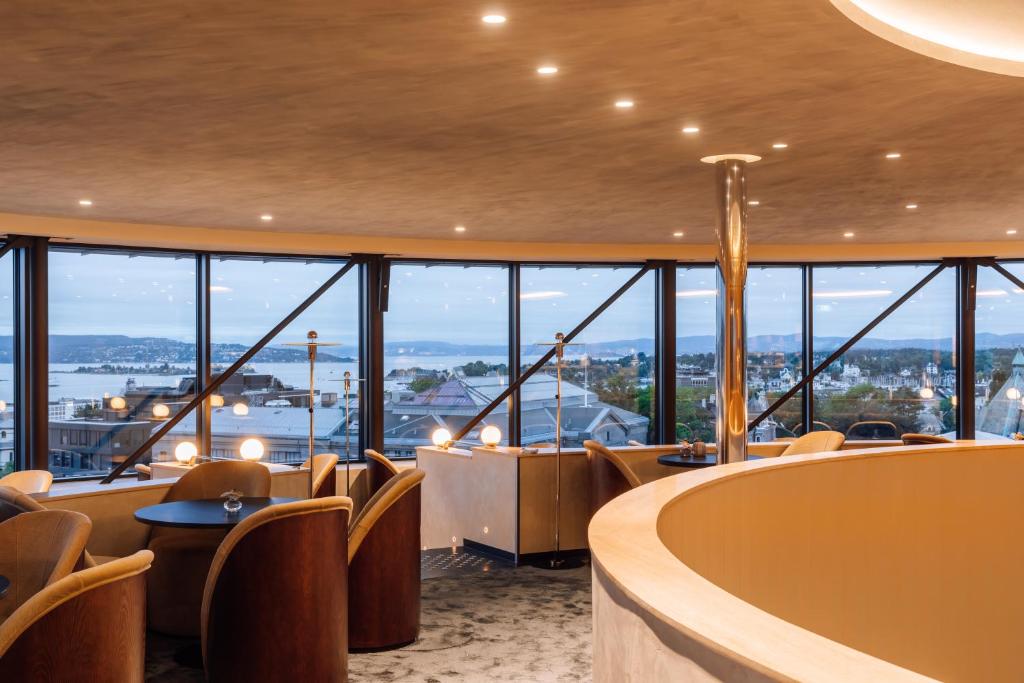
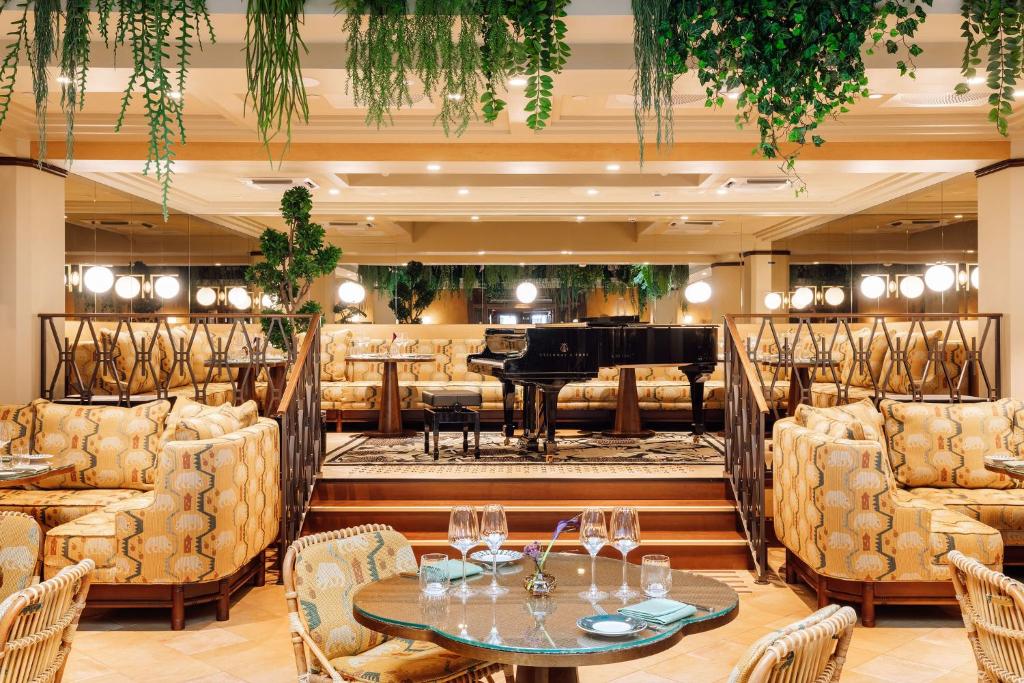
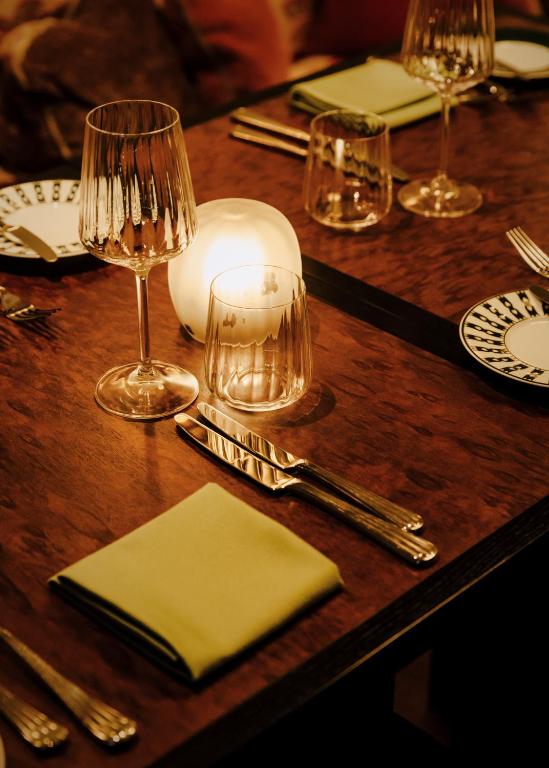
Sommerro was conceived as a place for Oslo as much as for hotel guests. Seven restaurants and bars give the building a life that changes from morning to night. Ekspedisjonshallen works as the grand social heart, combining all-day dining with live jazz. To Søstre shifts from afternoon tea to evening cocktails and performances. Barramon brings Basque tapas and wine, while Plah adds Thai flavours. At the top sits TAK Oslo, where chef Frida Ronge mixes Nordic ingredients with Japanese technique — one of the clearest examples of how Sommerro positions food as a major part of the experience rather than a hotel add-on.

The Great Gatsby Goes Nordic

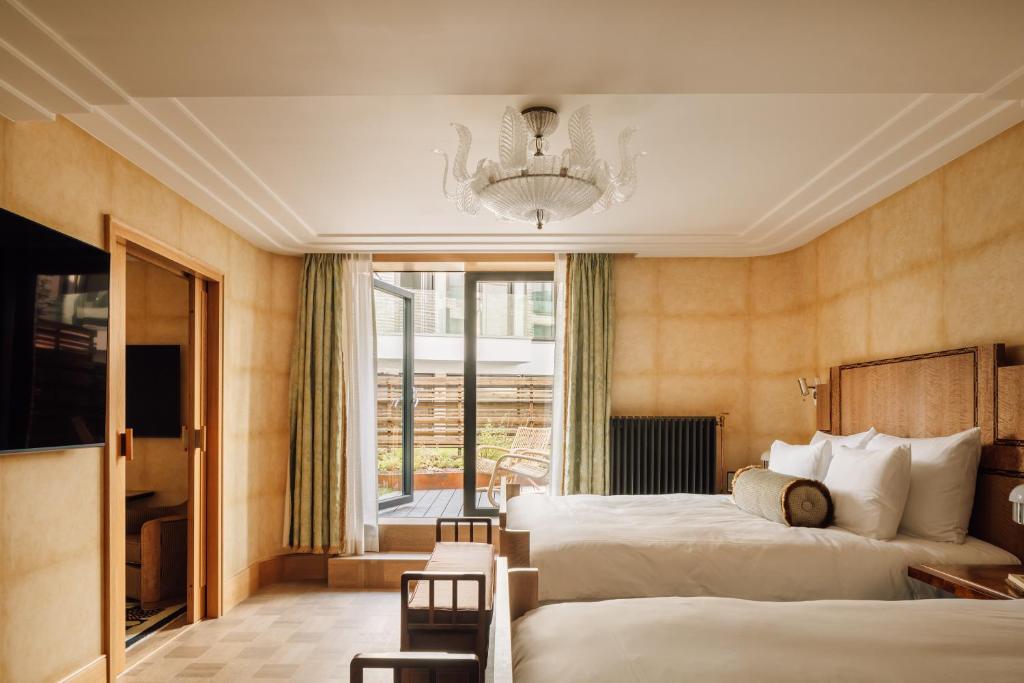
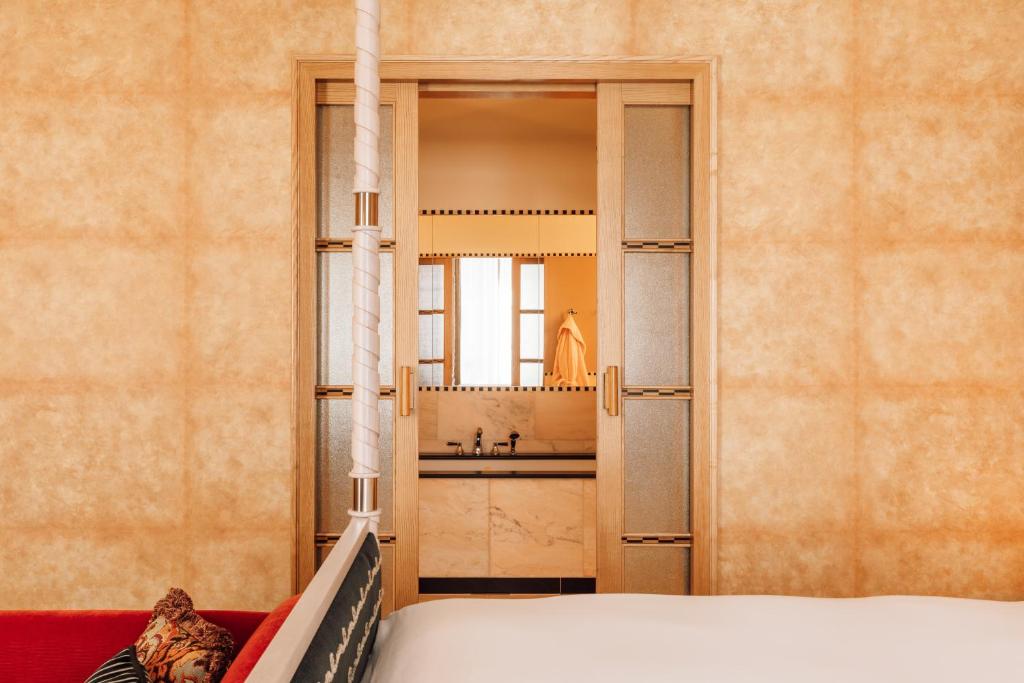
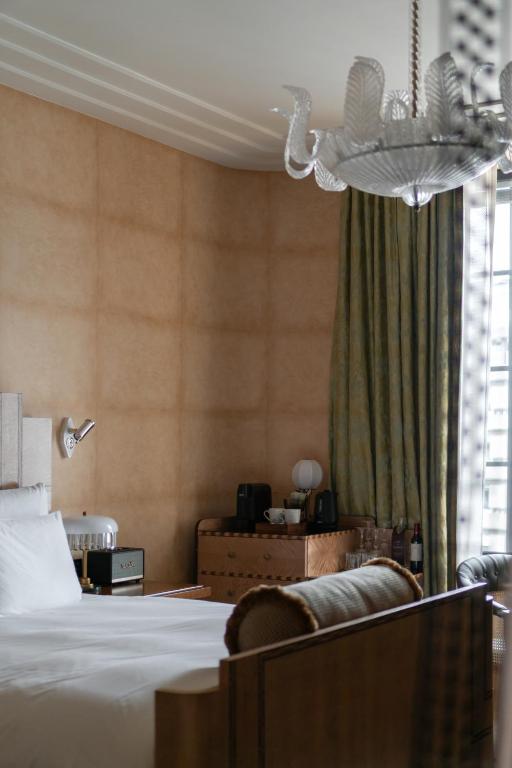
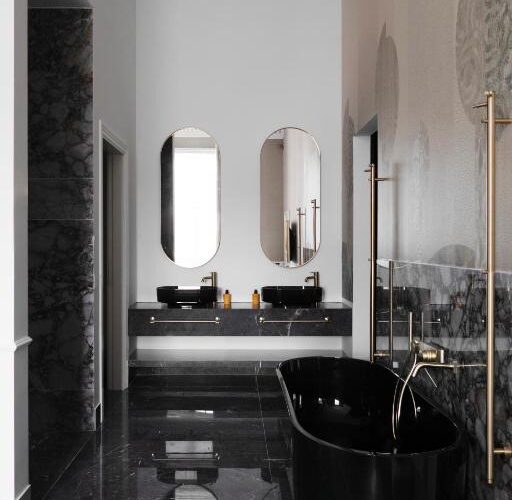
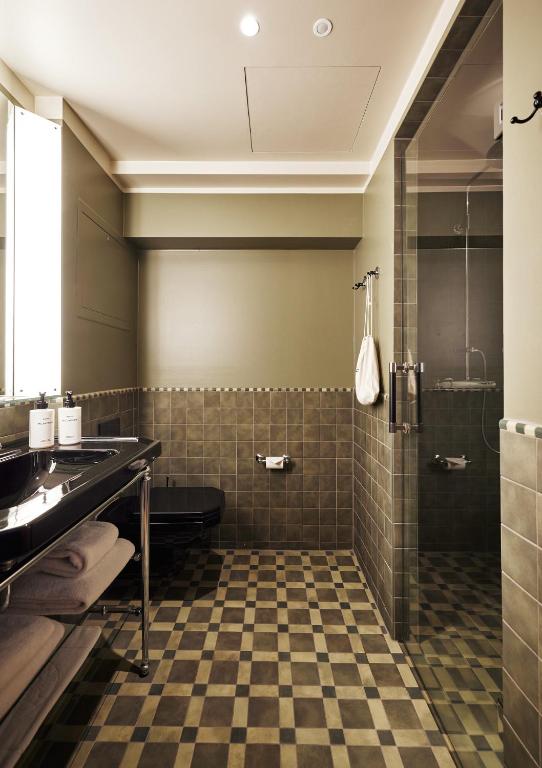
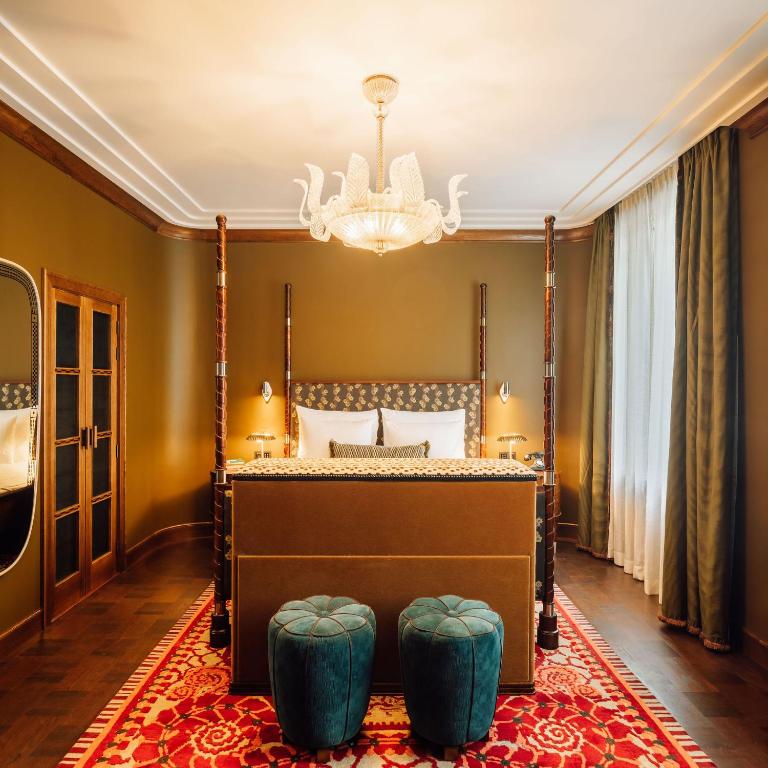
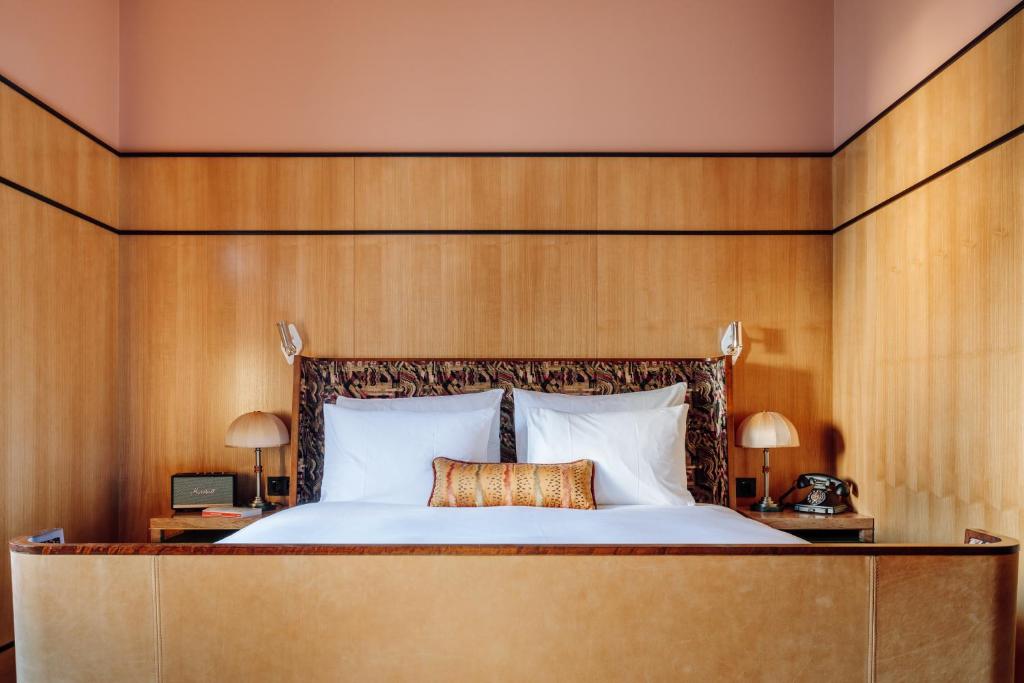
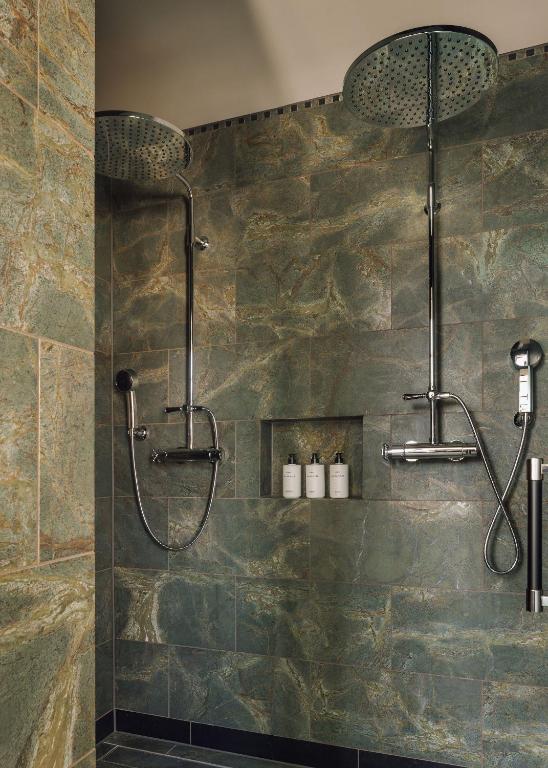
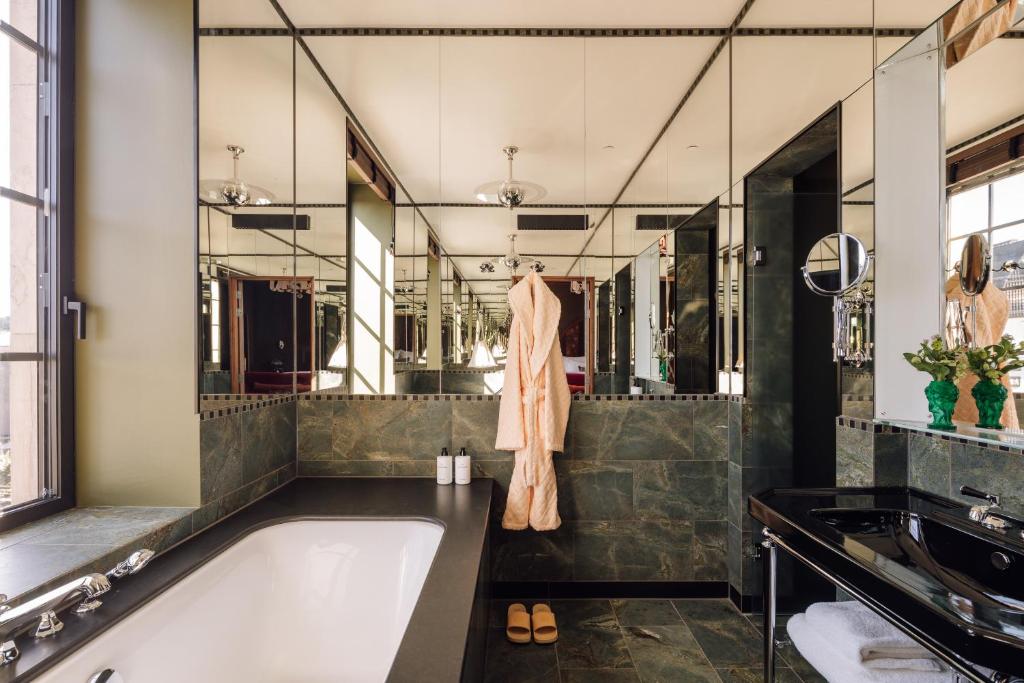
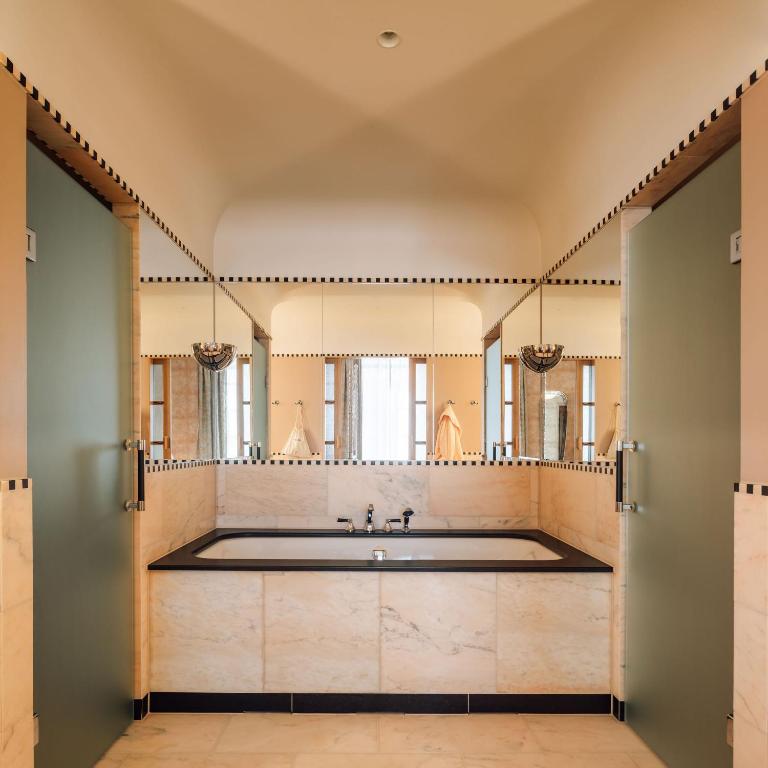
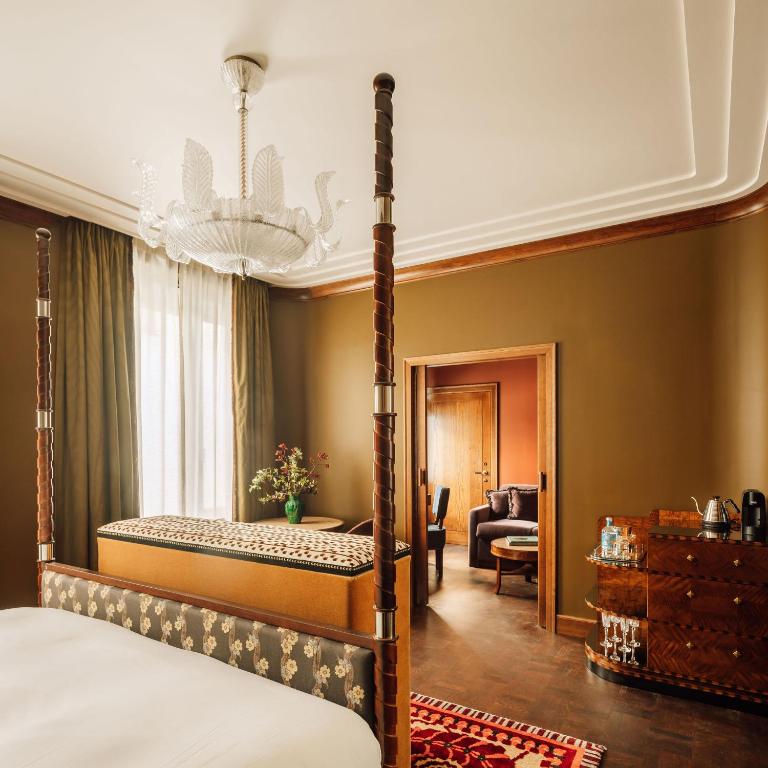
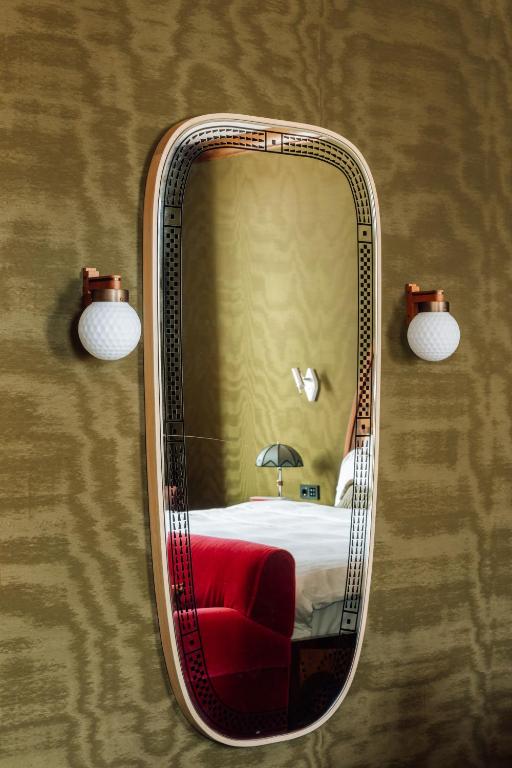
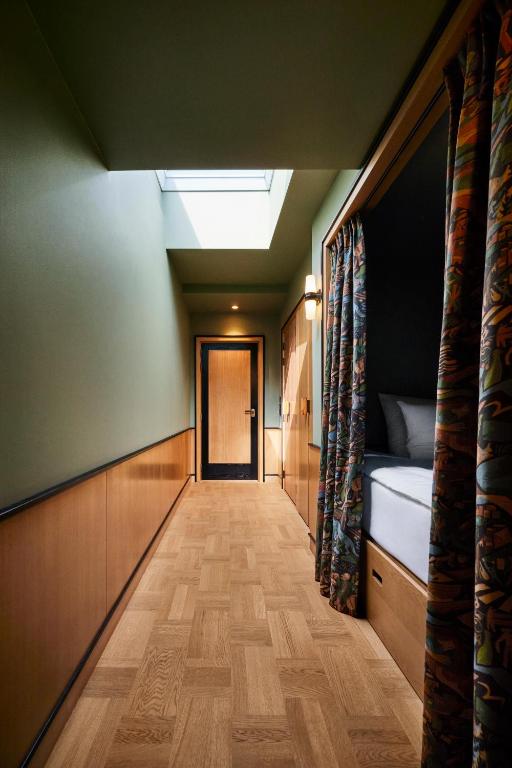
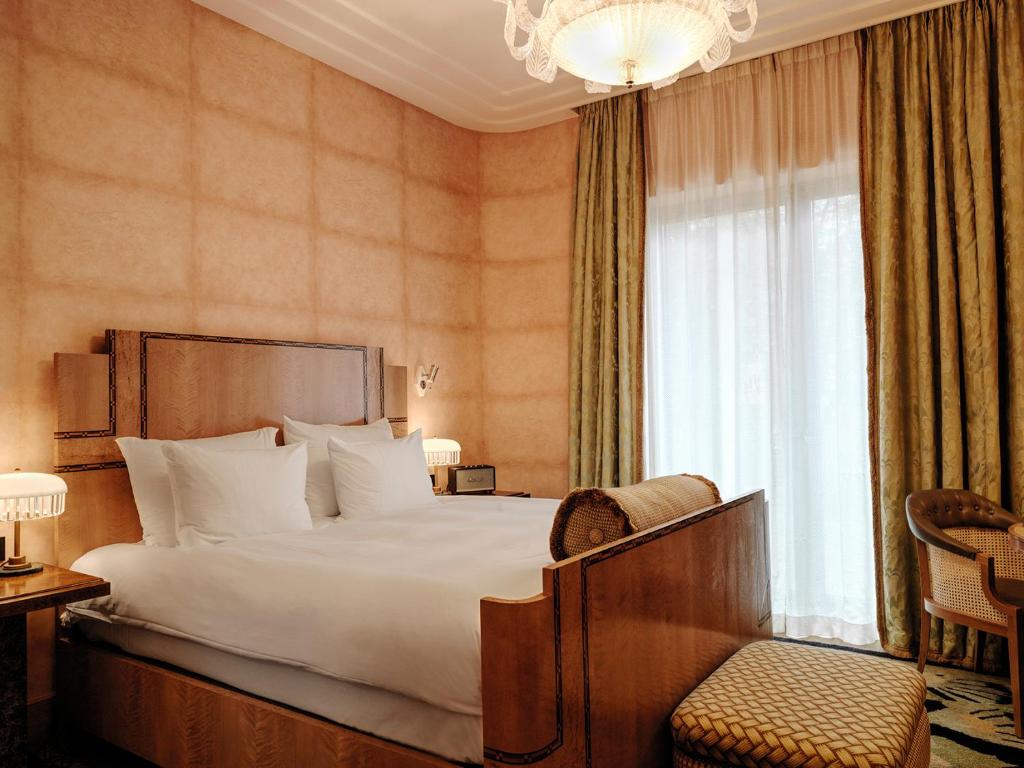
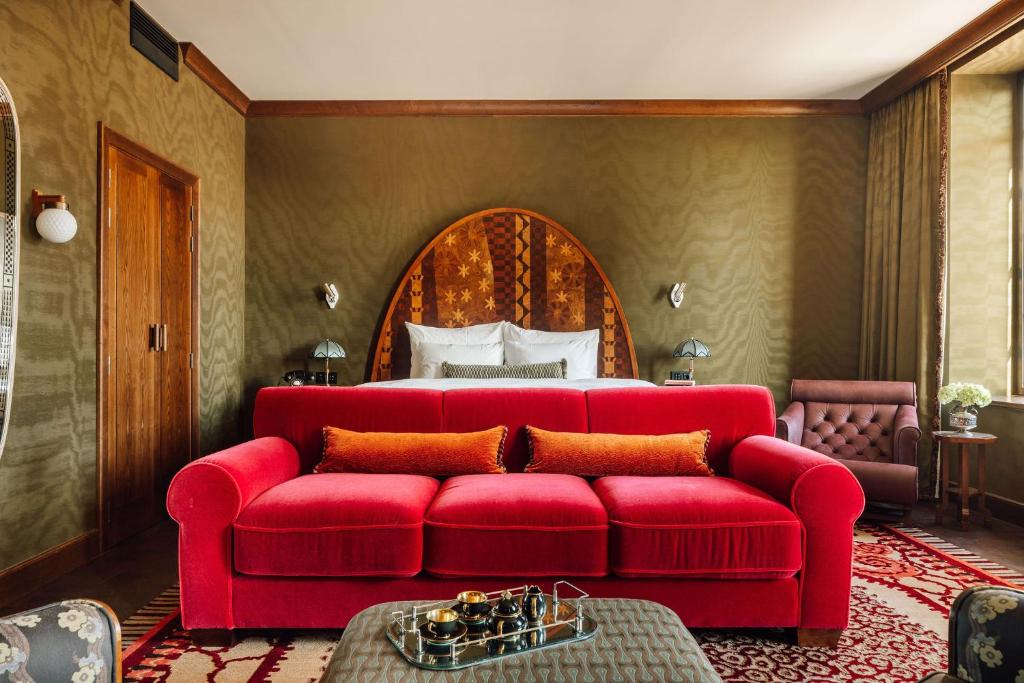
The bedrooms continue the same layered approach. Oak parquet floors, Murano chandeliers, hand-knotted rugs, rich reds, greens and golds, pale timber and custom furniture create rooms that feel glamorous without becoming theatrical. Norwegian folkloric motifs appear in patterns and artwork, while more elaborate categories introduce four-poster beds, decorative marquetry and marble bathrooms. There are 231 rooms and suites across five categories, from simpler loft rooms to larger suites.

The Return of Vestkantbadet

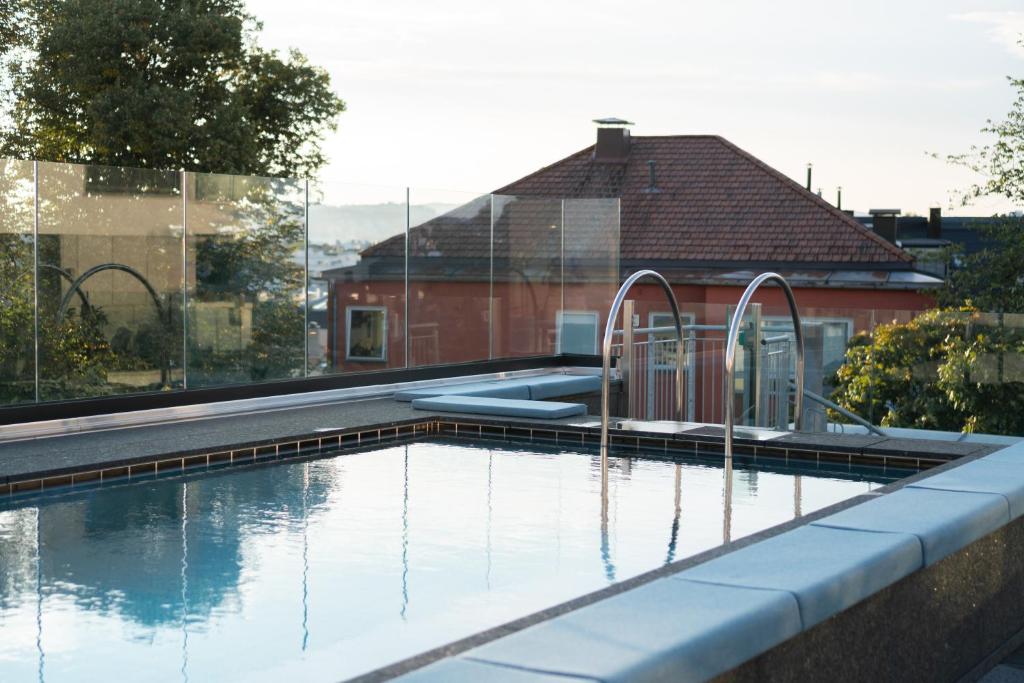
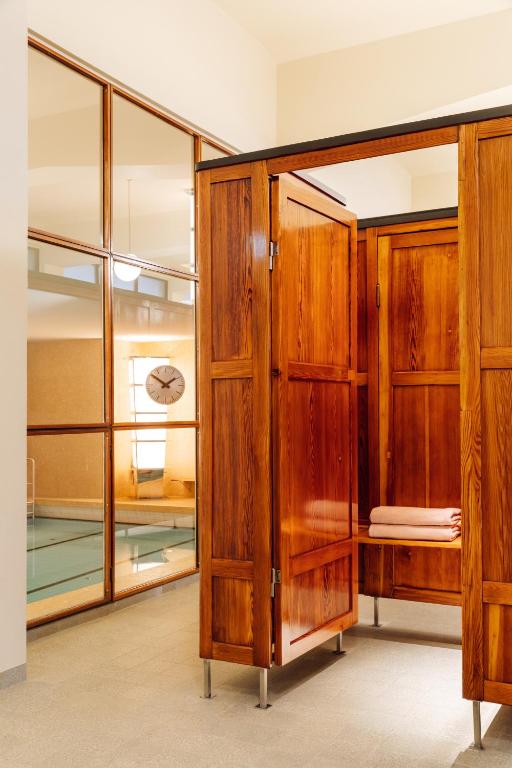
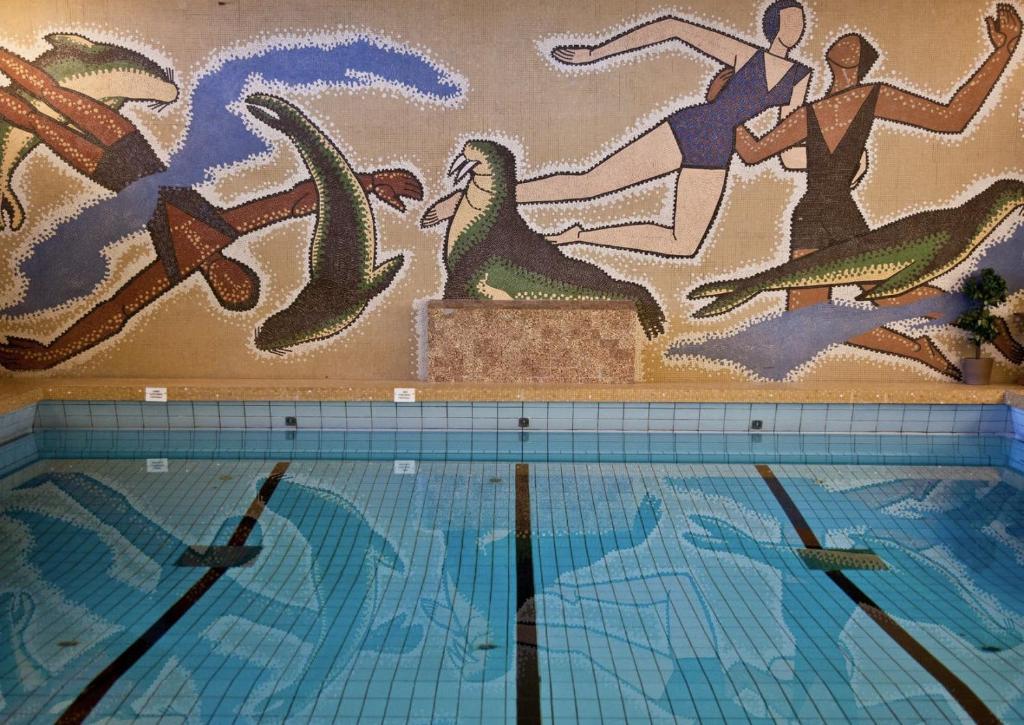
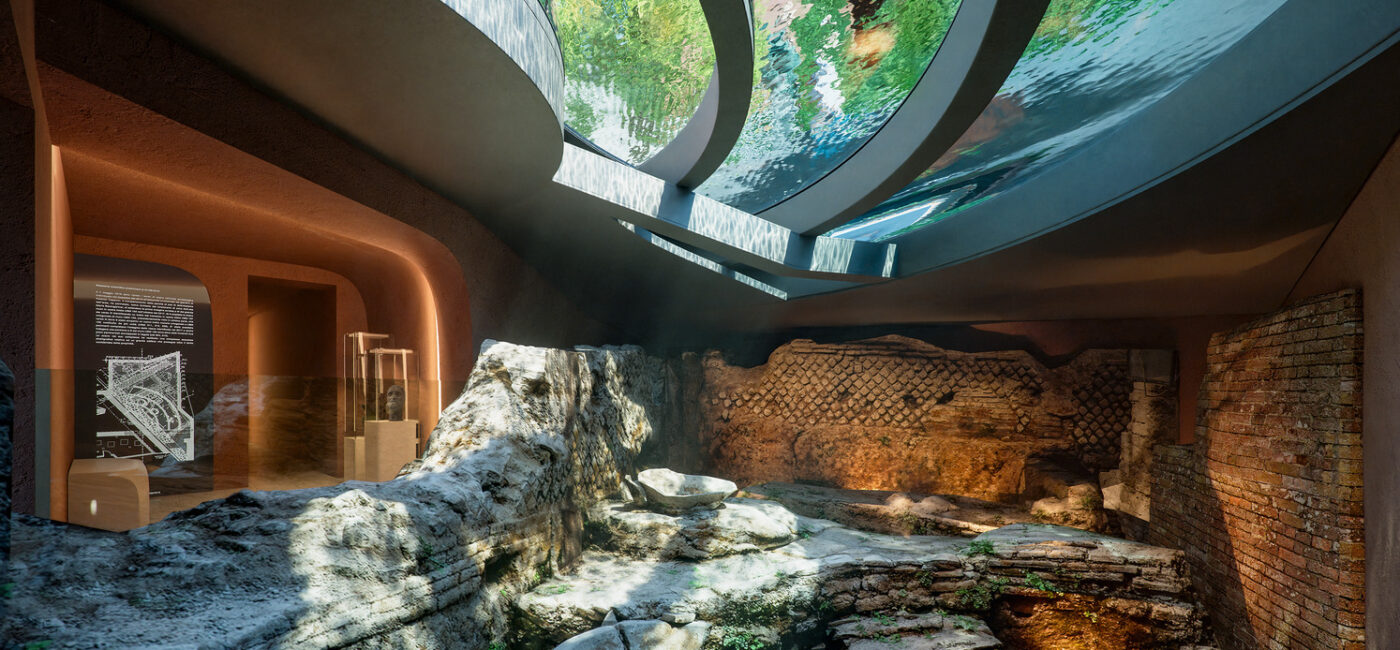
One of Sommerro’s most impressive moves was restoring the building’s former public baths. Vestkantbadet now operates as an extensive subterranean wellness retreat with treatment rooms, infrared sauna, cold plunge facilities and restored bathing spaces. Much of the 1930s character survives, including the pool’s original tiles and the dramatic Per Krohg mosaic. Above, Sommerro adds another first for Oslo: a year-round rooftop pool and sauna with views across the city. Together, the rooftop and restored baths make wellness feel architectural rather than merely programmatic.

Culture Built In

A gilded theatre, intimate cinema and rotating cultural programme push Sommerro even further away from the conventional hotel model. Jazz, cabaret, film screenings, comedy and live performances are embedded into the building’s everyday life. The effect is important: Sommerro doesn’t simply preserve a historic landmark, it restores its role as a place where people gather. That may be the most successful part of the project.

Why It Works

Sommerro succeeds because it understands preservation as something active. The architecture still speaks of Oslo in the 1930s. Per Krohg’s art remains part of the experience. Norwegian materials, patterns and craft inform the new interiors. But the building has not been frozen in time. Instead, it has been filled with restaurants, bars, music, swimming, cinema, wellness and people. For a hotel built in the former headquarters of an electricity company, Sommerro has found a remarkably appropriate new purpose: generating energy.

Information

At a glance

Art Deco Luxury Eco & Sustainability Pets allowed Rooftop Bar Art & Culture Vibe: Social Wheelchair accessible

Architecture

LPO Arkitekter

Opened / Renovated

2022

Size matters

231 rooms & suites (20-80m2) (215-861 sq ft)

Interior design
GRECODECO

Handpicked worldwide

A carefully curated collection of exceptional boutique and design hotels across the globe.

Design with soul

Architecture, atmosphere and craftsmanship come together in stays with a clear identity.

Hidden, not hyped
Independent boutique hotels you rarely find on mainstream booking platforms.

Travel guidance

Personal recommendations and thoughtful support from people who actually know the places.