


The Alpine Hotel, Reduced
Six suites, one sculptural staircase and a radically restrained take on the traditional Alpine hotel.

Why DNA Hotels loves it
Owners Maria and Tom Heidenreich worked with architect Carolyn Herzog of Studio H kollektiv to transform a former village restaurant into an intimate six-suite design hotel.
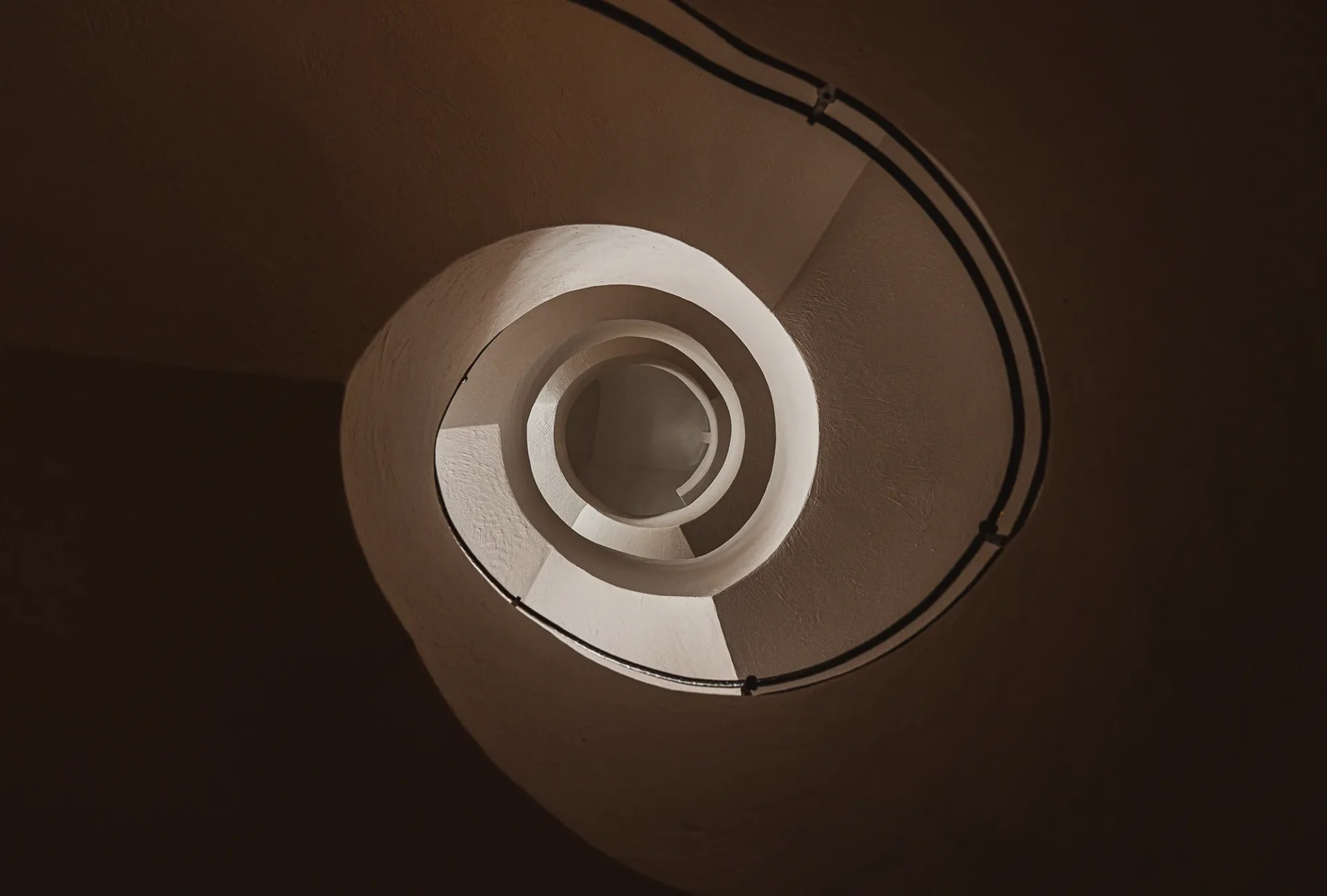
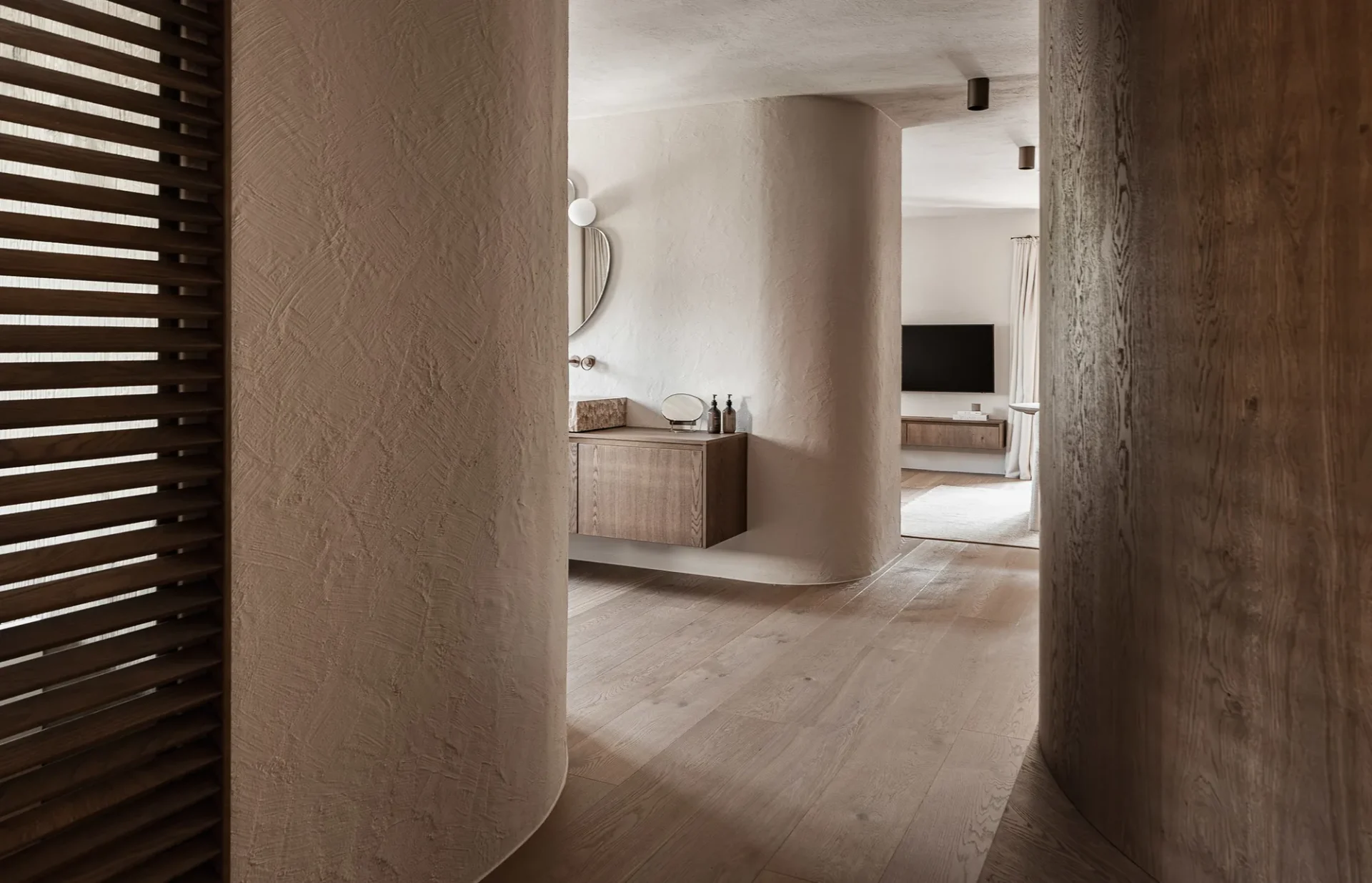
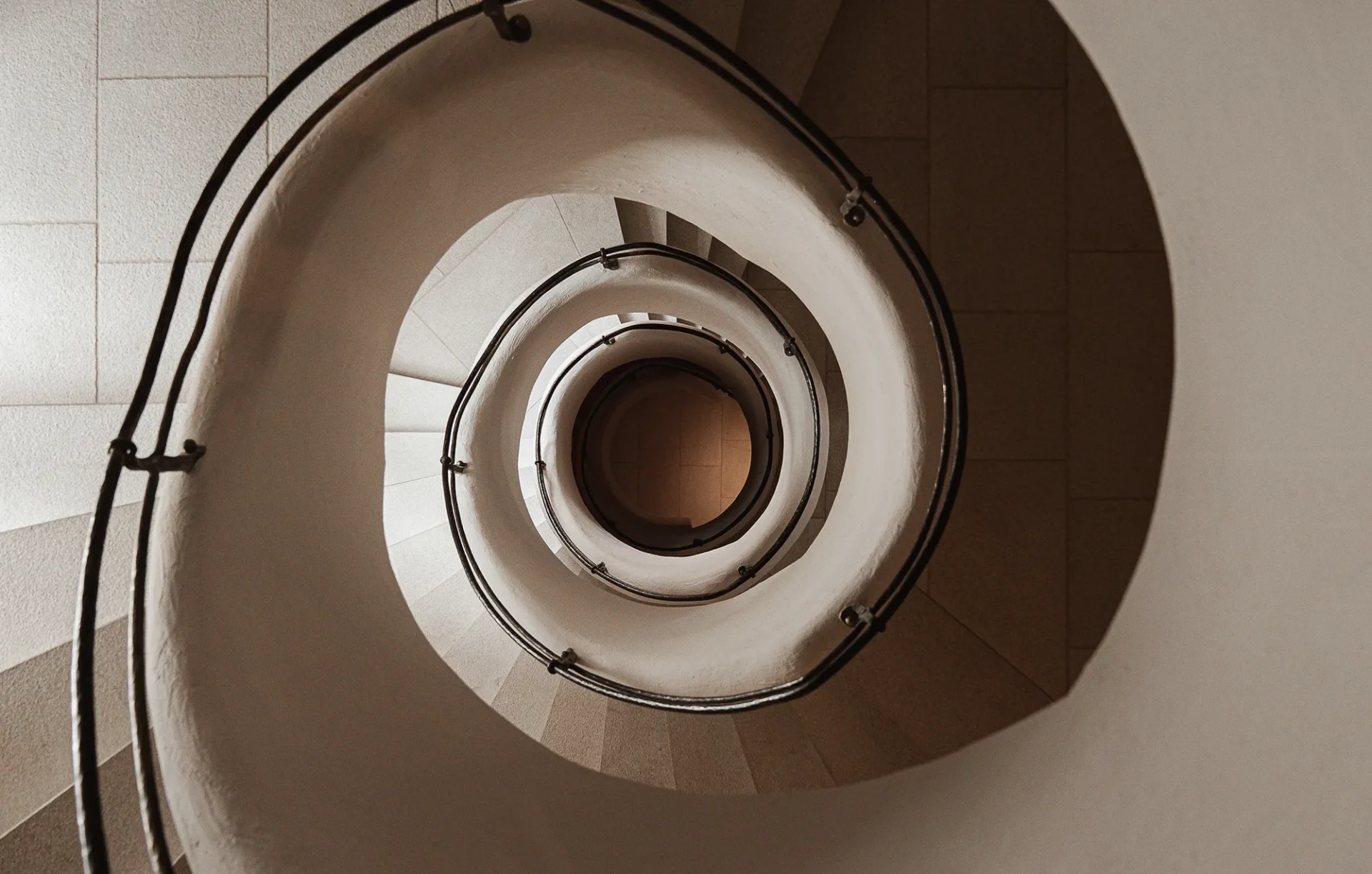
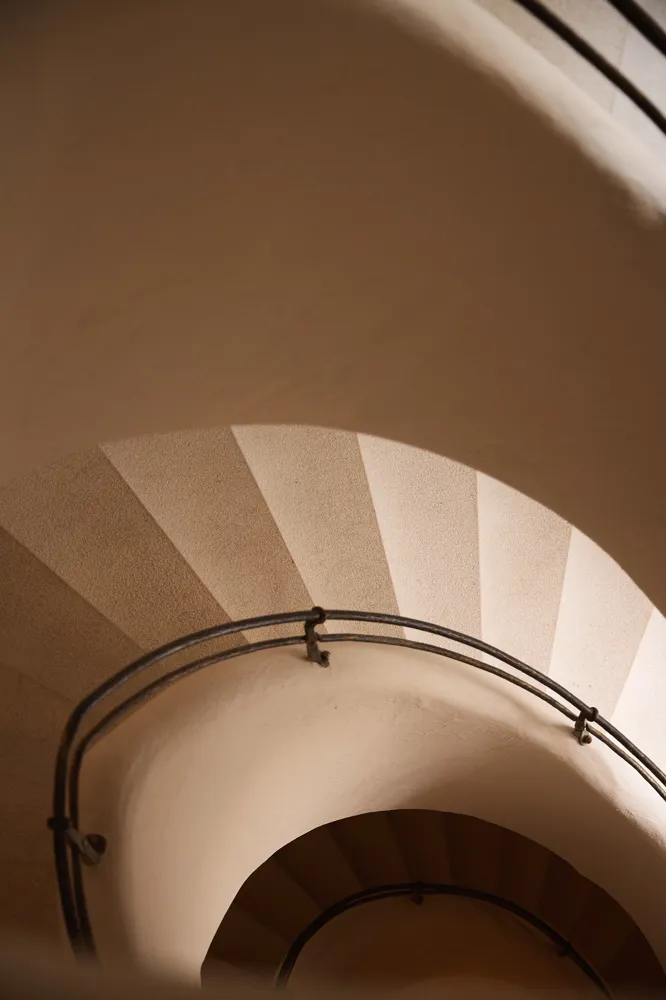
The building’s original staircase became the architectural DNA: its curves are repeated in walls, niches, bathrooms, furniture and even the hotel’s visual identity.
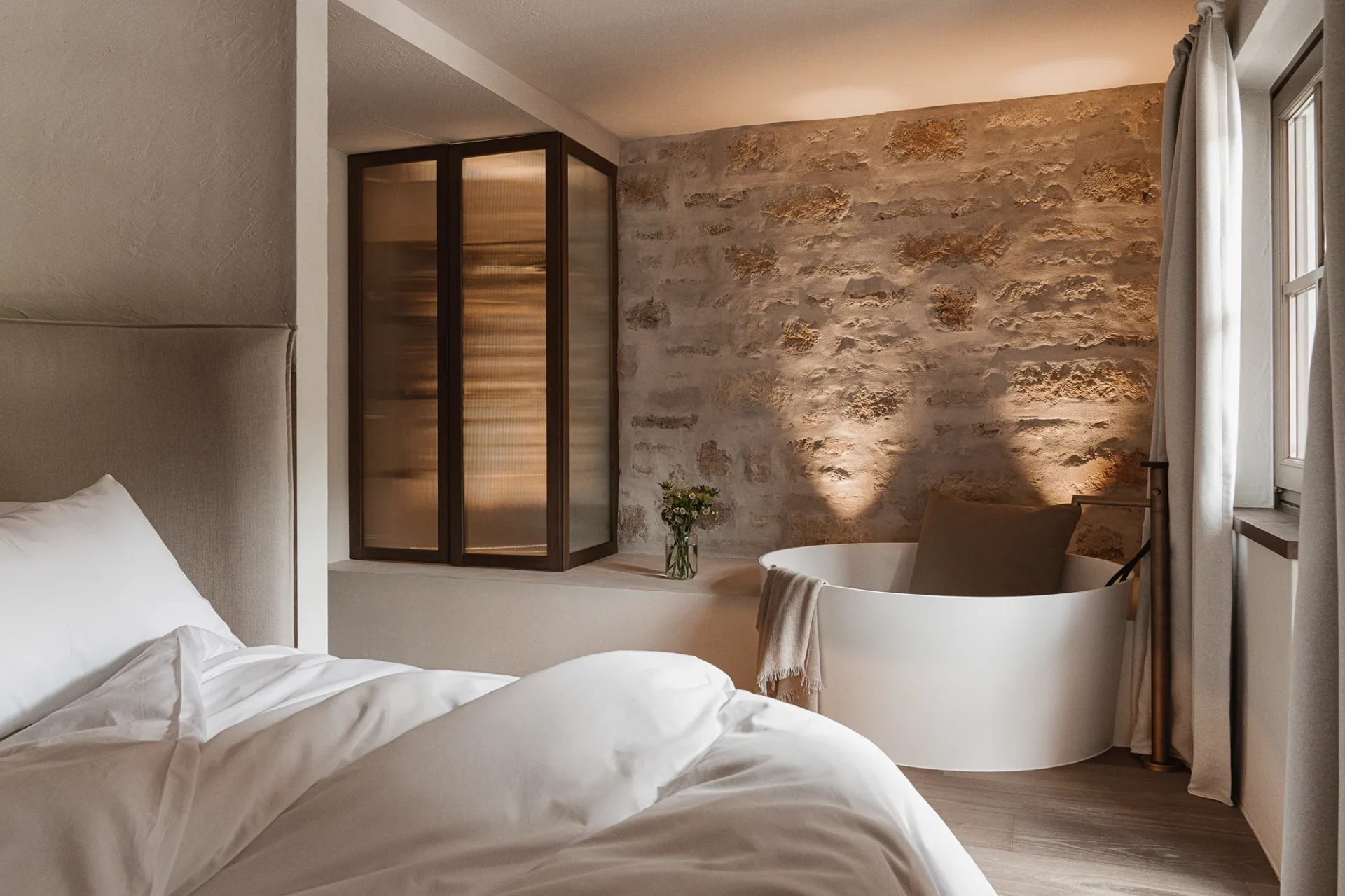
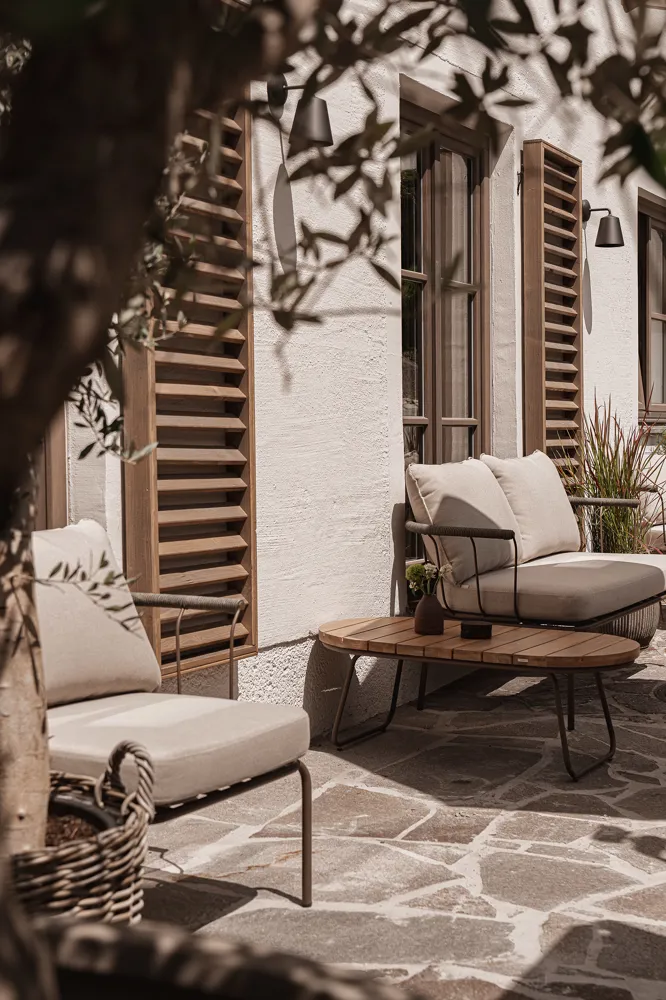
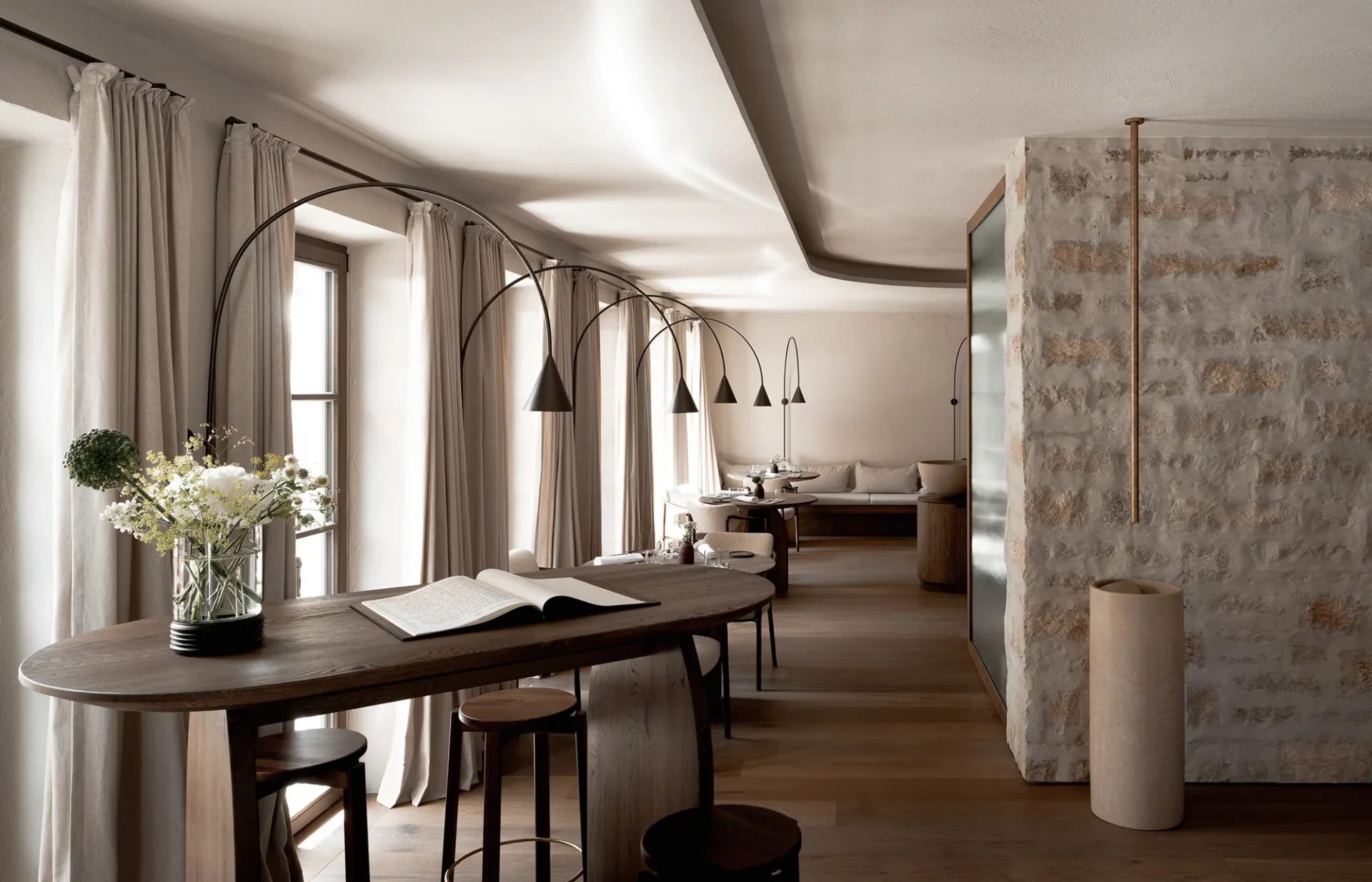
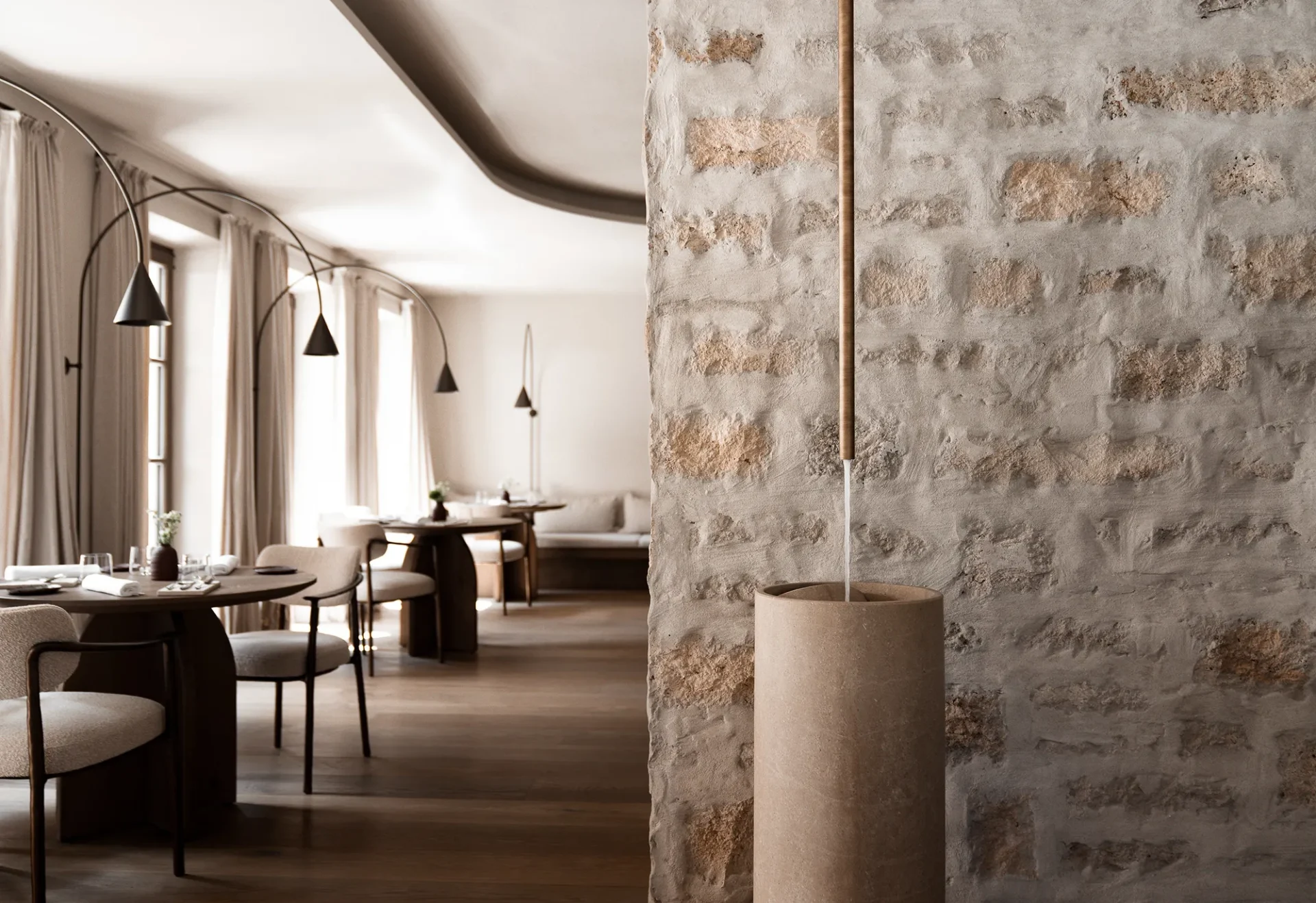
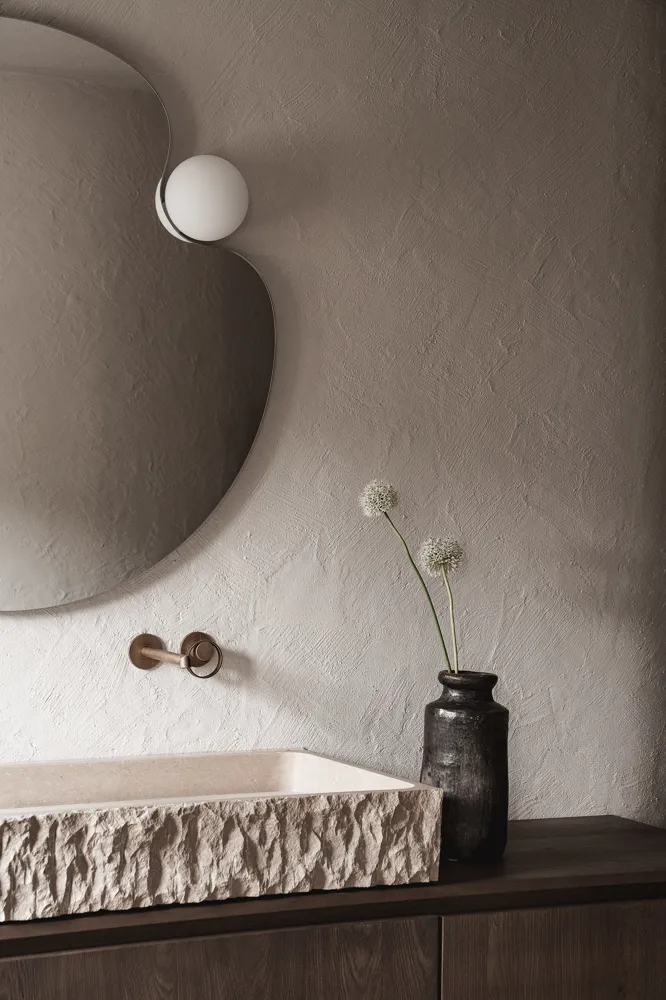
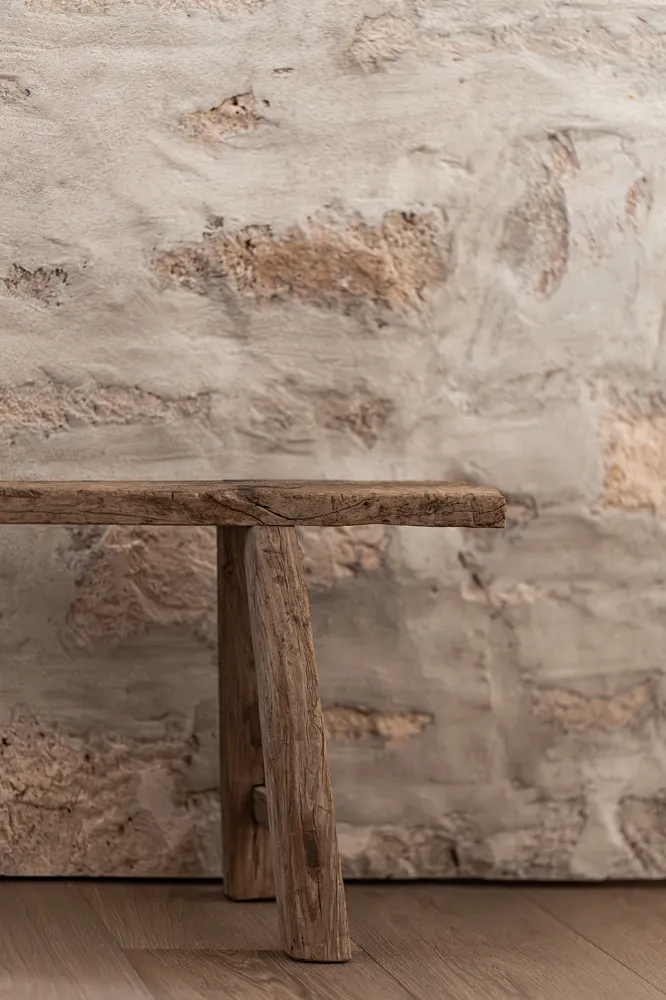
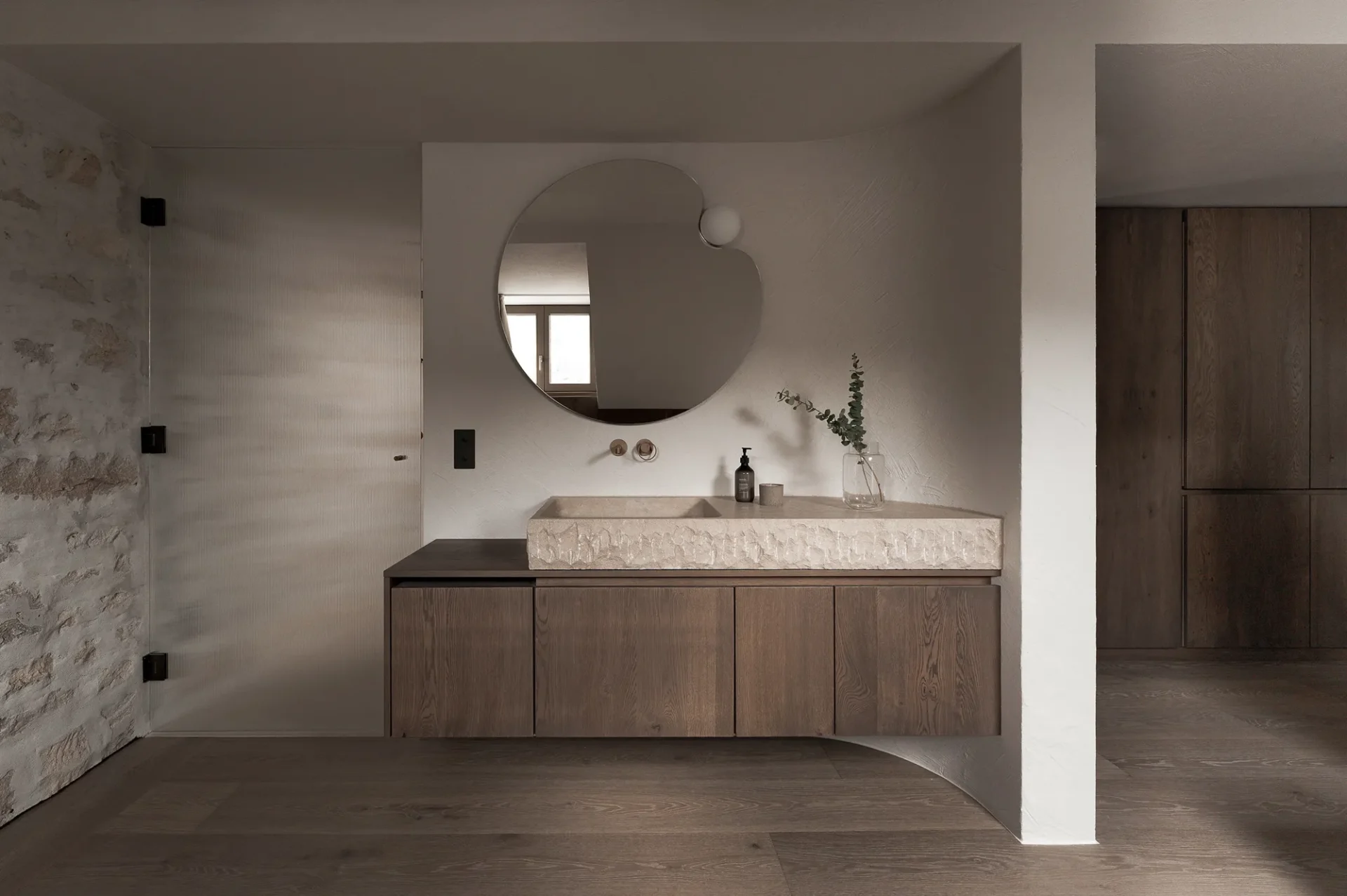
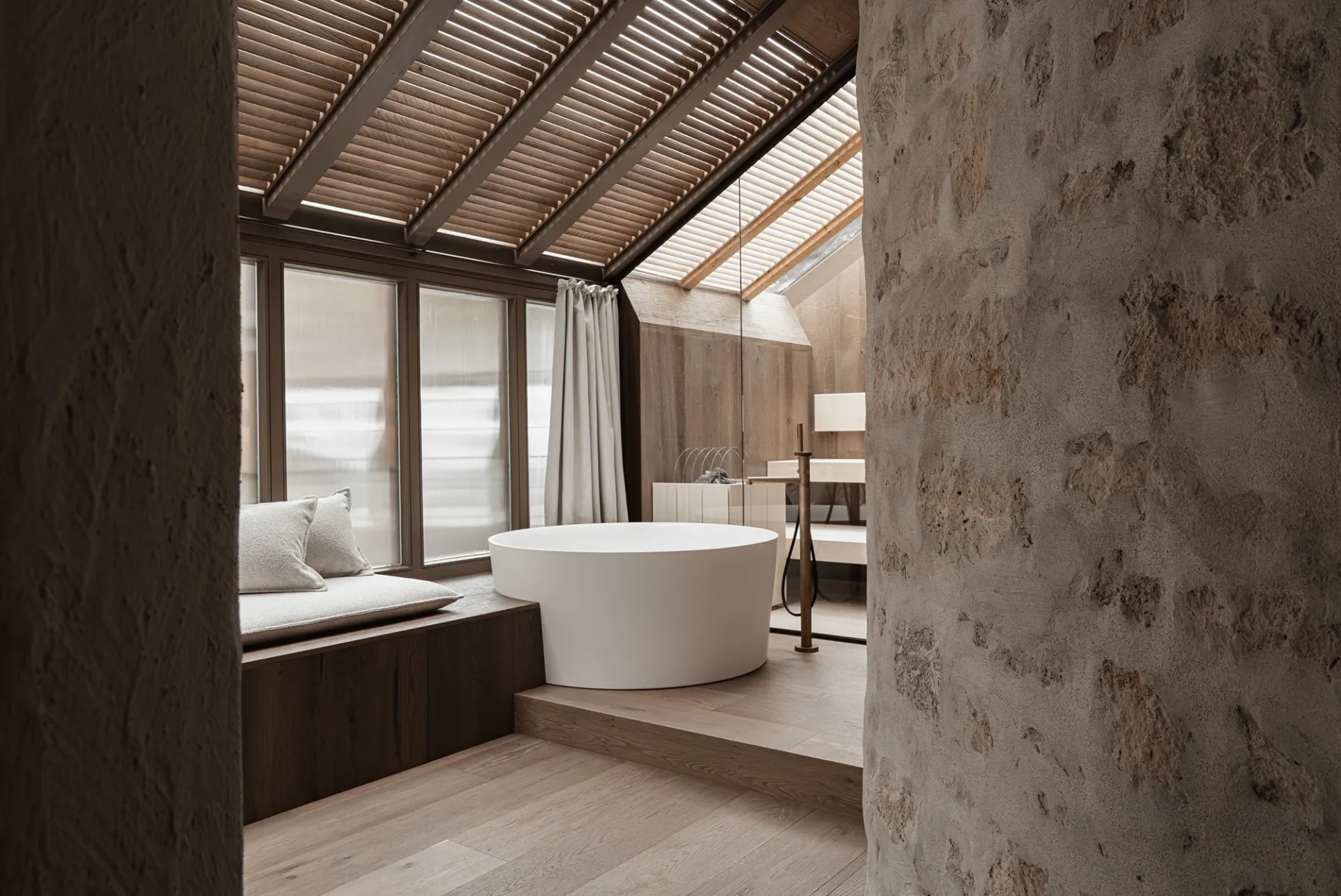
Natural stone, oak, brass, handcrafted ceramics and deliberately imperfect surfaces replace Alpine decoration with something quieter, tactile and distinctly contemporary.
The Stay
An intimate six-suite Alpine retreat where sculptural architecture, exceptional craftsmanship and natural materials bring contemporary restraint to the Salzburg Alps.
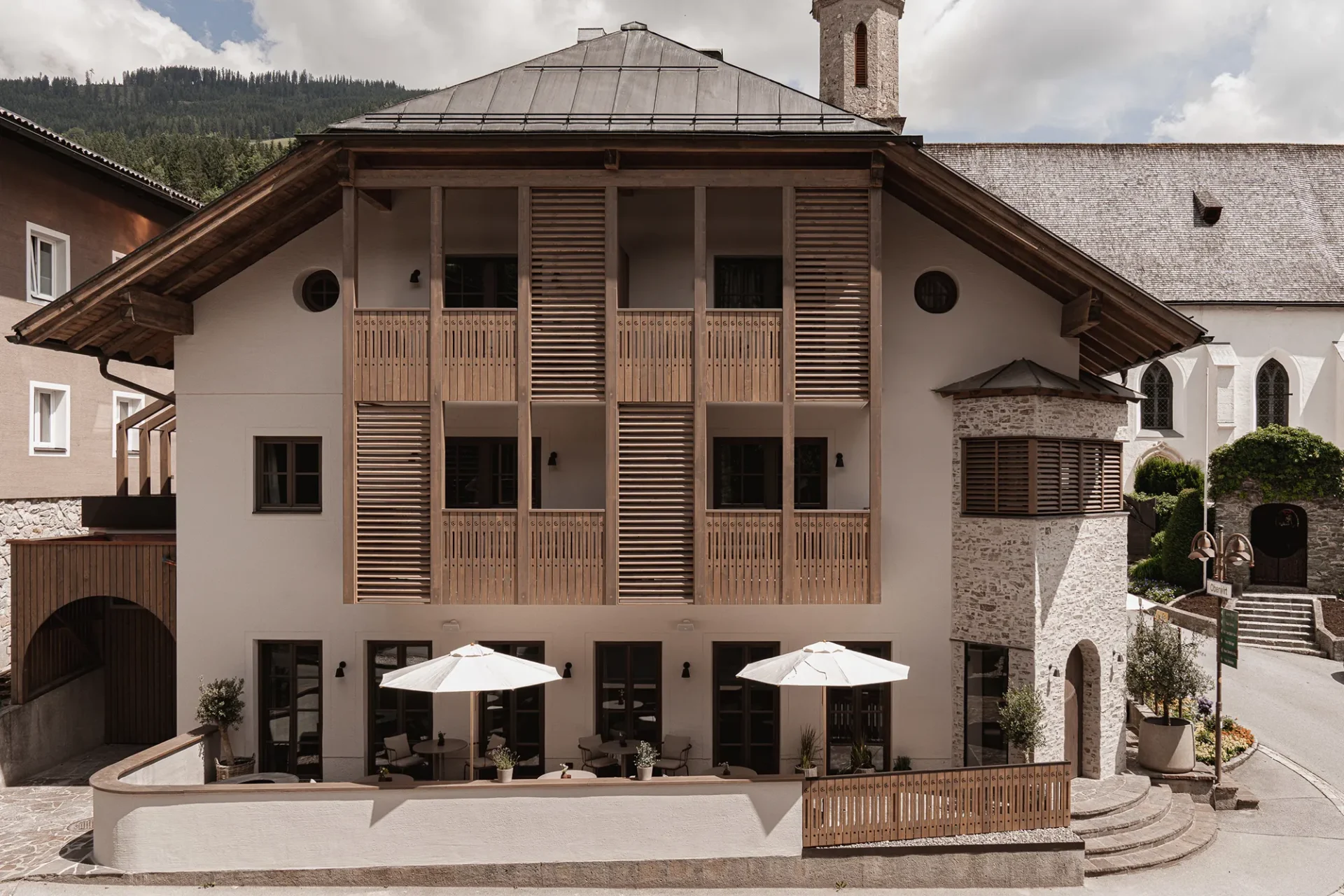
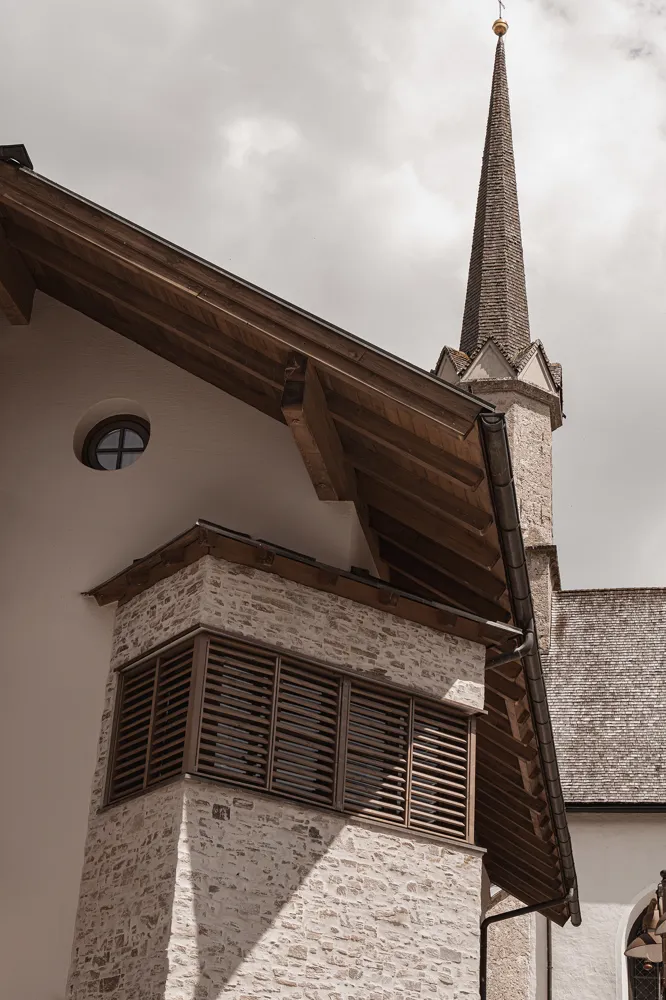
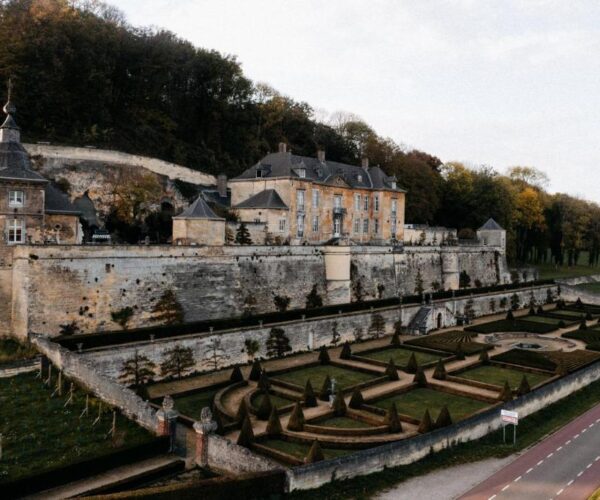
In the small village of Mühlbach am Hochkönig, directly opposite the church and surrounded by the dramatic peaks of the Salzburg Alps, stieg’nhaus takes a remarkably restrained approach to mountain hospitality. The building was once a village restaurant, but owners Maria and Tom Heidenreich saw the possibility for something more intimate. Leaving careers in IT behind, they collaborated with architect Carolyn Herzog to create a hotel with just six individually designed suites — small enough for hospitality to remain personal and architecture to be considered down to the smallest detail. There are familiar Alpine materials, but few familiar Alpine gestures. Timber, stone and craftsmanship remain; rustic nostalgia does not.
Everything Begins With the Staircase
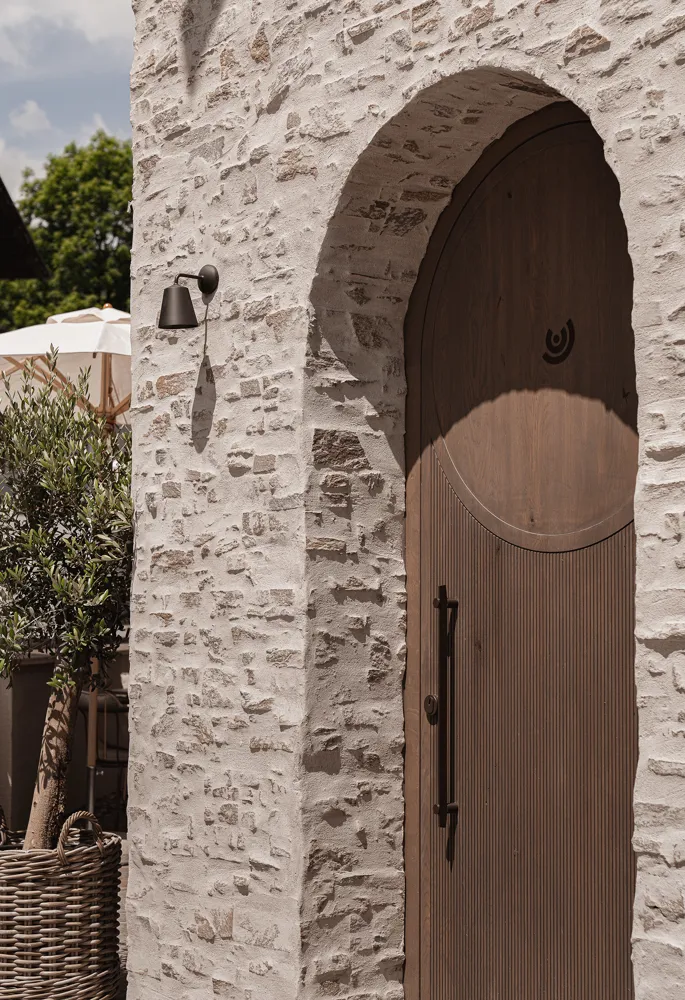
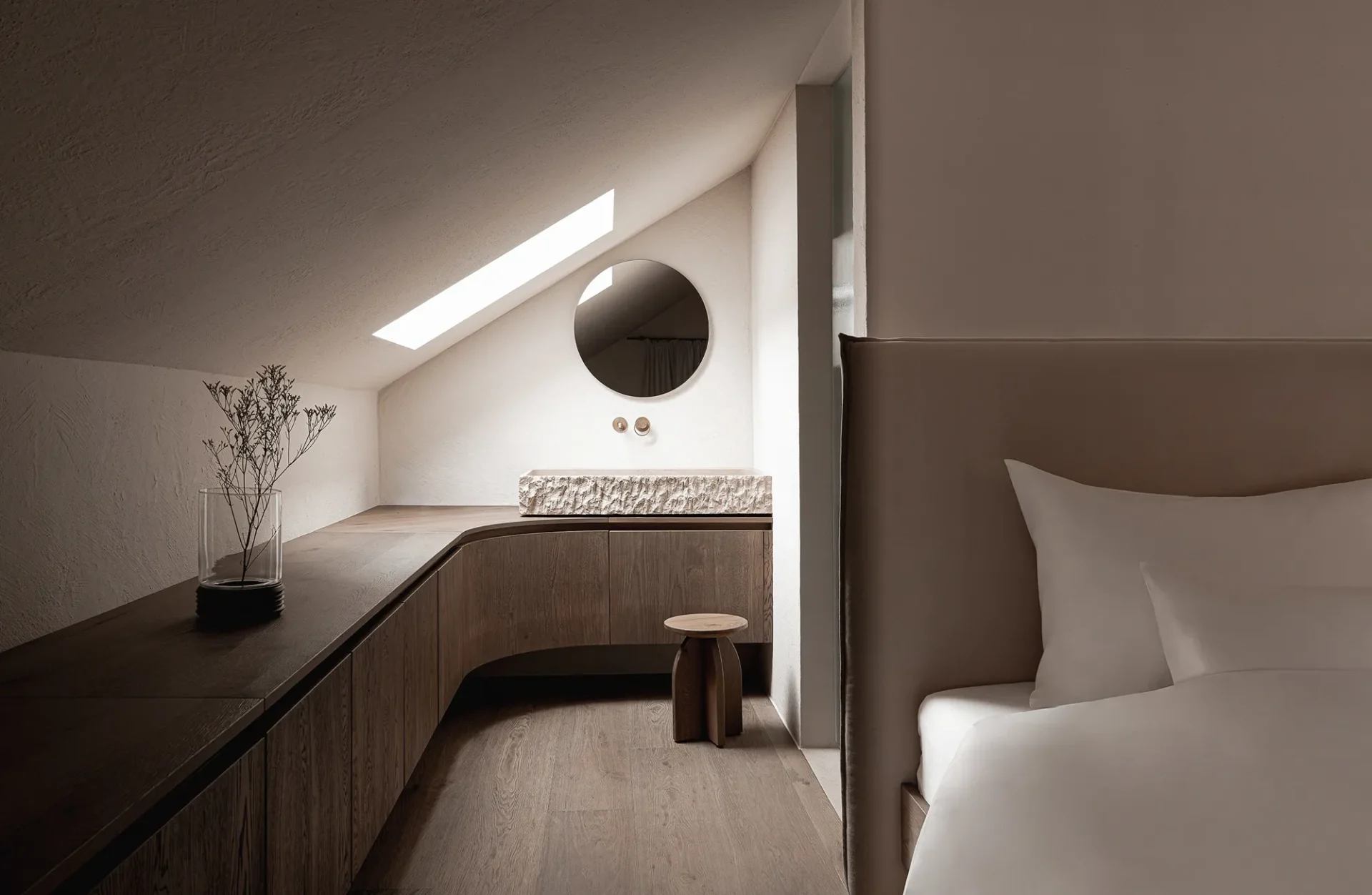
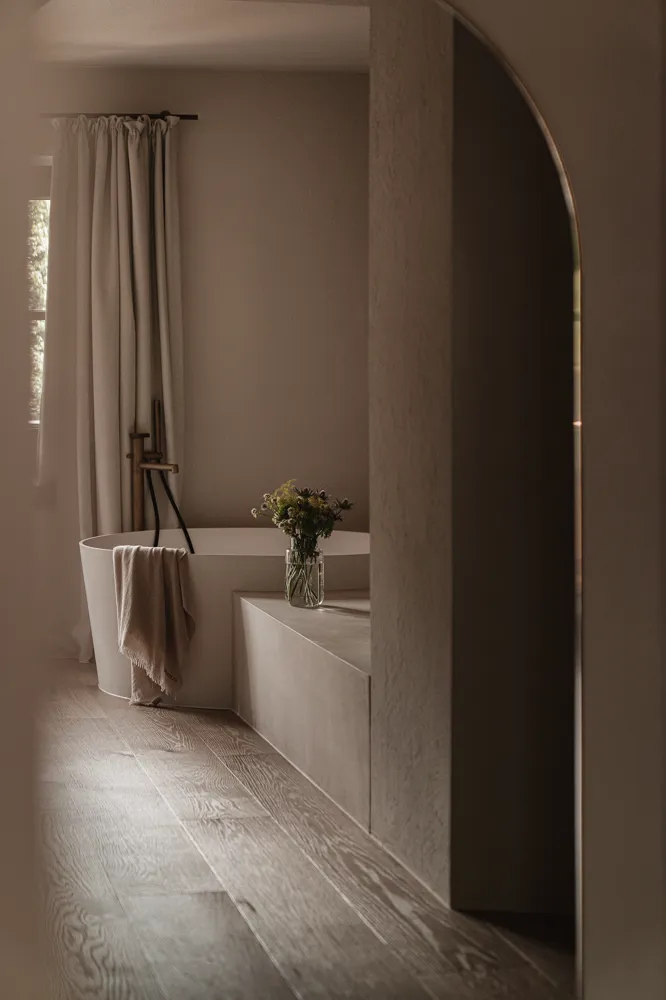
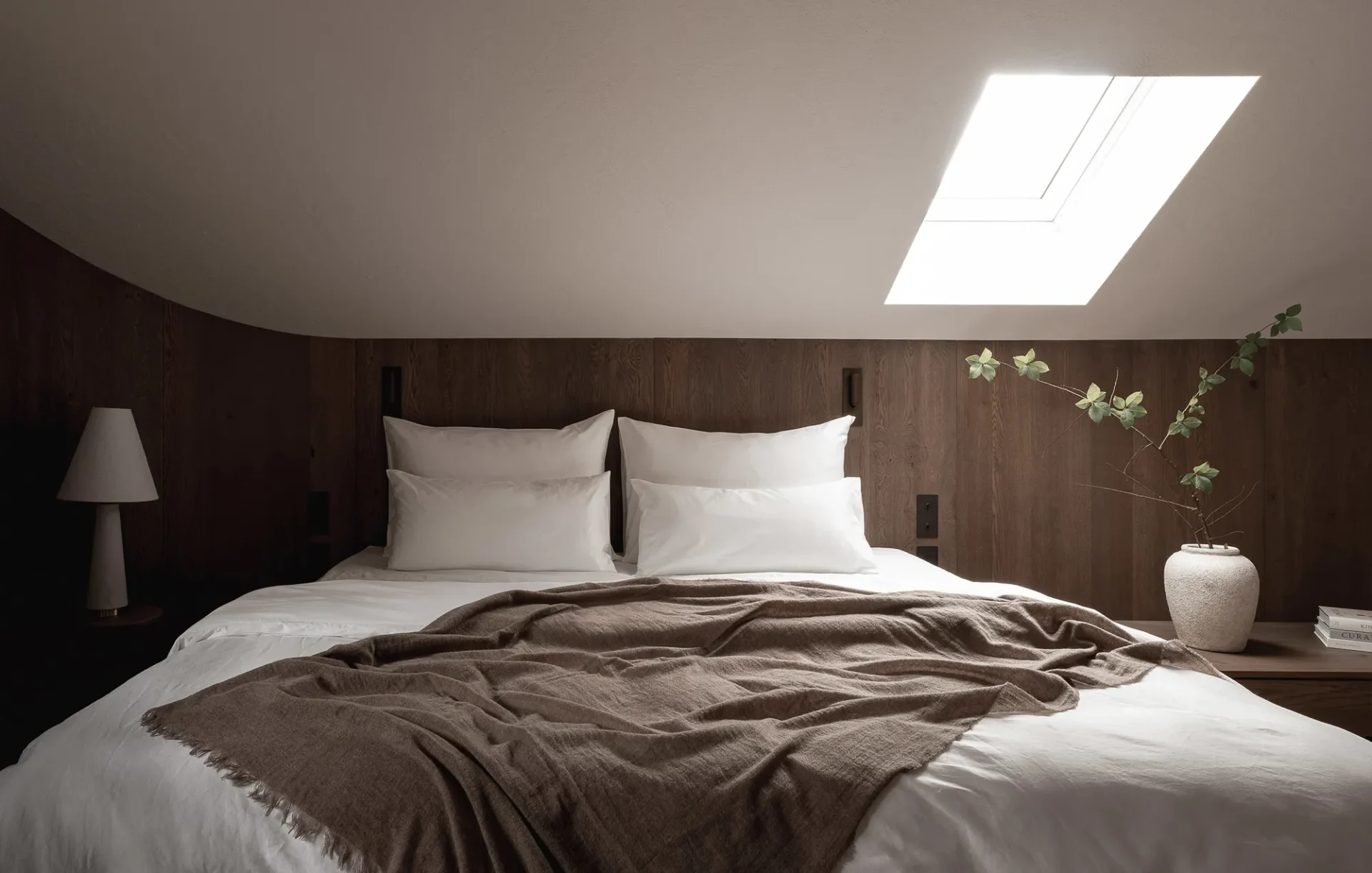
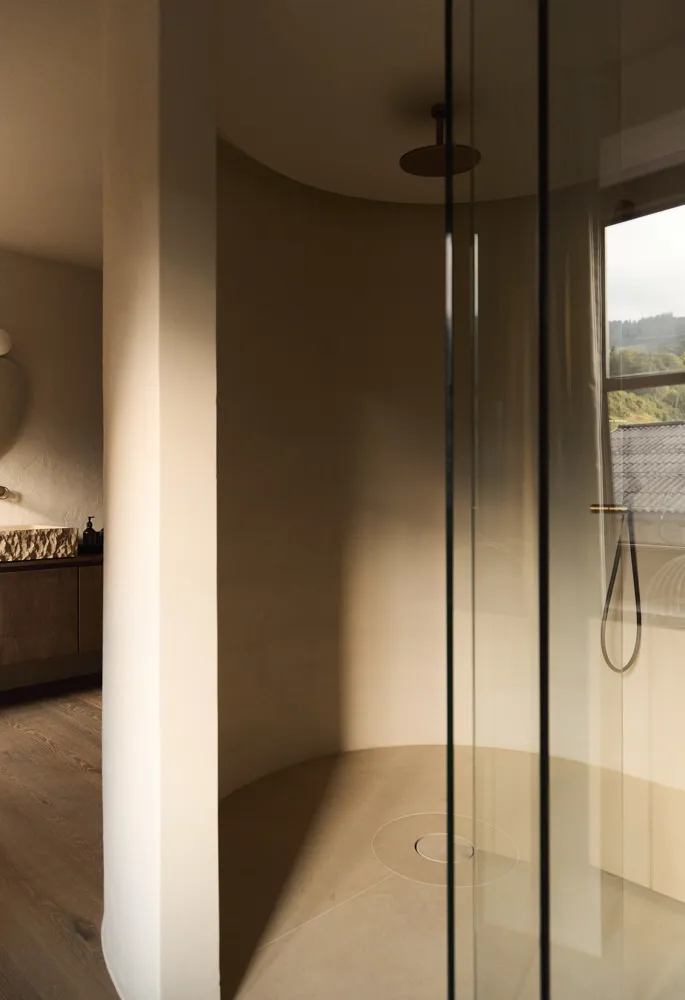
The name provides the clue. Stieg’nhaus derives from Stiege, the Austrian word for staircase, and the building’s original stair became both the spatial centre and conceptual starting point of the project. Its flowing geometry generates an architectural language that continues throughout the hotel. Sharp corners are rare. Walls curve, niches become rounded, cabinetry follows the architecture and bathrooms turn into sculptural spaces of circles and rotundas. Even the entrance door echoes the spiral geometry of the stair. The original metal handrail was retained and reinterpreted through brass detailing elsewhere. Rather than hiding the irregularities of the existing building, Herzog and the owners allowed texture and subtle imperfection to remain visible. The old structure becomes part of the new design.
Stone, Oak and Quiet Colour
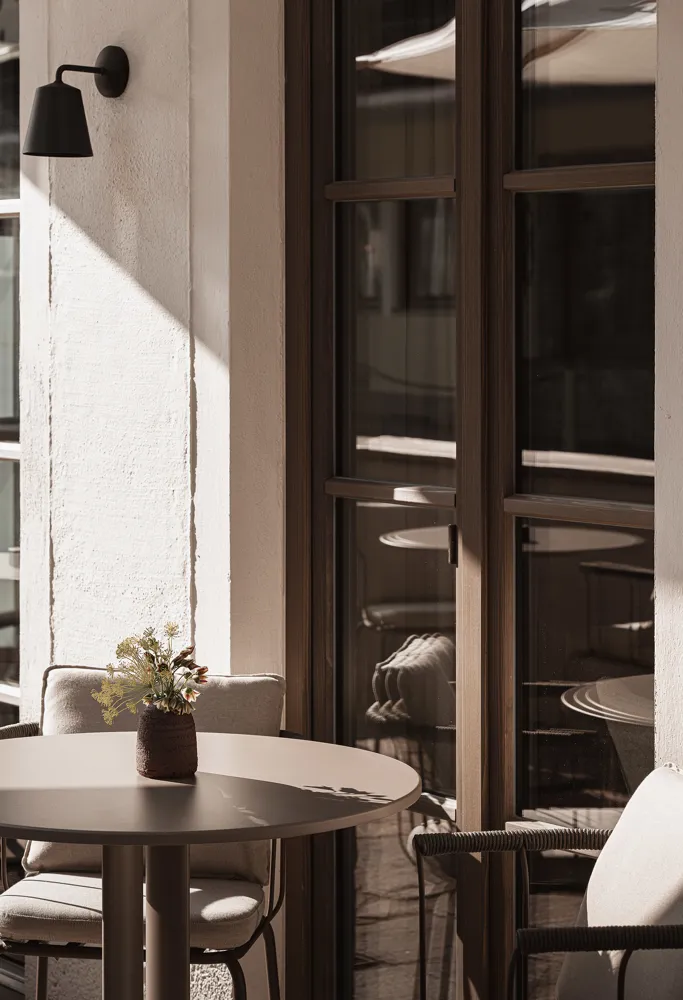
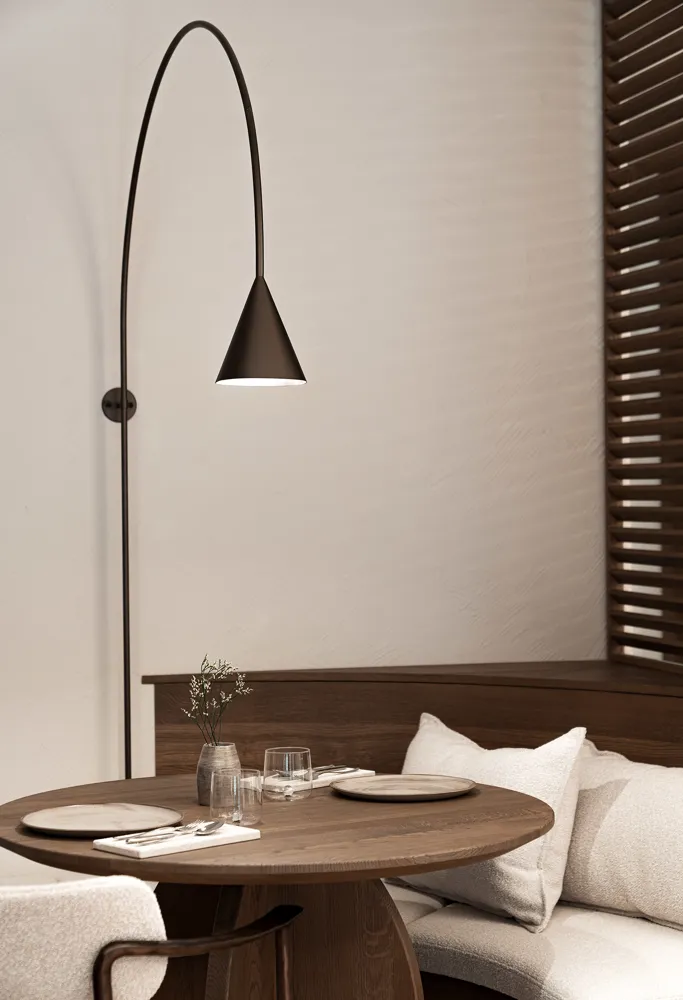
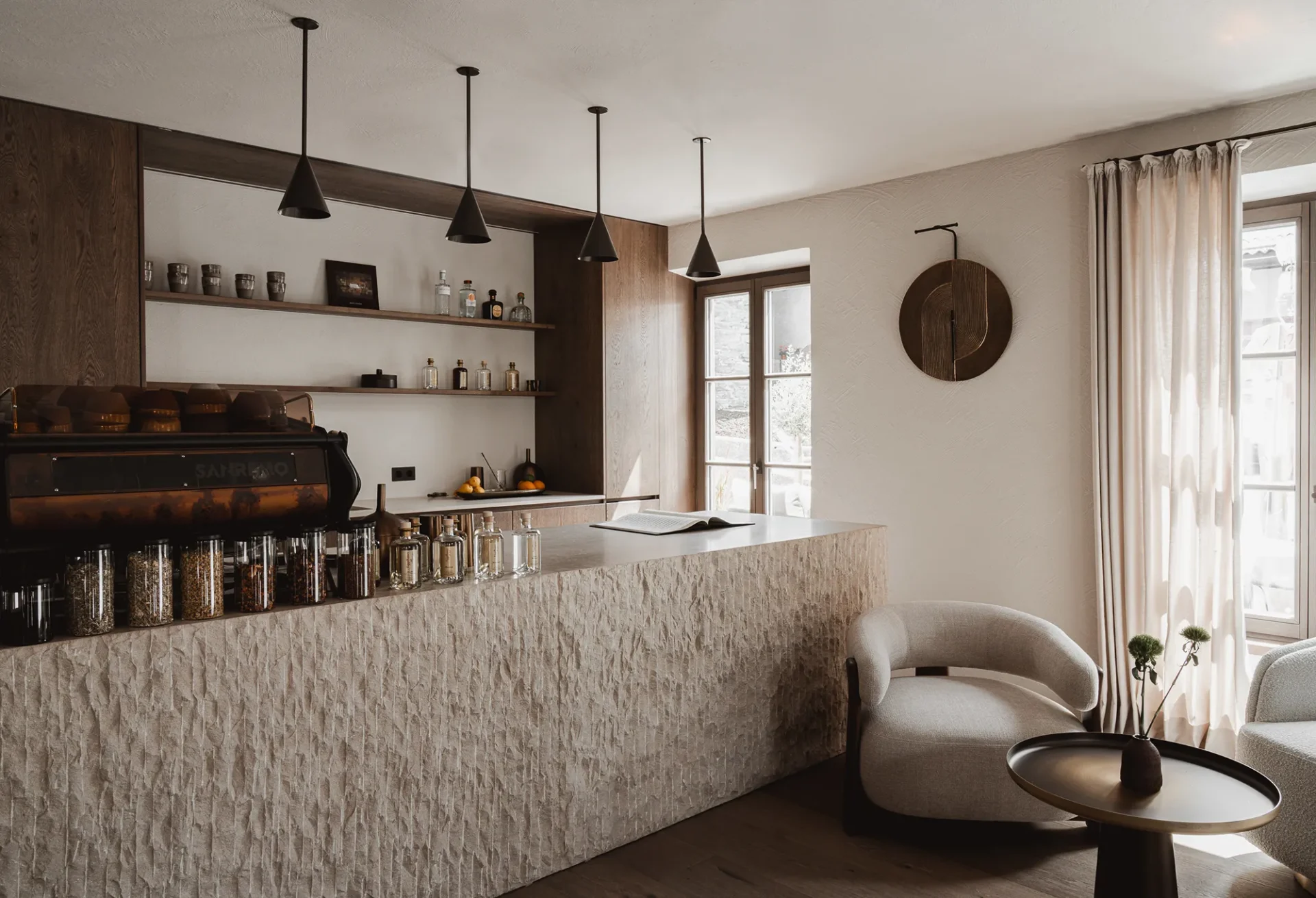
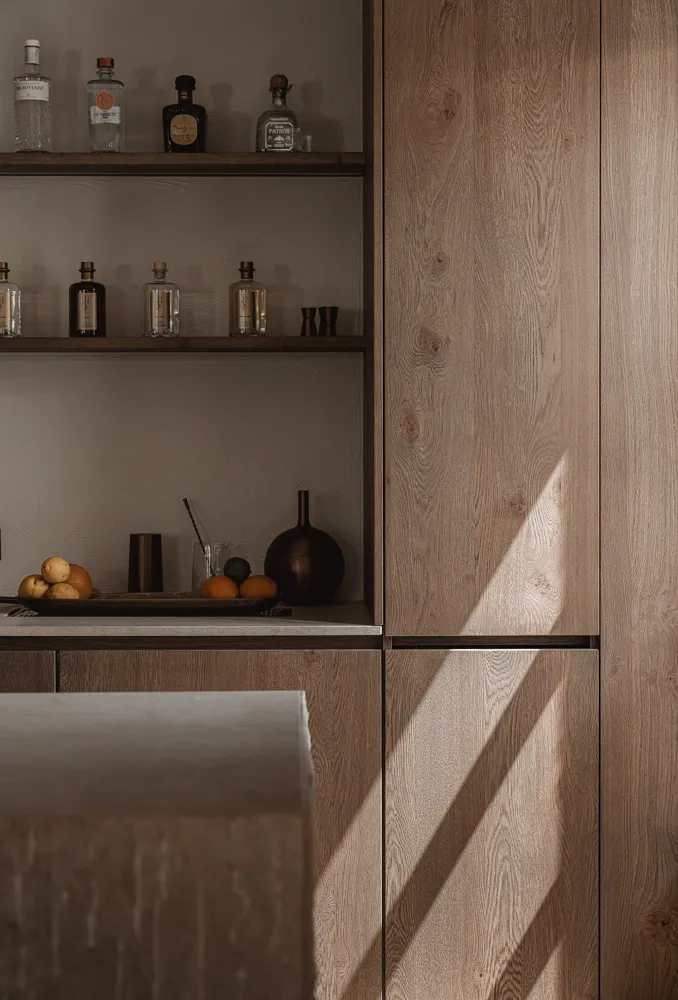
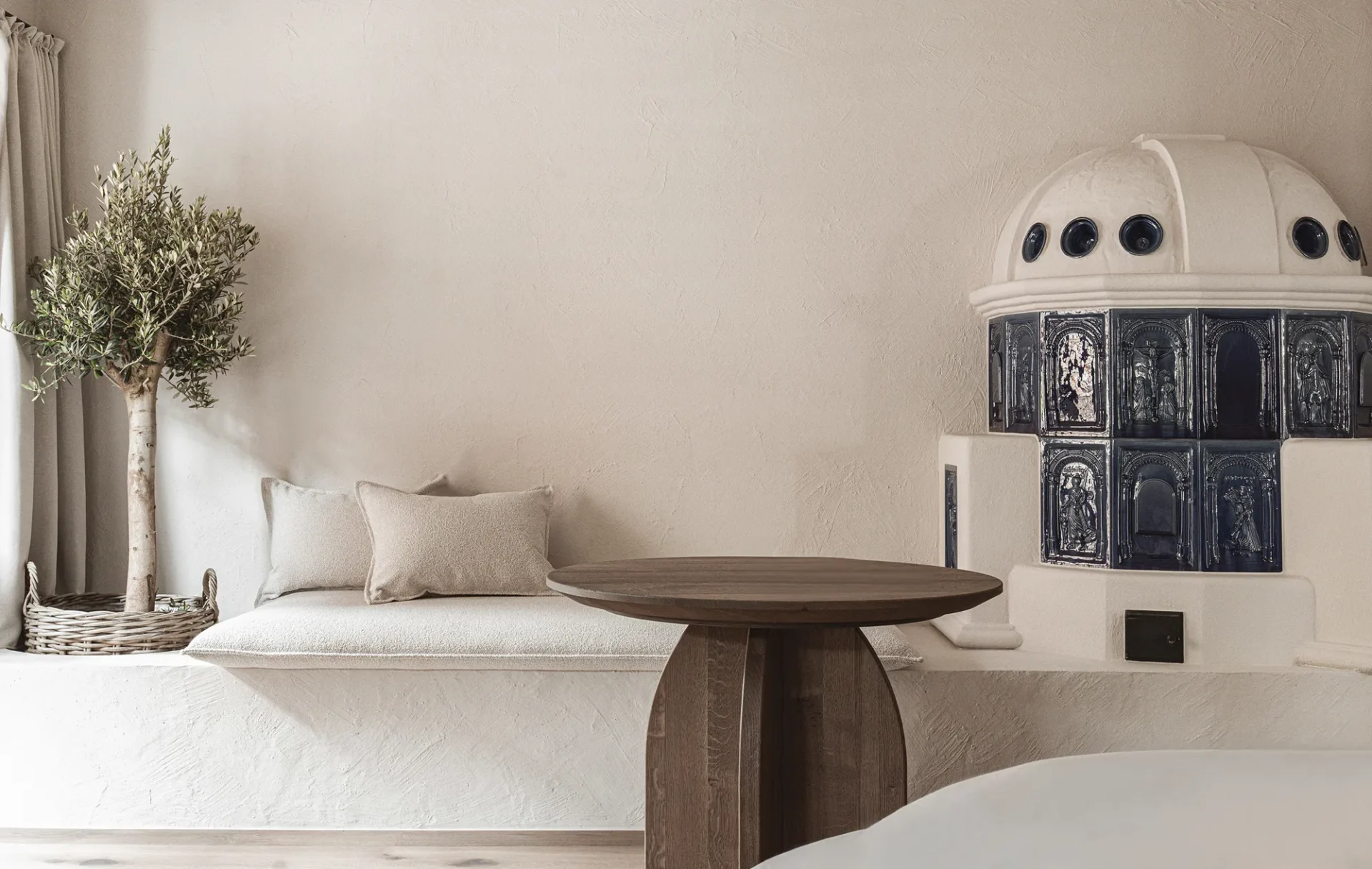
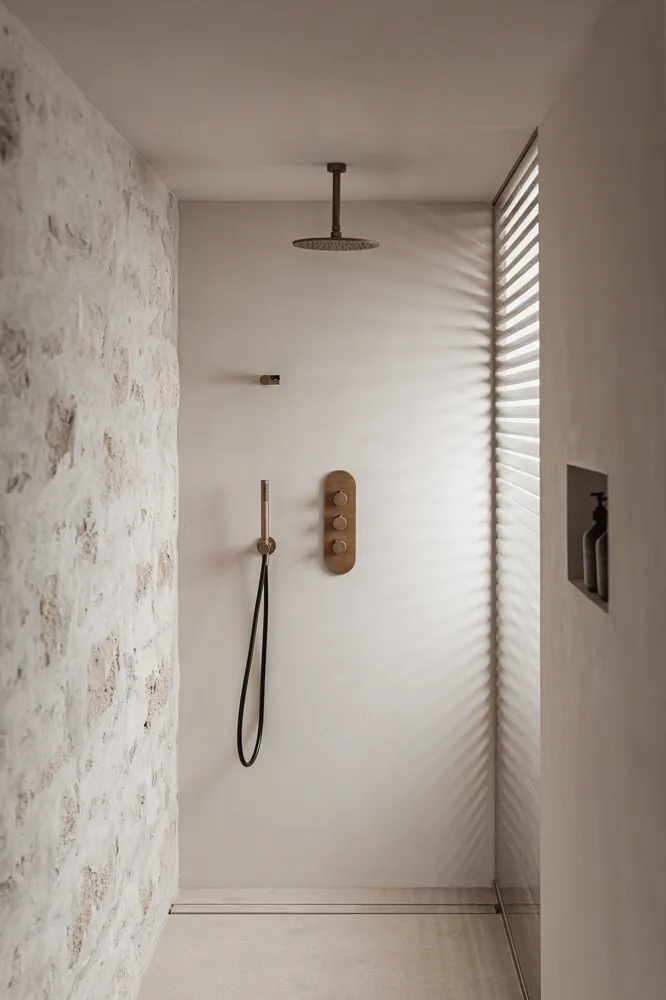
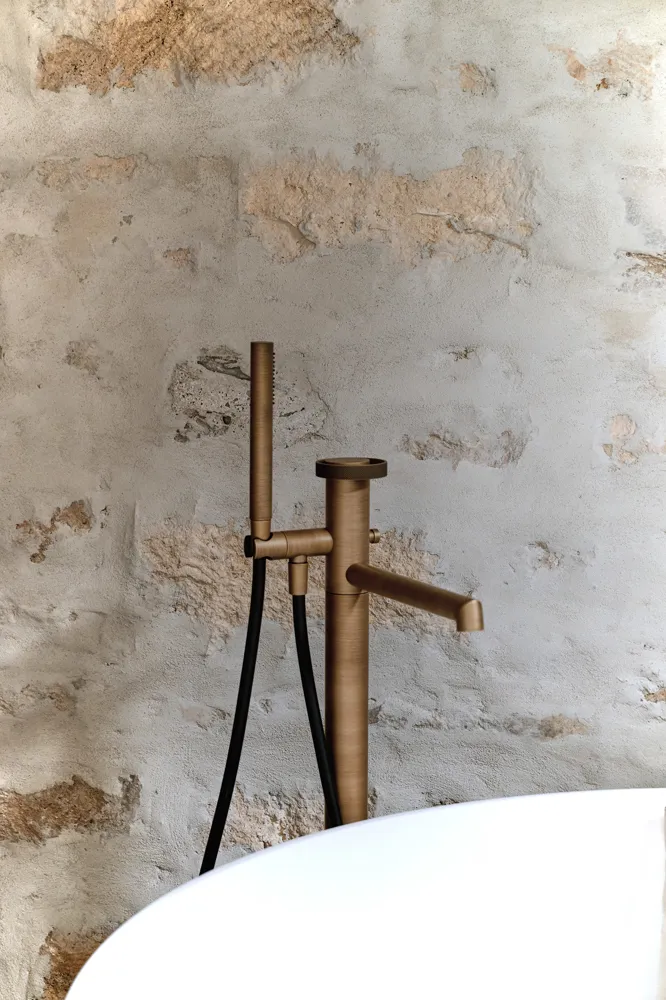
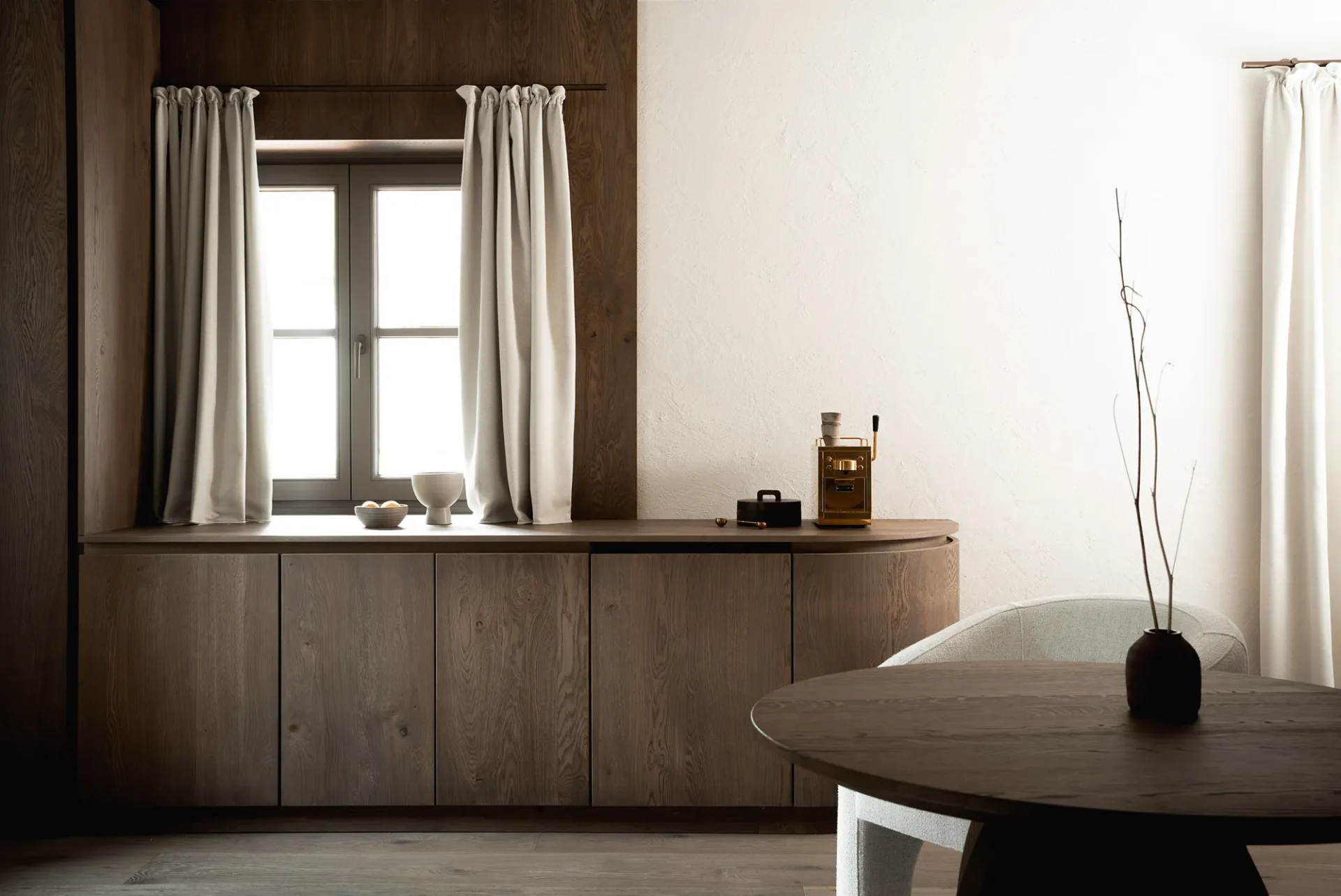
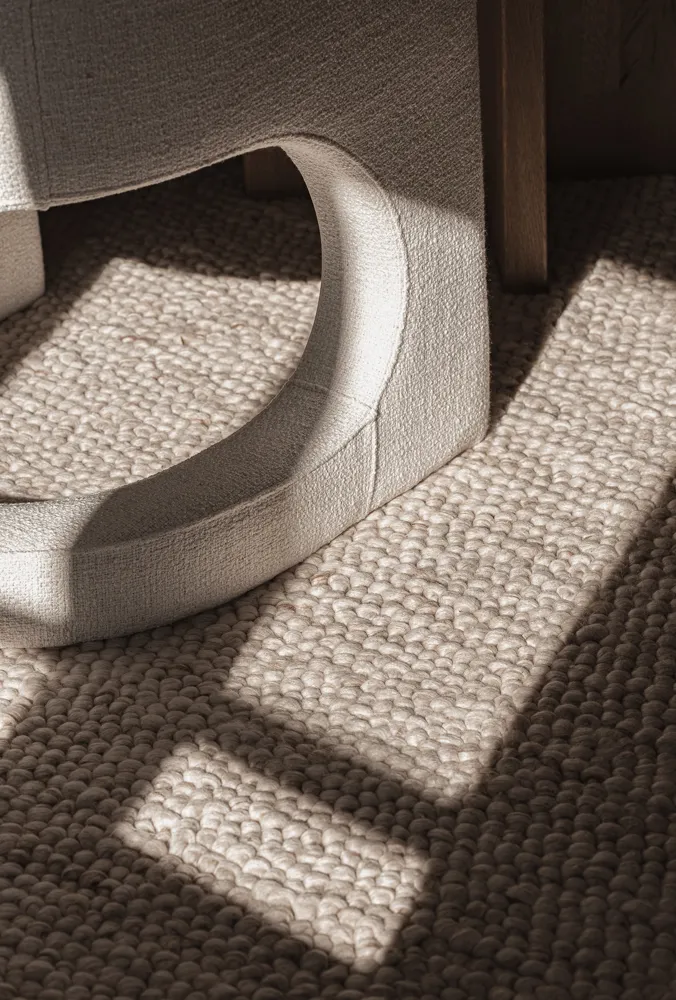
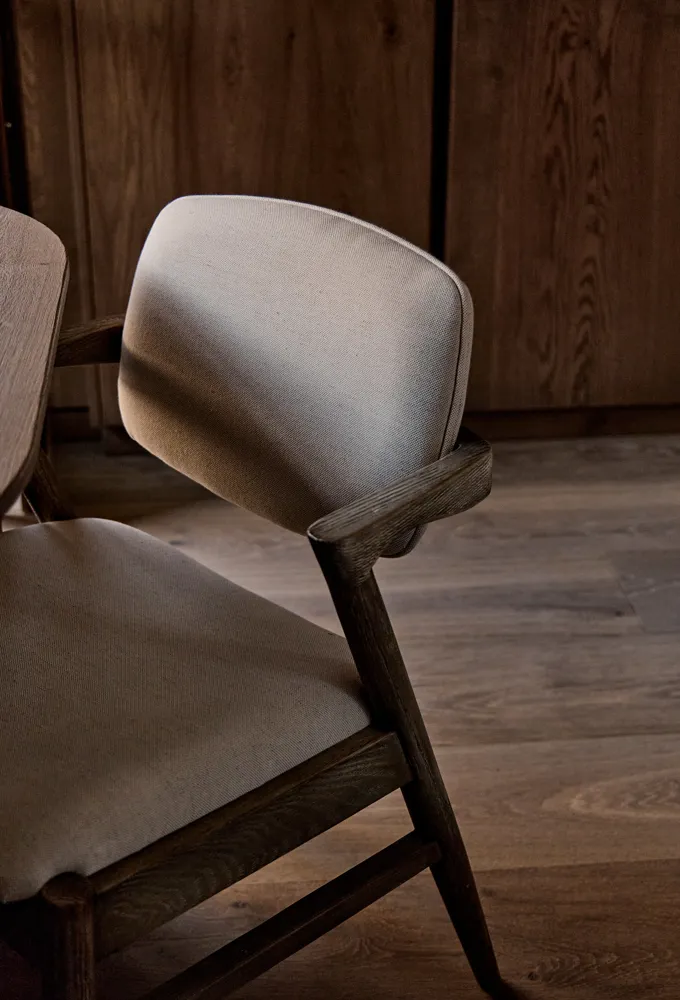
Materiality does most of the decorative work. Regionally sourced stone, solid oak, coarse plaster, brass and handcrafted ceramics create interiors that are deliberately tactile, while newly introduced floor-to-ceiling windows bring considerably more daylight into the former restaurant building. The palette stays close to the landscape: chalk, sand, pale stone and earthy pastels, grounded by darker timber and metal. Around 100 tonnes of Egyptian marble were used, while furniture and washbasins were individually made to follow the building’s unusual geometry. Details include Gessi fittings, Corston switches and lighting, Gentle chairs by Sebastian Herkner for Linteloo and handmade ceramics by Soulwerk. Nothing needs to announce itself as luxury. Craft, proportion and material provide the atmosphere instead.
Six Suites, Six Variations
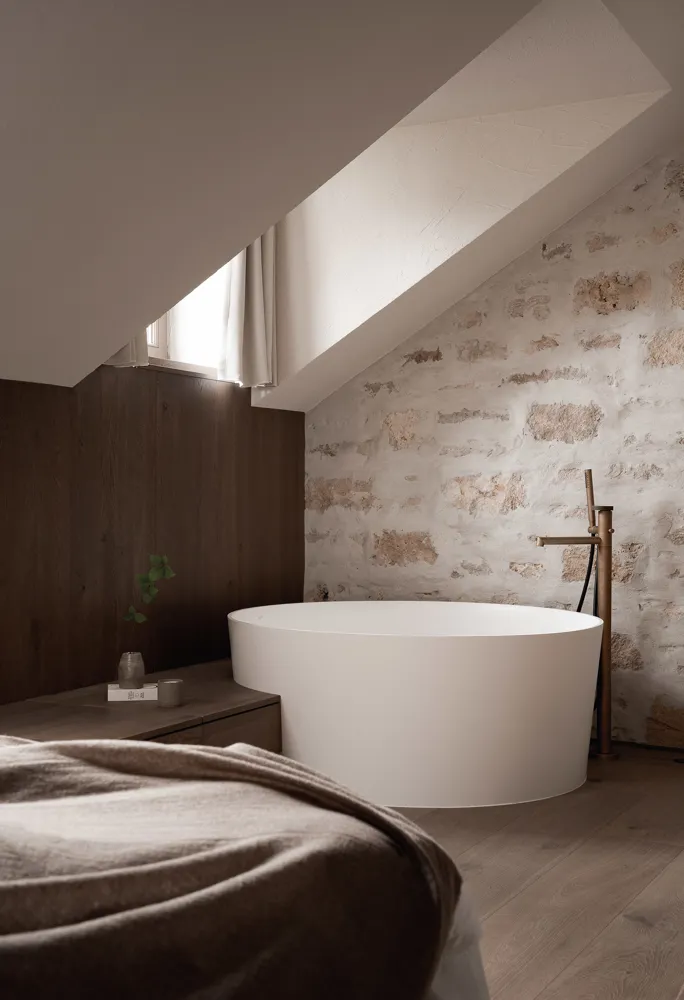
With only six suites and a maximum of twelve guests, stieg’nhaus operates closer to a highly considered private house than a conventional resort. Each suite interprets the architectural language differently. Freestanding baths, curved showers, bespoke joinery, natural stone and oak floors continue the vocabulary established by the staircase, while room names such as Circular, Aura, Cubo and Pergola replace numbers. Two suites have private saunas, while the largest extends its wellness experience into its own pergola; connecting suites allow the otherwise intimate hotel to work for families too. The effect is calm rather than minimal. Texture, craftsmanship and small irregularities prevent the restrained interiors from becoming clinical.
Fire, Food and the Hochkönig
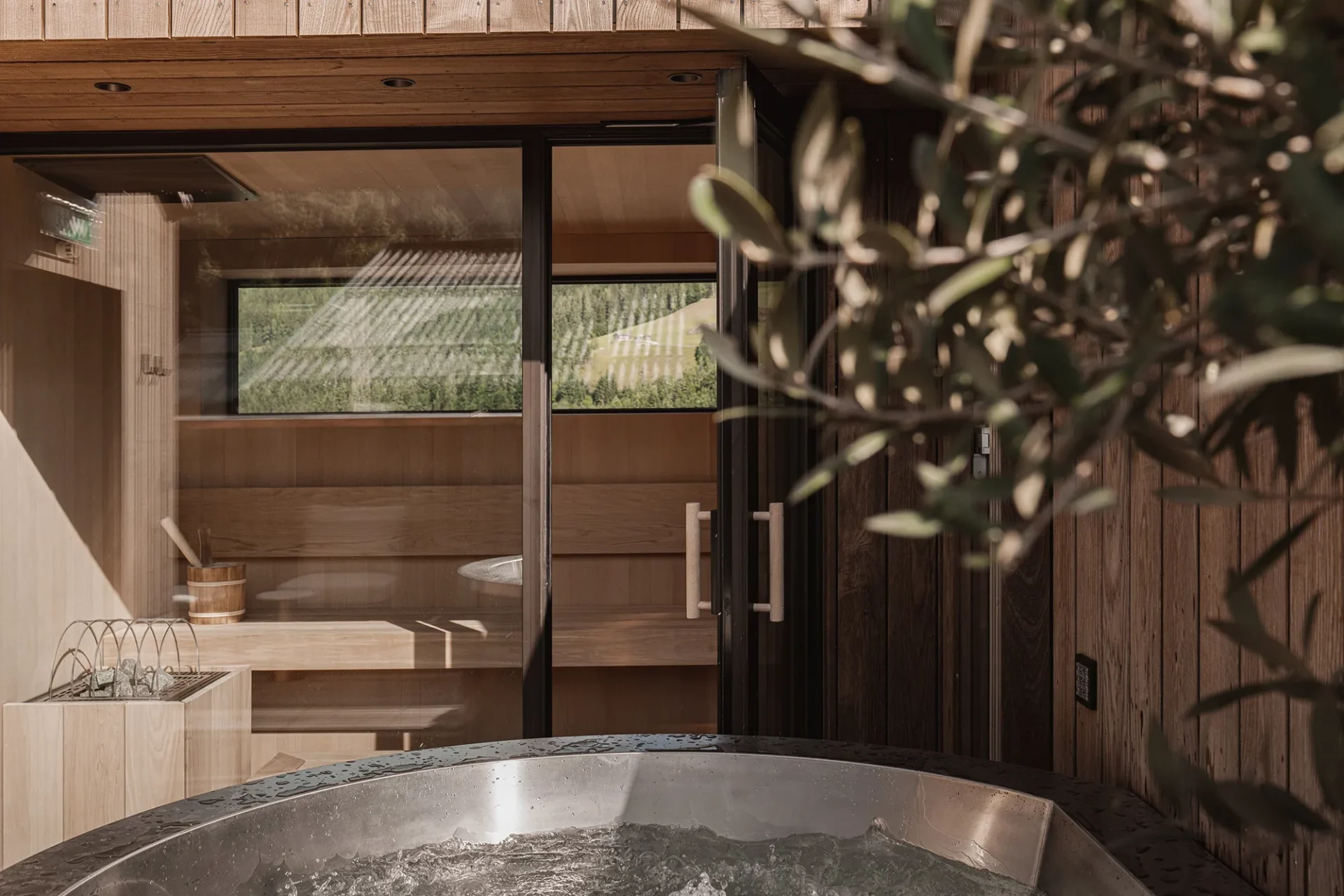
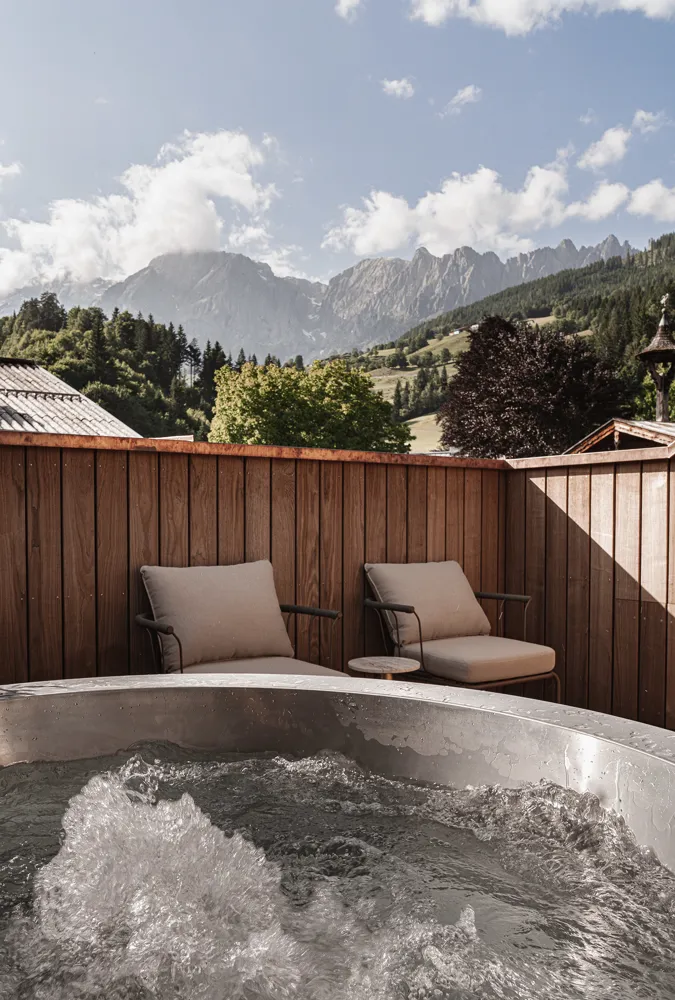
The same reduction continues in the restaurant, where cooking is structured around five elements — pasture, water, earth, fire and nectar. Regional ingredients meet broader influences, while the Feuerring brings open-fire cooking into the experience as both culinary technique and social ritual. Wellness moves upwards. On the rooftop, a sauna and whirlpool look directly towards the Hochkönig massif and Alpine meadows. There is also a fitness room and treatment space using Omorovicza products, but the mountains remain the most persuasive part of the programme. Mühlbach itself completes the picture. Hiking, cycling and skiing begin almost outside the door, while Salzburg is around an hour away. This is an Alpine hotel firmly embedded in a real village rather than an isolated resort landscape.
A Staircase Becomes an Architecture
What distinguishes stieg’nhaus is the discipline with which one existing architectural element has been allowed to shape an entire hotel. The staircase is not simply something preserved from the former building. Its movement becomes wall, doorway, shower, bath, furniture and detail. Natural materials reinforce that continuity, while six suites keep the scale deliberately personal. It is a convincing alternative to the increasingly familiar formula of contemporary Alpine luxury. Instead of adding more, stieg’nhaus keeps reducing until architecture, craft, landscape and hospitality are almost all that remain.
Information
At a glance
Architecture
Hkollektive. Studio für architektur & design
Opened / Renovated
2025
Size matters
6 rooms & suites (35-90m2) (377-969 sq ft)
Interior design
Carolyn Herzog, owner designed
Featured in
Don't take our word for it



Handpicked worldwide
A carefully curated collection of exceptional boutique and design hotels across the globe.
Design with soul
Architecture, atmosphere and craftsmanship come together in stays with a clear identity.
Hidden, not hyped
Independent boutique hotels you rarely find on mainstream booking platforms.
Travel guidance
Personal recommendations and thoughtful support from people who actually know the places.