


A House Built for Refuge
An 18th-century charitable refuge transformed by Claesson Koivisto Rune into an intimate 18-room hotel where historic timber, Hammershøi light and some of modern design’s greatest names quietly coexist.

Why DNA Hotels loves it
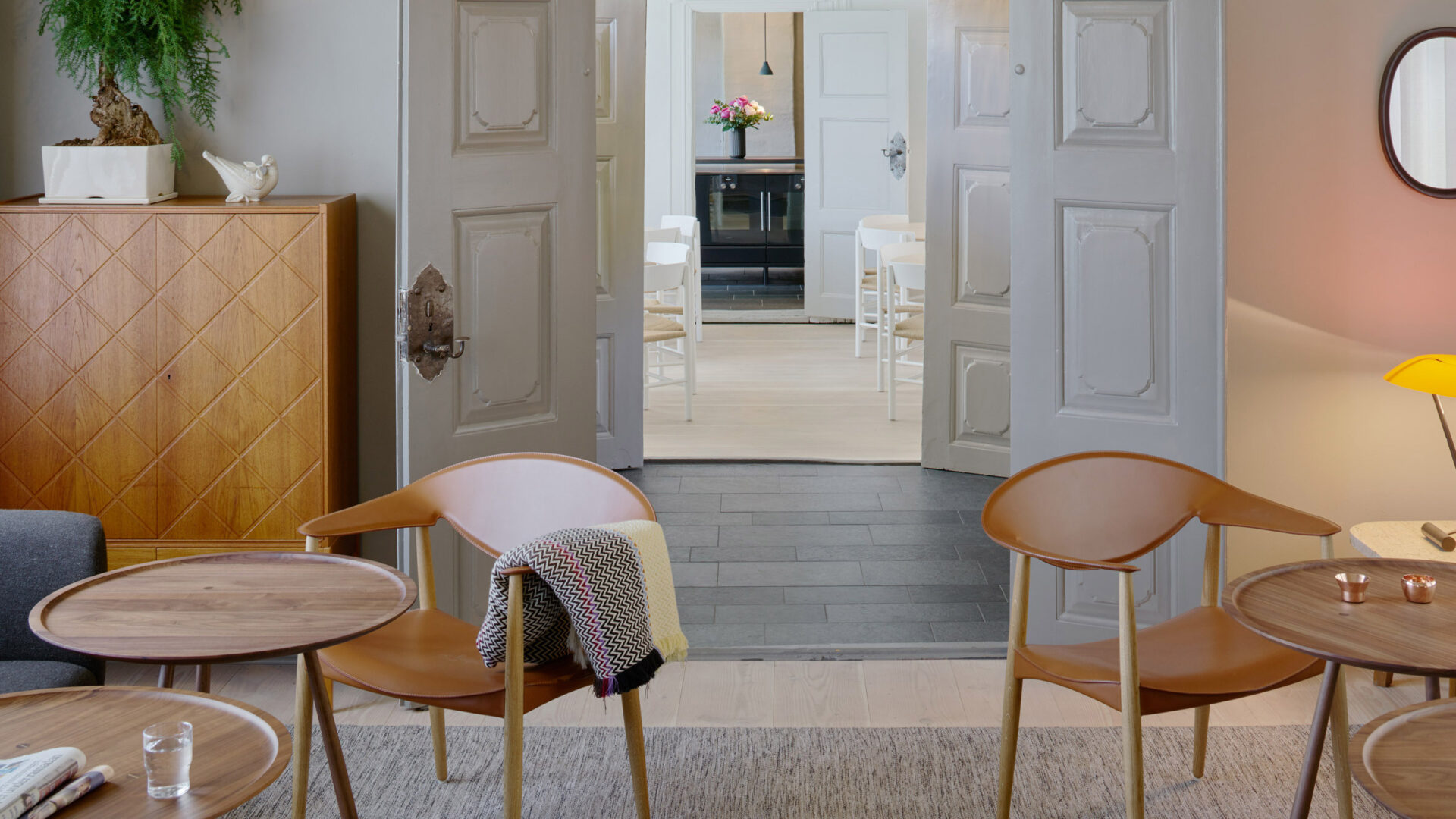
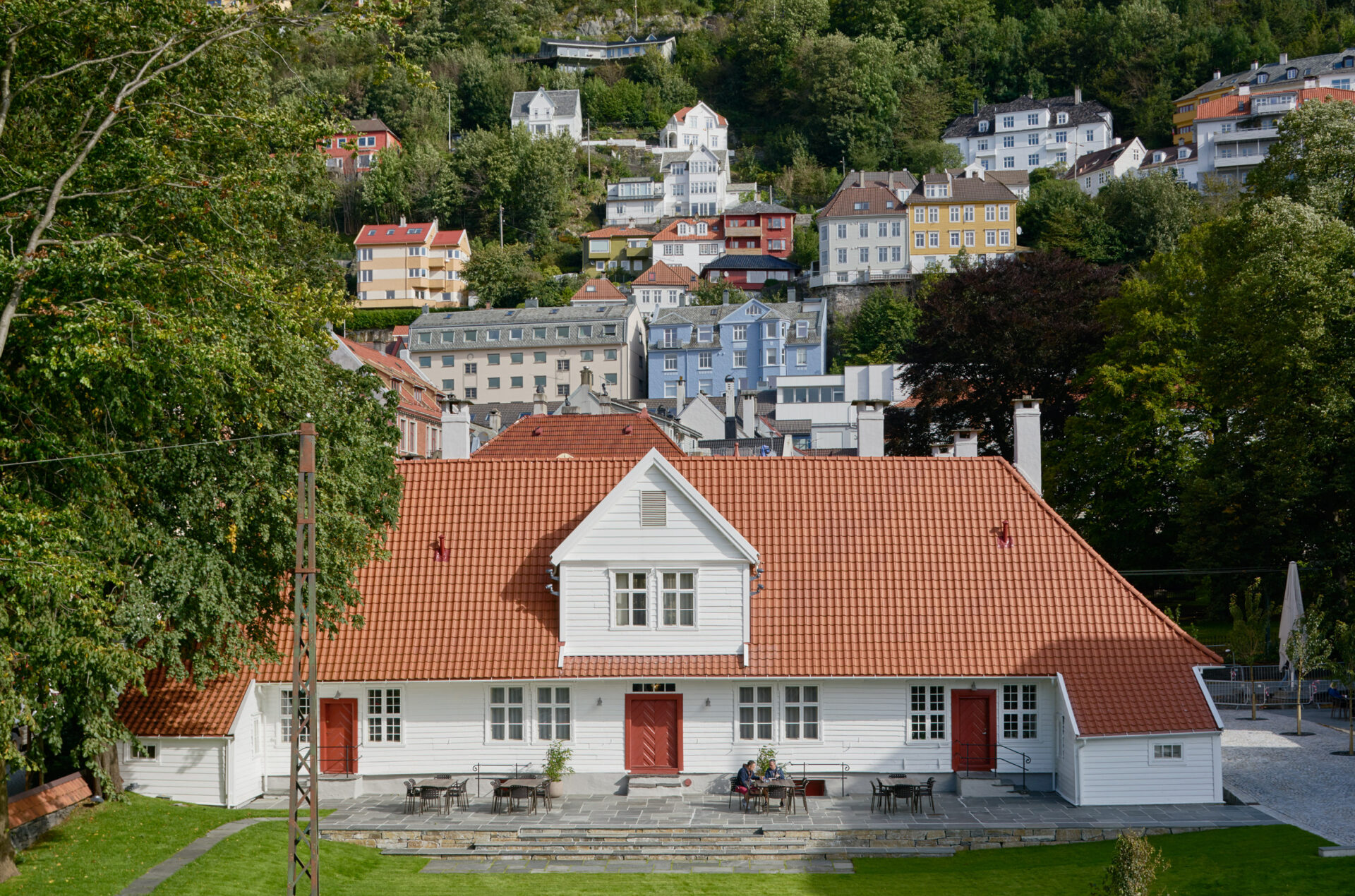
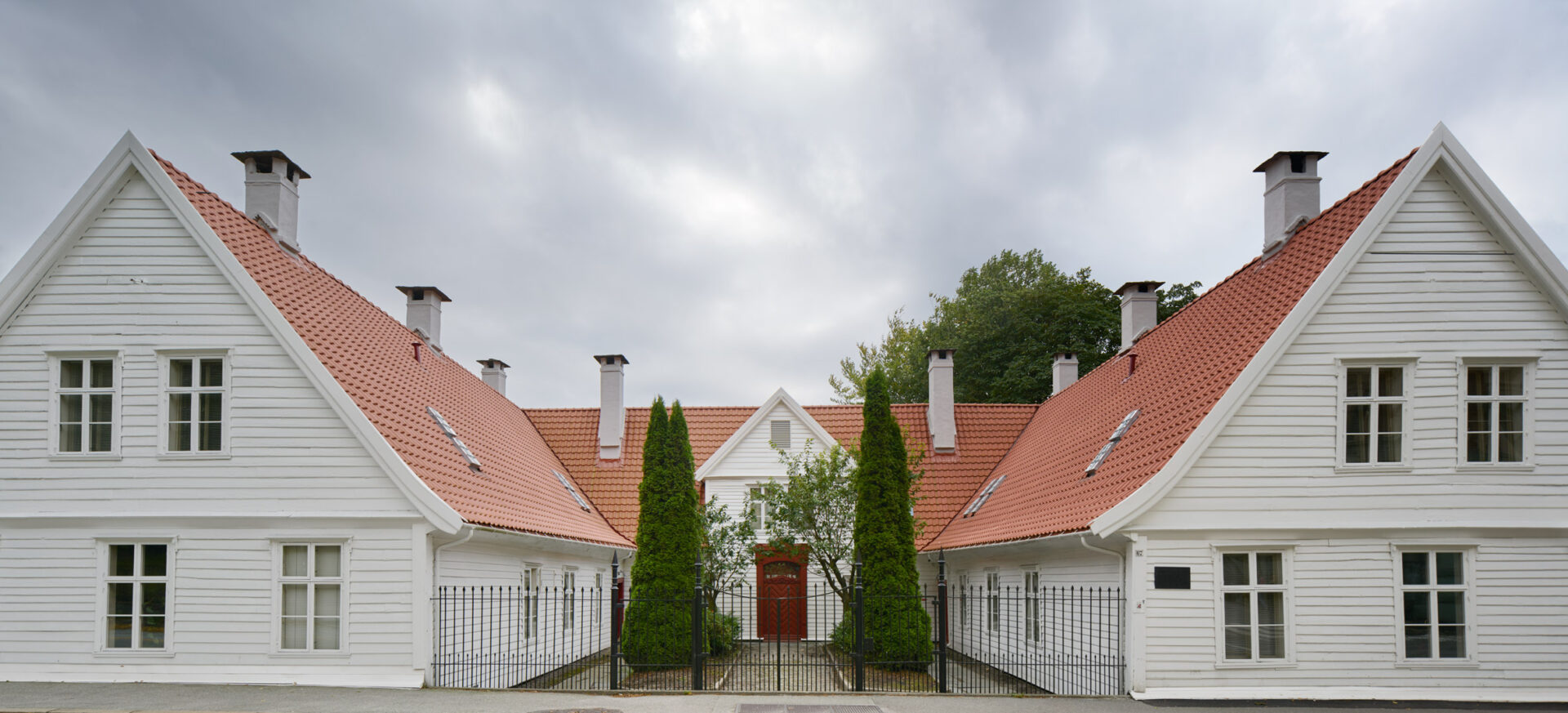
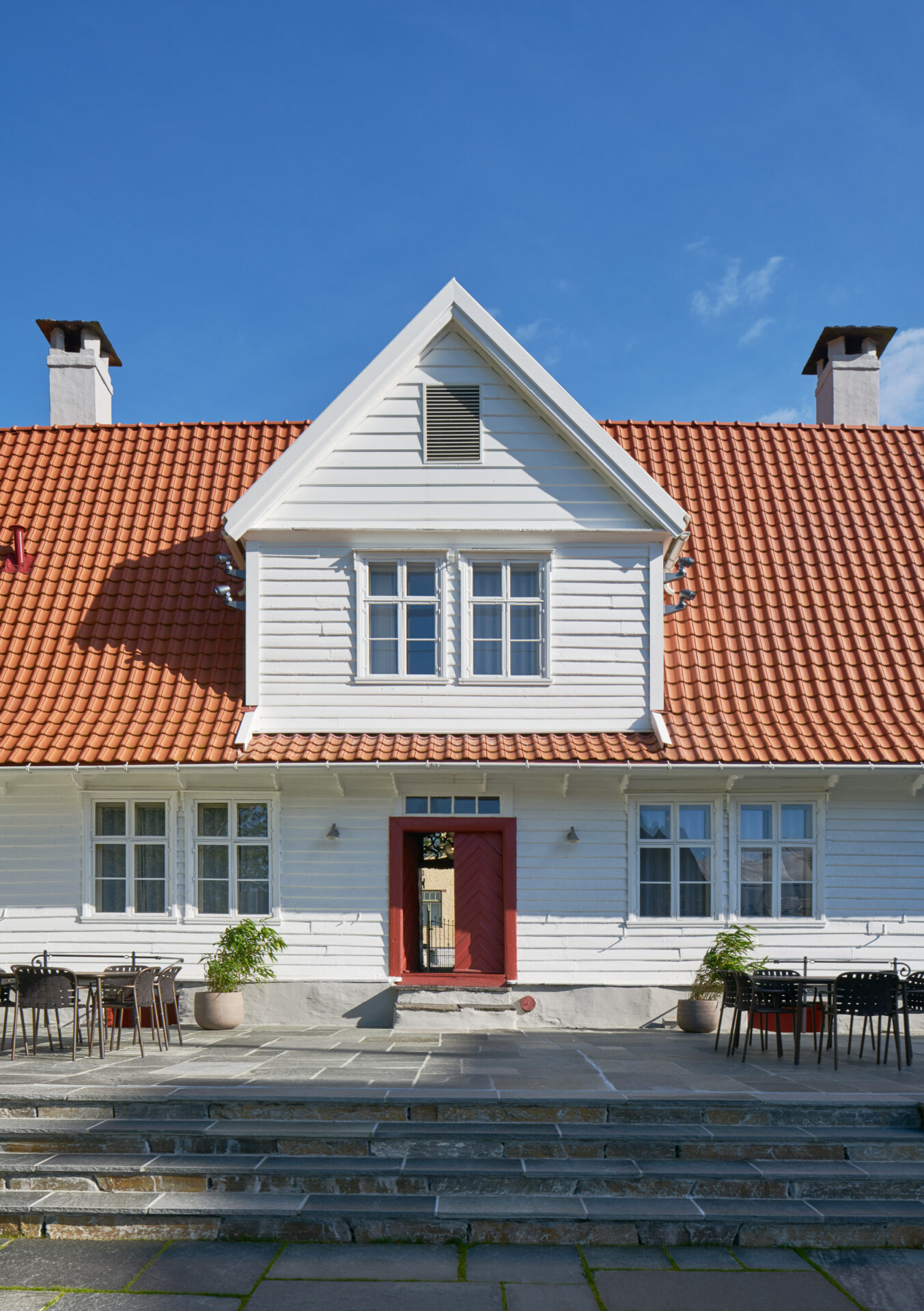
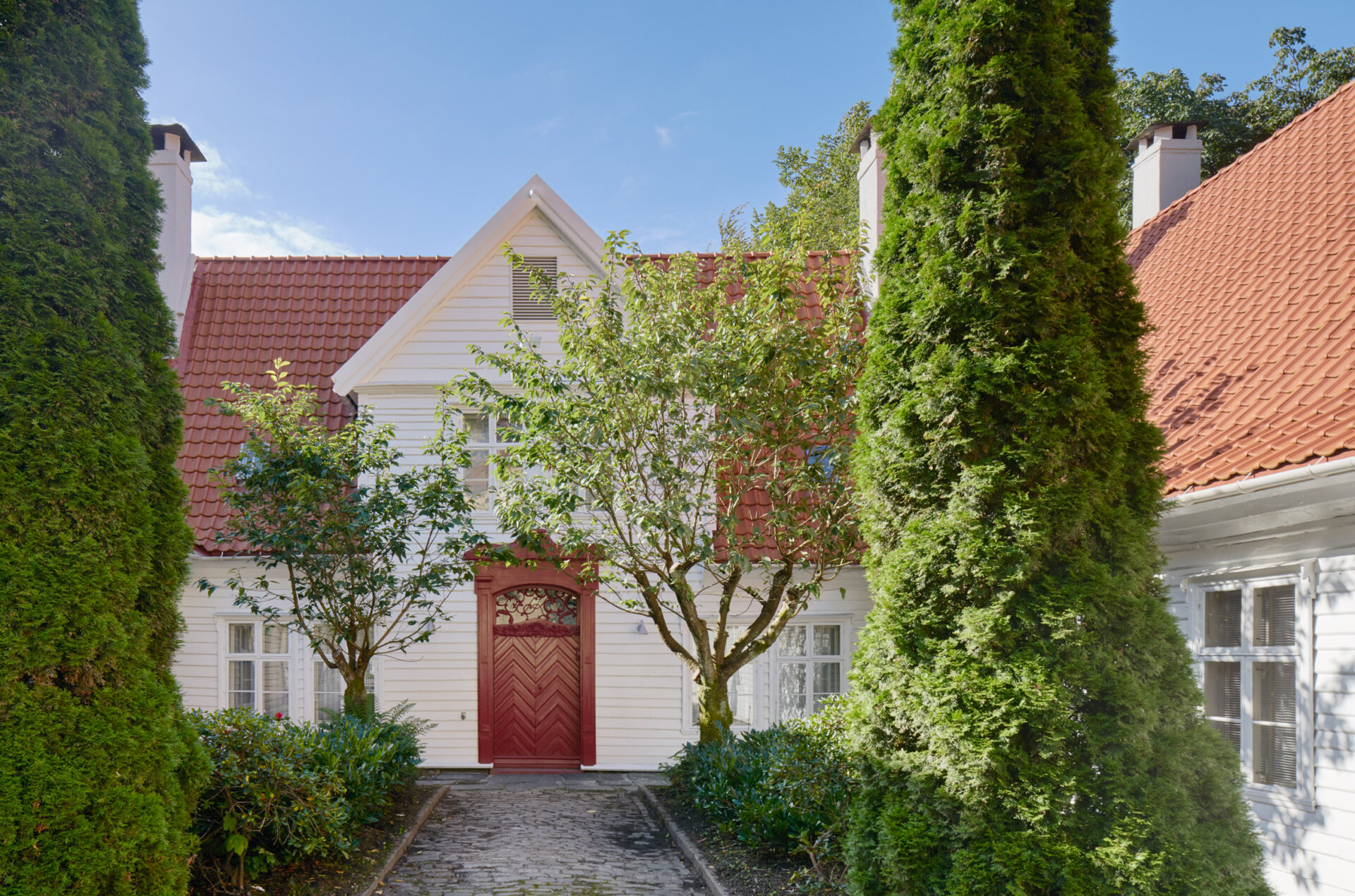
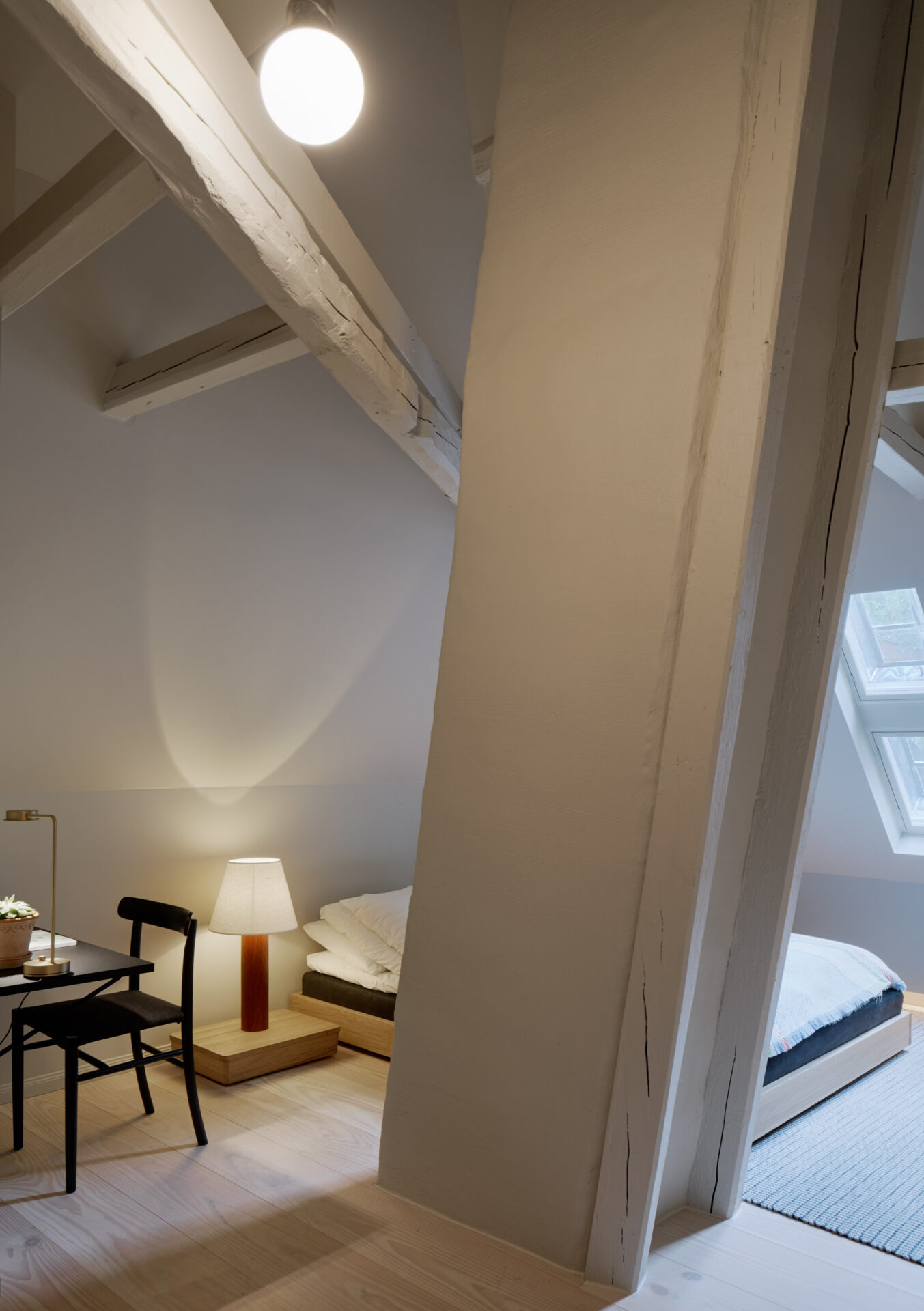
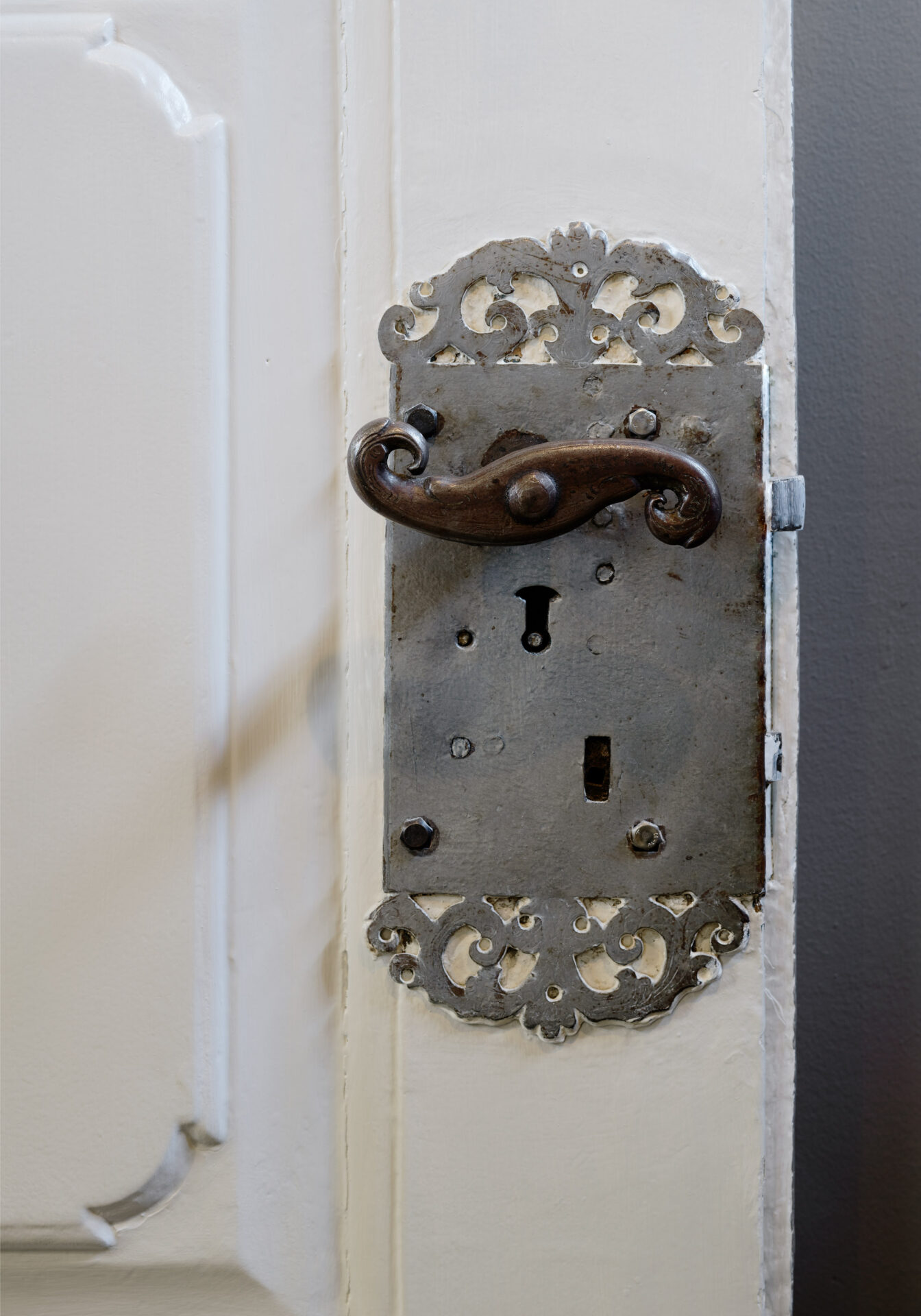
Claesson Koivisto Rune preserved the heritage-listed wooden house rather than imposing a contemporary architectural statement, allowing its beams, irregular rooms and sloping attic spaces to remain fundamental to the experience.
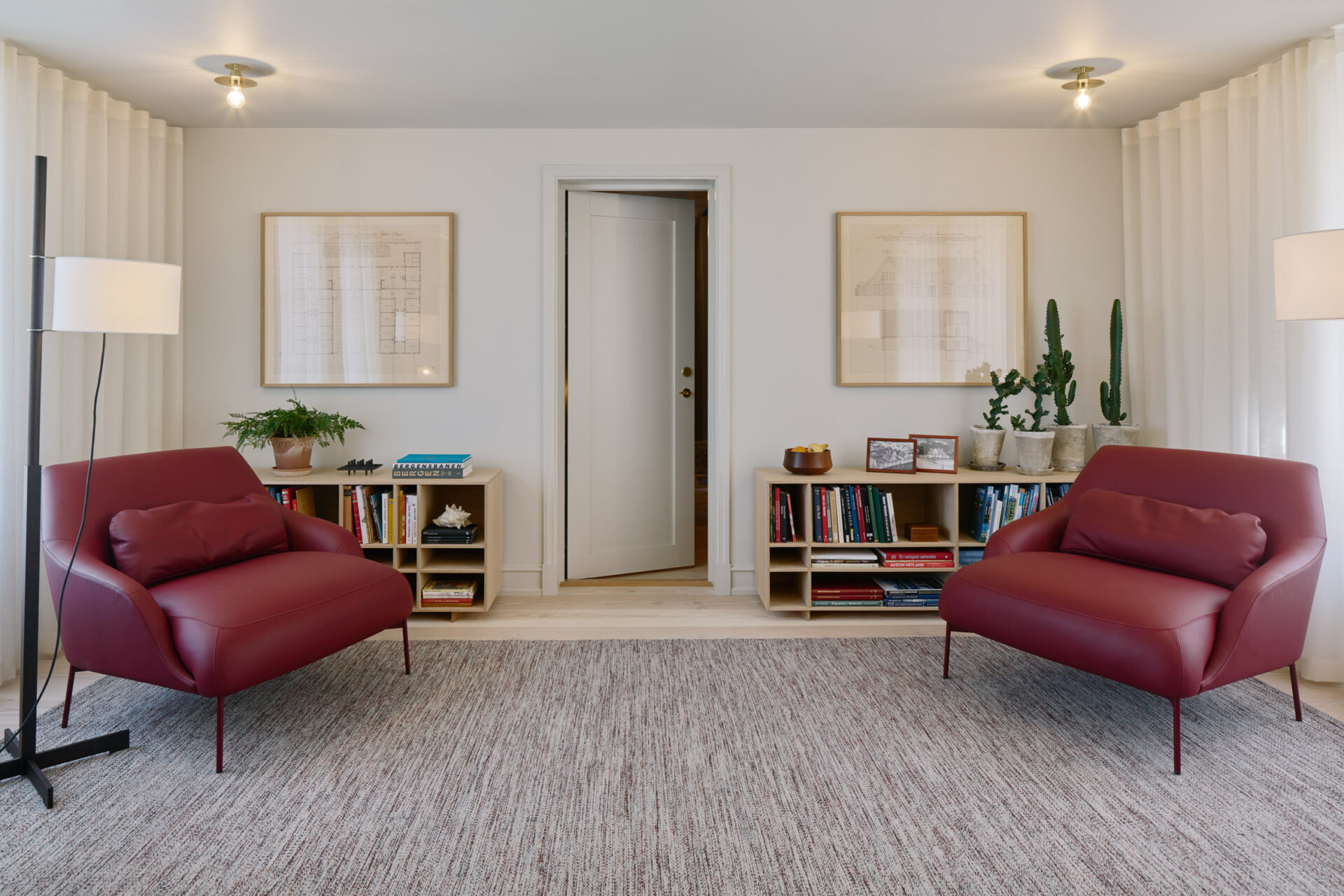
Danish painter Vilhelm Hammershøi inspired the muted greys, soft natural light and domestic calm, while colours discovered in historic layers of paint informed the interior palette.
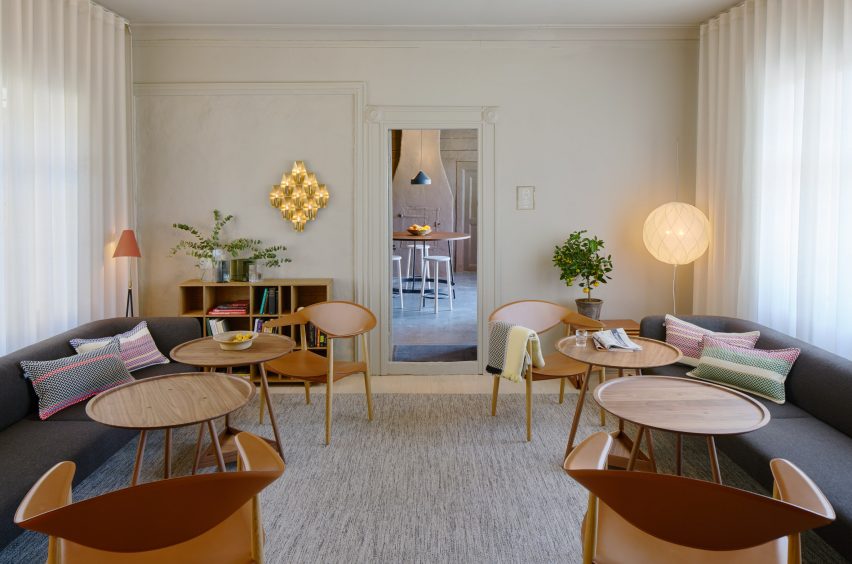
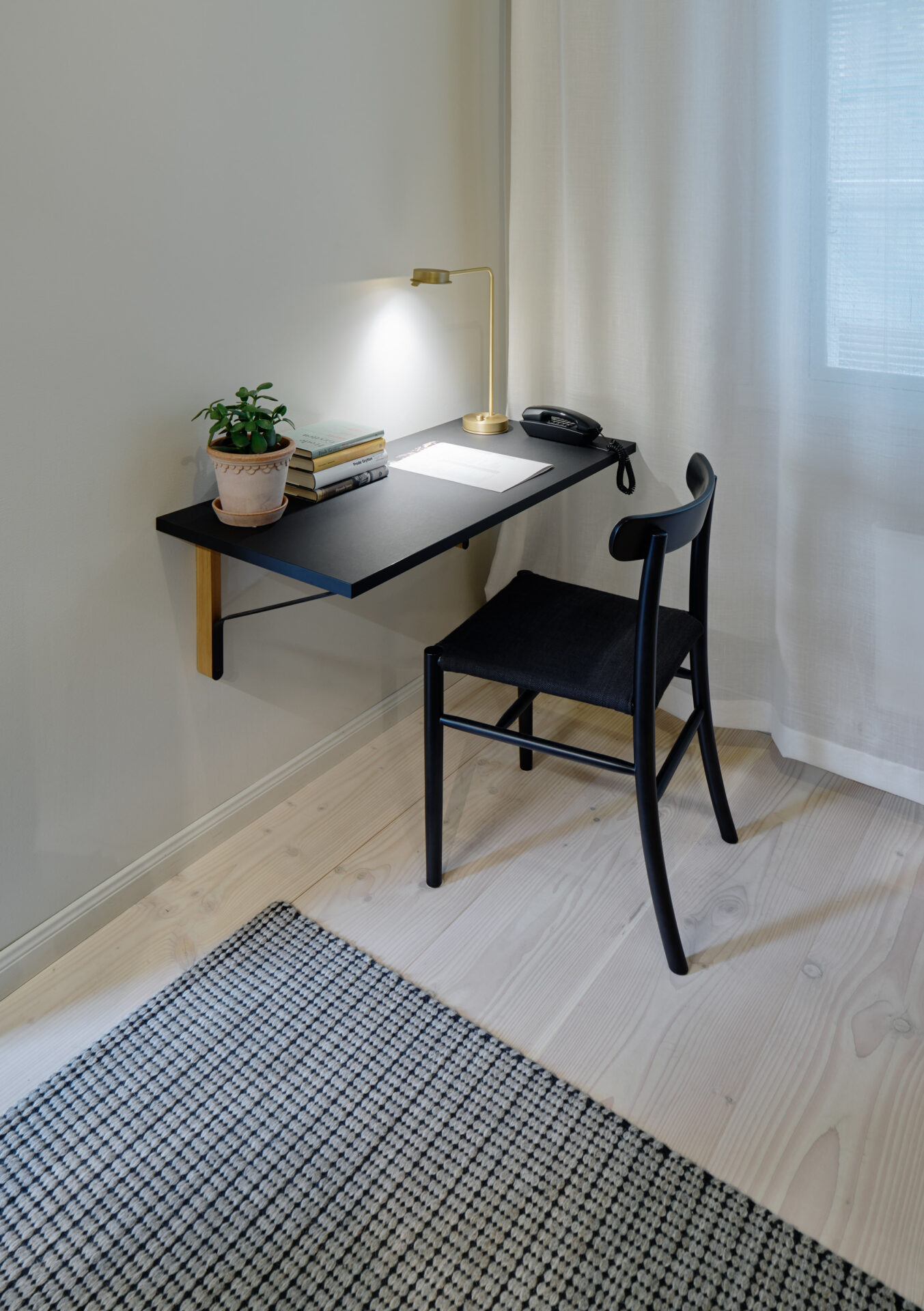
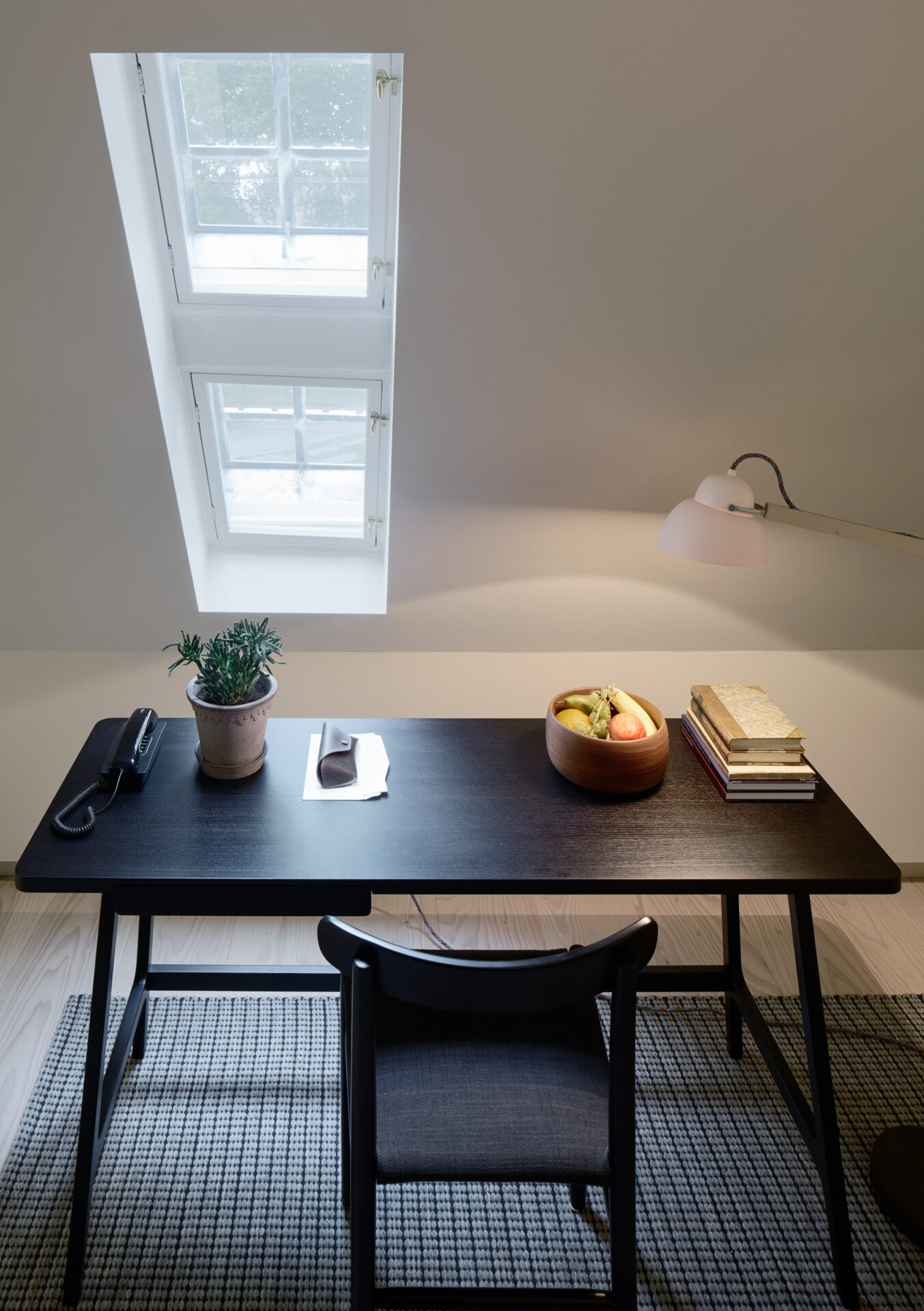
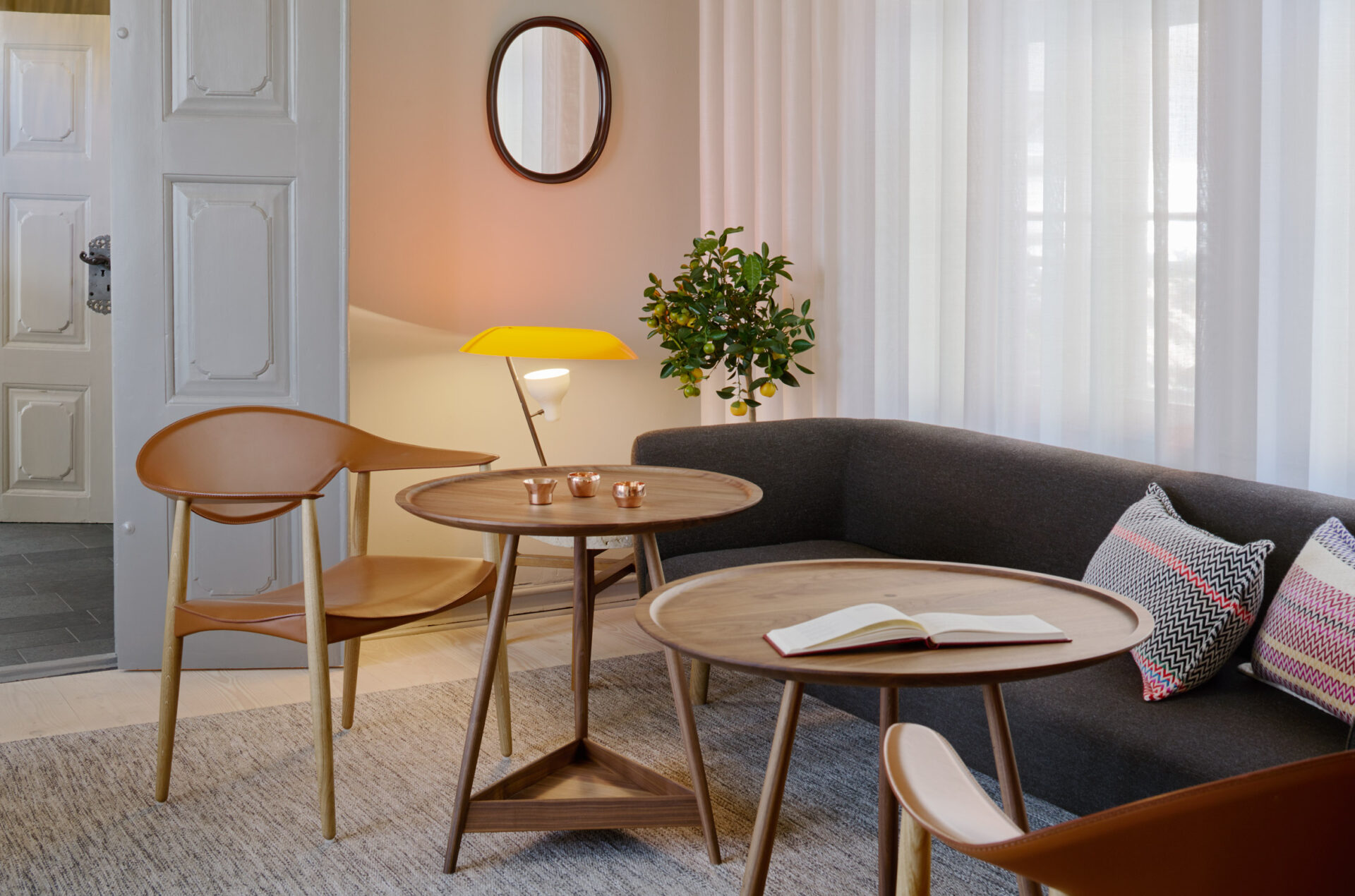
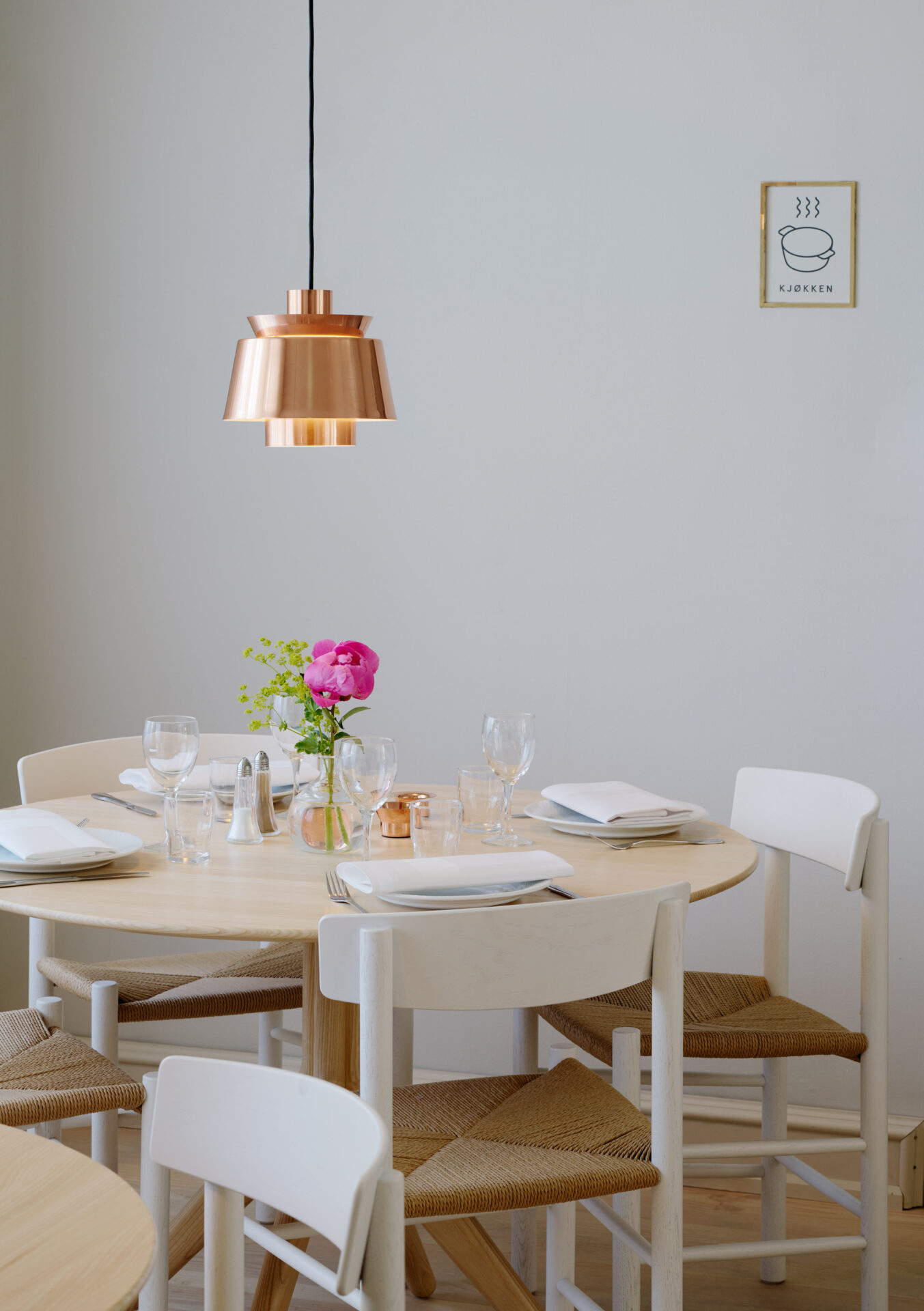
Furniture spanning the mid-century to the present — including pieces by the Bouroullec brothers, Ilse Crawford, David Chipperfield, Konstantin Grcic and Jasper Morrison — turns the house into a remarkably relaxed lesson in modern design.
The Stay
Villa Terminus blends historic Bergen timber architecture with Hammershøi-inspired calm, Scandinavian restraint and an exceptional collection of modern design.
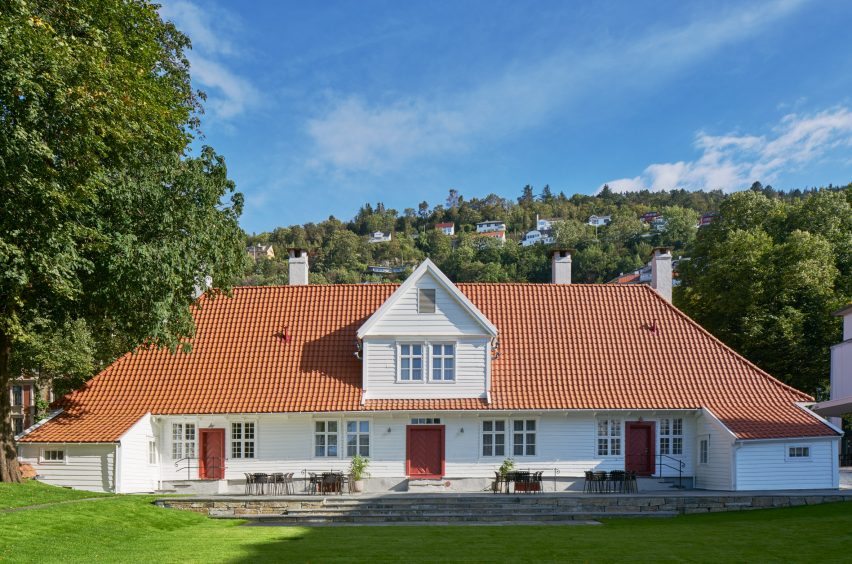
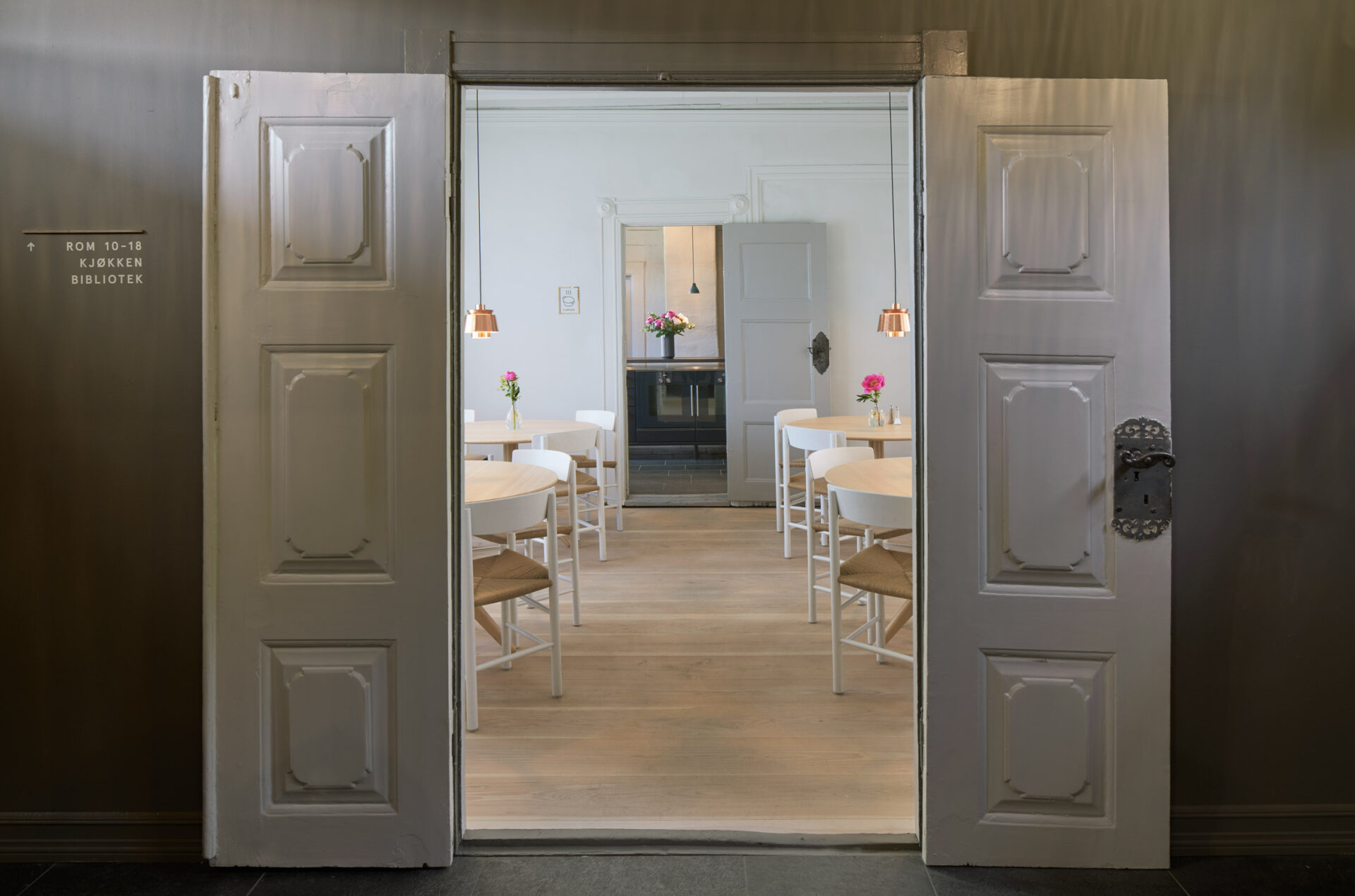
Villa Terminus stands opposite Bergen’s railway station in a heritage-listed wooden building dating from the late 18th century. It was originally created by a local merchant and philanthropist as a refuge for families in need and later served as a care home for the elderly. That domestic and charitable history remains important to its character. With just 18 rooms, it feels closer to a large private house than a conventional city hotel, with living rooms, a library and communal kitchen replacing the usual procession of lobby, reception and formal public spaces.
Hammershøi in Bergen
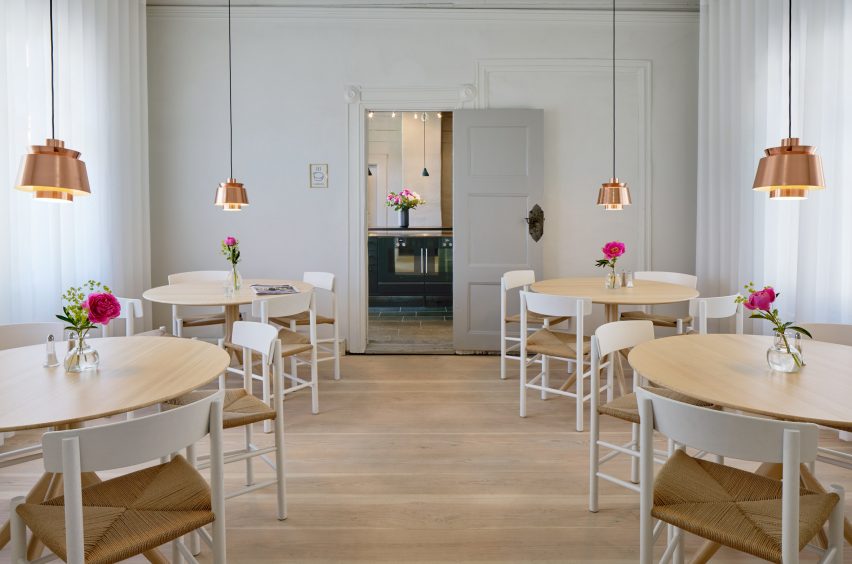
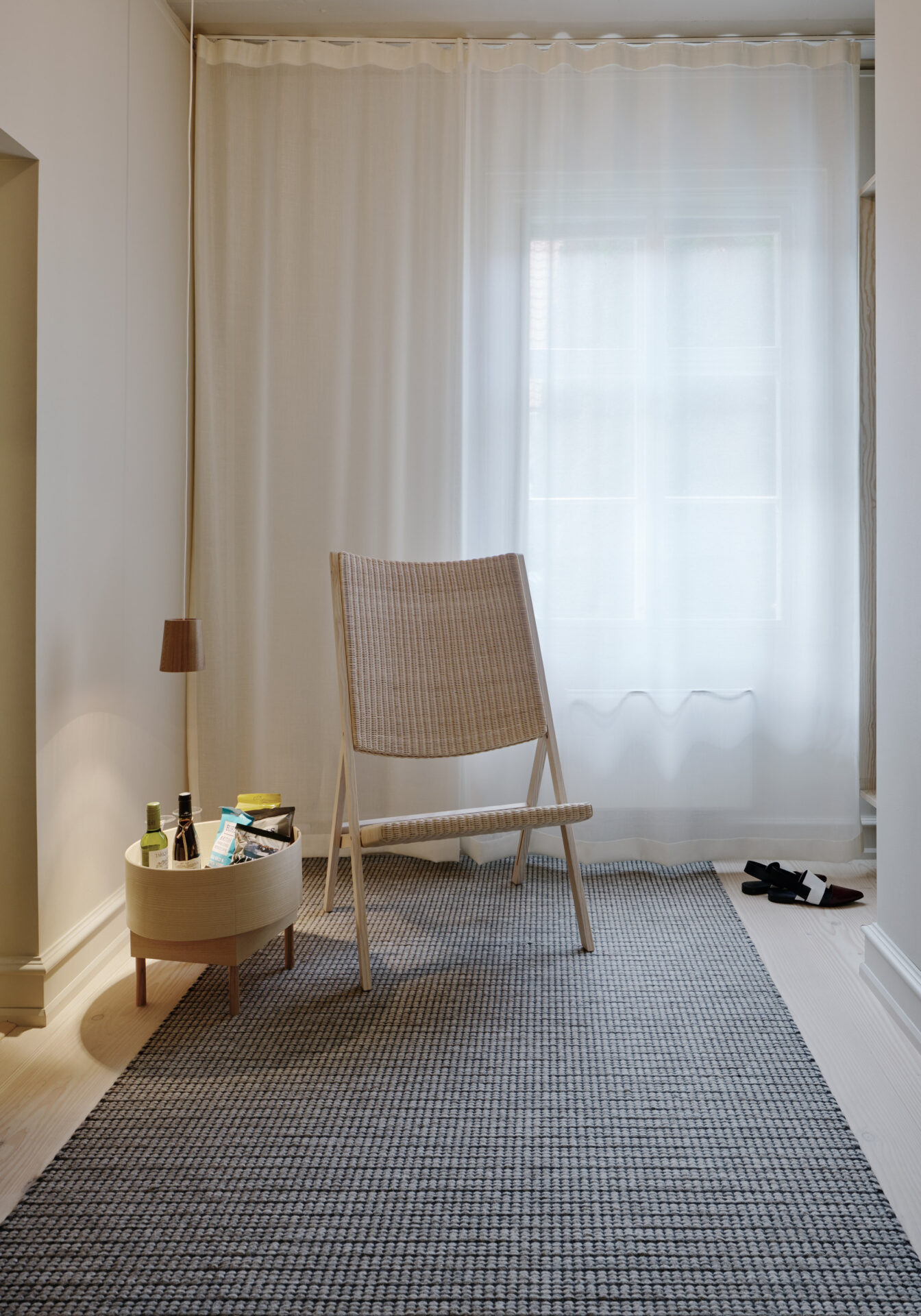
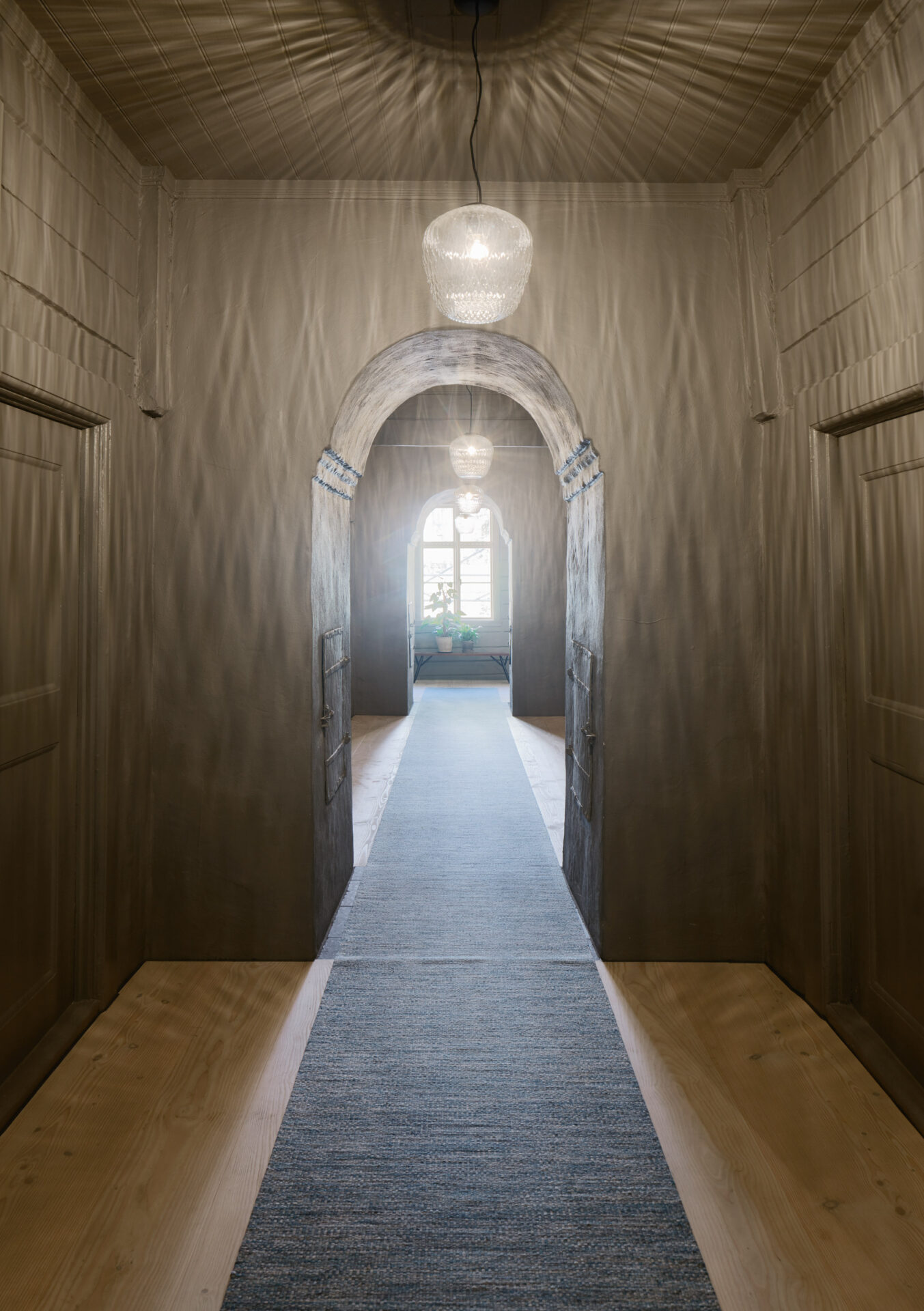
Claesson Koivisto Rune found an unexpected reference point in the interiors of Danish painter Vilhelm Hammershøi. His quiet domestic scenes — pale walls, empty rooms and soft northern light — informed an atmosphere that is deliberately contemplative rather than decorative. Historic paint scrapings helped establish the different shades of grey used throughout the house. Darker tones define halls, kitchen and spaces around the library, while bedrooms and living rooms become progressively lighter. Natural materials and woven textiles add warmth without disturbing the restraint.
The 1760s Meet the 1950s
The architects were neither interested in reconstructing an 18th-century interior nor in creating an aggressively contemporary contrast. Instead, Villa Terminus deliberately occupies several periods at once. Original timber, beams and historic proportions provide the oldest layer. Against them sit carefully sourced mid-century furniture and contemporary pieces. Claesson Koivisto Rune saw craftsmanship as the connecting thread: objects separated by generations can belong together when material, proportion and making are given equal importance.
Eighteen Rooms, No Formula
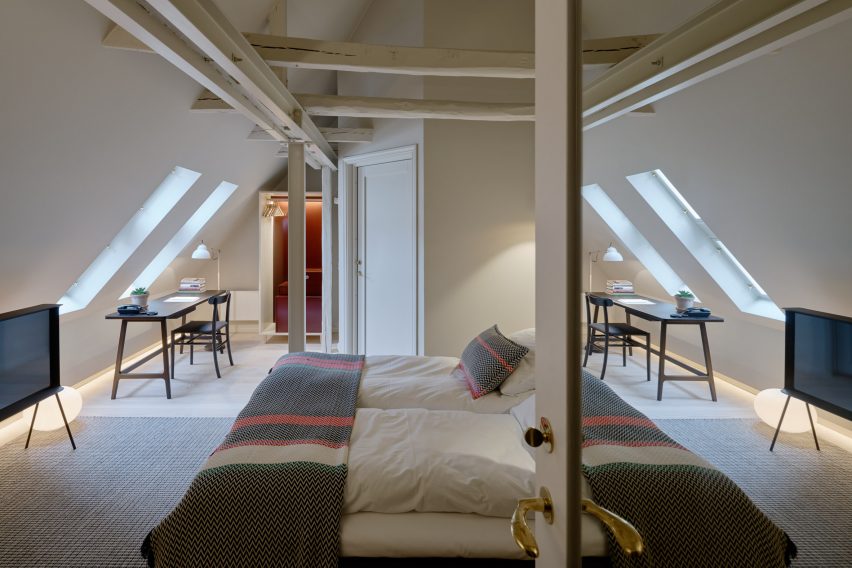
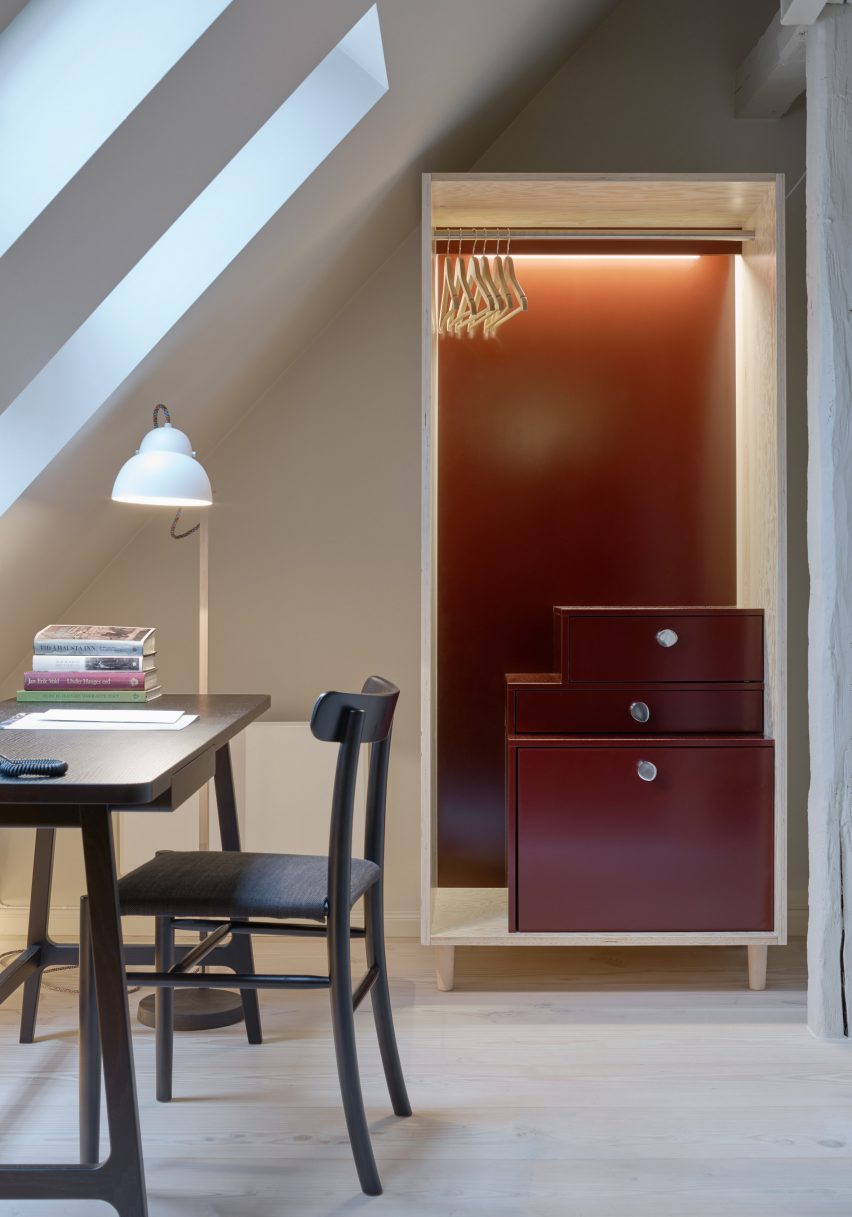
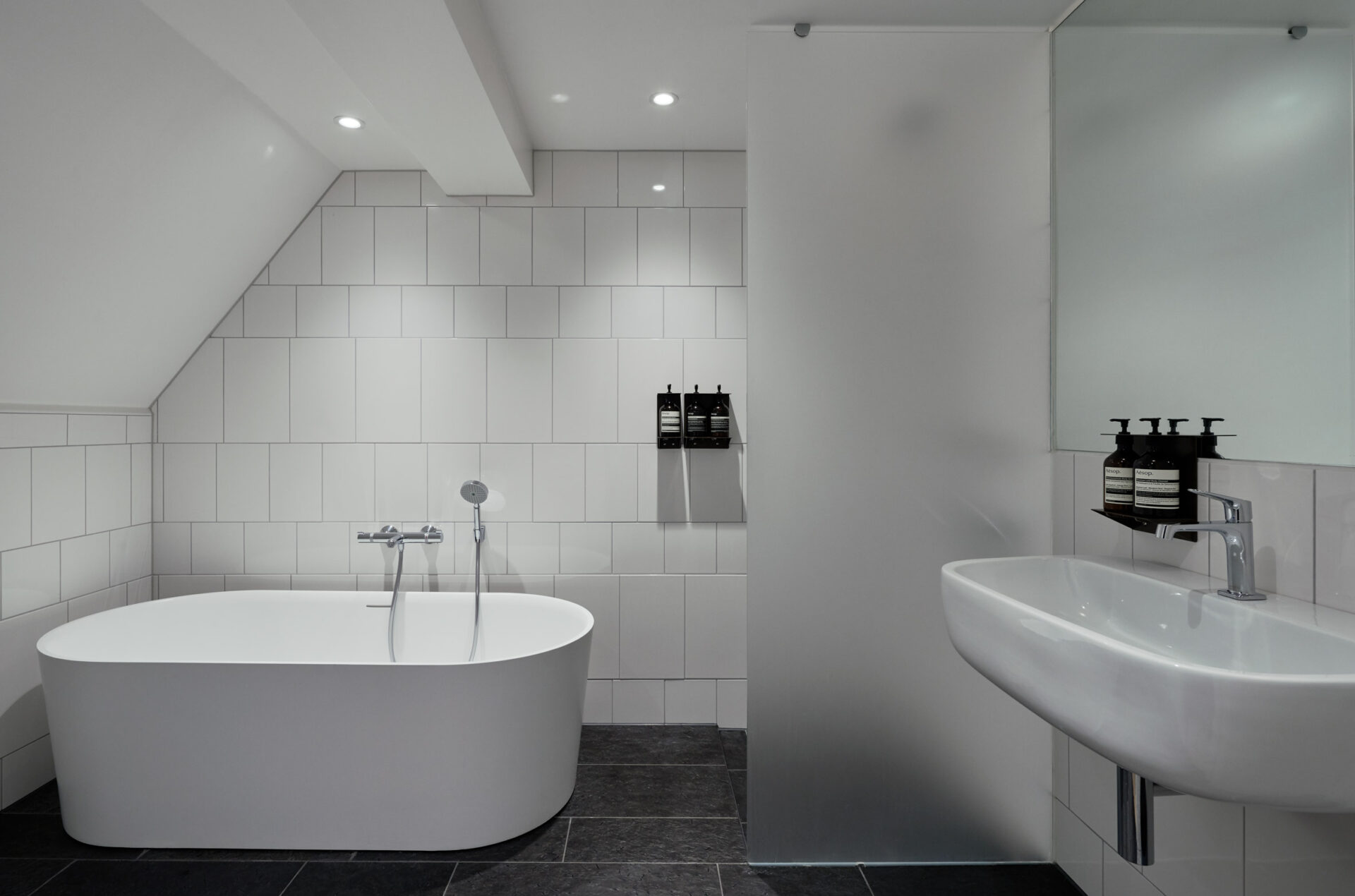
The small scale allowed the architects to respond individually to the existing building. Some rooms occupy straightforward historic volumes; others sit beneath sloping attic roofs where beams and irregular geometry determine the layout. Furniture and lighting are treated almost as a collection. Erwan and Ronan Bouroullec, Ilse Crawford, David Chipperfield, Antonio Citterio, Andreas Engesvik, Josef Frank, Kenneth Grange, Konstantin Grcic, Jasper Morrison, Patrick Norguet and Samuel Wilkinson are among the designers represented, alongside pieces by Claesson Koivisto Rune itself. Yet it never quite becomes the design museum the roll call suggests. Books, textiles and the modest scale of the rooms keep everything resolutely domestic.
*** please note bookings are available through the next-door Grand Hotel Terminus ***
Living Rooms Instead of a Lobby
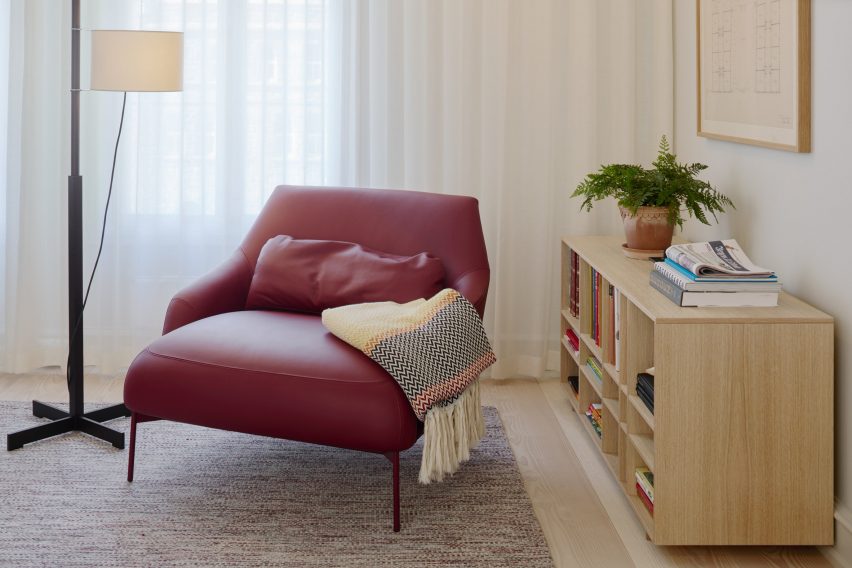
Villa Terminus is organised around spaces intended to be used rather than admired from a distance. Guests move between sitting rooms, library and communal kitchen, with furniture arranged to encourage reading, conversation or simply occupying the house. The library is stocked with Norwegian literature and books about Bergen rather than decorative shelf-fillers. It is an approach closer to a Scandinavian home than a boutique hotel, and one that makes the communal spaces as important as the bedrooms.
When Different Centuries Become One
Villa Terminus succeeds because Claesson Koivisto Rune never tries to decide which period the house should belong to. The late-18th-century architecture, mid-century furniture and contemporary design are allowed to exist simultaneously. Hammershøi provides the clue to why it holds together: light, proportion, craftsmanship and quietness matter more than stylistic consistency. The individual objects may come from different decades, but eventually their dates become almost irrelevant. What remains is something much harder to design — the feeling of a house that has acquired good things slowly over time.
Information
At a glance
Opened / Renovated
2017
Size matters
18 rooms
Interior design
Claesson Koivisto Rune
Bathroom Amenities
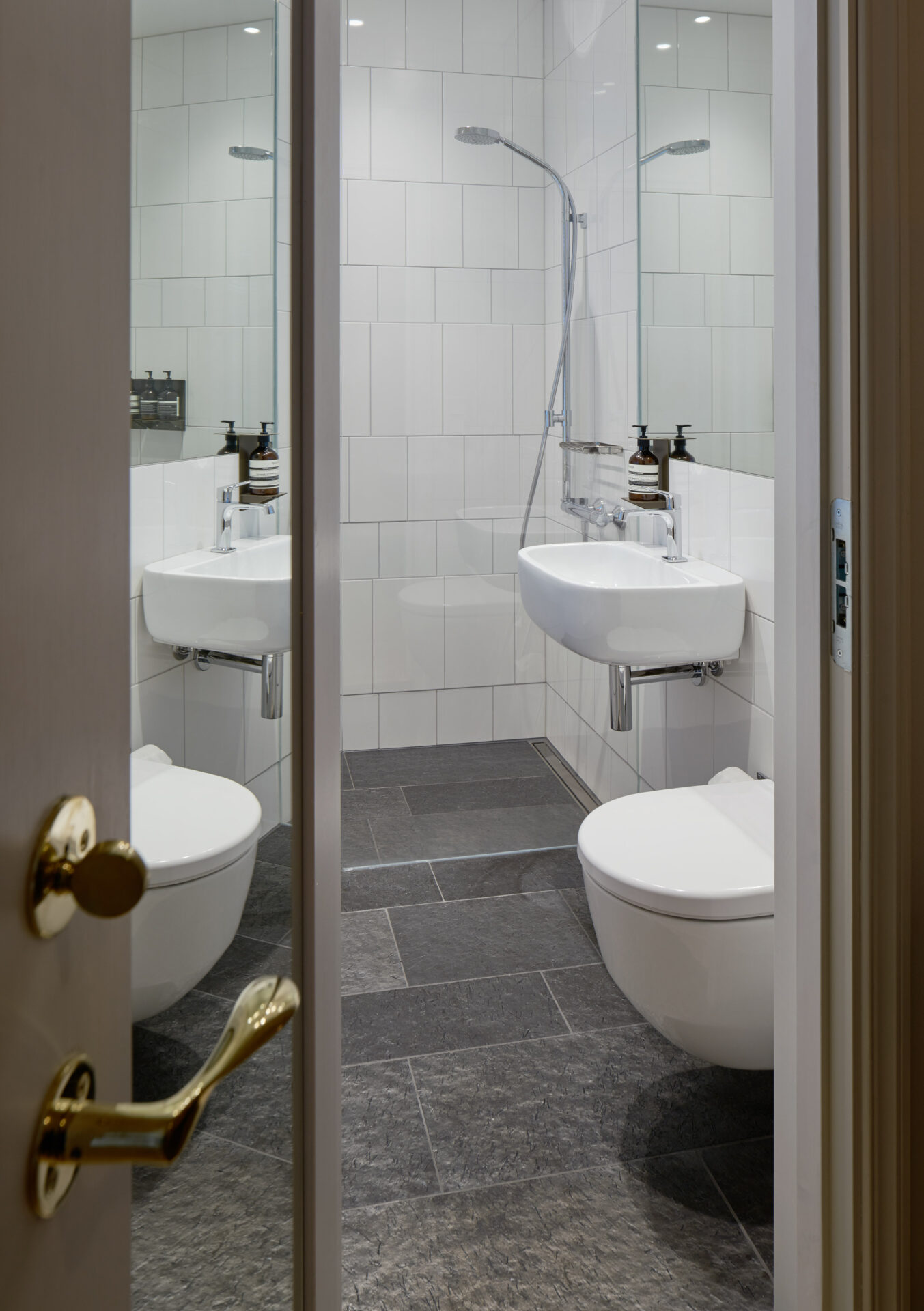
Aesop
Featured in
Don't take our word for it






Handpicked worldwide
A carefully curated collection of exceptional boutique and design hotels across the globe.
Design with soul
Architecture, atmosphere and craftsmanship come together in stays with a clear identity.
Hidden, not hyped
Independent boutique hotels you rarely find on mainstream booking platforms.
Travel guidance
Personal recommendations and thoughtful support from people who actually know the places.